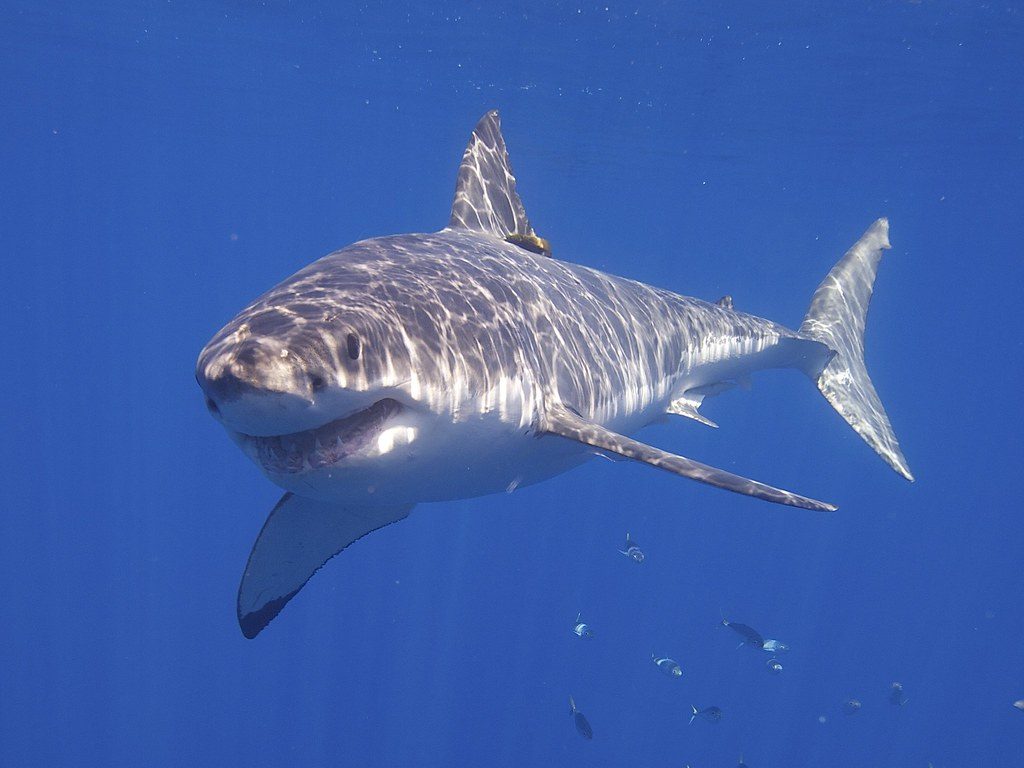
For decades, the waters around Cape Town, South Africa, were famous for great white sharks. Tourists traveled from around the world to watch these powerful predators hunt near Seal Island. Then something changed. Shark sightings began to drop, tourism slowed, and scientists started searching for answers. The mystery deepened when shark carcasses began washing ashore with their livers missing.
Some researchers believe orcas are responsible for driving great whites away, while others argue that human activities are to blame for the decline. Today, the debate continues as scientists work to understand what happened to one of the world’s most famous shark populations.
Cape Town was once a great white hotspot

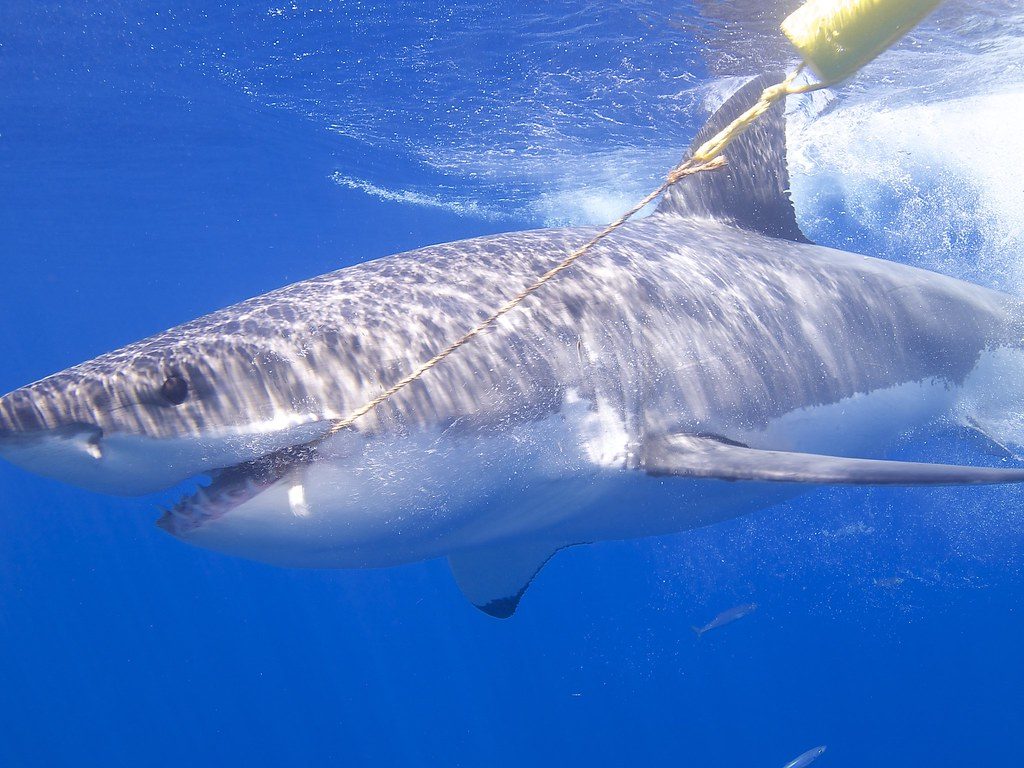
For many years, the waters near Cape Town were considered one of the best places on Earth to see great white sharks. Large numbers of sharks hunted around Seal Island, where thousands of seals gathered.
Photographers, researchers, and tourists regularly witnessed dramatic shark behavior. Great whites became a major attraction, drawing visitors from around the world who wanted to see these iconic predators in their natural habitat.
Shark sightings began to disappear
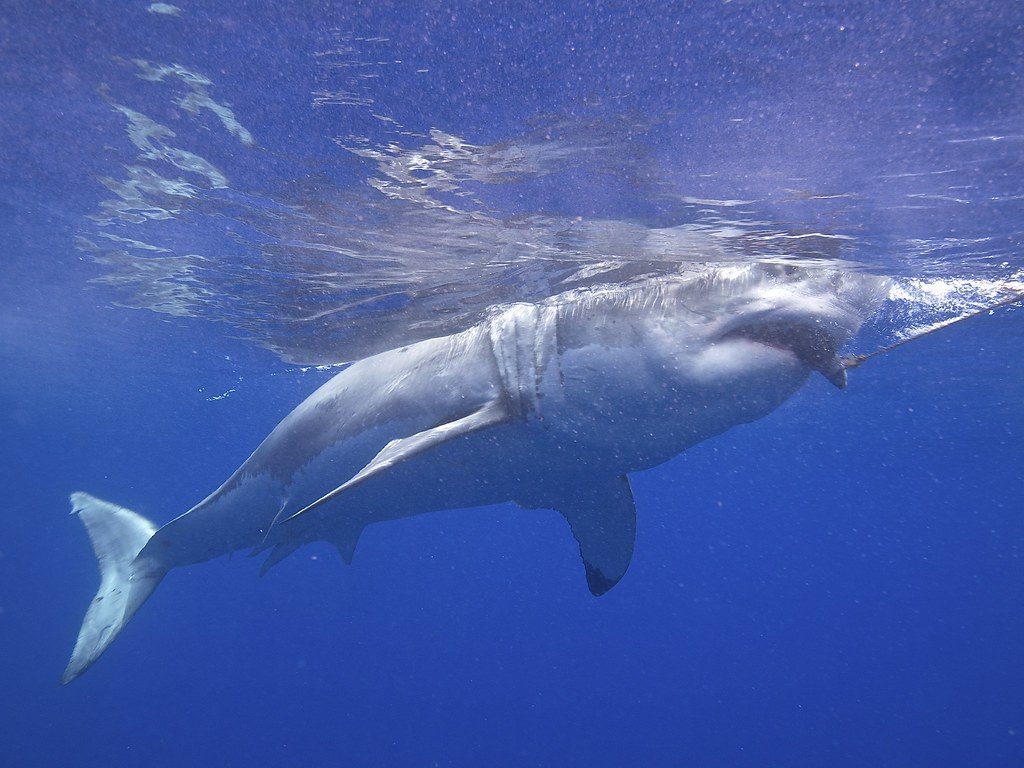
Around a decade ago, researchers and tour operators noticed a troubling trend. Great white shark sightings became less common, and the decline continued over time.
People who once observed hundreds of individual sharks each year suddenly struggled to find them. Areas that had been famous for shark encounters became unusually quiet, raising concerns about what was happening beneath the surface.
The mystery of the missing livers
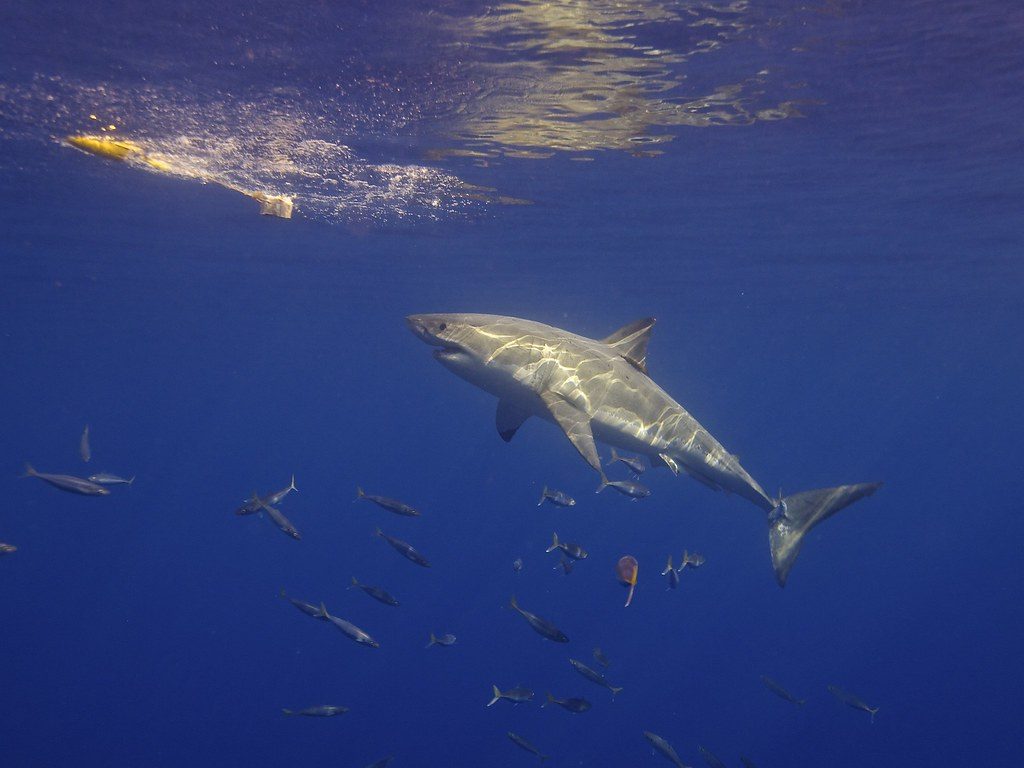
Scientists searching for clues discovered shark carcasses with unusual wounds. Several sharks were found with clean openings in their bodies and missing livers.
At first, some researchers thought humans might be responsible because the injuries looked so precise. Further examination revealed tooth marks, suggesting that another predator had carried out the attacks.
Orcas became the prime suspects

Researchers eventually connected the attacks to orcas, also known as killer whales. Two males with distinctive collapsed dorsal fins became especially famous after being linked to shark-hunting activity.
Named Port and Starboard, the pair appeared to specialize in targeting shark livers. Scientists later documented additional evidence showing orcas attacking and killing sharks in the region, supporting the idea that they were influencing shark behavior.
Not everyone agrees with the explanation
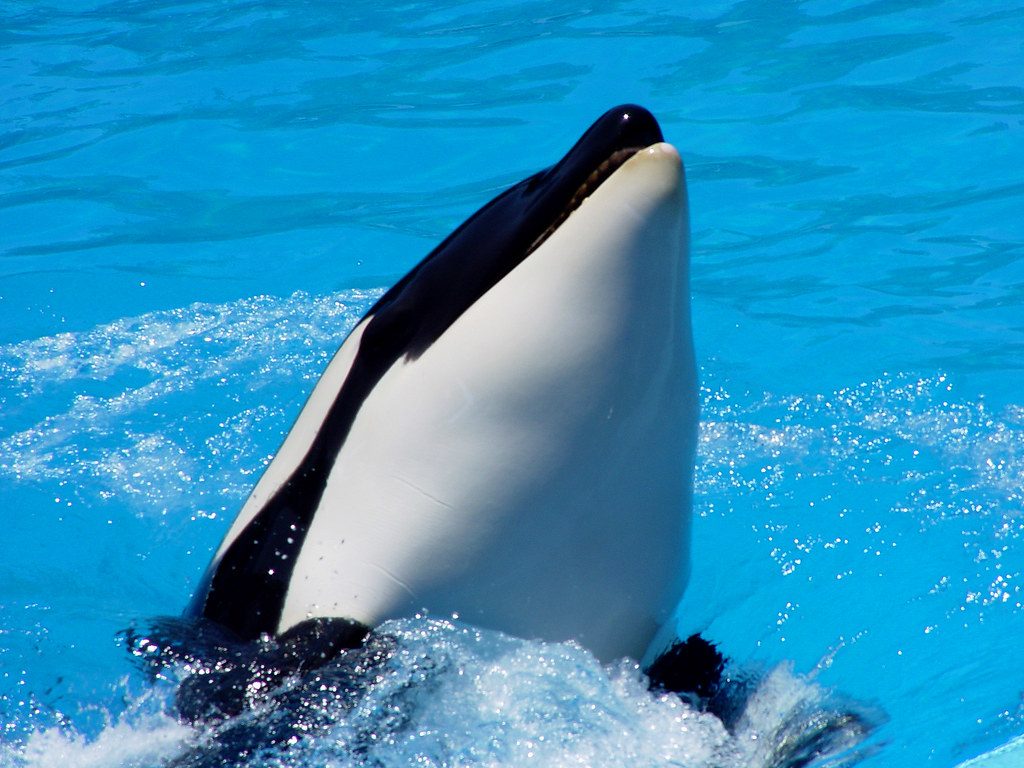
Some marine scientists believe orcas’ presence created a landscape of fear, prompting great white sharks to leave the area. According to this view, the sharks moved elsewhere to avoid becoming prey.
Other researchers disagree. They point out that shark numbers appeared to decline before the orcas became widely associated with attacks. They argue that the disappearance cannot be explained by the actions of just two predators.
Lessons from conservation success
While the debate continues, many researchers believe the situation offers important lessons about conservation. They point to humpback whales as an example of how species can recover when pressures are reduced.
Conservationists hope similar efforts can help great white sharks. Whether the main cause is orca predation, human activity, or a combination of factors, many agree that protecting healthy ocean ecosystems remains essential.
Leave a Reply