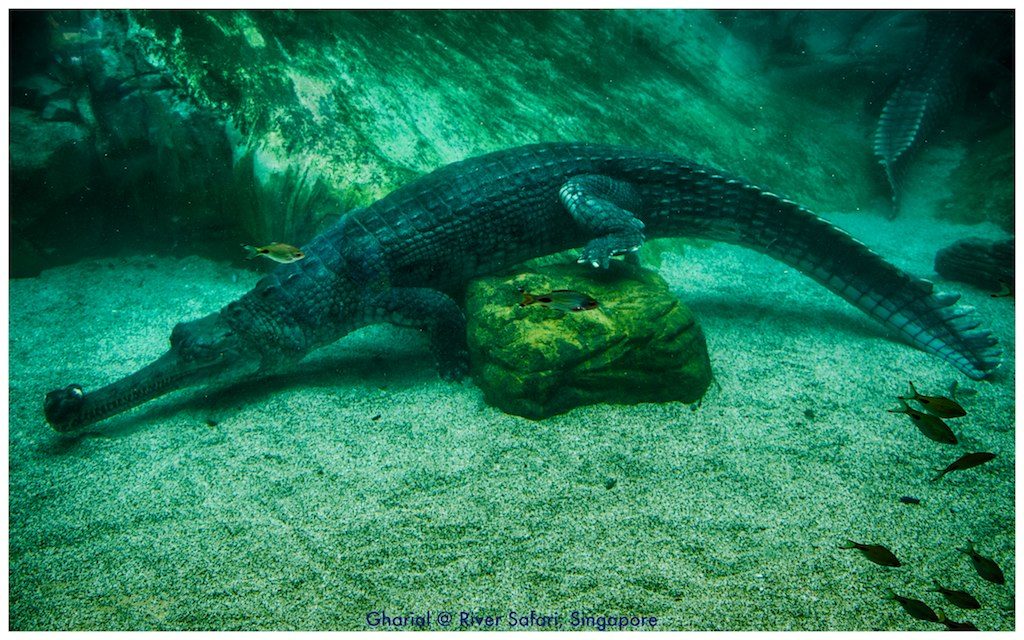
Have you ever wondered how a giant fish-eating crocodilian survives in a river filled with competition? Agario, one of the largest living gharials, offers a fascinating answer. As a member of a critically endangered species, Agario relies on unique adaptations that help him succeed where many other predators struggle. His long, narrow snout, powerful swimming ability, and specialized hunting skills make him perfectly suited for life in large rivers.
By watching Agario in action, scientists and wildlife enthusiasts can better understand how gharials survive in challenging environments. This article explores the features, behaviors, and survival strategies that allow Agario to thrive in a crowded river ecosystem and why these remarkable reptiles remain important to the health of freshwater habitats.
Agario belongs to a unique crocodilian species
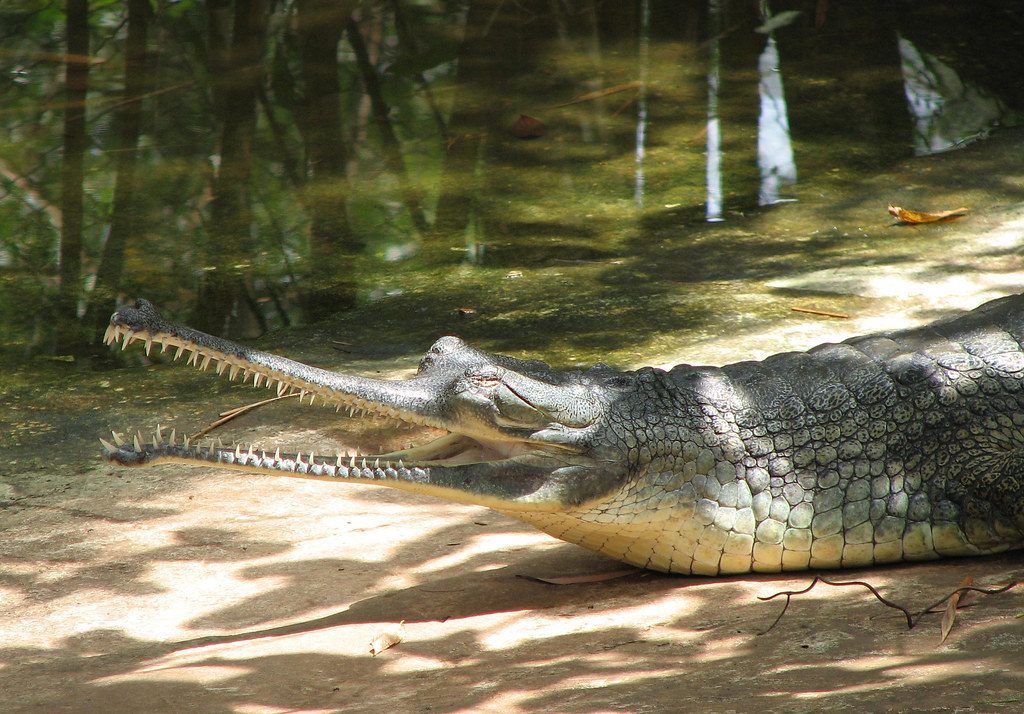
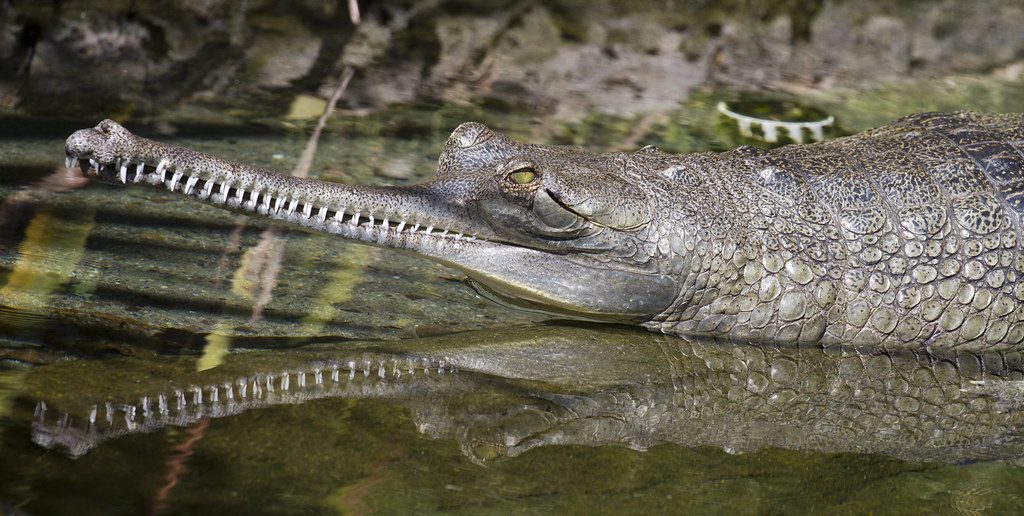
Agario is a gharial, a crocodilian that looks very different from crocodiles and alligators. The most noticeable feature is the extremely long and narrow snout, which is lined with many sharp teeth. Unlike broader-snouted crocodilians that can tackle large mammals, gharials are highly specialized fish hunters. Their slender jaws move quickly through the water with very little resistance, helping them catch fast-moving prey.
Gharials once lived throughout many river systems across the Indian subcontinent. Today, they are much rarer because of habitat loss, changes to rivers, and human activity. As one of the largest living members of his species, Agario represents a remarkable example of how these ancient reptiles have adapted to survive in freshwater environments for millions of years.
The long snout is built for catching fish
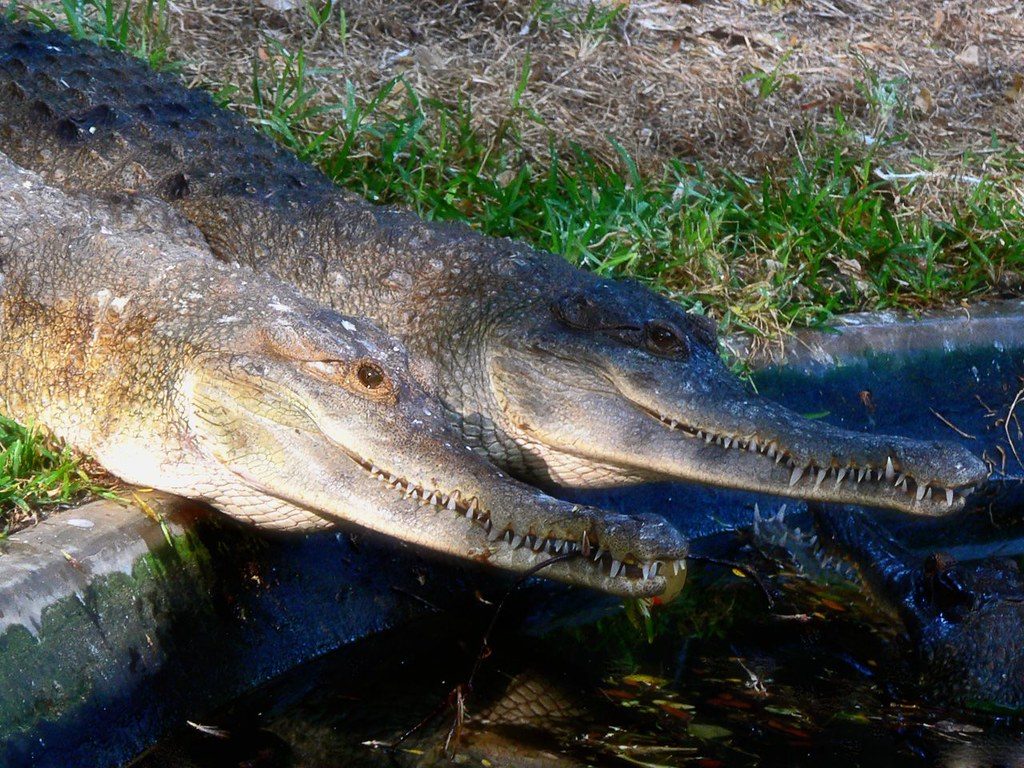
Agario’s narrow snout is one of the most specialized hunting tools found in any crocodilian. The shape allows him to sweep his jaws through the water with speed and precision. When a fish passes nearby, the jaws can snap shut almost instantly. This design helps him capture prey that would be difficult for broader-snouted predators to catch.
The many interlocking teeth along the edges of the snout create an effective trap for slippery fish. Once prey is caught, escape becomes difficult. This adaptation gives Agario an advantage in rivers where fish move quickly and competition for food can be intense. His success depends more on speed and precision than on brute force.
Life in the river requires constant adaptation
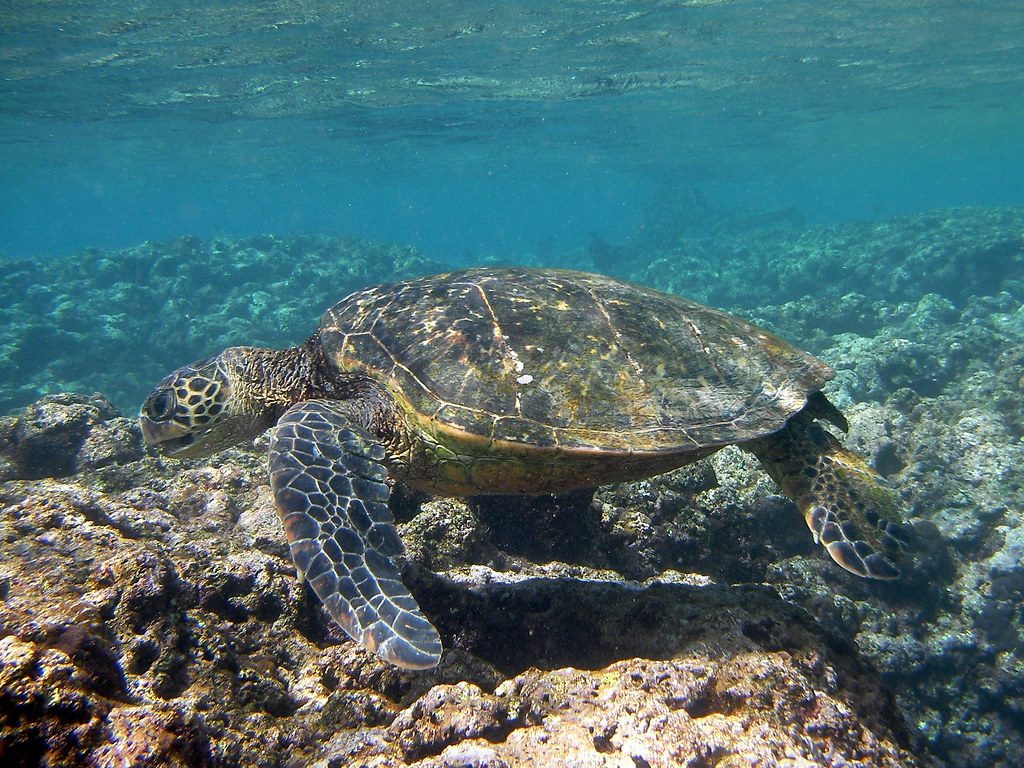
Large rivers are busy ecosystems filled with fish, turtles, birds, and other predators. Agario must compete for space and food while also avoiding unnecessary conflict. His streamlined body helps him move efficiently through the water, allowing him to patrol large sections of the river in search of prey.
Water conditions can change throughout the year as river levels rise and fall. During these shifts, fish may move to different areas, forcing predators like Agario to adjust their hunting patterns. His ability to adapt to changing conditions is an important reason why he continues to thrive despite the challenges of river life.
Breeding season brings sudden displays of power
Although gharials are generally focused on fishing, the breeding season can lead to dramatic confrontations between males. Large males compete for access to females and valuable territory. During these encounters, rivals may display aggressive behaviors and attempt to establish dominance without causing serious injury.
As one of the largest gharials, Agario likely benefits from his size during these contests. Bigger males often have an advantage when competing for mates. These interactions play an important role in the species’ reproduction and help determine which individuals pass their genes to future generations.
Why size matters for survival
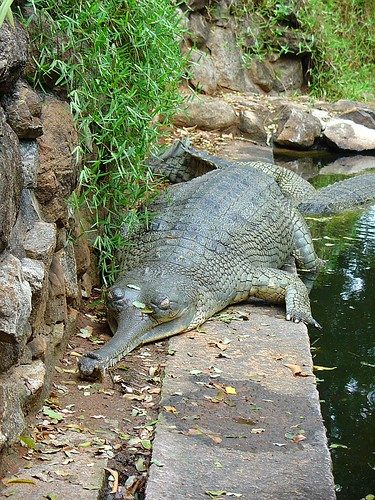
Agario’s impressive size provides several advantages in the wild. Larger gharials can travel long distances more efficiently and may have access to better hunting areas. Their size can also discourage challenges from smaller rivals, reducing the need for frequent confrontations.
Size alone does not guarantee success, however. Agario must still rely on skill, experience, and specialized adaptations to catch enough food. His combination of size and hunting ability allows him to take full advantage of the opportunities available within his river habitat.
What Agario teaches us about conservation
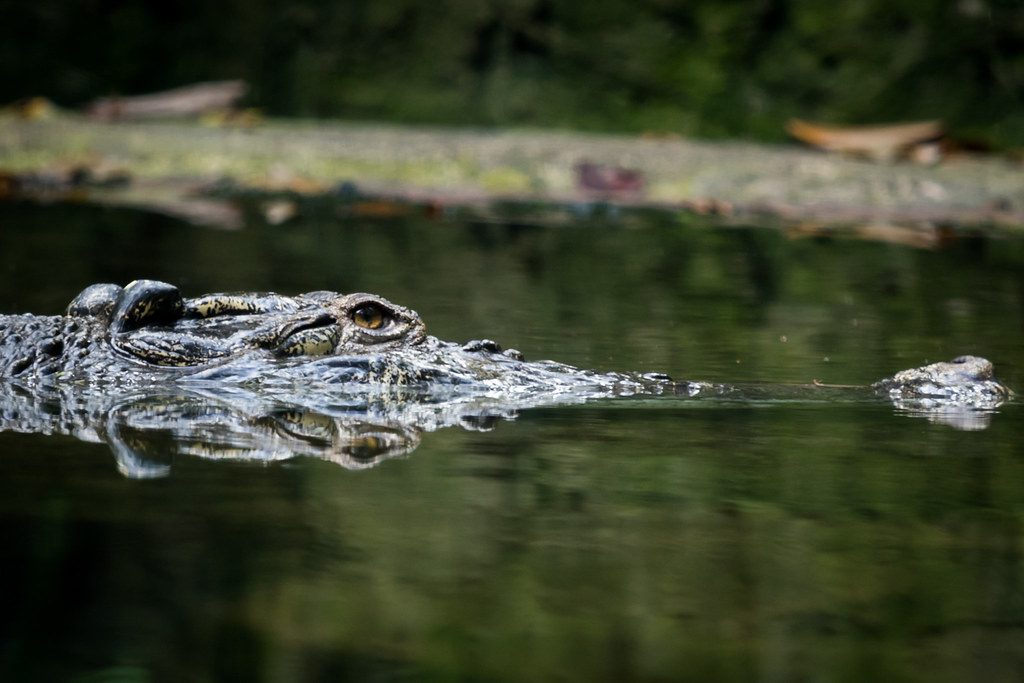
Agario’s story highlights both the resilience and vulnerability of gharials. Despite being highly specialized predators, gharials face significant threats from habitat destruction, pollution, and changes to river systems. Their survival depends on healthy rivers that can support both fish populations and nesting areas.
By studying large individuals like Agario, scientists gain valuable insights into the needs of the species. Protecting rivers and restoring habitat can help ensure that future generations of gharials continue to survive. Agario serves as a powerful reminder of the importance of conserving some of the world’s most unique and endangered reptiles.
Leave a Reply