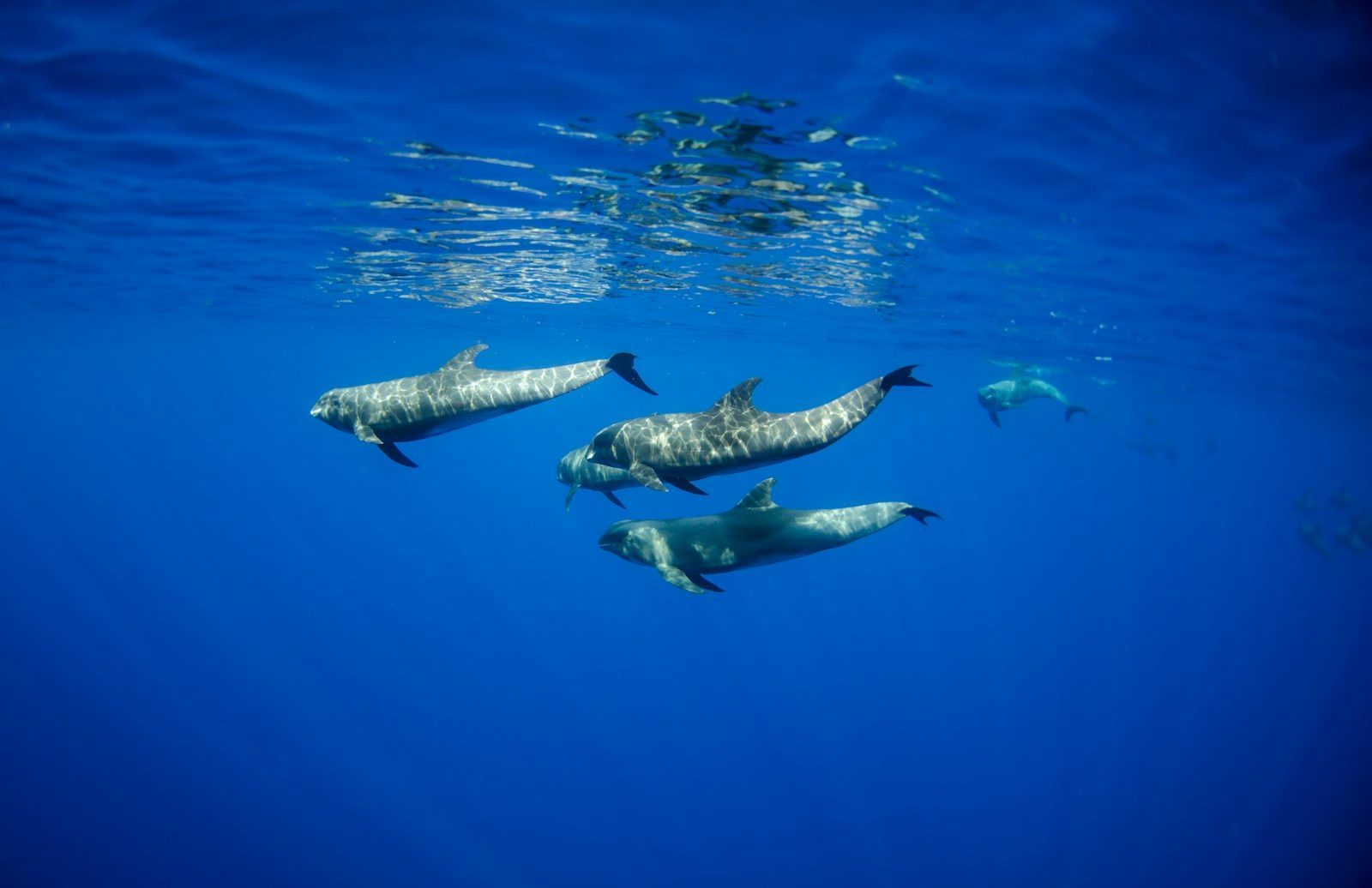
Have you ever wondered how whales, dolphins, seals, and other marine mammals stay hydrated while living in salty ocean water? It may seem like they could simply drink the water around them, but seawater contains far too much salt for most mammals. In fact, drinking large amounts of seawater can cause dehydration rather than prevent it.
The surprising way marine mammals avoid dehydration is through a combination of special body adaptations, water-rich food, and the ability to create water inside their own bodies. Understanding these remarkable survival strategies helps explain how some of the world’s most famous ocean animals thrive in an environment that would quickly dehydrate most land mammals. This article explores the science behind marine mammal hydration and the unique systems that keep them healthy in the sea.
Why seawater creates a dehydration problem

The ocean contains large amounts of dissolved salt. For mammals, including humans and most marine mammals, this presents a serious challenge. Body fluids contain much less salt than seawater. When too much salt enters the body, extra water is needed to remove it. If enough water is not available, dehydration can occur.
This means that simply drinking seawater is not an easy solution for staying hydrated. In many cases, the body would lose more water while getting rid of excess salt than it would gain from the seawater itself. Because of this, most whales, dolphins, and seals rely on other methods to meet their water needs rather than regularly drinking ocean water.
The hidden water found in their food
One of the most important sources of water for marine mammals is the food they eat. Fish, squid, krill, and other prey contain large amounts of water inside their tissues. When marine mammals consume these animals, they receive both nutrients and hydration at the same time.
This strategy works especially well because the water found in prey is much less salty than seawater. Large whales that feed on krill can obtain significant amounts of water from their meals. Dolphins and seals also gain much of their daily water intake from fish and squid. As a result, many marine mammals can meet a large portion of their hydration needs without ever seeking fresh water.
The amazing ability to make water internally
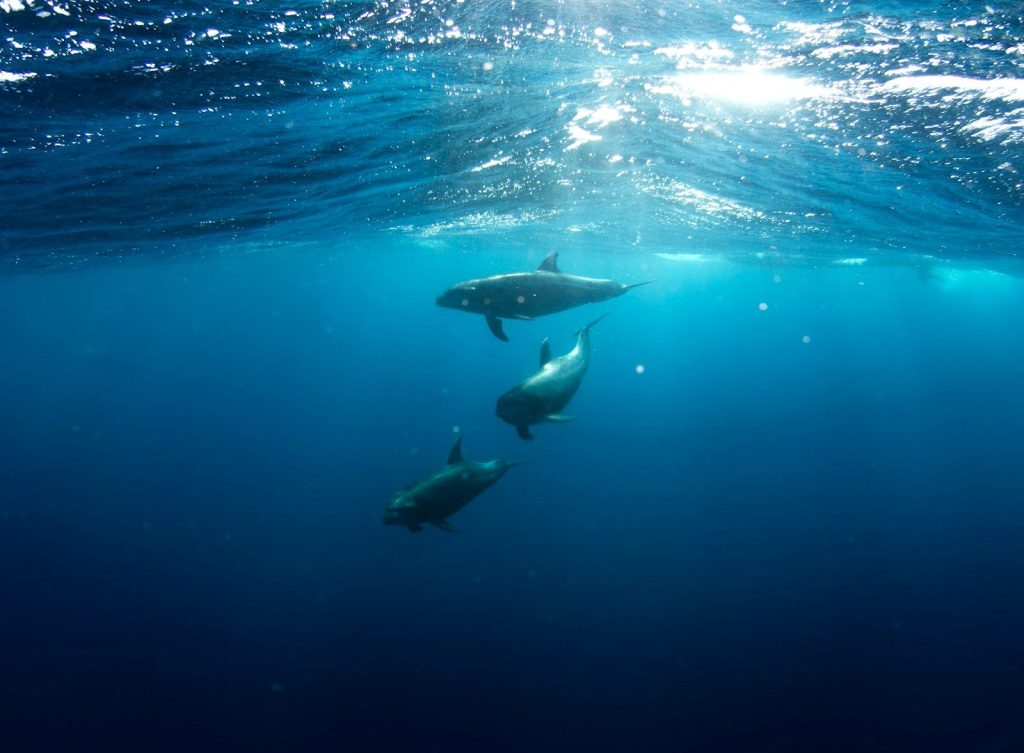
Perhaps the most surprising way marine mammals avoid dehydration is by producing water inside their own bodies. This process creates what scientists call metabolic water. When fats, proteins, and carbohydrates are broken down to release energy, water is produced as a natural byproduct.
Fat is especially important because it generates more metabolic water than many other nutrients. Marine mammals often carry thick layers of blubber, which serve several purposes. It helps keep them warm, stores energy, and can also contribute to water production when fat is metabolized. During long migrations or periods with limited feeding, metabolic water becomes an important source of hydration. Some species can rely heavily on this internally produced water when food intake is reduced.
Specialized kidneys help manage salt
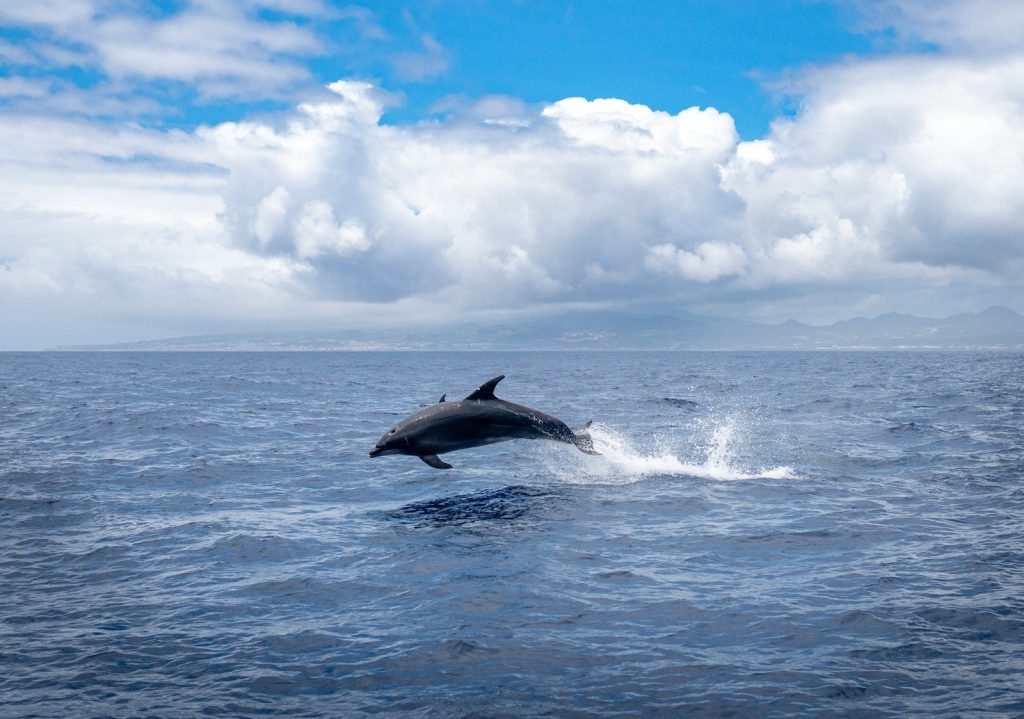
Marine mammals possess highly efficient kidneys that help them maintain the right balance of water and salt. These kidneys are adapted to remove excess salt while conserving as much water as possible. This ability is critical for animals that spend their entire lives surrounded by seawater.
Many marine mammals have kidneys made up of numerous small sections called lobes. This structure increases the surface area available for filtering blood. The kidneys can produce very concentrated urine, allowing the animals to remove waste and excess salts while minimizing water loss. This efficient system helps whales, dolphins, and seals maintain healthy fluid levels even in challenging ocean conditions.
Different marine mammals use different strategies
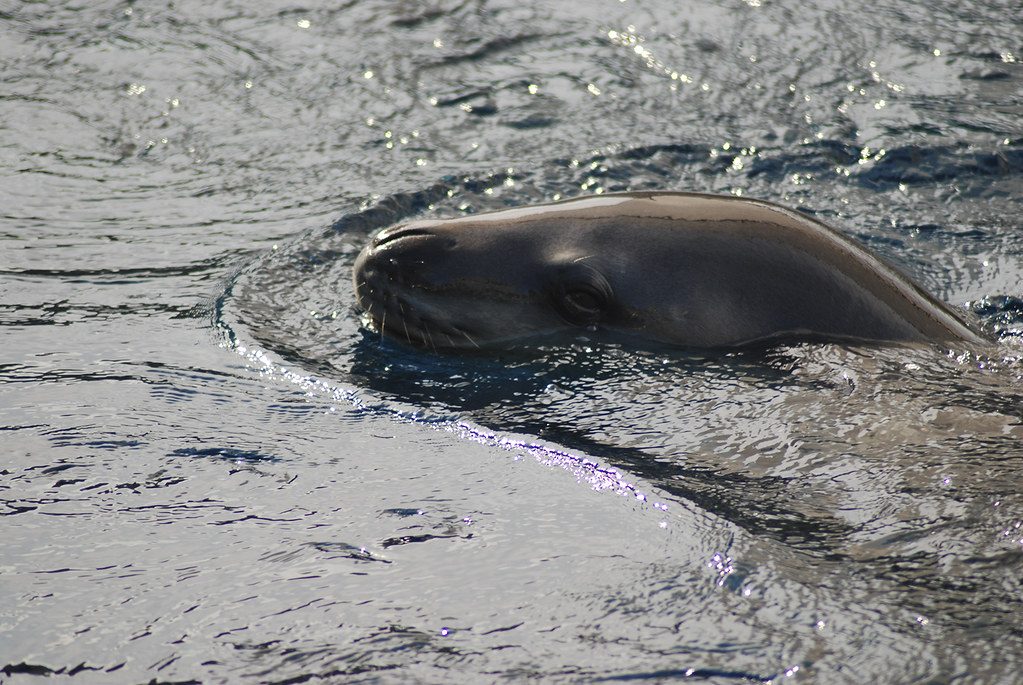
Although marine mammals share many hydration adaptations, not every species follows exactly the same approach. Whales, dolphins, and many seals generally depend heavily on food-derived water and metabolic water. They do not regularly drink large amounts of seawater as their primary source of hydration.
Some marine mammals have developed different habits. Sea otters, for example, can consume seawater more frequently than many other marine mammals because they possess strong salt-handling abilities. Manatees often seek out freshwater sources when they are available. These differences show that marine mammals have evolved multiple solutions to the challenge of living in salty environments, depending on their habitat and lifestyle.
How hydration supports survival in the ocean
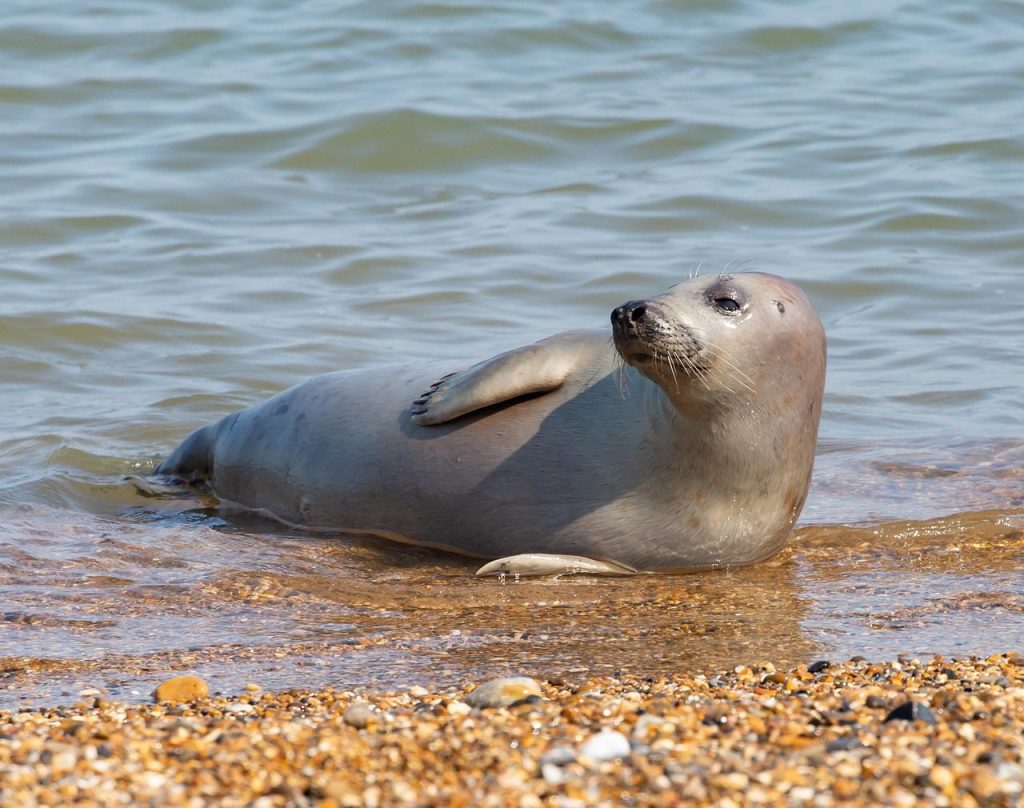
Proper hydration is essential for every marine mammal’s function. Water helps transport nutrients, remove waste products, regulate body chemistry, and support the operation of muscles and organs. Without reliable ways to maintain water balance, marine mammals would struggle to survive in the ocean.
Hydration also becomes especially important during demanding activities such as diving, migration, reproduction, and nursing young. Some marine mammals can travel thousands of miles while maintaining healthy water levels. Others can endure long fasting periods by relying on stored fat and the metabolic water it produces. These adaptations allow marine mammals to occupy habitats ranging from tropical seas to icy polar waters while remaining properly hydrated.
What scientists continue to learn about marine mammal hydration

Researchers have studied marine mammal water balance for decades, but new discoveries continue to improve our understanding. Scientists now know that hydration involves a complex combination of behavior, diet, metabolism, kidney function, and hormone regulation. Each of these systems works together to maintain a stable internal environment.
Modern research is also helping scientists understand how climate change and shifting ocean ecosystems may affect marine mammal hydration in the future. Changes in prey availability could influence the amount of water animals obtain from food. By studying these processes, researchers gain valuable insight into how marine mammals may adapt to changing conditions and what conservation efforts may be needed to protect them.
Leave a Reply