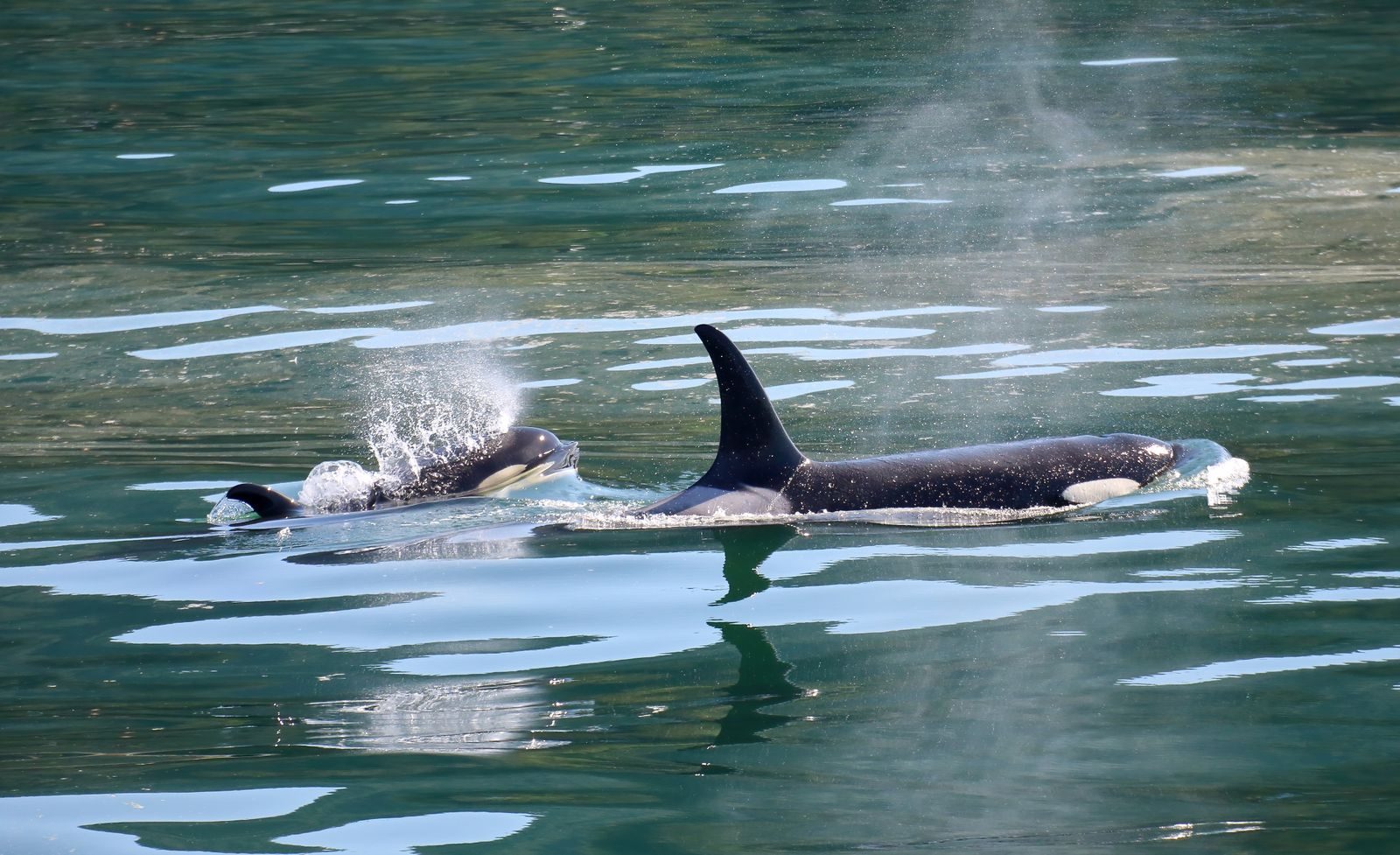
Have you ever wondered what happens when a seal suddenly becomes the focus of a group of orcas? The answer is one of the most dramatic events in the ocean. When orcas target a seal, the encounter often becomes a test of speed, intelligence, teamwork, and survival. Unlike many predators that hunt alone, orcas work together and use advanced strategies that make them some of the most successful hunters on Earth.
In this article, you will learn what unfolds when orcas set their sights on a seal, how they find their prey, the hunting methods they use, how seals try to escape, and why these encounters matter to ocean ecosystems. By the end, you will have a clear understanding of one of nature’s most fascinating predator-prey relationships.
Why seals are a favorite target
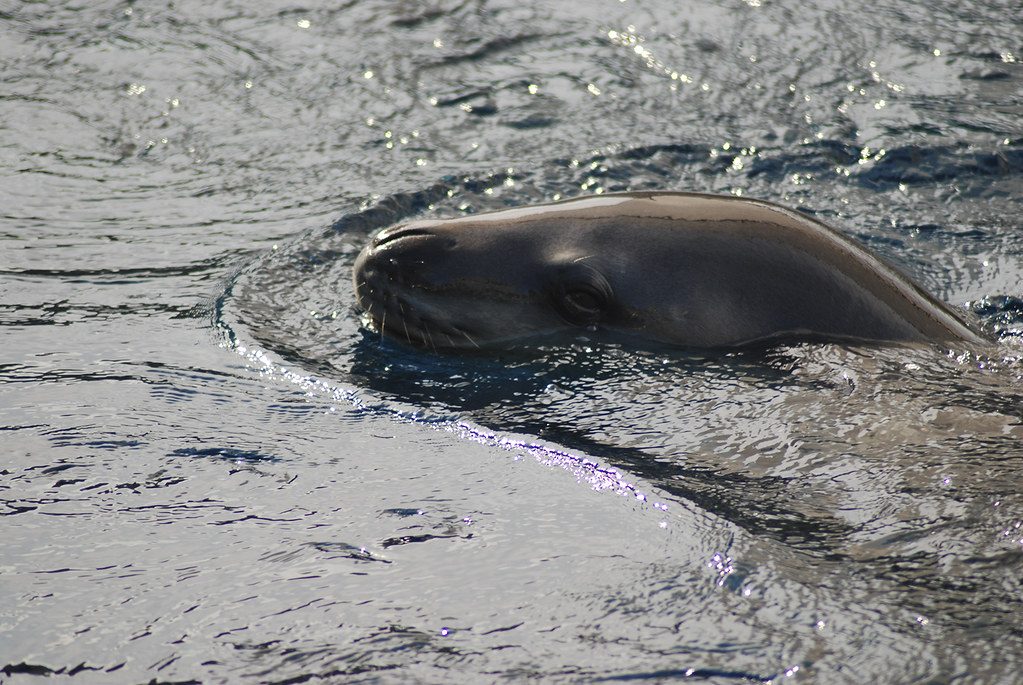
Orcas, also known as killer whales, eat many different types of food depending on where they live. Some groups mainly eat fish, while others specialize in hunting marine mammals. For mammal-eating orcas, seals are often one of the most important food sources. Seals are rich in fat, which provides a large amount of energy. This makes them valuable prey for growing young orcas and for adults that need to support their active lifestyle.
Seals are also found in many coastal areas where orcas regularly travel. Harbor seals, gray seals, elephant seals, and other species may all become targets. Because seals spend time both in the water and resting on shorelines or ice, they are often exposed to attack. Over many generations, orcas have learned specialized techniques that help them capture these quick and alert animals.
How orcas find a seal
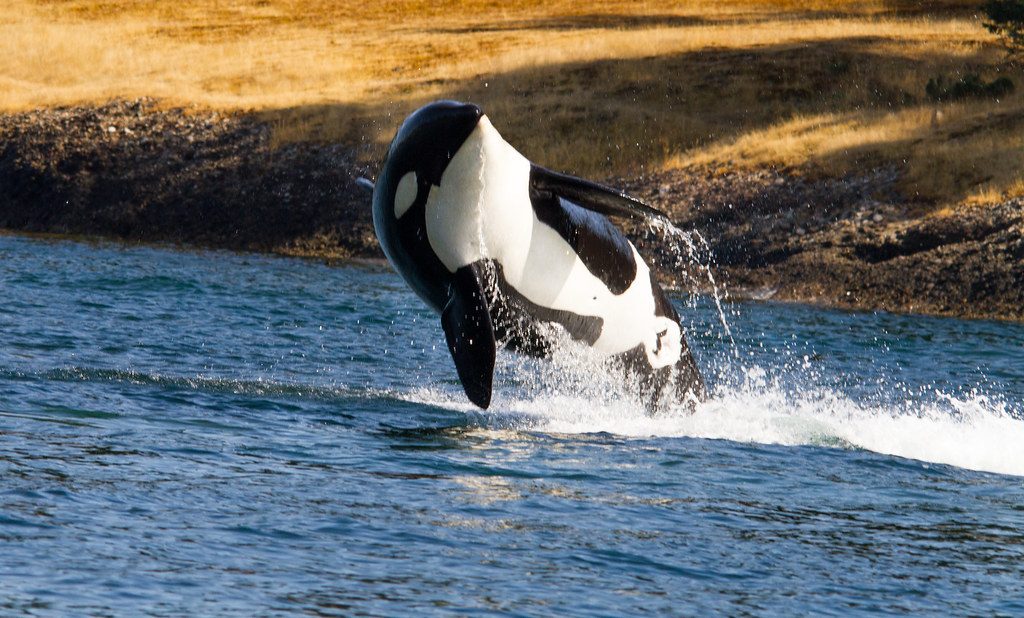
The hunt usually begins long before an attack. Orcas have excellent hearing and can detect sounds moving through the water over long distances. They also use their sharp eyesight and strong awareness of their surroundings to search for prey. A seal swimming alone may be easier to target than one in a larger group.
Once a seal is spotted, the orcas often become quiet and focused. Mammal-eating orcas are known to reduce noise while hunting. This helps them avoid warning their prey. The pod may spread out to cover more area or position members in strategic locations. At this stage, the seal may not even realize that a hunt has already begun.
Teamwork turns the hunt into a challenge
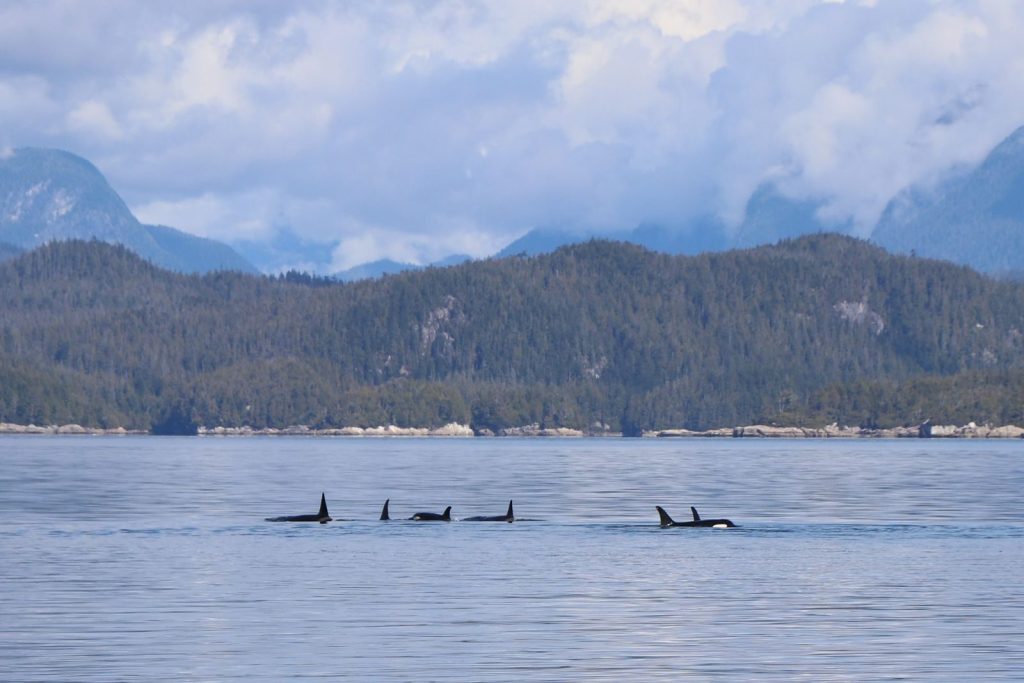
One reason orcas are such successful predators is their ability to work together. A single seal may face several orcas acting as a coordinated team. Each whale can take on a different role during the hunt. Some may chase the seal, while others move ahead to block possible escape routes.
This teamwork makes life extremely difficult for the seal. If the seal changes direction, another orca may already be waiting. The pod can communicate and adjust its movements in real time. Scientists often compare these coordinated hunts to a pack of wolves working together on land. The result is a highly organized pursuit that gives the seal very few opportunities to get away.
The incredible hunting techniques orcas use
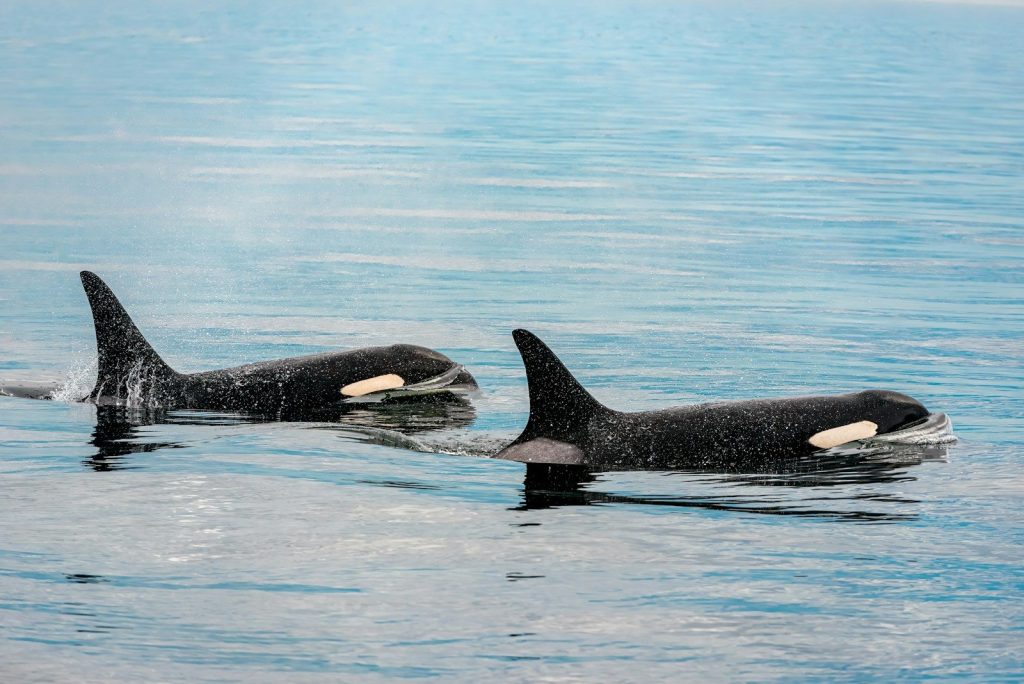
Orcas do much more than simply chase their prey. In some parts of the world, they use specialized hunting methods that have been passed from one generation to the next. One of the most famous techniques is wave washing. When a seal rests on a piece of floating ice, several orcas swim together to create a powerful wave. The water crashes over the ice and can wash the seal into the ocean, where other orcas are waiting.
In other situations, orcas may use tail slaps, body rams, or sudden bursts of speed to separate a seal from safety. Some pods have even been observed intentionally herding prey into areas where escape becomes harder. These techniques show how intelligent orcas are and how their hunting behaviors can differ from one population to another. Young whales often learn these skills by watching experienced adults.
How seals fight for survival
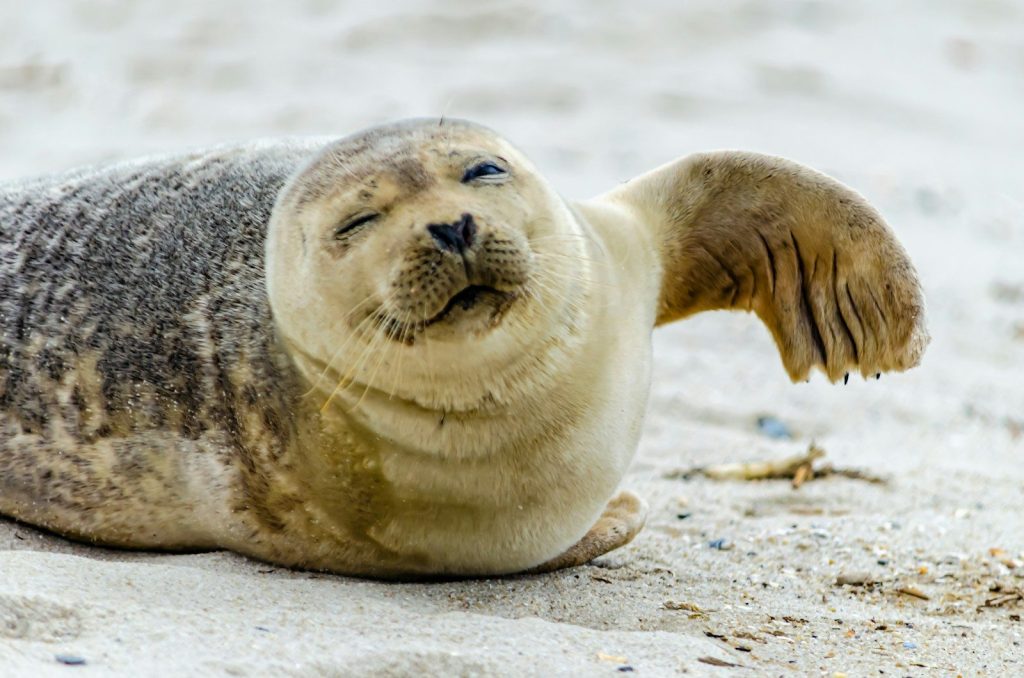
Although seals are smaller than orcas, they are far from helpless. The moment a seal senses danger, it may dive, twist, and change direction rapidly. Seals are agile swimmers and can make quick movements that are difficult for larger animals to match. Their best chance of survival is often reaching a safe location before the orcas can close in.
Many seals try to escape by heading toward rocks, beaches, sea ice, or even boats. There have been documented cases where frightened seals jumped onto vessels to avoid pursuing orcas. Some seals remain underwater for extended periods to avoid detection. Others rely on crowded haul-out sites where large numbers of seals gather together. Even so, escaping a determined pod of orcas remains extremely challenging.
What happens after the capture
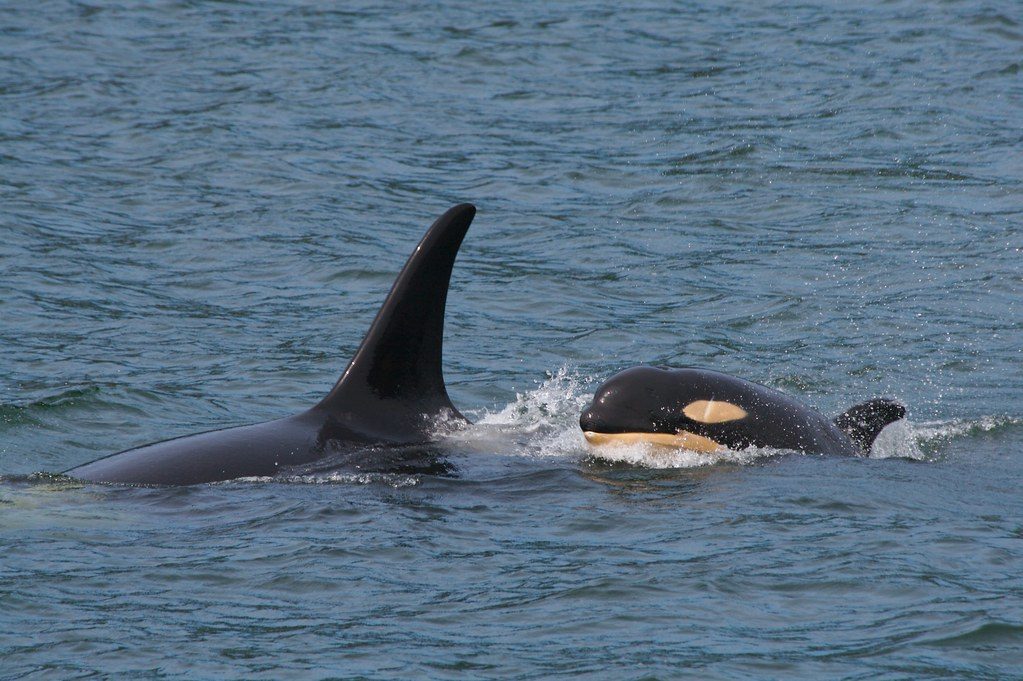
If the orcas successfully catch the seal, the event can happen surprisingly fast. The whales may use their powerful bodies to control the prey and prevent escape. In some cases, the seal is killed quickly. In others, the prey may be tossed through the water or handled repeatedly before being eaten. While this behavior may appear playful to human observers, scientists believe it can help younger whales practice hunting skills and learn important techniques.
The captured seal becomes a valuable food source for the pod. Depending on the size of the prey and the number of whales involved, multiple orcas may share the meal. In family groups, adults sometimes allow younger whales to participate. This helps teach the next generation how to hunt effectively. Such learning is an important part of orca culture and contributes to the success of future hunts.
Leave a Reply