
Imagine looking into a river, harbor, lake, or beach area and seeing a shark in a place where nobody expects one to be. It can seem like something out of a movie. Yet unusual shark sightings happen around the world every year. Sometimes a shark appears far outside its normal range. Other times it enters freshwater, swims into urban waterways, or shows up in colder or warmer waters than scientists would expect.
When a shark appears in a place where it should not exist, it often tells researchers something important about the environment. Changes in water temperature, food availability, ocean currents, storms, and even human activity can influence where sharks travel. Understanding why these unusual sightings happen helps scientists learn more about shark behavior, ocean health, and the changing world around us.
Why sharks sometimes appear in unusual places

Sharks do not wander randomly. Most species have preferred habitats based on water temperature, depth, and food sources. A shark that suddenly appears outside its normal range is usually responding to changes in its environment. Scientists have found that warming ocean waters can shift the distribution of many marine species, including sharks. As temperatures change, sharks may follow suitable conditions into areas where they were rarely seen before.
Food is another major reason. Sharks often travel long distances in search of prey. If fish populations move because of changing temperatures, storms, or seasonal migrations, sharks may follow them. This can bring sharks into unfamiliar coastal waters, bays, estuaries, or regions where local people are not used to seeing them.
Climate change is changing shark ranges

One of the biggest reasons for unusual shark sightings today is climate change. Oceans absorb much of the Earth’s excess heat, and many marine species are responding by moving toward cooler waters. Scientists have documented several shark species expanding into new areas as ocean temperatures rise. In some places, sharks are being observed farther north or farther south than they were in the past.
These shifts do not mean sharks are invading new places. Instead, they are often following conditions that better match their biological needs. In some regions, warming waters have even created new nursery areas where female sharks can give birth. As climate patterns continue to change, scientists expect some shark populations to keep adjusting their ranges, making unusual sightings more common.
What happens when sharks enter freshwater
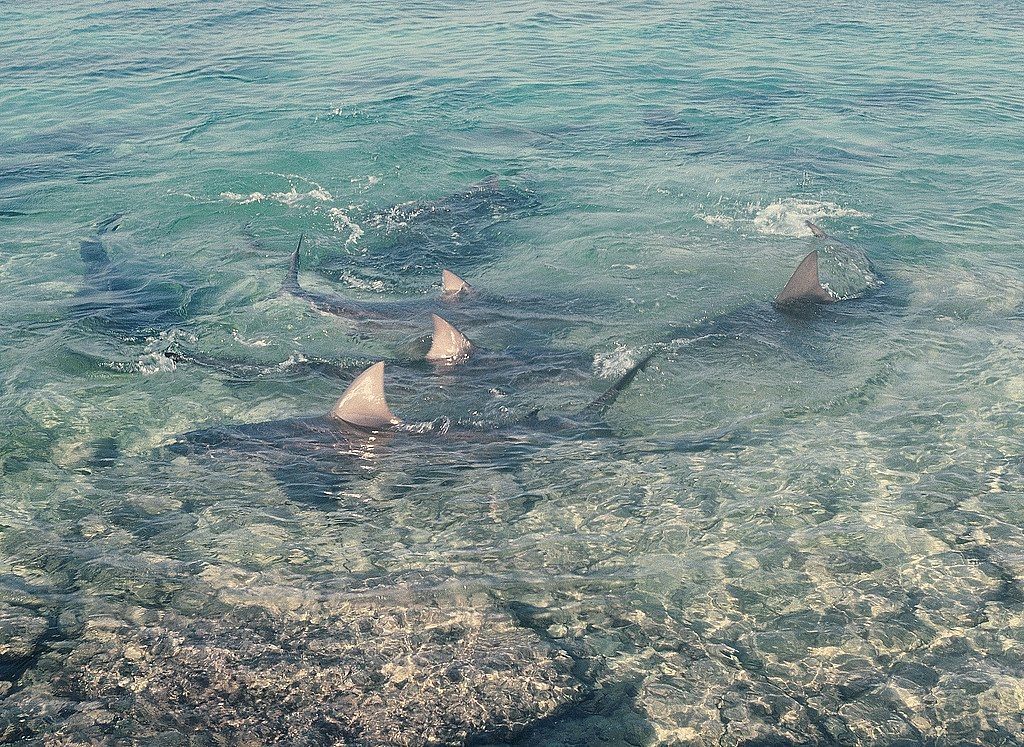
Many people believe sharks can only live in the ocean, but that is not always true. The bull shark is one of the best-known examples of a species that can survive in both saltwater and freshwater. Bull sharks have been found far up rivers and have traveled hundreds of miles inland from the ocean. Their bodies contain special adaptations that help them regulate salt levels while living in freshwater.
When a shark enters a river, it can surprise local communities, but it does not always mean something unusual is happening. For species like bull sharks, rivers are often important habitats. Young bull sharks may spend part of their lives in freshwater because it can offer protection from larger marine predators. However, if a species that normally stays in the open ocean suddenly appears deep inland, scientists may investigate whether flooding, storms, or environmental changes influenced its movement.
Storms and extreme weather can move sharks
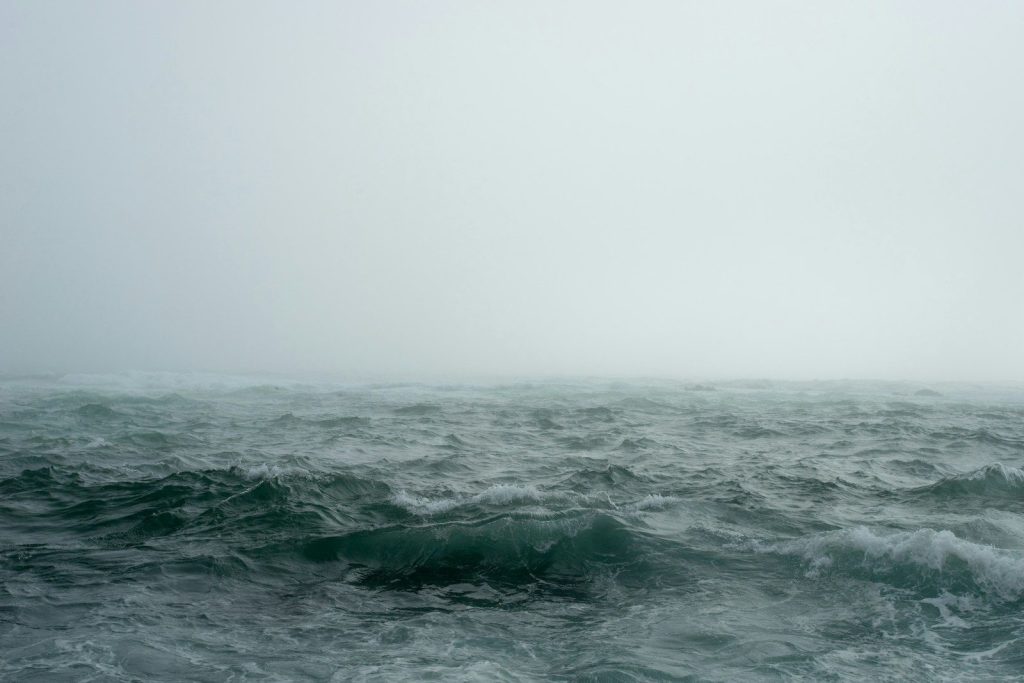
Powerful storms can temporarily change where sharks are found. Hurricanes, cyclones, and major floods can alter water conditions and push marine animals into unexpected locations. Strong currents may carry sharks into bays, estuaries, and coastal waterways where they are rarely seen under normal conditions.
Flooding can also create temporary pathways between habitats. There have been reports of bull sharks appearing in flooded areas after major storms because they can tolerate freshwater conditions. While these events often attract public attention, most sharks eventually return to more suitable habitats once environmental conditions stabilize.
How unusual shark sightings affect local ecosystems
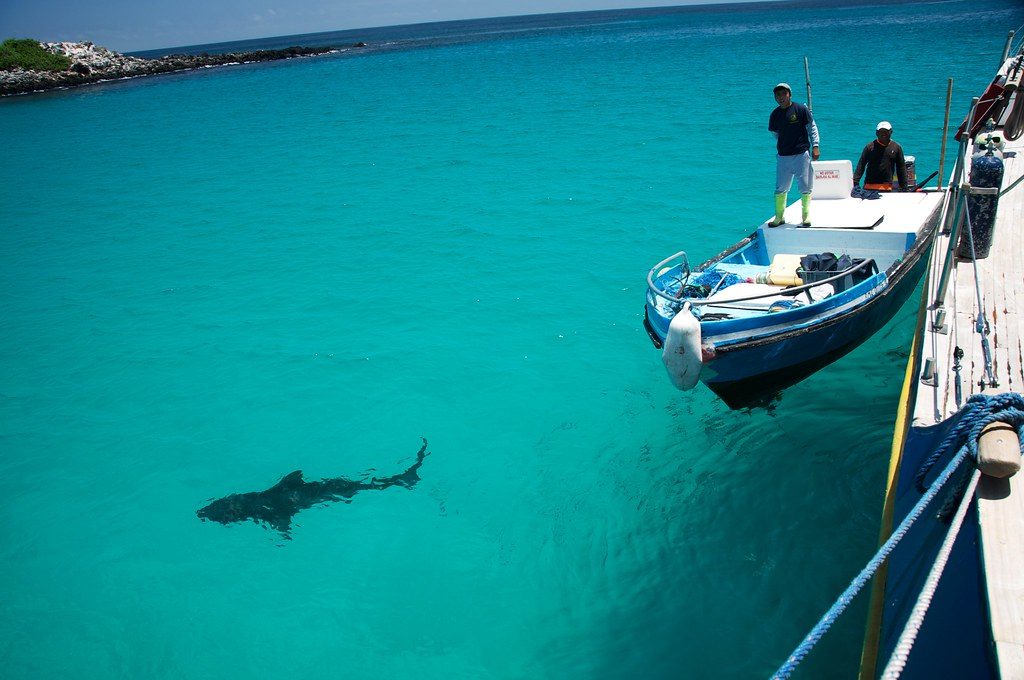
A shark appearing in a new area can affect local wildlife. Sharks are important predators that help maintain balance in marine ecosystems. They influence the behavior and abundance of prey species, which can have effects throughout the food web. When a shark enters a habitat where it is not usually found, local animals may respond by changing where they feed, hide, or migrate.
However, one unusual sighting does not automatically mean an ecosystem is in danger. Scientists look for long-term patterns rather than isolated events. If sharks begin appearing regularly in a new area, researchers may study whether changes in temperature, prey availability, or habitat quality are creating a lasting shift in the ecosystem.
What scientists learn from unexpected shark encounters

Modern technology allows scientists to learn a great deal from unusual shark sightings. Satellite tags, acoustic tracking devices, drones, and environmental monitoring systems help researchers follow shark movements and understand why they travel to certain areas. A single unexpected sighting can sometimes reveal new information about migration routes or habitat preferences.
In some cases, unusual encounters have led to major discoveries. Researchers have identified previously unknown migration patterns and found that some shark species travel much farther than once believed. These observations help scientists improve conservation plans and better understand how marine life responds to environmental change.
Leave a Reply