
Every summer, headlines about shark bites spread quickly across the internet. Stories about great white sharks often make it seem as if these powerful predators are suddenly starting to eat people. That idea can sound frightening, especially when reports of shark encounters appear in the news. But is it actually true?
The reality is far more complex. Scientists who study shark behavior have spent decades examining why great white sharks sometimes bite humans. Their research shows that people are not a normal part of a great white shark’s diet. While bites can happen and some are tragic, the evidence does not support the claim that great whites are actively hunting humans as food. Understanding the facts can help separate fear from reality. This article explores what science says about great white sharks, why bites occur, how common they really are, and whether these animals are truly starting to eat people.
Why the claim became so popular

The belief that great white sharks are starting to eat people is largely driven by media coverage. Shark incidents receive enormous attention because they are dramatic and rare. When a shark bite occurs, it often becomes national or even international news. Videos, social media posts, and headlines can make it seem as though attacks are happening everywhere, even when the actual numbers remain low.
Movies and television have also shaped public opinion for decades. Many people still picture great whites as relentless man-eaters because of fictional portrayals. These stories create a powerful image that can be difficult to shake. When a few incidents occur close together, it is easy for the public to assume sharks are becoming more aggressive toward humans, even when scientists find no evidence of a change in feeding behavior.
What great white sharks normally eat

Great white sharks are apex predators, meaning they sit near the top of the ocean food chain. Their diet mainly includes fish, rays, smaller sharks, seals, sea lions, and other marine animals. Adult great whites especially depend on marine mammals that provide large amounts of energy and fat. These prey animals help support the shark’s large size and active lifestyle.
Humans do not fit naturally into this feeding pattern. People are relatively bony and do not provide the rich fat content found in seals and sea lions. Scientists who study shark feeding habits have repeatedly found that humans are not a preferred food source. In many documented shark bite cases, the shark bites once and then leaves rather than continuing to feed. If humans were truly viewed as prey, researchers would expect very different behavior.
The science behind mistaken identity

One of the most widely discussed explanations for some great white shark bites is known as mistaken identity. This idea suggests that a shark may confuse a surfer, swimmer, or paddleboarder with a seal or sea lion when viewing the person from below. Research using models of shark vision has shown that the silhouettes and movements of humans on the surface can sometimes resemble those of natural prey animals.
However, scientists continue to study exactly how often mistaken identity explains shark bites. Some researchers believe it plays a major role, while others think curiosity and investigation may also be important. What most experts agree on is that great white sharks are not usually launching attacks because they recognize humans as food. Instead, many incidents appear to involve uncertainty, exploration, or confusion rather than deliberate hunting.
Why shark encounters may seem more common today

Many people assume that more shark sightings automatically mean sharks are becoming more dangerous. In reality, several factors can increase encounters without changing shark behavior. Coastal populations continue to grow, which means more people are swimming, surfing, diving, and boating in waters where sharks naturally live. When more people enter the ocean, the chances of crossing paths with a shark naturally rise.
Conservation efforts have also helped some shark populations recover in certain regions. At the same time, populations of seals and sea lions have increased in many coastal areas. Since these animals are important prey for great white sharks, sharks often follow them. As a result, sharks may be seen more frequently near shore than they were decades ago. Increased sightings do not necessarily mean increased danger, but they do create more opportunities for human-shark interactions.
How dangerous are great white sharks to humans?

There is no question that great white sharks are powerful animals capable of causing serious injuries. A bite from a large shark can be life-threatening because of blood loss and trauma. For this reason, shark safety should always be taken seriously. However, the actual risk of being bitten remains extremely low compared with many everyday dangers.
Scientists consistently describe shark bites as rare events. Millions of people enter the ocean each year without any negative interaction with a shark. Even in areas known for great white shark activity, bites remain uncommon. Public fear often grows because shark incidents receive widespread attention, while the countless safe days enjoyed by beachgoers rarely make headlines. Looking at the numbers rather than the news cycle provides a much clearer picture of the true risk.
What researchers have learned from shark bite investigations?

When scientists investigate shark bite incidents, they often look for clues about the shark’s intentions. In many cases, evidence suggests the shark did not continue treating the person as prey after the initial bite. This behavior differs from what researchers would expect if the shark were actively hunting a food source. The pattern has helped support the idea that many bites are exploratory rather than predatory.
Researchers have also found that environmental conditions can play a role. Murky water, low light, wave action, and the presence of baitfish can affect how sharks interpret objects around them. Surfers lying on boards may create shapes that appear similar to prey animals when viewed from below. While no single explanation fits every incident, the overall body of research points away from the idea that great white sharks are suddenly developing a taste for humans.
Why understanding sharks matters
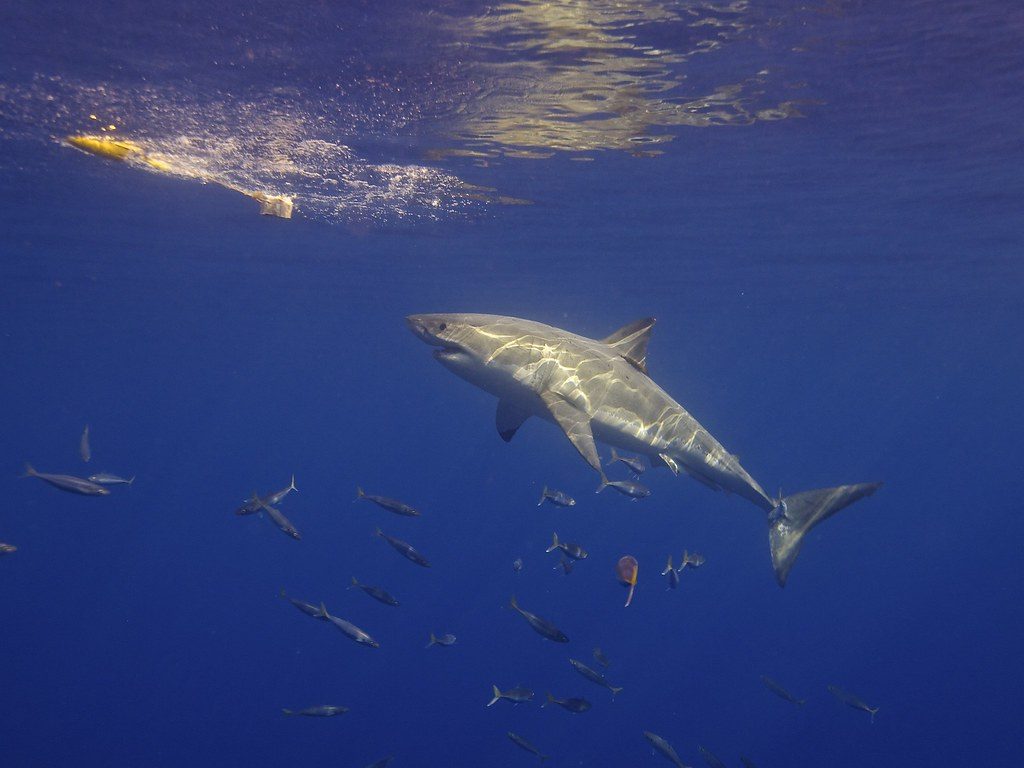
Fear often leads people to view sharks as villains, but these animals play an important role in ocean ecosystems. As top predators, great white sharks help maintain balance by influencing the behavior and populations of other marine species. Healthy shark populations contribute to healthier oceans, which ultimately benefit many forms of marine life.
Learning the facts about sharks can also improve public safety. Understanding when and where encounters are more likely allows people to make smarter choices in the water. Swimming in groups, avoiding areas with large schools of fish, staying out of the water at dawn or dusk, and following local beach advisories are practical steps that can reduce risk. Education helps replace fear with knowledge, allowing people to appreciate sharks while respecting their presence.
Leave a Reply