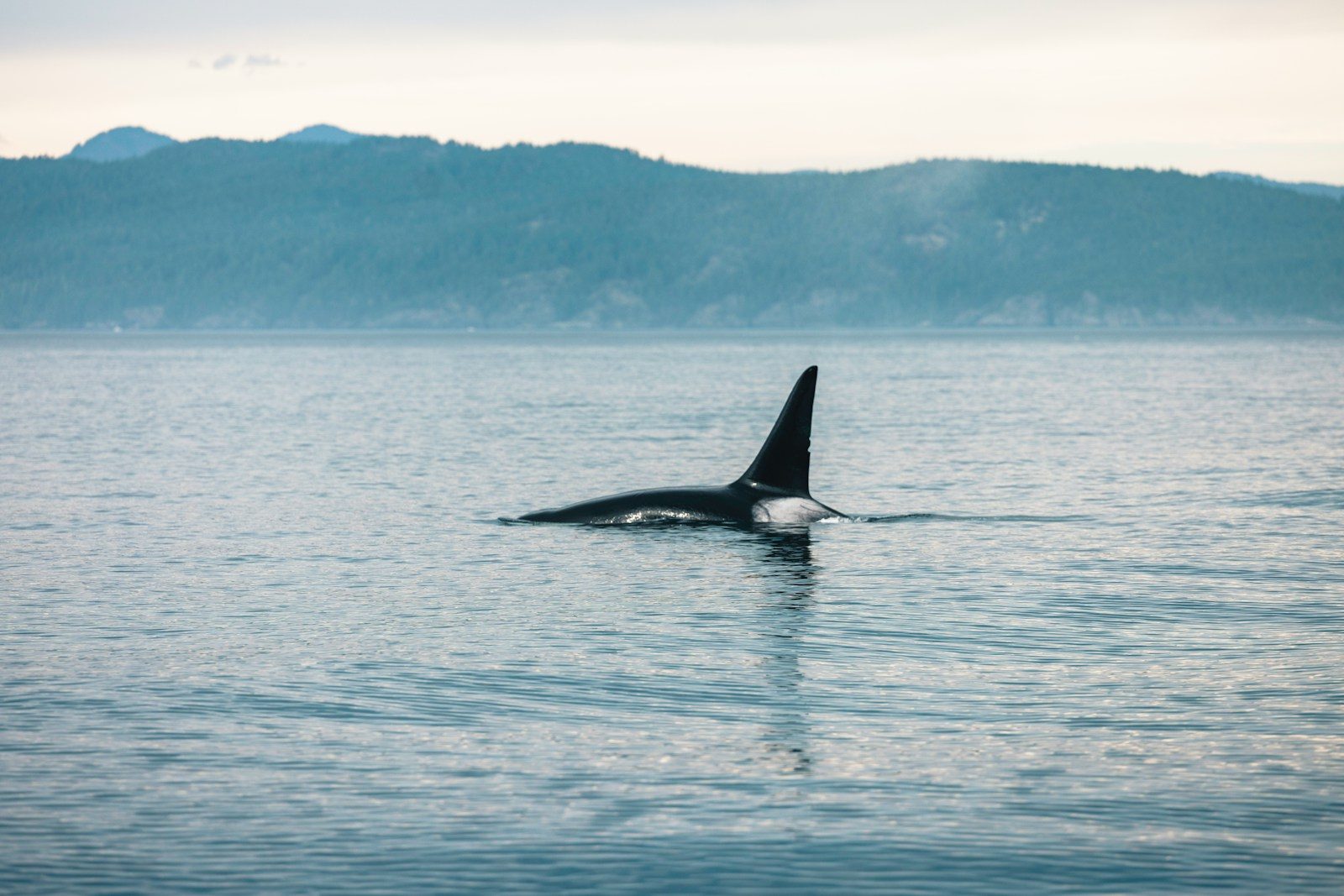
Killer whales live in oceans around the world, but some are still a mystery to science. One of the least understood groups is the Type D killer whale. For many years, these unusual whales were known mostly from rare sightings and a few photographs.
Now, a major study has uncovered new details about their numbers and amazing travels. This article explains what scientists learned about Type D killer whales, why they are so difficult to study, and how their long ocean journeys are changing what we know about these remarkable marine predators.
Why Type D killer whales are so mysterious
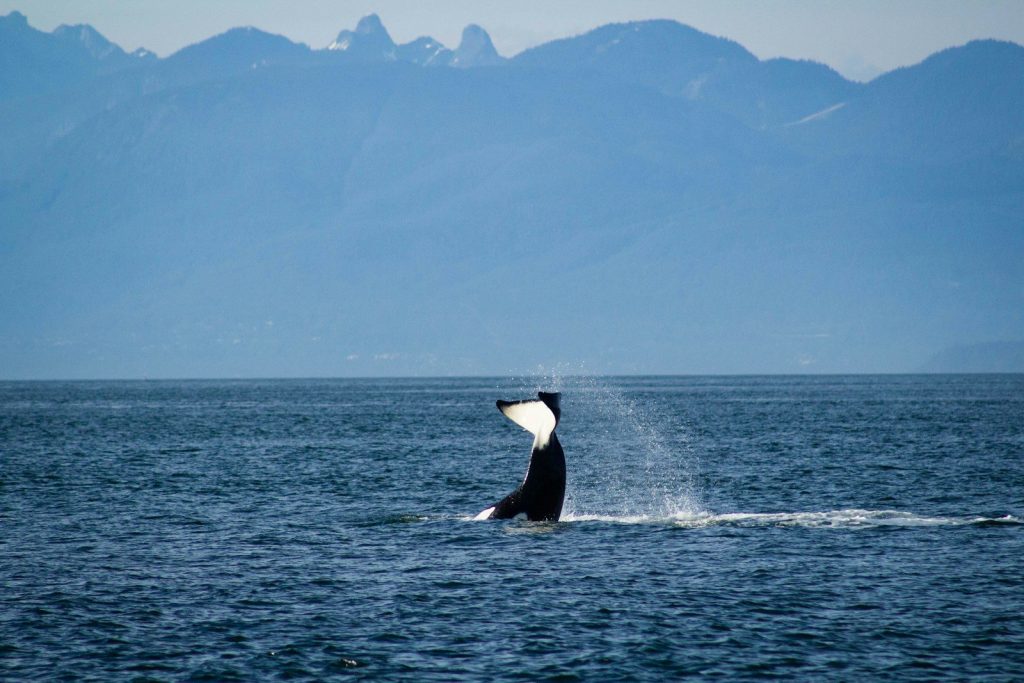
Killer whales are the world’s largest apex predators and help maintain balance in marine ecosystems. Even so, scientists still have many questions about some of their populations. Type D killer whales have remained one of the hardest groups to understand.
These whales stand out because of their blunt heads, pointed dorsal fins, and very small white eye patches. For many years, they were known mostly from reports by fishers, amateur photographers, and a few unfortunate mass strandings, making them one of the ocean’s most mysterious predators.
Scientists gathered more than two decades of evidence
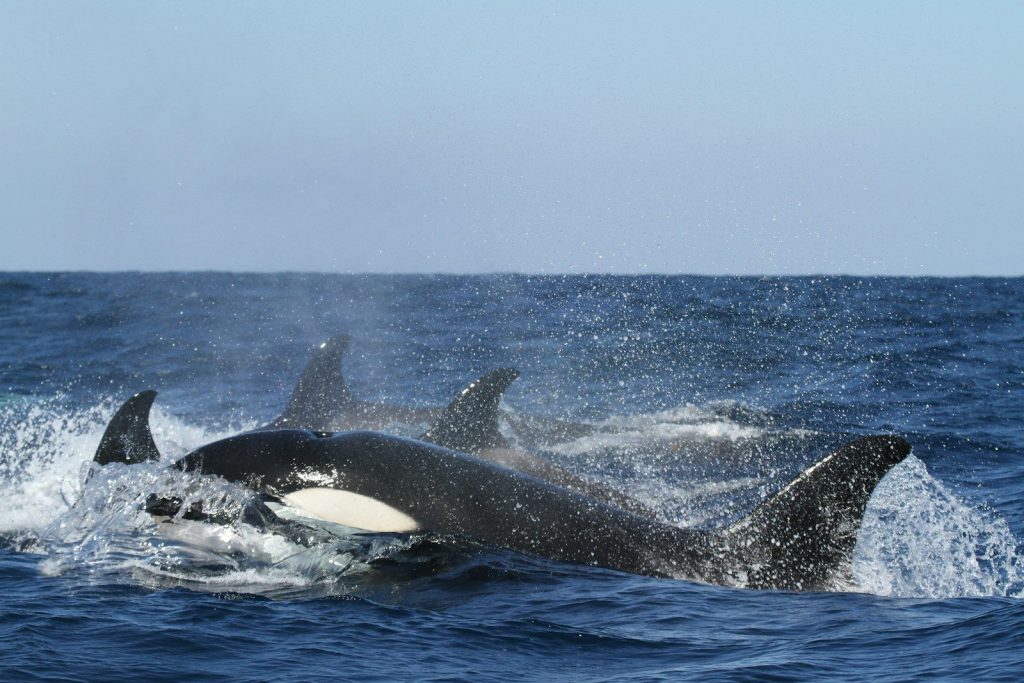
To learn more, researchers brought together observations collected over more than 20 years. They reviewed over 28,000 photographs taken between 2003 and 2024 to identify individual whales and better understand their movements.
At the time of the study, there was only one recognized killer whale species, Orcinus orca, but it includes several ecotypes. Type D remains the least understood of these groups, making every new discovery especially important.
More whales than scientists expected
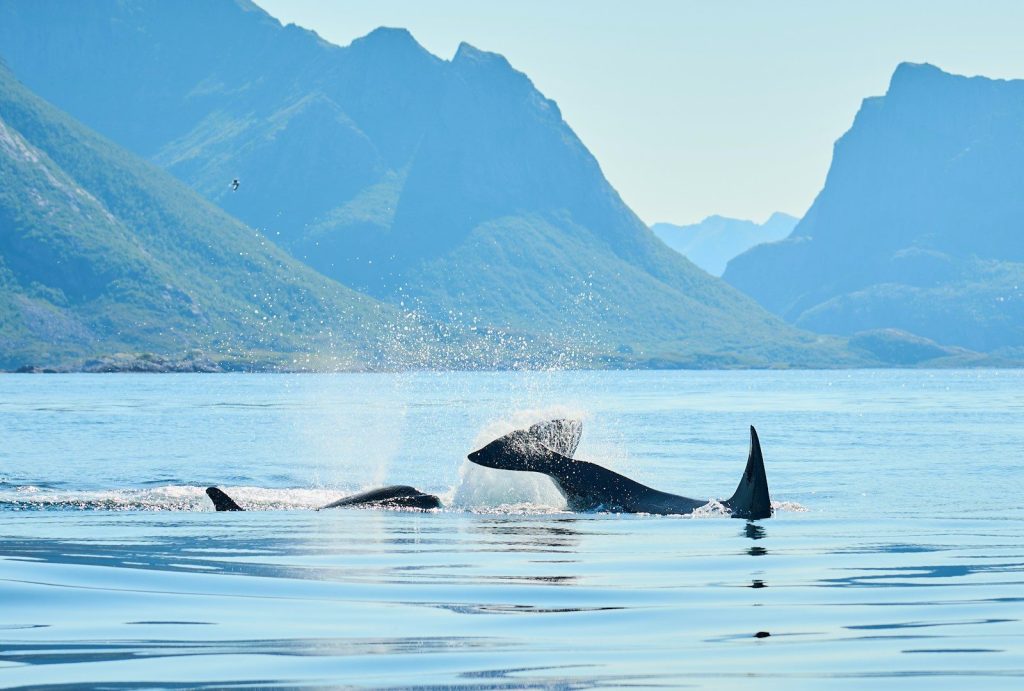
One concern was that Type D killer whales might be very rare because they are among the most inbred animals on Earth. With so few sightings, researchers worried that the population could face a serious genetic bottleneck.
The photo study identified 207 individual Type D killer whales across the Subantarctic. While this does not mean the global population is large, it suggests there are more individuals than scientists had previously documented.
Their ocean journeys surprised researchers
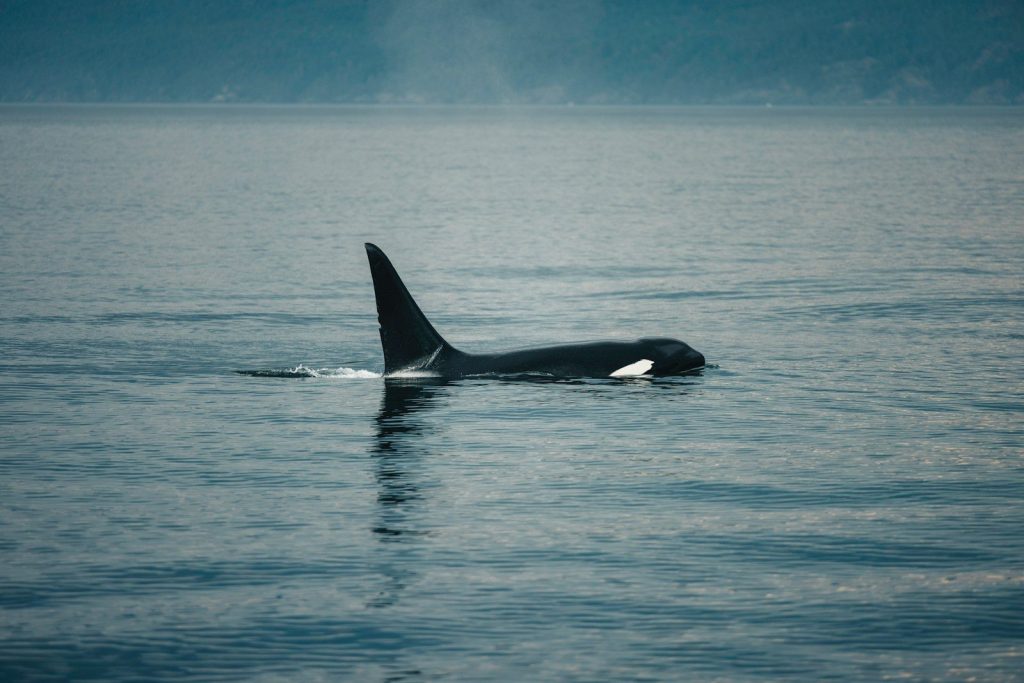
One of the biggest discoveries involved how far these whales travel. Some individuals followed fishing boats that were catching toothfish, a favorite food source for part of the Type D population. This behavior was seen only within a small, socially connected group.
Researchers recorded Type D killer whales traveling more than 4,400 kilometers (about 2,734 miles) between ocean basins. According to the study, these are the longest inter-ocean movements ever documented for killer whales.
What these discoveries could mean
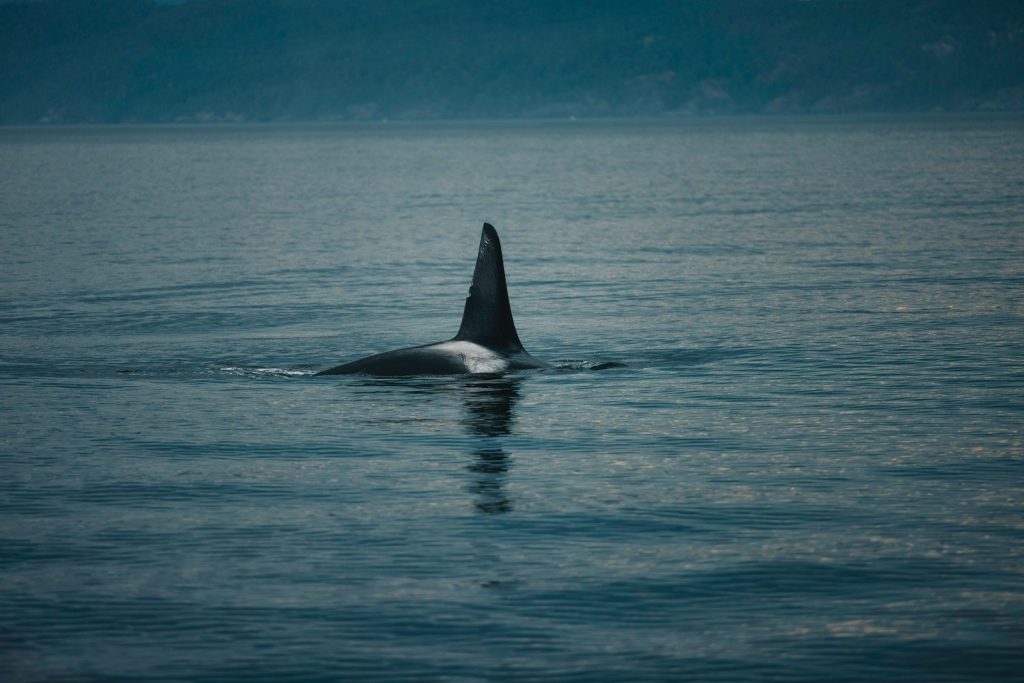
Lead researcher Jared R. Towers said the inter-ocean movements were the study’s most surprising finding. The long journeys suggest these whales are highly mobile and may have a relatively small global population despite the growing number of documented individuals.
The whales were found in two main areas, the southern Indian Ocean and waters off southern Chile. Their ability to move between these distant regions gives scientists a better understanding of how this rare ecotype lives and survives.
A new chapter for a rare ocean predator
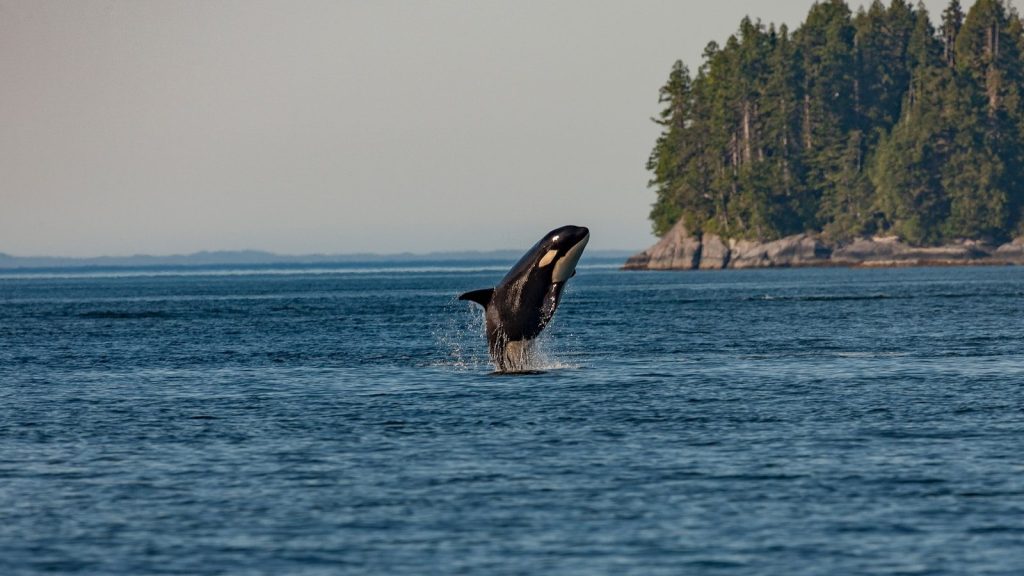
For years, Type D killer whales were known mostly through rare encounters. This landmark study has provided the clearest picture yet of their population and remarkable movements across the Southern Ocean.
Although many questions remain, researchers now have stronger evidence that these whales travel much farther than anyone had recorded before. Each new discovery helps uncover the hidden lives of one of the world’s most mysterious marine predators.
Leave a Reply