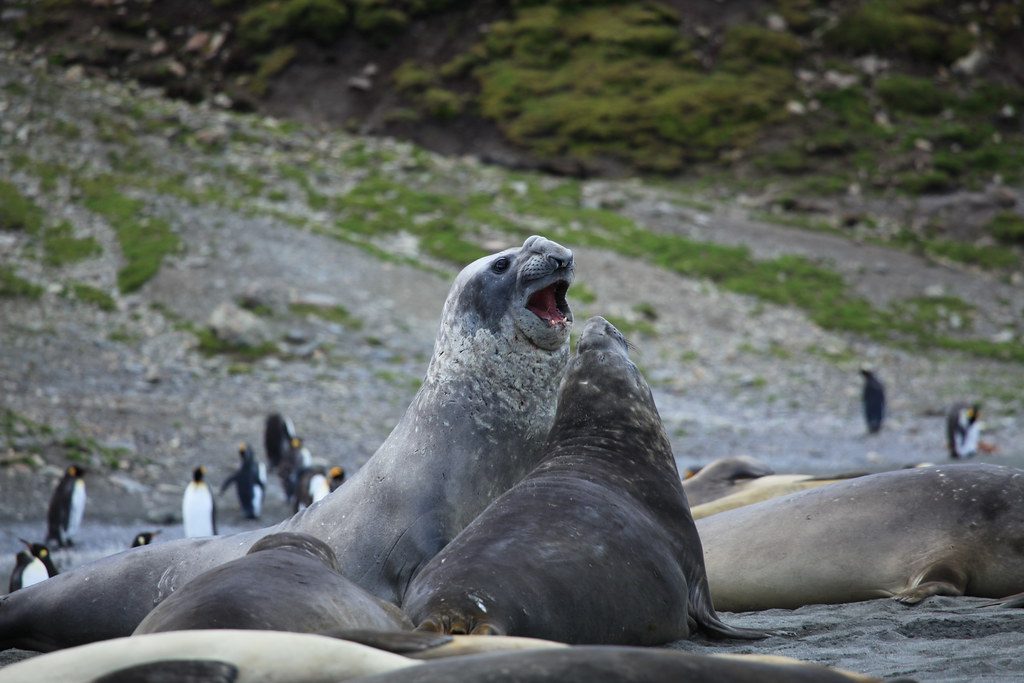
A 4-ton elephant seals clash is one of the most powerful wildlife battles on Earth. These giant marine mammals can shake an entire beach as they slam into each other with incredible force. While the fight may look shocking, it is a natural part of life during the breeding season. Strong males battle to earn the right to control a beach and mate with females.
This article explains why elephant seals fight, how these huge animals use their size and strength, what happens during these intense contests, and why most battles end without death. By the end, you will better understand one of nature’s most dramatic displays of power.
Why elephant seals fight
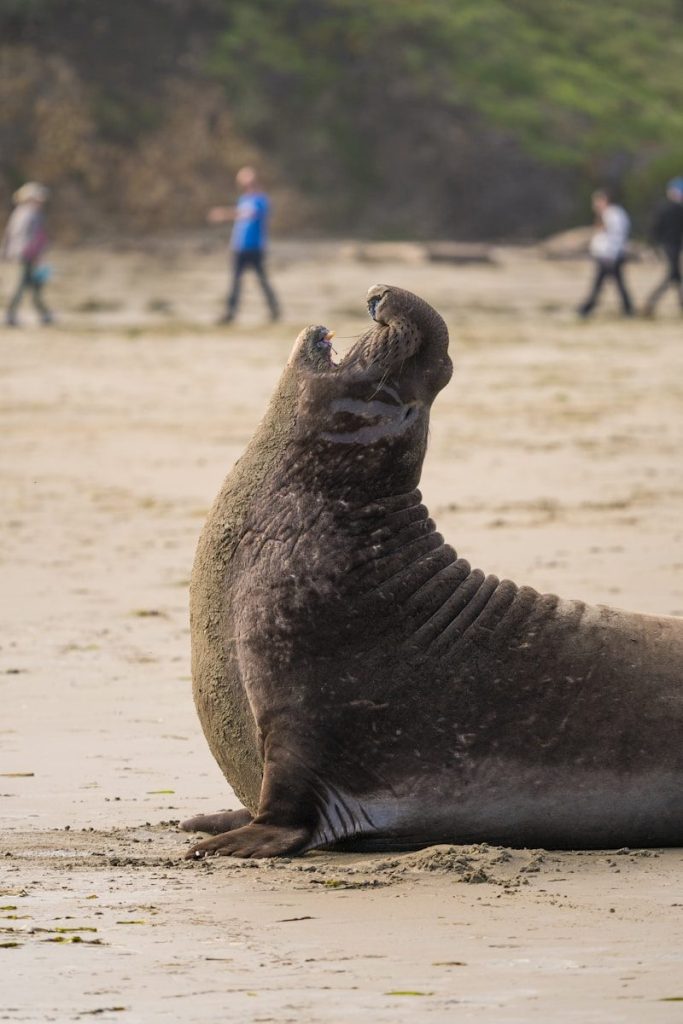
Male elephant seals gather on breeding beaches before the females arrive. Their first goal is not to find food but to claim the best territory. A strong male that controls part of the beach has the best chance of breeding, so competition is fierce from the very beginning.
These fights are driven by reproduction rather than anger. The largest and most experienced males often become “beachmasters,” guarding groups of females called harems. Younger or weaker males challenge them, hoping to take over or find an opening to breed.
How giant bulls battle each other
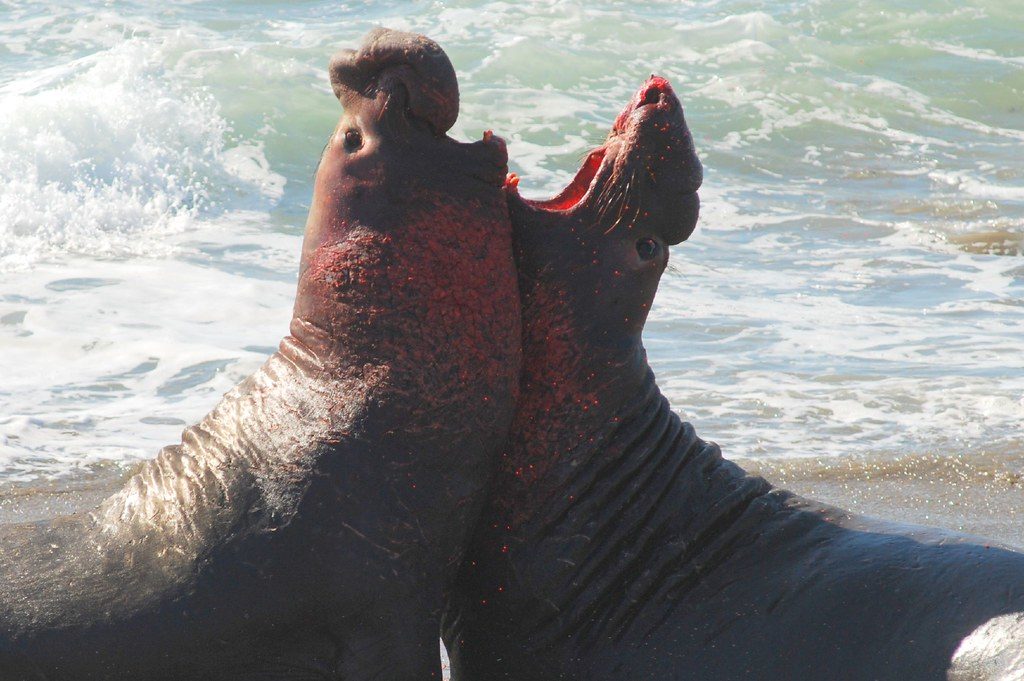
Adult male southern elephant seals can weigh close to 4 tons, making them the largest living seals in the world. During a fight, the rivals raise the front half of their bodies, roar loudly, inflate their large noses, and crash their chests together before biting with sharp canine teeth.
The thick skin around a male’s neck and chest acts like natural armor, helping protect vital areas from deep bites. Even with this protection, battles often leave both animals covered in cuts, blood, and scars that can last for years.
Size often decides the winner
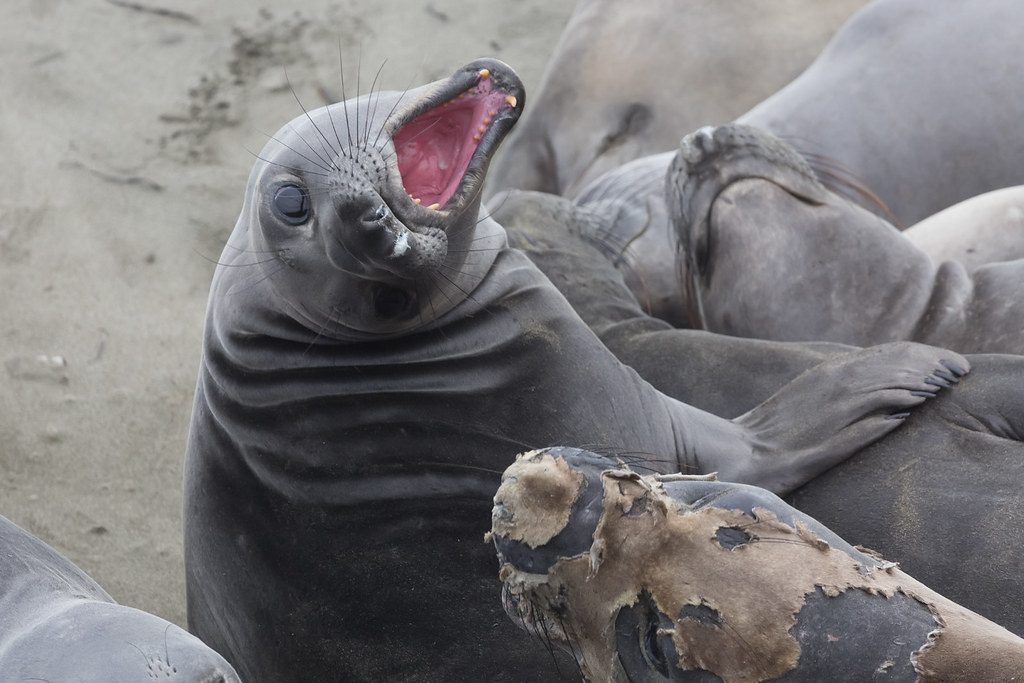
Body size plays a huge role in elephant seal battles. Larger males usually have greater strength, more experience, and better endurance. Their deep calls and confident displays can even convince smaller rivals to back away before a serious fight begins.
Scientists have also found that male elephant seals recognize the unique calls of rivals they have fought before. This helps many seals avoid dangerous fights they are unlikely to win, saving valuable energy during the breeding season when males may fast for several months.
Life as a beachmaster

Winning a fight is only the beginning. A beachmaster must stay alert every day because other males constantly look for a chance to take over. The dominant bull spends much of his time roaring, chasing rivals, and protecting the females in his territory.
This demanding job comes at a cost. During the breeding season, dominant males usually do not eat. Instead, they survive on stored body fat while defending their position. By the time the season ends, they may have lost a large amount of body weight.
The dangers of these massive clashes
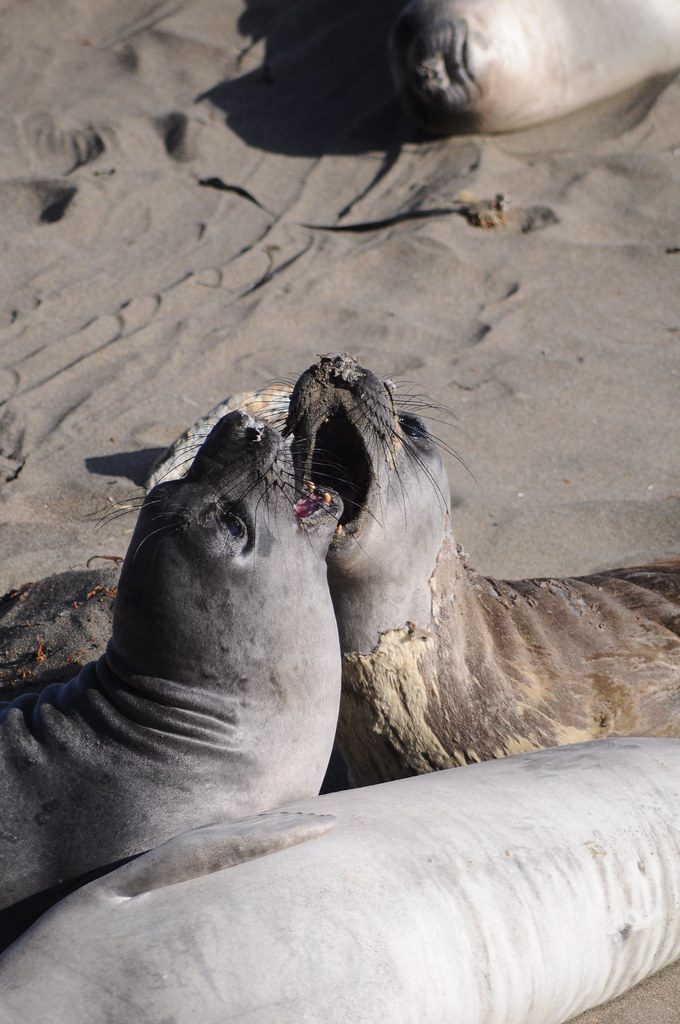
Although elephant seal fights are natural, they can be extremely violent. Deep bite wounds, torn skin, and heavy bleeding are common. Most defeated males escape before injuries become fatal, but some suffer infections or severe wounds that affect them later.
Young pups can also face danger if fighting bulls charge through crowded breeding beaches. Mothers try to protect their young, but the sheer size of battling males means accidents can happen during these chaotic moments.
Why these battles matter for the species

These contests are an important part of natural selection. Strong, healthy males are more likely to win breeding rights, passing their genes to the next generation. This process has helped elephant seals remain well adapted to life in some of the world’s harshest marine environments.
Despite their fierce behavior on land, elephant seals spend most of their lives at sea. They are remarkable divers that can travel thousands of miles, dive to great depths, and stay underwater for more than an hour while hunting fish, squid, and other prey. Their dramatic beach battles are only a small part of their extraordinary lives.
Leave a Reply