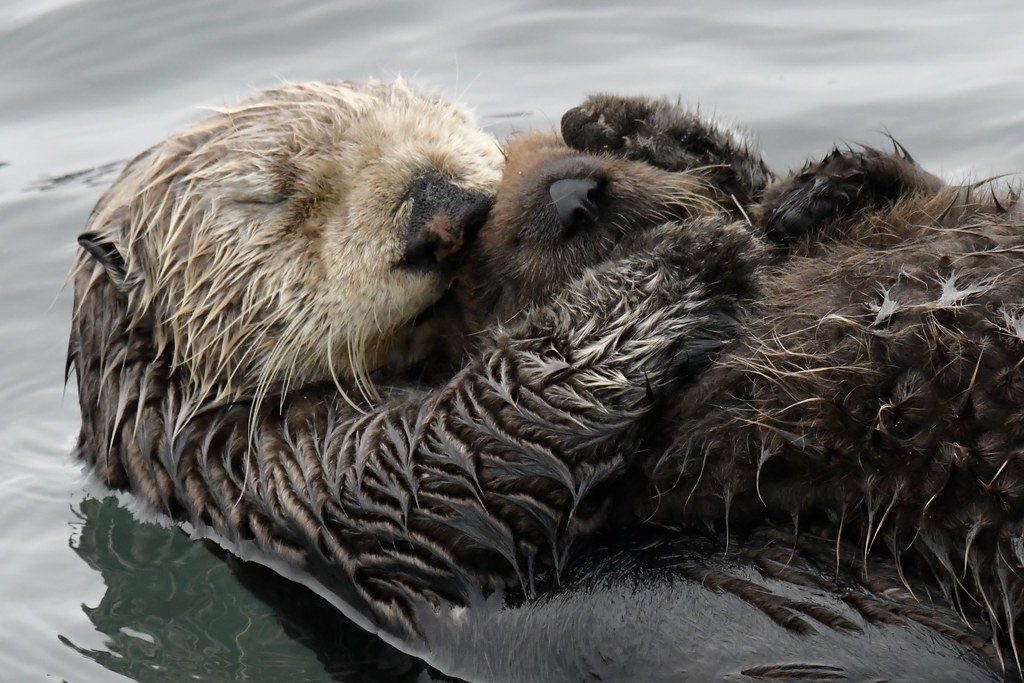
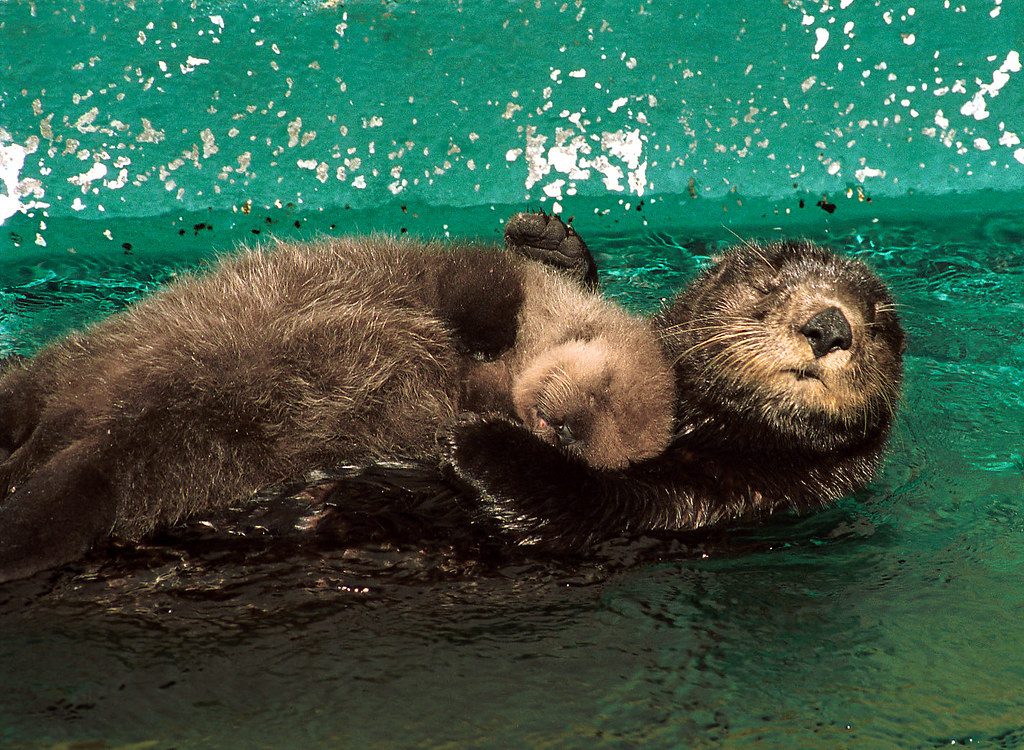
Seeing a sea otter lovingly cradle its newborn is a rare and heartwarming moment. The recent sea otter cradles newborn after Morro Bay birth story has captured attention because it shows the strong bond between a mother and her pup.
These special moments also remind people why protecting sea otters and their coastal habitat matters. In this article, you will learn what happened in Morro Bay, how sea otter mothers care for their young, why the location is important, and how these animals help keep California’s coastal waters healthy.
A touching moment in Morro Bay
A sea otter mother was recently seen floating on her back while holding her newborn pup close in Morro Bay, California. The touching scene quickly spread online because it showed the gentle care that sea otter mothers give their babies from the very first moments of life. The tiny pup rested safely on its mother’s chest while she kept it warm and protected.
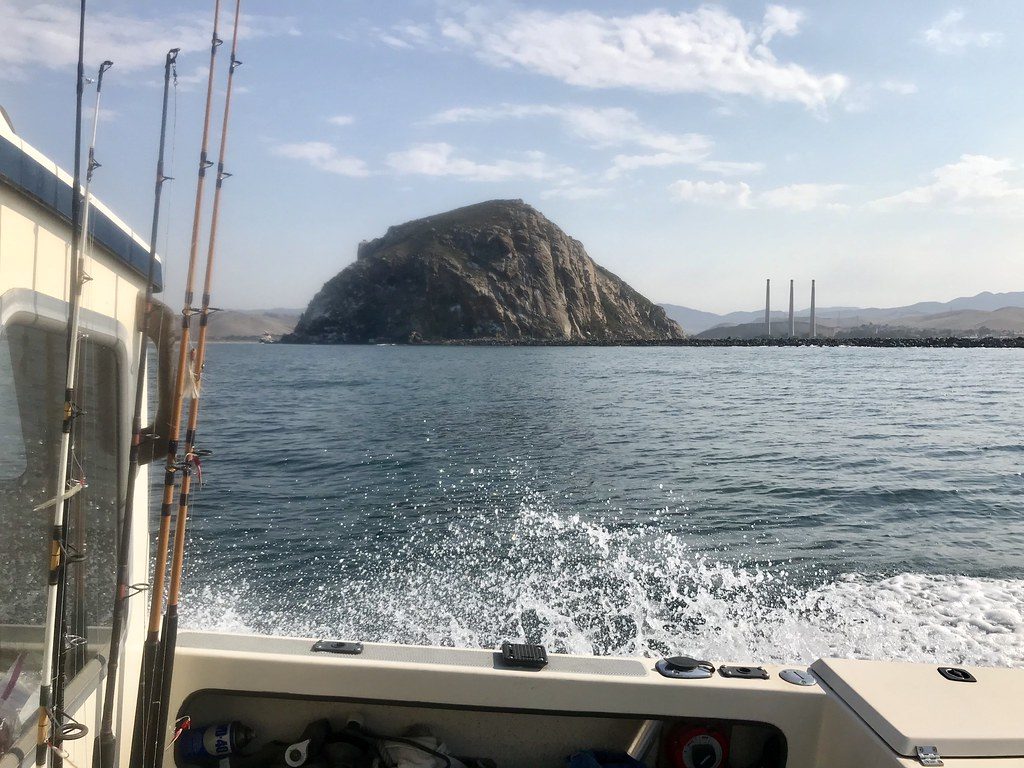
Morro Bay is one of the best places in California to see southern sea otters in the wild. The calm water, rich food supply, and protected habitat make it an important nursery for mothers raising young pups. Wildlife experts often watch the bay during pupping season because healthy births are a positive sign for the recovering population.
How sea otter mothers care for their pups
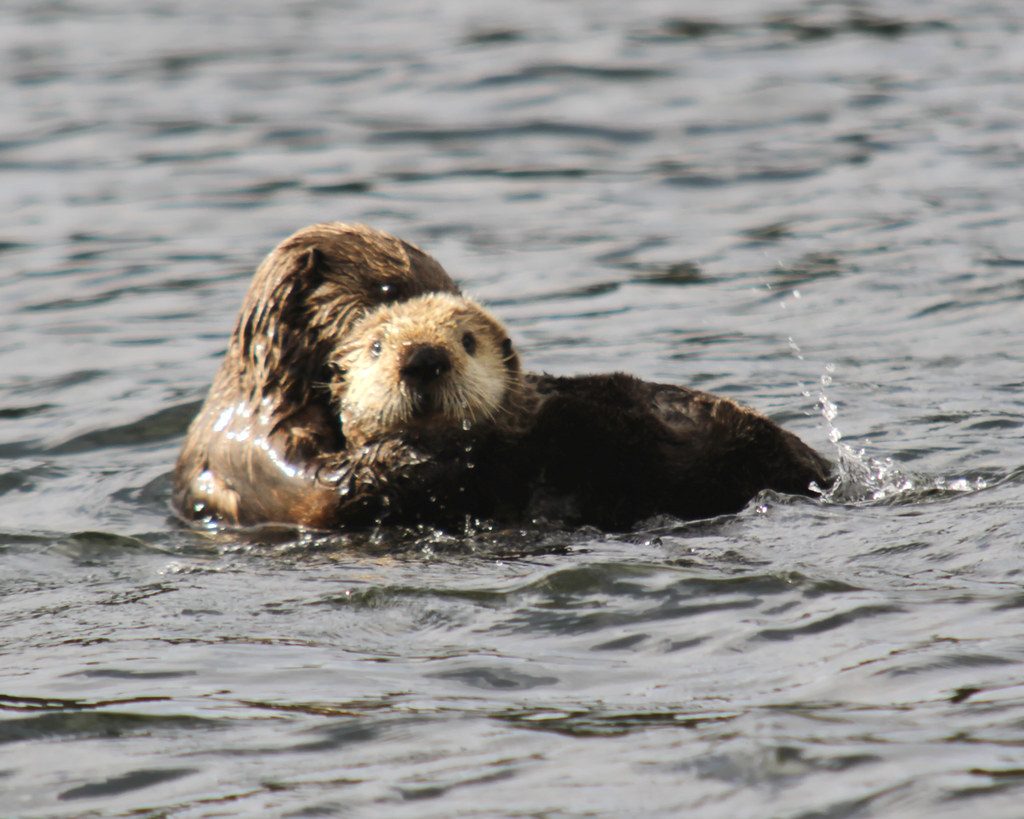
Sea otter mothers are fully responsible for raising their babies. Unlike many other mammals, fathers do not help care for the young. A newborn pup depends on its mother for food, warmth, protection, and learning important survival skills during its first several months of life.
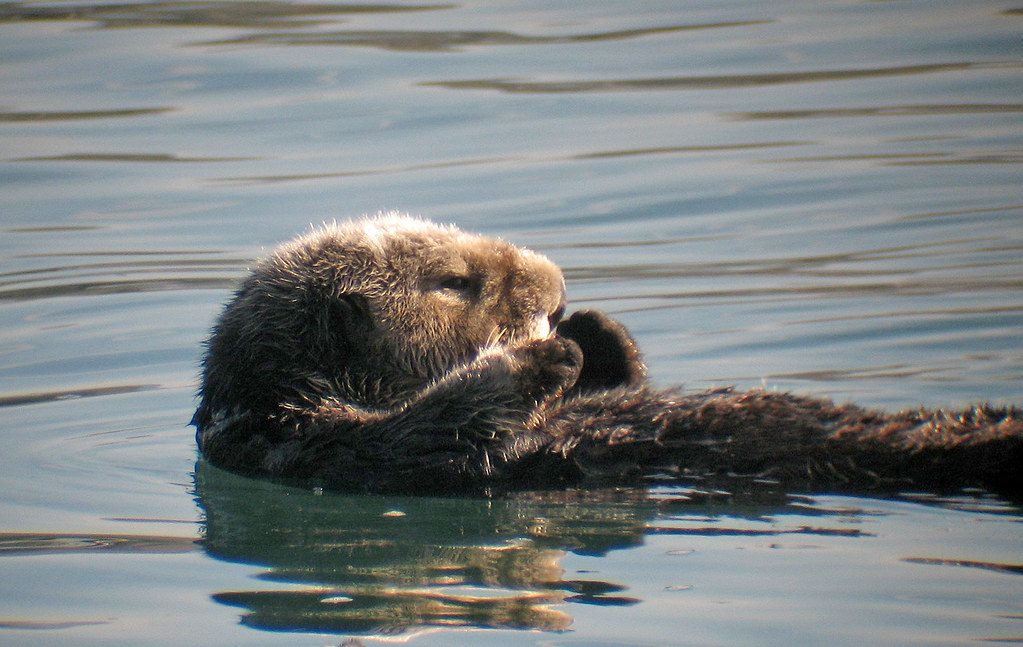
Newborn sea otters are born with fluffy fur that traps air, allowing them to float on the water’s surface. Because of this thick coat, they cannot dive underwater at first. Mothers often place their pups on their chest or wrap them in floating kelp while they dive to find food. They also spend many hours grooming the pup to keep its fur clean and waterproof.
Why Morro Bay is important for sea otters
Morro Bay has become one of the most important homes for southern sea otters along California’s Central Coast. The bay contains eelgrass beds, kelp, shellfish, crabs, and other food that help support both adult otters and growing pups. The protected waters also offer shelter from rough ocean waves.
Southern sea otters nearly disappeared during the fur trade in the 18th and 19th centuries. Conservation efforts have helped the population slowly recover, but the species remains threatened. Every successful birth in places like Morro Bay is valuable because each pup helps strengthen the future population.
The challenges newborn sea otters face
Even with a caring mother, life is not easy for a young sea otter. Storms, strong currents, predators, disease, pollution, and food shortages can all threaten a pup’s survival. If a pup becomes separated from its mother, its chances of surviving in the wild drop sharply because it cannot yet feed or care for itself.
Wildlife rescue teams have successfully reunited separated pups with their mothers in Morro Bay by carefully locating the mother and allowing the pair to reconnect naturally. These rescues are uncommon, but they show how trained experts can sometimes help without disrupting natural behavior when a young pup is truly in danger.
Sea otters play a big role in the ocean
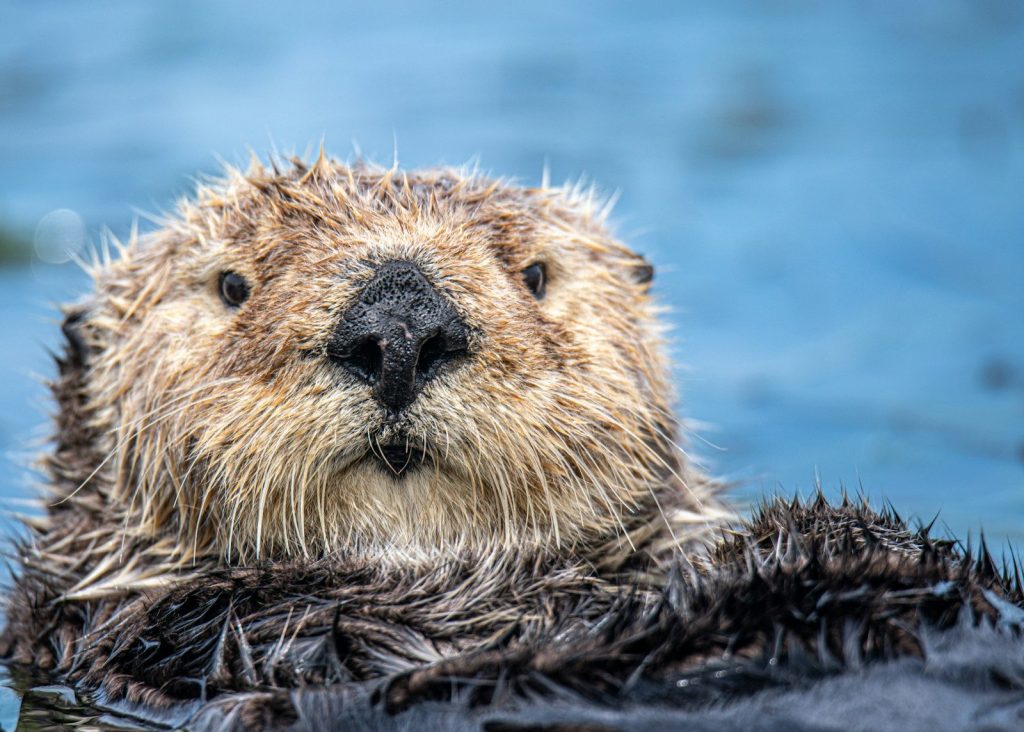
Sea otters do much more than delight visitors. They are considered a keystone species because they help keep coastal ecosystems balanced. They eat sea urchins, crabs, mussels, and other shellfish, preventing some prey species from growing out of control.
When sea otters keep sea urchin numbers in check, kelp forests stay healthier. Healthy kelp forests provide food and shelter for fish, birds, and many other marine animals. They also help protect coastlines from wave damage and store carbon, making them valuable for both wildlife and people.
Why people should admire sea otters from a distance
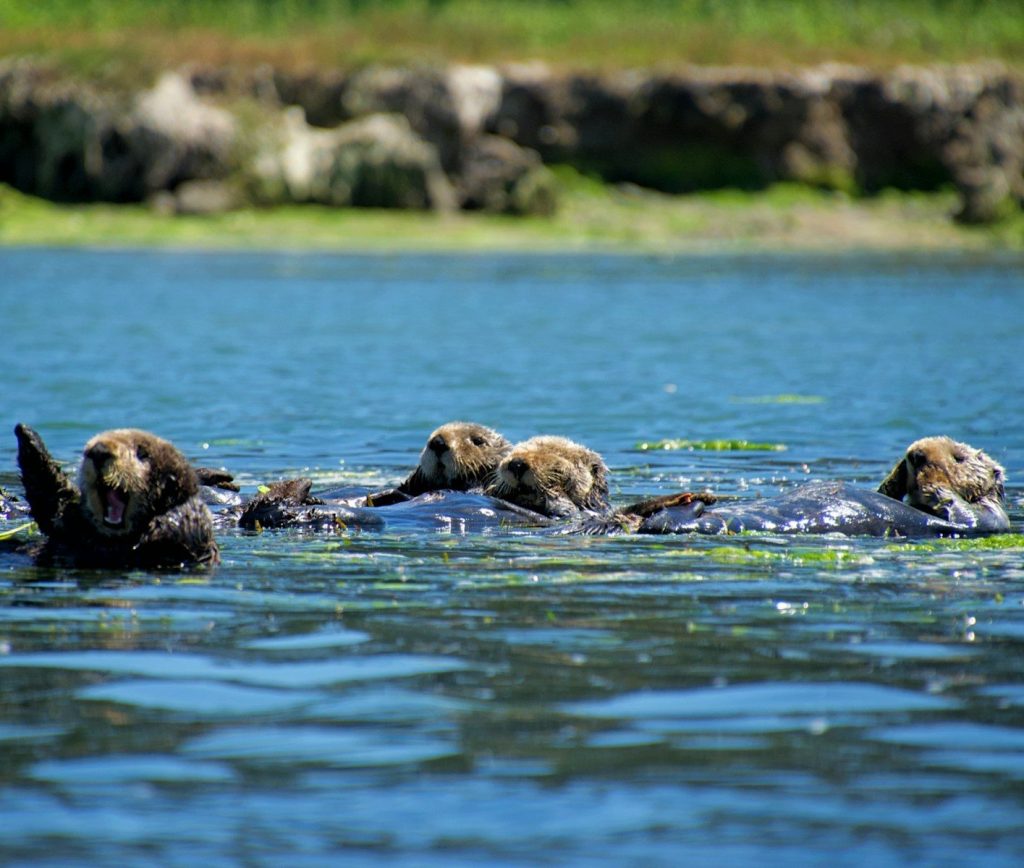
Watching a mother and newborn pup is exciting, but wildlife experts remind visitors to give sea otters plenty of space. Getting too close with boats, kayaks, drones, or people on shore can stress the animals and interrupt feeding or nursing. Disturbing a mother may even increase the risk of separation from her pup.
People visiting Morro Bay can help by observing quietly from a safe distance, following local wildlife rules, and reporting injured or stranded marine mammals to trained rescue organizations instead of trying to help on their own. Responsible viewing helps keep these remarkable animals safe for future generations.
Leave a Reply