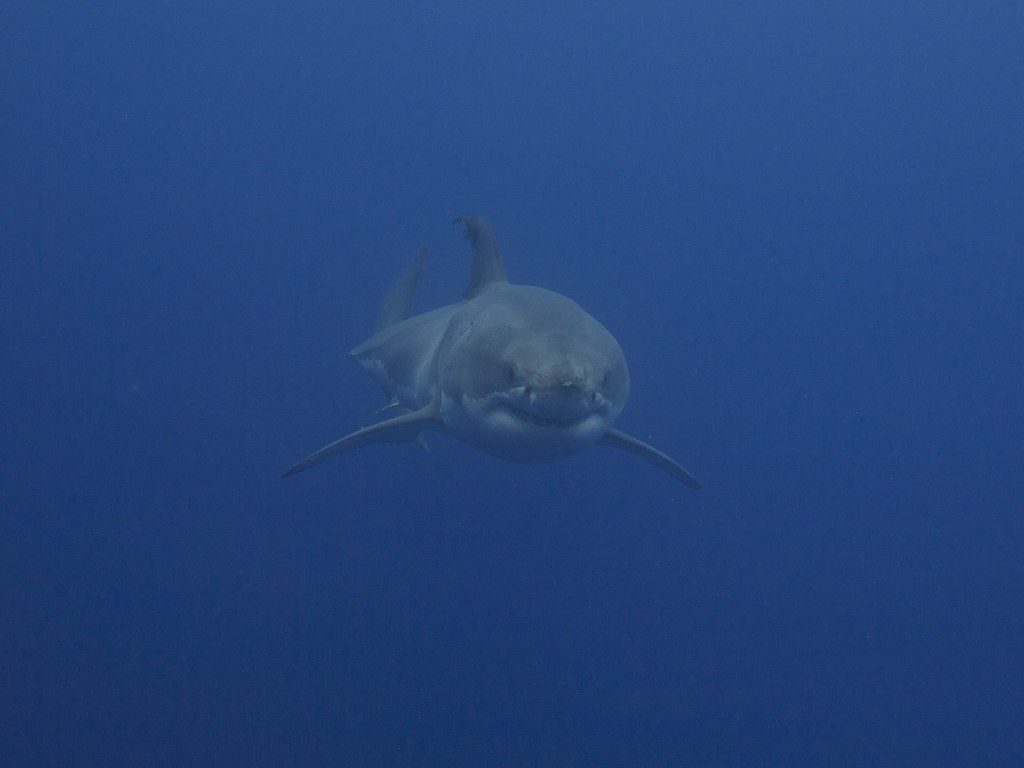
Why are Cape Town’s great white sharks disappearing? It is a question that has puzzled scientists, conservation groups, and wildlife lovers for years. False Bay, near Cape Town, was once one of the best places in the world to see these powerful predators. Today, sightings have become rare.
Researchers now believe there is no single cause. Instead, several problems have combined to push great white sharks away from the area. In this article, you will learn why the sharks are disappearing, how killer whales, fishing, and changing ocean conditions play a role, and what this means for the future of South Africa’s marine life.
Cape Town was once a shark hotspot

For many years, False Bay was famous for its large population of great white sharks. Tourists traveled from around the world to watch sharks hunt Cape fur seals near Seal Island. Scientists also studied the animals because they appeared so often and were easy to observe.
Around 2015, researchers noticed that shark sightings were dropping. By 2018, great white sharks had almost vanished from parts of False Bay where they had once been seen almost daily. This sudden change surprised experts and raised questions about what had happened.
Killer whales have changed shark behavior
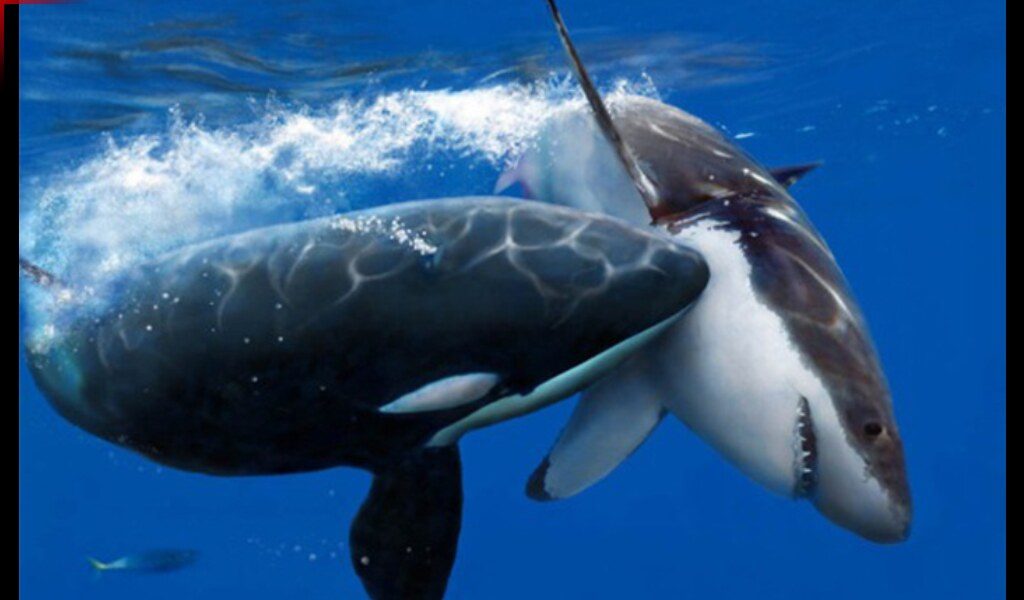
One of the biggest discoveries involved two male killer whales, often called orcas, that learned to hunt great white sharks. Scientists found shark bodies floating near the coast with large wounds and their nutrient-rich livers missing. This showed that the orcas had become skilled shark hunters.
Research suggests that the presence of these orcas causes many great white sharks to leave the area to avoid becoming prey. Sharks are powerful predators, but they also try to avoid danger. Even though orca attacks are important, many scientists agree they are only one part of the story rather than the only reason for the sharks’ disappearance.
Human activity has added more pressure
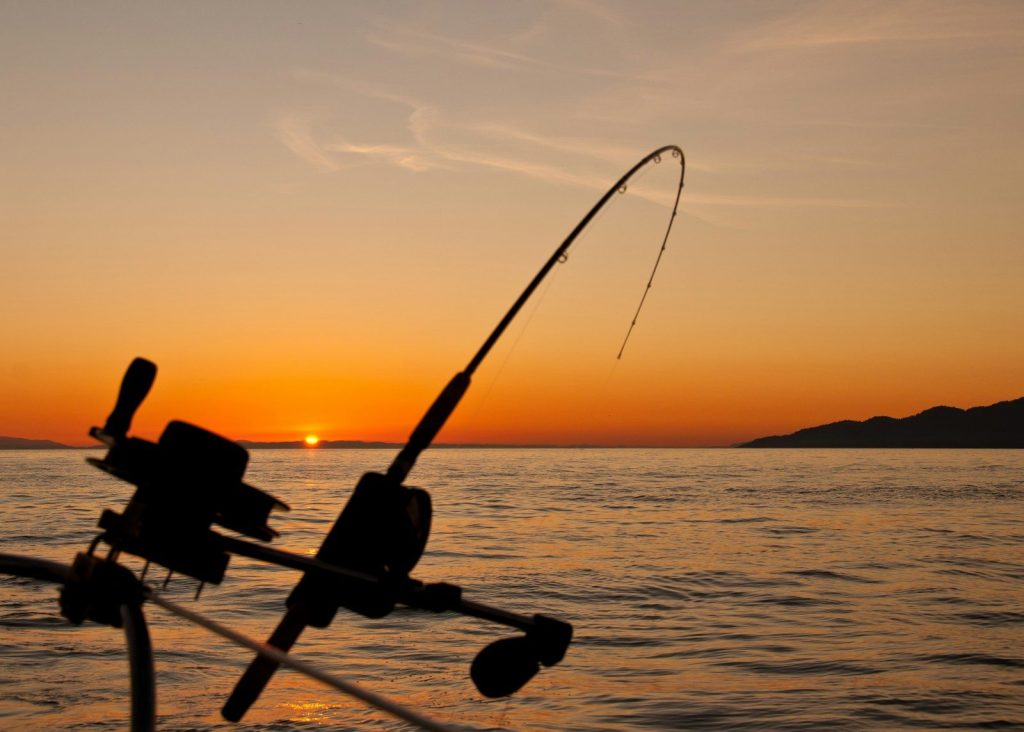
Fishing has also placed great white sharks under stress. Some sharks become trapped in protective shark nets and drumlines that were designed to reduce the risk of shark attacks on people. Others are caught by accident in commercial fishing gear.
At the same time, overfishing has reduced the number of smaller sharks and fish that great whites depend on for food. When prey becomes harder to find, great white sharks may move to other areas where food is more available. This long-term loss of prey has likely weakened local shark populations over many years.
Changes in the ocean are affecting sharks
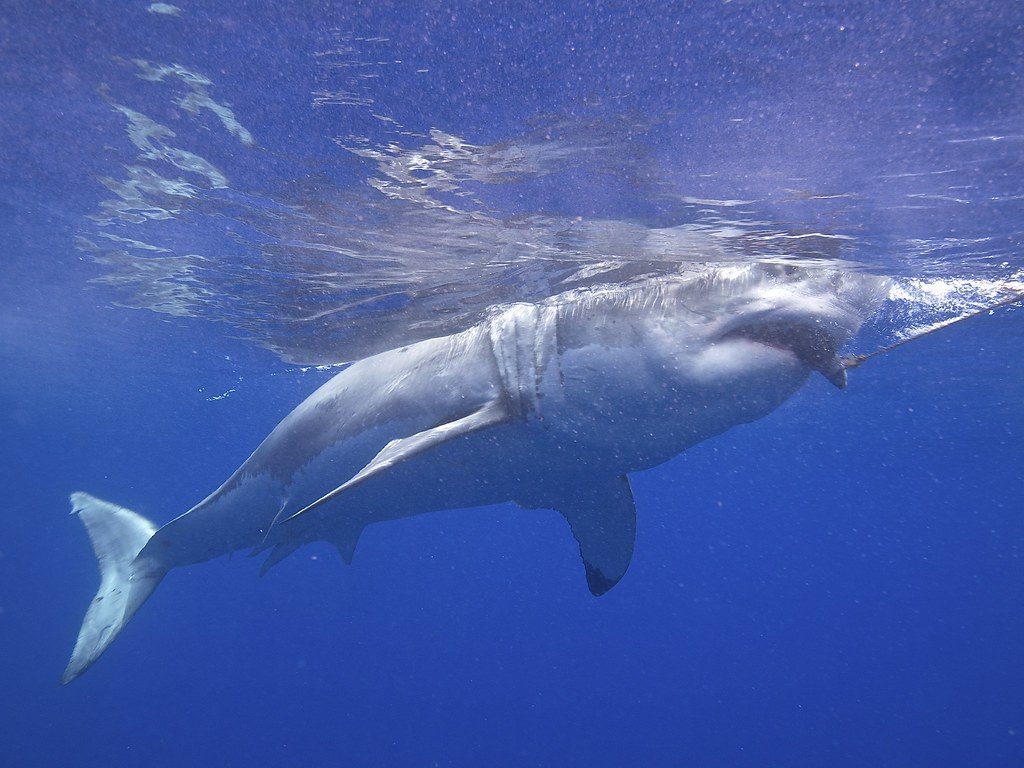
The ocean around South Africa is constantly changing. Water temperature, ocean currents, and food availability can all influence where sharks travel. Great white sharks naturally migrate, but changing environmental conditions may encourage them to spend less time near Cape Town.
Scientists believe climate change may also be affecting marine ecosystems by changing where prey species live. While researchers are still studying these effects, most agree that changing ocean conditions work together with fishing pressure and orca predation to influence shark movements.
The ecosystem is already changing
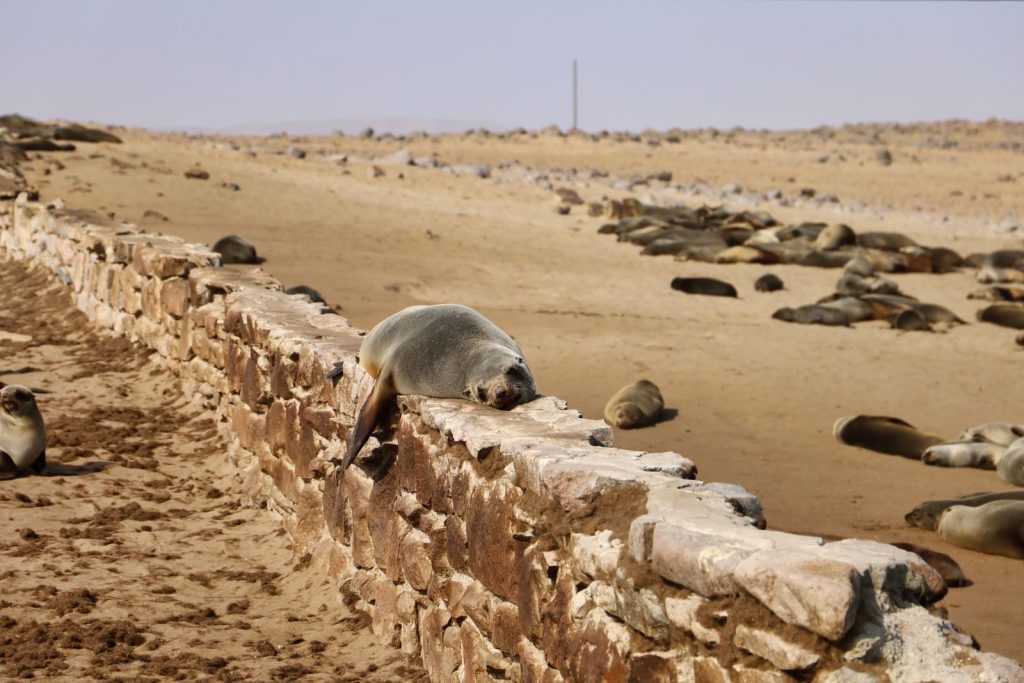
Great white sharks are apex predators, meaning they sit at the top of the food chain. When they disappear from an area, other animals often become more common. Researchers have already recorded increases in Cape fur seals and sevengill sharks in parts of False Bay.
These changes can spread throughout the food web. As seal and sevengill shark numbers rise, they consume more fish and smaller sharks. Scientists call this a trophic cascade, where the loss of one top predator creates a chain reaction that affects many other species in the ecosystem.
Can great white sharks return?
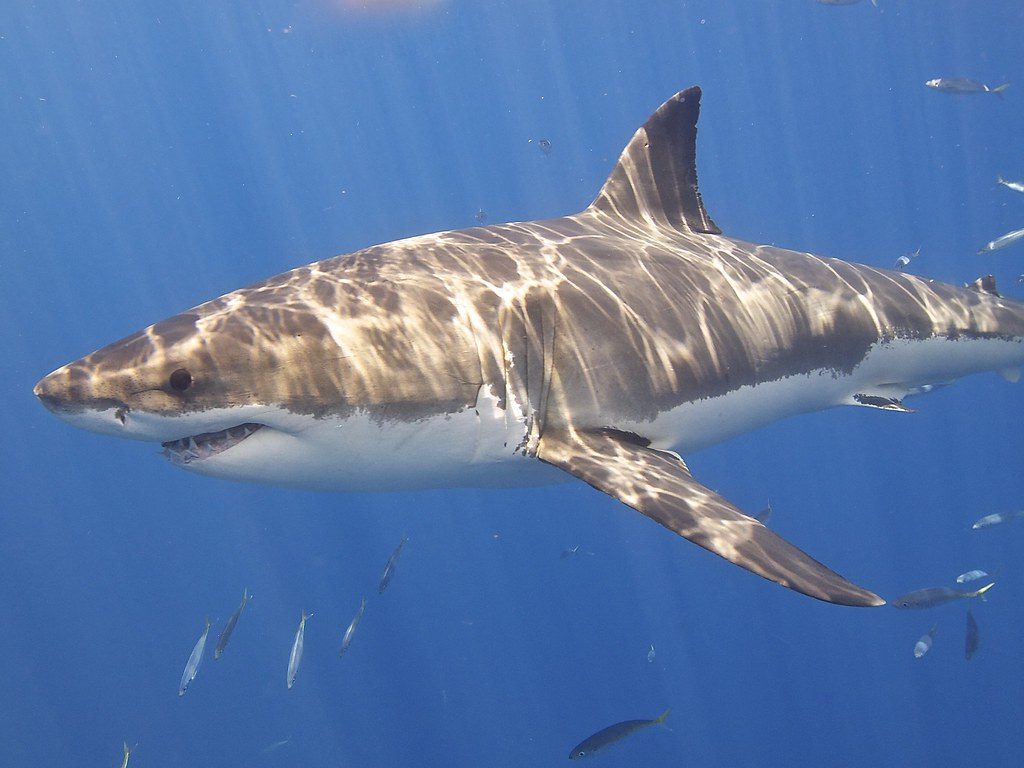
Many researchers hope great white sharks could return if conditions improve, but no one can guarantee that will happen soon. Protecting shark habitats, reducing accidental catches, managing fisheries more carefully, and continuing scientific research may all improve their chances.
Experts also stress that understanding the problem is important because the disappearance appears to be caused by several factors working together. Protecting great white sharks means protecting the entire ocean ecosystem that supports them. Continued monitoring will help scientists understand whether the sharks are relocating or if local populations are continuing to decline.
Leave a Reply