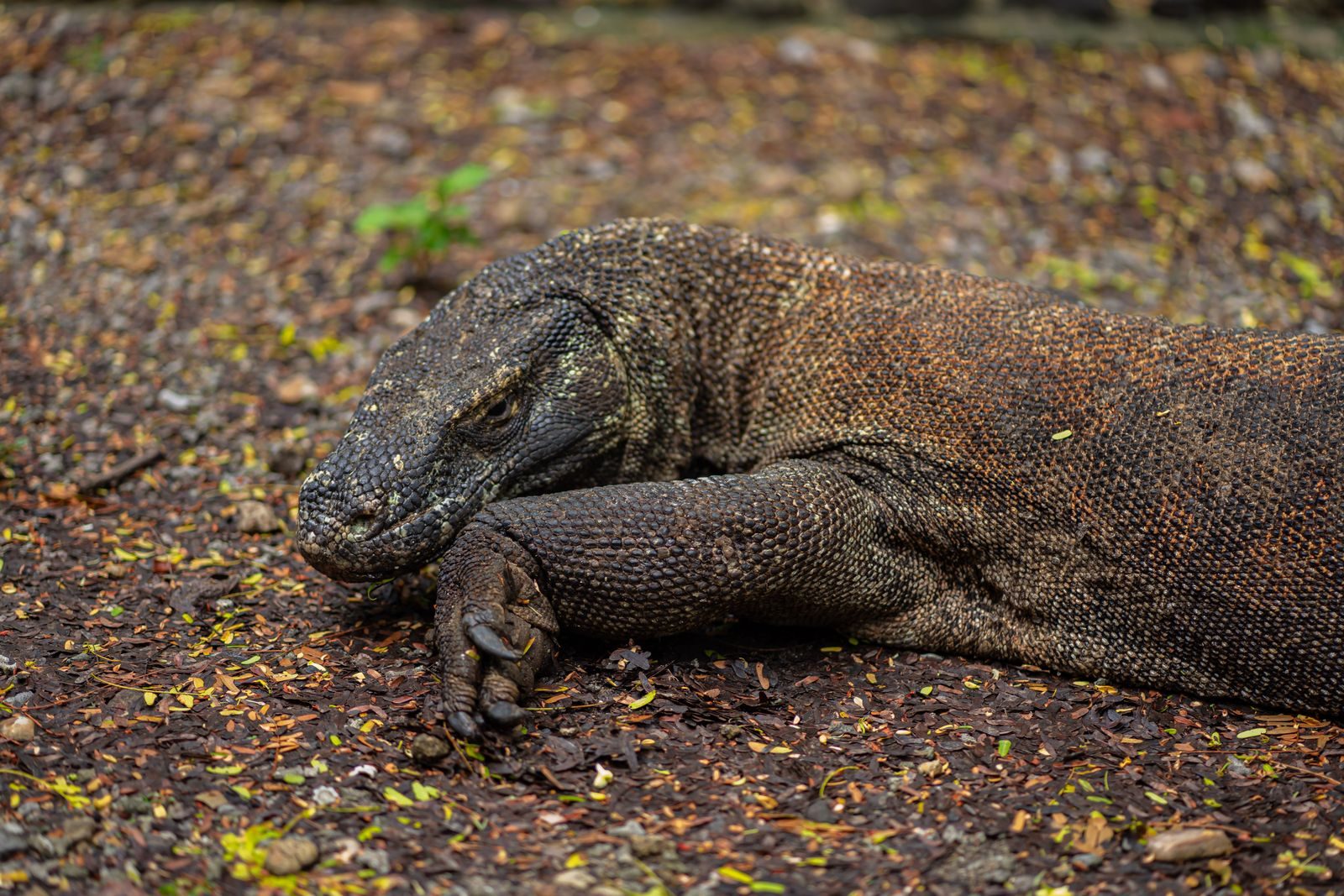
Imagine surviving a bite from the world’s largest lizard, only to see even more coming your way. That frightening moment happened to a park ranger in Indonesia after a Komodo dragon attacked him, then seven more appeared nearby.
While stories like this sound like a movie, they highlight the real dangers of meeting these powerful reptiles in the wild. This article explains what happened, why more dragons gathered so quickly, how Komodo dragons behave, and what visitors can learn to stay safe around these amazing animals.
The terrifying attack
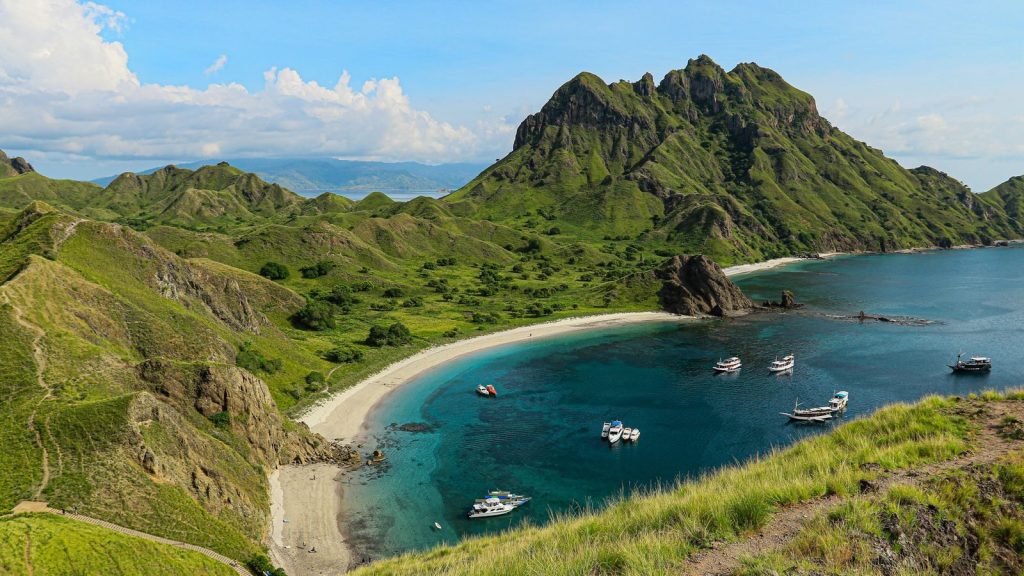
One of the best-known incidents happened on Rinca Island in Indonesia, where a park ranger named Maen was working inside a ranger station. A Komodo dragon had quietly entered the building overnight. When Maen moved his leg, the dragon suddenly bit him. He fought back and escaped outside despite serious injuries.
The danger was not over. As blood from his wounds dripped onto the ground, several more Komodo dragons were drawn to the smell. Reports say that seven additional dragons appeared nearby, forcing other rangers to quickly help him reach safety before the situation became even worse. The event showed how fast these reptiles can gather when they detect food or blood.
Why more dragons arrived
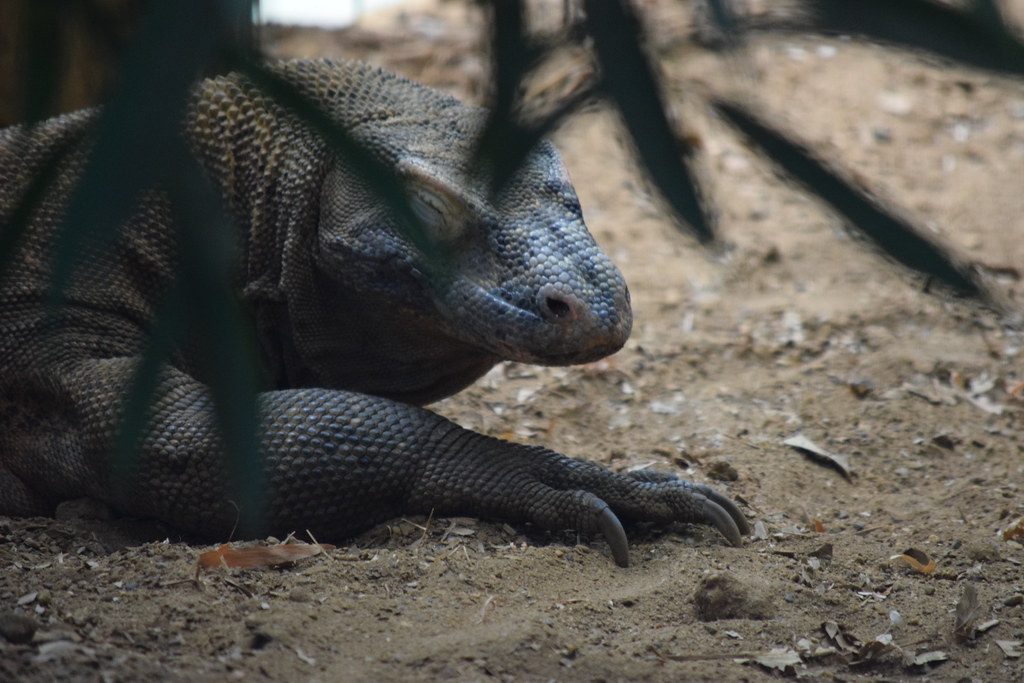
Komodo dragons have an incredible sense of smell. They use their long, forked tongues to collect tiny scent particles from the air. With a special organ in the roof of their mouth, they can detect blood and dead animals from miles away under the right conditions.
These giant lizards often feed together on large carcasses. When one dragon finds food, others may soon arrive after picking up the scent. That is why an injured animal—or even a bleeding person—can attract several dragons to the same place in a short time.
How dangerous are Komodo dragons?
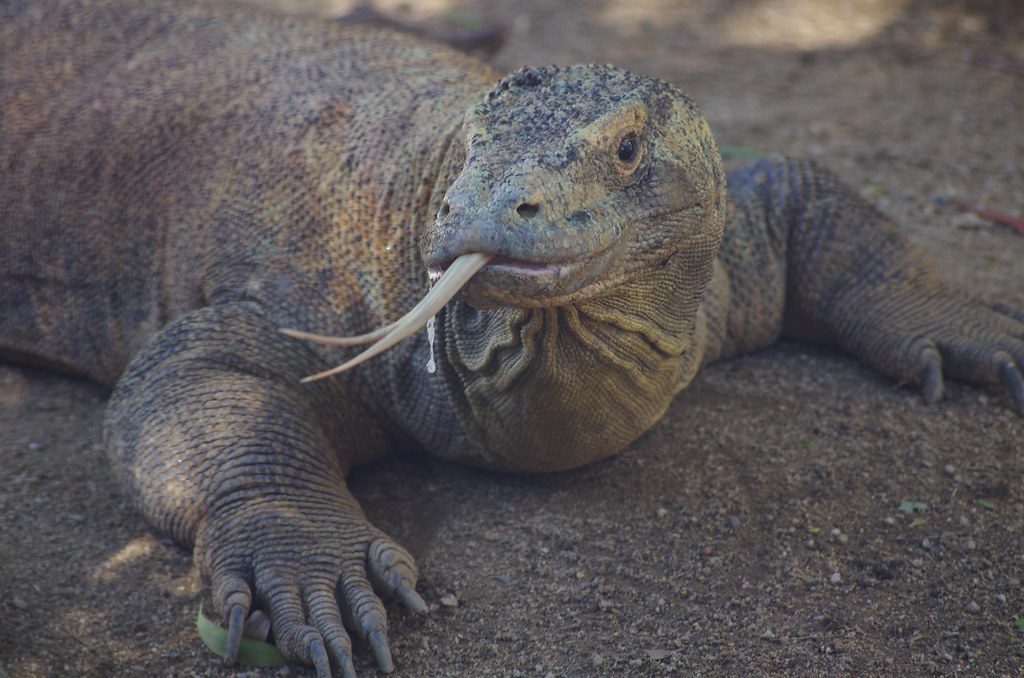
Komodo dragons are the largest living lizards on Earth. Adult males can grow over 10 feet long and weigh more than 300 pounds. They are powerful predators with sharp, curved teeth and venom that helps weaken prey by causing heavy bleeding and lowering blood pressure.
Although attacks on humans are uncommon, they do happen. Most incidents occur when people get too close, surprise a dragon, or enter areas without trained guides. Several injuries and a small number of deaths have been recorded over the years, proving these animals deserve respect.
Why attacks are still rare
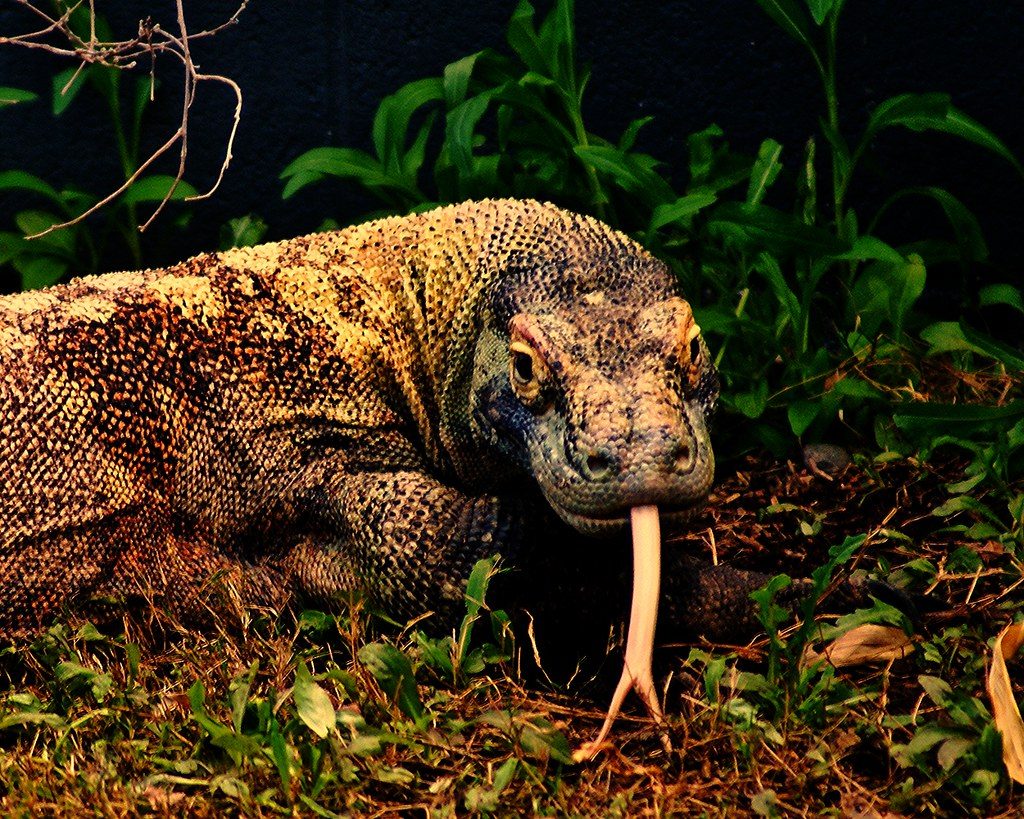
Despite their fearsome reputation, Komodo dragons usually avoid people when given enough space. Most wild dragons spend their time hunting deer, wild pigs, and other animals or feeding on carcasses instead of looking for humans.
Many attacks happen because dragons feel threatened or because people ignore safety rules. For example, tourists who move too close to feeding dragons or wander without park guides greatly increase their risk of an encounter.
Safety lessons from the encounter
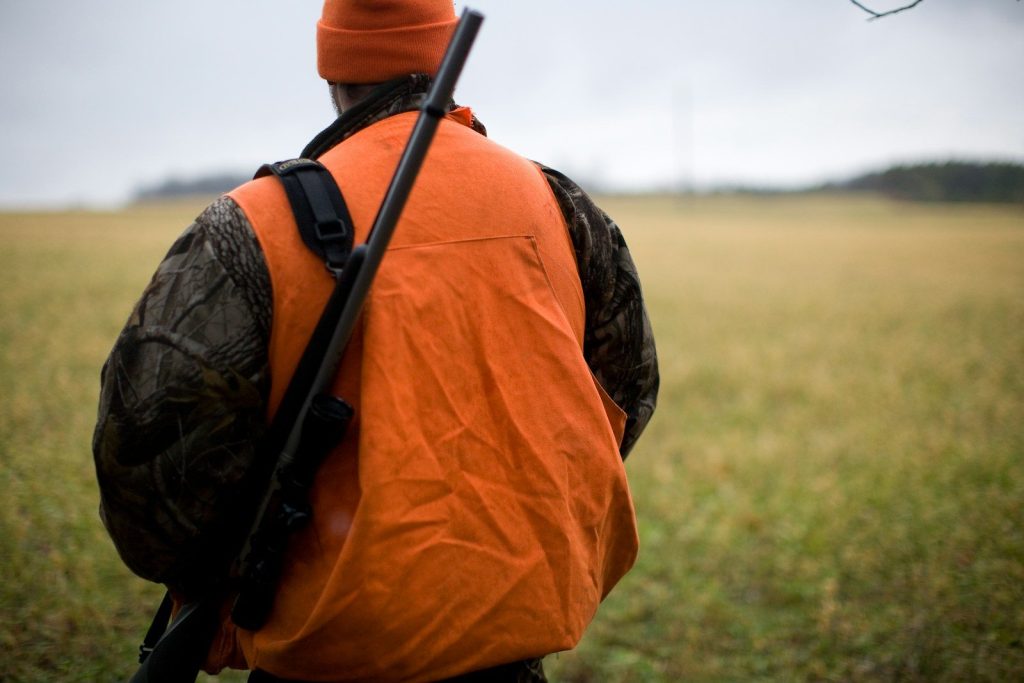
The ranger’s experience reminds everyone that working or traveling near Komodo dragons requires constant attention. Rangers in Komodo National Park are trained to watch for dragons, carry forked safety sticks, and respond quickly if an animal approaches.
Visitors should always stay with trained guides, keep a safe distance, avoid sudden movements, and never approach dragons that are feeding. Anyone with an open wound should be especially careful because the smell of blood may attract nearby dragons.
Why Komodo dragons still matter
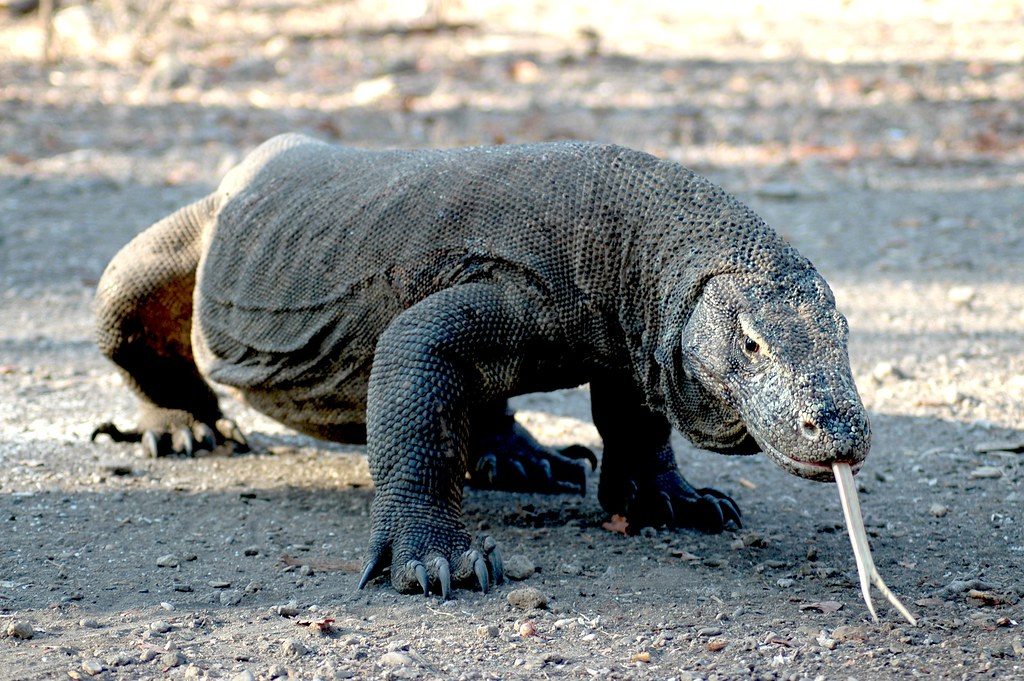
Komodo dragons may be dangerous, but they are also an important part of Indonesia’s natural heritage. As top predators, they help keep their island ecosystems balanced by controlling prey populations. Scientists continue studying them to better understand their behavior and protect their future.
Today, Komodo dragons are listed as endangered because of habitat loss, climate change, and human activity. Conservation efforts and responsible tourism help protect both these remarkable reptiles and the people who come to see them.
Leave a Reply