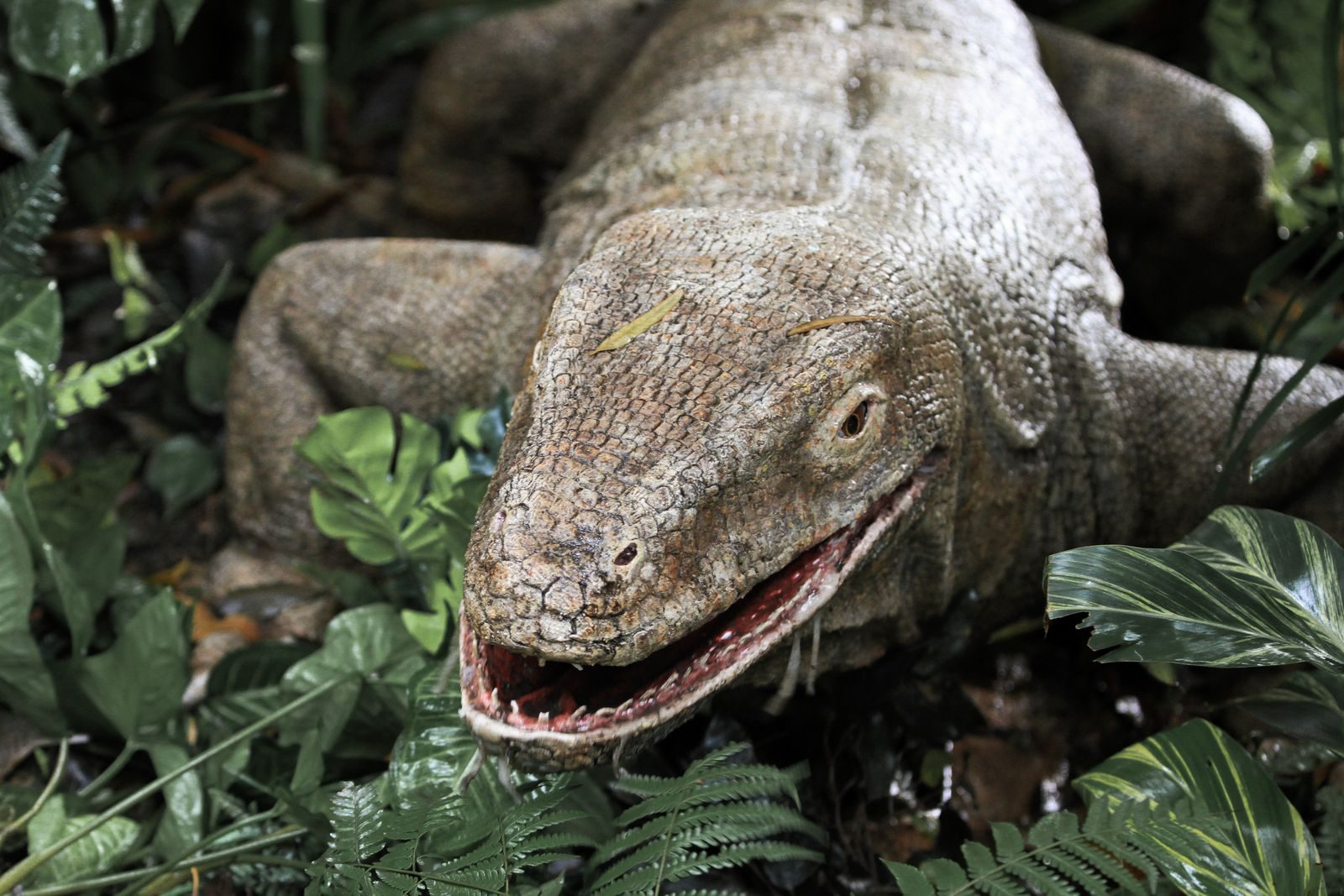
Have you ever wondered how one Komodo dragon bite can take down an animal much bigger than the lizard itself? At first, it sounds impossible. Yet these giant reptiles are among the most successful hunters on Earth. Their hunting method is not based on bite force alone. Instead, they use sharp teeth, venom, and patience to weaken large prey.
This article explains how a Komodo dragon bite works, why old ideas about deadly bacteria have changed, and how these powerful reptiles hunt animals such as deer, wild pigs, and even water buffalo.
Komodo dragons hunt with more than strength
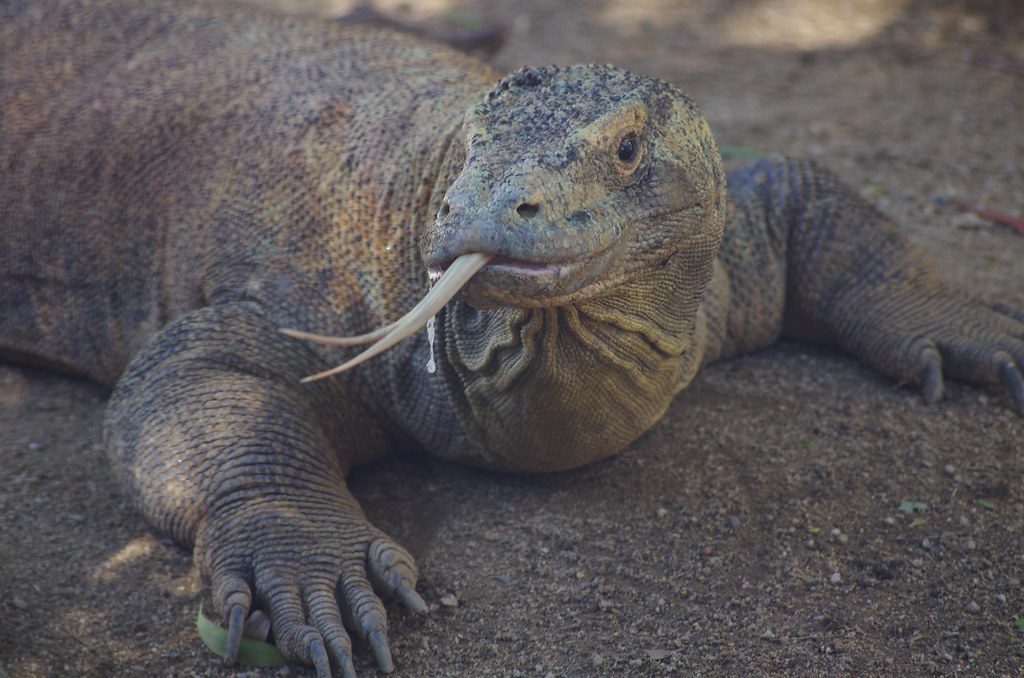
Komodo dragons are the world’s largest living lizards, growing over 10 feet long and weighing more than 150 pounds. They live on a few Indonesian islands and are top predators in their habitat. Their favorite prey includes deer, wild pigs, and other large mammals.
Unlike lions or crocodiles, Komodo dragons do not depend on crushing power. Their jaws are not especially strong, but their hunting success comes from speed, sharp teeth, and a bite designed to cause deep wounds.
Their teeth create serious injuries
A Komodo dragon has about 60 curved, serrated teeth that work like steak knives. When it bites, it tears through skin and muscle instead of simply holding onto its prey. These deep cuts can cause heavy bleeding within seconds.
The dragon also uses strong neck muscles to pull backward while biting. This ripping action makes the wound even larger. Even if the prey escapes at first, it may already have lost a dangerous amount of blood.
Venom makes the bite even more dangerous
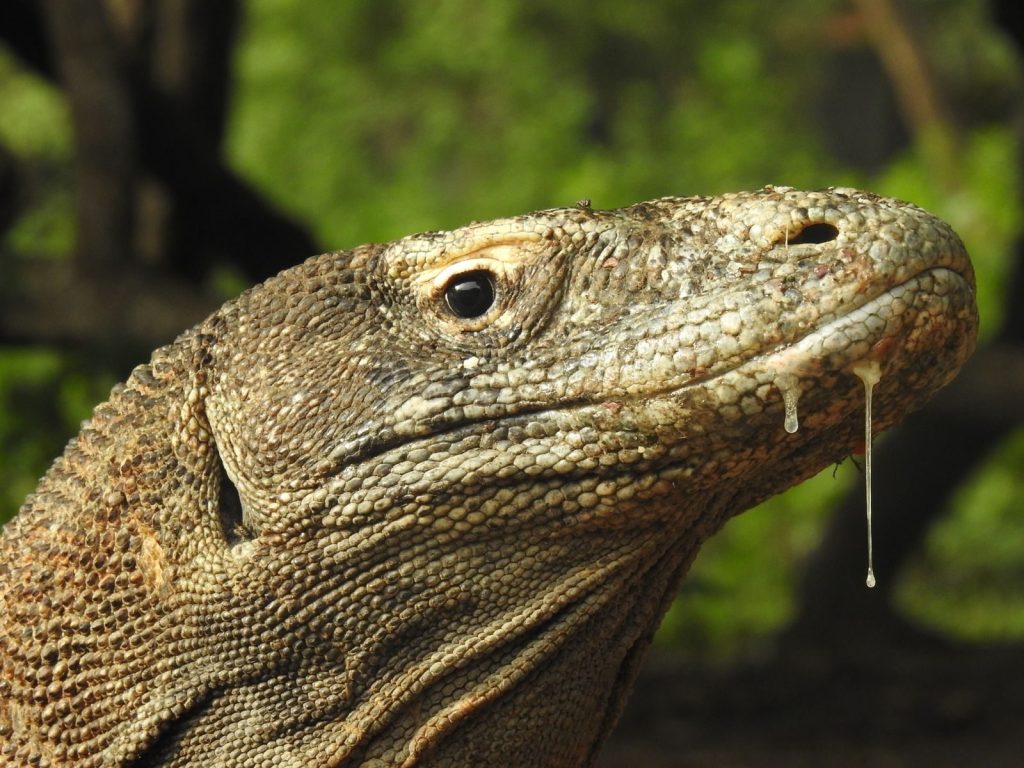
For many years, people believed Komodo dragons killed with harmful bacteria living in their mouths. Scientists now know that idea is mostly a myth. Research shows their mouths are no dirtier than those of many other meat-eating animals.
Instead, Komodo dragons have venom glands in their lower jaws. Their venom contains proteins that reduce blood clotting, lower blood pressure, and help send prey into shock. Combined with deep wounds, this makes it much harder for injured animals to recover.
Even giant prey can be worn down
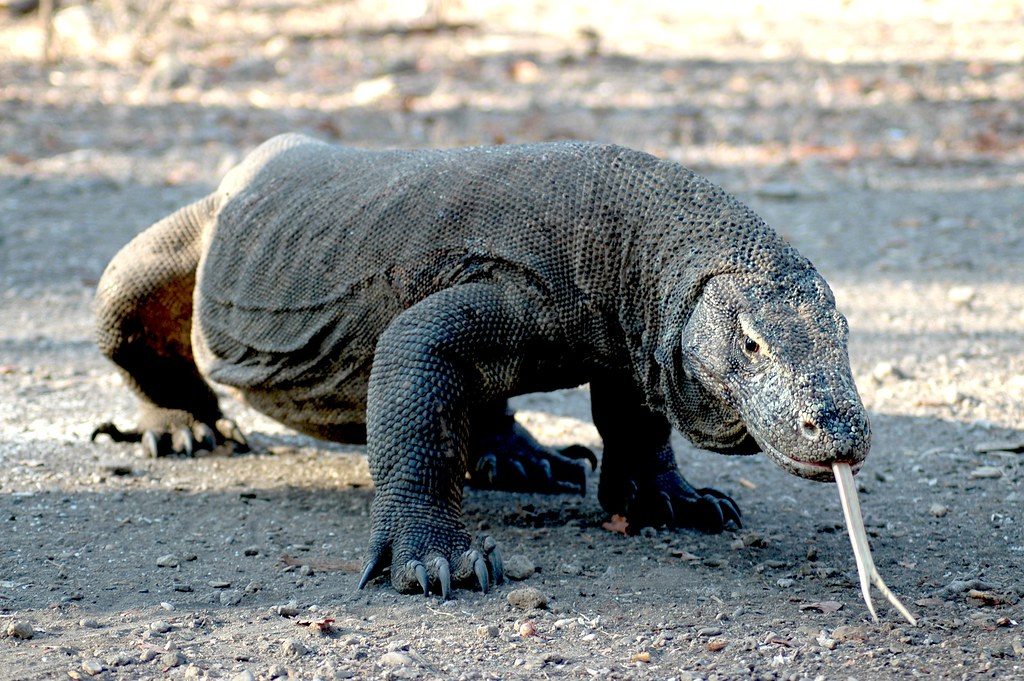
Large animals such as deer and water buffalo are much bigger than a Komodo dragon. A single bite may not kill them right away, but the heavy blood loss, venom, and shock can weaken them over time.
Komodo dragons often follow injured prey after the attack. Using their excellent sense of smell, they can track an animal for long distances until it becomes too weak to escape. This patient hunting style helps them catch prey that seemed impossible to defeat.
A powerful sense of smell helps them finish the hunt
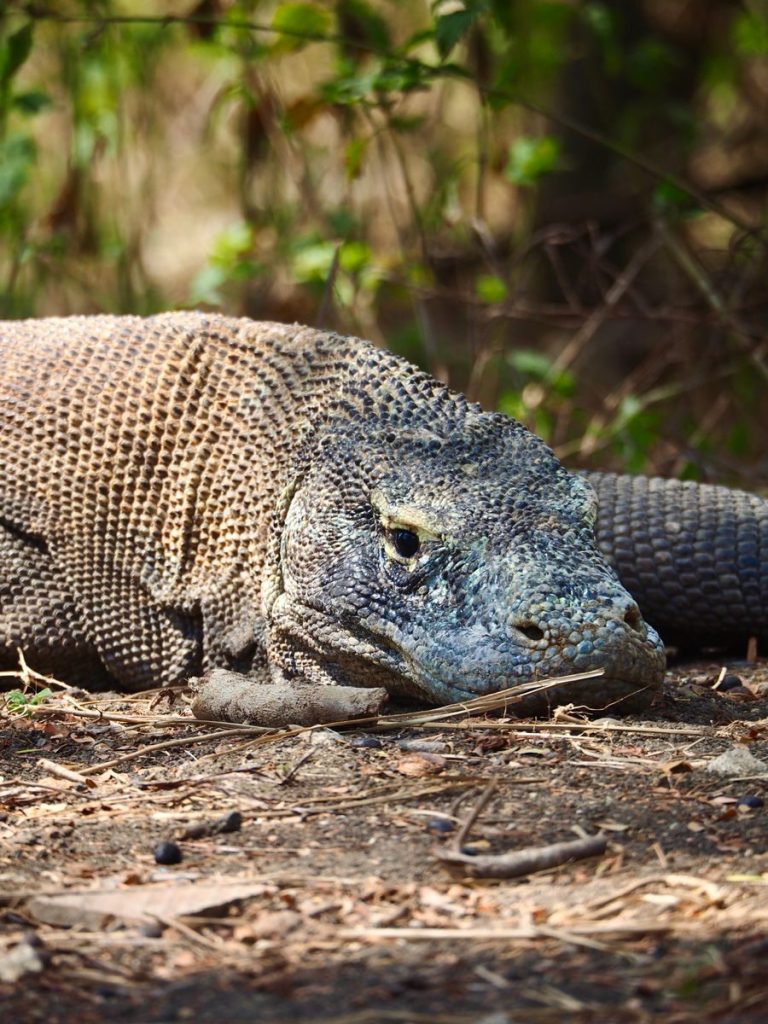
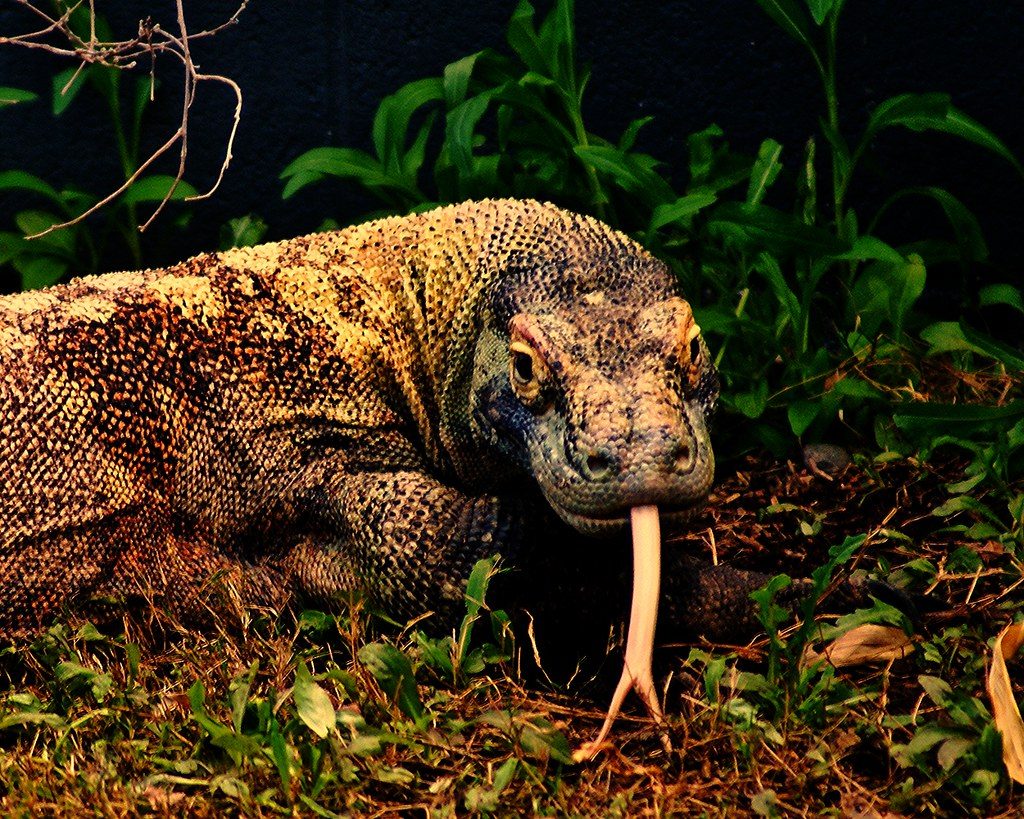
Komodo dragons have an amazing forked tongue that collects tiny scent particles from the air. They use a special organ inside the roof of their mouth to study these scents and locate wounded animals.
This ability allows them to find prey even after it has traveled far from the attack site. Their strong sense of smell also helps them locate dead animals, making them skilled hunters and scavengers.
Why this hunting method is so effective
The Komodo dragon’s hunting strategy saves energy and lowers the risk of serious injury. Instead of fighting large prey for a long time, it delivers a damaging bite and lets blood loss and venom do much of the work.
This combination of sharp teeth, venom, patience, and excellent tracking has helped Komodo dragons survive for thousands of years. It is one of the reasons they remain one of nature’s most remarkable predators.
Leave a Reply