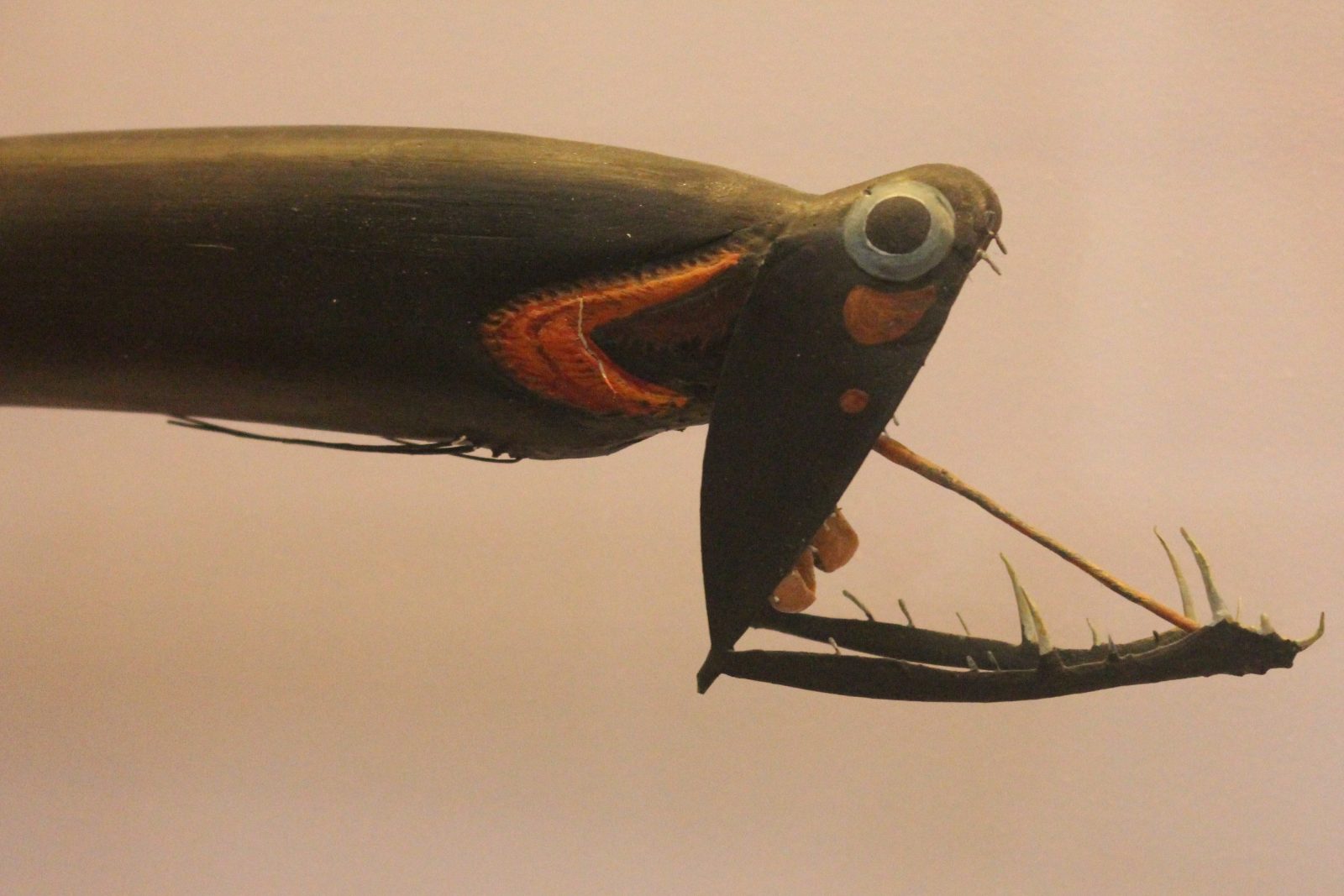
The glowing fish that can devour surprisingly large prey is one of the deep ocean’s most amazing hunters. Known as the stoplight loosejaw, this small fish lives where sunlight never reaches. Even though it is only about 10 inches long, it has special features that let it catch prey much larger than most fish its size could handle.
In this article, you’ll learn how the stoplight loosejaw uses its glowing body, huge mouth, and clever hunting skills to survive in the dark ocean. You’ll also discover why scientists think this unusual predator is one of the most fascinating fish in the deep sea.
The stoplight loosejaw lives in the deep ocean
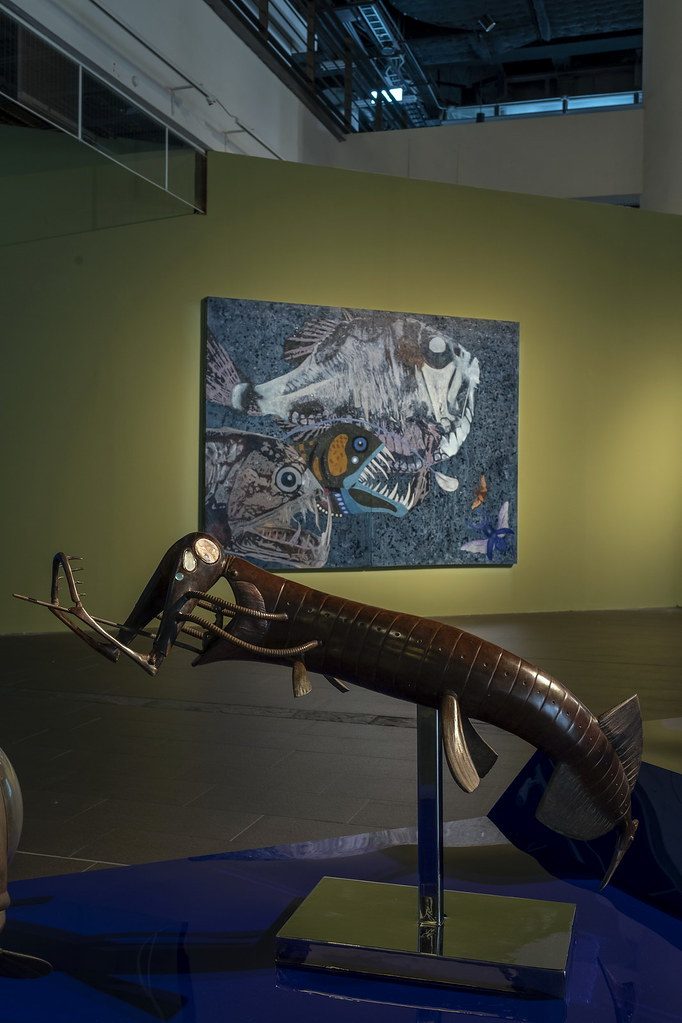
The stoplight loosejaw is a deep-sea dragonfish that lives between about 1,600 and 8,200 feet below the ocean’s surface. At these depths, sunlight is gone, and the water is cold, dark, and under great pressure. It is found in the Atlantic, Pacific, and Indian Oceans.
Its body is dark, soft, and almost scaleless, helping it blend into the darkness. Most adults grow to about 10 inches long, making them much smaller than many people expect when they first see pictures of its huge jaws.
Its glowing body gives it a hunting advantage
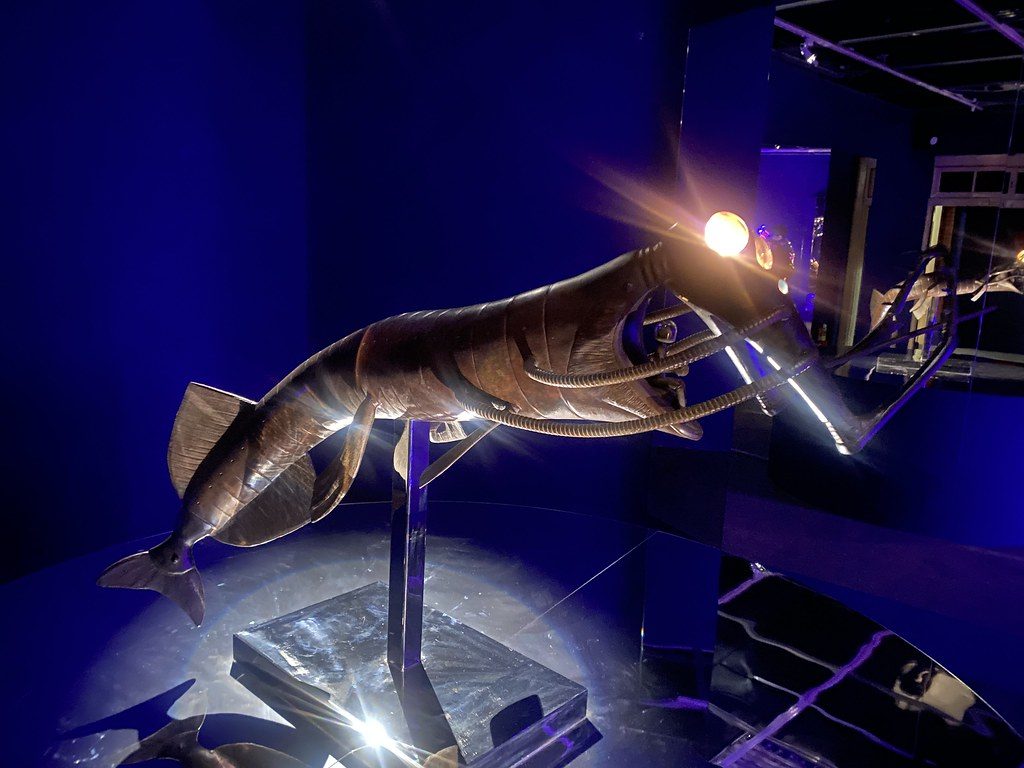
The stoplight loosejaw produces its own light through special organs called photophores. Most deep-sea fish make blue or green light, but this fish is one of the few animals that can also produce red light.
That red light acts like a secret flashlight. Most deep-sea animals cannot see red light, so the loosejaw can shine it on nearby prey without being noticed. This gives the fish a major advantage when searching for food in complete darkness.
A giant mouth helps it catch large prey
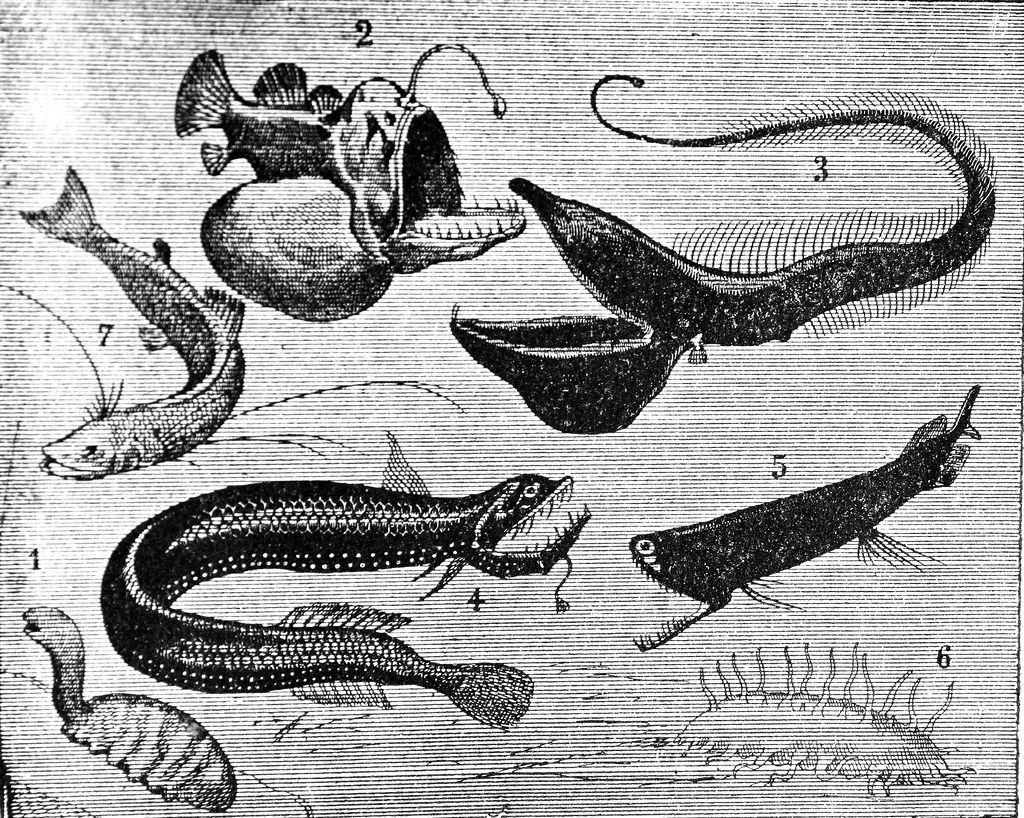
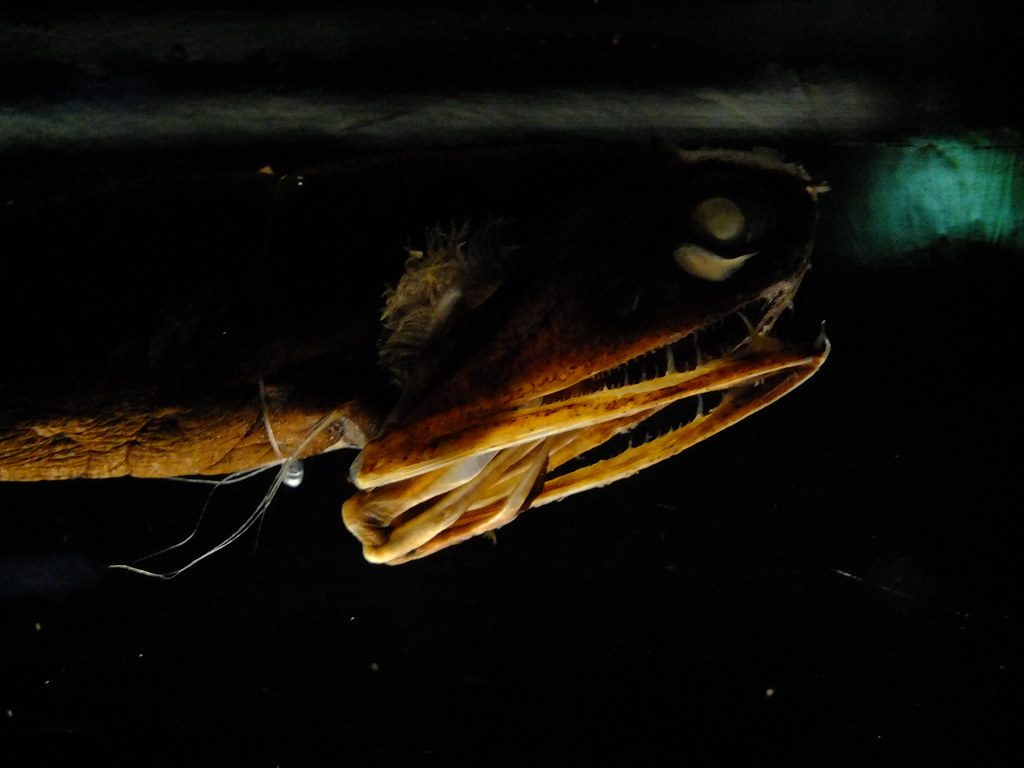
The stoplight loosejaw has one of the most unusual mouths in the ocean. Its lower jaw is very long and connected by flexible joints, allowing the mouth to open incredibly wide. Long, sharp teeth point inward to stop prey from escaping.
The fish also lacks the normal floor found in many fish mouths. This open design makes it easier to swallow animals that seem far too large for its body. Once prey is caught, the loosejaw slowly works it into its stomach while continuing to breathe.
What the fish really eats
Its frightening appearance makes many people think the stoplight loosejaw only eats large fish. While it is capable of catching surprisingly large prey, scientists have found that much of its diet actually includes tiny animals called copepods, along with shrimp-like crustaceans and small fish.
Large prey is not always easy to find in the deep sea, where food is scarce. By eating both small animals and larger meals when available, the stoplight loosejaw increases its chances of surviving in one of Earth’s toughest environments.
Amazing adaptations for survival
Besides its glowing lights and oversized jaws, the stoplight loosejaw has several other special adaptations. Its body is lightweight, and its bones are less rigid than those of many other fish. These features help support its unusual feeding style.
Its eyes are also remarkable. Scientists believe the fish gains part of its ability to detect red light through compounds linked to the tiny animals it eats. This rare adaptation allows it to see the very light that remains hidden from most other deep-sea creatures.
Why scientists study this strange fish

The stoplight loosejaw shows how life can evolve in extreme places. Its rare ability to create and detect red light, combined with its flexible jaws, makes it an important species for studying deep-sea biology and evolution.
Researchers continue exploring the deep ocean because many mysteries remain. Every new discovery about the stoplight loosejaw helps scientists better understand how animals survive in one of the least explored habitats on Earth.
Leave a Reply