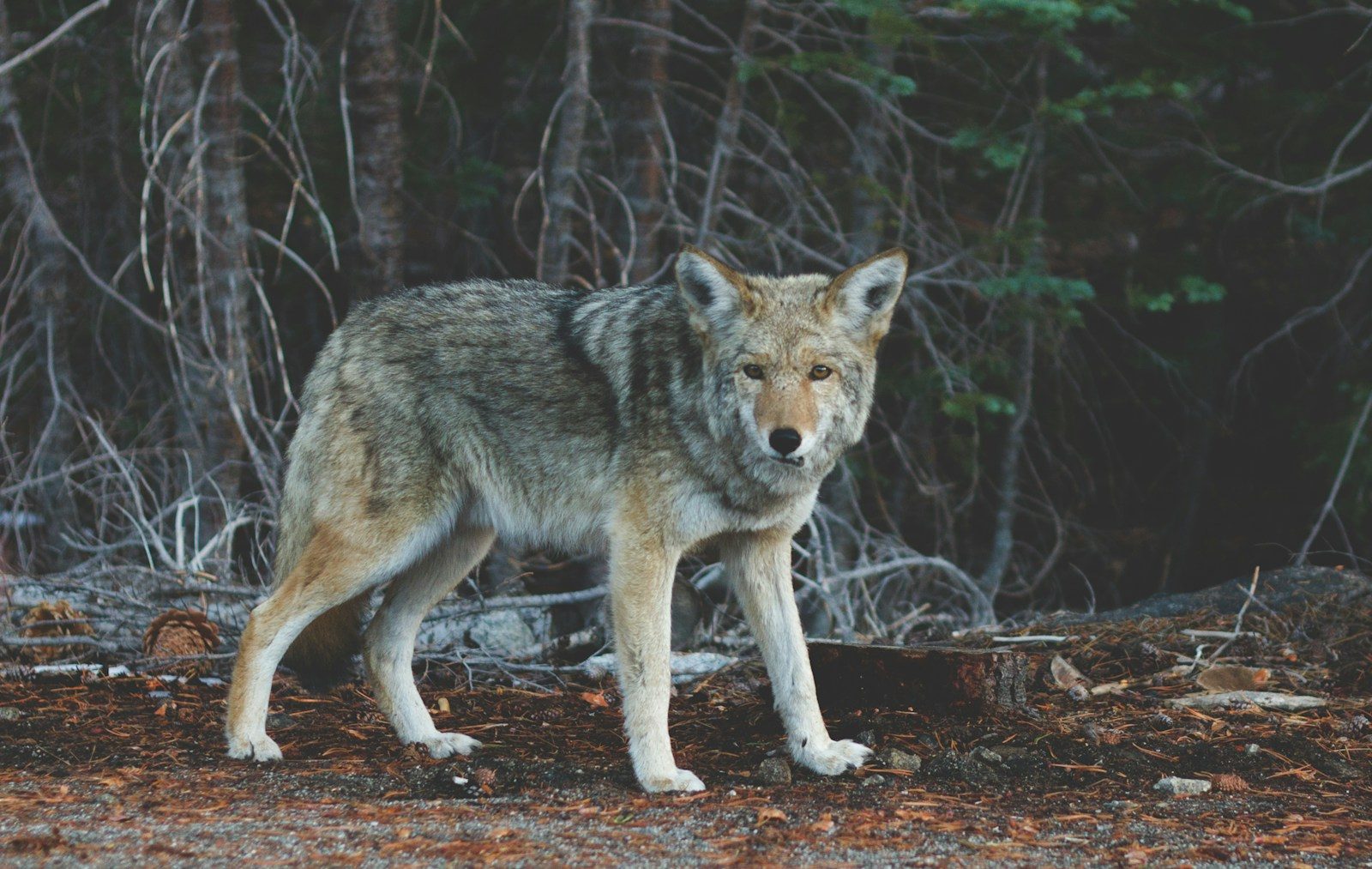
A wolf attacked a sleeping 12-year-old during a family camping trip, turning a quiet night into a frightening emergency. The rare wolf attack happened in 1996 at Algonquin Provincial Park in Ontario, Canada, and quickly drew attention from wildlife experts.
While wolf attacks on people are very uncommon, this case showed what can happen when wild animals lose their natural fear of humans. In this article, you’ll learn what happened during the attack, how the boy survived, why the wolf acted this way, and what changes followed to help keep campers safe.
The attack happened while the family slept
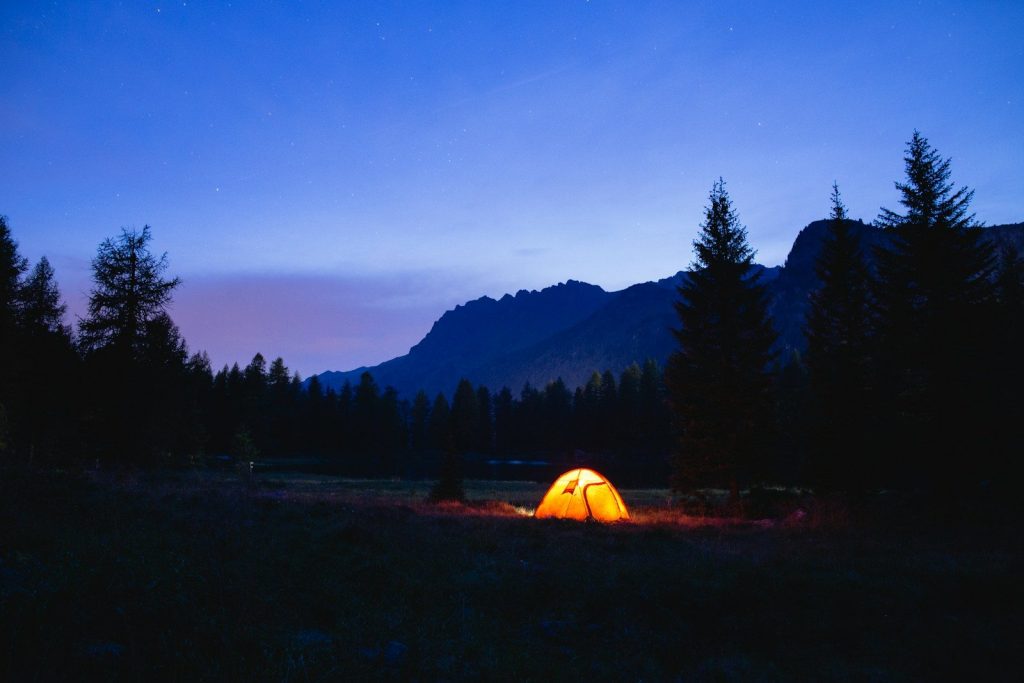
The attack took place in the early morning as a family of five slept outdoors without a tent near Tom Thomson Lake in Algonquin Provincial Park. Around 2 a.m., a wolf grabbed the 12-year-old boy by the head and dragged him several feet before his father rushed in and scared the animal away.
The boy suffered a broken nose and six deep cuts across his face. He needed about 80 stitches, and one wound later required plastic surgery. Even though the injuries were serious, they were not life-threatening, and he survived the attack.
The wolf had been acting strangely before the attack
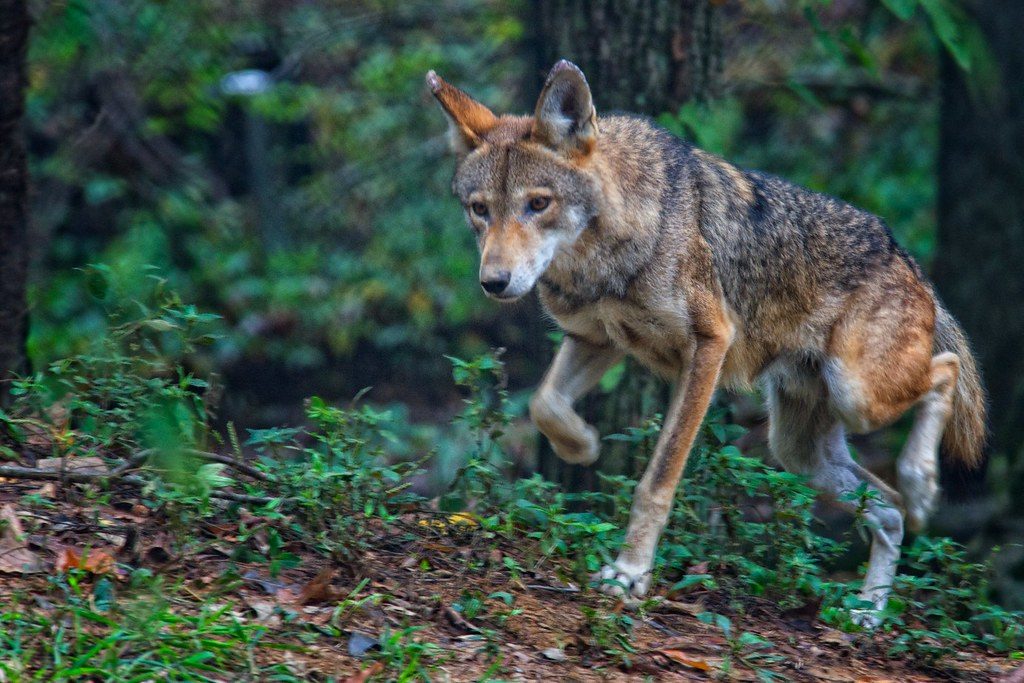
Park visitors had reported seeing the same wolf for nearly two weeks before the attack. Instead of avoiding people, the animal wandered through campsites, picked up clothing, and tugged at backpacks and camping gear.
Wildlife experts believe the wolf had become used to people. This behavior, called habituation, happens when wild animals stop fearing humans after repeated close contact. Experts also suggested the wolf may have been trying to grab the sleeping bag and accidentally bit the boy’s head while pulling on it.
The boy received emergency medical care

After the attack, the boy was taken to a hospital for treatment. Doctors cleaned his wounds, treated his broken nose, and closed the cuts with many stitches. Plastic surgery was later needed to repair part of his face.
Because bites from wild mammals can carry dangerous infections, doctors also checked for diseases such as rabies and gave the proper preventive treatment based on medical guidelines. Quick medical care helped lower the risk of serious complications.
Wildlife officials acted quickly
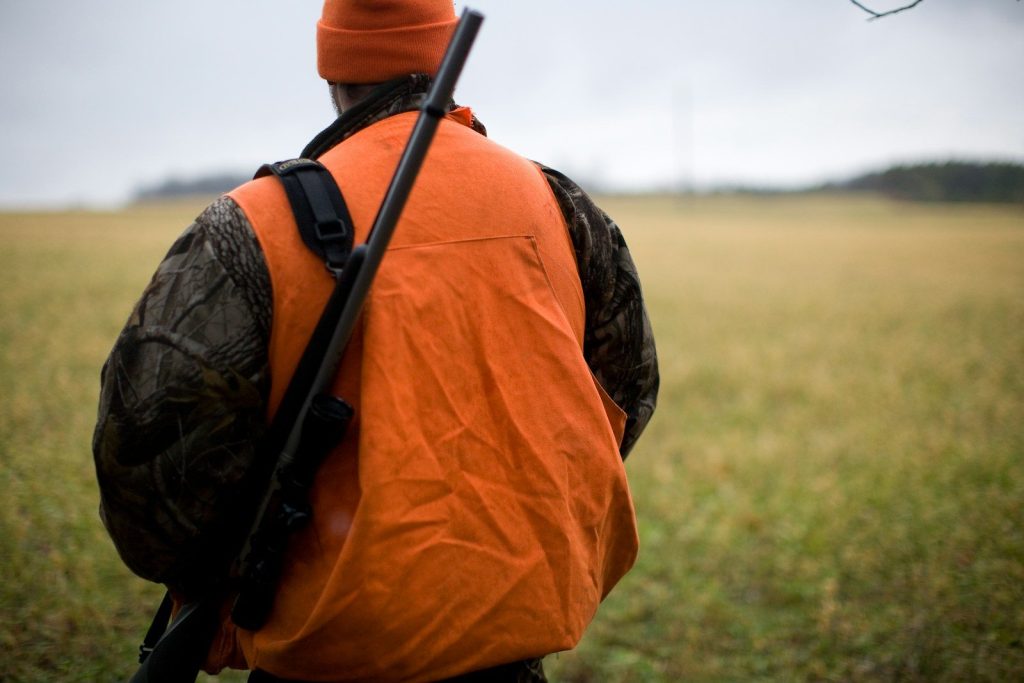
Park staff and wildlife officers searched for the wolf soon after the attack. Since the animal had shown repeated bold behavior around people, officials decided it posed a safety risk.
The wolf was later located and killed. Tests found no evidence that it had rabies. Experts concluded that the animal’s unusual comfort around humans, rather than disease, was the main reason for its dangerous behavior.
The attack changed camping safety
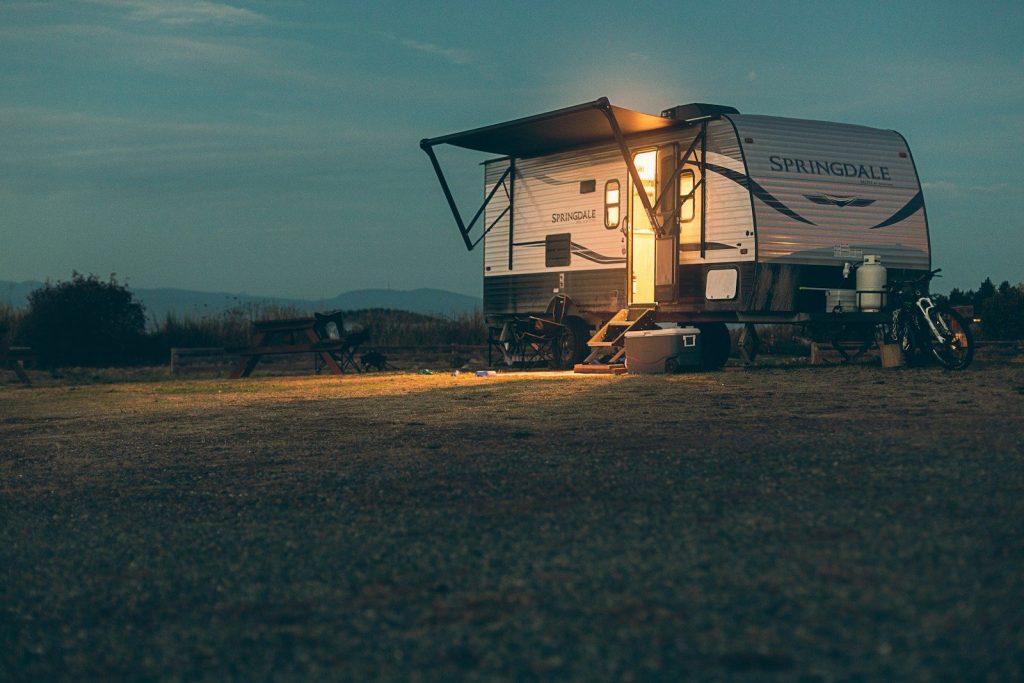
The incident led park officials to remind visitors never to encourage wildlife by leaving food, garbage, or scented items where animals can reach them. Even when wolves are not looking for food, repeated contact with people can change their natural behavior.
Campers were also reminded to sleep inside tents whenever possible and to report wolves or other wildlife that behave fearlessly around people. Early reports can help wildlife officers step in before a dangerous situation develops.
Wolf attacks on humans remain very rare
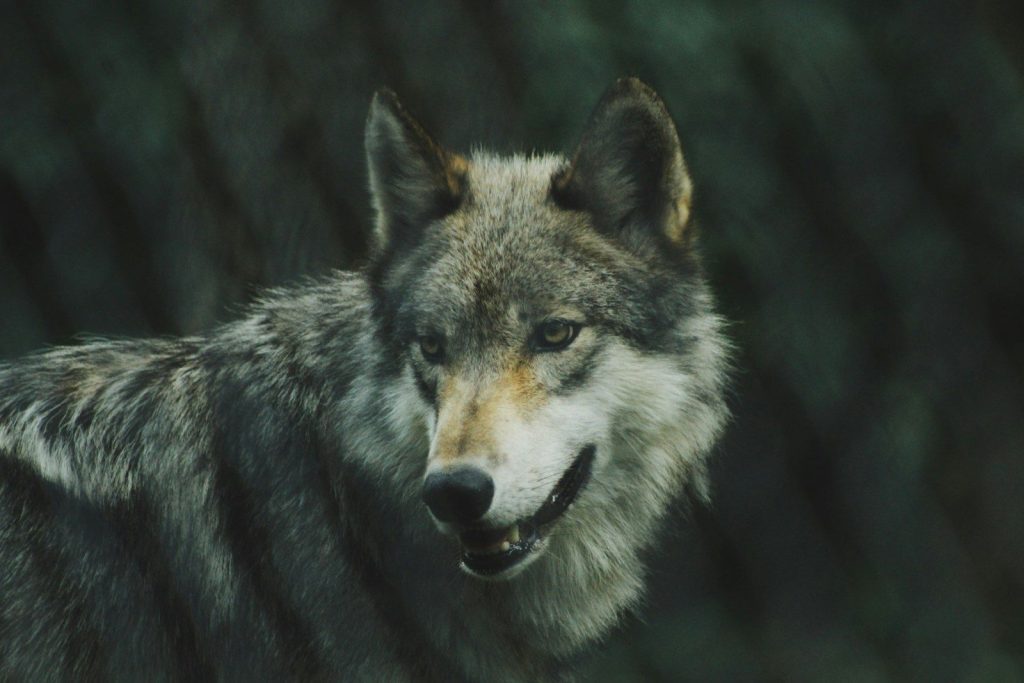
Although wolves are powerful predators, attacks on people are extremely uncommon across North America. Healthy wild wolves usually avoid humans and leave the area when they notice people nearby.
Most experts agree that unusual attacks often involve wolves that have become comfortable around humans, are seeking food near campsites, or are affected by disease. The 1996 attack remains one of the best-known examples because it was carefully investigated and helped improve wildlife safety practices.
Leave a Reply