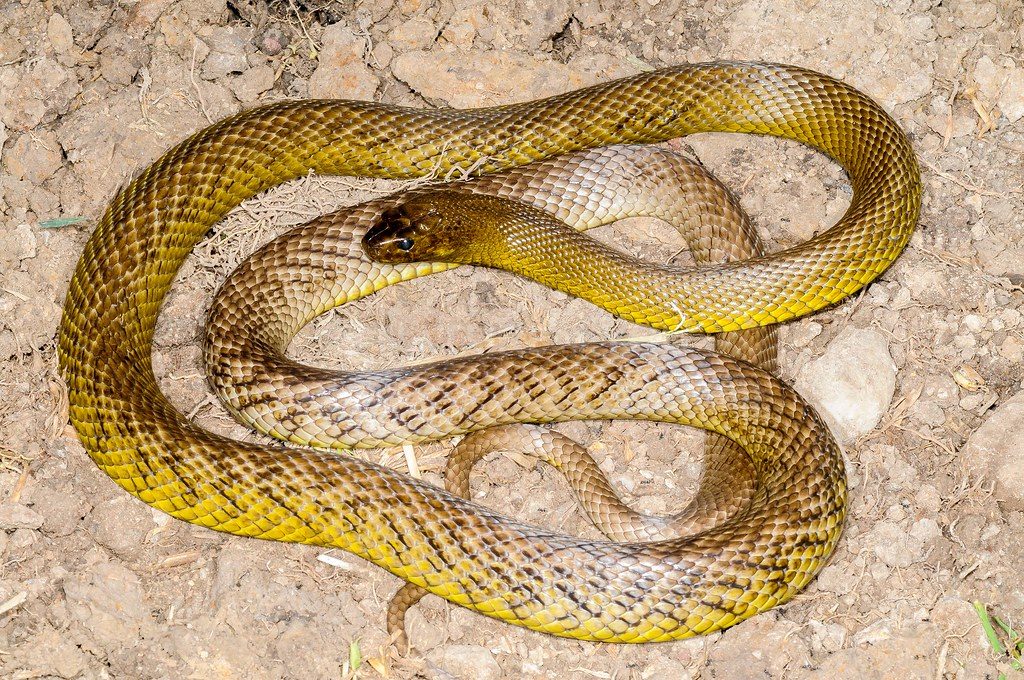
A snake bite can turn into a life-threatening emergency within minutes. Among all land snakes, the inland taipan is widely recognized for having the most toxic venom based on laboratory testing. While this snake is shy and rarely bites people, a single bite without fast medical care can be deadly.
Understanding how it lives, how its venom works, and what to do after a bite can save lives. This article explains why the inland taipan is so dangerous, where it lives, how its venom affects the body, and why quick treatment is so important.
What makes the inland taipan so dangerous?
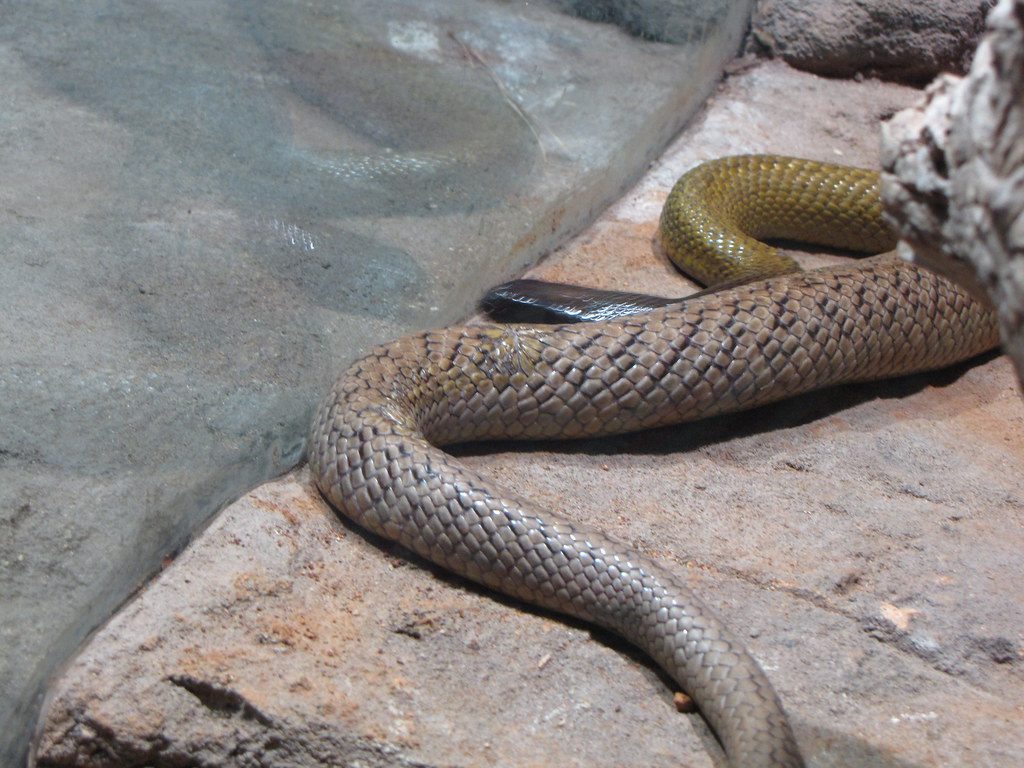
The inland taipan lives in the dry inland regions of Australia. It avoids people whenever possible and spends much of its time hidden in cracks in the ground. Because it lives in remote areas, human bites are very rare.
Its venom is what makes this snake famous. Scientists consider it the most toxic venom of any land snake in laboratory tests. The venom attacks the nervous system, affects blood clotting, and can damage muscles, making it extremely dangerous if treatment is delayed.
How a single bite affects the body
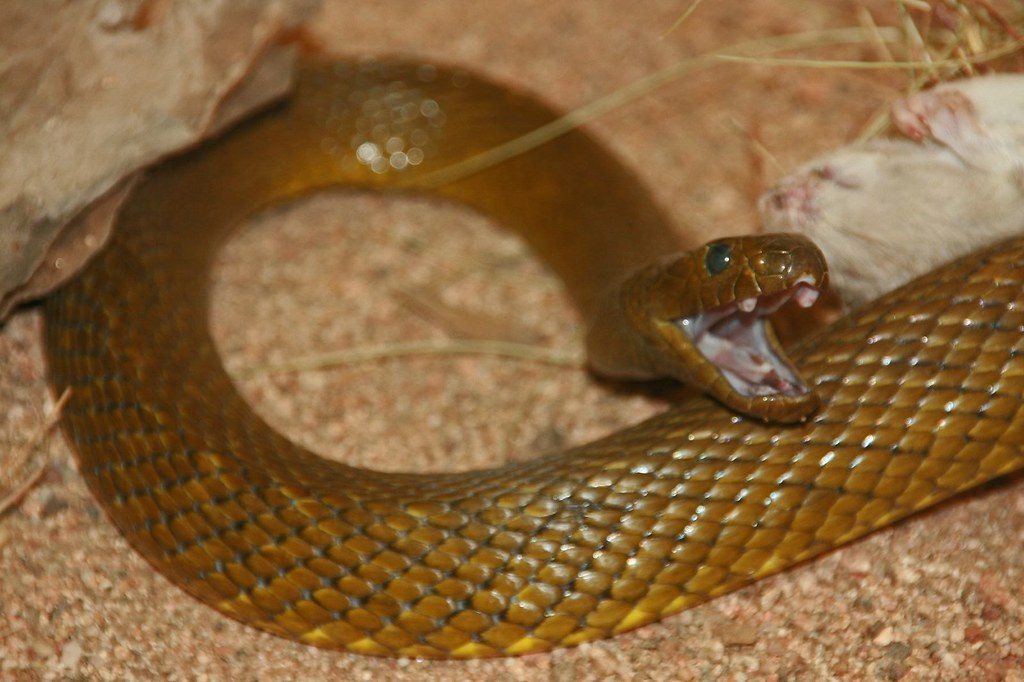
The inland taipan can inject a large amount of venom in one bite. Symptoms may begin with headache, nausea, stomach pain, and vomiting. As the venom spreads, it can lead to weakness, trouble breathing, paralysis, and problems with blood clotting.
Without medical care, these effects can become life-threatening. The speed and severity depend on factors like the amount of venom injected, the bite location, and how quickly the victim receives treatment.
Why people rarely get bitten
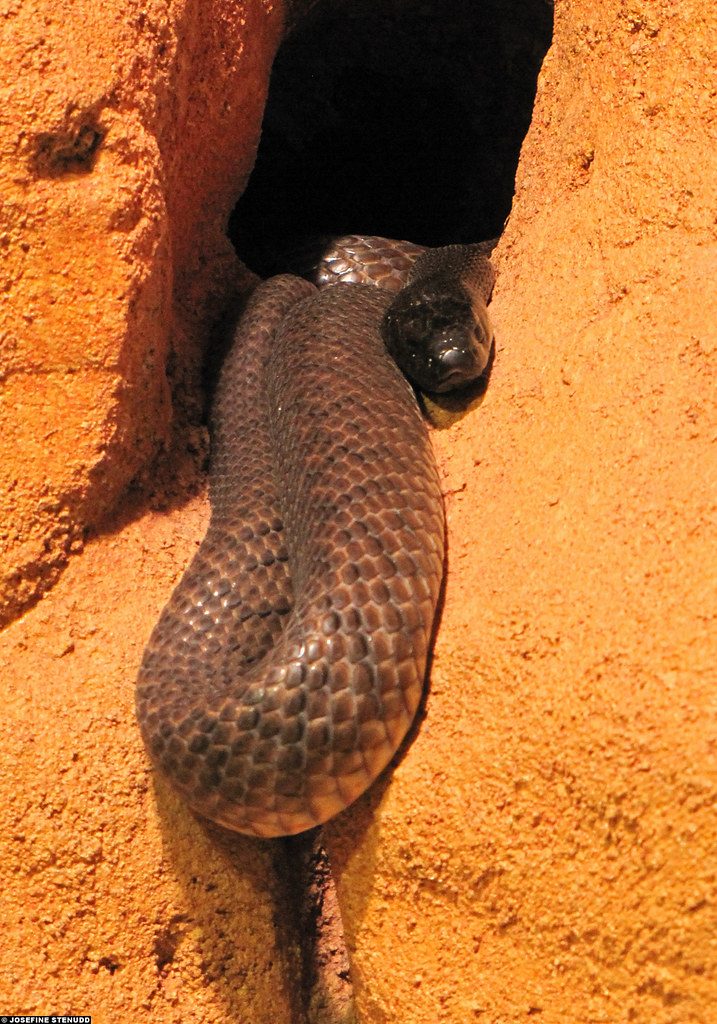
Even though the inland taipan has extremely powerful venom, it is not known for attacking people. It is a shy snake that usually escapes instead of standing its ground. Most bites have happened when someone tried to catch or handle the snake.
Its remote habitat also lowers the chance of human encounters. Many Australians will never see an inland taipan in the wild because it lives far from cities and busy towns.
What to do after a venomous snake bite

Anyone bitten by a suspected venomous snake should call emergency services immediately. The person should stay as still as possible because movement can spread venom through the body more quickly.
In Australia, pressure immobilization bandaging is recommended for bites from highly venomous snakes like the inland taipan. Doctors can also give antivenom, which greatly improves the chance of survival when given promptly.
Can people survive an inland taipan bite?
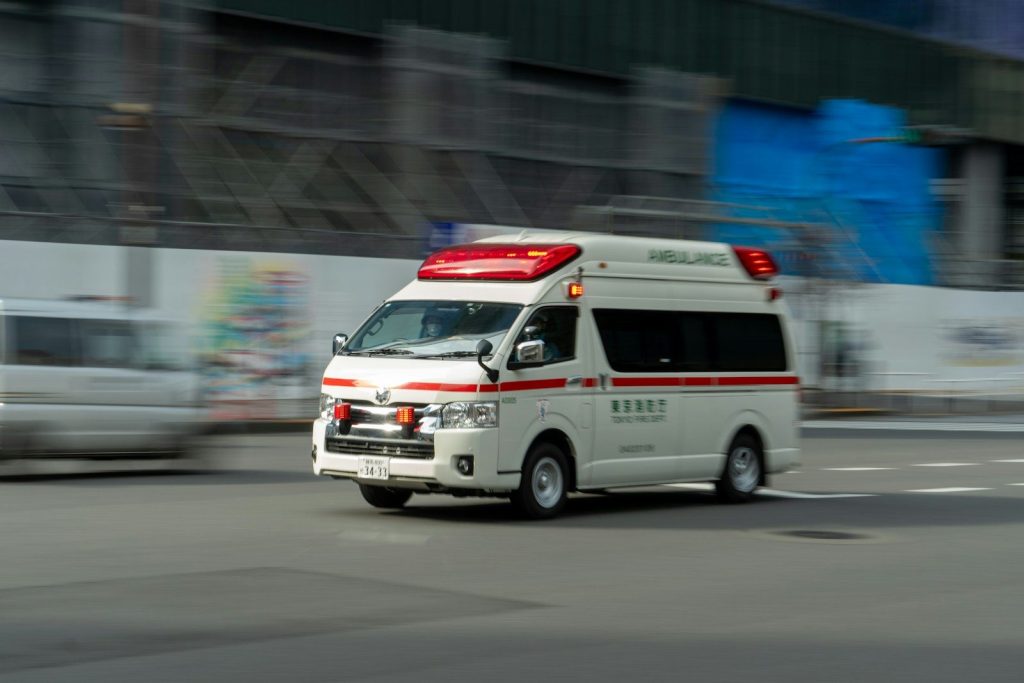
Yes. Today, people can survive an inland taipan bite if they receive fast medical care. Modern antivenom and advanced hospital treatment have greatly improved outcomes compared to the past.
Although its venom is extremely toxic, there have been very few documented human bites because the snake rarely comes into contact with people. Its behavior is one reason serious incidents remain uncommon.
Respecting one of nature’s most venomous snakes
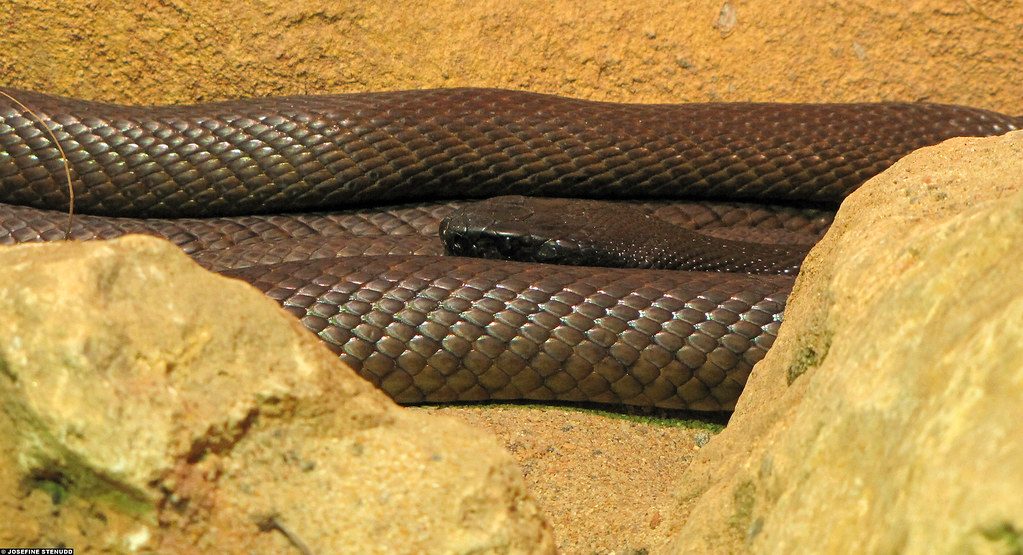
The inland taipan plays an important role in Australia’s ecosystem by helping control rodent populations. Like other wild animals, it is not hunting humans and prefers to avoid conflict whenever possible.
The safest approach is to admire this remarkable reptile from a distance. Leaving snakes alone and giving them space protects both people and wildlife while reducing the risk of dangerous encounters.
Leave a Reply