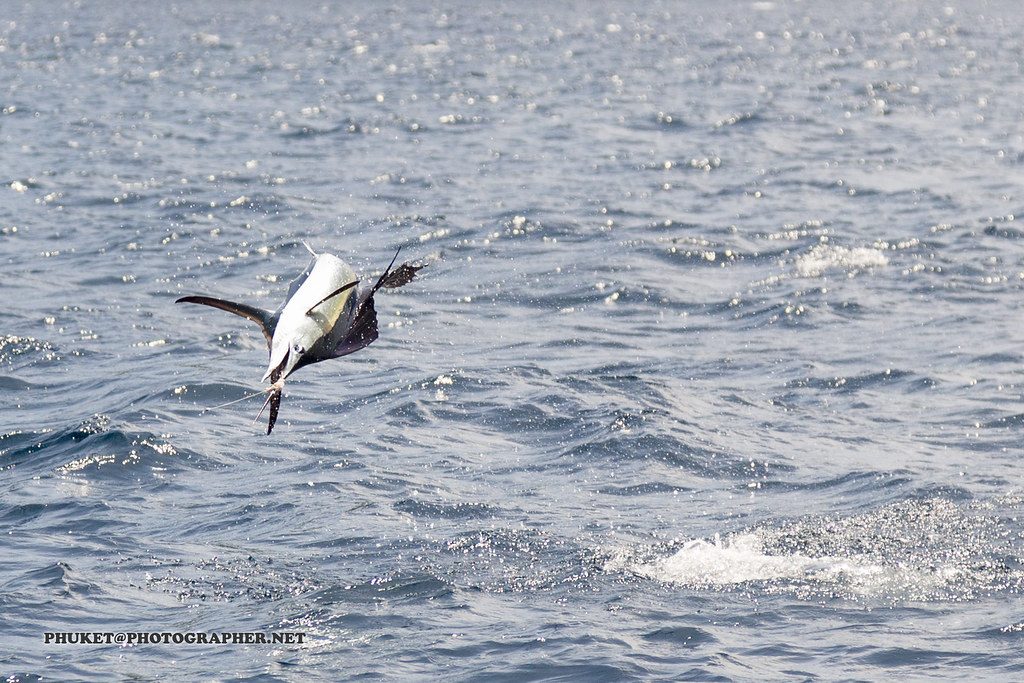
A shark struck a giant sailfish in a dramatic encounter, showing just how dangerous life can be in the open ocean. Even one of the fastest fish in the world is not always safe from larger predators. Encounters like this remind us that every animal can become prey under the right conditions.
In this article, you will learn why sharks attack sailfish, how sailfish usually defend themselves, and what this kind of encounter reveals about the ocean’s food chain.
Why the encounter was so dramatic
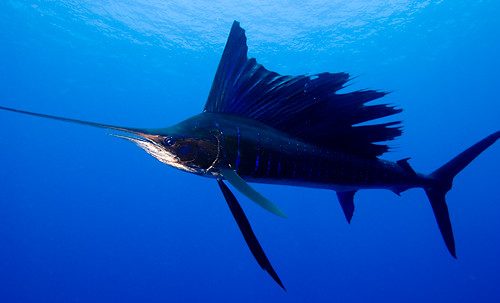
A sailfish is one of the fastest fish in the ocean. It has a long bill, a large sail-like dorsal fin, and a streamlined body built for speed. Adult sailfish can grow over 10 feet long and weigh more than 200 pounds, making them impressive predators.
Even with their speed, sailfish are not unbeatable. Large open-ocean sharks can attack adult sailfish when the chance is right. A sudden strike may happen if the sailfish is tired, distracted, injured, or slowed after chasing prey.
Which sharks can hunt sailfish
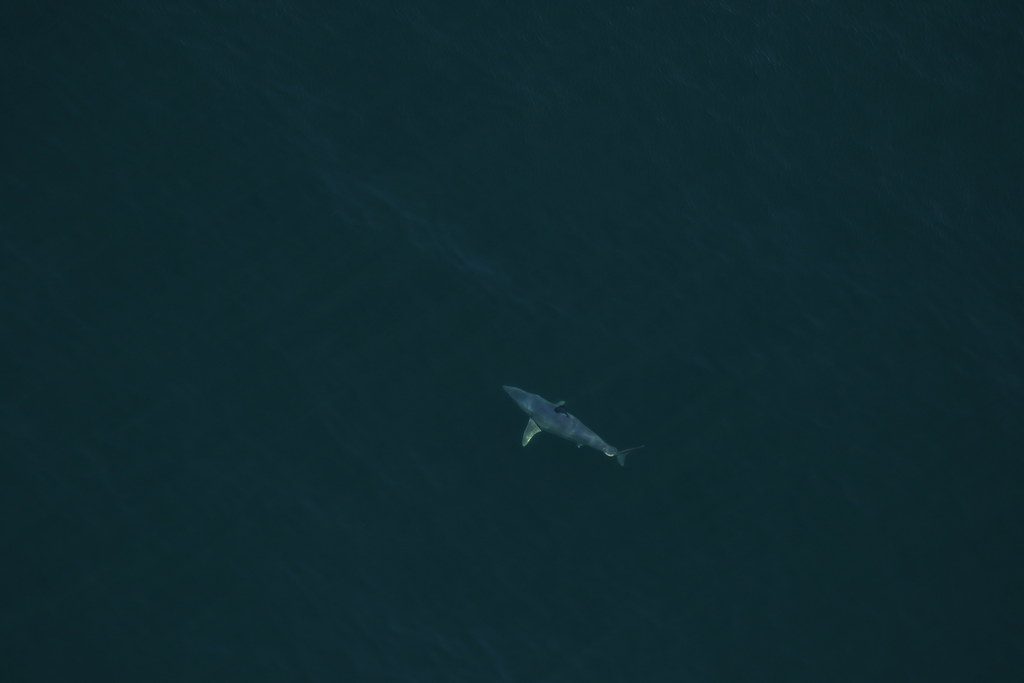
Scientists have found that large pelagic sharks are among the few animals capable of preying on adult sailfish. Species such as mako sharks, tiger sharks, bull sharks in suitable waters, and some large oceanic sharks have the strength and powerful jaws needed to attack billfish.
The exact shark involved in any single encounter is often impossible to identify unless clear images or video exist. Because of this, experts avoid naming a species without strong evidence. This careful approach helps prevent false claims about shark behavior.
How sailfish usually protect themselves
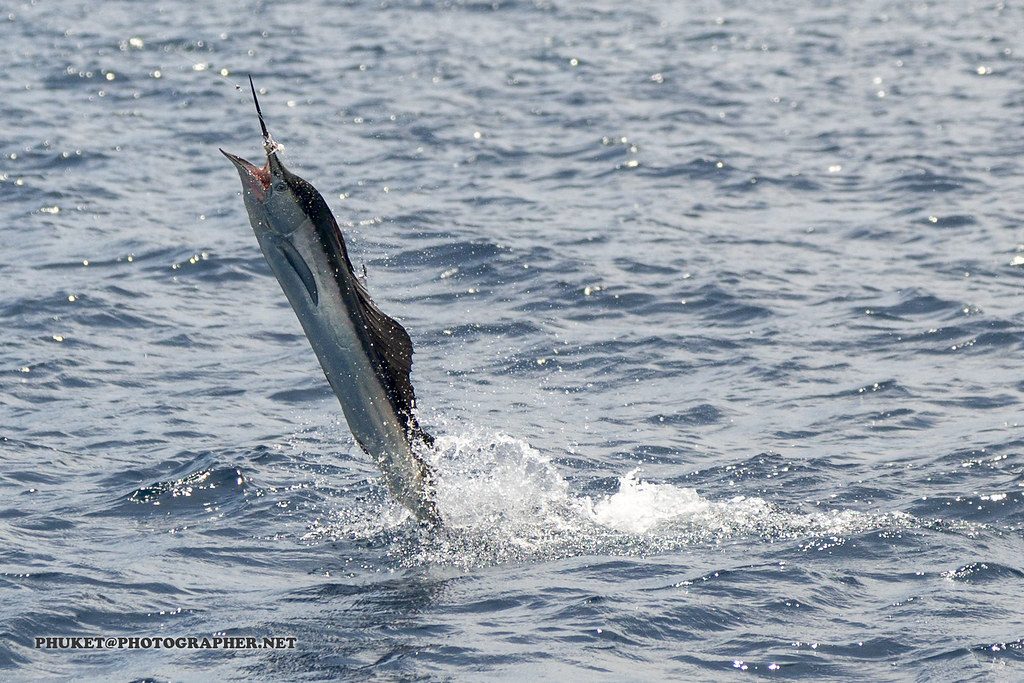
Sailfish depend on speed more than fighting. Their streamlined body allows them to swim quickly, helping them escape danger before a predator gets close enough to attack.
Their long bill is mainly used to slash through schools of fish, making prey easier to catch. Although the bill can also help during defense, it is not a weapon designed to battle large sharks. Against a much bigger predator, escaping is usually the sailfish’s best chance.
Why sharks attack large fish
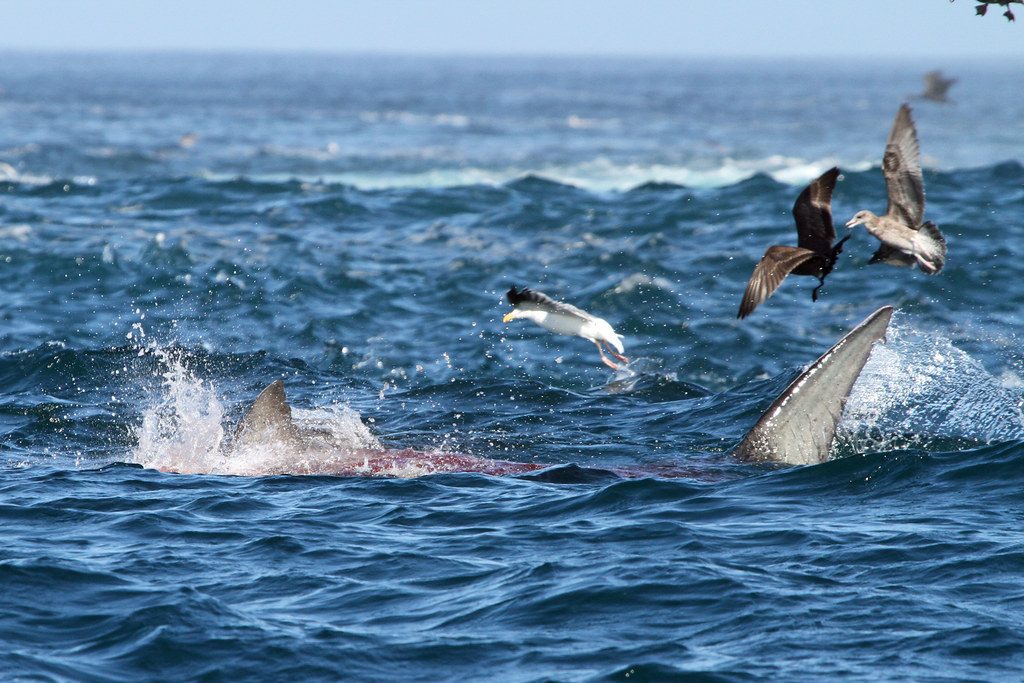
Sharks are opportunistic hunters. Instead of chasing every healthy animal they see, they often look for the easiest meal. A weakened, hooked, injured, or exhausted fish requires less energy to catch than a healthy one.
A giant sailfish offers a large amount of food. For a big shark, one successful attack can provide enough nutrition to make the effort worthwhile. This balance between energy spent and energy gained is common throughout nature.
What this reveals about ocean life

The open ocean has no safe place where animals can completely avoid predators. Fast hunters like sailfish feed on smaller fish and squid, but they can also become prey for even larger animals.
These predator-prey relationships help keep marine ecosystems balanced. Sharks remove weak or vulnerable animals, while healthy prey continue to survive and reproduce. This natural process supports the health of ocean food webs.
Why these encounters matter to science

Rare encounters between sharks and giant sailfish give scientists valuable information about marine behavior. Photos and videos can help researchers understand hunting strategies, predator choices, and how different species interact in the wild.
These observations also remind people that dramatic events are a normal part of ocean life. Rather than showing unusual aggression, a shark attacking a sailfish is an example of natural feeding behavior that has occurred in the oceans for millions of years.
Leave a Reply