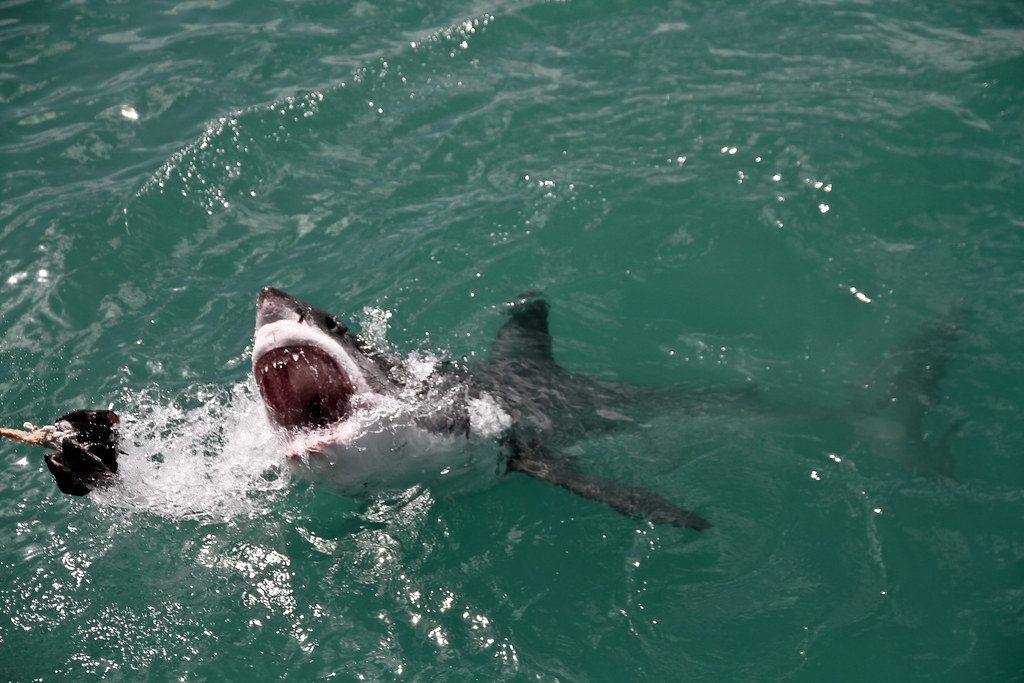
A shark attack can change a person’s life in just a few seconds. One of the best-known shark attack survivors is Paul de Gelder, an Australian Navy diver who lost his right hand and part of his right leg after a bull shark attacked him in Sydney Harbour in 2009.
His story shows how fast a shark attack can happen and how courage, quick medical care, and determination can help someone survive. This article explains what happened, how he lived through the attack, and how he turned a terrible event into a life of helping others.
The day everything changed
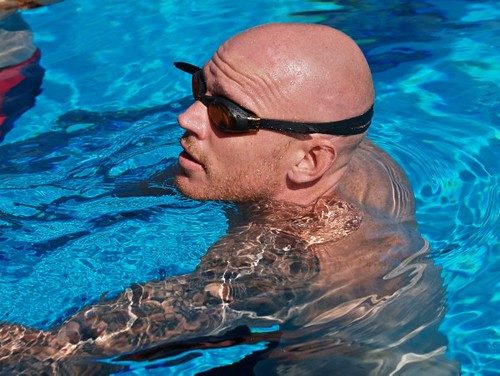
On February 11, 2009, Paul de Gelder was taking part in a counter-terrorism training exercise in Sydney Harbour. While swimming in the water, a bull shark suddenly attacked him from behind. The shark grabbed his right arm and right leg in a powerful bite and pulled him underwater.
The attack lasted only a few seconds, but it caused life-changing injuries. The shark tore off his right hand and badly damaged his right leg. His fellow Navy divers acted quickly, pulled him from the water, and gave him first aid before emergency crews rushed him to the hospital. Their fast response played a major role in saving his life.
The injuries he survived

Doctors found that the shark had caused severe damage to Paul’s right leg, including destroying much of his hamstring and damaging important nerves. His injuries were so serious that doctors later amputated his right leg above the knee. He had also lost his right hand during the attack.
Paul spent weeks in the hospital and then faced months of rehabilitation. He learned how to use prosthetic limbs and worked hard to rebuild his strength. His military training and determination helped him push through the physical and emotional challenges of recovery.
Life after losing an arm and a leg
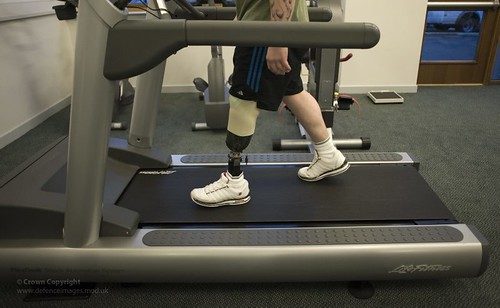
Many people believed Paul’s active life was over, but he refused to give up. He returned to exercise, adapted to prosthetic limbs, and found new ways to stay active. Instead of letting the attack define him, he focused on what he could still do.
Over time, Paul became a television host, motivational speaker, and author. He has shared his story around the world, encouraging people to face difficult situations with courage. His recovery has inspired many people living with serious injuries or disabilities.
Why does he still support sharks

It may seem surprising, but Paul does not blame sharks for what happened. He explains that sharks are wild animals following their natural instincts. He believes people should understand sharks instead of fearing them.
Today, Paul works to educate people about shark conservation. He often explains that healthy shark populations are important because sharks help keep ocean ecosystems balanced. He hopes that learning more about sharks will reduce fear and help protect these animals.
What experts learned from his story
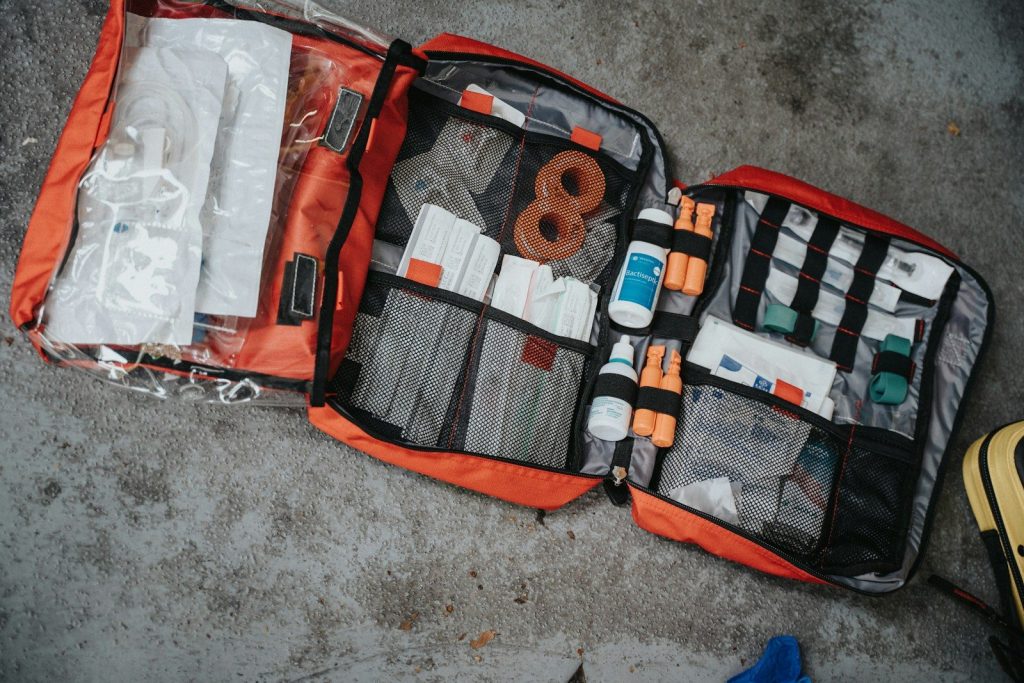
Paul’s survival highlights how important emergency medical care is after a shark attack. His teammates quickly stopped the bleeding, which gave doctors valuable time to treat his injuries. Fast first aid can greatly improve a victim’s chance of survival.
His experience also reminds swimmers and divers that shark attacks are very rare. Millions of people enter the ocean every year without incident. Experts encourage people to follow local beach safety advice, avoid swimming where sharks are active, and respect wildlife in its natural habitat.
A story of strength and hope

More than a decade after the attack, Paul continues to live an active and successful life. He regularly appears on television, speaks at events, and shares lessons about resilience, courage, and overcoming fear. His story proves that a tragic event does not have to define a person’s future.
His journey is remembered not only because he survived losing an arm and a leg, but because he chose to inspire others afterward. Instead of focusing on what he lost, Paul built a new purpose by helping people appreciate both human resilience and the importance of protecting sharks.
Leave a Reply