Have you ever wondered why the birth of one animal can make headlines across the country? A rare white bison calf makes a remarkable arrival in Iowa because these animals are among the rarest sights in North America. The calf was born at Neal Smith National Wildlife Refuge near Prairie City, Iowa, where wildlife staff first spotted it shortly after its birth on April 30, 2026.
White bison are believed to occur only about once in every one million births in the wild, making this an extraordinary event. The calf’s arrival has excited wildlife lovers, conservationists, and many Native American communities. In this article, you’ll learn why this birth is so special, what makes the calf white, and how it highlights the success of bison conservation in the United States.
A one-in-a-million surprise
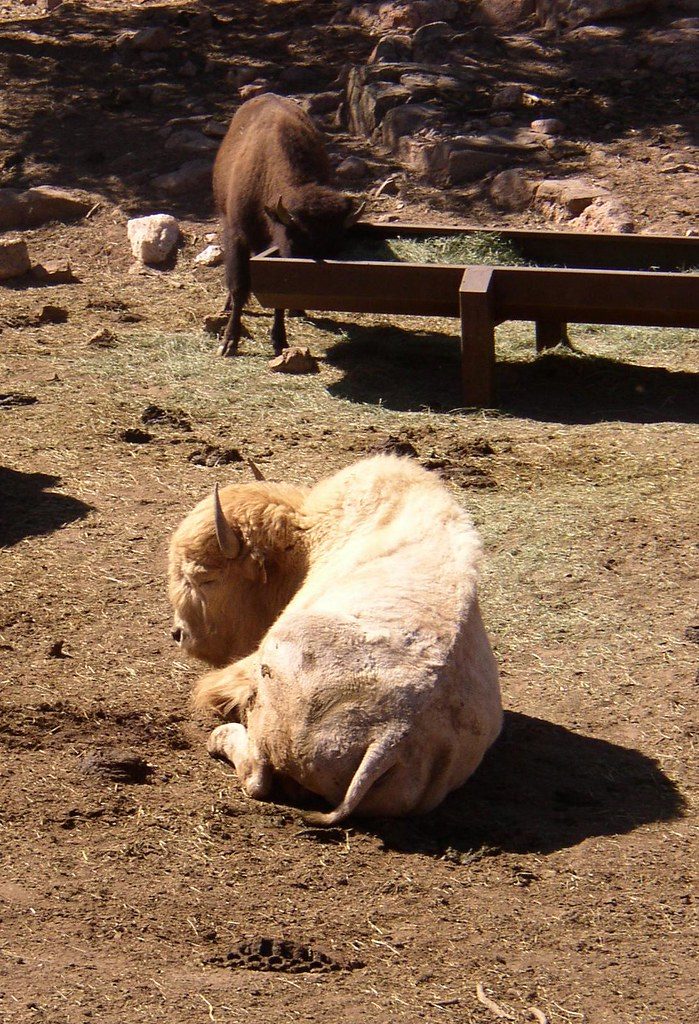
The rare white bison calf was born at Neal Smith National Wildlife Refuge during the 2026 spring calving season. Refuge staff discovered the newborn while carrying out routine herd checks and quickly realized they were seeing something very unusual. Most newborn bison are covered with reddish-brown fur, often earning them the nickname “red dogs.” This calf’s pale white coat immediately caught everyone’s attention.
Refuge officials said there were more than a dozen calves born this spring, but only one had the rare white coloring. The birth has attracted visitors from across the region and has given the refuge an opportunity to teach people about wildlife conservation, prairie restoration, and the importance of protecting America’s national wildlife refuges.
Why the calf is white
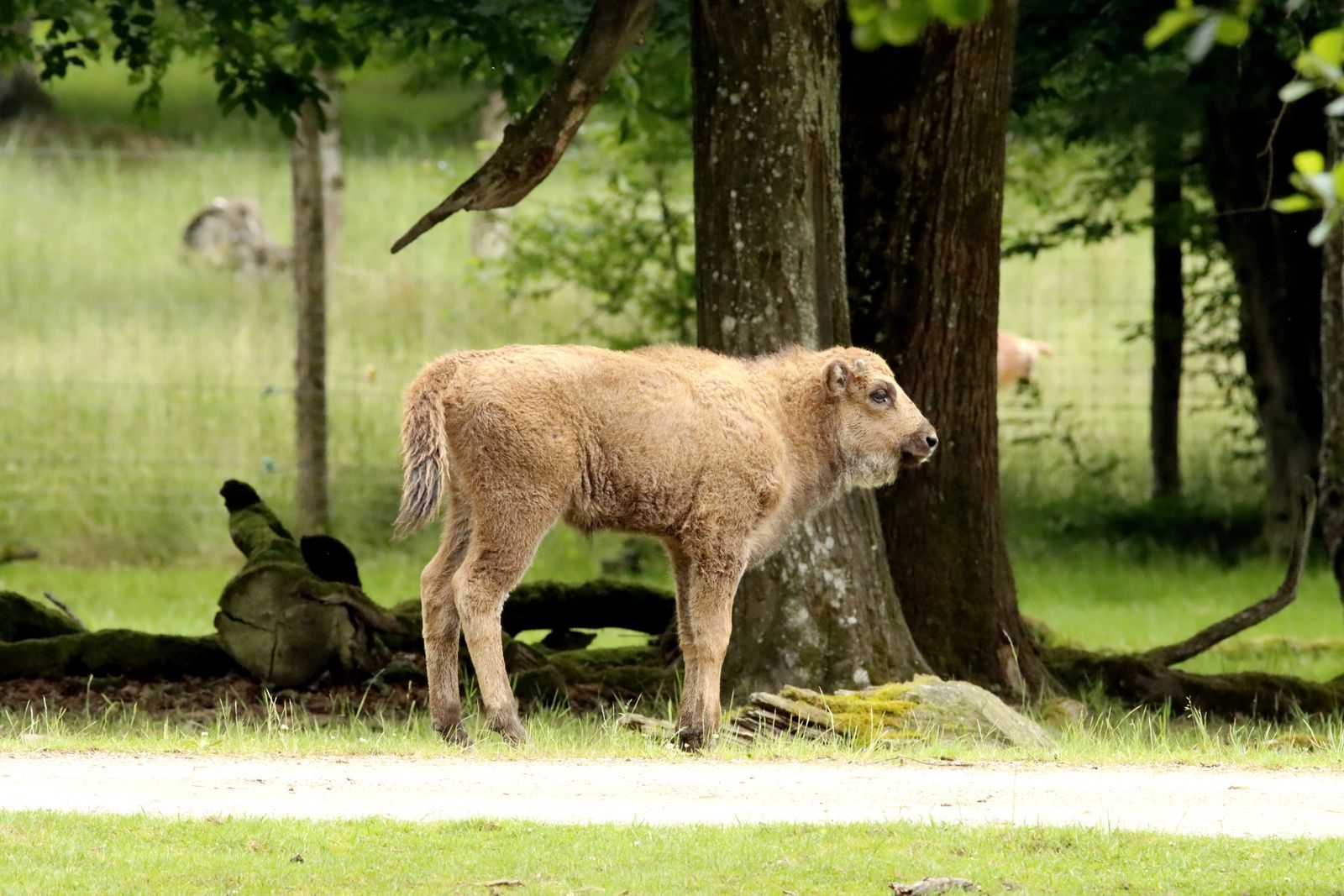
The calf’s white coat is caused by a rare natural genetic condition. Although many people think a white animal is albino, that is not the case here. Albino animals lack pigment throughout their bodies and usually have pink eyes and noses.
This white bison is believed to have leucism, a condition that reduces pigment in the fur while allowing the animal to keep dark eyes, a dark nose, and dark hooves. Wildlife experts say the calf’s coat may change as it grows. Some pale calves become darker with age, while others remain much lighter than the rest of the herd.
A symbol with deep meaning

White bison hold deep spiritual and cultural importance for many Native American tribes, especially those of the Great Plains. For generations, they have been seen as sacred symbols of hope, renewal, peace, and harmony with nature. Because white bison are so rare, each birth carries special meaning for many Indigenous communities.
The calf’s arrival has reminded people that wildlife can bring together science, history, and culture. Refuge officials have welcomed the chance to share the story of the white bison while encouraging visitors to learn more about Native American traditions and the importance of respecting these beliefs.
A success story for bison conservation
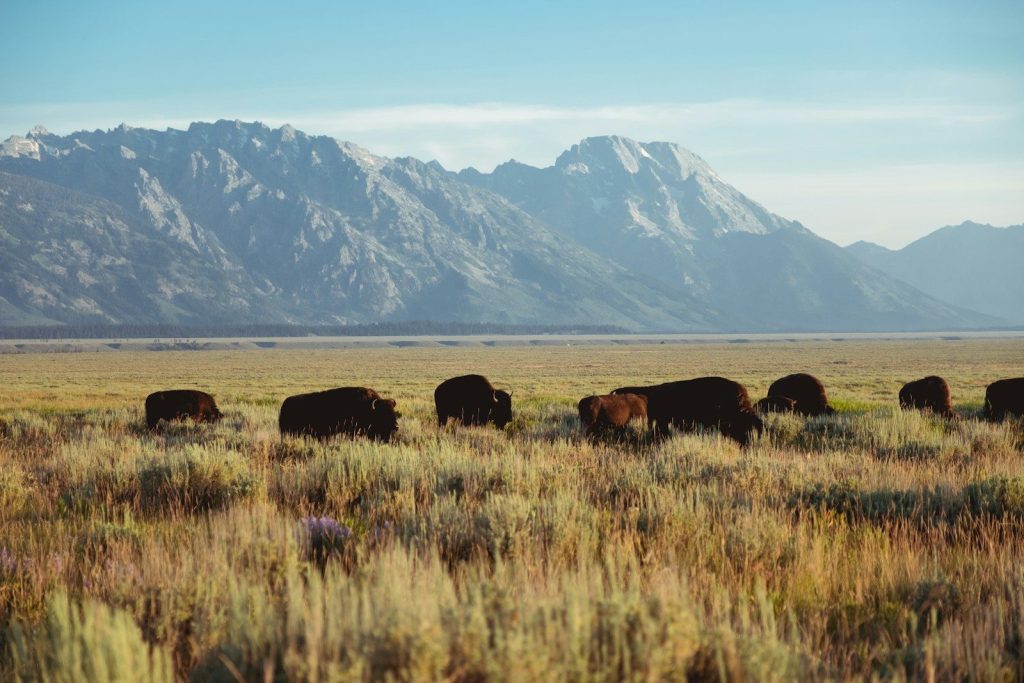
American bison once roamed North America in huge numbers. Experts estimate that between 30 million and 60 million bison lived across the continent before the late 1800s. Heavy hunting and the loss of prairie habitat caused their population to collapse, leaving fewer than 1,000 wild bison by the end of the nineteenth century.
Thanks to decades of conservation work, bison have made an impressive recovery. Protected herds now live in national parks, wildlife refuges, tribal lands, and private conservation areas. Although the species still needs careful management to protect its genetic diversity, the birth of this white calf is another reminder of how successful conservation efforts can be.
Why the refuge matters
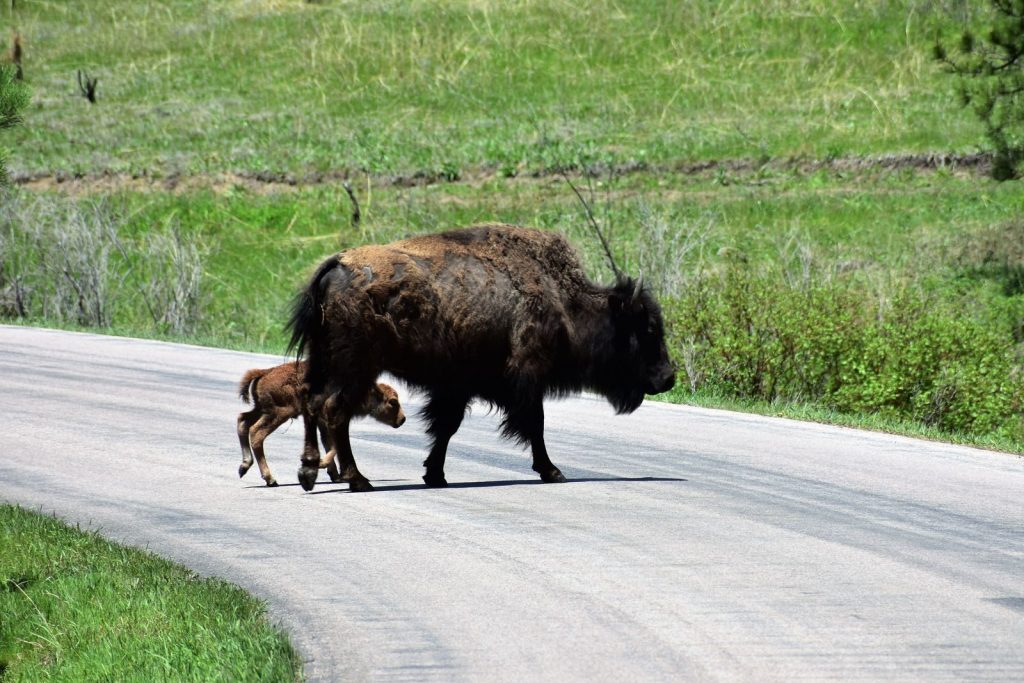
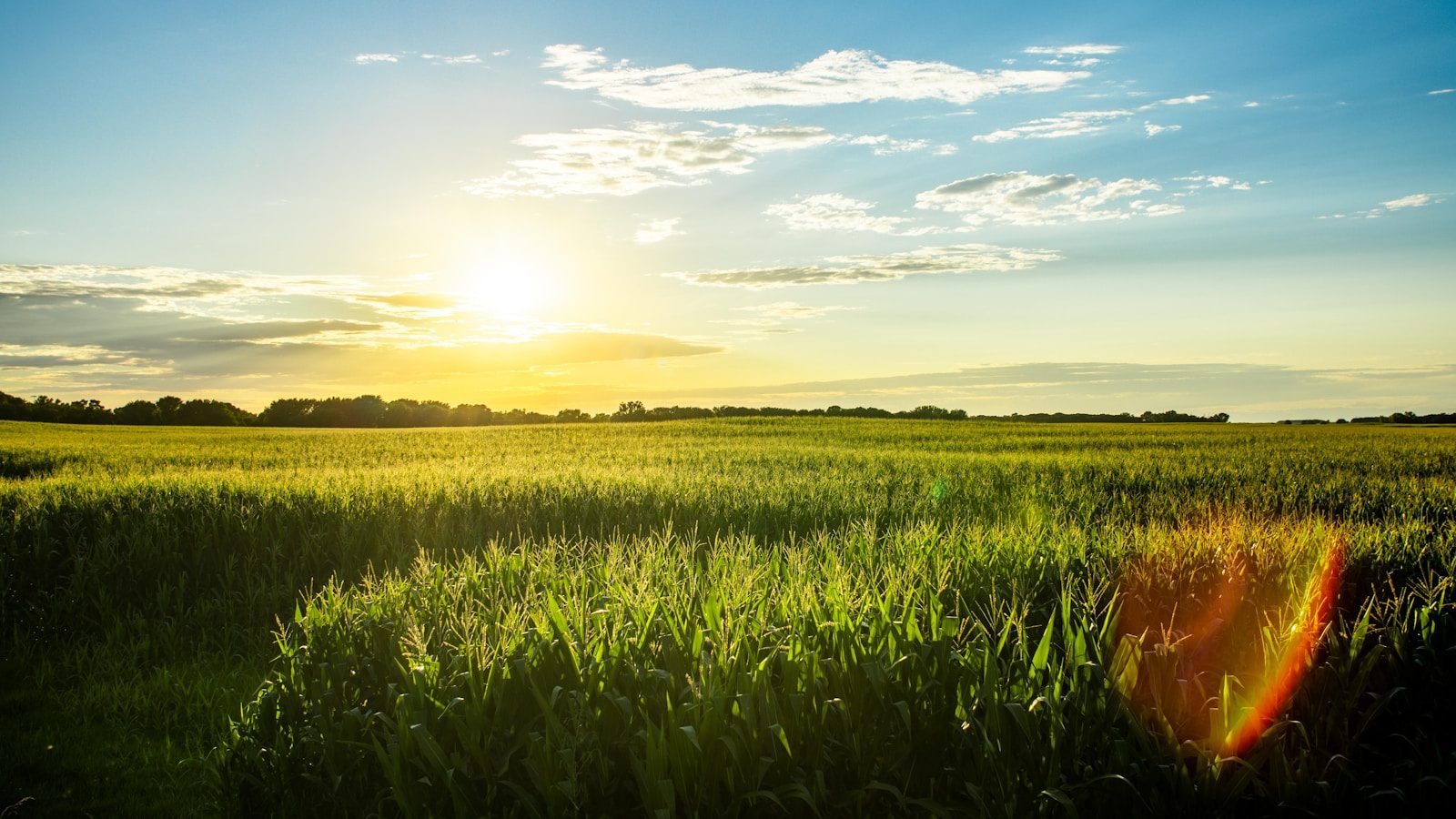
Neal Smith National Wildlife Refuge was created to restore Iowa’s tallgrass prairie, one of the most endangered ecosystems in North America. The refuge protects thousands of acres of native grasses and wildflowers while providing habitat for birds, insects, mammals, and many other species.
The bison herd plays an important role in keeping the prairie healthy. As the animals graze, move across the land, and create shallow wallows, they help native plants grow and create space for different wildlife to thrive. Their natural behavior helps maintain the balance of the prairie ecosystem much as it did centuries ago.
What happens next for the young calf
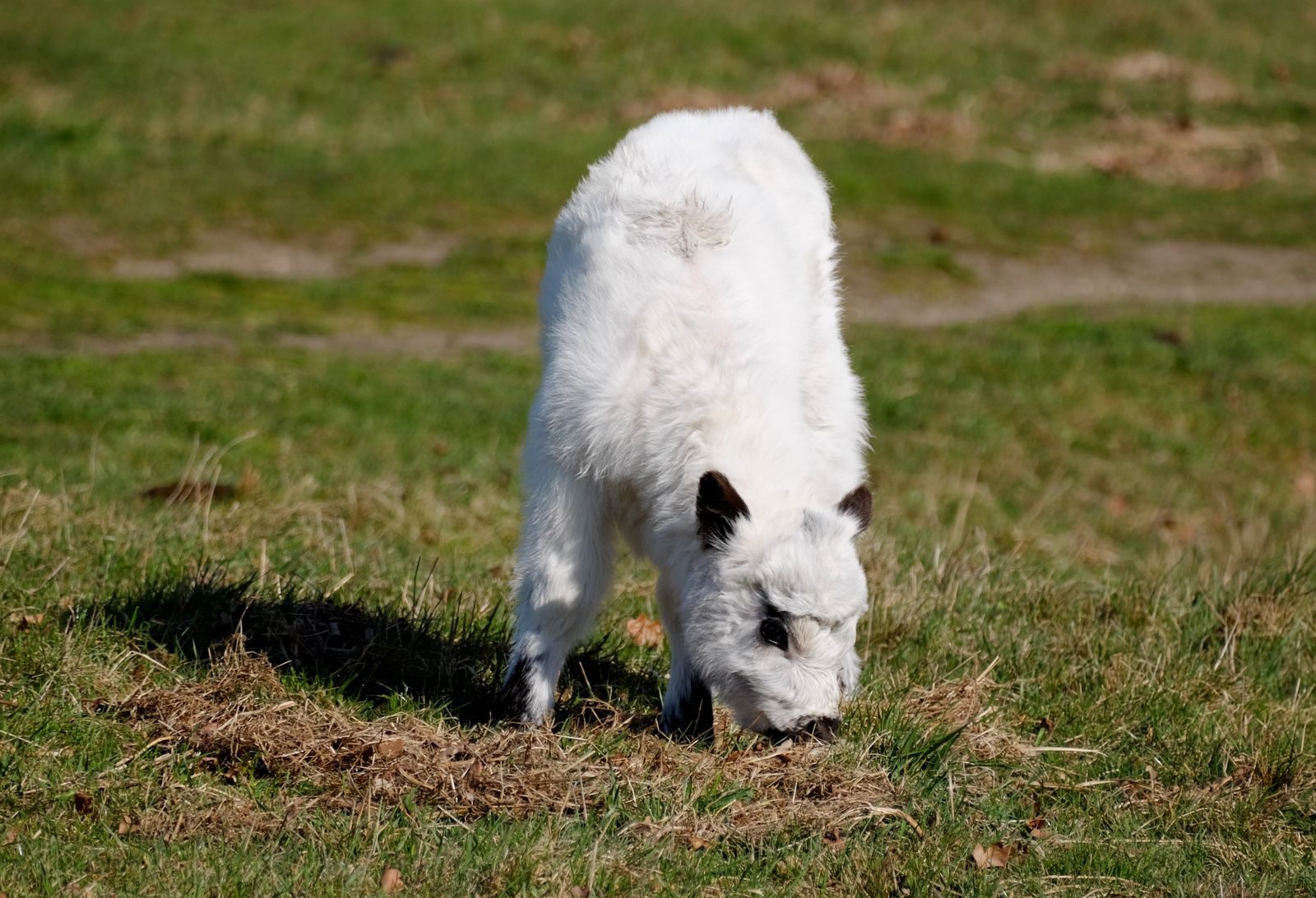
The young bison will remain close to its mother during its first months of life. Like other calves, it began standing and walking only a short time after birth. It will continue nursing while slowly learning to graze on prairie grasses as it grows stronger.
Refuge staff will continue observing the herd from a safe distance to ensure the animals stay healthy without unnecessary human contact. As visitors come to see the rare calf, wildlife managers hope its story will inspire more people to appreciate conservation, protect natural habitats, and support efforts that keep America’s wildlife thriving.
Leave a Reply