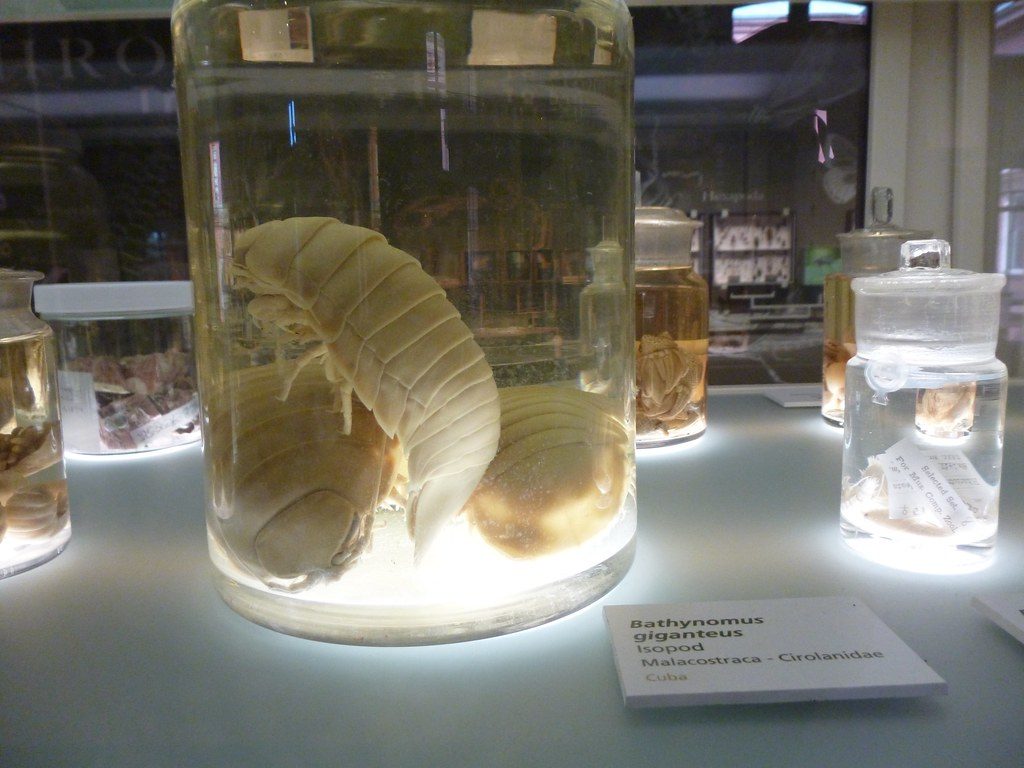
The giant sea bug has become one of the internet’s most talked-about ocean animals. Its strange look, large size, and deep-sea lifestyle have caught the attention of scientists and everyday readers alike. Although many people call it a giant sea bug, it is actually a giant isopod, a crustacean that is more closely related to crabs, shrimp, and lobsters than insects.
It lives in some of the deepest parts of the ocean, where very little light reaches the seafloor. In this article, you’ll learn why this unusual creature is making headlines, where it lives, what it eats, how it survives, and why researchers believe it is one of the ocean’s most fascinating scavengers.
What is the giant sea bug?
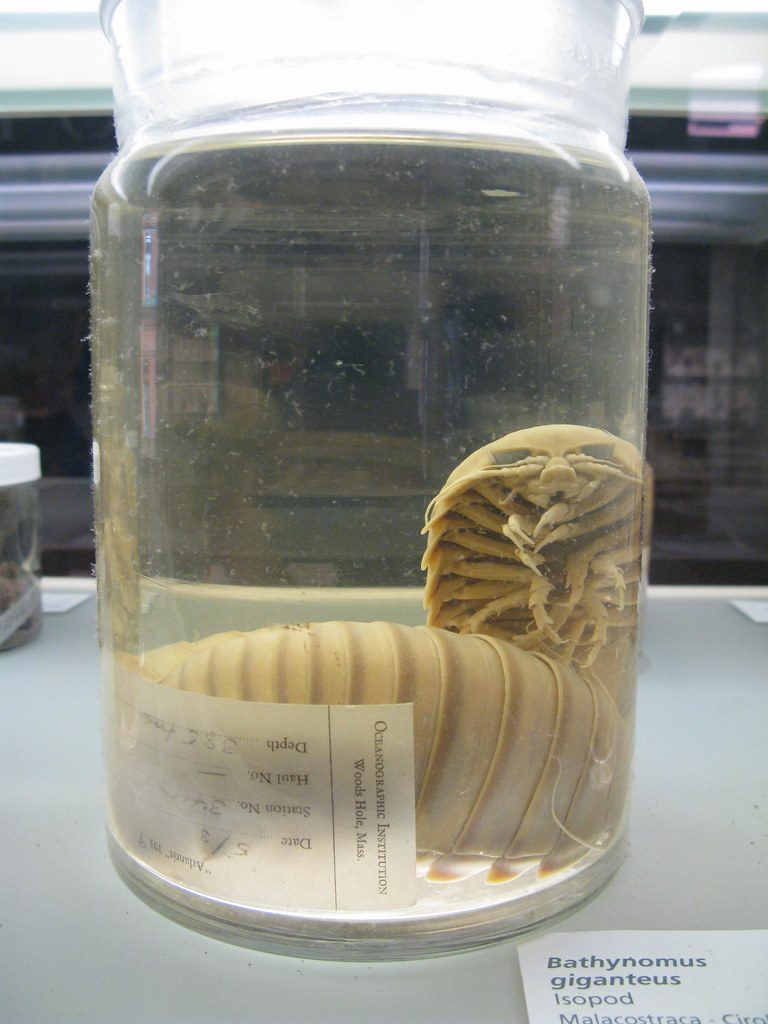
The giant sea bug is the common name for giant isopods in the genus Bathynomus. These animals were first described in 1879 after being collected from deep waters in the Gulf of Mexico. They have a hard shell, seven body segments, 14 walking legs, large compound eyes, and two pairs of antennae. Their body shape closely resembles the small pill bugs that many people find in gardens.
Depending on the species, giant isopods usually grow between about 8 and 16 inches long, while some “supergiant” species can become even larger. Their impressive size is an example of deep-sea gigantism, a natural pattern where animals living in cold, deep water often grow much bigger than their shallow-water relatives. Scientists believe low temperatures, slow metabolism, and limited food all play a role in this growth.
Why is it getting so much attention?

The giant sea bug has become popular because it looks unlike almost any other ocean animal. Many people compare it to a giant roly-poly, an armored alien, or a creature from a science fiction movie. Photos and videos shared on social media have introduced millions of people to this unusual deep-sea animal.
Scientists have also made exciting discoveries in recent years. New giant isopod species continue to be identified, including Bathynomus vaderi, which was named because the shape of its head resembles Darth Vader’s helmet. These discoveries remind researchers that the deep ocean is still one of the least explored places on Earth, and many species may still be waiting to be found.
Where does it live?
Giant isopods live on the seafloor in the Atlantic, Pacific, and Indian Oceans. Most species are found hundreds to thousands of feet below the surface, where sunlight never reaches. The water is cold, dark, and under enormous pressure, creating one of the harshest environments on Earth.
Despite these conditions, giant isopods are perfectly adapted to life in the deep sea. Their strong legs help them crawl across the ocean floor, while their long antennae detect food in complete darkness. Most of their time is spent searching for anything edible that falls from the waters above.
What does it eat?
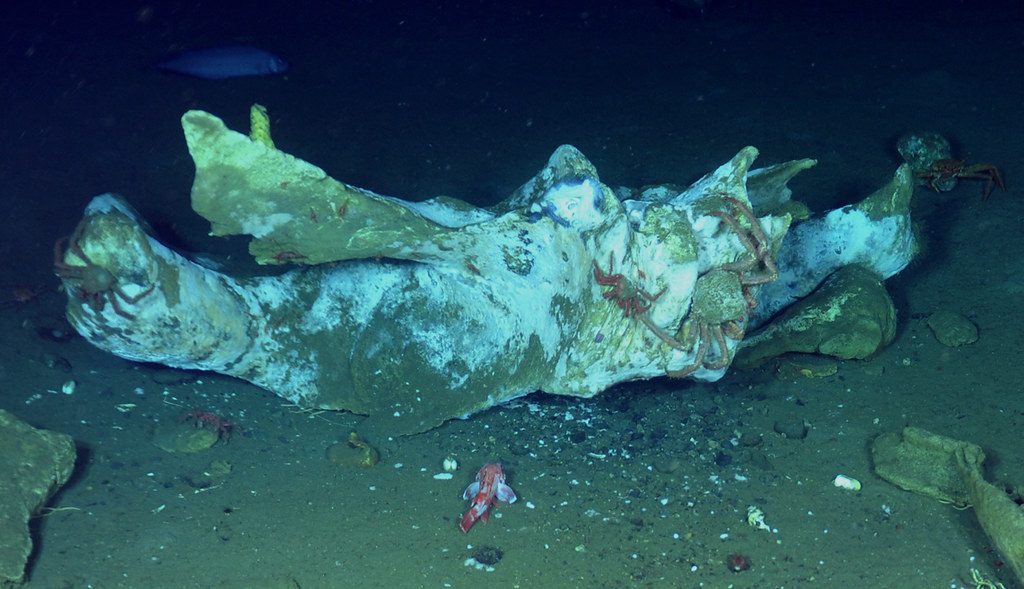
The giant sea bug is mainly a scavenger, feeding on dead fish, squid, crabs, and even the remains of whales that sink to the seafloor. By eating dead animals, it helps recycle nutrients and keeps the deep ocean cleaner. This important job supports the health of deep-sea ecosystems.
Food is often scarce in the deep ocean, so giant isopods have developed remarkable survival skills. They can eat a very large meal when food becomes available and store the energy for future use. Some giant isopods have survived for years without eating in captivity, showing how well they are adapted to an environment where meals are unpredictable.
How does it survive in the deep sea?

Life deep below the ocean surface is difficult, but giant isopods have several adaptations that help them survive. Their hard outer shell protects them from predators and the rough conditions of the deep sea. Like garden pill bugs, they can also curl into a tight ball, shielding their softer underside from danger.
Another important adaptation is their slow metabolism. Because food is so rare, giant isopods use energy very slowly. Some species also have unusually large stomachs that allow them to store food after finding a big meal. These features help them survive long periods when no food is available.
Why scientists are still studying it

Although giant isopods have been known for more than 140 years, researchers are still learning about them. Many questions remain about how they reproduce, how long they live, and how different species are related. Since exploring the deep ocean is difficult and expensive, much of their behavior remains a mystery.
Scientists are also studying how climate change, pollution, and deep-sea fishing may affect giant isopods and other deep-sea animals. Every new discovery helps researchers better understand one of the planet’s largest and least explored habitats. As technology improves, scientists expect to uncover even more surprising facts about these remarkable crustaceans.
Leave a Reply