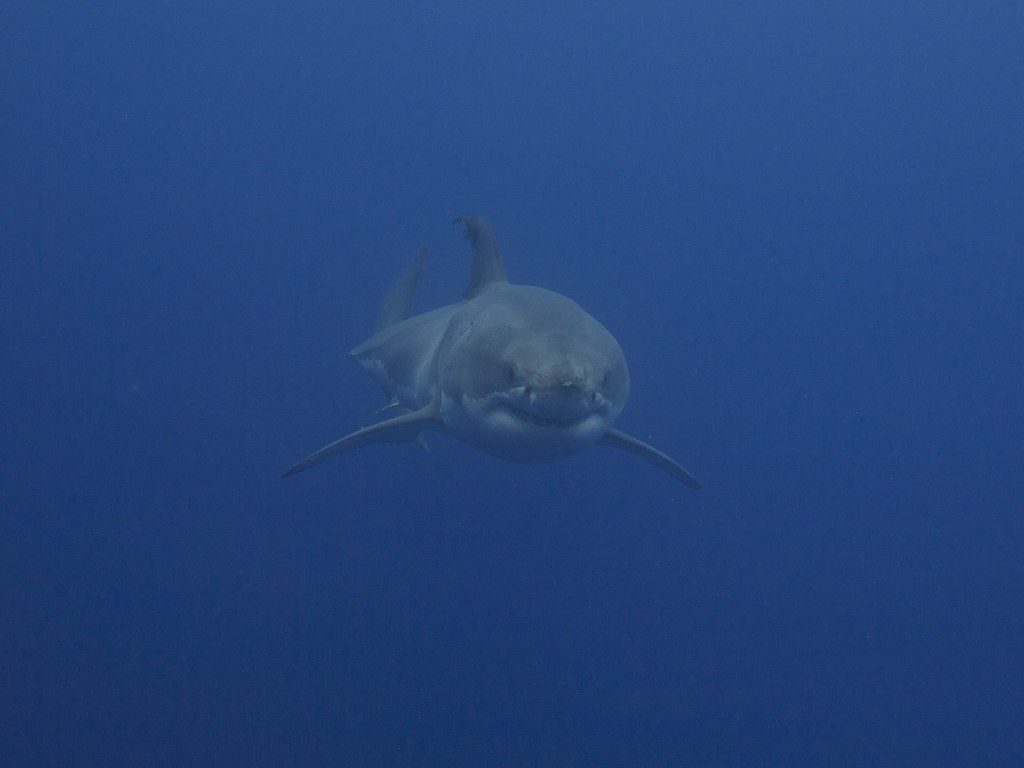
Have you ever wondered why great white sharks prefer to wait instead of chasing their prey? Many people picture these giant predators racing through the ocean after seals, but that is not how they usually hunt. Great white sharks are expert ambush hunters that depend on surprise instead of long chases.
This smart strategy helps them save energy while giving them a better chance of catching fast prey. In this article, you will learn why waiting is often more successful than chasing, how great white sharks attack, and what makes this hunting style so effective.
Great white sharks are built for ambush
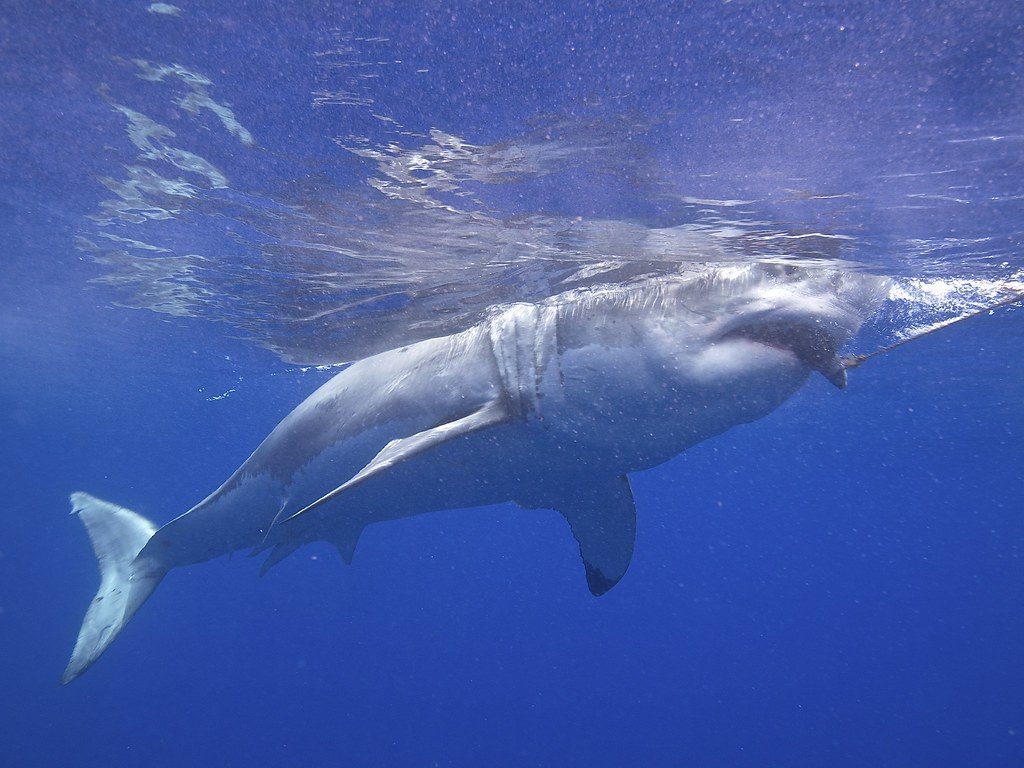
Great white sharks have powerful bodies, but they are not designed to chase prey over long distances. Like many ambush predators, they stay hidden below or behind their target until the perfect moment arrives. Their dark gray backs blend with the deep water, while their white bellies make them harder to spot from below.
Instead of wasting energy swimming at top speed for a long time, the shark waits quietly. When a seal or sea lion passes overhead, it launches upward in a burst of speed. This surprise attack gives the prey very little time to escape.
Waiting saves valuable energy
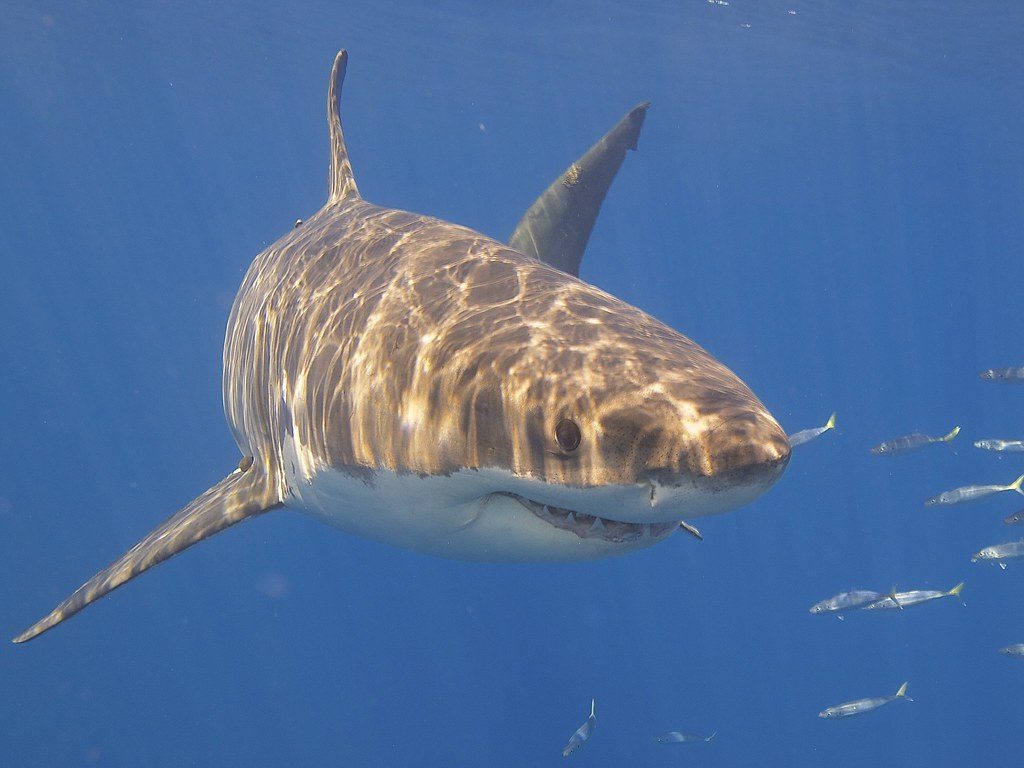
Large predators must use their energy wisely. Swimming at full speed for a long chase takes a lot of effort, especially for a shark that can weigh more than 2,000 pounds. Waiting for prey to come close costs much less energy than chasing it across the ocean.
This energy-saving method allows great white sharks to stay ready for the next opportunity. By spending less energy searching and more time waiting in good hunting areas, they increase their chances of catching enough food to survive.
Surprise gives sharks the advantage
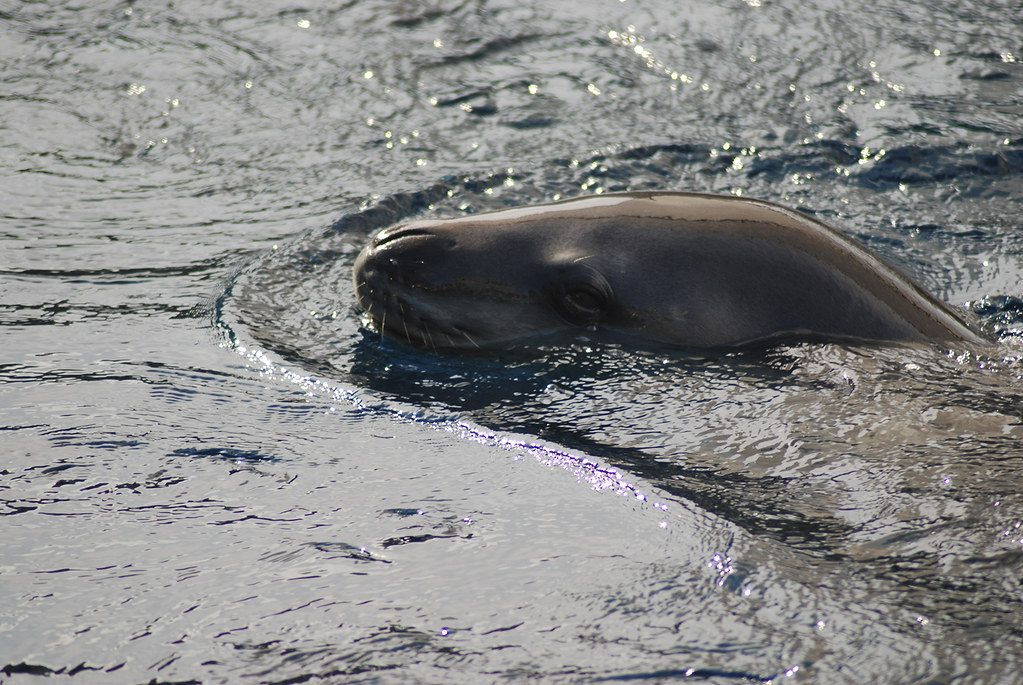
Seals and sea lions are fast, quick, and can change direction in seconds. If a shark started chasing them from far away, the prey would often escape. A surprise attack removes much of that advantage.
Scientists have found that great white sharks often hunt during low-light conditions such as dawn or dusk. They may also rise from deeper water where they are difficult to see. By staying hidden until the last second, they turn a difficult hunt into a much easier one.
One powerful strike can be enough
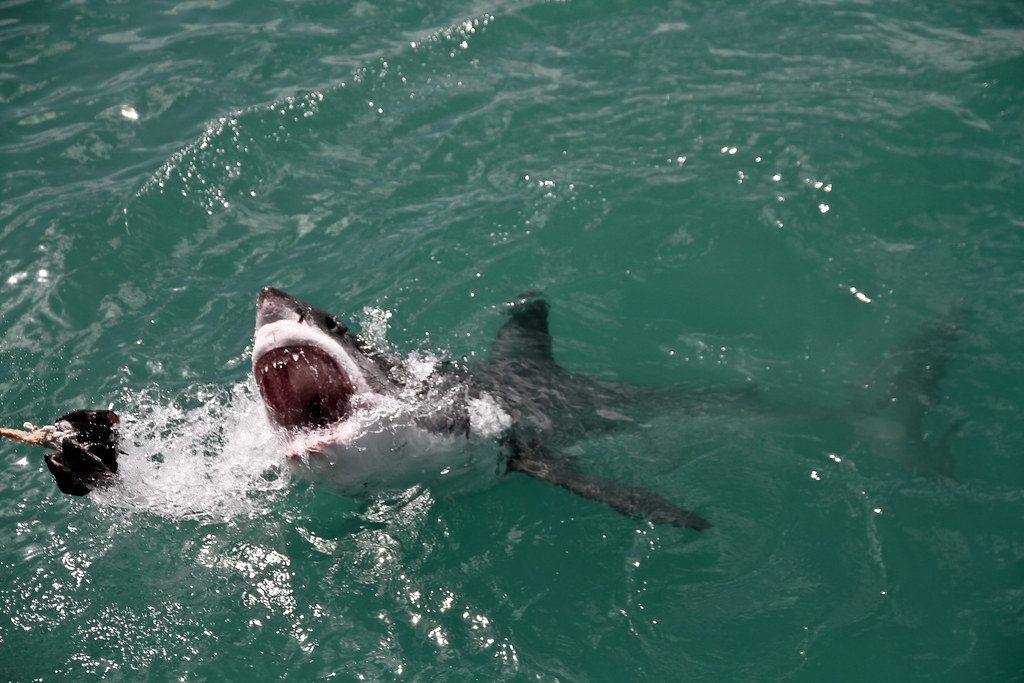
A great white shark often relies on one strong bite instead of a long fight. Its jaws and sharp, serrated teeth can cause serious injuries that quickly weaken large prey.
Researchers have observed that sharks sometimes release large prey after the first bite and wait nearby. As the injured animal loses strength, the shark can return when it is safer and easier to feed. This reduces the risk of being hurt by powerful prey such as large seals.
Hunting spots matter

Great white sharks do not wait just anywhere. They often choose places where seals gather, such as near islands, rocky coasts, or beaches with seal colonies. These areas give the sharks the best chance of finding food.
Some sharks even return to the same hunting locations because they know prey is likely to appear there. By using familiar feeding grounds, they spend less time searching and more time waiting for the right opportunity.
Waiting is a smart survival strategy
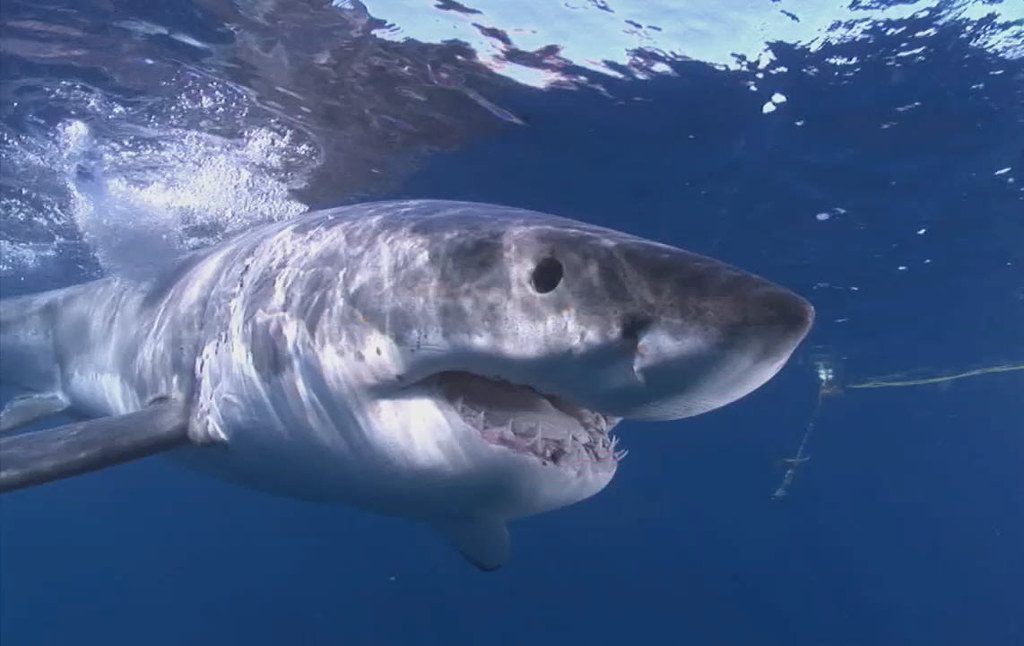
Waiting instead of chasing has helped great white sharks survive for millions of years. Their hunting style combines patience, camouflage, speed, and powerful senses to catch prey with remarkable efficiency.
Although movies often show great white sharks as nonstop hunters, real sharks are much more careful. They choose the right place, wait for the right moment, and attack only when the odds are in their favor. That patient approach is one reason they remain one of the ocean’s most successful predators.
Leave a Reply