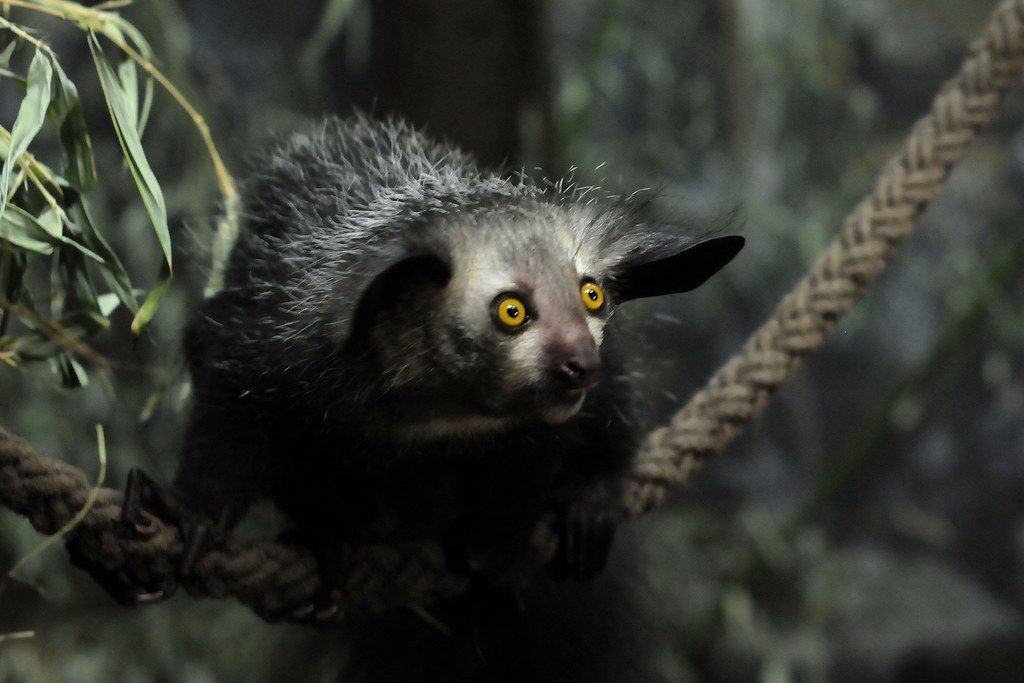
Have you ever wondered why some animals look so unusual? The world’s strangest animals may seem like they belong in a science fiction movie, but they are real. Each one has special features that help it survive in its own habitat.
From deep oceans to thick forests, these amazing creatures have adapted in surprising ways. In this article, you will meet some of the world’s strangest animals, learn where they live, and discover why their odd looks are actually important for survival. By the end, you will see that nature is full of incredible surprises.
Axolotl never grows up
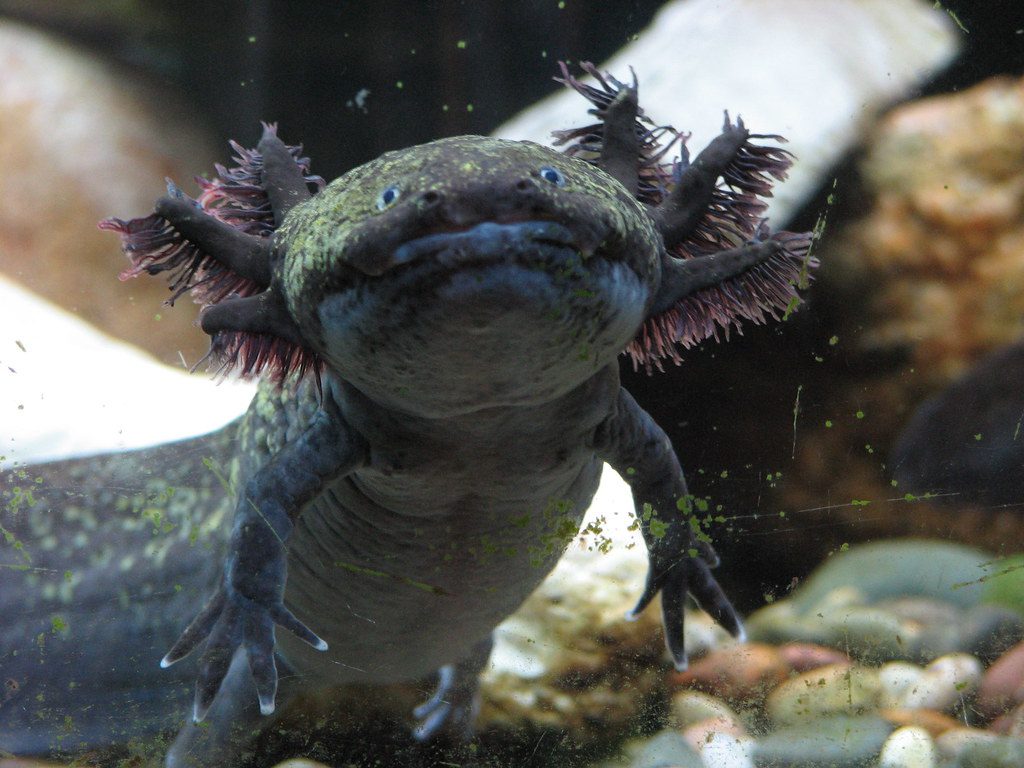
The axolotl is a rare salamander that lives in the canals of Mexico City. Unlike most salamanders, it keeps its baby features for its entire life. It has feathery gills on the outside of its head that help it breathe underwater. This strange animal spends almost all of its life in water instead of moving onto land.
Scientists are especially interested in the axolotl because it can regrow lost legs, parts of its heart, its spinal cord, and even sections of its brain. Sadly, wild axolotls are now very rare because of pollution, habitat loss, and invasive fish that eat their eggs.
Platypus looks like three animals in one
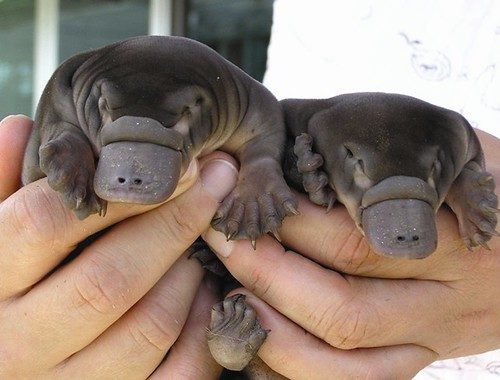
The platypus is one of the most unusual mammals on Earth. Native to eastern Australia, it has the bill of a duck, the tail of a beaver, and webbed feet like an otter. It lays eggs instead of giving birth to live young, making it one of only a few egg-laying mammals.
This animal also has amazing hunting skills. It closes its eyes, ears, and nostrils underwater and uses special sensors in its bill to detect tiny electrical signals from moving prey. Male platypuses even have venomous spurs on their back legs that can deliver a painful sting.
Aye-aye hunts with a long finger
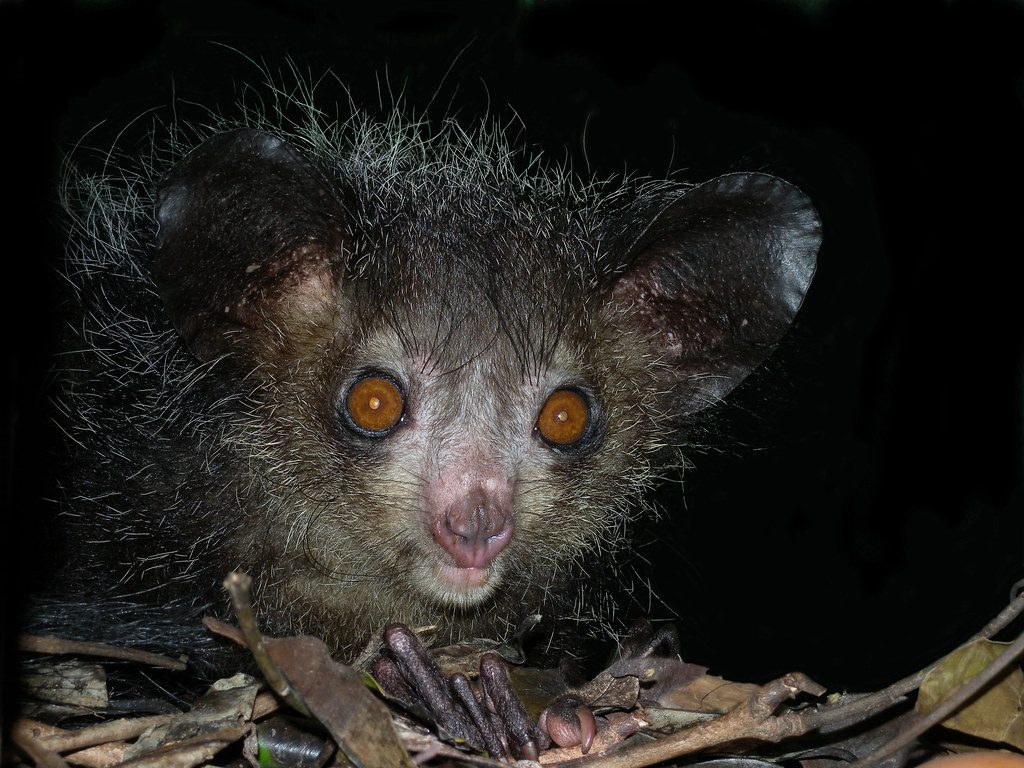
The aye-aye is a type of lemur found only in Madagascar. It has large eyes, big ears, and a very long middle finger that makes it easy to recognize. While some people once believed it brought bad luck, it is simply a unique animal with helpful adaptations.
The aye-aye taps on tree bark to find empty spaces where insects are hiding. It then chews a hole with its strong teeth and uses its long finger to pull the insects out. This feeding method helps it find food that many other animals cannot reach.
Goblin shark lives deep underwater
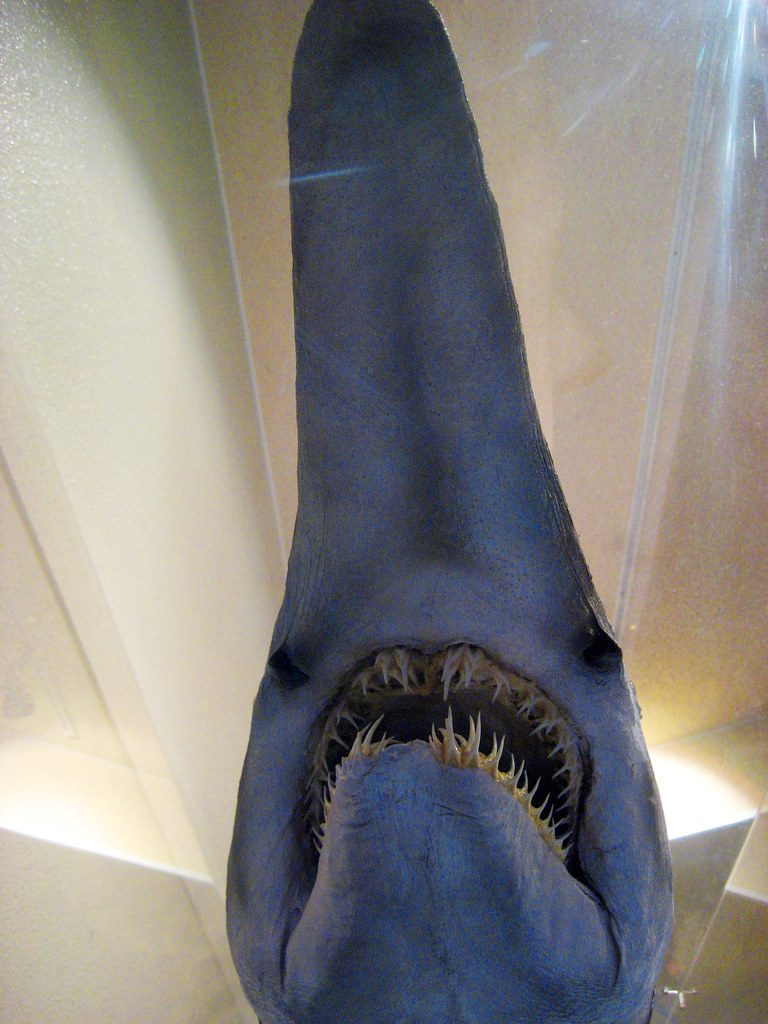
The goblin shark is a deep-sea shark that is rarely seen by people. It has a long, flat snout and pinkish skin because its blood vessels are close to the surface. Scientists often call it a living fossil because its family has existed for millions of years.
Its most unusual feature is its jaws. When prey comes close, the jaws shoot forward very quickly to grab fish and squid before pulling back into place. This fast strike helps the goblin shark catch food in the dark waters where it lives.
Saiga has a nose like no other
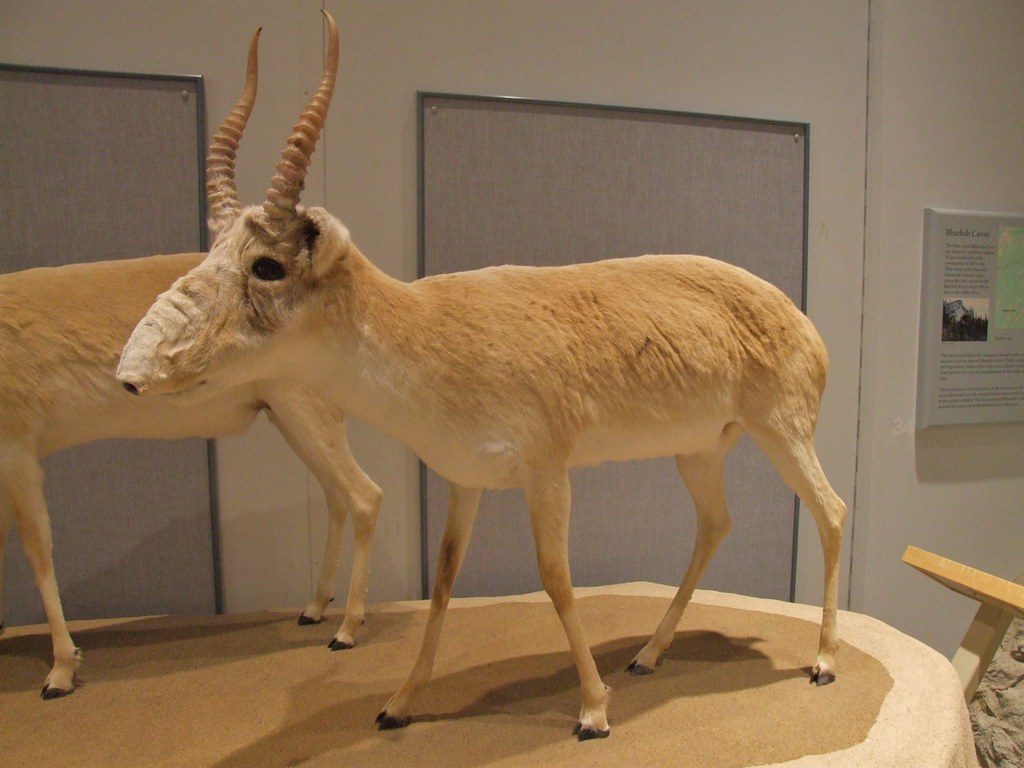
The saiga is an antelope that lives across the grasslands of Central Asia. Its large, flexible nose gives it a very unusual look, but it has an important job. The nose filters dust during dry seasons and warms cold air before it reaches the lungs in winter.
Although millions once roamed the grasslands, saiga numbers dropped sharply because of disease outbreaks, habitat changes, and illegal hunting. Conservation work has helped some populations recover, showing that careful protection can make a real difference.
Star-nosed mole finds food in seconds
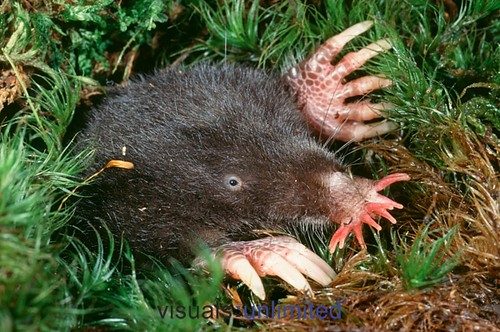
The star-nosed mole lives in wet areas of North America. Its nose is covered with 22 soft, finger-like rays that form a star shape. These tiny touch organs are packed with nerves, making the nose one of the most sensitive body parts found in any mammal.
Because it cannot see well, the mole depends on its nose to explore the ground. It can identify and eat tiny insects and worms in just a fraction of a second. This incredible sense of touch helps it survive in dark underground tunnels where eyesight is not useful.
Leave a Reply