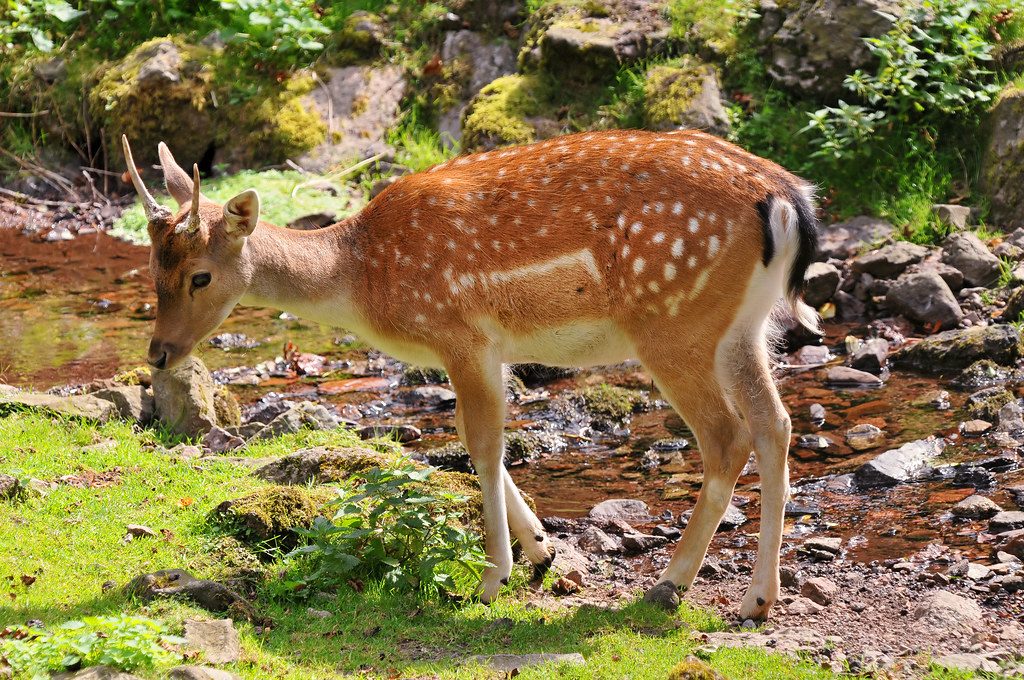
Have you ever wondered what happens when a wild animal chooses to trust a human? The story of a baby deer’s unexpected visit has touched millions of people online because it shows how kindness can change a life. According to a widely shared online story, a woman named Julia rescued two newborn roe deer after finding them alone in the forest.
Although only one survived, the little deer, called Banchik, formed a remarkable bond with his rescuer. This article explores the viral story, explains why it captured so many hearts, and shares what it teaches us about caring for wild animals with compassion and respect.
How Julia found the tiny fawns
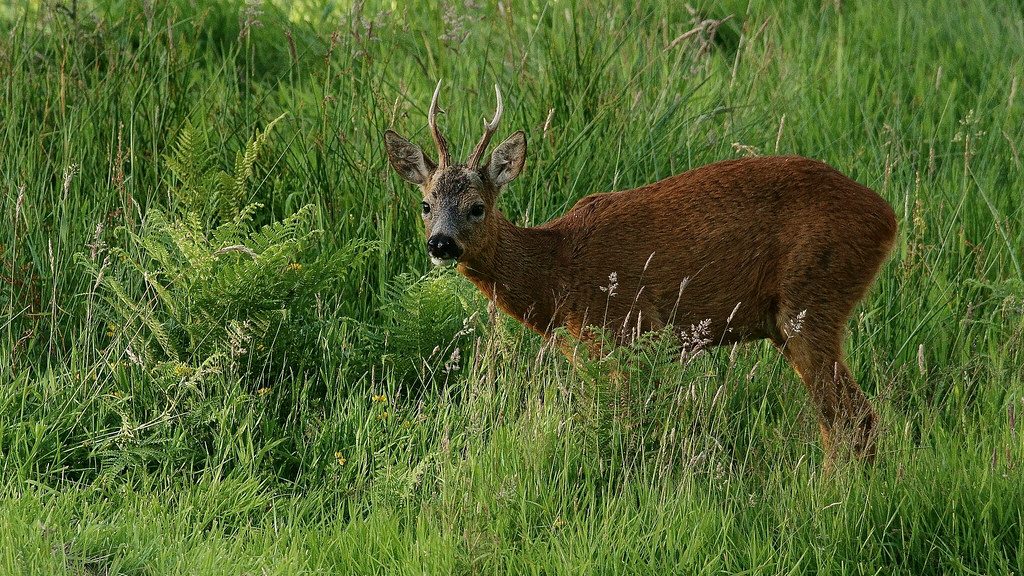
According to the widely shared story, Julia discovered two newborn roe deer lying alone in the forest. They were so weak that they could not stand on their own, and after waiting for their mother to return, it became clear that the fawns needed help.
Julia began feeding the babies with bottles and cared for them day and night. Sadly, one of the fawns did not survive. The remaining deer, named Banchik, slowly grew stronger thanks to her dedicated care.
Banchik formed a special friendship
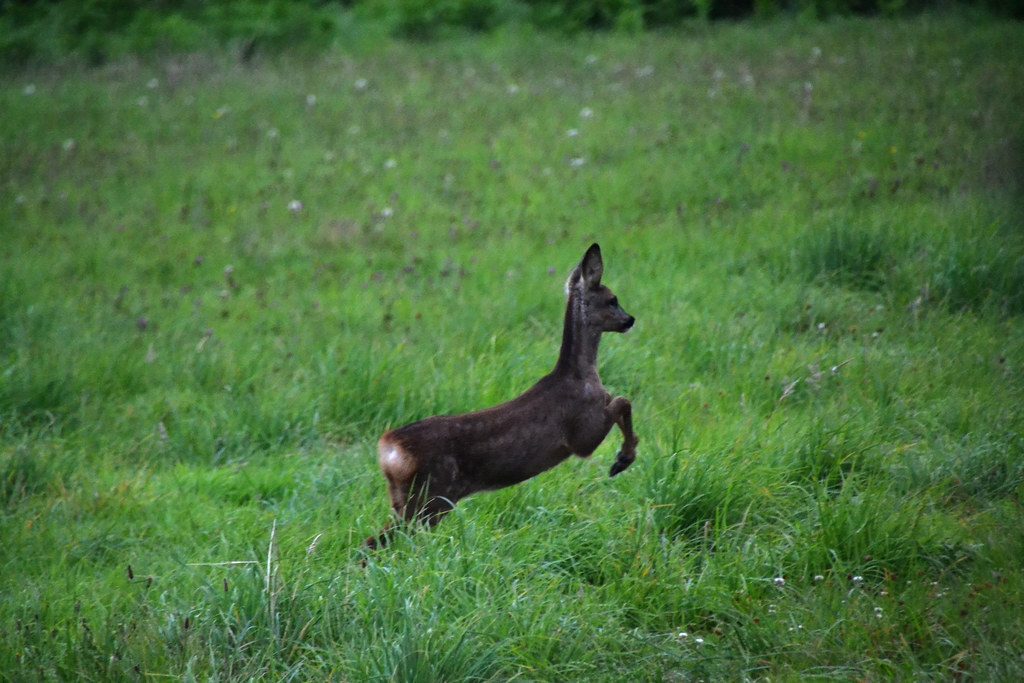
As Banchik recovered, he became very comfortable around Julia. Instead of staying far away, the young roe deer often followed her and enjoyed spending time close to the person who had saved his life.
Videos shared online show Banchik visiting Julia’s home, hopping inside, curling up on her bed, and happily accepting hugs. These gentle moments helped the story spread across social media and touched viewers around the world. The story is primarily documented through Julia’s videos rather than independent news reporting.
Why the story touched so many people

People connected with the story because it showed trust between a wild animal and a human. Seeing a normally shy roe deer act so relaxed around Julia reminded many viewers that kindness can have a lasting impact.
The story also highlighted the patience required to care for orphaned wildlife. Bottle-feeding a newborn deer takes constant attention, making Julia’s commitment especially meaningful to animal lovers.
The importance of helping wildlife correctly
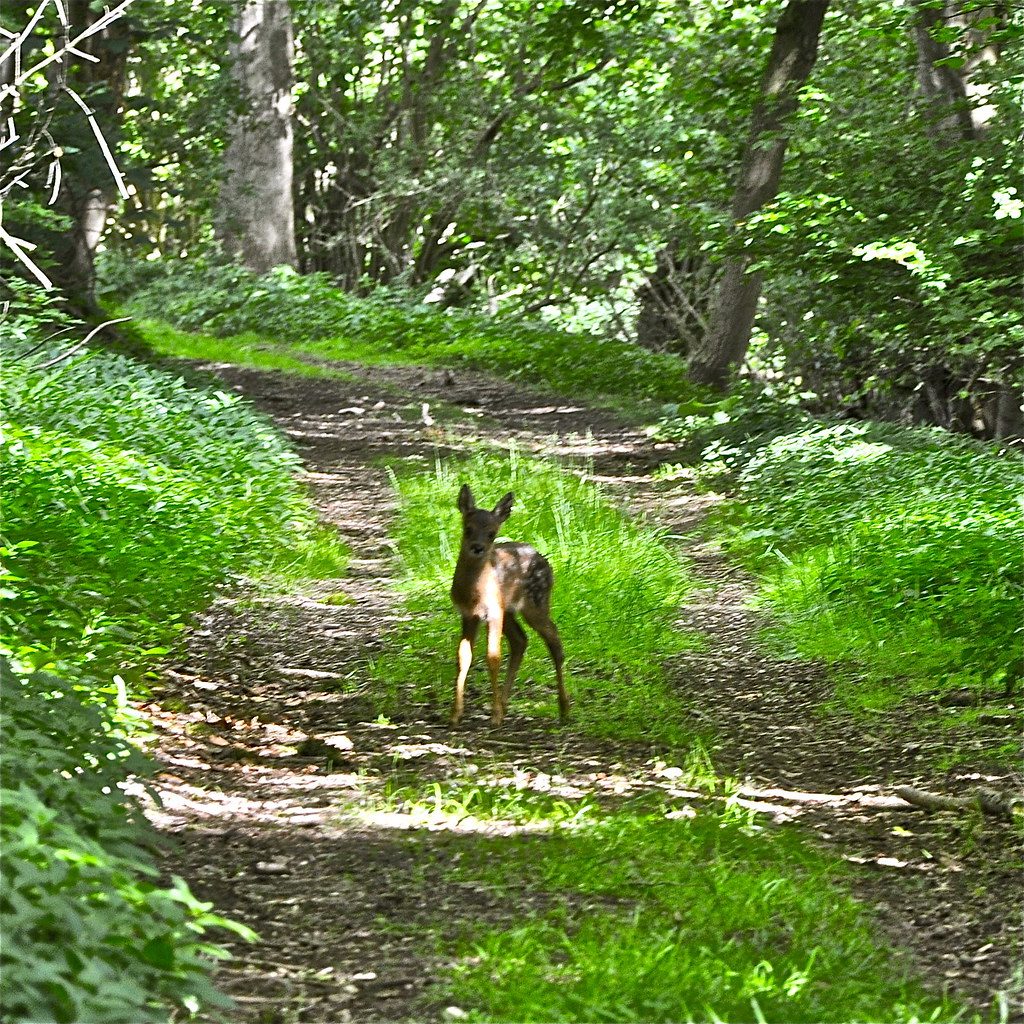
Wildlife experts remind people that not every fawn found alone needs rescuing. Mother deer often leave their young hidden while they search for food and usually return after several hours.
A fawn should only be rescued if it is clearly injured, in immediate danger, or truly orphaned. In those situations, licensed wildlife rehabilitators are the best people to provide proper care and give the animal the greatest chance of returning to the wild.
Banchik’s memory lives on

Although Banchik’s life was sadly short, the memories he created continue to inspire people. His playful visits and loving personality remain some of the most memorable moments shared by Julia.
The story reminds us that every rescued animal matters, even if the time together is brief. Acts of compassion can leave a lasting impression on both people and animals.
What we can learn from this story
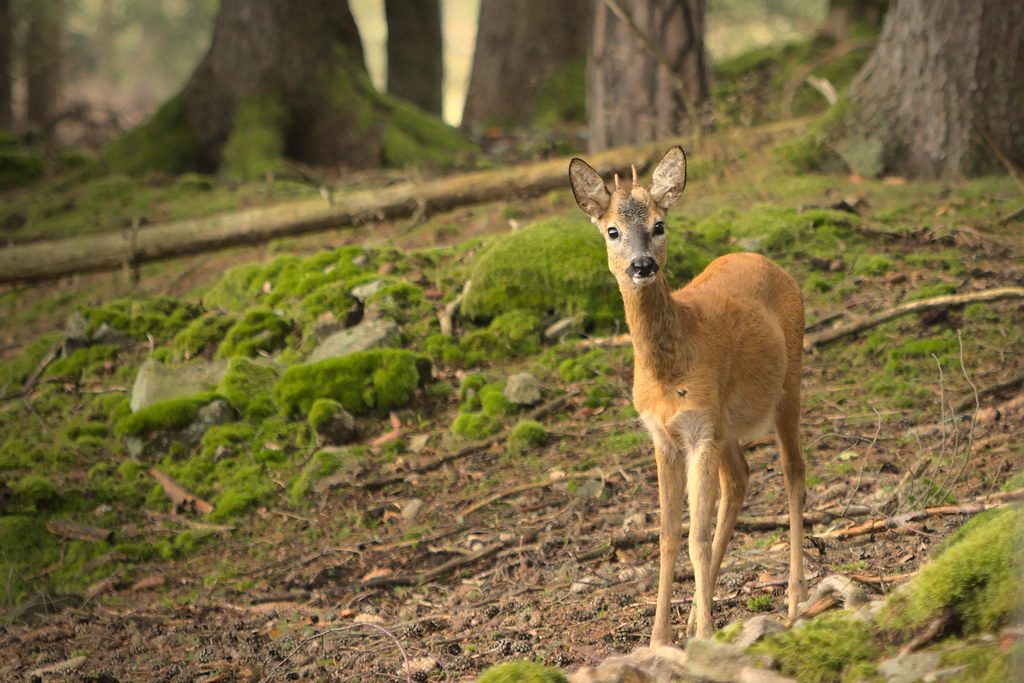
Whether every detail of the viral story can be independently confirmed or not, its message is easy to understand. Caring for animals with patience, respect, and responsibility can make a real difference when they truly need help.
At the same time, wild animals belong in nature whenever possible. The best way to protect them is to admire them from a safe distance and contact wildlife professionals if they are genuinely in trouble.
Leave a Reply