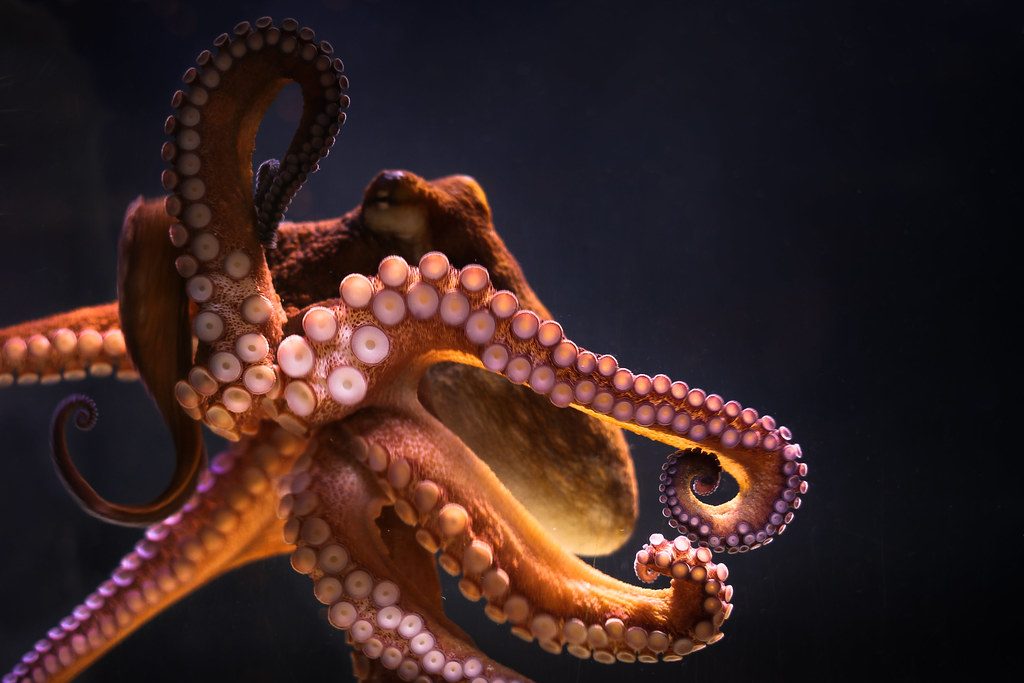
Have you ever wondered why octopuses seem almost like aliens from another world? The strange traits that make octopuses so extraordinary have amazed scientists for years. These incredible sea animals can solve problems, change color in seconds, and squeeze into tiny spaces that seem impossible.
They are very different from fish and even from other ocean creatures. In this article, you will discover the amazing body features, smart behaviors, and survival skills that make octopuses some of the most fascinating animals on Earth. By the end, you’ll understand why these eight-armed creatures continue to surprise experts.
Octopuses have an unusual body
An octopus has a soft body with no bones, which lets it squeeze through very small openings. If its hard beak can fit through a gap, the rest of its body usually can too. This helps it escape predators and hide in rocky cracks on the ocean floor. Most octopuses have eight arms covered with powerful suckers that help them grab food and explore their surroundings.
Their bodies are also very different on the inside. Octopuses have three hearts, and their blood is blue because it uses a copper-rich protein called hemocyanin to carry oxygen. Two hearts pump blood to the gills, while the third sends oxygen-rich blood to the rest of the body.
Their brains are built for learning
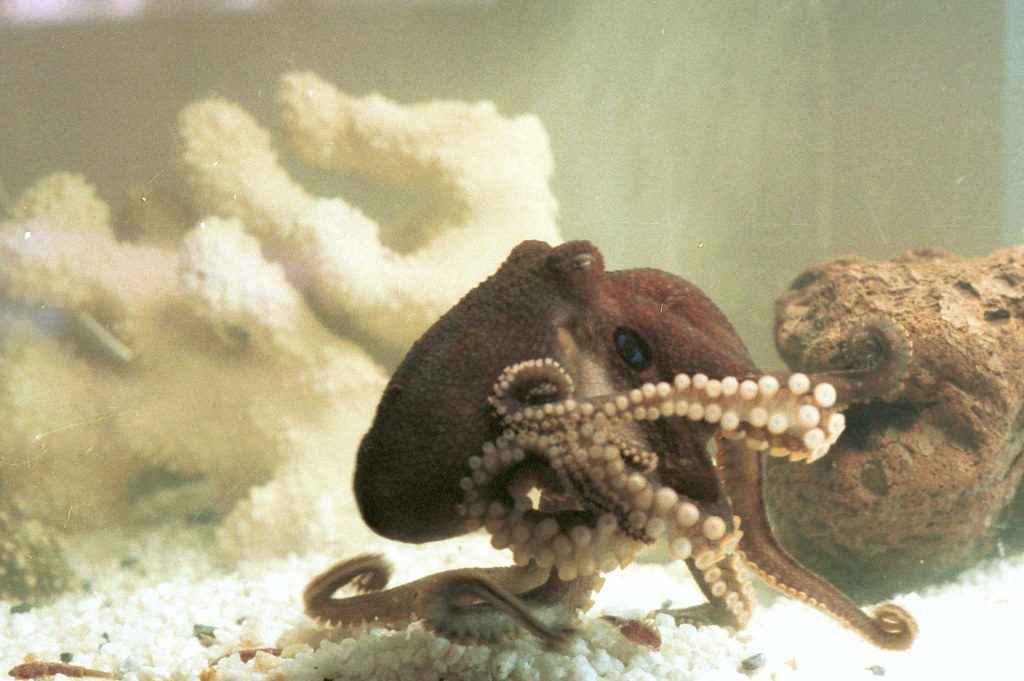
Octopuses are among the smartest animals without backbones. They can solve puzzles, remember solutions, open containers, and learn from experience. Scientists have even watched some octopuses escape from aquariums by finding small openings or lifting lids.
Their nervous system is also unusual because many of their nerve cells are located in their arms instead of only in the main brain. This allows each arm to perform complex movements while still working with the rest of the body. It gives octopuses excellent control when hunting or exploring.
They are masters of camouflage
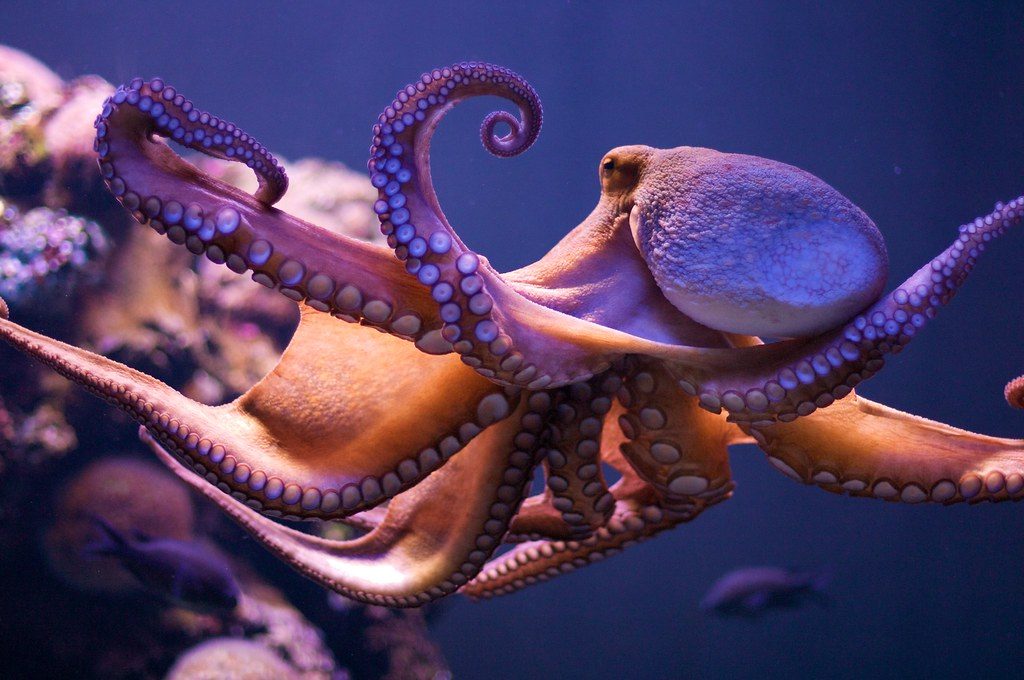
Octopuses can change both the color and texture of their skin in moments. Special skin cells called chromatophores help them match rocks, sand, coral, and seaweed. Some species can even create moving patterns that confuse predators and prey.
This amazing camouflage is more than just hiding. It also helps octopuses sneak close to prey without being noticed. Some species, like the mimic octopus, can even copy the appearance and movements of other sea animals to stay safe.
They have clever ways to survive
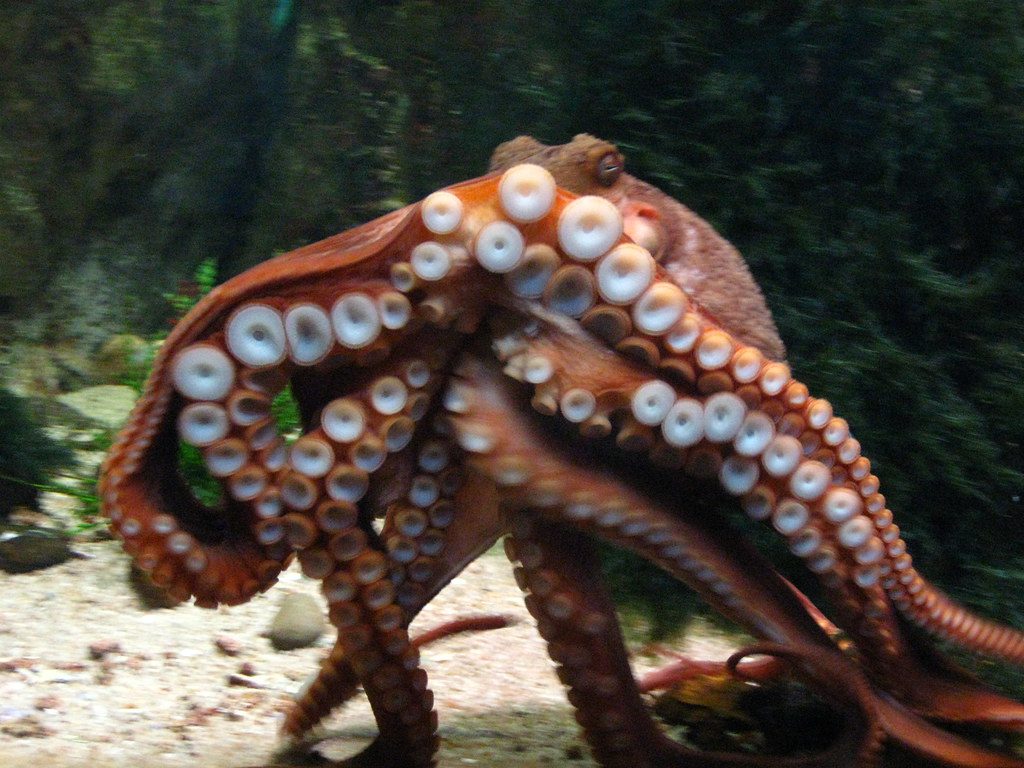
When danger appears, an octopus has several ways to escape. One of its best defenses is releasing a cloud of dark ink. The ink distracts predators, giving the octopus enough time to swim or crawl away and hide.
If an arm is badly damaged or lost, many octopus species can grow it back over time. This ability improves their chances of surviving attacks from hungry predators. Combined with their flexible bodies, these traits make octopuses very hard to catch.
Their arms are amazing tools
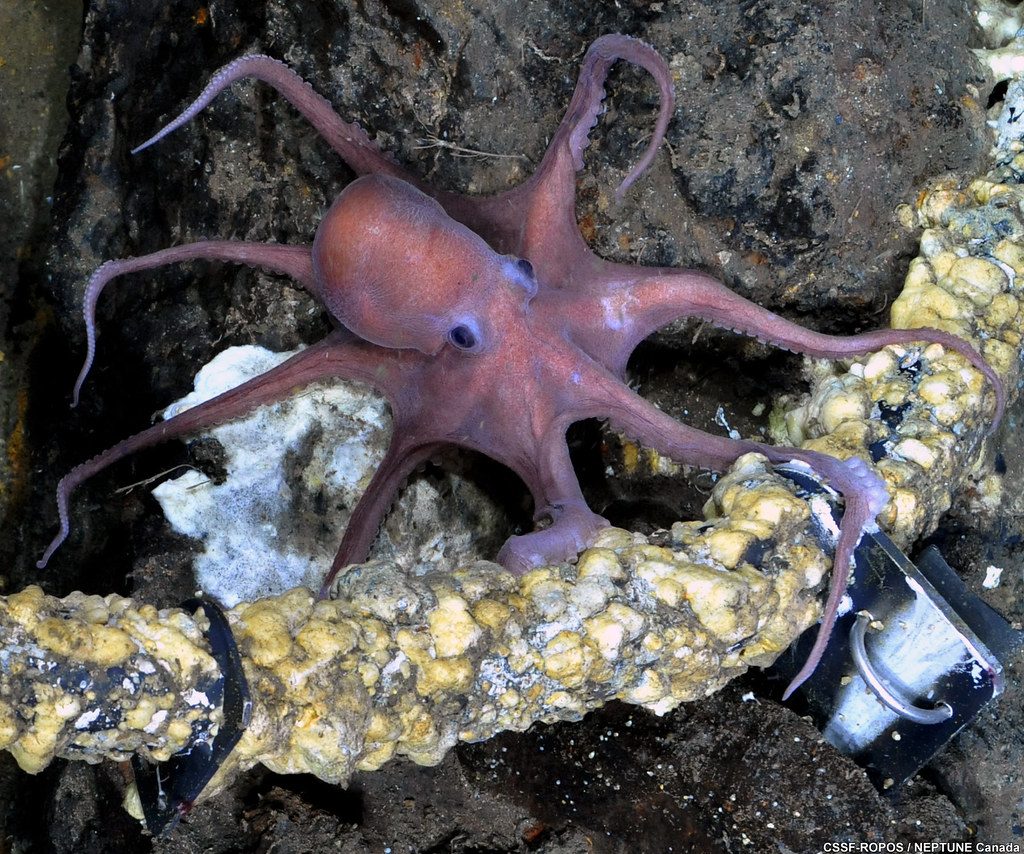
Each arm is lined with hundreds of suckers that do much more than hold objects. The suckers can also detect touch and taste at the same time. This allows an octopus to explore its environment and identify food even when it cannot clearly see it.
Because their arms are so flexible, octopuses can open shells, move rocks, and carefully handle objects. Some species have even been observed carrying coconut shells or other items to use later as protective shelters.
Their lives are short but remarkable
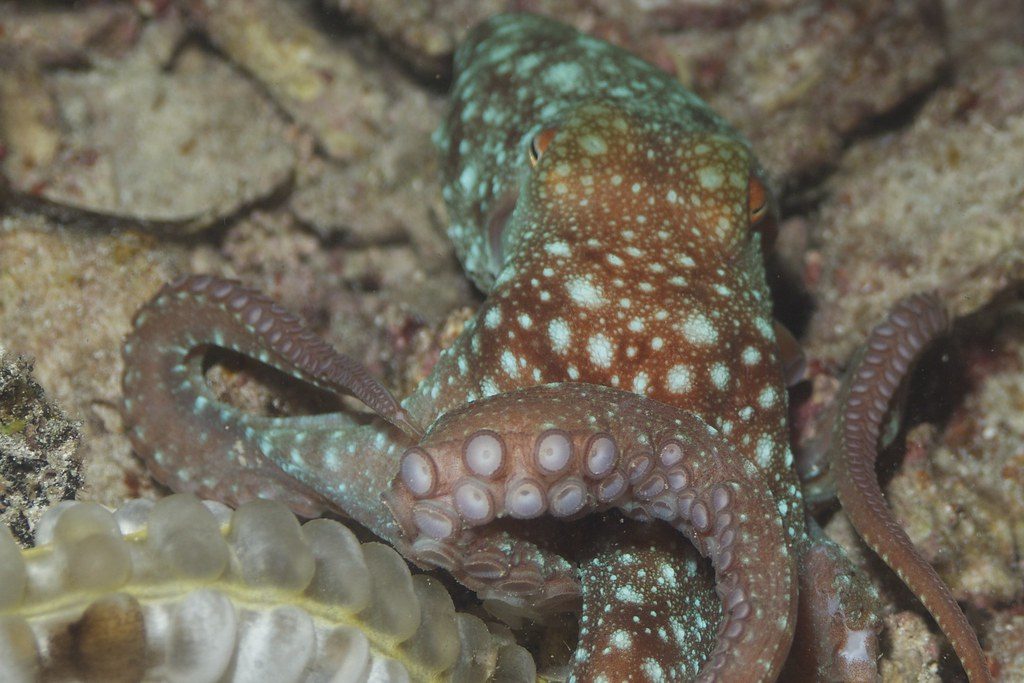
Even with their impressive abilities, most octopus species live only one to three years. They grow quickly, reproduce once, and then die. Female octopuses spend their final weeks protecting and cleaning their eggs until they hatch, often without eating.
Scientists continue to study octopuses because they combine intelligence, flexibility, and unique biology in ways rarely seen in other animals. Every new discovery helps us better understand how these extraordinary creatures survive and thrive in oceans around the world.
Leave a Reply