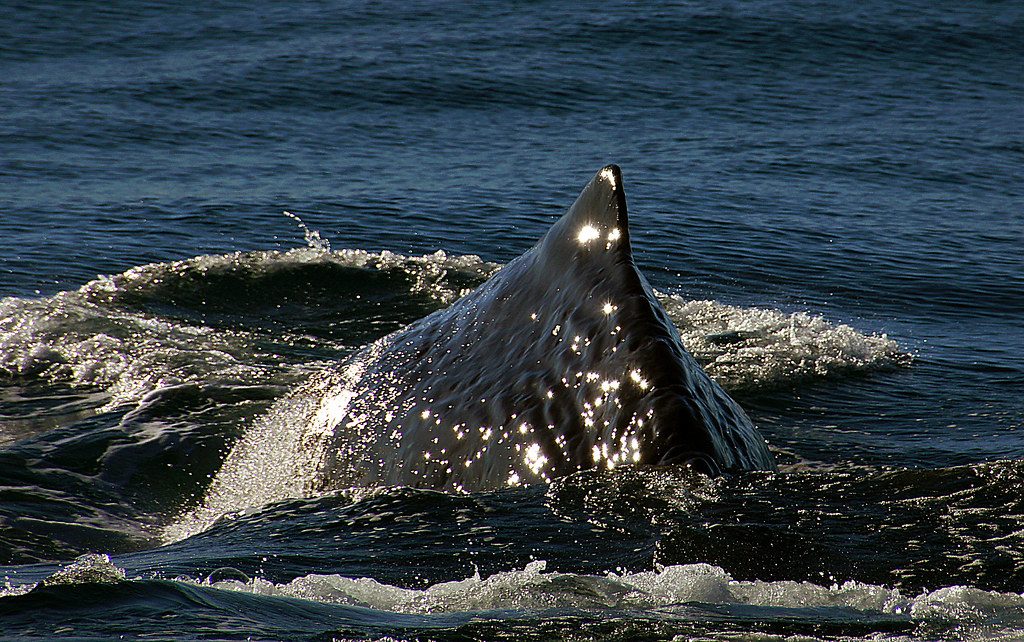
In 1937, workers at a whaling station in Canada’s Haida Gwaii pulled a strange 3-meter-long carcass from the stomach of a sperm whale. Its long neck, dog-like head, horse-like tail, and unusual appearance quickly led many people to believe they had discovered an unknown sea monster.
The creature became known as the “Cadborosaurus,” and photographs of the mysterious remains spread across newspapers. Nearly 90 years later, scientists and cryptozoologists still disagree about what the carcass really was, although most marine biologists now favor a much more familiar explanation.
A strange discovery shocked veteran whalers
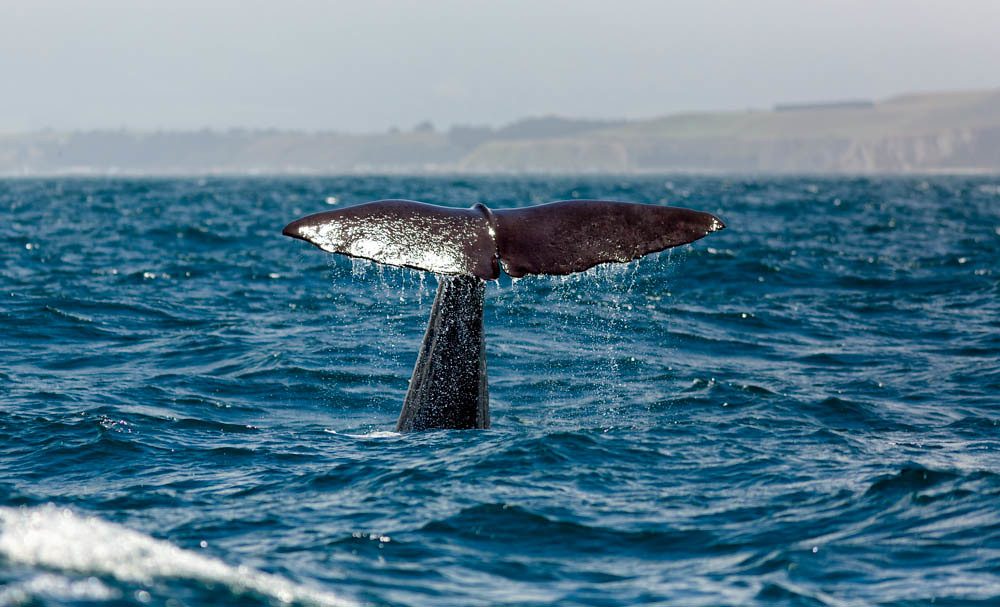
The unusual carcass was recovered from a sperm whale processed at a whaling station in Haida Gwaii, British Columbia, in October 1937. Workers displayed the remains on wooden crates before photographs appeared in local newspapers, fueling speculation that an unknown marine creature had been found.
Witnesses described a long-bodied animal with a narrow neck, small head, and horse-like tail. Unfortunately, only photographs remain because the physical specimens were later lost.
The legend of Cadborosaurus was born
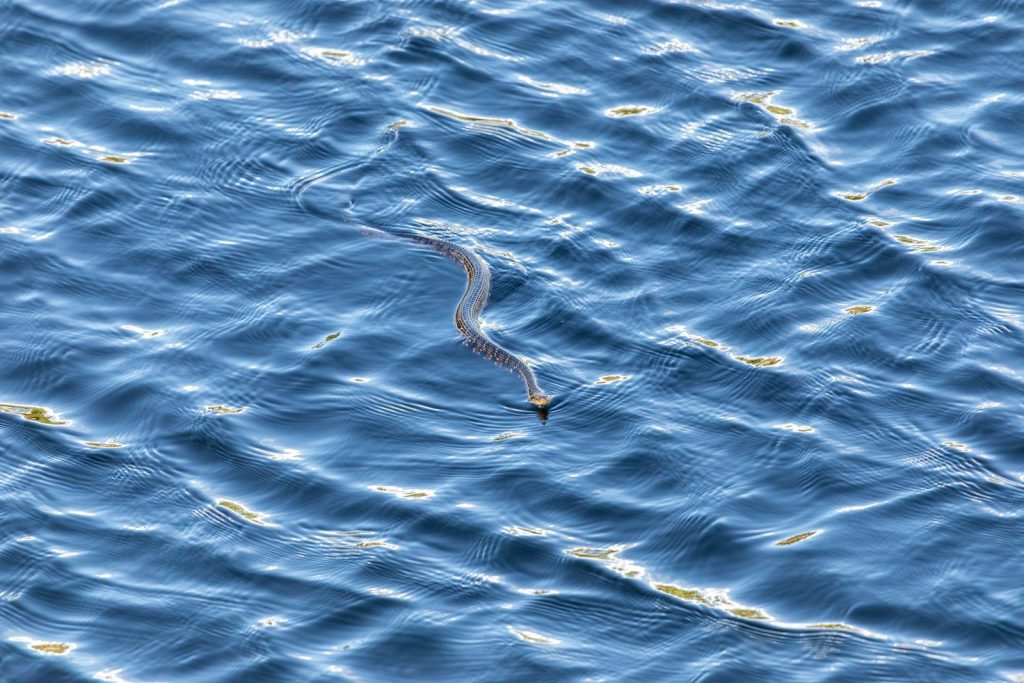
The mysterious carcass became linked to Cadborosaurus, a legendary sea serpent reportedly seen for generations along the Pacific coast of British Columbia. Over the years, hundreds of sightings have been claimed, although none have been scientifically confirmed.
Some cryptozoologists continue to argue that the 1937 carcass belonged to an unknown marine species that has yet to be identified by science.
Most scientists favor a basking shark
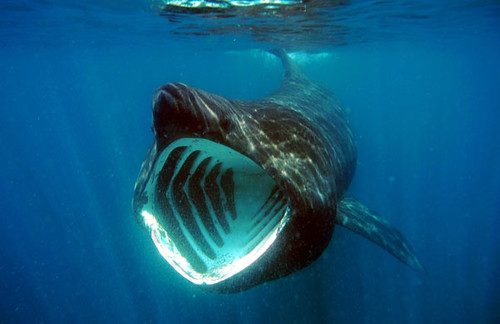
Marine biologists believe the remains most likely belonged to a decomposing basking shark. As basking sharks decay, their gill structures collapse, creating the appearance of a long neck and small head that can resemble prehistoric marine reptiles or mythical sea serpents. This transformation is known as the “pseudo-plesiosaur carcass” phenomenon.
Similar misidentifications have occurred elsewhere, including the famous 1977 Zuiyō Maru carcass recovered near New Zealand, which was later identified as a decomposing basking shark through tissue analysis.
The mystery can never be fully solved

A small tissue sample from the 1937 carcass was reportedly sent to a museum but was discarded after being tentatively identified as a fetal baleen whale. Because the original no longer exists, modern DNA testing is impossible.
Without physical evidence, scientists cannot definitively prove whether the carcass belonged to a basking shark or another known species, although the basking shark explanation fits many of the observed features.
The real tragedy involved basking sharks
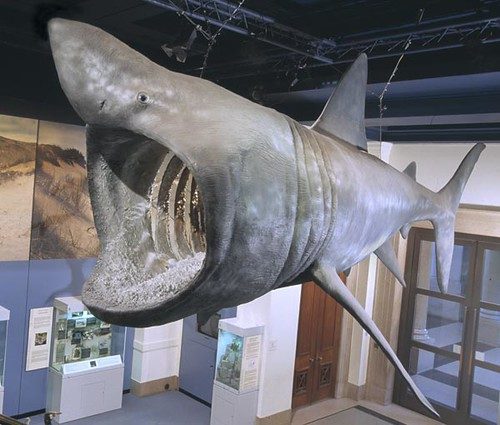
The renewed interest in the Cadborosaurus story has also drawn attention to the history of basking sharks in British Columbia. During the 1950s and 1960s, government programs deliberately killed hundreds of these harmless filter-feeding sharks because they were considered obstacles to salmon fishing.
Scientists estimate that more than 90% of the local basking shark population has disappeared. Today, the species is protected under Canadian law, but recovery may take centuries.
The ocean still holds many mysteries

Although no evidence confirms the existence of Cadborosaurus, marine scientists agree that the deep ocean remains one of Earth’s least explored environments. New species are still being discovered regularly, especially in deep and remote habitats.
The Cadborosaurus story reminds us that unusual discoveries deserve careful scientific investigation, while also showing how easily decomposing marine animals can be mistaken for legendary creatures.
Leave a Reply