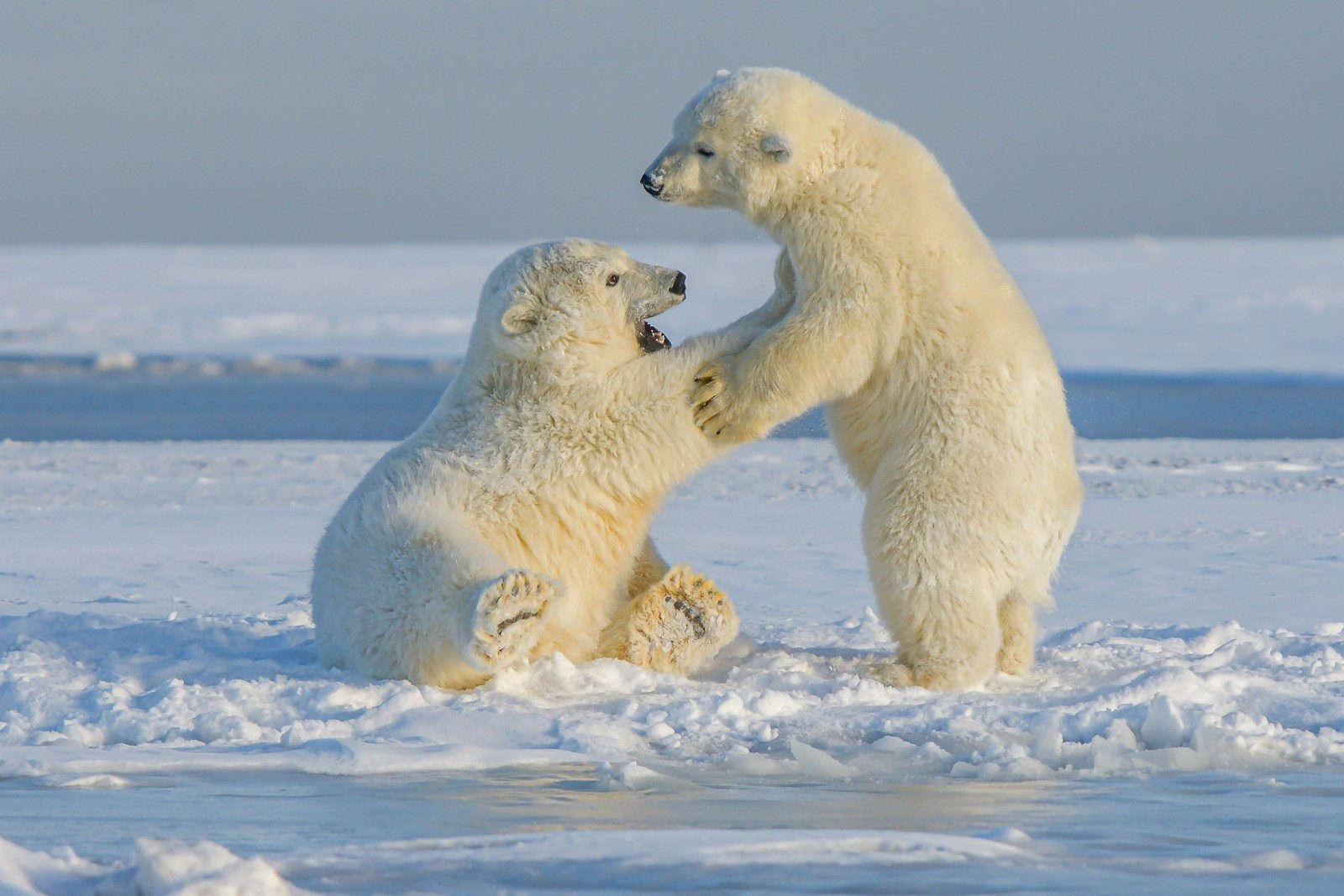
Seeing wild polar bears together is always special, but watching polar bear brothers meet for the first time is even more remarkable. A wildlife team recently captured this rare moment after the bears had spent years apart. The meeting gave researchers a closer look at how polar bears behave when they come face to face with close family members after living on their own.
This article explains why the encounter matters, what the wildlife team observed, and what scientists have learned about polar bear behavior. You will also discover how young bears grow up, why siblings separate, and how this event helps researchers better understand one of the Arctic’s most famous animals.
Why this meeting was so unusual
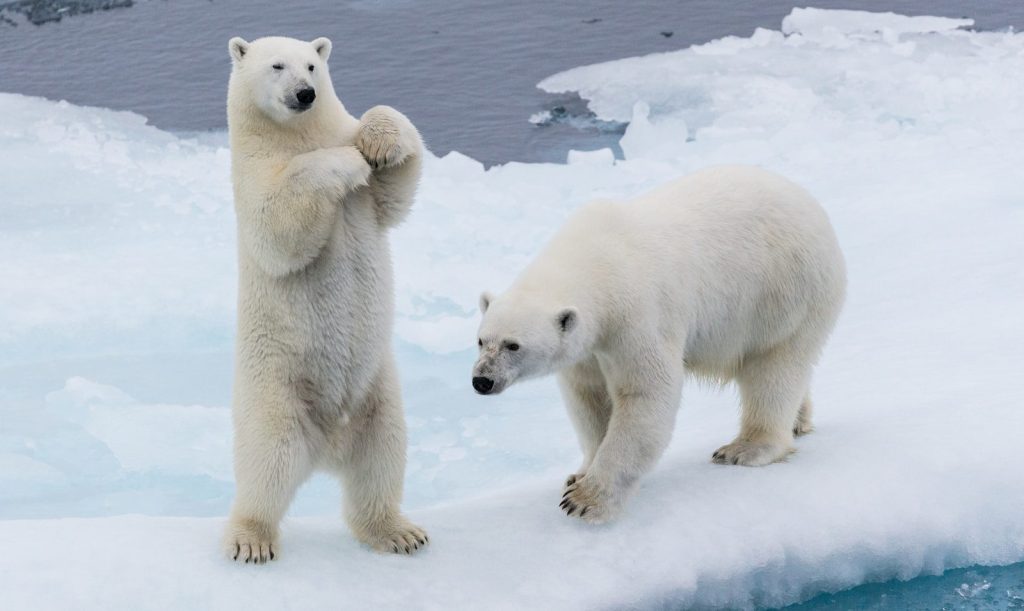
The two male polar bears were born in the same litter but had lived separate lives after leaving their mother. Wildlife experts said it was the first time they had seen the brothers together since they became independent, making the encounter extremely rare.
Unlike many social animals, polar bears spend most of their lives alone. Adults usually meet only during the breeding season or when food gathers many bears in one place. That is why a peaceful meeting between adult brothers is not often seen or recorded.
How the wildlife team captured the moment

The wildlife team was monitoring the bears as part of a long-term conservation project. Using cameras and careful observation, the researchers recorded the brothers approaching each other without disturbing their natural behavior.
The footage showed the bears sniffing and closely watching one another before moving together calmly. Scientists avoided interfering with the encounter because natural behavior provides the most useful information for wildlife research.
What scientists learned from the encounter
The meeting showed that close relatives may recognize one another, although scientists cannot say for certain how this happens. Smell is believed to play a major role because polar bears have an excellent sense of smell that helps them find food and identify other bears.
Researchers also noticed that the brothers did not quickly become aggressive. While adult male polar bears can fight over food or mates, these two bears remained calm during their first recorded reunion, giving scientists valuable behavioral information.
Why polar bear siblings separate
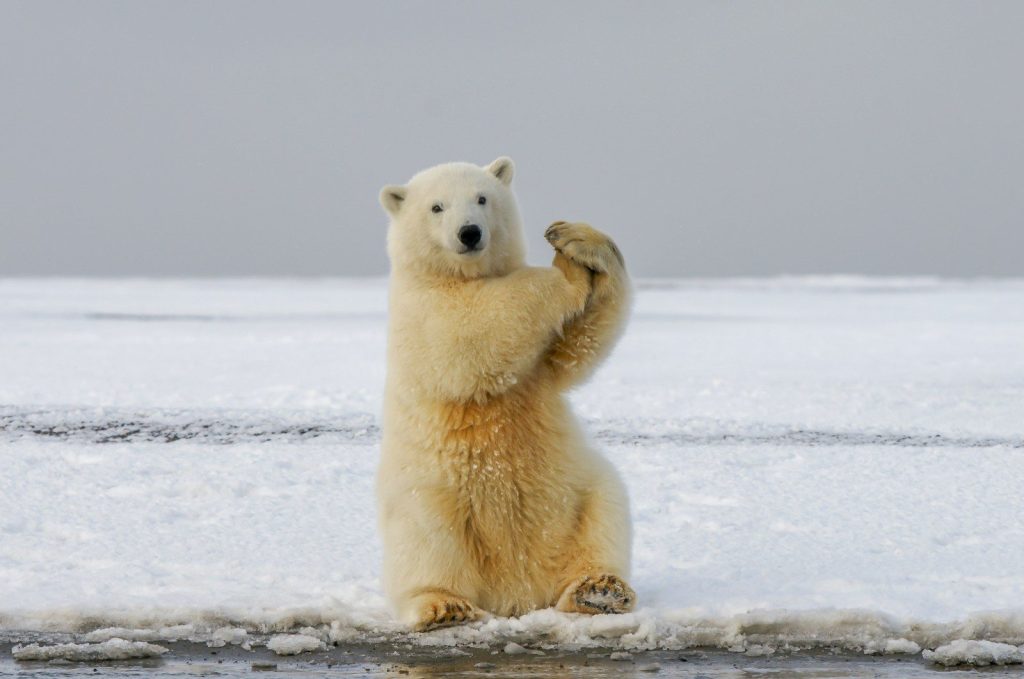
Polar bear cubs stay with their mother for about two to two and a half years. During that time, she teaches them how to hunt seals, travel across sea ice, and survive the harsh Arctic environment.
After the family breaks apart, each young bear lives on its own. Brothers and sisters may travel hundreds of miles in different directions, so they rarely cross paths again. That makes reunions like this one highly unusual.
What this means for polar bear research

Every rare wildlife observation helps scientists build a better picture of how polar bears live. Events that are almost never seen can improve research on family relationships, movement, and survival in the wild.
The footage also highlights the value of long-term monitoring. By following individual bears over many years, researchers can answer questions that would otherwise remain a mystery and better protect polar bear populations.
Why protecting polar bears still matters
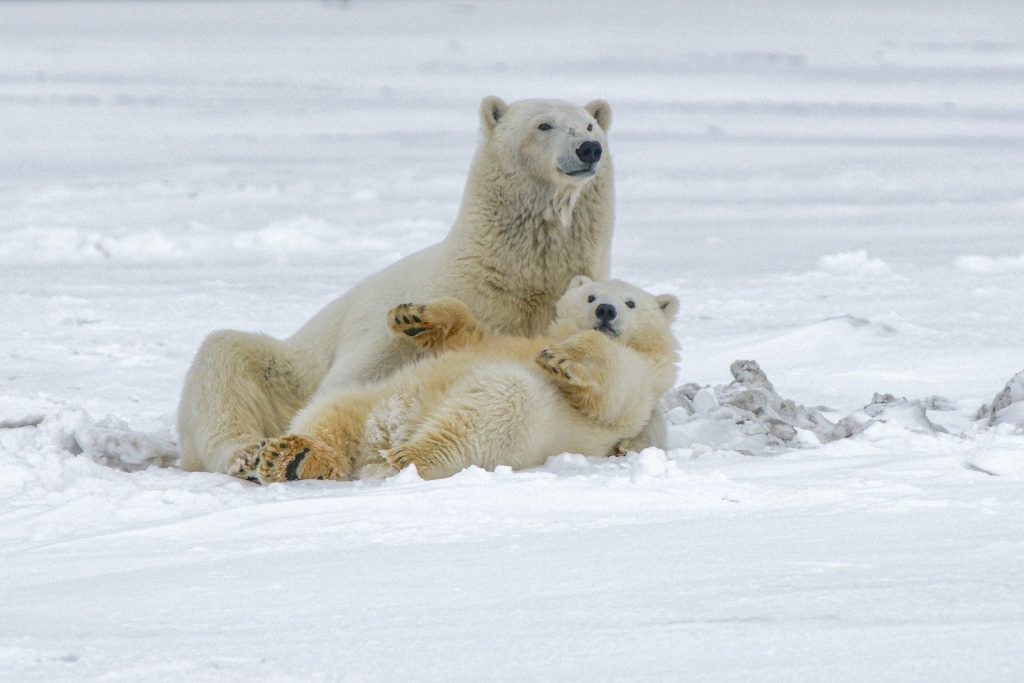
Polar bears depend heavily on Arctic sea ice to hunt seals, their main source of food. As sea ice changes, many bears must travel farther and use more energy to find enough food.
Scientists continue studying polar bears to understand how environmental changes affect their health and survival. Rare encounters like this remind people that there is still much to learn about these powerful animals and why protecting their habitat is important.
Featured Image: Photo by Hans-Jurgen Mager on Unsplash
Leave a Reply