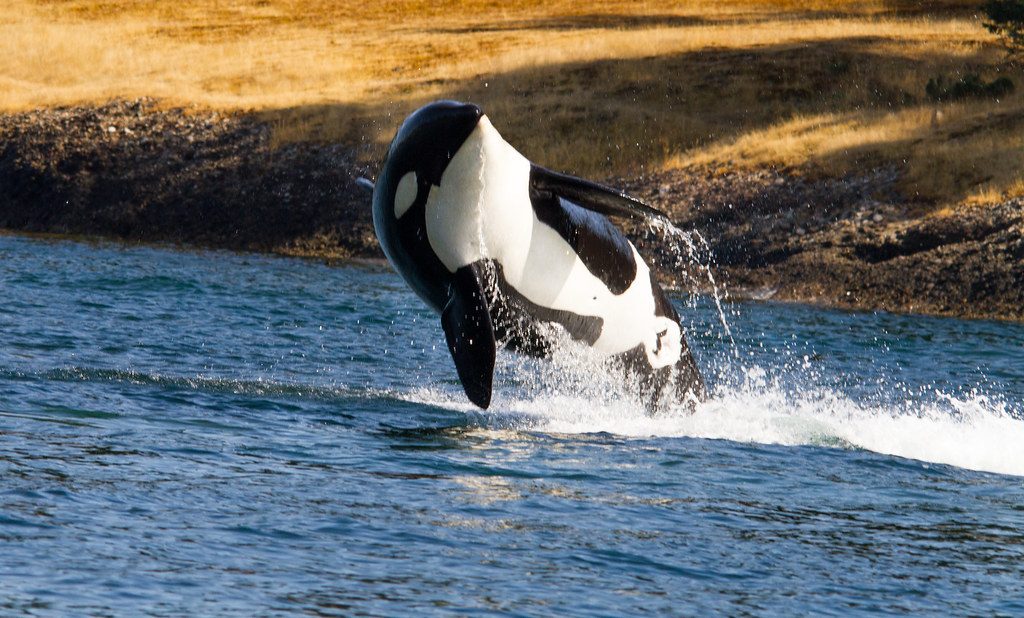
For several years, sailors off the Iberian Peninsula have reported an unusual pattern of encounters with wild orcas. Instead of ignoring passing boats, some pods repeatedly approach sailing vessels and focus on one specific part: the rudder.
In some cases, the damage has left boats unable to steer, leading to several sinkings after crews were rescued. The behavior remains one of the most intriguing wildlife mysteries in the ocean today.
A growing pattern since 2020
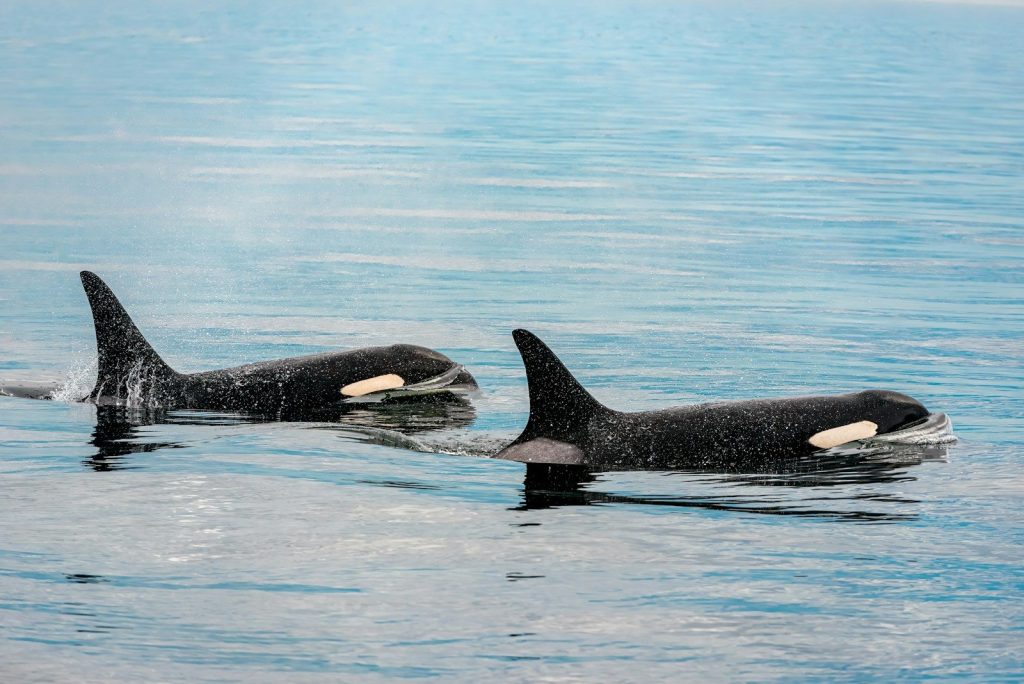
Researchers have documented more than 500 interactions between Iberian orcas and boats since 2020. Most incidents involve medium-sized sailing yachts traveling through waters near Spain, Portugal, and the Strait of Gibraltar.
Although many boats suffer only minor damage, some have lost their rudders completely.
Why do orcas target the rudder?
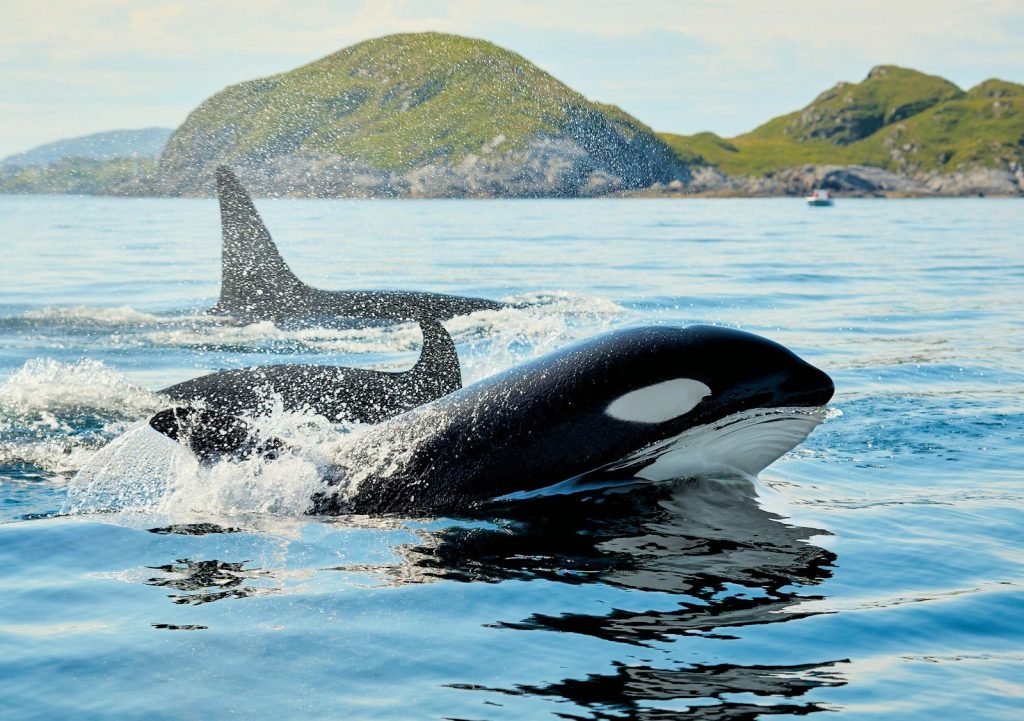
One striking feature of these encounters is the whales’ focus on the rudder rather than the hull or people on board. Orcas have been filmed pushing, biting, and ramming the steering system until it breaks or becomes unusable.
This precise targeting suggests the whales are responding to the moving part of the boat rather than attacking it randomly.
Scientists still don’t know the cause
Marine biologists have proposed several possible explanations for the behavior. Some believe it may have begun after a negative encounter with a vessel and spread through social learning. Others suggest it could be a form of play, curiosity, or exploratory behavior common in highly intelligent animals.
Despite many theories, none have been proven, and researchers caution against describing the behavior as “revenge.”
Remarkably intelligent predators
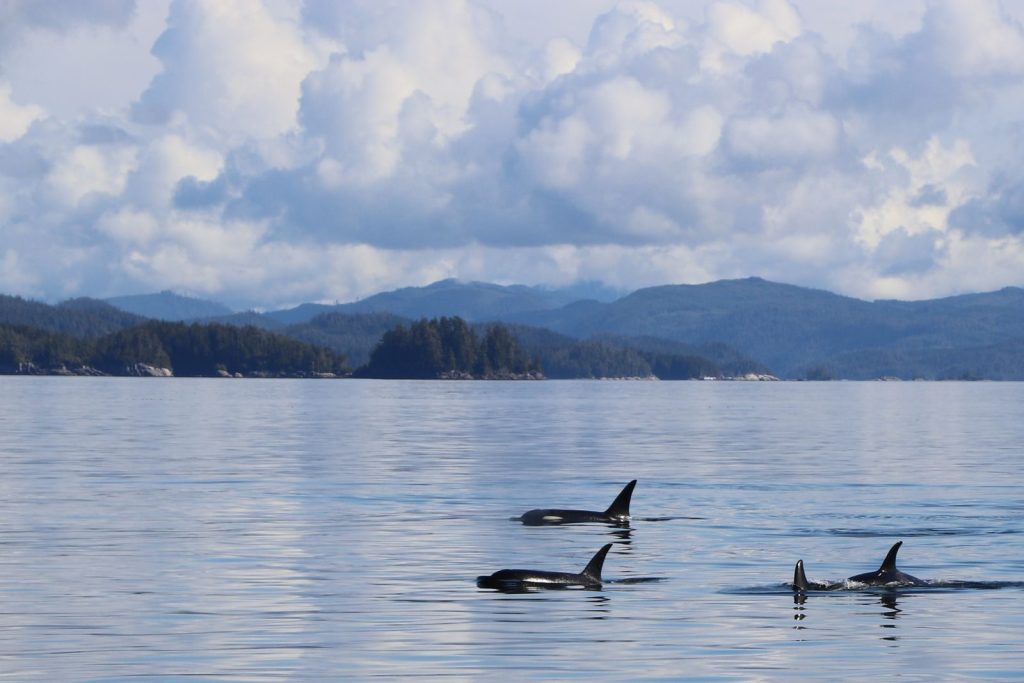
Orcas are the largest members of the dolphin family and are known for their advanced communication, cooperation, and problem-solving abilities. Different populations develop unique hunting techniques and even cultural behaviors that can spread within family groups.
This intelligence may help explain how unusual behaviors can become shared among multiple whales.
Are people in danger?
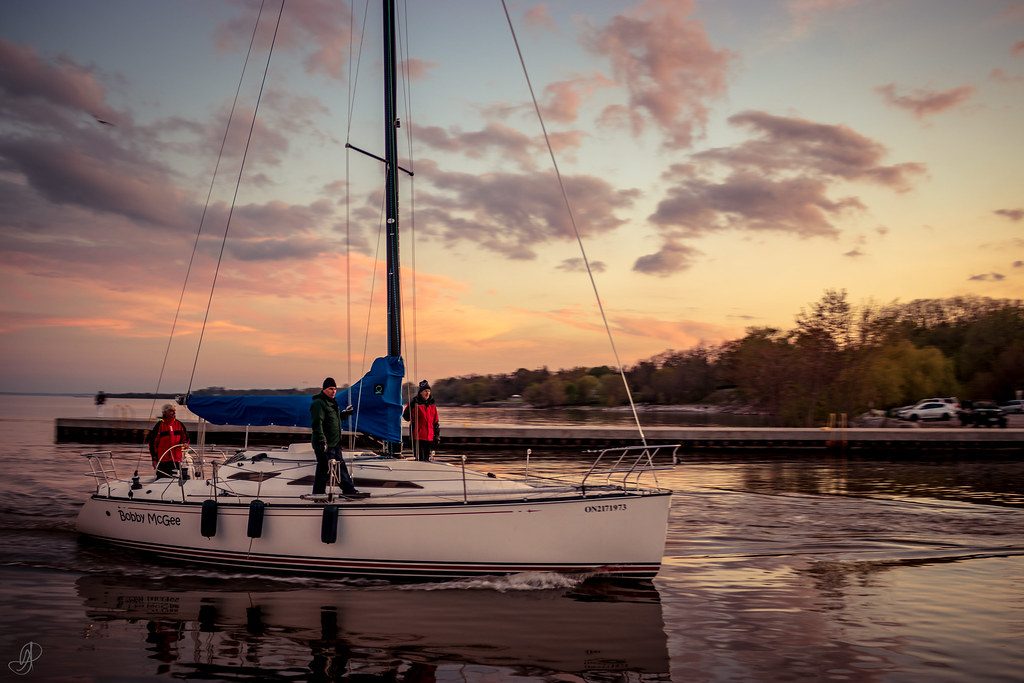
Although the boats may suffer significant damage, there have been no confirmed fatalities or serious injuries to people during these Iberian orca encounters. Rescue services have safely evacuated crews whenever boats became disabled or sank.
Experts continue to recommend giving orcas plenty of space and following official guidance when sailing through affected waters.
Why researchers are paying close attention
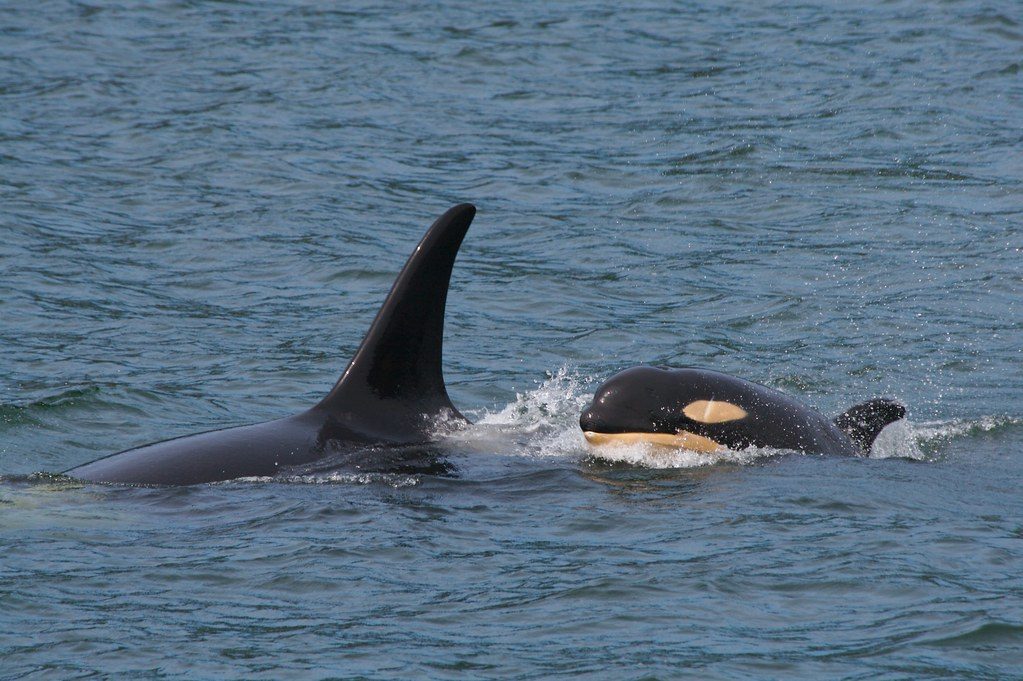
The ongoing interactions provide scientists with a rare opportunity to study how new behaviors emerge and spread through wild animal populations. Understanding why these orcas interact with boats could improve both marine conservation and boating safety.
For now, the reason behind the behavior remains one of the ocean’s biggest unanswered questions.
Leave a Reply