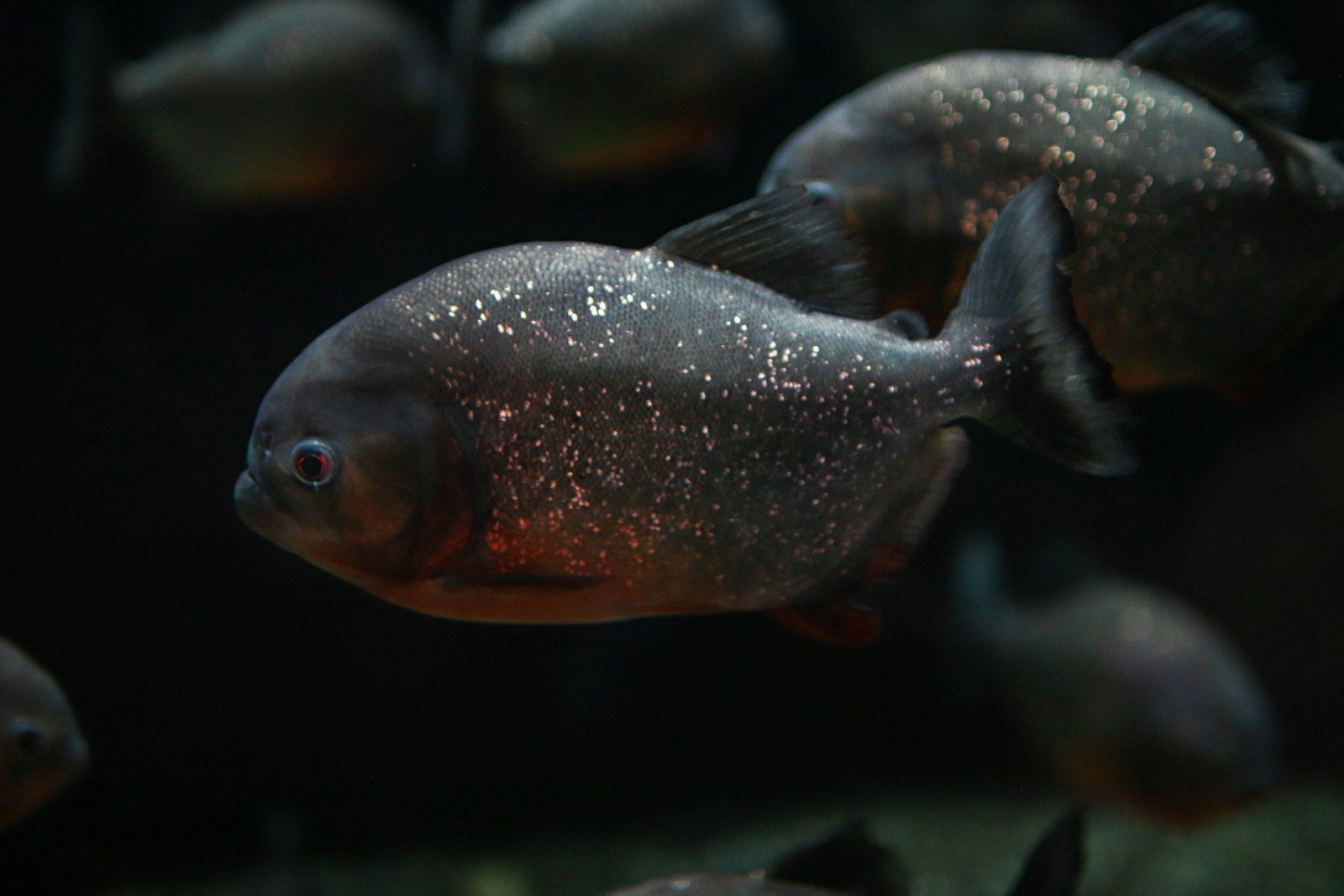
Few freshwater fish have a reputation as terrifying as the piranha. Movies and television often portray schools of these sharp-toothed fish stripping humans to the bone within minutes. In reality, scientists have found that piranhas usually behave very differently.
While they are powerful predators with incredibly strong jaws, humans are not a normal part of their diet. Most encounters end without injury, and attacks are far less common than popular myths suggest.
Do piranhas attack people?
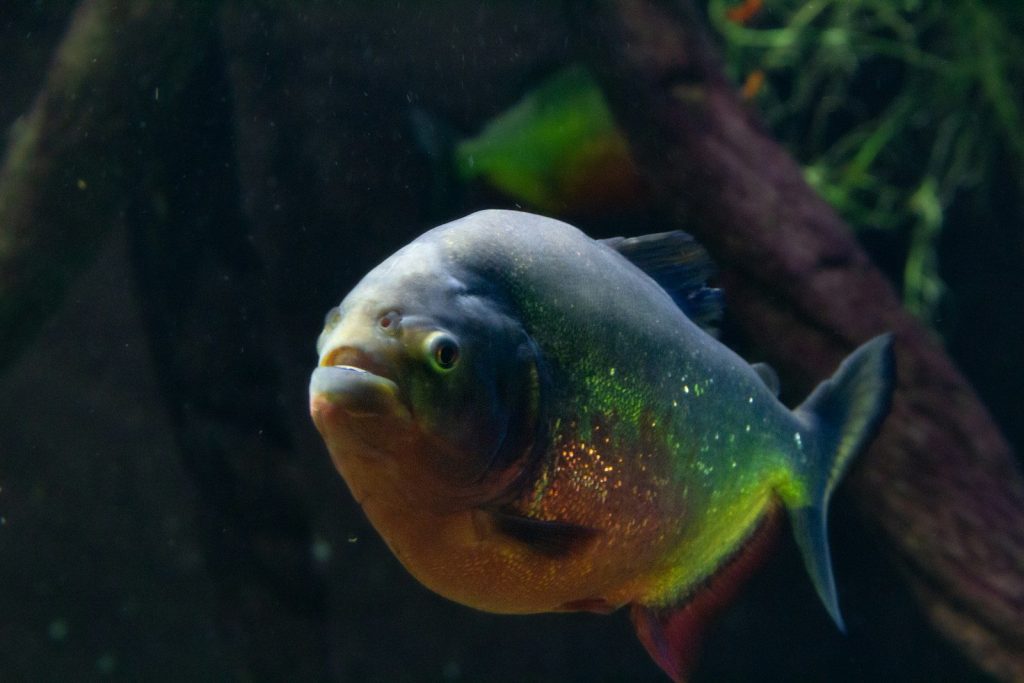
When a person enters water inhabited by piranhas, the fish often react with caution rather than aggression. Many species are naturally shy and prefer to swim away instead of confronting something much larger than themselves.
Researchers studying piranha behavior have found that serious attacks on healthy humans are extremely rare. In most cases, the fish simply keep their distance unless they feel threatened or their environment changes dramatically.
Why most encounters end peacefully
Humans are not considered normal prey for piranhas. Most species spend much of their time feeding on smaller fish, insects, fruits, seeds, and dead animals rather than actively hunting large mammals.
Their famous schools also serve another purpose. Scientists believe grouping together often helps protect piranhas from predators instead of allowing them to hunt humans in coordinated attacks.
What can trigger aggressive behavior?
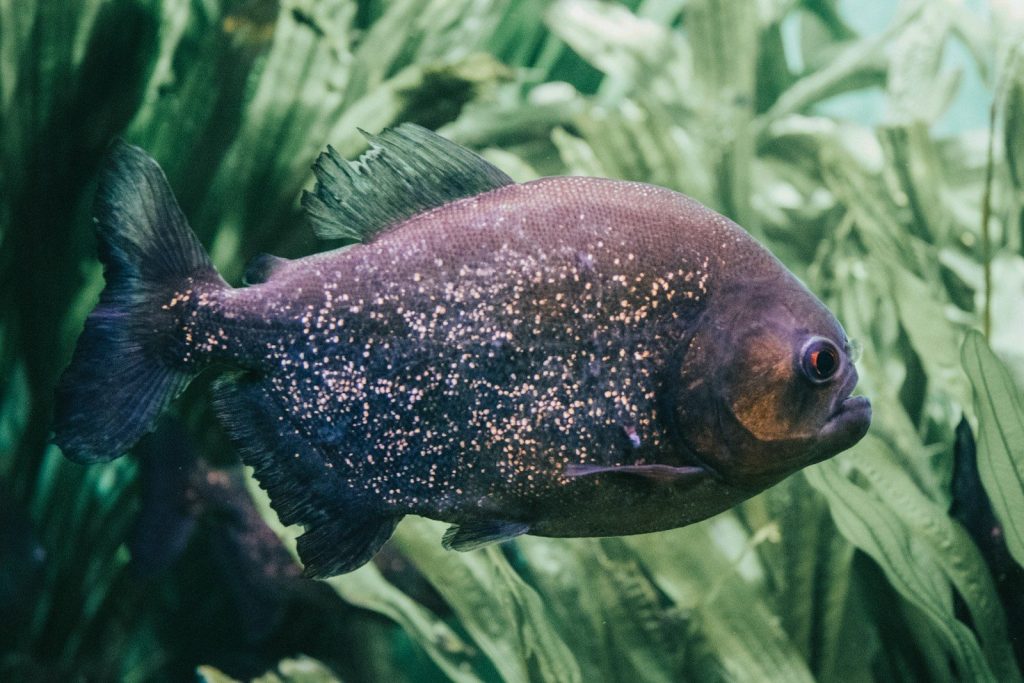
Although uncommon, piranhas may bite under certain conditions. During the breeding season, males aggressively defend their nests, and swimmers who unknowingly disturb these nesting sites are more likely to receive a defensive bite.
Low water levels during the dry season can also crowd fish into small pools where food becomes scarce. Under these stressful conditions, competition increases, and the likelihood of bites rises, although severe attacks remain unusual.
The truth about feeding frenzies
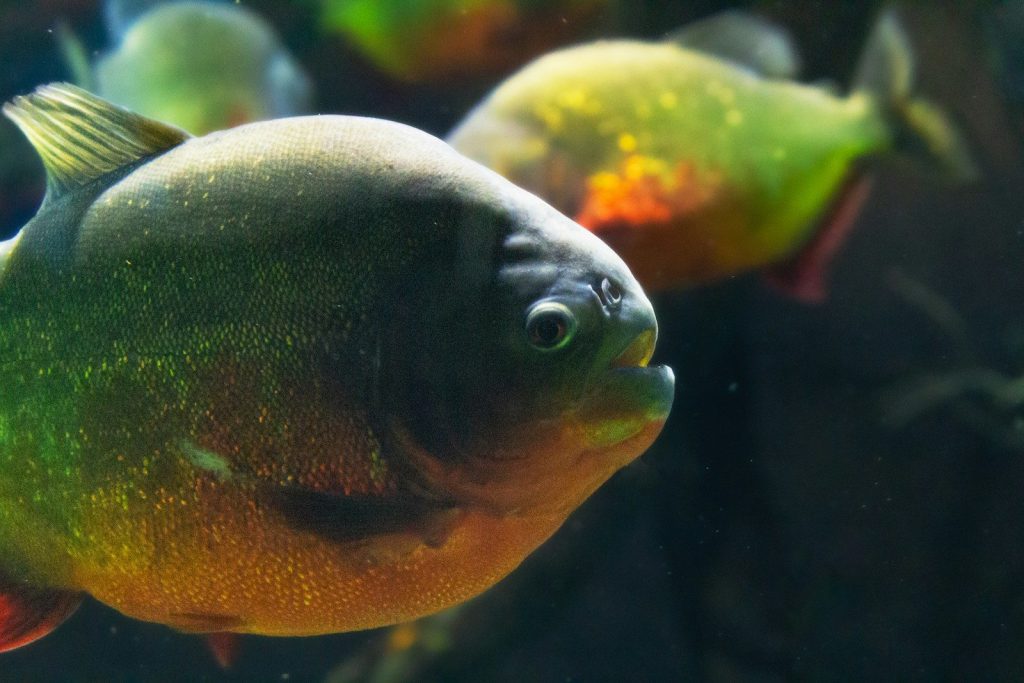
The image of hundreds of piranhas instantly surrounding and consuming a person comes largely from books and films rather than scientific observation. Feeding frenzies can occur, but they are generally triggered by injured prey, trapped animals, or abundant food in confined spaces.
Wild piranhas usually feed in short bursts before quickly moving away, rather than remaining locked in a prolonged attack on large animals.
Powerful jaws built for survival
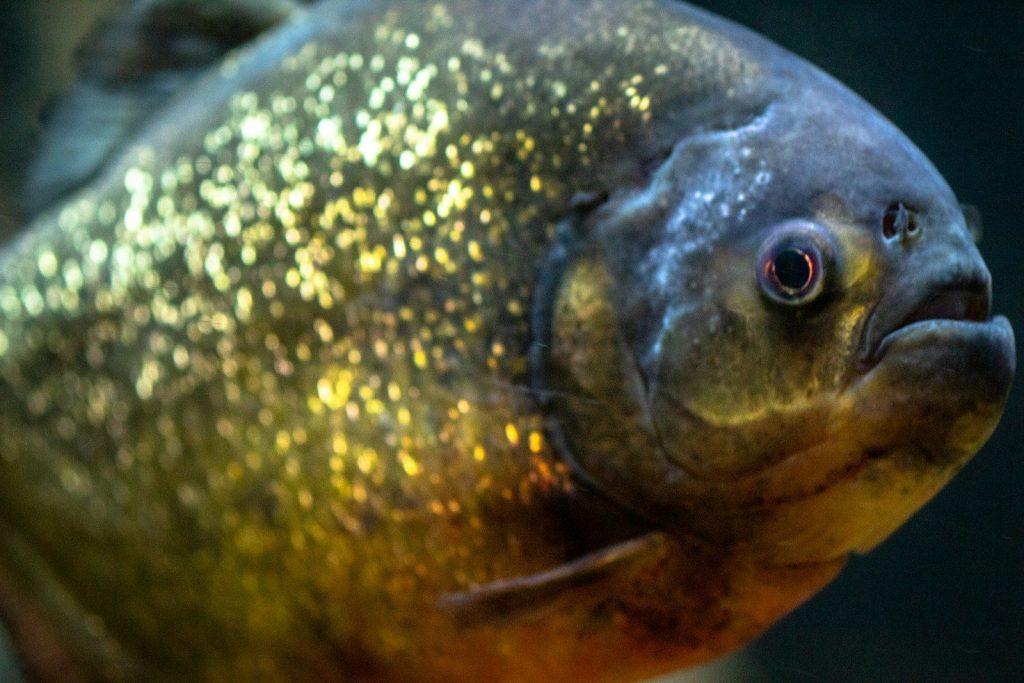
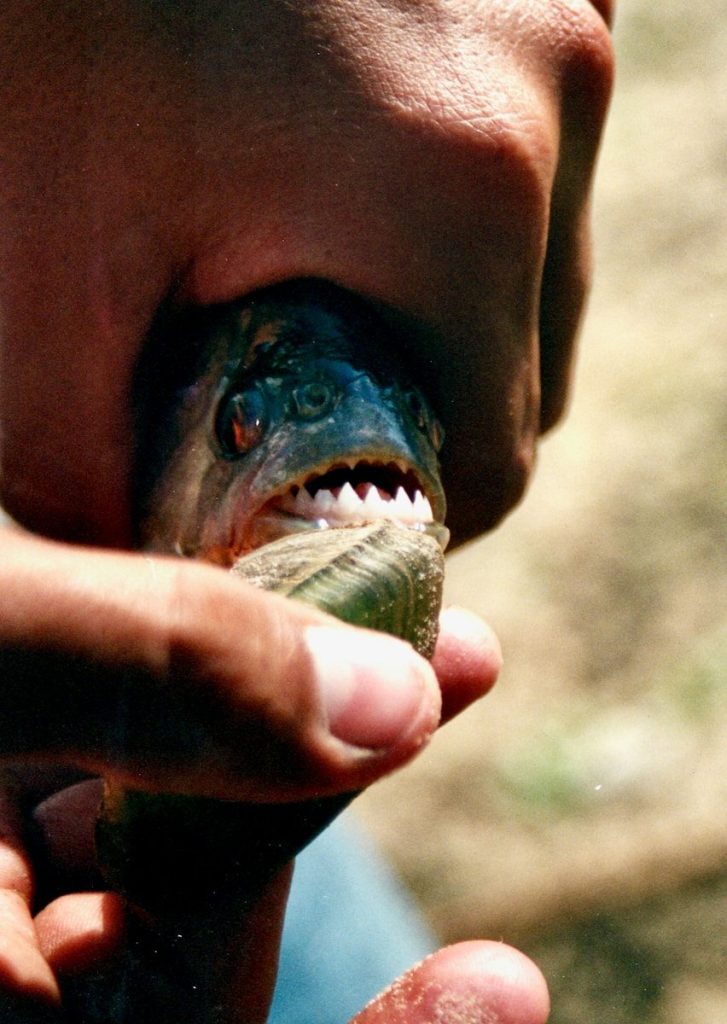
Piranhas possess one of the strongest bite forces relative to their body size among bony fishes. Their razor-sharp triangular teeth interlock like scissors, allowing them to slice through flesh, fins, and even small bones with remarkable precision.
These adaptations help them capture prey, defend themselves, and scavenge efficiently in South America’s rivers and floodplains. Their bite is impressive, but it evolved primarily for survival within their own ecosystem rather than hunting humans.
What scientists have learned from human bites?
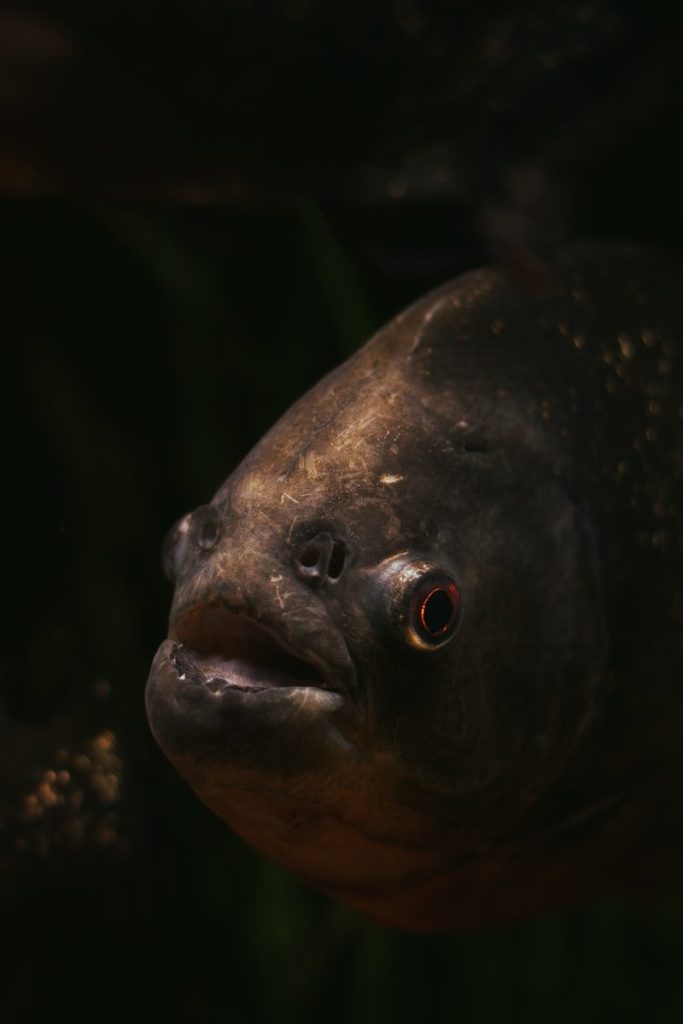
Medical studies from Brazil show that most reported piranha injuries involve only a single bite. More than 80% of documented cases are classified as mild and are often linked to fish protecting nests or reacting to human disturbance.
Researchers also found that media reports frequently exaggerate these incidents, reinforcing myths that do not match the scientific evidence.
Leave a Reply