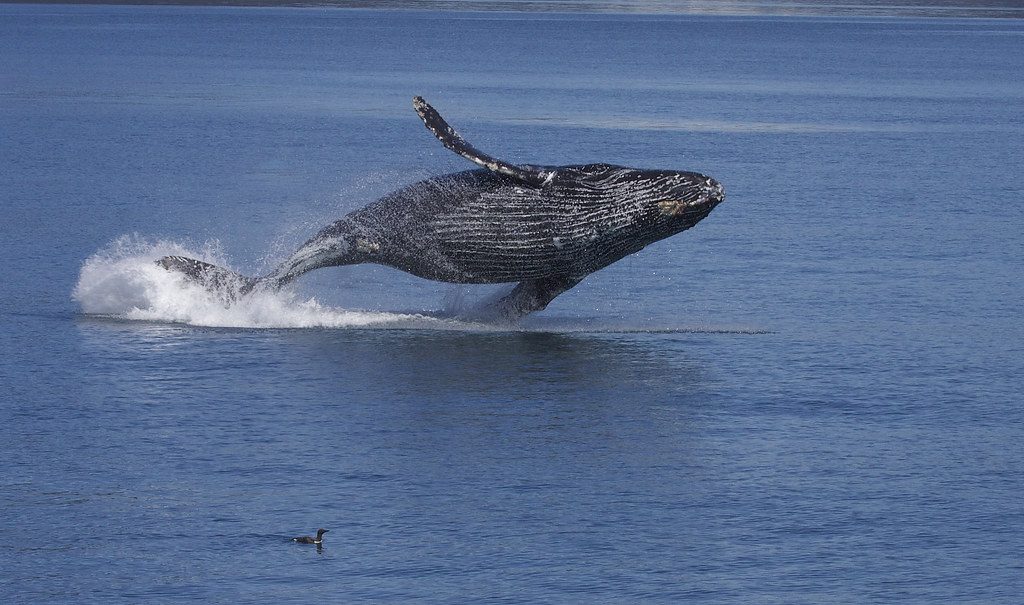
Imagine looking into clear ocean water and seeing bright mahi mahi swimming near enormous humpback whales. Footage described as being captured off Maui shows these very different ocean animals sharing the same stretch of water. The smaller fish move through the blue water while the huge whales swim nearby, creating a striking difference in size and appearance.
The scene does not show that the two species are working together or directly interacting. Instead, it captures a brief moment when mahi mahi and humpback whales happen to be visible in the same area. The footage offers a simple look at how many different animals can move through the waters around Hawaii.
Mahi mahi appear beside huge humpback whales
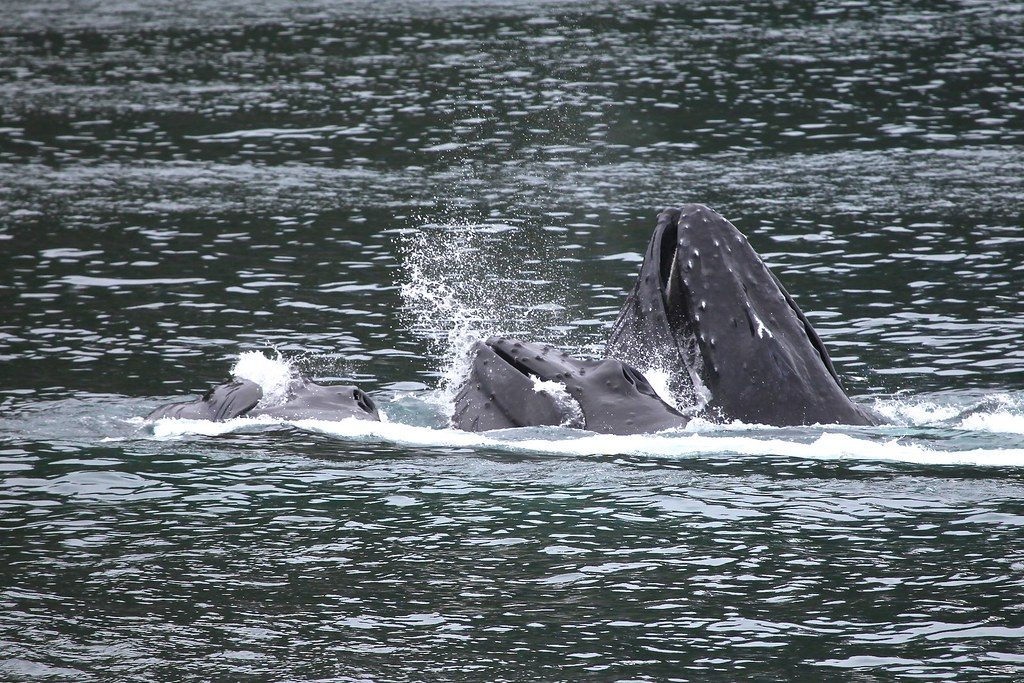
The first thing that stands out in the footage is the difference in size. Humpback whales are huge marine mammals with broad bodies, while mahi mahi are much smaller fish. Seeing them within the same view makes that difference easy to notice. The whales move through the water with their large bodies clearly visible, while the mahi mahi appear much smaller beside them.
The contrast also comes from the way the animals look. Mahi mahi are known for their bright appearance and streamlined bodies. Humpback whales have a much heavier body shape. When both are visible in clear water, viewers can compare two animals built for very different lives. One is a fast-moving ocean fish, while the other is a massive marine mammal. Their shared appearance in the footage creates the main attraction of the scene.
Clear water makes the ocean encounter easy to see
Clear water plays an important role in the footage. Much of a whale’s body normally remains hidden beneath the surface when people watch from a boat. Underwater footage can provide a very different view because viewers can see more of the animal as it moves. When smaller fish are swimming nearby, the clear water can also make it easier to follow their movements around the much larger whales.
This underwater view changes the sense of scale. From above the surface, a person might see a humpback whale’s back, tail, or blow without seeing its whole body. Looking through clear water gives a better idea of how much space the whale takes up. The mahi mahi provides another point of comparison. Their smaller bodies make the whales appear even larger as both animals move through the same blue surroundings.
Mahi mahi are built for life in open water
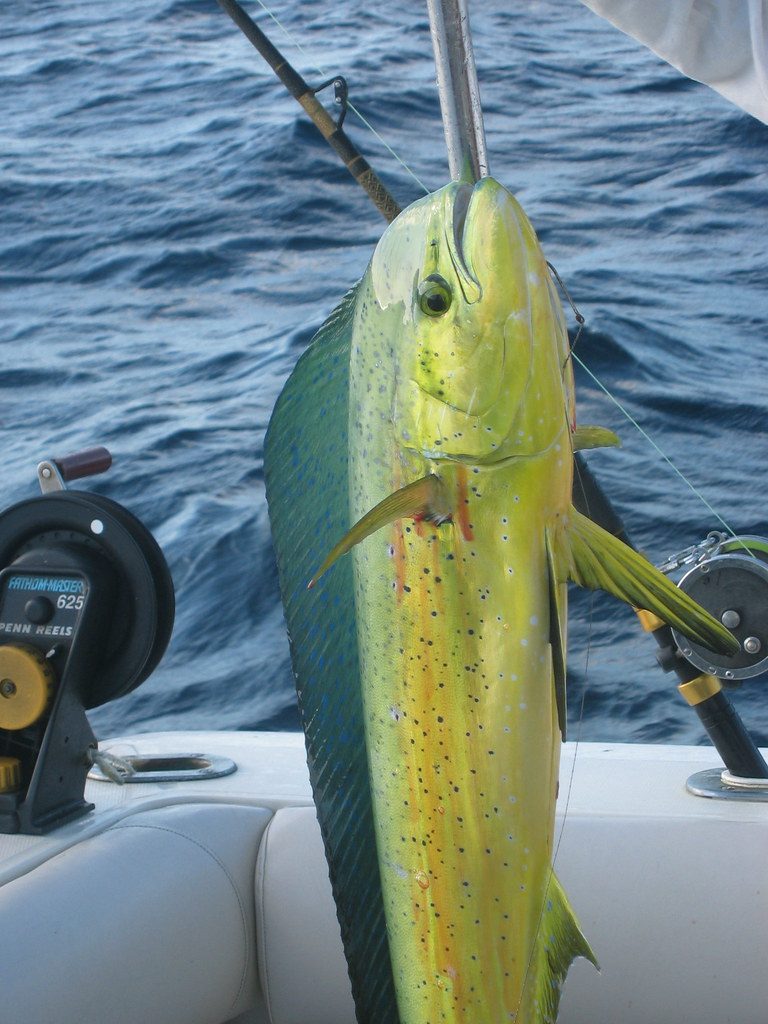
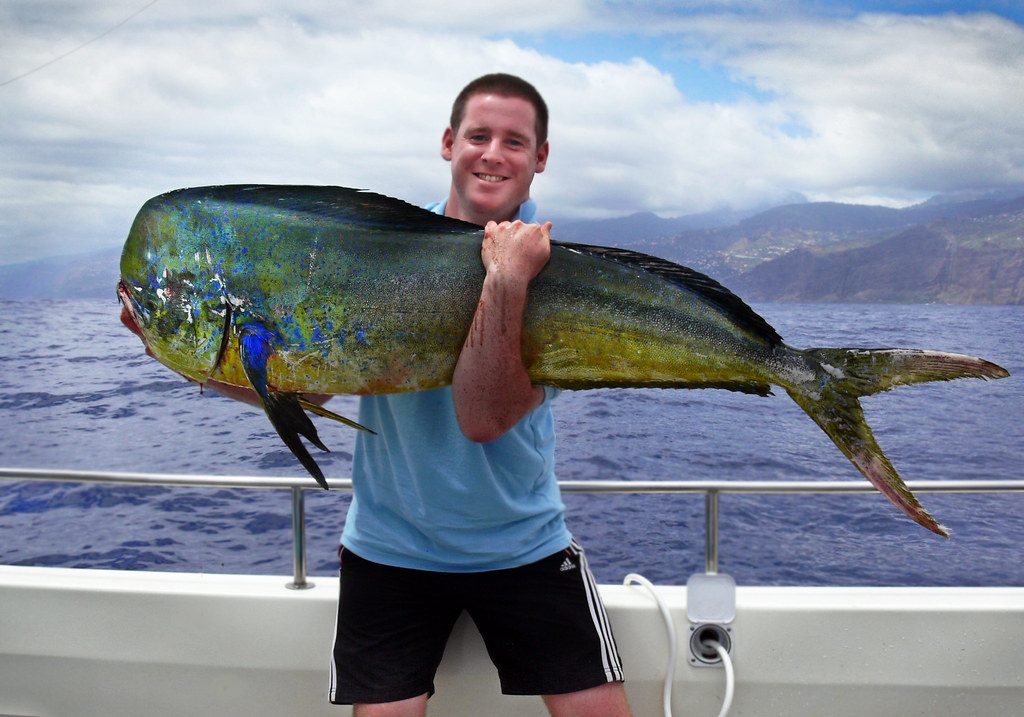
Mahi mahi are pelagic fish, meaning they spend much of their lives in open ocean waters rather than staying close to the seafloor. They are highly mobile and can travel across large areas. Their long bodies are shaped for swimming through open water, and scientific research has examined how water temperature affects their swimming ability and where they are likely to occur.
Their appearance is another reason they stand out on camera. Mahi mahi can show bright shades across their bodies, making them easy to notice when the water is clear enough. That creates a big visual difference beside the darker and much larger humpback whales. In the Maui footage as described, the fish adds quick movement and flashes of color while the whales provide the size and scale that dominate the underwater scene.
Humpback whales spend time around Hawaii
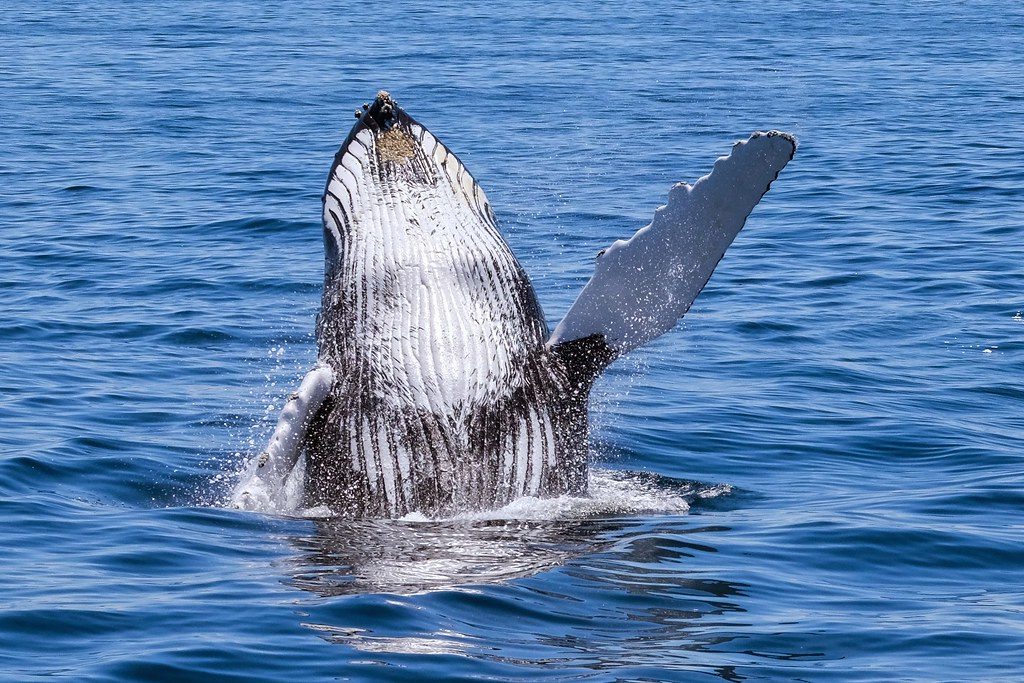
Humpback whales are a familiar seasonal presence in Hawaiian waters. They travel to Hawaii during part of their yearly cycle, and whale watching around the islands gives people opportunities to see them at the surface. Reports from Hawaii in 2026 continued to document humpback mothers and calves in island waters as the whales approached the end of their seasonal stay.
Maui is especially well known for views of humpback whales during their time around Hawaii. The animals can be seen traveling, resting, and showing different behaviors at the surface. Underwater footage offers another perspective because it can reveal much more of their bodies. Instead of seeing only the part of a whale that rises above the water, viewers can watch the animal move through the ocean itself.
Two very different animals share one ocean scene
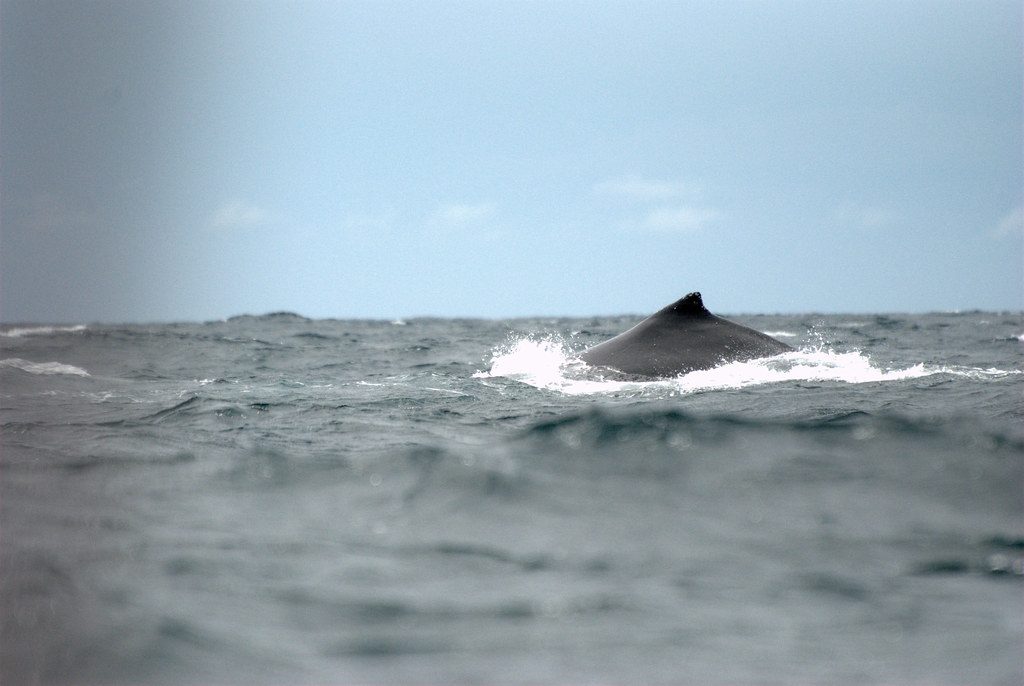
Putting a mahi mahi beside a humpback whale creates an unusual comparison. Both animals live in the ocean, but they are very different. Mahi mahi are fish, while humpbacks are mammals. Their bodies also move through the water differently. The smaller fish can appear quick and agile, while the whale’s huge body creates slower-looking movements across the camera view.
That difference is what makes the footage interesting without needing a dramatic event. The whales do not have to breach, and the mahi mahi do not have to chase anything. Simply seeing both animals within one underwater view creates enough visual interest. Their different sizes, shapes, and movements make it clear that the open ocean can support animals with very different ways of living.
The footage captures a brief shared moment

The strongest part of the footage is its simplicity. Mahi mahi are visible in the water near humpback whales, giving viewers a clear look at two very different kinds of marine life at the same time. There is no need to claim that the animals are friends, traveling together, or helping one another. The available description does not establish any of those behaviors.
Instead, the moment can be appreciated for what is visible. Bright, fast-moving fish pass through the same clear water occupied by enormous whales. Their difference in size becomes clear immediately. The blue ocean provides a simple background, while the animals create all the movement in the scene.
Featured Image: “Breaching Humpback Whale (Megaptera novaeangliae)” by Gregory ‘Slobirdr’ Smith is licensed under CC BY-SA 2.0
Leave a Reply