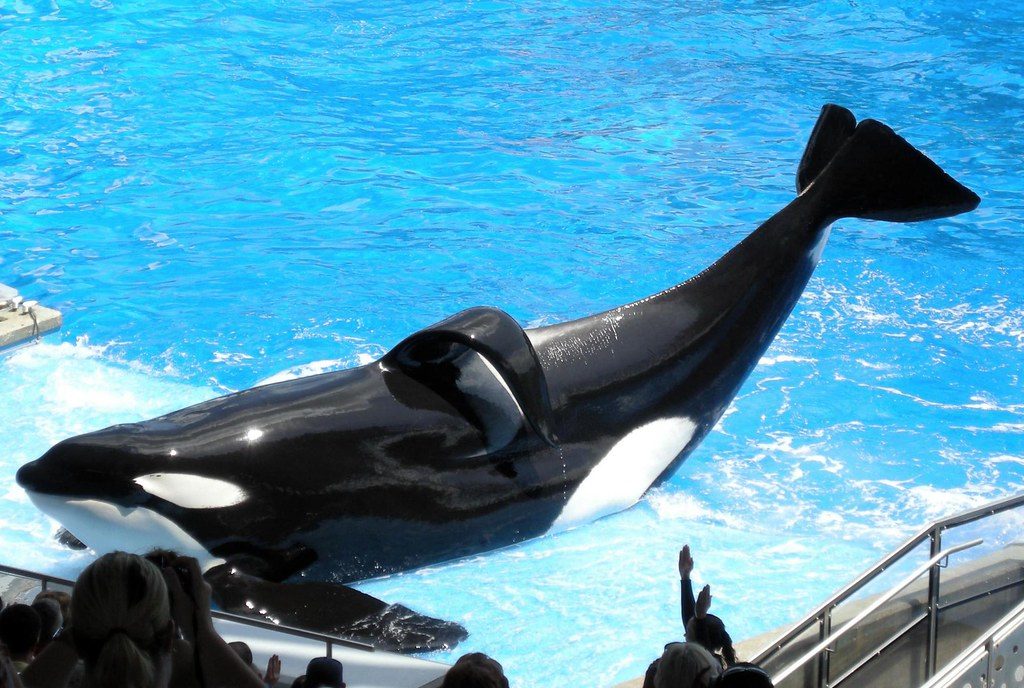
Imagine heading onto the ocean to hunt a whale and having a group of wild orcas helping you find it. For generations, something close to this happened around Twofold Bay near Eden, Australia. Local whalers and wild killer whales became part of an unusual hunting relationship. The orcas found passing baleen whales, helped move them toward the coast, and alerted people when whales were nearby.
The most famous member of the group was an orca called Old Tom. The story of the Eden killer whales shows how wild animals and humans once worked toward the same goal without the orcas being trained or kept by people.
Wild orcas helped whalers find passing whales
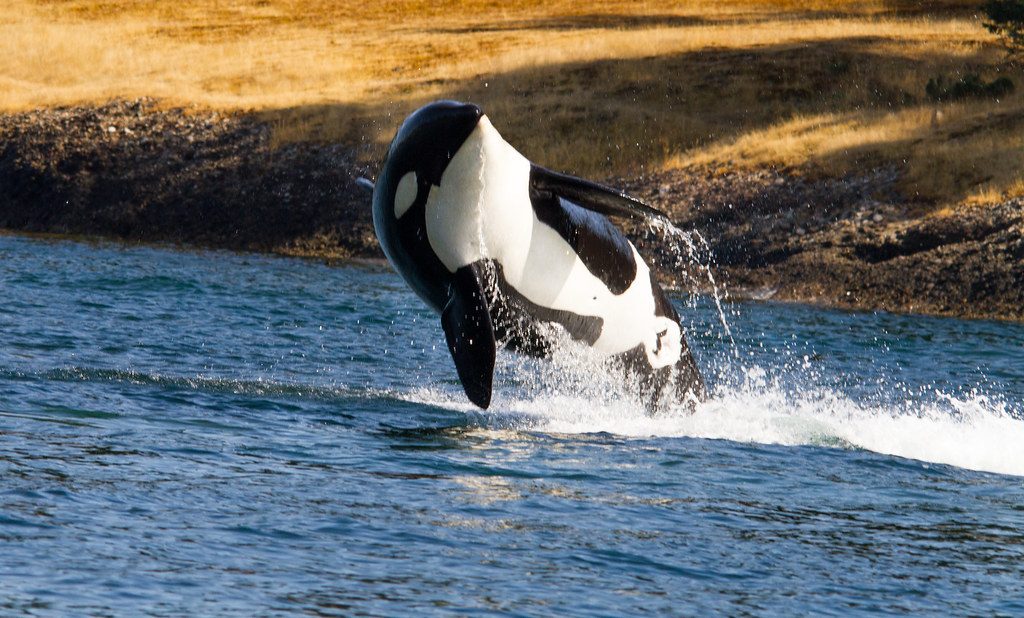
The waters around Eden were once visited by groups of killer whales that became well known to local whalers. Historical accounts preserved by the Eden Killer Whale Museum describe the orcas working together when baleen whales passed through the area. Some killer whales stayed farther offshore and helped drive passing whales toward the coast. Others joined the attack or positioned themselves where they could stop a whale from getting away. At times, the local group may have included dozens of orcas working across the waters around Twofold Bay.
This gave human whalers an important advantage. Spotting and reaching a large whale from a small shore based boat could be difficult. The orcas were already moving through the water and could find passing whales before people did. Their activity could tell the whalers that an opportunity had appeared offshore. The humans could then launch their boats and join the hunt. The relationship was unusual because the killer whales were wild animals. They were not kept in pens or trained like working animals. They returned to the area and repeatedly took part in hunts.
Orcas could alert people when whales arrived
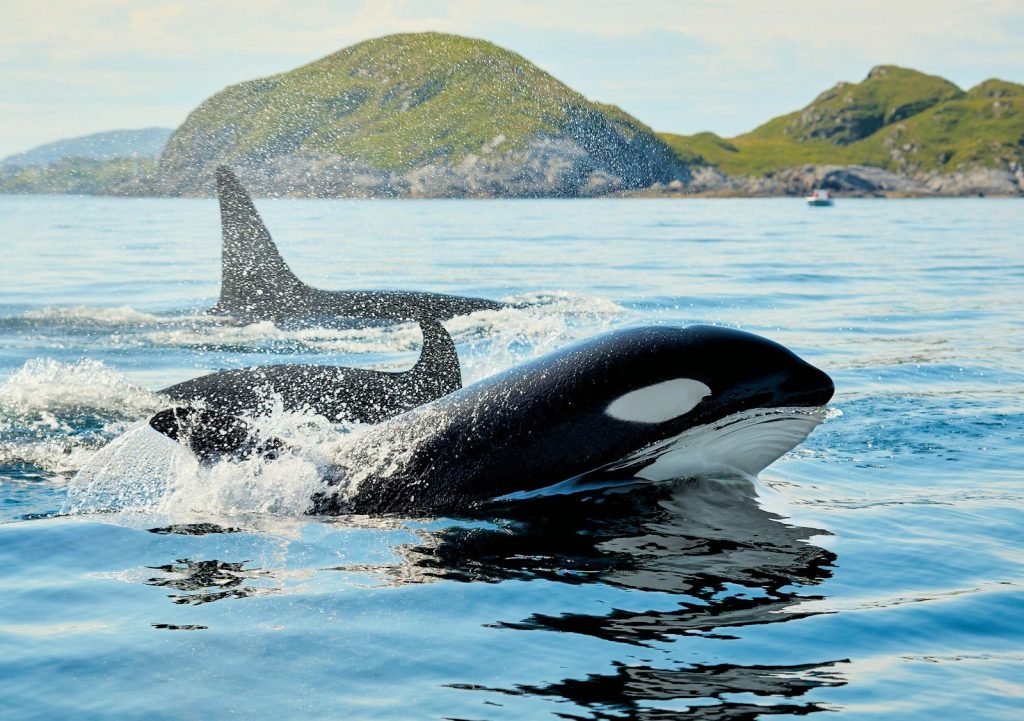
Finding the target was only part of the orcas’ role. Historical accounts describe some killer whales approaching the whaling station when another whale was nearby. Old Tom became especially famous for this behavior. The Eden Killer Whale Museum says he would swim toward the mouth of the Kiah and slap his tail on the water. Whalers understood this activity as a signal that a whale had been found, allowing them to prepare their boats and head onto the bay.
Once the boats were moving, the killer whales could remain involved. Old Tom was known for swimming beside the whalers during the chase. Accounts even describe him grabbing ropes with his teeth. His preserved skeleton provides an unusual piece of physical evidence connected with those stories. The teeth in his lower jaw show clear wear, which the museum links to his habit of taking ropes in his mouth. This makes Old Tom more than a character from an old tale. His skeleton remains preserved in Eden and can still be studied today.
Old Tom became the most famous killer of Eden
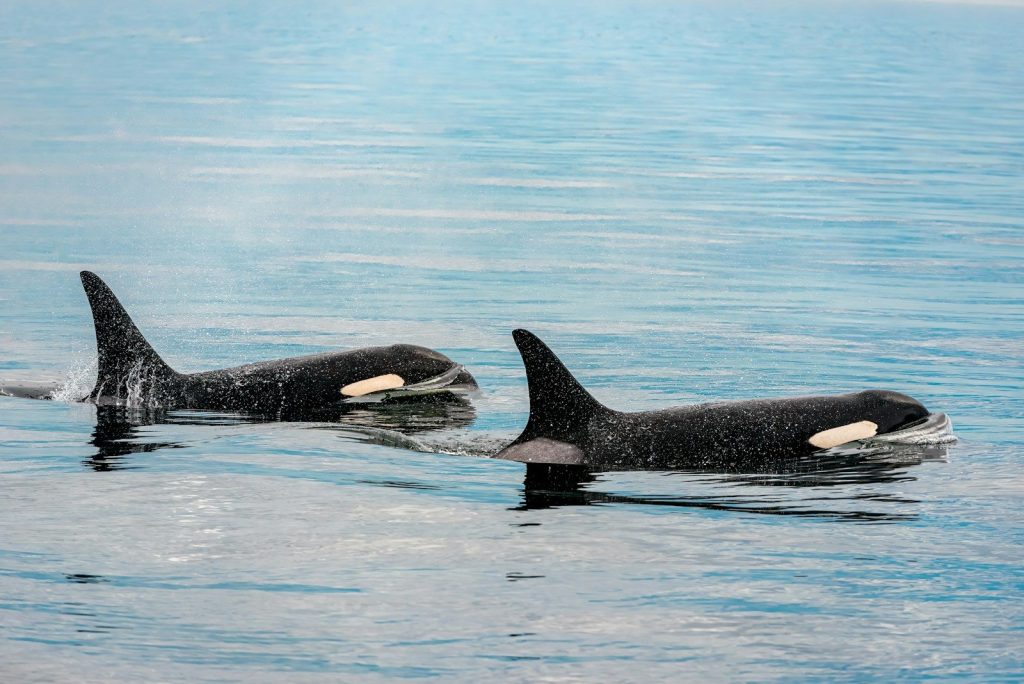
Many killer whales were known to the people around Eden, but Old Tom became the best remembered. The Eden Killer Whale Museum says he measured about 22 feet, or 6.7 meters, long and weighed around six tons. His tall dorsal fin helped people recognize him at sea. Old Tom belonged to one of the groups that worked around the bay, and he became closely linked with the Davidson family, whose shore based whaling operation became an important part of the Eden story.
Old Tom was not the only named orca. Historical records preserved by the museum include animals called Stranger, Hooky, Cooper, Big Ben, Little Jack, and others. The museum has names for 21 recognizable killer whales, although records from the period are incomplete. Reports from the earlier years of Eden whaling suggest that several groups could cooperate during hunts. This matters because the partnership was larger than one famous animal. Old Tom became its symbol, but generations of killer whales appear to have taken part in the unusual relationship.
The Law of the Tongue rewarded the orcas
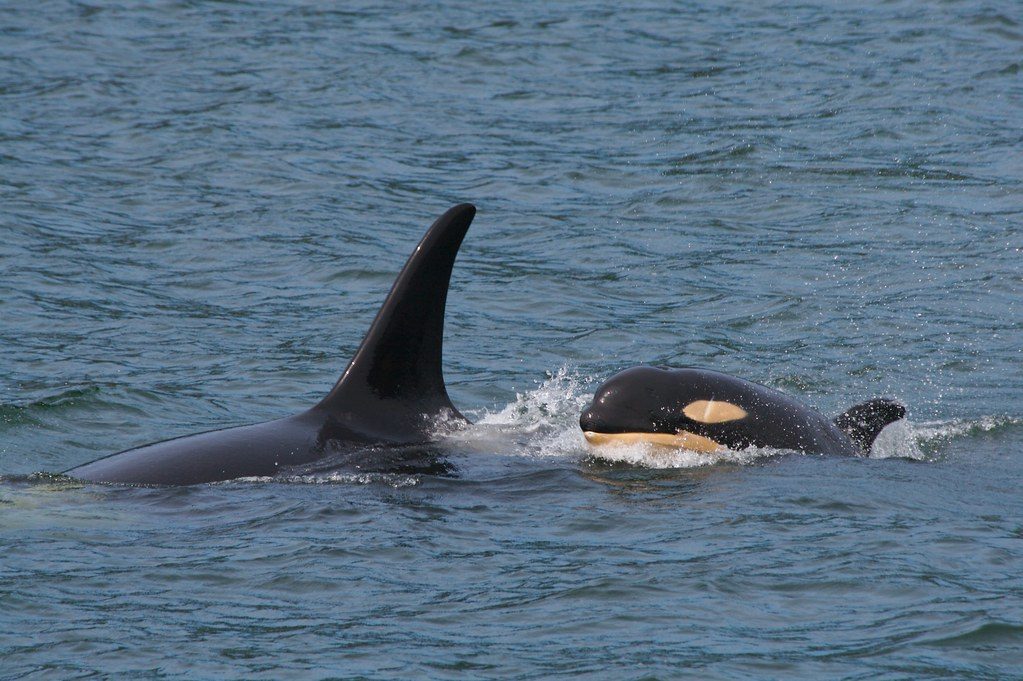
The partnership worked because both sides could gain food from the same hunt. Historical accounts describe a custom that became known as the Law of the Tongue. After a whale had been killed, the carcass could be left so the killer whales had access to parts they preferred, especially around the mouth and tongue. The human whalers could then recover the carcass and use the remaining parts. This arrangement gave the orcas a reason to remain involved in hunts instead of simply locating prey and disappearing.
The name makes the arrangement sound like a written contract, but it was not one. There was no human-style agreement that the killer whales could understand in words. Instead, repeated behavior appears to have allowed both sides to benefit. The orcas helped locate and control large prey, while the humans brought their own hunting abilities to the chase. Afterward, both could gain food or useful material from the same whale. This repeated pattern became one of the most famous parts of the Eden whaling story.
The partnership lasted across generations
The cooperation around Eden was not a single lucky encounter. Modern scientific research describes cooperative hunting between humans and killer whales in the area as having been reported for almost a century. Historical records also suggest that different groups of orcas took part over time. This long period makes the story especially unusual. Individual humans and individual killer whales came and went, yet the basic pattern continued through generations of whalers and animals.
The relationship also has a deeper Indigenous history. Aboriginal people had long connections with the killer whales and waters of the region before European shore-based whaling expanded there. Later whaling operations included Aboriginal whalers, and the history surrounding Eden’s killer whales cannot be understood only as a story about European settlers. The cooperation eventually became closely connected with the Davidson family’s operation, but the relationship between people, whales, and the waters around Eden reaches further back than Old Tom’s famous years.
Old Tom left behind evidence of the alliance
Old Tom survived into the final years of the story. On September 17, 1930, his body was found floating in Twofold Bay. Local people decided to preserve his skeleton rather than allow this well-known animal to disappear from history. His remains eventually became central to the creation of the Eden Killer Whale Museum. The museum was established to preserve Old Tom’s skeleton and tell the story of the relationship between the killer whales and local whalers.
Scientists are still learning from Old Tom. Researchers later extracted DNA from his remains and compared it with genetic information from killer whales around the world. Their study found that Old Tom was most genetically similar to modern killer whales from New Zealand, although much of the genetic variation in his genome was not shared with the populations used for comparison. Researchers have not established that direct descendants of the Eden killer whales survive today.
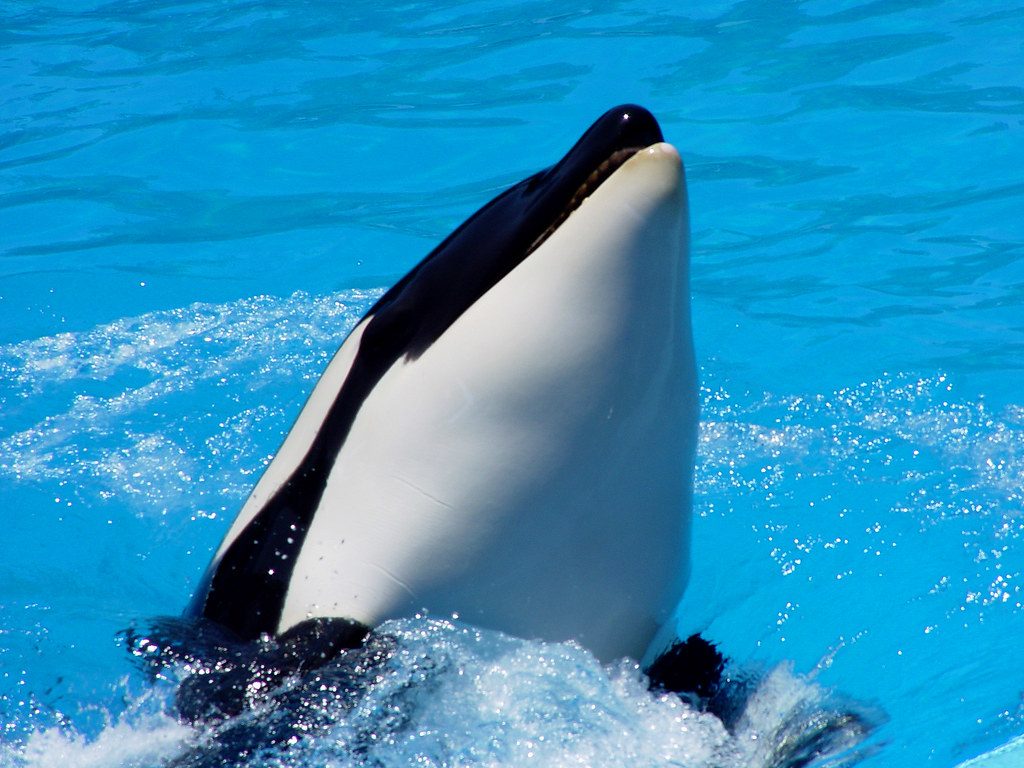
Featured Image: “‘Shamu’ (Tilikum)” by milan.boers is licensed under CC BY 2.0
Leave a Reply