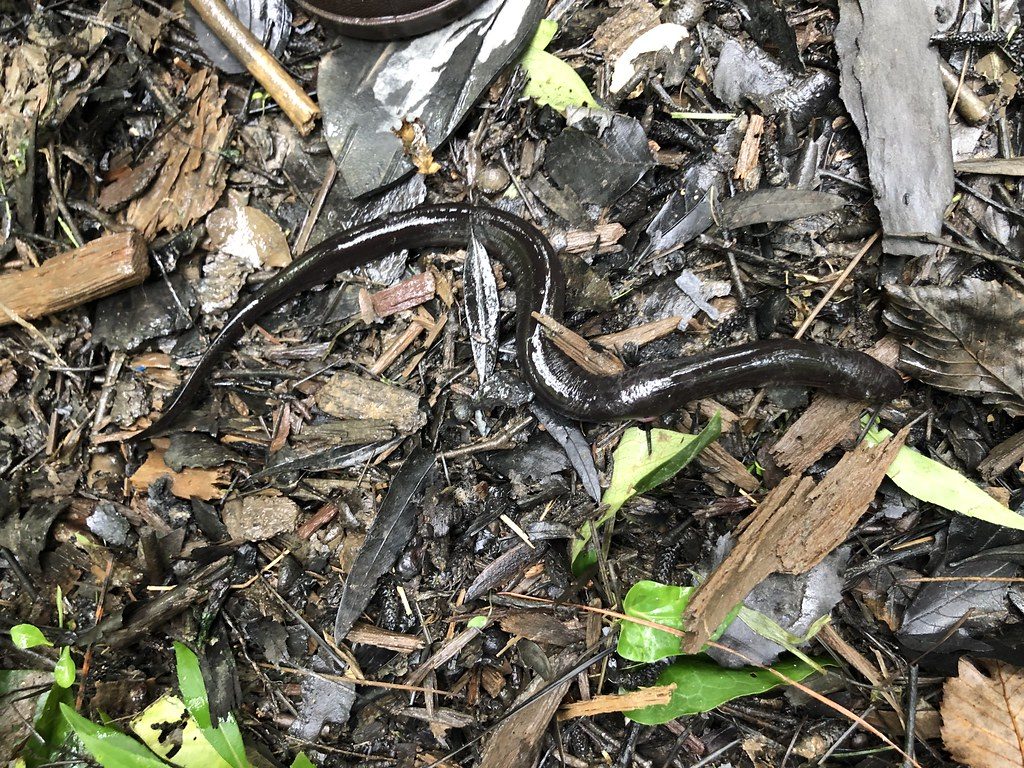
What looks like an eel lives almost entirely in water but has four tiny legs? A strange creature discovered during work in a murky pond appears to provide the answer. As the water level dropped, fish and other animals became easier to find in the remaining water. Then a long, dark body appeared. At first glance, it looked like some type of eel or unusual fish.
A closer look revealed tiny legs along its body. That key feature pointed toward an amphiuma, an aquatic salamander with an eel-shaped body. The unusual animal shows how surprising freshwater wildlife can become when normally hidden creatures finally emerge from the mud.
A draining pond reveals hidden animals
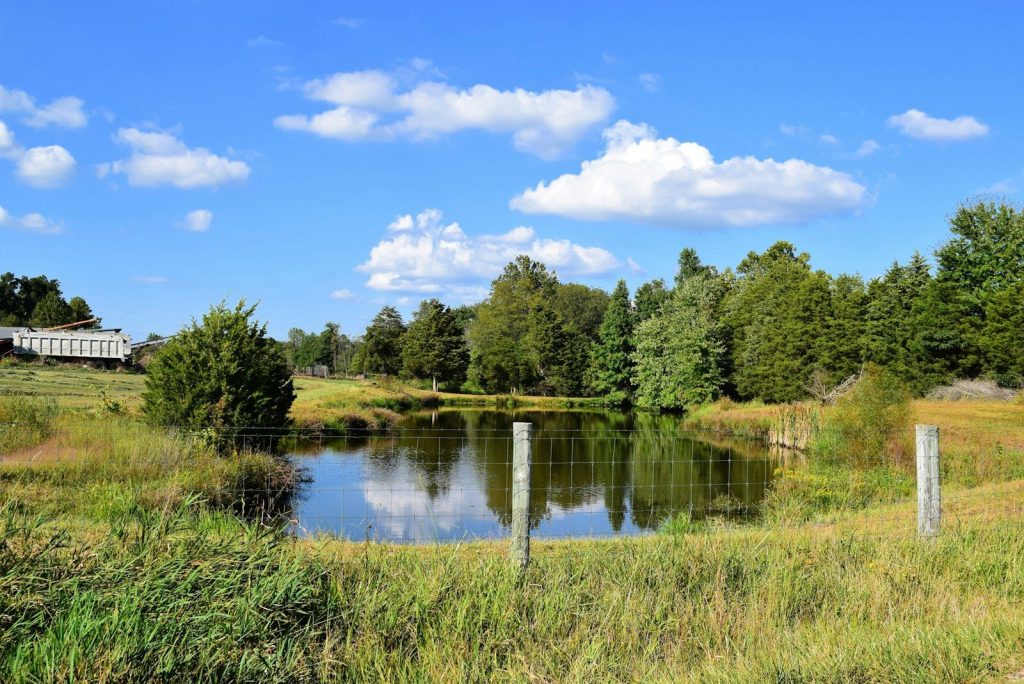
A full pond can hide much of what lives beneath its surface. Muddy water, plants, fallen material, and deep areas make many animals difficult to see from above. As the water level falls, those hiding places begin to shrink. Fish become crowded into smaller pools, while animals that normally stay near the bottom can suddenly appear in places where people can see them.
That is what makes the described pond scene so interesting. The person searching the remaining water kept moving through the mud and using a net to find animals. Different creatures appeared as the water became shallower. Some were easy to recognize as fish, while others looked much stranger. The muddy setting made identification even harder because only part of an animal might become visible before it moved away again.
Tiny legs reveal it is not an eel
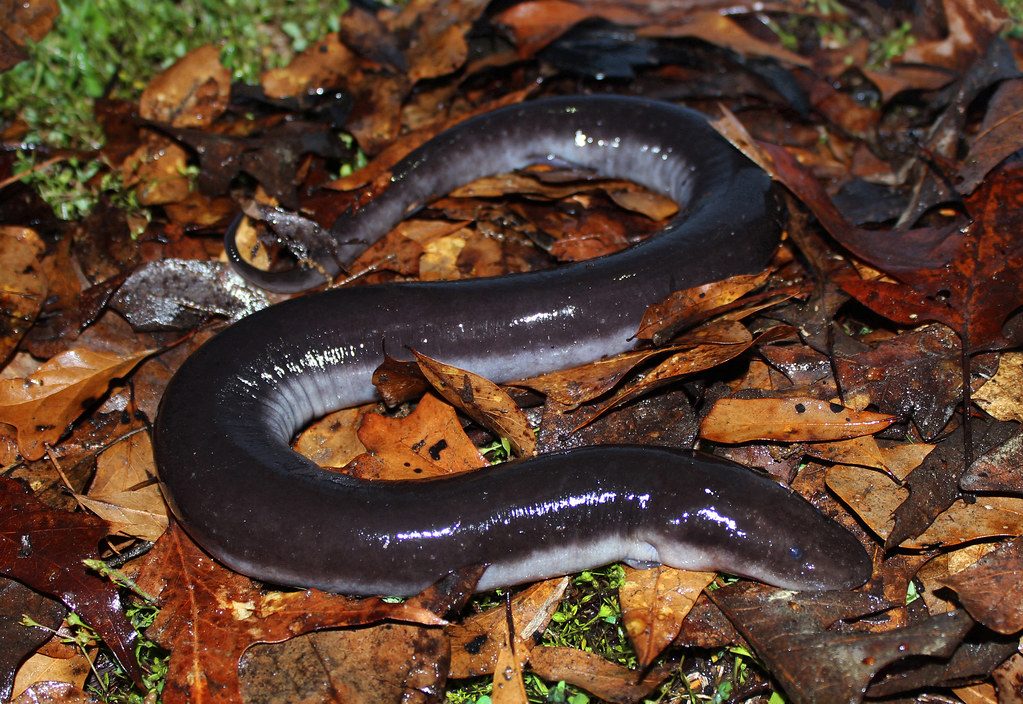
True eels are fish and do not have four tiny legs. Amphiumas are different. They belong to the salamander group and are amphibians, even though their body shape can easily fool someone seeing one for the first time. The Missouri Department of Conservation describes the three-toed amphiuma as an animal that is easy to mistake for a snake but has four tiny legs and no scales.
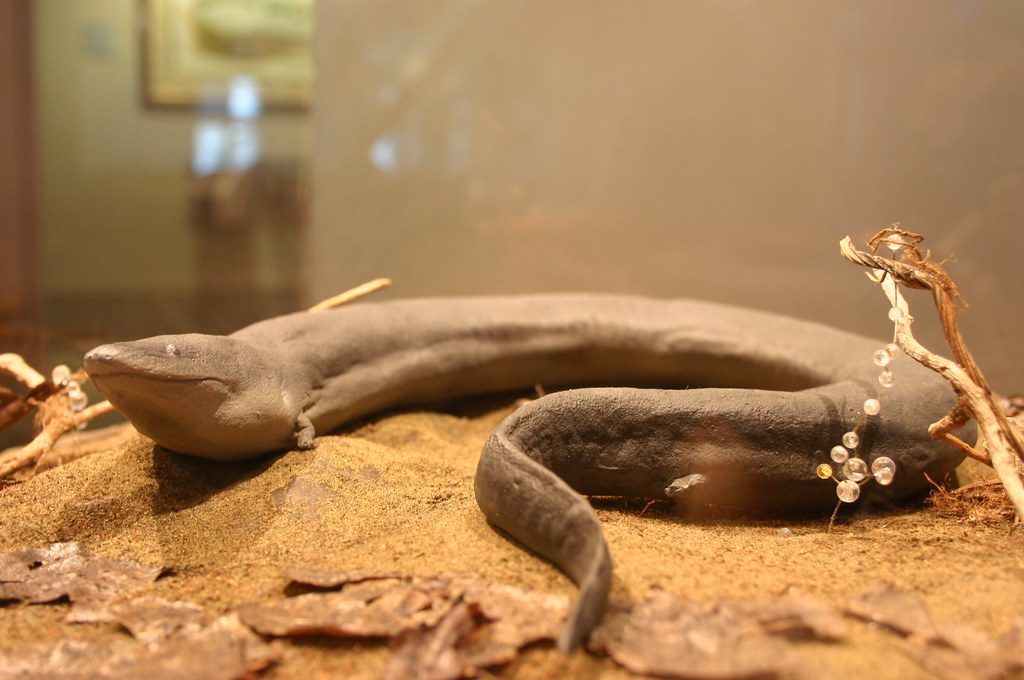
The two-toed amphiuma has the same strange basic shape. The National Park Service describes it as a large, elongated salamander that is often mistaken for an eel. Its four legs are extremely small compared with the rest of its body. Each foot has two toes, which gives the species its common name.
Amphiumas spend their lives in freshwater
Amphiumas are well-suited to the kind of muddy environment described in the footage. Two-toed amphiumas can live in swamps, ponds, ditches, and slow-moving streams. The National Park Service says they are commonly associated with mucky or heavily vegetated freshwater habitats. These places give the animals plenty of cover.
Their unusual appearance fits this way of life. An amphiuma does not move around like a typical land salamander with four obvious legs holding its body above the ground. Its body is long and eel-shaped, while its limbs are extremely small. Much of its movement comes from bending and pushing its long body through the water.
The strange amphibian is also a predator
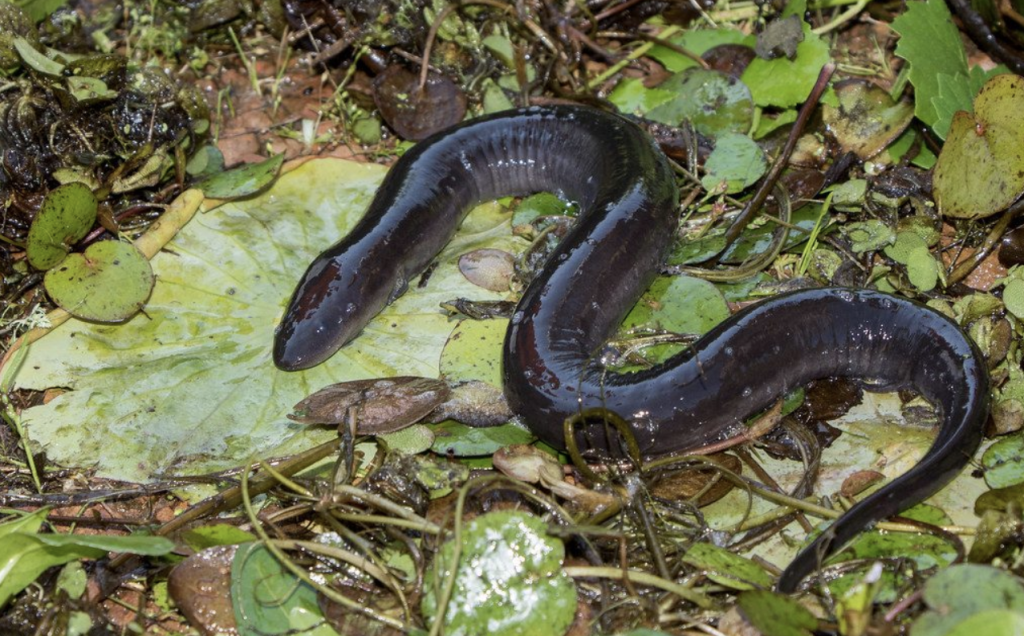
The unusual body does not stop an amphiuma from hunting other animals. Two-toed amphiumas search shallow freshwater areas for prey. Their diet can include fish, frogs, crayfish, and small snakes. Three-toed amphiumas also eat a range of aquatic animals, including crayfish, worms, insects, tadpoles, snails, and small fish.
This makes an amphiuma part of the group of predators living beneath the surface of a pond. Its prey may be hiding in vegetation, mud, or shallow water. The salamander can move through those same environments while searching for food.
Amphiumas can grow surprisingly large
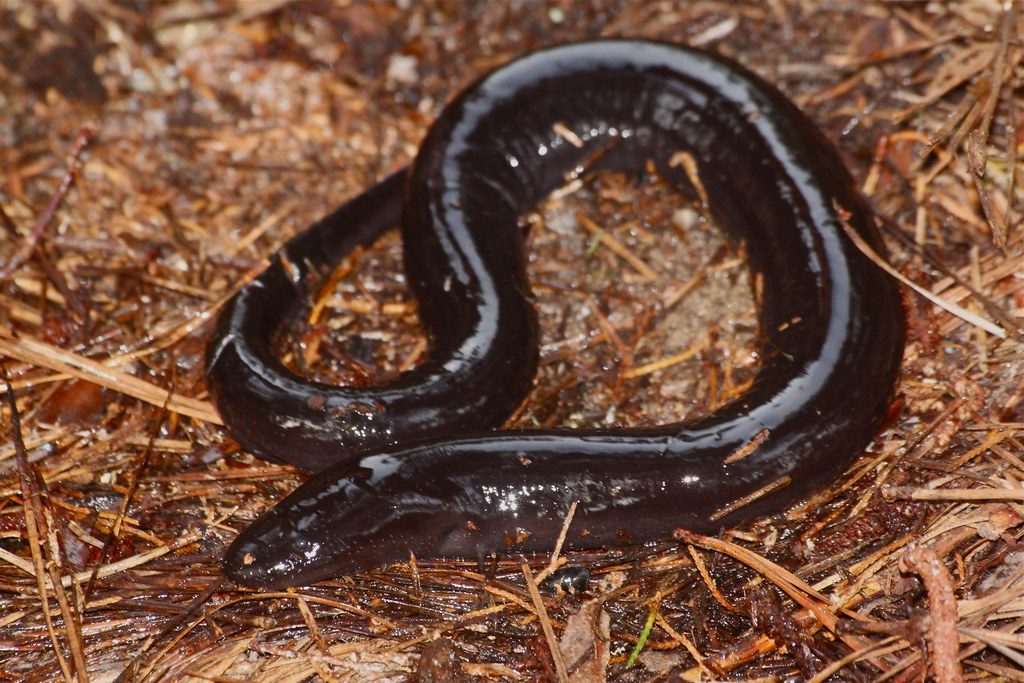
Another surprise is their size. The two-toed amphiuma can reach about 1.5 to 3.8 feet in length, according to the National Park Service. That makes it one of the longest salamanders found in the United States. Its long body can make it look even more like an eel when seen swimming through dark water.
The three-toed amphiuma can also become very large. The Missouri Department of Conservation says it can grow beyond 30 inches. Unlike the two-toed species, it has three toes on each of its four small feet. The basic body plan remains similar, with a very long body and limbs that look tiny compared with the animal’s total size.
The pond discovery shows why identification matters
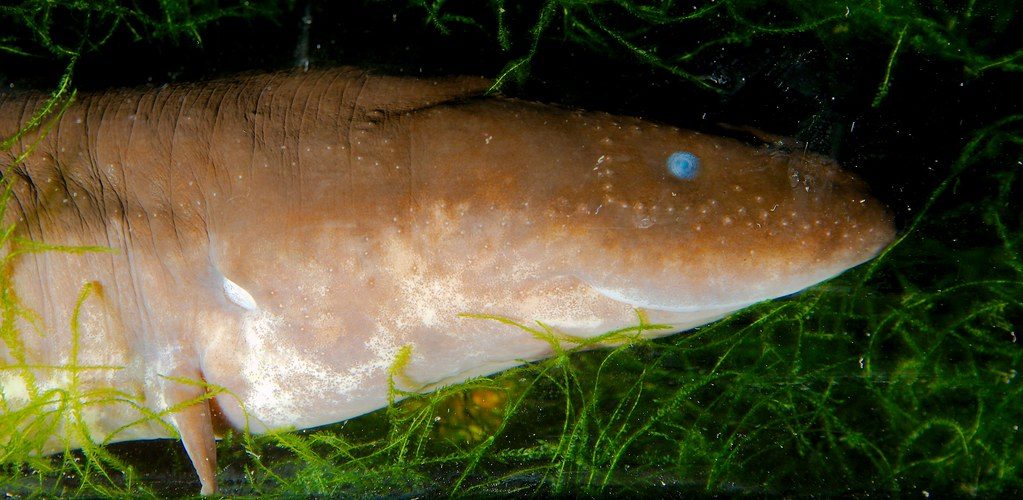
Finding a strange animal can quickly lead to guesses based on appearance. In this case, an eel would be an easy first choice. The long body and aquatic habitat both fit that idea. The tiny legs provide the clue that something else is going on. Amphiumas are salamanders, placing them among amphibians rather than fish.
The difference also shows why one visible feature can completely change an animal’s identification. An American eel has a long body but lacks legs. The Texas Parks and Wildlife Department even warns that eel-shaped aquatic salamanders can be confused with true eels. It specifically notes that the lesser siren, another aquatic salamander, can be recognized by tiny legs behind its head.
Featured Image: “amphibian Amphiuma means” by ncwetlands.org is licensed under CC CC0 1.0
Leave a Reply