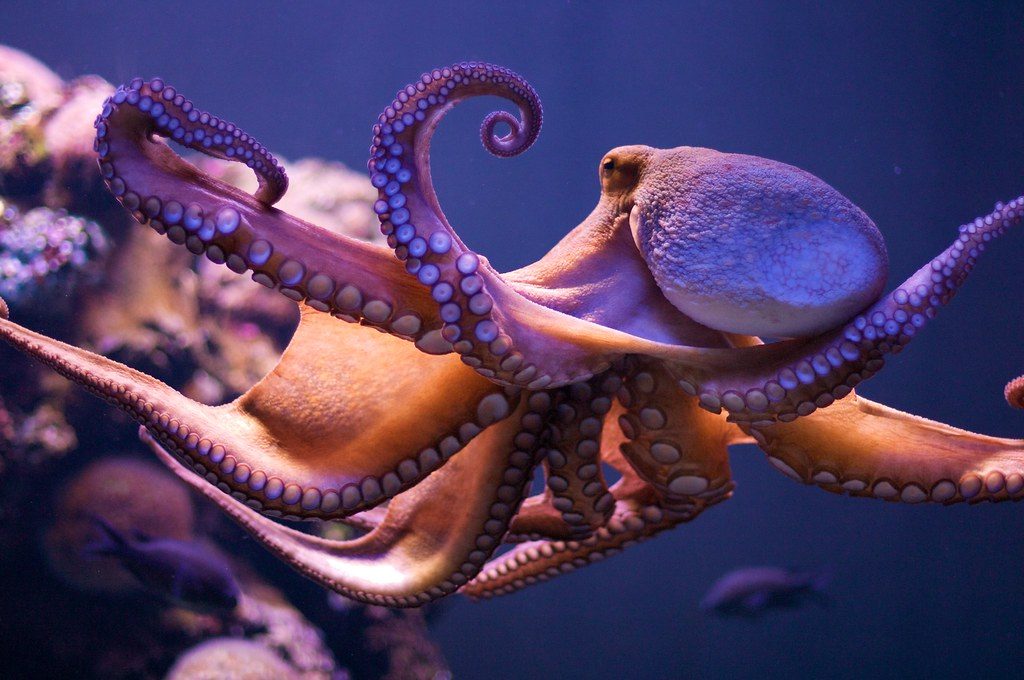
Something unusual is happening beneath the waters around southwest Britain. Common octopus numbers have climbed sharply, turning an animal once rarely seen in the area into a major part of local catches. In 2025, commercial octopus landings in England rose about 7,700% above normal levels. The boom continued into 2026, especially around Cornwall and Devon.
Fishermen who once focused on crabs and lobsters began finding octopuses instead in their pots. Scientists are now studying why the octopus boom became so large, how warmer seas may be helping the animals breed, and what their growing numbers could mean for fishing and marine life around Britain.
Common octopus numbers suddenly surge
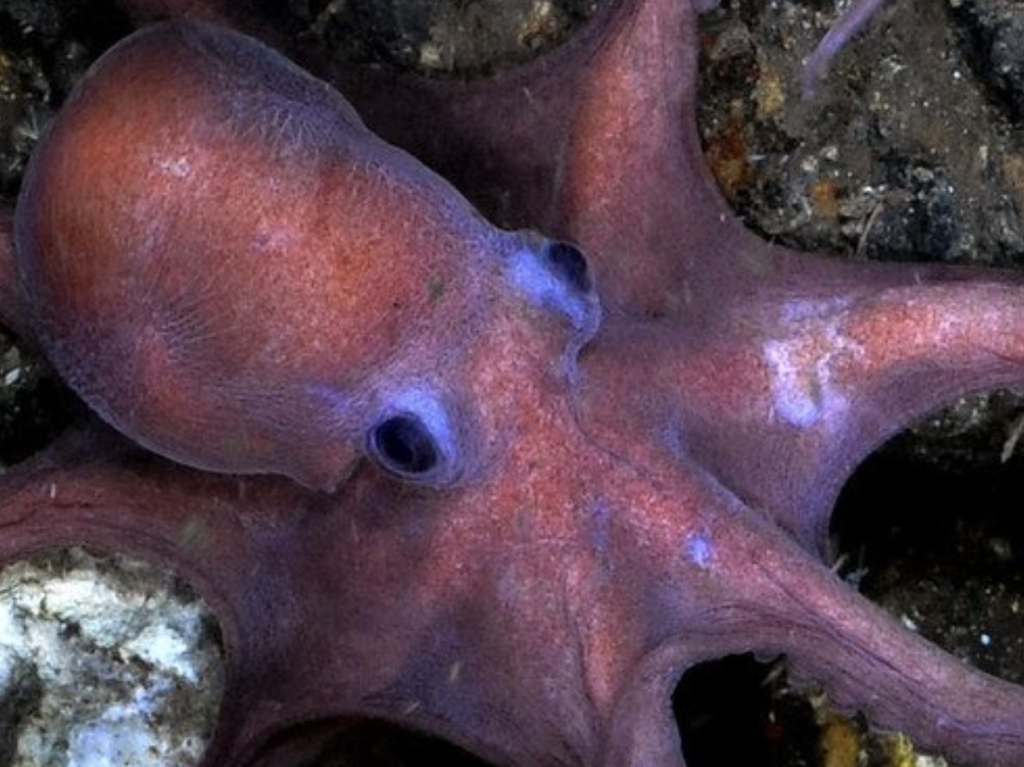
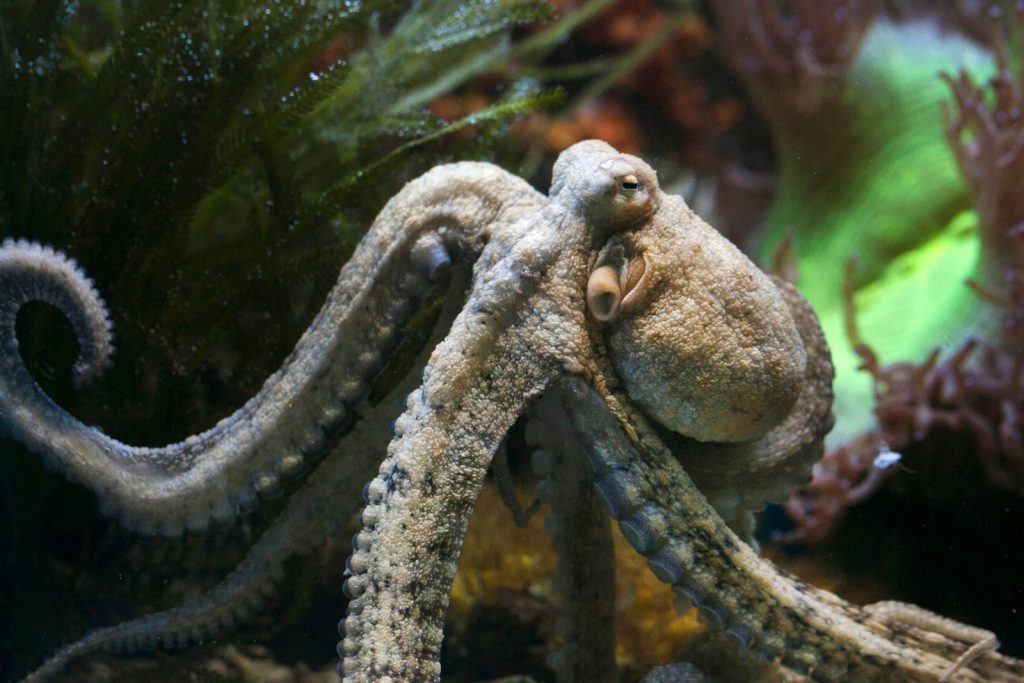
The change became impossible for fishermen to ignore in 2025. Common octopuses began appearing in large numbers off Devon and Cornwall. These animals are naturally found in British waters, so they are not a new invasive species. However, they were normally present in such small numbers that many divers could spend years underwater without seeing one. The sudden increase is known as an octopus bloom.
The size of the bloom has been remarkable. Commercial landings rose by about 7,700% in England during 2025. The high numbers did not simply disappear when summer ended. Octopuses continued appearing through winter and into 2026. Scientists have since recorded them beyond the areas where the bloom first became obvious. Reports have come from other parts of the British coast, showing that the change is no longer limited to a few fishing grounds around Devon and Cornwall.
Warmer water may be helping octopuses thrive
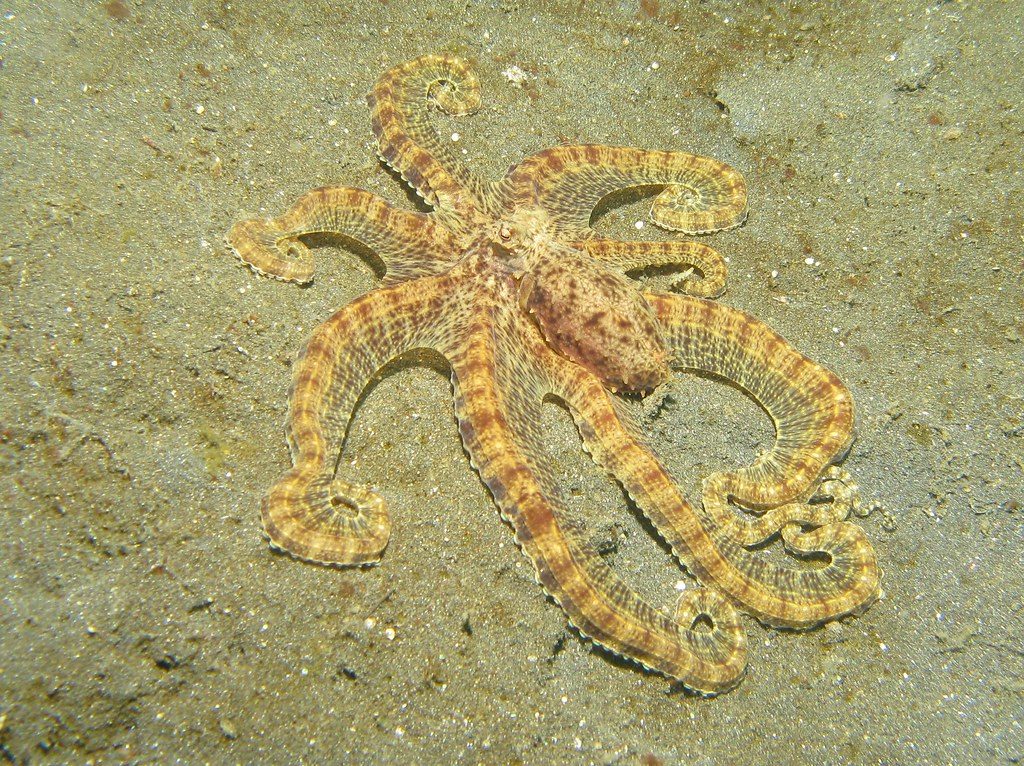
Scientists see water temperature as an important part of the story. Common octopuses are much more familiar in warmer areas, including the Mediterranean and waters around northern Africa. Southwest Britain sits near the cooler edge of their usual range. A run of warmer conditions can make British waters more suitable for their growth and survival.
Researchers think young octopuses may have reached southwest England through currents from areas around northern France and the Channel Islands. Once there, they found conditions that allowed them to survive. Mild winters may have been especially important because severe cold can be difficult for common octopuses. Similar blooms happened around Britain in the past, including major events around 1900 and during the early 1950s.
Shellfish fishermen face a difficult change

The boom has created a major problem for fishermen who depend on shellfish. Common octopuses are predators, and animals such as crabs, lobsters, and scallops can become food. Fishermen have reported pulling up pots containing octopuses along with damaged or eaten shellfish. A fishing method designed to catch valuable lobsters or crabs can therefore end up providing an octopus with easy access to prey.
This does not mean octopuses are responsible for every problem facing British shellfish. Crab and other shellfish fisheries were already dealing with pressure before the bloom became so large. Changes in ocean conditions and fishing activity can also affect these populations. The octopus surge has added another major source of pressure at a difficult time.
Octopuses are changing the wider food web
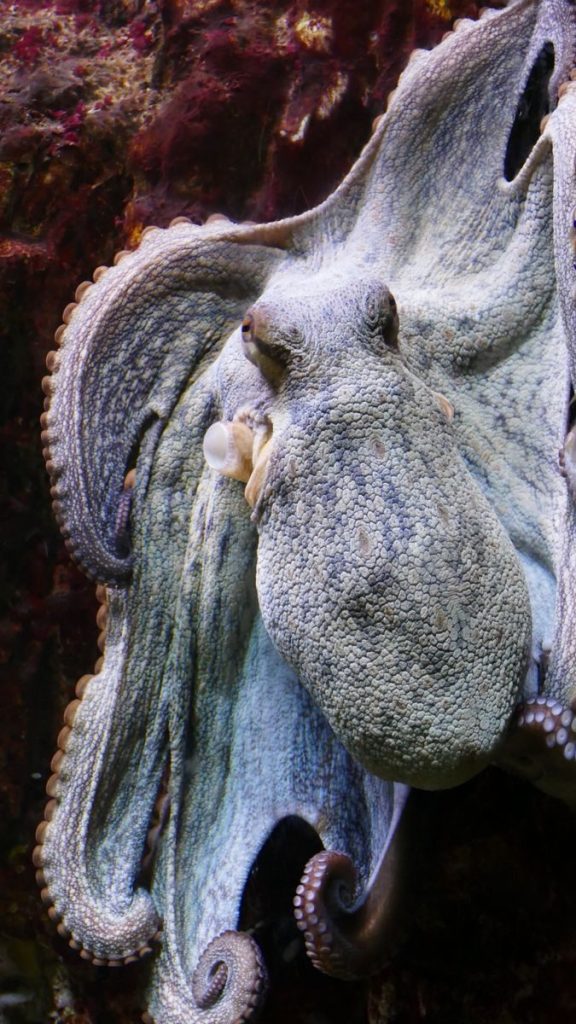
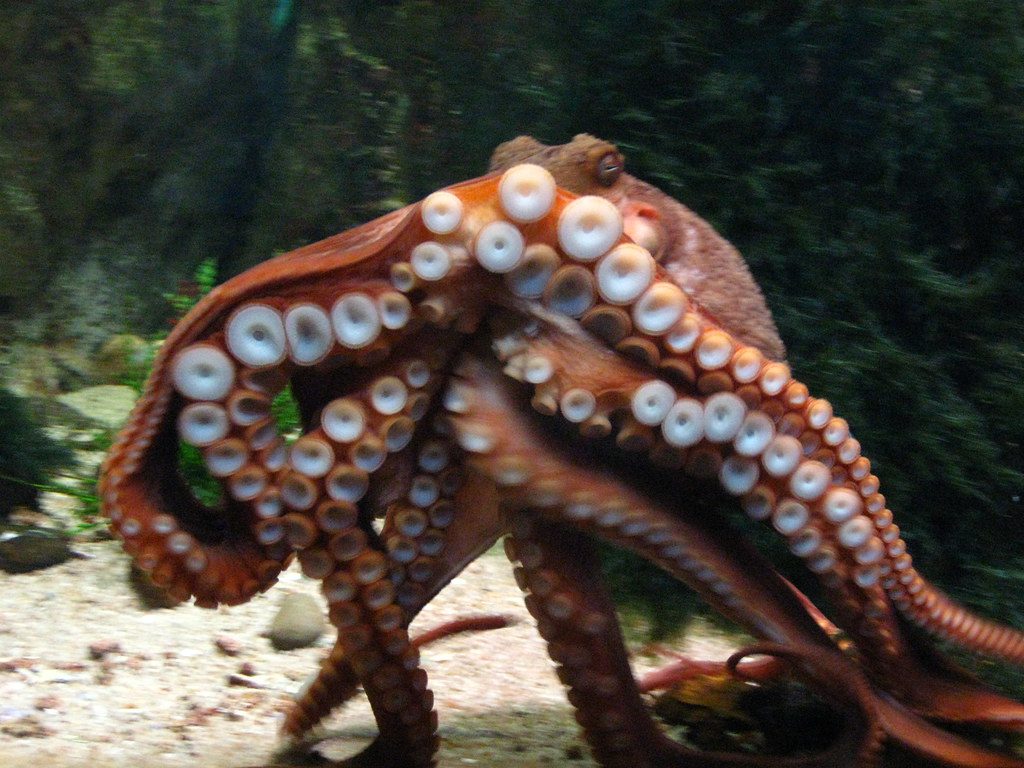
The effects reach beyond fishing boats. Common octopuses are active predators that eat many animals living on or near the seabed. Crabs, lobsters, and scallops can all become prey. Divers have seen octopuses around shells and other remains of animals they have eaten. When thousands more octopuses enter an ecosystem, the added feeding pressure can affect other species living in the same area.
Yet the octopuses are also food themselves. Larger marine predators can eat them. Seals, conger eels, and Risso’s dolphins are among the animals known to feed on octopuses. This means the bloom can send changes in more than one direction through the food web. Shellfish may face more predators, while animals that eat octopuses suddenly gain access to a much larger food source.
Britain is learning how to manage the new fishery
Catching large numbers of octopuses creates another question. Britain now needs to decide how an expanding octopus fishery should be managed. The Marine Management Organization is tracking octopus landings along with catches of crabs, lobsters, scallops, crawfish, and whelks. It has also created a reporting system that allows divers, anglers, and other members of the public to report octopus sightings.
An Octopus Management Group has also been established to help develop a longer-term approach. Scientists, regulators, and people working in fisheries need better information about how many octopuses are present, where they are spreading, and how their numbers change during the year. The government also plans regular sampling work at important southwest fishing ports such as Brixham and Newlyn.
The octopus boom may become part of Britain’s future
Scientists cannot say exactly how many octopuses will be present around Britain next year or five years from now. Blossoms have happened before and later faded. The common octopus has a short life cycle, which means large changes in population size can happen quickly. A huge season can therefore be followed by a quieter period.
The current bloom is different in several important ways. It has been extremely large, has continued across seasons, and has produced evidence of successful breeding in British waters. Researchers have also recorded the animals across a wider area. Warmer conditions may continue making British waters more suitable for them. Bryce Stewart, one of the scientists leading research into the bloom, believes common octopuses may now remain a much more noticeable part of Britain’s marine environment.
Featured Image: “Octopus dance” by Morten Brekkevold is licensed under CC BY-NC-SA 2.0
Leave a Reply