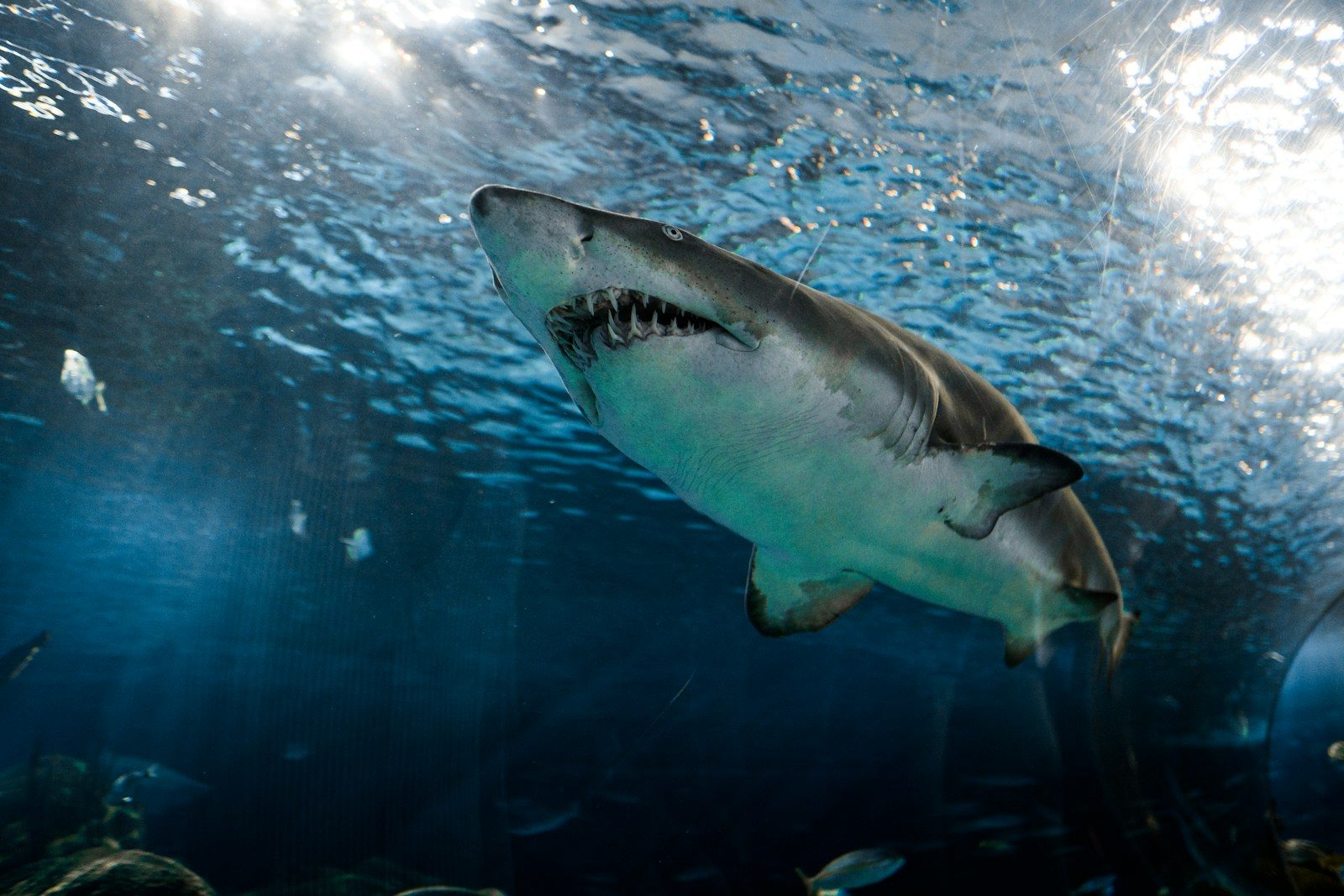
Imagine swimming in the ocean when a huge shark suddenly appears close enough to see its eyes. Encounters like this can be frightening, but they can also reveal how little we know about the behavior of wild sharks. In one documented encounter, a white shark approached divers, passed close to them several times, and then disappeared into the darker water. The shark did not attack, but its behavior was enough to make the swimmers stop and watch carefully.
Here is what makes close shark encounters so unusual and what scientists know about how these powerful predators investigate people in the water.
The shark appeared without warning
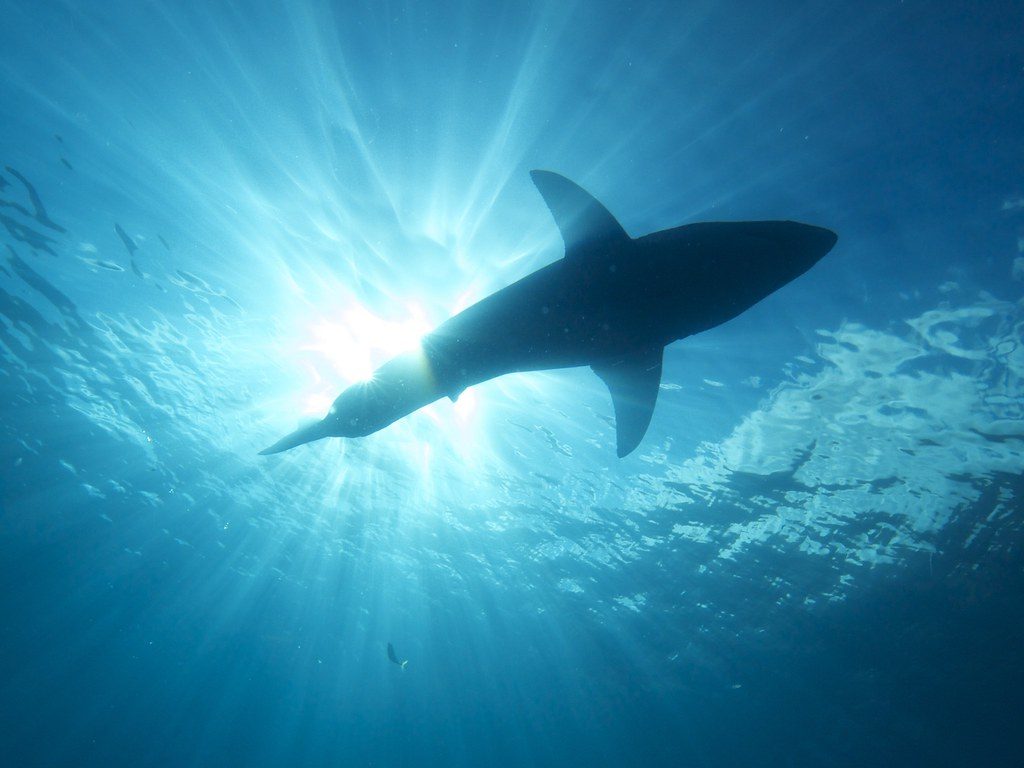
A white shark encounter can change quickly because these animals can move quietly through the water. In a documented incident near Halifax, Nova Scotia, a diver saw a white shark only a few meters away before it disappeared into cloudy water and then returned.
The shark moved toward the divers more than once. The instructor and another diver kept their eyes on it while staying together near the bottom. The shark came very close before turning away, making the encounter feel much more serious than a normal shark sighting.
The shark seemed to be investigating
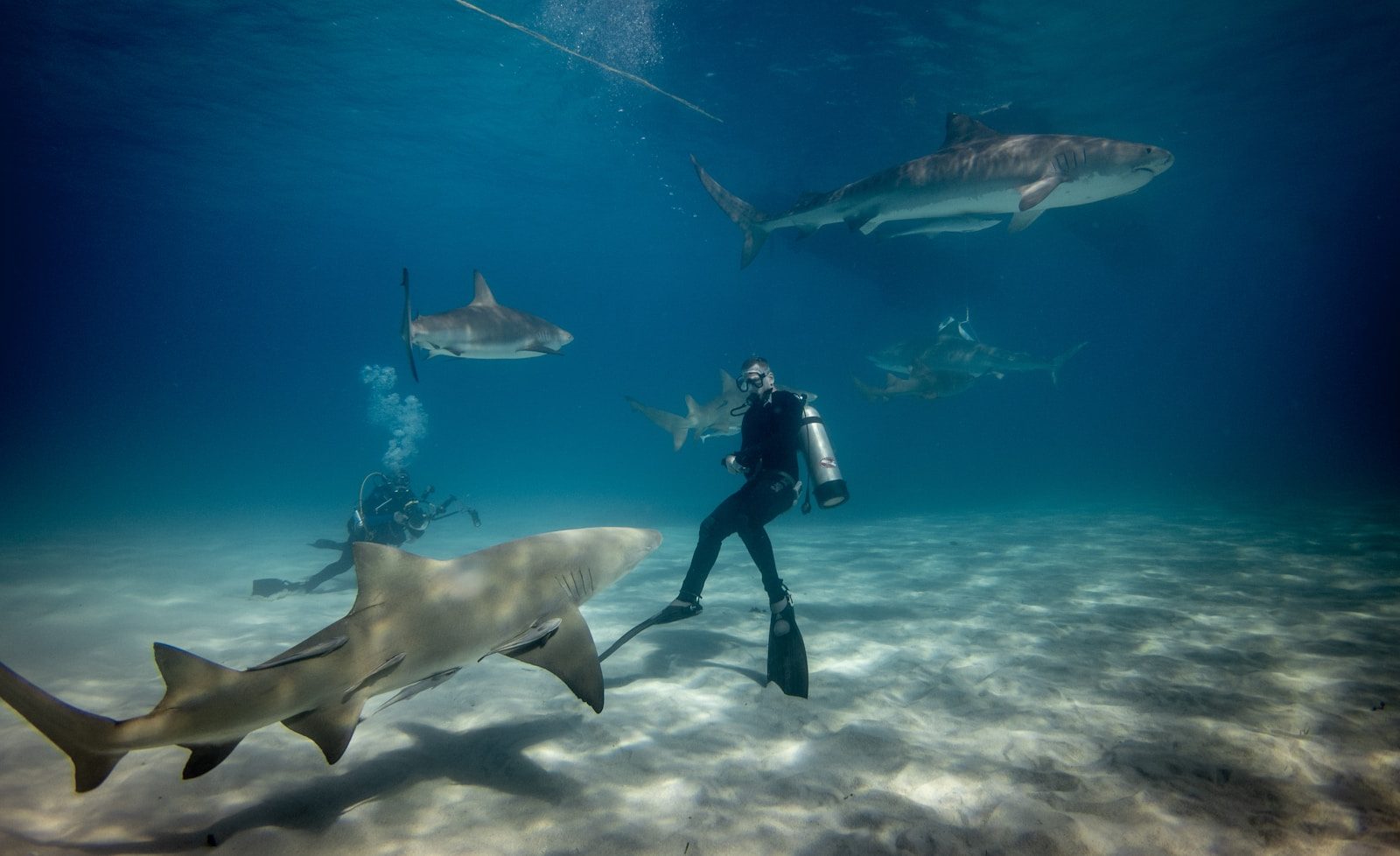
The diver who reported the encounter believed the shark was checking out the people rather than simply passing by. It made several approaches, coming close and then turning away. After three passes, it finally disappeared.
Scientists cannot know exactly what a wild shark is thinking from one encounter. A shark may investigate an unfamiliar object because it is curious, looking for food, or trying to understand whether something is a possible threat. Researchers therefore avoid assuming that every close approach means an attack is about to happen.
Eye contact can help a swimmer
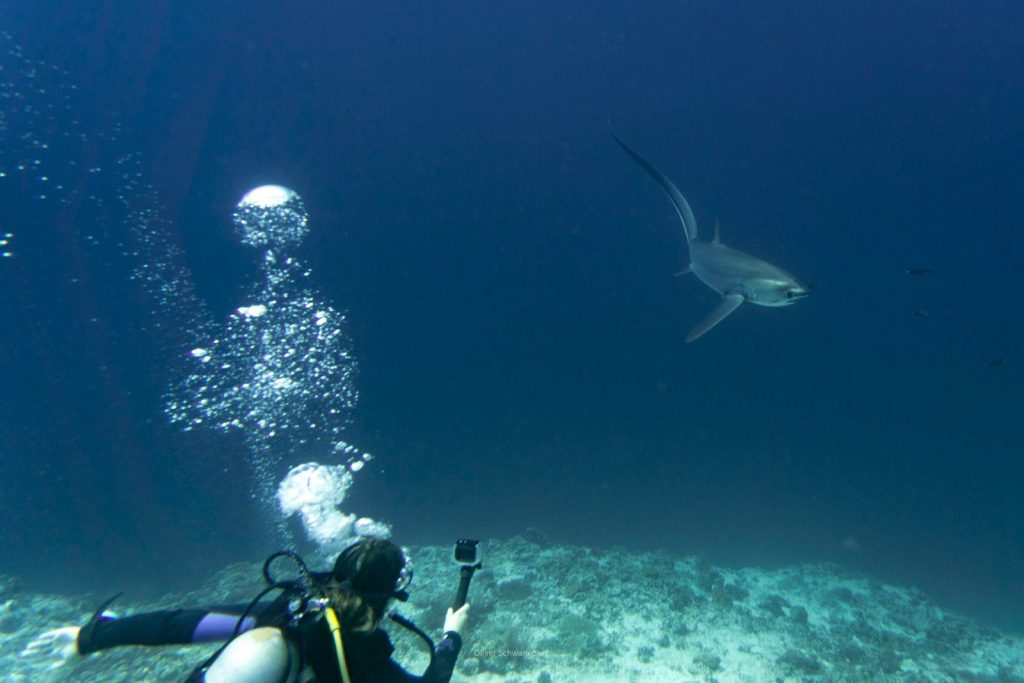
Keeping track of a shark is important when one is nearby. Shark safety groups commonly advise people to keep the animal in sight rather than suddenly turning away and losing track of where it has gone.
In the Halifax encounter, the divers maintained eye contact as the shark approached. This did not magically make the shark harmless, but it helped the divers monitor its movements. They waited for the animal to move away before leaving the water.
White sharks are powerful predators
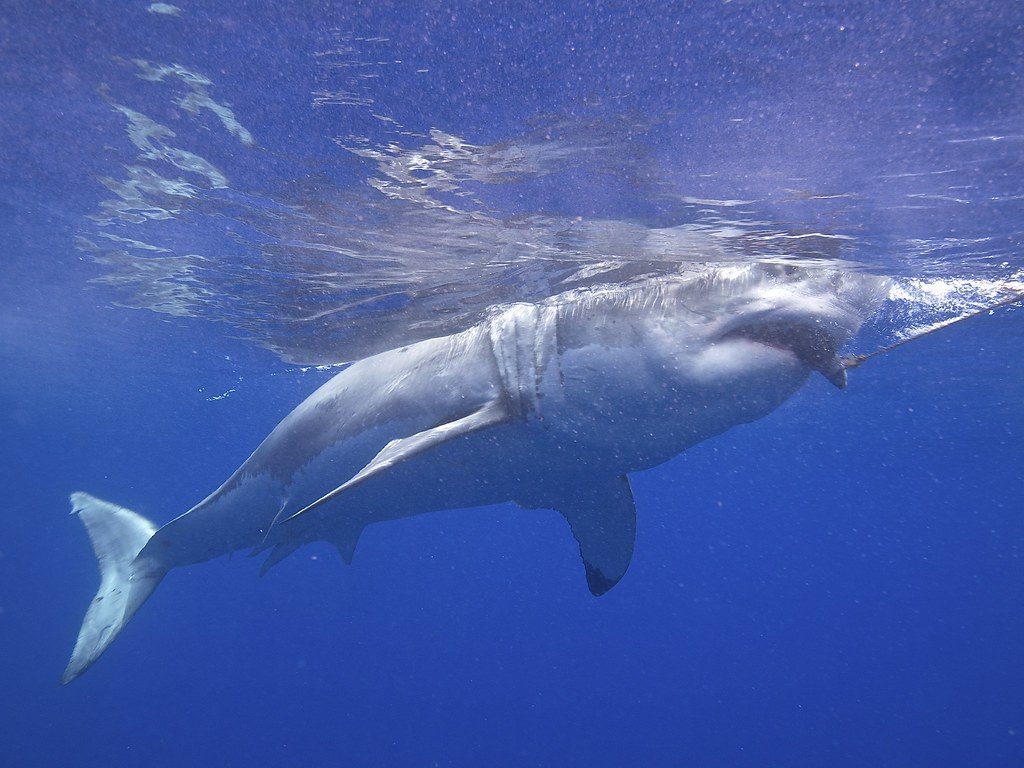
White sharks are among the largest predatory sharks alive today. They have strong bodies, sharp teeth, and senses that help them locate prey in the ocean. Their diet changes as they grow, with younger sharks eating more fish and larger individuals eating more energy-rich prey such as seals.
Despite their reputation, a close sighting does not automatically mean an attack. Millions of people enter the ocean each year, while confirmed shark bites on humans remain uncommon compared with the number of people who share coastal waters with sharks.
Sharks can vanish into open water
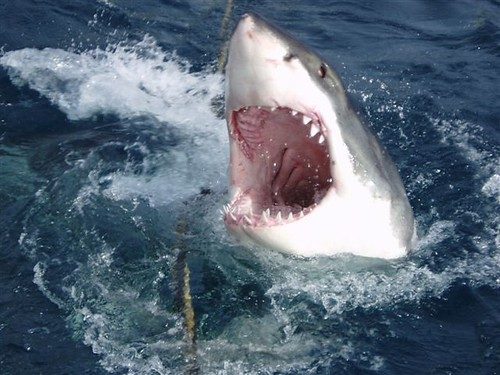
A shark can seem to disappear almost instantly because of its speed, depth, and the way light moves through water. Murky water, waves, shadows, and distance can make a large animal difficult to see even when it is nearby.
This is one reason an encounter can feel so strange. A swimmer may see a shark clearly one moment and then lose sight of it the next. Losing sight of the animal does not mean it has necessarily left the area, which is why people should remain alert until they can safely leave the water.
The encounter ended without an attack
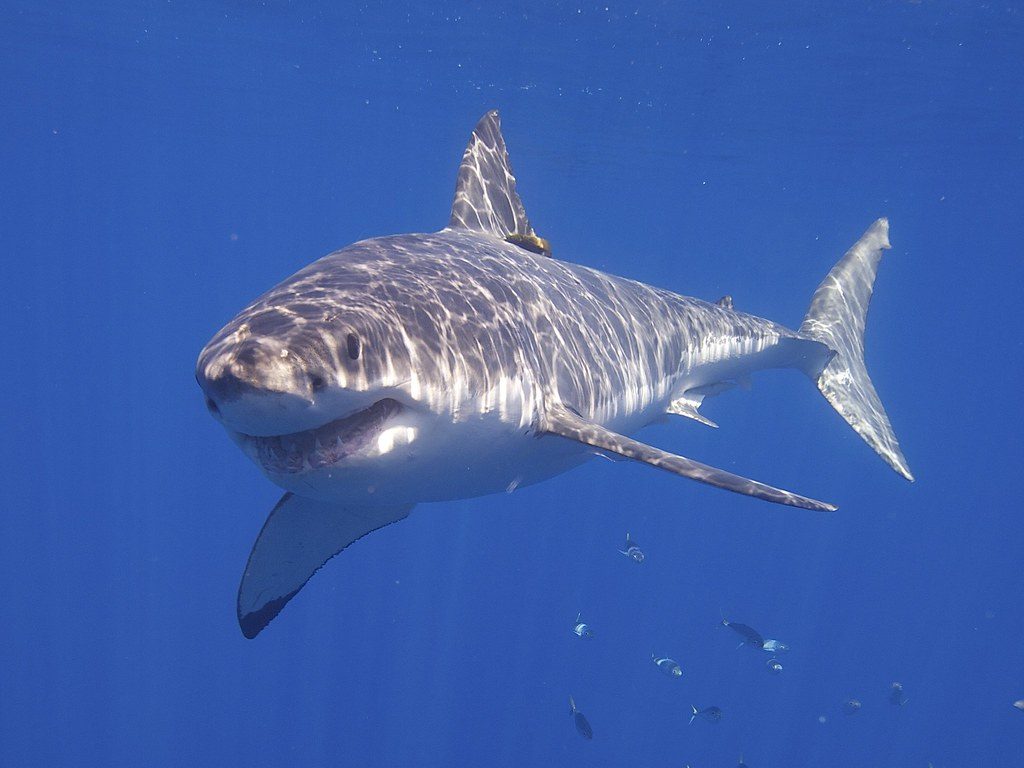
The documented Halifax encounter ended after the white shark made several close passes and then moved away. The divers surfaced and returned to shore, where they warned other people in the water about the sighting.
The experience shows why wild shark encounters should be treated with respect rather than panic. Sharks are important ocean predators, and seeing one in its natural habitat can provide scientists and divers with valuable information. At the same time, people should never approach, touch, feed, or deliberately provoke a wild shark.
Featured Image: Photo by Marcelo Cidrack on Unsplash
Leave a Reply