
Wildlife filmmaker Gordon Buchanan was searching for an otter family during an expedition in Guyana when he installed a remote camera beside a forest creek. The camera used an infrared trigger and was left operating for about a week while the expedition continued searching for otters.
When Buchanan later reviewed roughly an hour of footage, the first animals he noticed were curassows. Then a spotted animal appeared along the forest path. Buchanan initially wondered whether it was an ocelot before realizing the camera had recorded a jaguar, Panthera onca.
Seeing a wild jaguar can take years
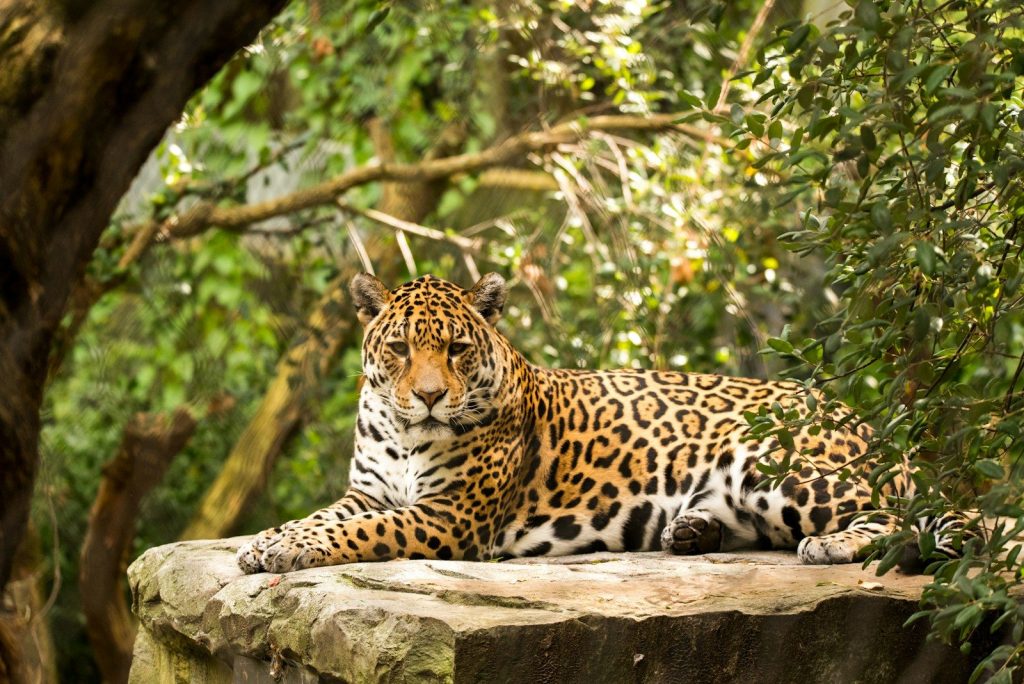
The discovery was remarkable because jaguars can be extremely difficult to observe directly in dense rainforest. During the expedition, Buchanan explained that he had previously spent about 2 years in another part of the Amazon and had seen a wild jaguar for only about 30 seconds.
This time, the animal had walked directly past equipment intended for an entirely different species. Buchanan described the capture as sheer luck, illustrating why a rainforest can support large predators while researchers working nearby may rarely see them.
Camera traps can reveal hidden wildlife
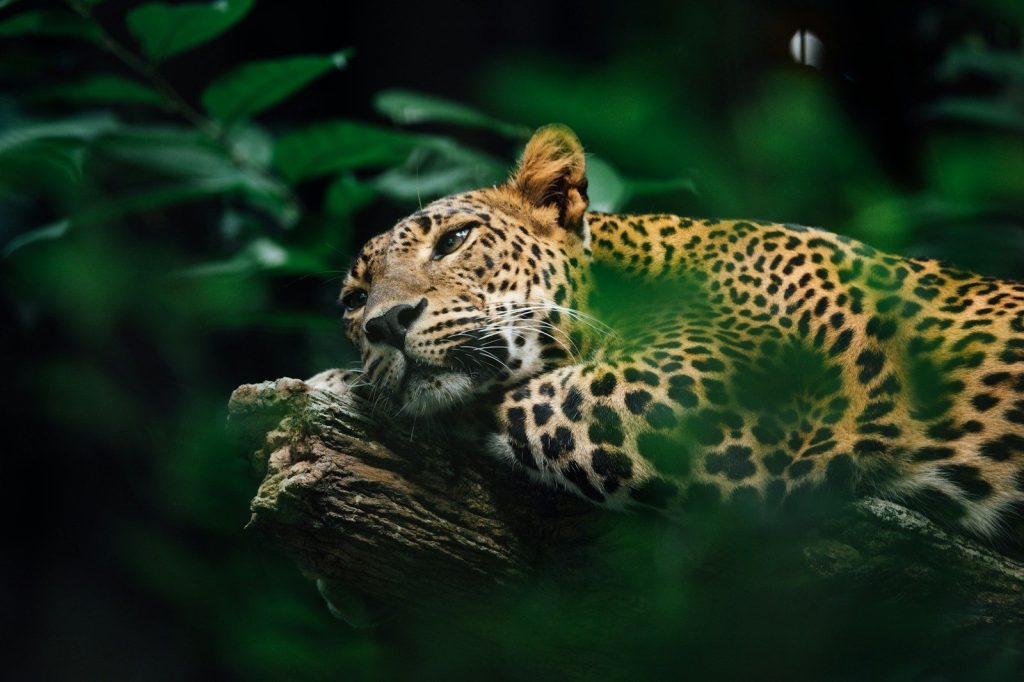
Camera traps solve part of that problem by operating without a researcher continuously standing nearby. Modern surveys can run cameras around the clock, allowing them to document animals moving through trails and forests during both daylight and darkness.
Researchers can also distinguish some individual jaguars from their coat patterns. At Guyana’s Sophia Point Rainforest Research Center, for example, camera trapping has confirmed 5 of Guyana’s 6 wild cat species, including jaguars, pumas, ocelots, jaguarundis, and margays.
Jaguars are the Americas’ largest cats
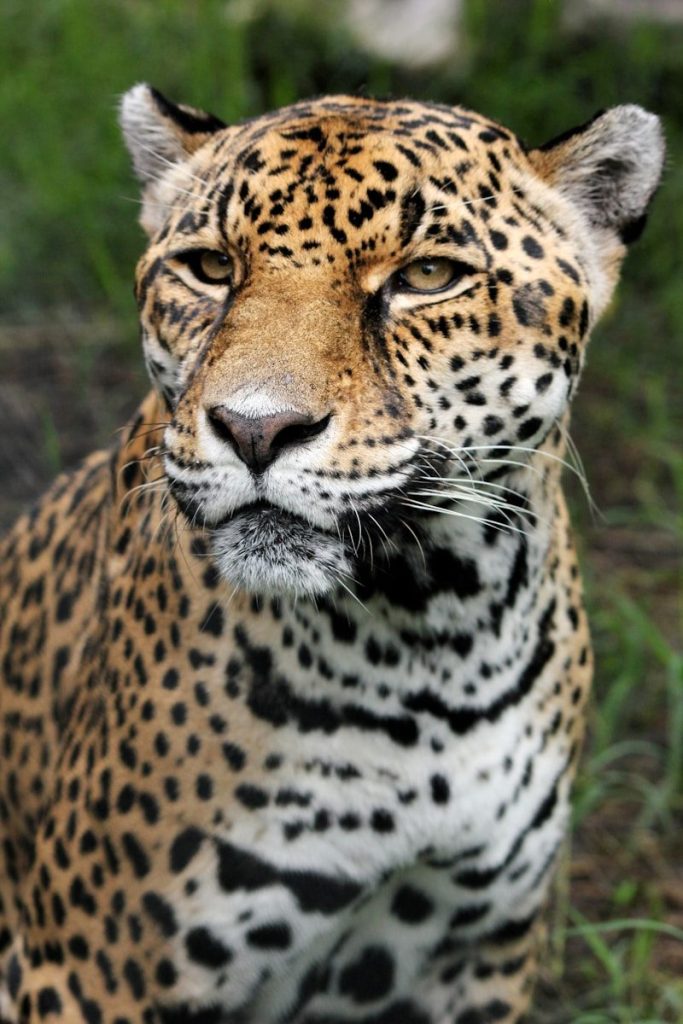
Jaguars are the largest cat species native to the Americas and occupy habitats extending from Mexico through much of Central and South America. Guyana’s extensive forests provide important habitat for the species, including areas where researchers continue to monitor jaguars and their prey.
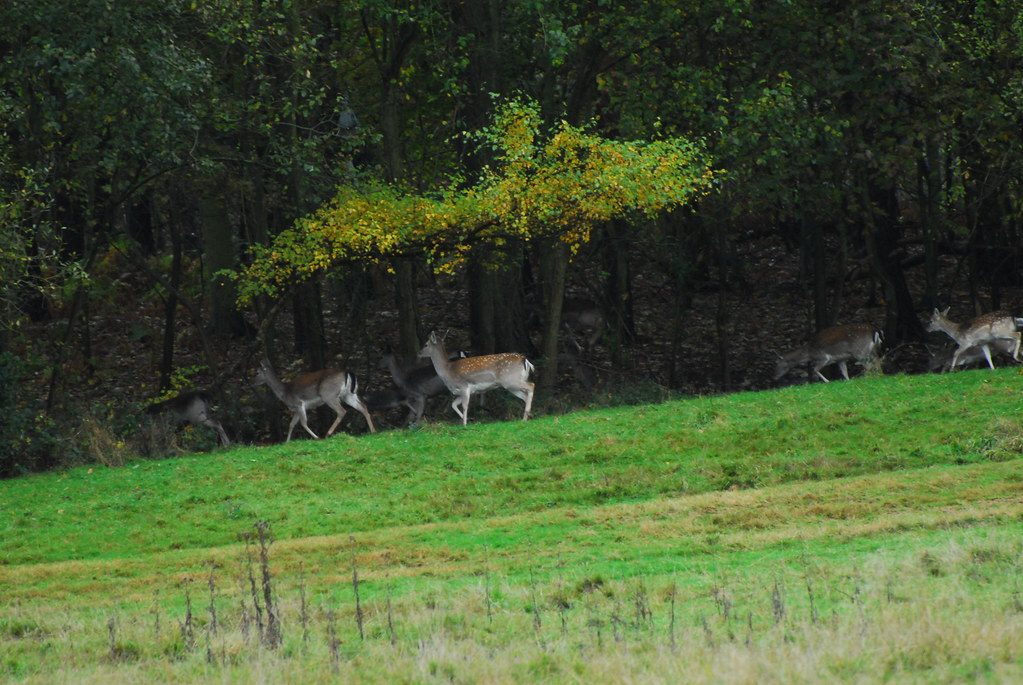
They are powerful predators capable of taking a wide variety of prey. Records from Guyana identify animals such as deer, peccaries, agoutis, and tamanduas among potential prey when available, while jaguars elsewhere can also tackle reptiles, including turtles and caimans.
Scientists use their spots like fingerprints

The distinctive pattern of rosettes covering a jaguar’s coat can help researchers distinguish individuals photographed repeatedly. This makes camera traps useful for more than simply proving that jaguars occupy a forest.
Large studies combine repeated photographs with statistical models to estimate population density and abundance. A 2025 study used camera-trap records from 22 protected areas across the Amazon biome to estimate jaguar populations and investigate how their densities vary between landscapes.
Guyana’s forests remain an important habitat
Research in Guyana’s Rupununi demonstrates how much biodiversity these landscapes can support. One camera-trap project operating at 221 locations collected more than 51,000 photographs and detected 102 species, including mammals, birds, reptiles and an amphibian.
Another survey using 199 camera-trap sites across the Rupununi detected 47 mammal species. Researchers found that forest cover was positively associated with the occupancy of many species, highlighting the importance of maintaining connected forest habitat.
One accidental recording can reveal much more

The jaguar recording demonstrates one of the major advantages of leaving cameras inside remote habitats. Equipment positioned for one species can unexpectedly document another, providing evidence of animals that researchers might otherwise spend months or years trying to observe directly.
Repeated monitoring turns such encounters into useful scientific data. Cameras can reveal which species occupy an area, when they are active, and how they use landscapes, giving researchers a less intrusive way to study elusive predators while helping conservationists understand which habitats remain important for their survival.
Featured Image: Photo by Wesley Fernandes on Unsplash
Leave a Reply