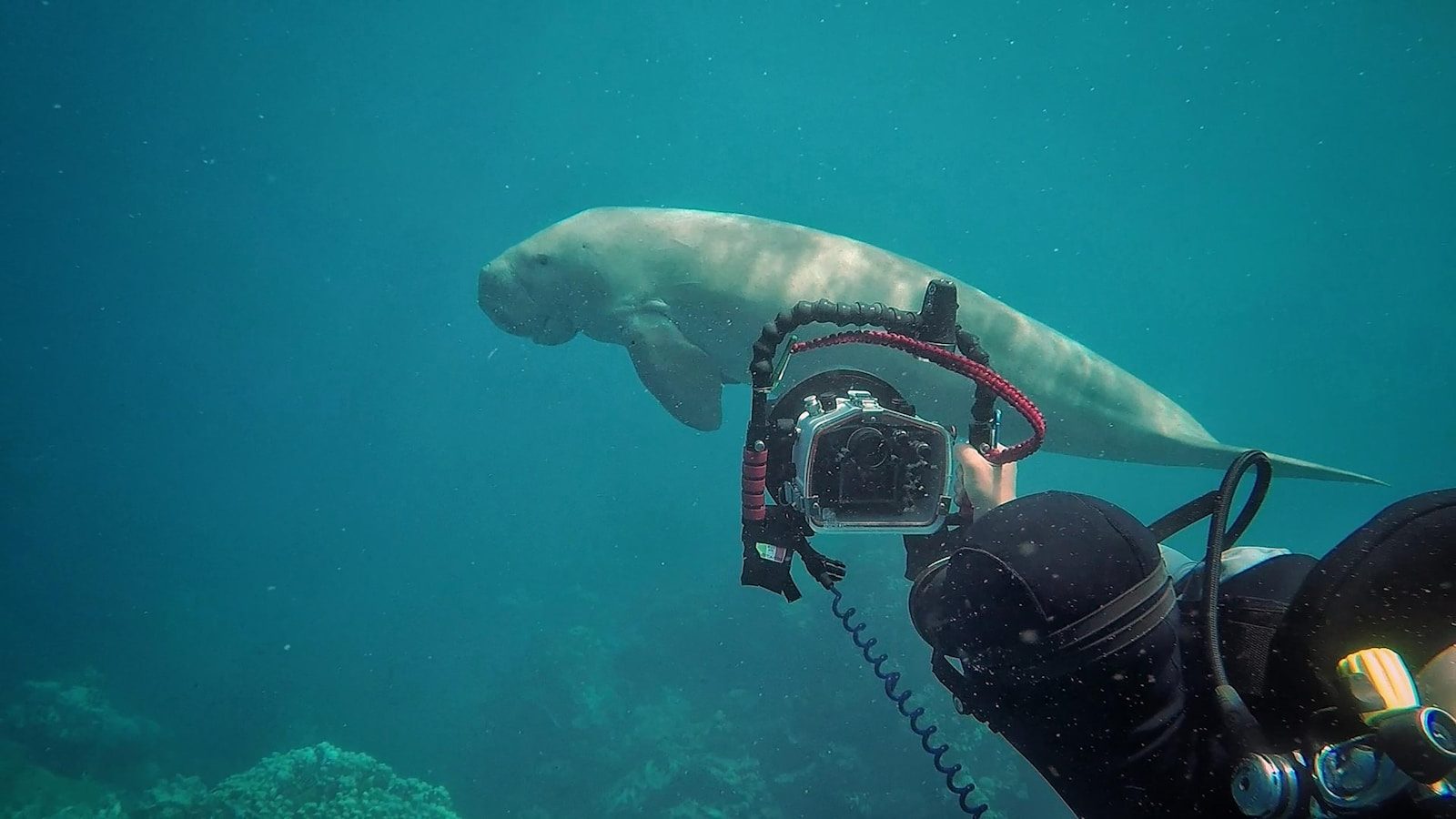
A trip beneath the water can bring surprises that no diver can plan. For diver Sephia Jasmine, one of those moments came while exploring the seabed near Calauit Island in Palawan, Philippines. She found herself swimming beside a dugong, a large marine mammal often called a sea cow because it feeds on seagrass.
The dugong encounter in the Philippines was captured in striking underwater images. They show Jasmine moving through the water near the calm animal as it continues feeding along the seabed. The meeting offers a close look at a dugong doing something simple and natural in its underwater home.
A diver meets a dugong near Calauit Island
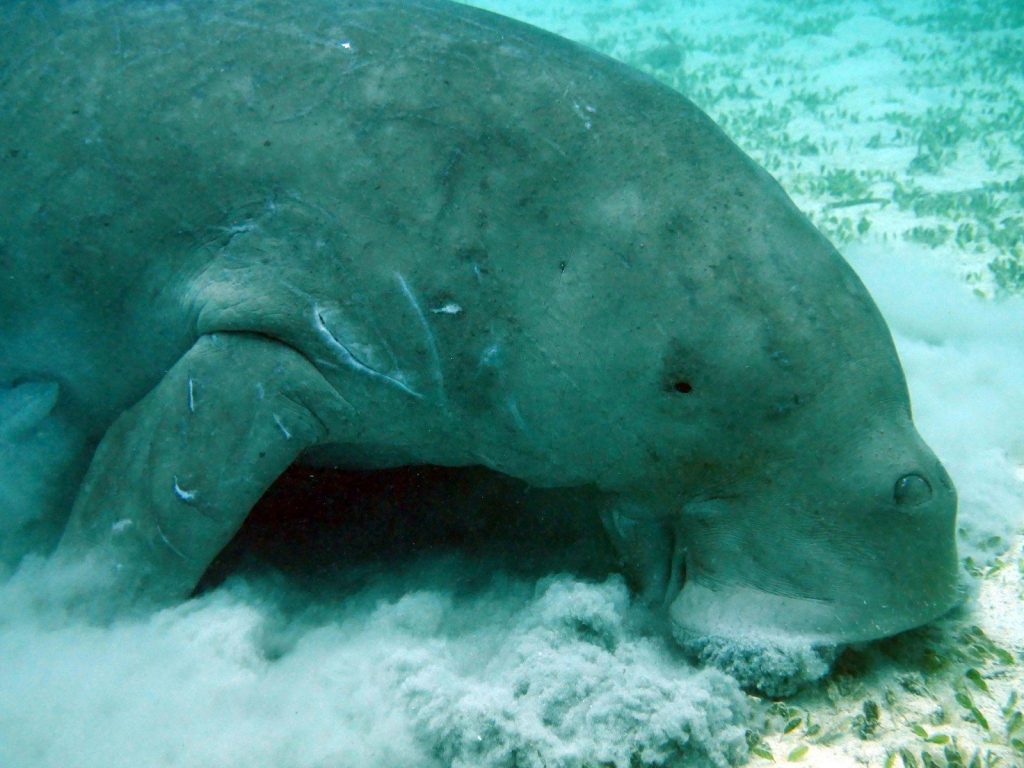
Sephia Jasmine was exploring the seabed off Calauit Island when she came across the dugong. Instead of seeing the animal from a boat or from the surface, she was underwater in the same area. That gave her a clear view of the marine mammal as it moved close to the bottom. The setting placed the diver, the dugong, the seagrass, and the seabed together in one scene.
The encounter stands out because the animal was shown going about its normal activity. It was not racing through the water or making sudden movements. The dugong was feeding on seagrass while Jasmine swam nearby. This simple behavior made the scene easy to follow. Viewers can see the diver moving through the water while the much larger animal remains focused on finding and eating food along the ocean floor.
The dugong keeps feeding on seagrass

The dugong spends much of the filmed encounter close to the seabed. Its attention remains on the seagrass growing below it. This feeding behavior is one reason dugongs are often known as sea cows. Like cows grazing on plants on land, dugongs feed on vegetation found underwater. In this scene, that food is seagrass growing near Calauit Island.
The seagrass also gives the encounter a clear natural setting. The animal is not simply passing through open blue water. It is shown in a place where it can find food. Jasmine is able to watch this behavior from nearby as she moves through the same underwater area. The result is more than a simple picture of a diver beside a large animal. It also shows the dugong feeding in the environment where the meeting took place.
Sephia Jasmine swims alongside the sea cow
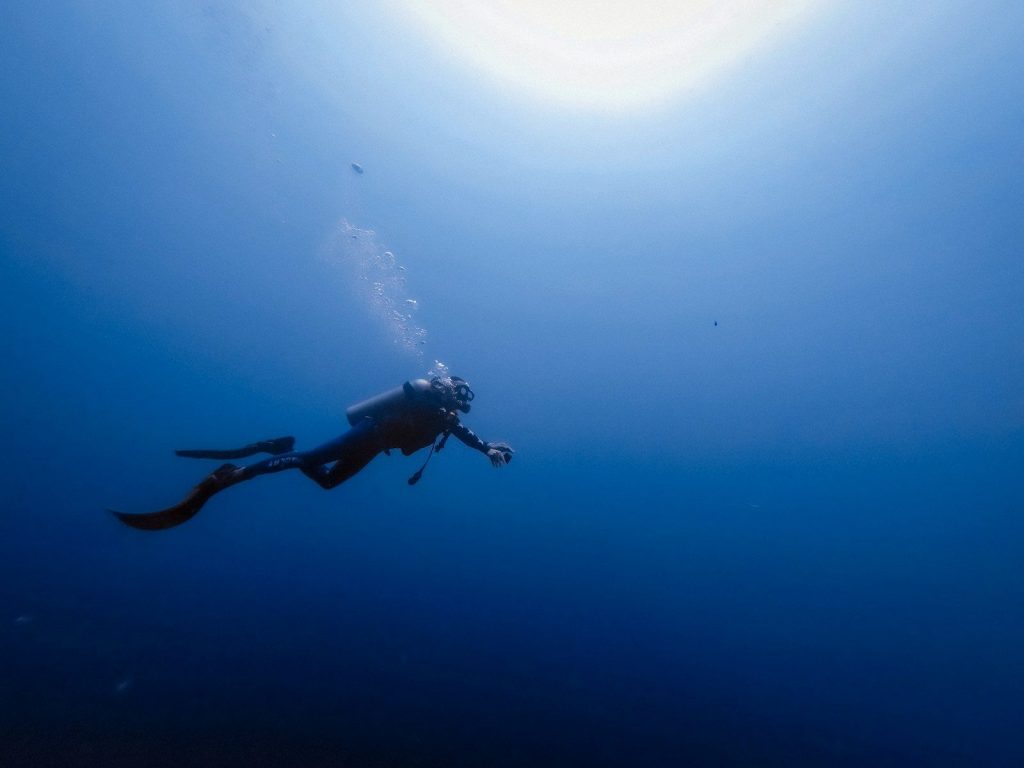
The images show Jasmine swimming beside the dugong while it remains close to the bottom. Being underwater allows her to see the animal from a much different angle than someone watching from shore. The dugong fills a large part of the underwater scene, while the diver provides an easy way to understand its size and shape. Both are surrounded by the blue water of the sea.
Jasmine does not become the center of the animal’s activity. The dugong continues feeding as she swims nearby, keeping the focus on its natural behavior. That makes the encounter feel calm rather than rushed. There is no need for a dramatic event to make the moment interesting. A diver sharing the water with a dugong as it quietly eats seagrass creates a memorable scene on its own.
Calauit Island provides the underwater setting
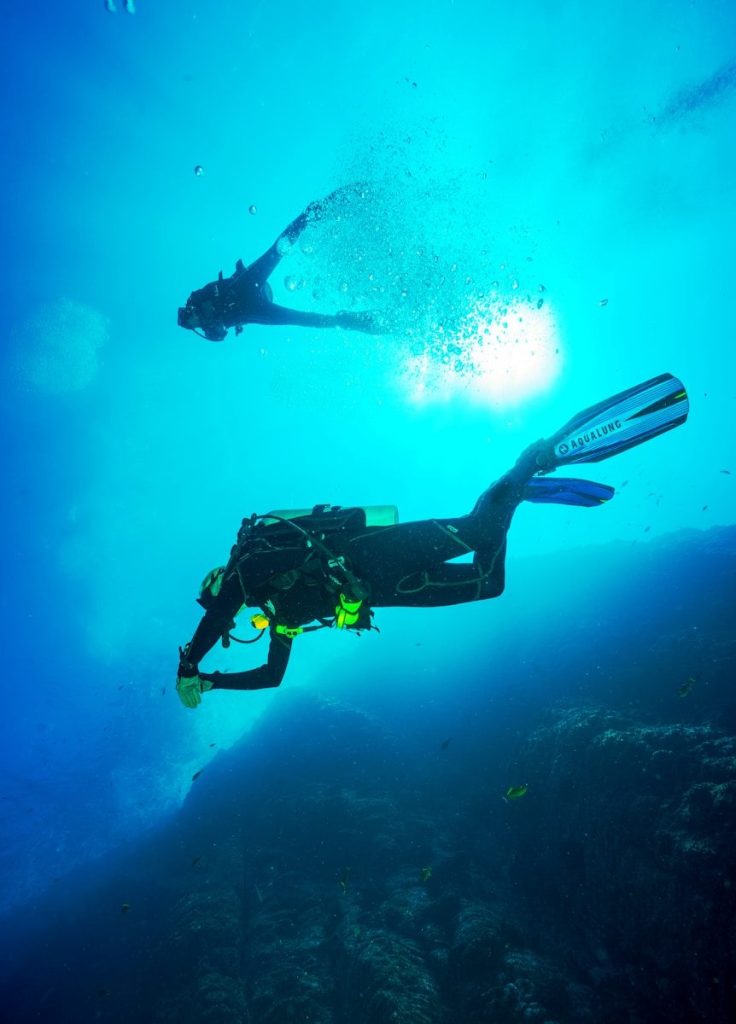
The meeting happened on Calauit Island in Palawan, Philippines. From below the surface, the location is shown through its seabed, clear water, and patches of seagrass. These parts of the scene matter because they explain why the dugong is spending time near the bottom. It has found an area where it can feed while moving slowly through the water.
The location also gives the pictures a strong sense of place. This is not an unidentified stretch of ocean. The encounter took place near Calauit Island, with Jasmine exploring the seabed when she met the animal. Knowing the location helps viewers understand the basic story from beginning to end. A diver entered the water near the island, explored below the surface, and came across a dugong feeding there.
The underwater images capture a calm meeting
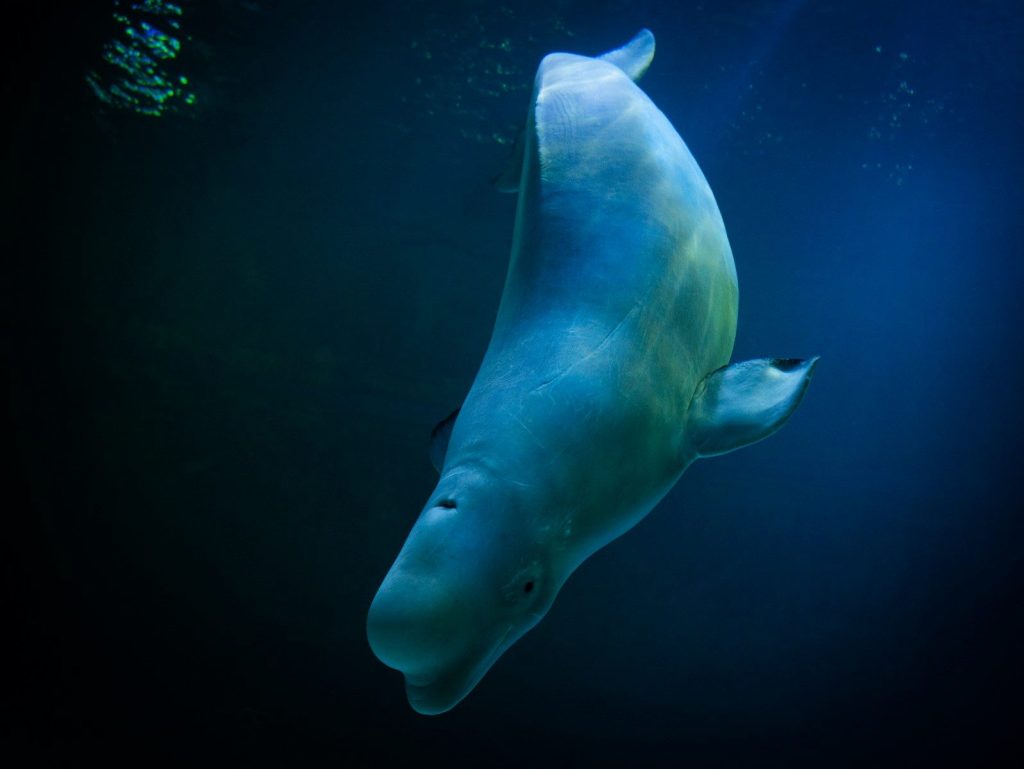
Still images can freeze details that pass quickly during an underwater encounter. In these pictures, viewers can study the shape of the dugong, the position of the diver, and the seagrass below them. The calm setting also makes it easy to understand what is happening. Jasmine swims near the marine mammal while it continues to feed instead of changing its activity.
The simplicity of the scene is part of what makes the images interesting. There is one diver, one dugong, and a seabed covered in the animal’s food. The pictures do not need a complicated story to explain them. They record a close wildlife encounter beneath the surface near Calauit Island. Each part of the scene helps show how different a dugong looks when seen moving through its own underwater surroundings instead of through a photograph taken from far away.
The dugong encounter offers a rare underwater view

For many people, the name sea cow may create a basic picture of a slow marine animal. This encounter provides a clearer view. The dugong can be seen moving underwater and lowering itself toward the seagrass as it feeds. Its broad body and swimming movement are easy to see because Jasmine is close enough to appear in the same images.
The meeting also shows why direct wildlife observations can be so memorable. Jasmine was not looking at an animal through glass or watching it from land. She was exploring the seabed when the dugong appeared in the same underwater space. The animal continued eating while she swam nearby. That combination turned an ordinary dive into an unusual moment and gave viewers a close look at a dugong feeding beneath the waters of Palawan.
Featured Image: Photo by Simon Infanger on Unsplash
Leave a Reply