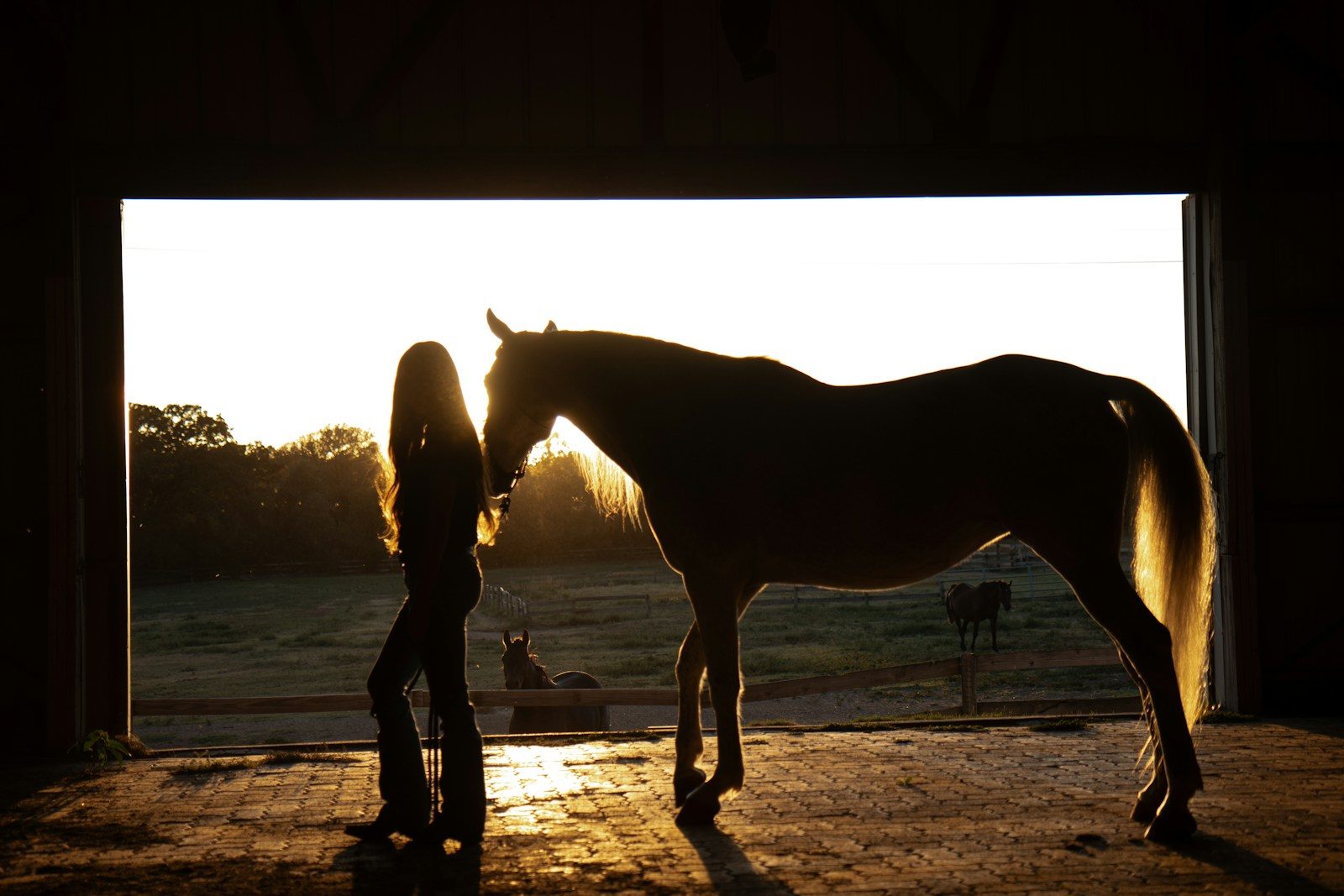
A sensitive horse created an emotional moment when it voluntarily approached equine professional Nika Vorster after a hands-on session. Rather than being restrained or directed toward her, the horse was reportedly given the freedom to decide whether it wanted to interact.
The animal chose to come closer and remain beside Vorster, turning an ordinary session into a striking example of voluntary interaction between a horse and a human. Vorster describes herself as a professional rider and equine chiropractor with about 30 years of experience working with horses.
The horse was allowed to choose
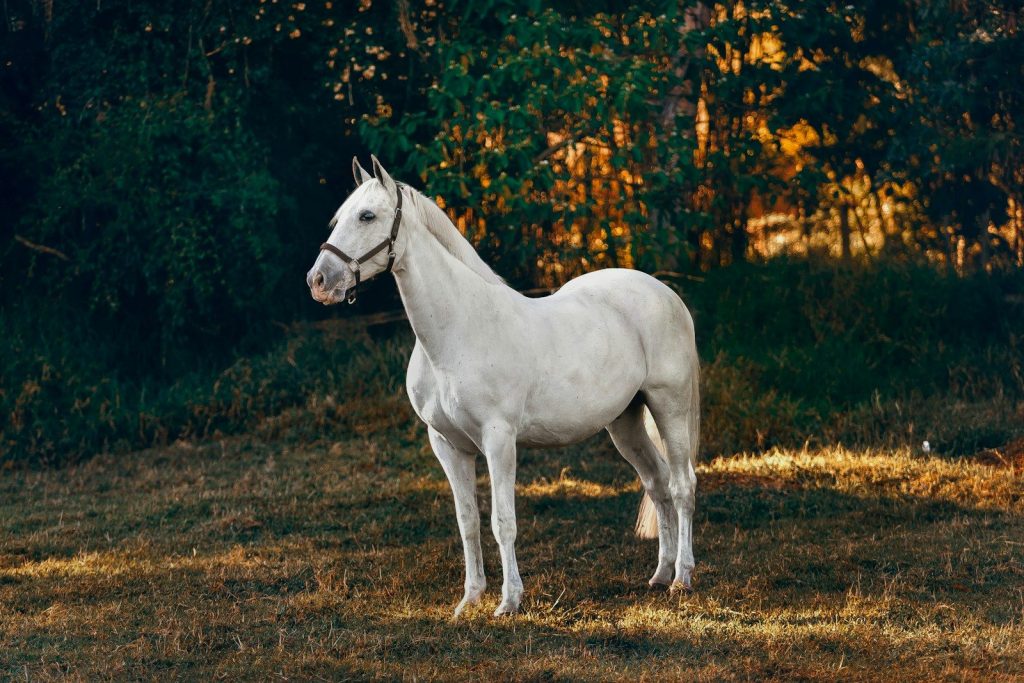
According to the account accompanying the footage, Vorster removed restraints and allowed the horse to approach on its own terms. That distinction matters because the resulting interaction was not simply produced by someone holding the animal in place.
Allowing the horse to control the distance gave it an opportunity either to move away or remain nearby. Vorster’s broader approach emphasizes paying attention to horses rather than continually trying to control their behavior.
Its history made the reaction stand out
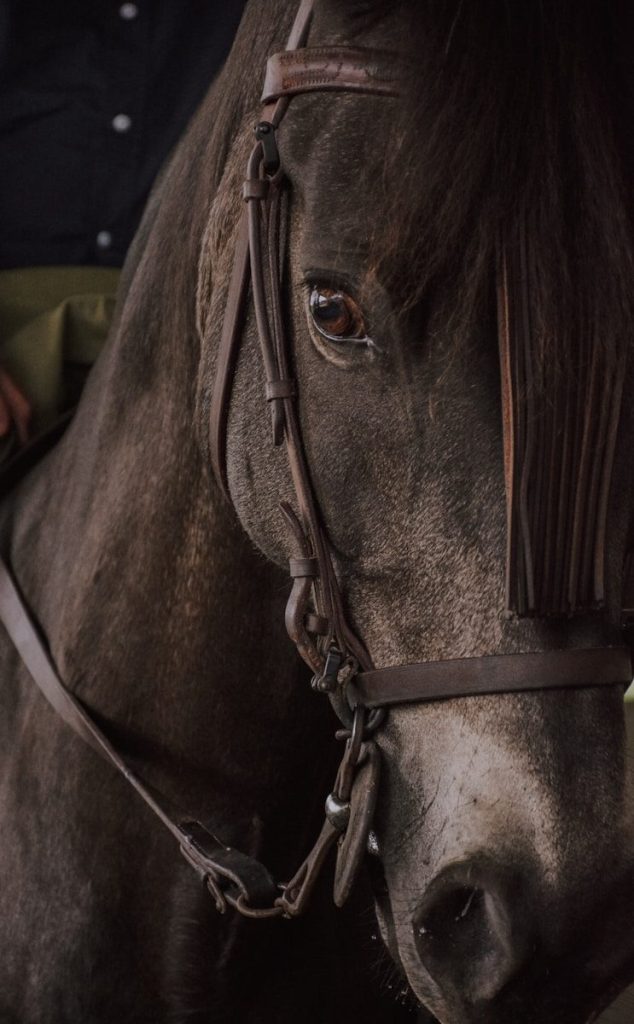
The horse was described as sensitive and as having a challenging past, which reportedly made its willingness to seek close contact especially meaningful to those present. However, details about that earlier history are not sufficiently documented in the sources I found to make more specific claims.
Horses can react differently depending on their experiences, surroundings, and interactions with people. The safest interpretation of the footage is therefore that this particular horse voluntarily sought proximity to Vorster, rather than assuming exactly what it was feeling.
Nika has worked with horses for decades

Vorster says she has spent 30 years working professionally with horses as a rider and equine chiropractor. Her current work focuses heavily on interactions between horses and riders and on helping people recognize behavioral signals from their animals.
She also hosts the Heal Your Horse podcast, where she discusses her experiences as an animal chiropractor and issues involving horse ownership, training and care. The program has been active since 2024.
Calm behavior can change an interaction
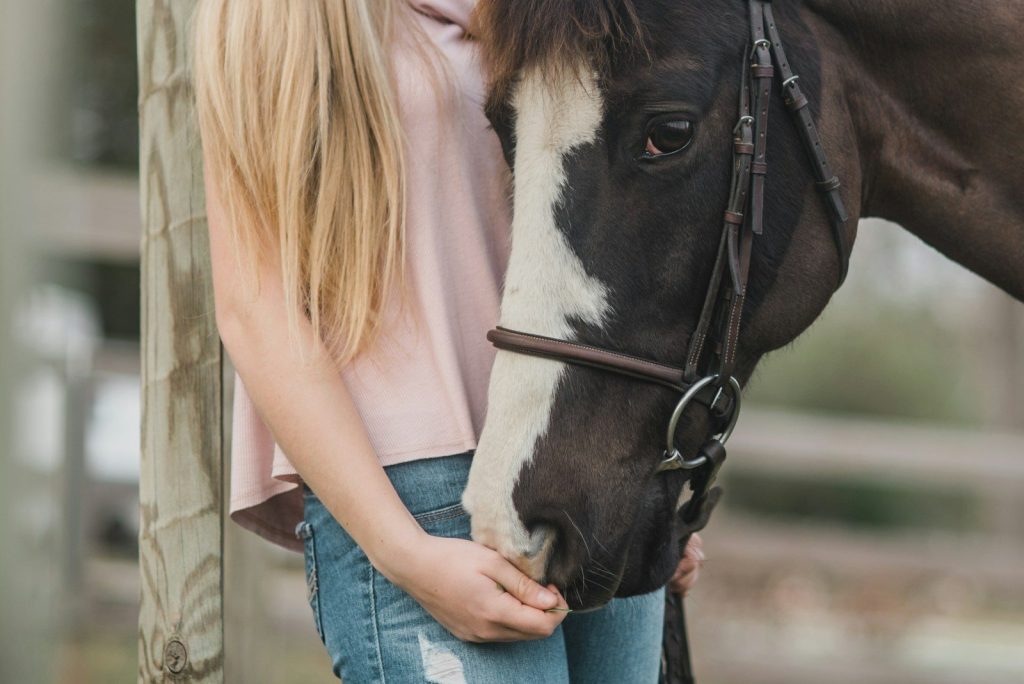
Vorster has described other cases in which changing the way a person behaves around a horse appeared to produce a noticeable change in the animal. In one account, she described an anxious gelding becoming visibly calmer after she quietly took over handling it.
In another case, Vorster wrote that a client’s horse voluntarily approached and nuzzled its owner when the person stopped actively directing the interaction. These examples reflect her observations rather than controlled scientific experiments, so they should not be treated as proof of a specific psychological mechanism.
The moment shows voluntary contact
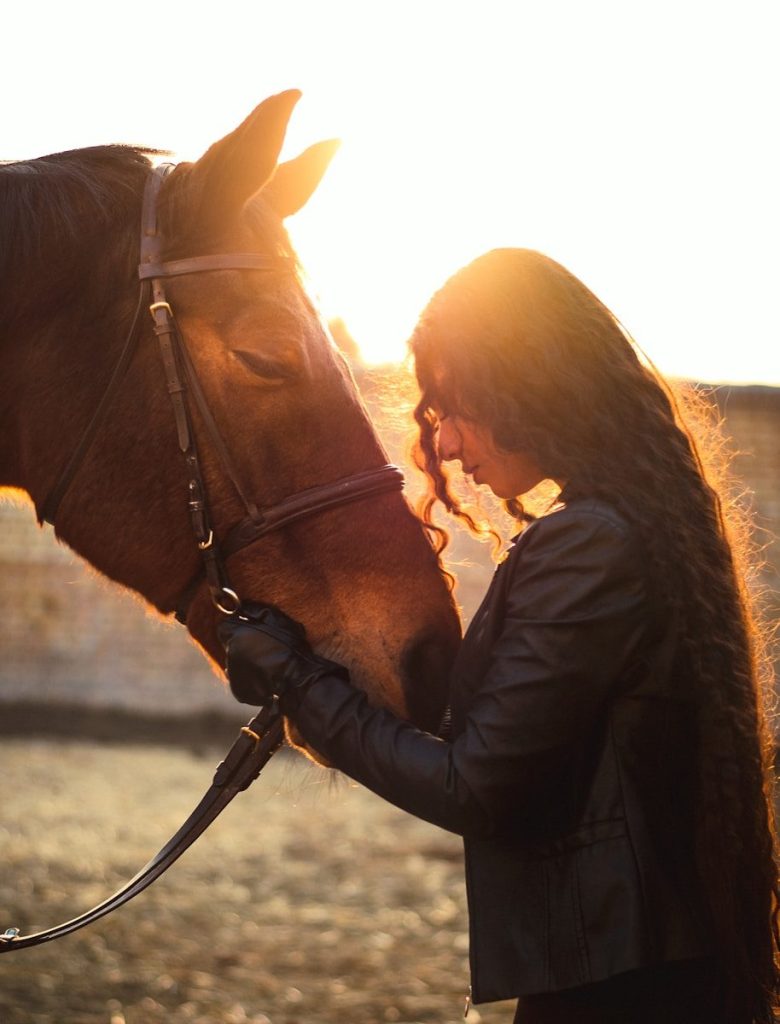
What makes the featured interaction compelling is not that anyone can know precisely what the horse was thinking. Instead, the observable point is that an animal reportedly given freedom to move away chose to approach and maintain close contact with a person.
Describing the horse as finding “solace” is therefore an interpretation rather than something that can be scientifically established from a video. Saying that the horse voluntarily approached Vorster and remained close to her is the stronger factual description.
Trust cannot be proven from one video
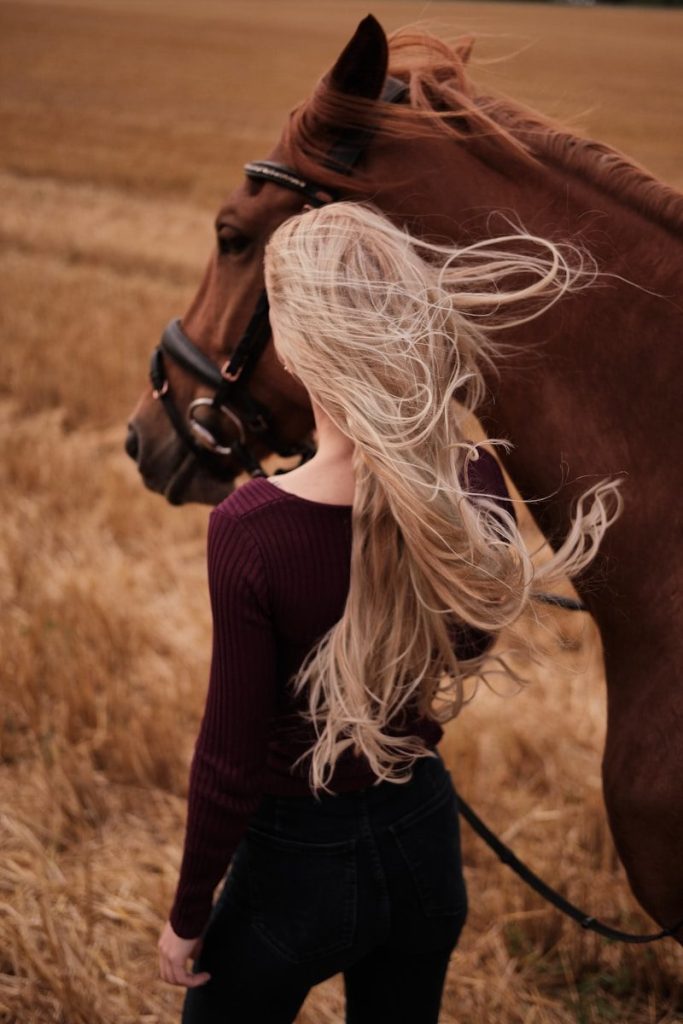
The footage can demonstrate behavior, but concepts such as trust, gratitude, or emotional healing are much harder to establish from a short encounter. Horses communicate through posture, movement, and other behavioral signals, but those signals need context before conclusions are drawn about an animal’s emotional state.
The moment can still be meaningful without overstating what it proves. A more precise headline would be “Sensitive horse voluntarily seeks comfort from caregiver”, capturing the unusual interaction while avoiding unsupported claims about exactly what the horse was thinking.
Leave a Reply