
A family enjoying time on the water at Henry’s Fork in Idaho experienced a startling wildlife encounter when three bull moose entered the river and moved rapidly in their direction. What began as an opportunity to watch the animals from across the water suddenly became much more intense.
The available description says the bulls ultimately changed direction before reaching the family. I could not independently confirm that the animals intended to attack, so describing them as rushing toward the family is more accurate than saying they deliberately charged them.
Henry’s Fork is a moose habitat

Moose occur throughout Idaho and are strongly associated with areas that provide vegetation and access to water. Idaho Fish and Game says moose can move through a variety of habitats across the state and sometimes appear surprisingly close to people.
Henry’s Fork and the surrounding eastern Idaho landscape provide a combination of waterways and vegetation that can attract large wildlife. Seeing moose around this type of habitat is therefore possible, although encountering several adult bulls at close range creates a very different situation.
Moose are much faster than they appear

Adult moose are enormous animals, with Idaho Fish and Game noting that an adult bull or cow can be about the size of a horse. Despite their heavy build and long legs, officials warn that they can move with deceptive speed.
That combination of size and speed makes close encounters potentially dangerous. Idaho Fish and Game describes moose as generally willing to avoid people when left alone, but their behavior can become unpredictable when they are stressed or feel threatened.
The river did not keep the animals away
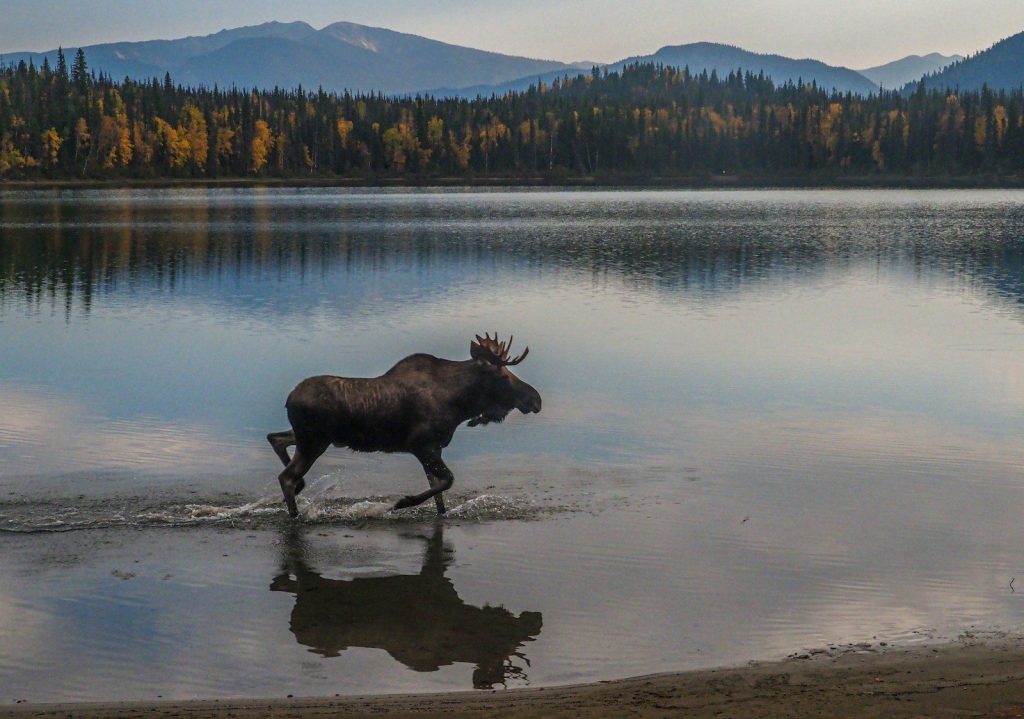
The dramatic part of the family’s encounter came when the bulls entered the water. Instead of remaining on the opposite side, the animals rapidly reduced the distance separating themselves from the people.
Large wildlife should therefore never be considered safely separated simply because water lies between them and observers. Idaho wildlife officials consistently advise people to give moose plenty of room rather than approaching them for photographs or closer observation.
The bulls reportedly veered away
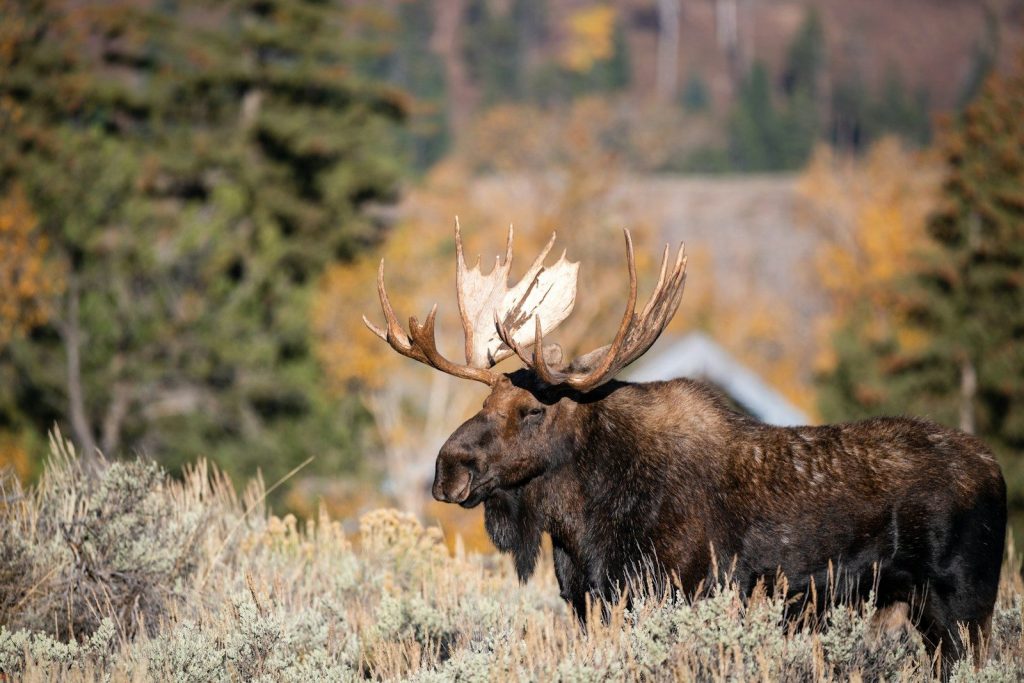
According to the account supplied with the footage, the three bulls changed direction before reaching the family. That distinction matters because an animal moving quickly toward someone is not necessarily demonstrating a deliberate attack.
A genuine moose charge can involve recognizable signs of agitation. Idaho Fish and Game says stressed moose may pin their ears back, raise the hair on their neck, stomp their hooves, grunt, or snort, while lowered ears can indicate that a charge may follow.
Bull moose can become more unpredictable
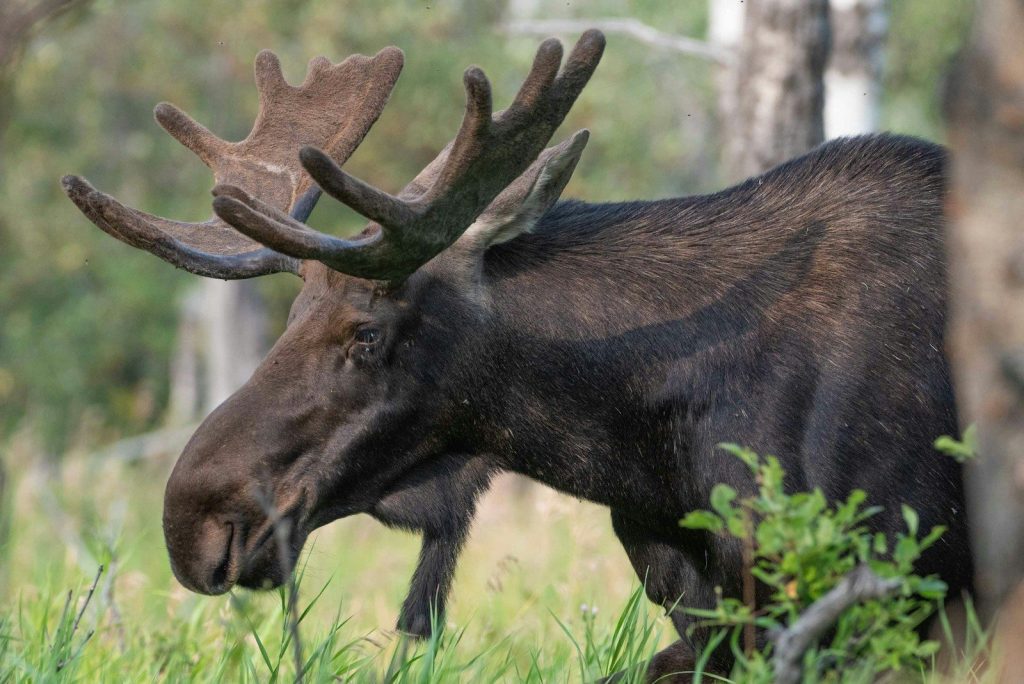
Bull moose can become particularly unpredictable during the mating season. Idaho Fish and Game specifically lists the rut as one of the circumstances when males may become more aggressive, making additional distance especially important.
However, aggressive motivation should not automatically be assigned to the three bulls shown in this particular encounter. Without verified observations of warning behavior, the footage establishes that the animals approached rapidly, not necessarily that they were attempting to attack.
Wildlife encounters require plenty of space

Idaho Fish and Game recommends never approaching a moose and watching carefully for signs that an animal is becoming stressed. Officials also emphasize that photographing wildlife should always be done from a safe distance.
The Henry’s Fork footage demonstrates why that guidance matters. A group of huge animals that initially appears safely separated from people can move quickly, turning an ordinary wildlife sighting into an unexpectedly close encounter within moments.
Featured Image: Photo by Danika Perkinson on Unsplash
Leave a Reply