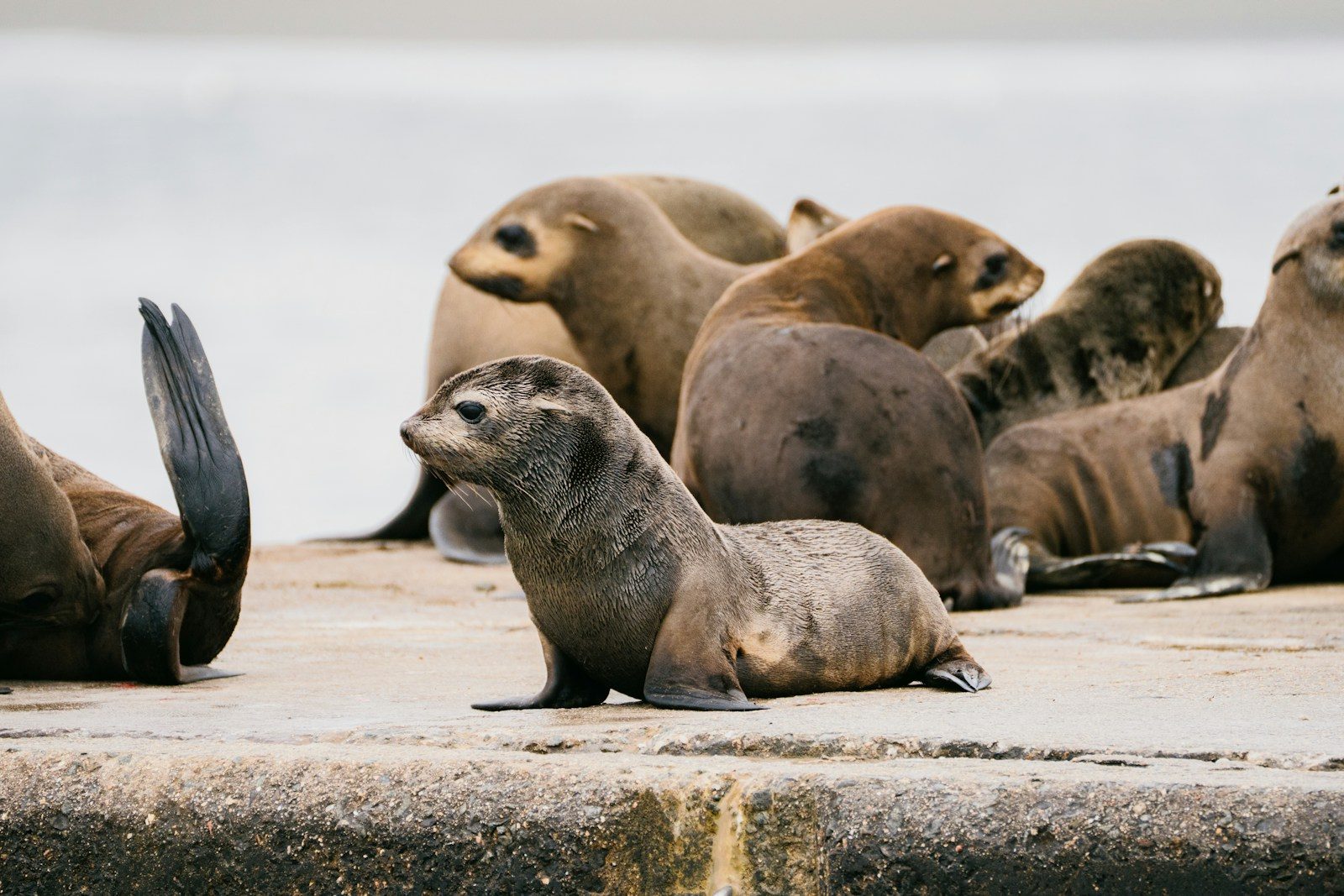
A seal rescue in Namibia took an unexpected turn when a tiny Cape fur seal decided it wanted to stay close to the humans doing the work. The curious pup approached while rescuers were helping another seal and showed remarkably little interest in leaving.
Instead, the youngster remained nearby and began following the team around. The encounter was unusual because wild Cape fur seals normally have good reason to keep their distance from people, especially when rescuers are carrying nets and handling other animals.
The team was rescuing another seal
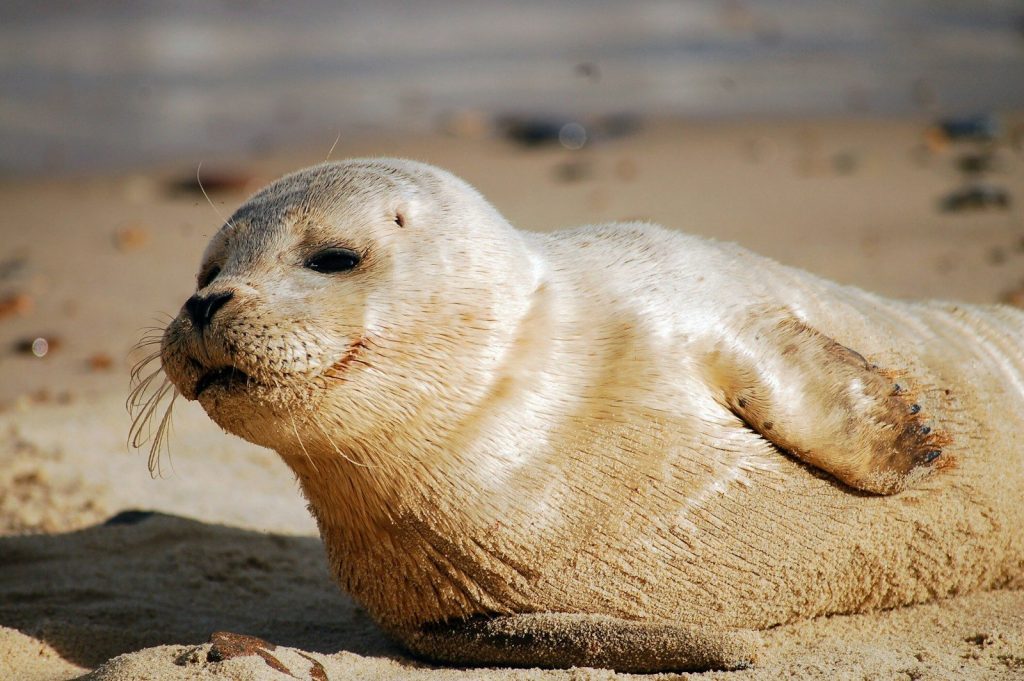
The encounter happened while Ocean Conservation Namibia rescuers Wally and Naude were dealing with an entangled seal. They had spotted an animal caught in an unusual piece of fabric and brought it onto the sand so the material could be removed.
That was when the unexpected visitor appeared. A baby seal approached the rescuers while they were working; instead of keeping its distance, it added an unusual interruption to what otherwise looked like one of the team’s regular entanglement rescues.
The baby seal stayed surprisingly close
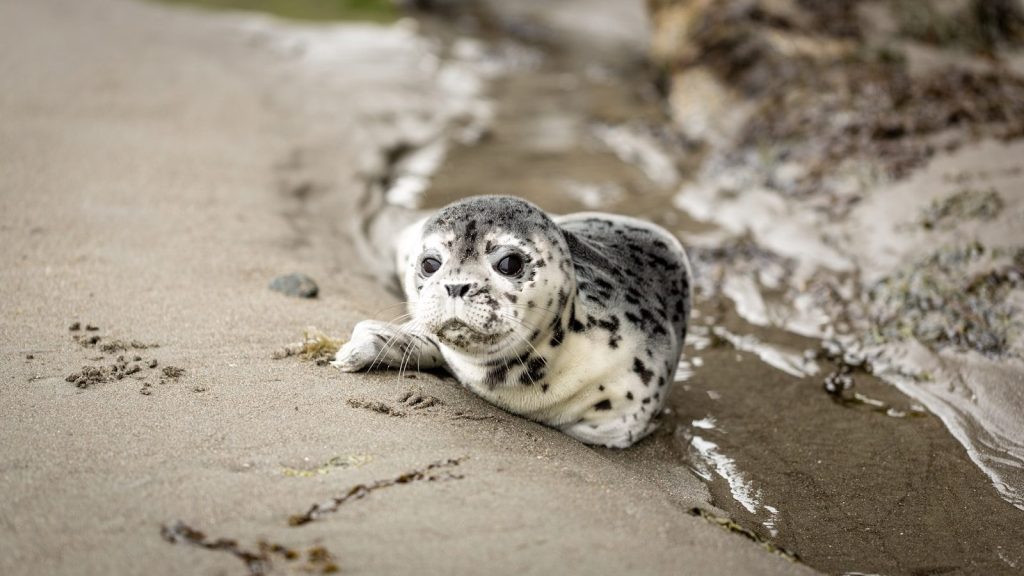
The pup’s behavior became even more unusual after the entangled animal had been freed. Instead of leaving with the other seal or immediately returning to the water, the youngster remained with the rescue team and followed the humans around.
The published account describes the baby as unusually friendly and apparently fascinated by the rescuers. There is no way to know what the animal was thinking, however, so describing the behavior as curiosity is more defensible than claiming it actually wanted to help with the rescue.
Cape fur seal pups can be curious

Cape fur seals belong to the pinniped group and are classified as eared seals. Ocean Conservation Namibia describes the animals as cute and curious, characteristics that occasionally become obvious during the organization’s rescue encounters.
Still, unusually friendly behavior should not be interpreted as evidence that wild seals generally want human interaction. Ocean Conservation Namibia emphasizes that the animals remain wild, and even rescued seals can react defensively when humans capture and restrain them to remove entanglements.
Other rescued pups have stayed behind, too

This was not the only time the organization encountered a baby seal reluctant to leave. In another documented rescue, Antoine and Naude removed tight pieces of plastic from two seal pups, including material that had already cut into one animal’s neck.
After the second pup was freed, it remained beside the rescuers even though nothing was preventing it from leaving. The youngster eventually returned to its group after some encouragement, creating another example of the unusual reactions rescuers sometimes see after freeing seals.
Rescuers normally expect defensive behavior
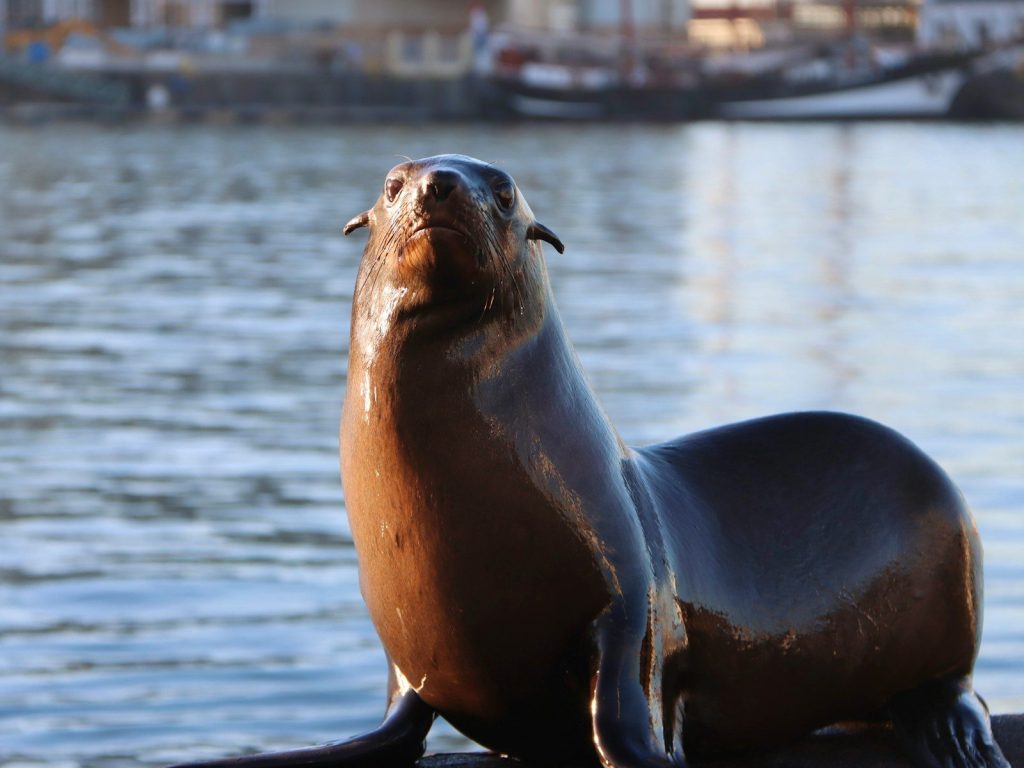
These calm encounters are exceptions rather than something rescuers should expect. Ocean Conservation Namibia has explained that entangled seals may see rescuers as threats because the humans chase, capture, restrain, and touch areas that can already be injured.
That can produce defensive reactions even though the humans are trying to help. Ocean Conservation Namibia says seals do not naturally attack people, but an animal may snap when it believes it is threatened, making careful handling important during rescue operations.
The pup eventually returned to the ocean

The rescuers did not turn the friendly encounter into prolonged interaction. After the baby continued following them, they guided it toward the water and eventually watched it swim away, bringing the unusual interruption to an end.
That ending is important because these are wild animals rather than pets. The most accurate description of the footage is therefore not that a baby seal became attached to its rescuers, but that an unusually curious pup briefly followed them before safely returning to the ocean.
Leave a Reply