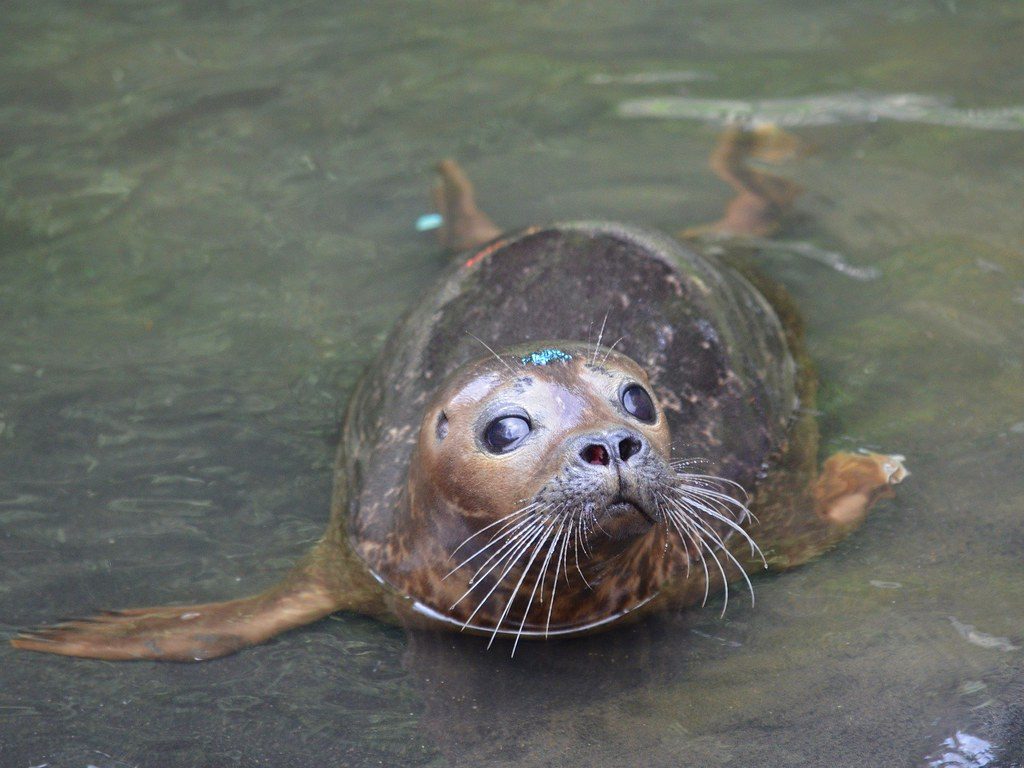
A piece of clothing may look harmless after someone throws it away, but it can become dangerous when it reaches the ocean. One seal discovered by Ocean Conservation Namibia became trapped inside a discarded shirt and had no way to remove it. The material had wrapped around the animal’s body and was becoming a serious threat as the seal continued to grow.
Rescuers found the animal before the situation became worse and managed to cut the clothing away. The rescue shows how ordinary human waste can create unexpected dangers for marine wildlife and why removing entanglements quickly can give affected animals another chance.
Rescuers found a seal trapped in clothing
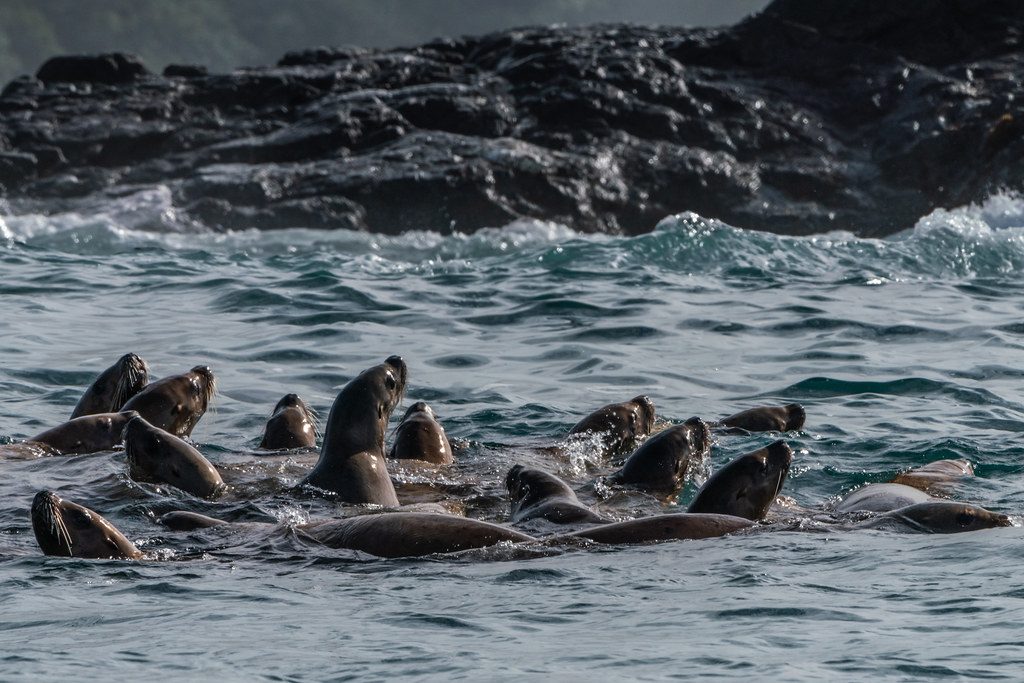
Ocean Conservation Namibia documented the rescue of the seal, which the team called Antoine. Unlike many of the fishing line and net entanglements encountered by marine rescuers, this case involved an ordinary shirt. The material had become wrapped around the animal, leaving the seal unable to free itself. For a person, removing a shirt takes only seconds. For a wild seal without hands or tools, the same material can become an inescapable trap.
The rescue team understood that the problem could become more serious with time. Entangling material does not necessarily expand as an animal grows. The Two Oceans Aquarium explains that nooselike debris around Cape fur seals can become tighter as their bodies increase in size. The material can eventually cause serious injuries if it is not removed. That made finding Antoine and removing the shirt important before the entanglement became even more severe.
The shirt could not simply fall away
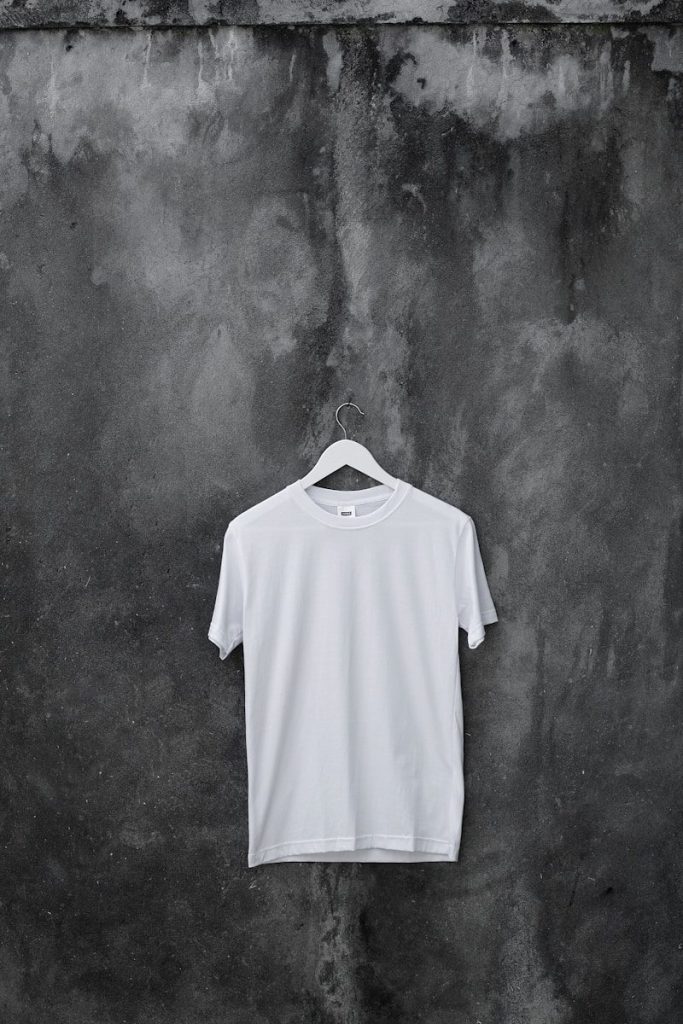
A seal cannot deal with clothing in the same way a person can. Once material becomes caught around its body, normal swimming and movement may not be enough to remove it. Ocean Conservation Namibia described Antoine’s shirt as tattered, showing that the material had already spent time being pulled and worn while remaining around the animal. The organization said the seal had no practical way to remove the material without outside intervention.
That difference turns a familiar object into a wildlife hazard. Clothing is designed to remain around a body rather than immediately break apart, which becomes a problem when an animal accidentally moves through an opening in it. As the animal continues growing, the same opening can become increasingly restrictive. Marine rescuers, therefore, treat these cases seriously because waiting for the material to disappear on its own may allow the injury to become worse.
The rescue required direct intervention
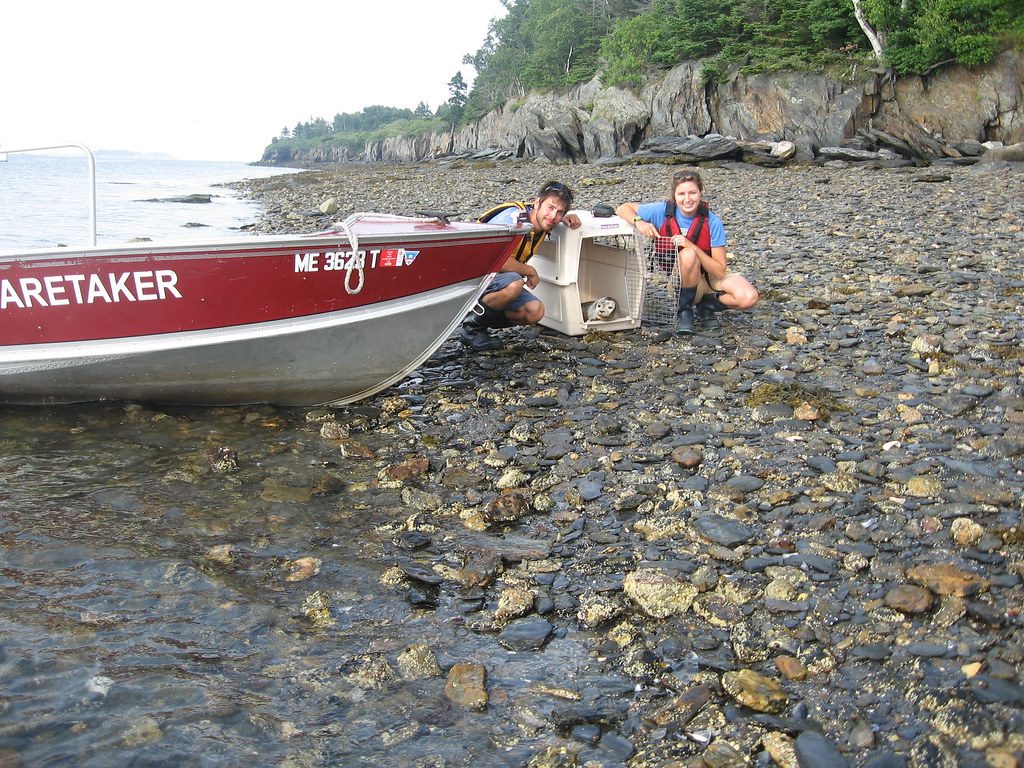
The Ocean Conservation Namibia team eventually caught Antoine, so the shirt could be removed. Once rescuers had control of the situation, cutting through the old clothing took only a short time. That simple action highlights the unfair problem created by entanglement. A person equipped with hands and cutting tools can remove the material quickly, while the trapped animal may have struggled against the same object without being able to escape.
The team said the consequences could have become severe without intervention. Its description of the rescue warned that prolonged entanglement can interfere with an animal’s health and survival. Similar cases documented elsewhere show why rescuers take such threats seriously. Marine wildlife specialists in Cape Town explain that entangling debris can produce serious wounds and may eventually become fatal if an affected seal is never helped.
Cape fur seals face many entanglement risks
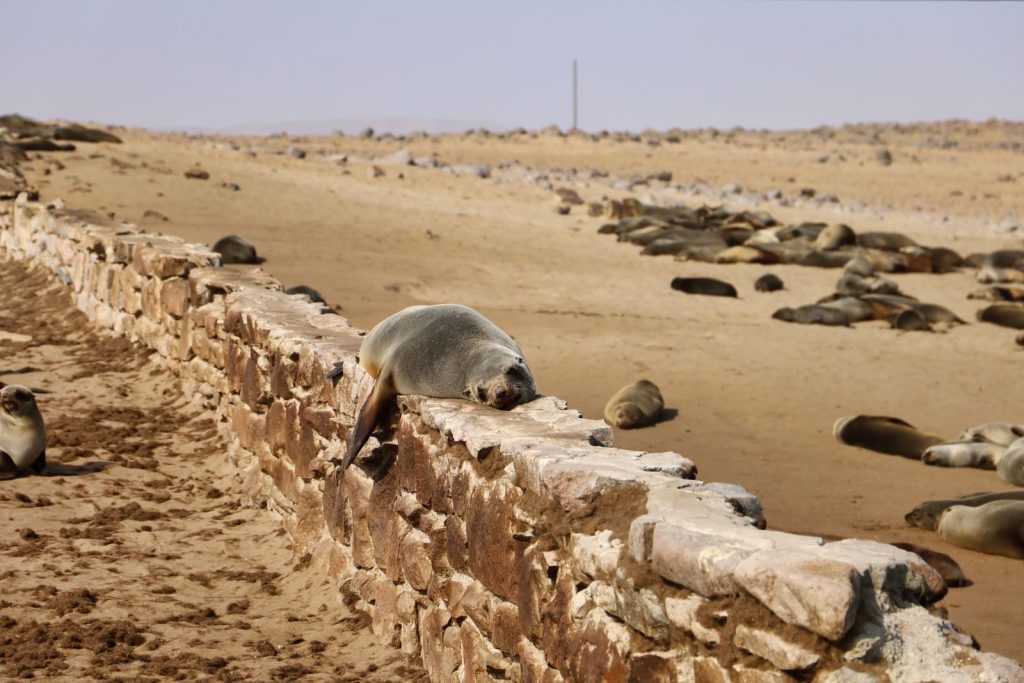
Antoine’s shirt was unusual, but entangled seals are not. Ocean Conservation Namibia works along the Namibian coast, where Cape fur seals encounter fishing gear and other marine debris. The organization says its teams regularly rescue seals caught in human-made waste. By July 2024, it reported having helped more than 3,500 seals over roughly a decade, including nearly 3,000 since the organization was established in 2020.
The problem is not limited to one kind of object. Fishing line, nets, plastic material, and clothing can all create entanglement hazards when they reach areas used by marine animals. Ocean Conservation Namibia focuses heavily on these cases because seals can become trapped when material catches around their necks or bodies. Antoine’s case stands out because the dangerous object was something people normally associate with everyday life rather than commercial fishing or marine activity.
Growing seals face an increasing danger
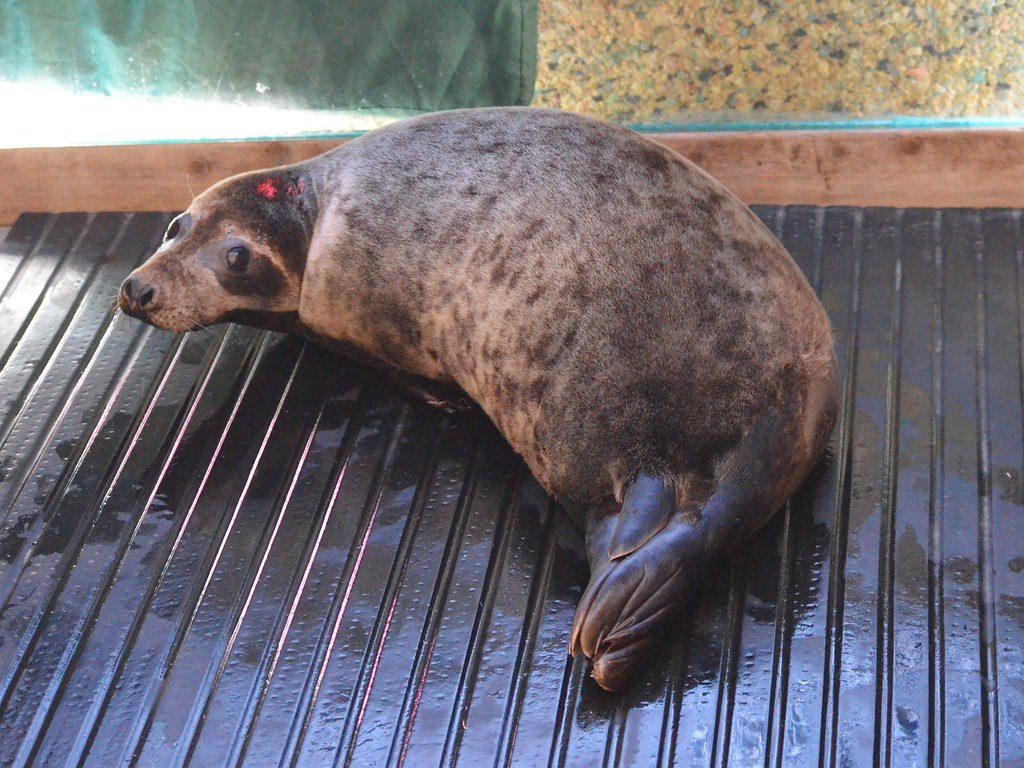
Entanglement can become more dangerous as time passes. The Two Oceans Aquarium documented a severe Cape fur seal entanglement in June 2026 and explained that material acting like a noose can tighten as a young animal grows. The affected juvenile male in that case had developed a serious neck wound before a specialized wildlife team intervened.
That process helps explain why early intervention matters. A loose object around a young animal may not immediately appear dangerous, but the animal’s body continues changing while the material may remain the same size. Eventually, pressure can increase. Wildlife teams therefore monitor seal colonies and other gathering places for animals showing signs of entanglement. Finding a trapped seal before the problem becomes severe can make the rescue simpler and improve the animal’s chance of recovery.
The rescue shows how litter reaches wildlife
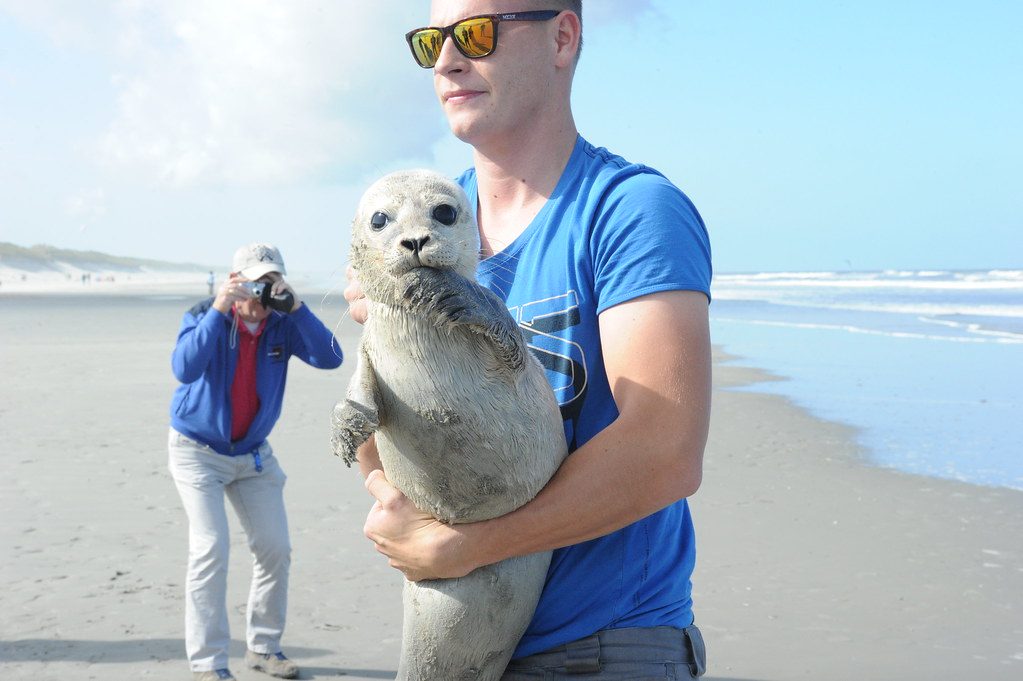
The exact path taken by Antoine’s shirt before it reached the seal is not established by the available material. It would therefore be inaccurate to claim that rescuers know who discarded it or exactly how it entered the ocean. What is clear is that the clothing became marine debris and eventually trapped a wild seal. Ocean Conservation Namibia uses cases like this to draw attention to the wider problem of human waste reaching marine environments.
Antoine’s rescue makes that problem unusually easy to understand. The dangerous object was not some unfamiliar industrial material. It was a shirt, something used by millions of people every day. Once it reached a seal’s environment, however, its purpose no longer mattered. It became material that the animal could enter but could not easily escape. Rescuers were able to remove it in time, turning a dangerous entanglement into another example of why keeping waste away from marine habitats matters.
Featured Image: “Seal Rescue Ireland” by chripell is licensed under CC BY-SA 2.0
Leave a Reply