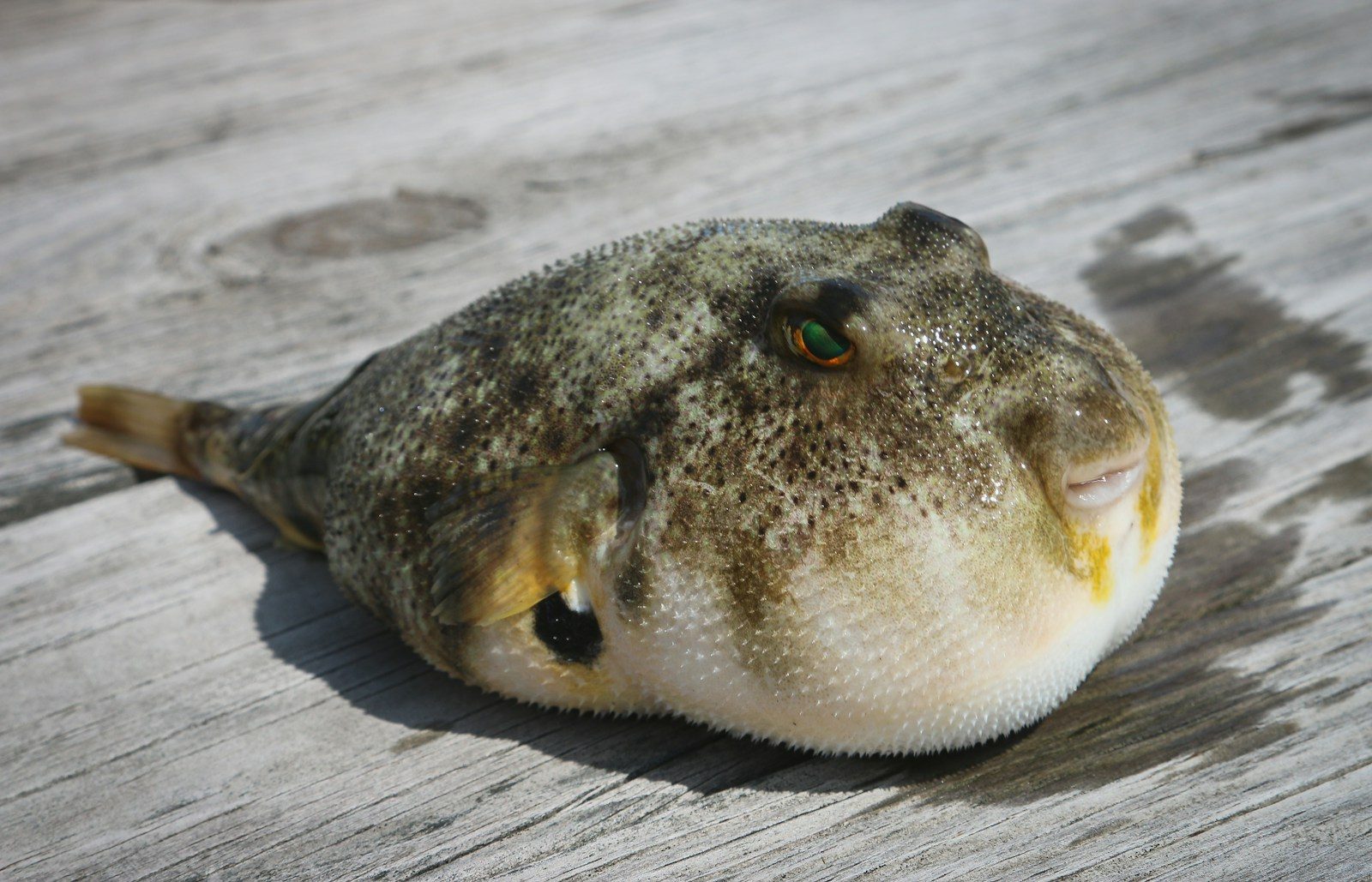
A normal dive suddenly became a wildlife rescue when Shane Brown noticed a large pufferfish behaving strangely near a reef. When he moved closer, he discovered the problem. A fishing hook was caught in the fish’s mouth, while the fishing line connected to weights was keeping the animal trapped near the bottom.
Brown tried to remove the hook but soon realized that doing so could hurt the fish or put him at risk. Instead, he found another way to help. By working on the tangled line, he eventually released the pufferfish from the weights and gave it a chance to swim away.
The diver noticed something was wrong
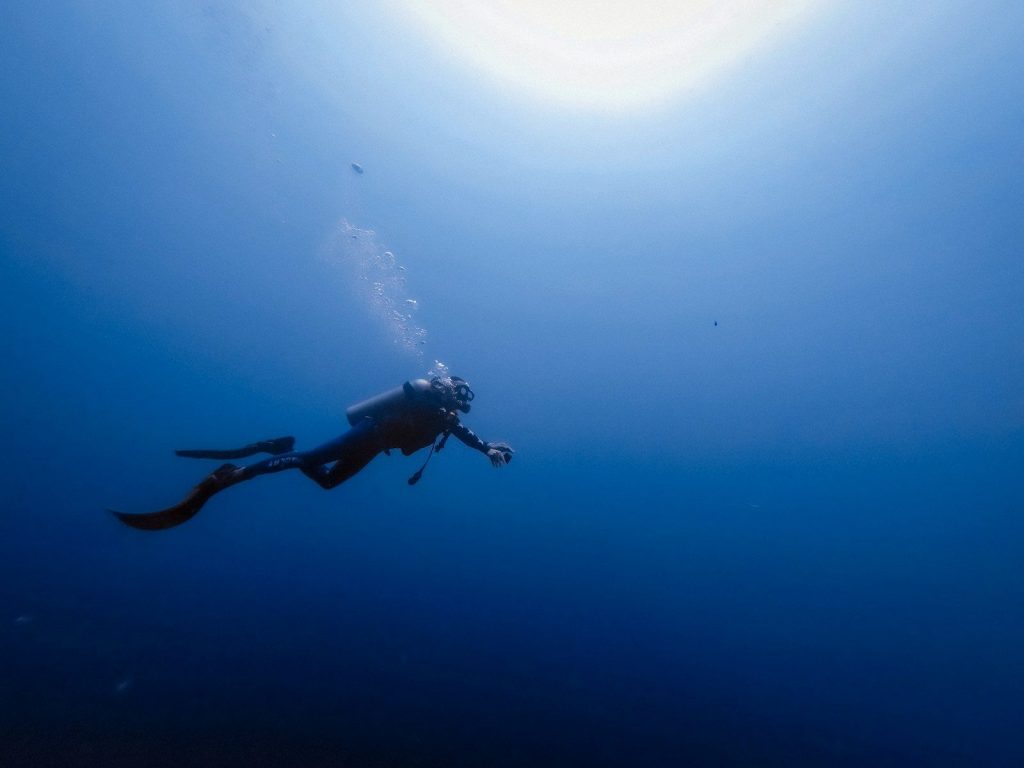
Brown first became interested in the pufferfish because of its unusual movement. He described the animal as extremely large and initially watched it while trying to understand what it was doing. A closer look showed that the fish was not simply swimming around the reef. Fishing gear was preventing it from moving normally. Heavy fishing weights connected to the line were keeping the animal trapped close to the reef.
There was no way for Brown to know how long the fish had been stuck there. What he could see was enough to make him act. The pufferfish had a hook in its mouth, and the attached line and weights created a problem it could not easily escape. Instead of continuing his dive and leaving the animal behind, Brown decided to see whether he could safely free it from the fishing gear.
A fishing hook made the rescue difficult
The hook created the hardest part of the rescue. Brown initially tried to work it free from the pufferfish’s mouth, but it was barbed and difficult to remove. The fish was already under stress, and Brown did not want to make the situation worse. At one point, the hook also came dangerously close to catching him while he was trying to work with the tangled gear.
The fish itself presented another challenge. Pufferfish have strong teeth that form a beak-like structure used for crushing hard food such as mollusks and crustaceans. Brown, therefore, had good reason to avoid placing his fingers near the animal’s mouth while it was frightened. The Natural History Museum explains that pufferfish have four large front teeth that are fused into this powerful structure.
Brown changed his rescue plan
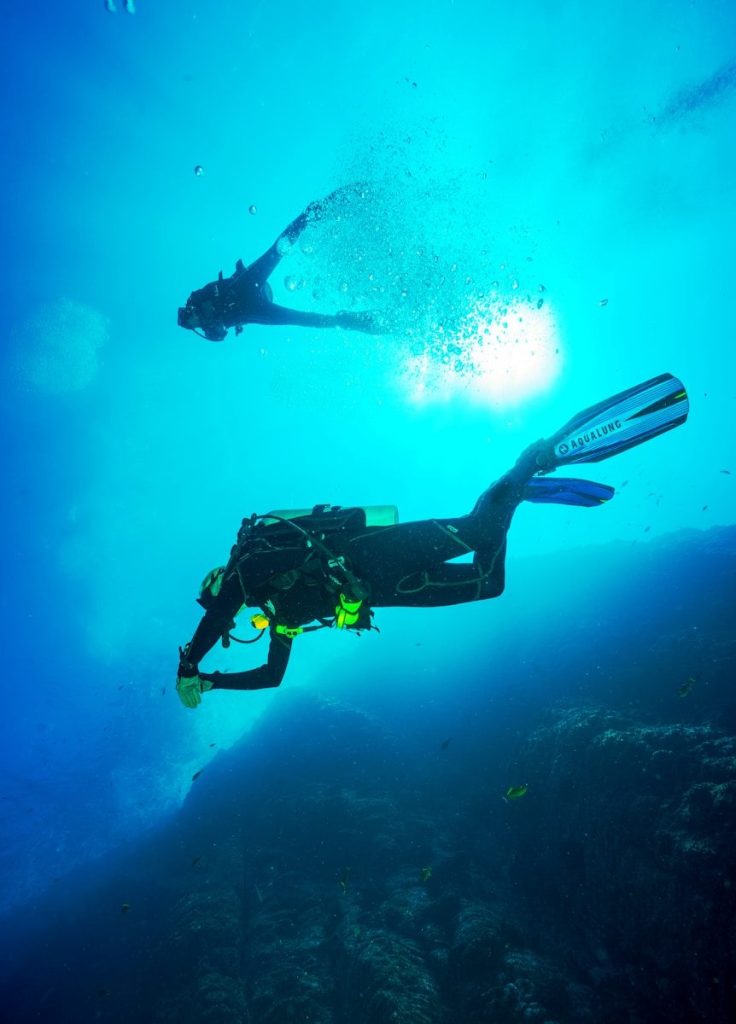
After struggling with the hook, Brown realized he needed a different approach. Removing the hook underwater was proving too difficult and could create additional danger. Instead, he focused on the fishing line and weights that were physically keeping the pufferfish trapped. If he could separate the fish from those weights, it would at least regain the ability to move through the water.
Brown began working on a knot in the line. The process took time because waves were moving him around while he tried to handle the fishing gear underwater. Eventually, he managed to undo the line. That separated the pufferfish from the weights and freed it from the reef. Although some of the fishing line and the hook remained with the fish, it was no longer pinned to the same location.
The pufferfish finally swam away
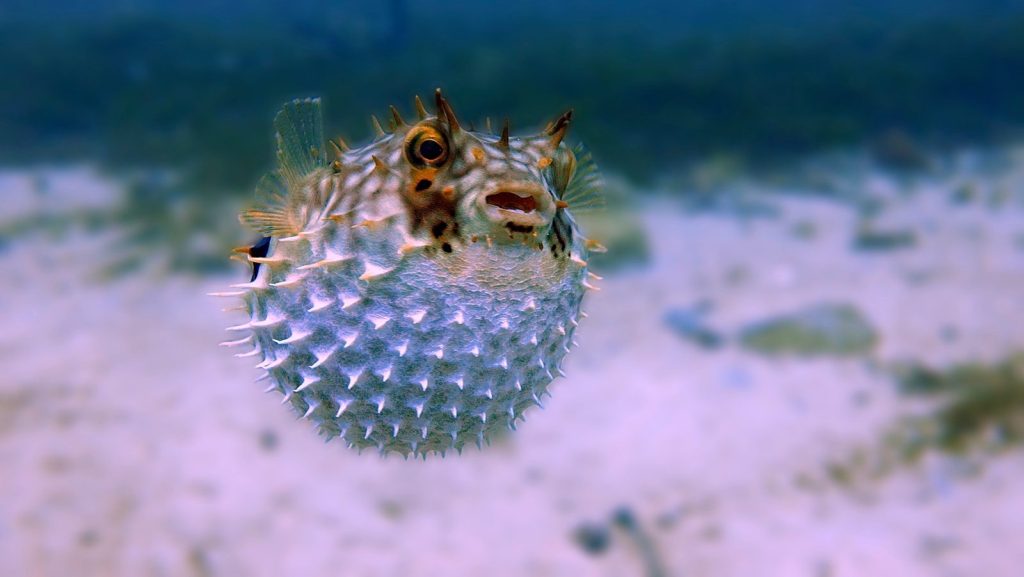
Once the line was released, the pufferfish was able to leave. The footage shows the animal swimming away after Brown finished working on the knot. That was the central success of the rescue. Brown could not solve every part of the problem, but he removed the immediate obstacle that had been keeping the fish trapped against the reef.
Descriptions of the encounter sometimes say the pufferfish approached Brown to ask for help. That makes an appealing story, but the footage cannot establish what the fish understood or intended. Brown noticed unusual behavior and then discovered the fishing gear. What can be said with confidence is that the fish was trapped, Brown intervened, and the pufferfish regained its freedom after he separated it from the weights.
Lost fishing gear can threaten marine life
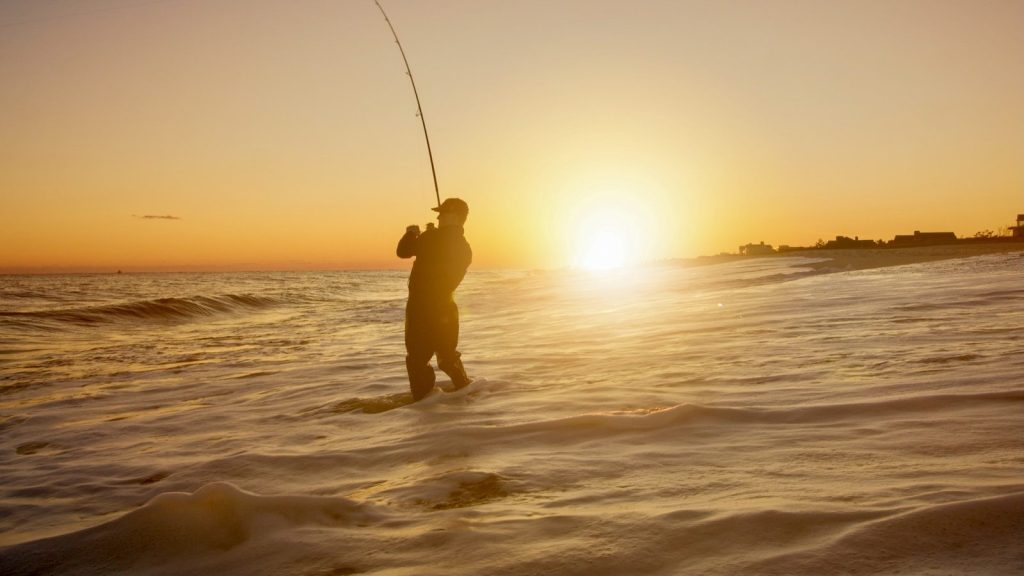
This pufferfish was not the only animal to become trapped by fishing material underwater. Ocean Defenders Alliance has documented another case in Hawaii involving a pufferfish with a hook in its mouth and fishing line caught on a reef. Divers in that case were also unable to remove the hook, but they cut the line and freed the fish from the reef. The group was removing large amounts of discarded fishing line from the area.
Lost or abandoned fishing gear can remain underwater after people have stopped using it. PADI notes that ghost gear, including fishing lines, nets, and traps, is a major source of situations in which divers encounter animals needing assistance. The equipment can continue trapping wildlife without anyone actively fishing. The pufferfish rescue provides a clear example because a hook, line, and weights are combined to prevent the animal from moving freely.
The rescue continued after the fish left
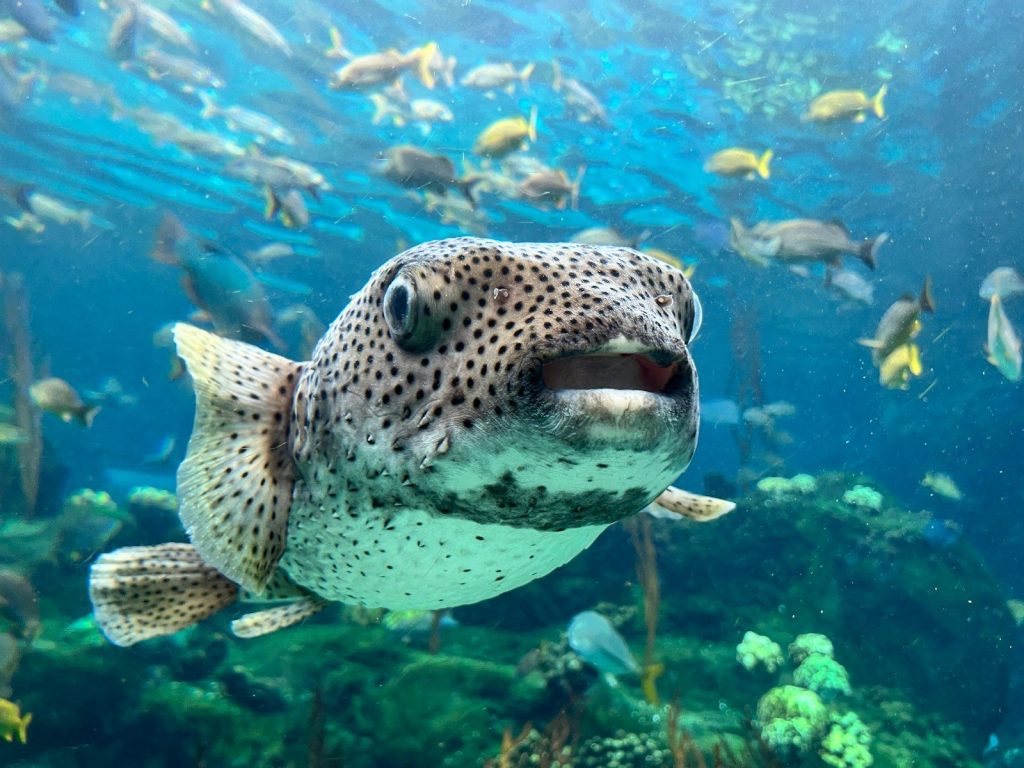
Brown did not immediately leave after the pufferfish escaped. He turned his attention to the remaining fishing line tangled around the reef. He pulled at the material until it came loose and collected fishing gear and other trash found during the dive. Removing it reduced the chance that the same material could create another problem for wildlife in that location.
The encounter also shows why underwater wildlife rescues require care. PADI advises divers to consider whether intervening will actually help an animal and whether they understand the risks involved. A frightened wild animal may bite or otherwise react defensively because it does not know that a person is trying to help. In this case, Brown changed his approach when removing the hook became too risky and concentrated on freeing the trapped animal instead.
Featured Image: Photo by Brian Yurasits on Unsplash
Leave a Reply