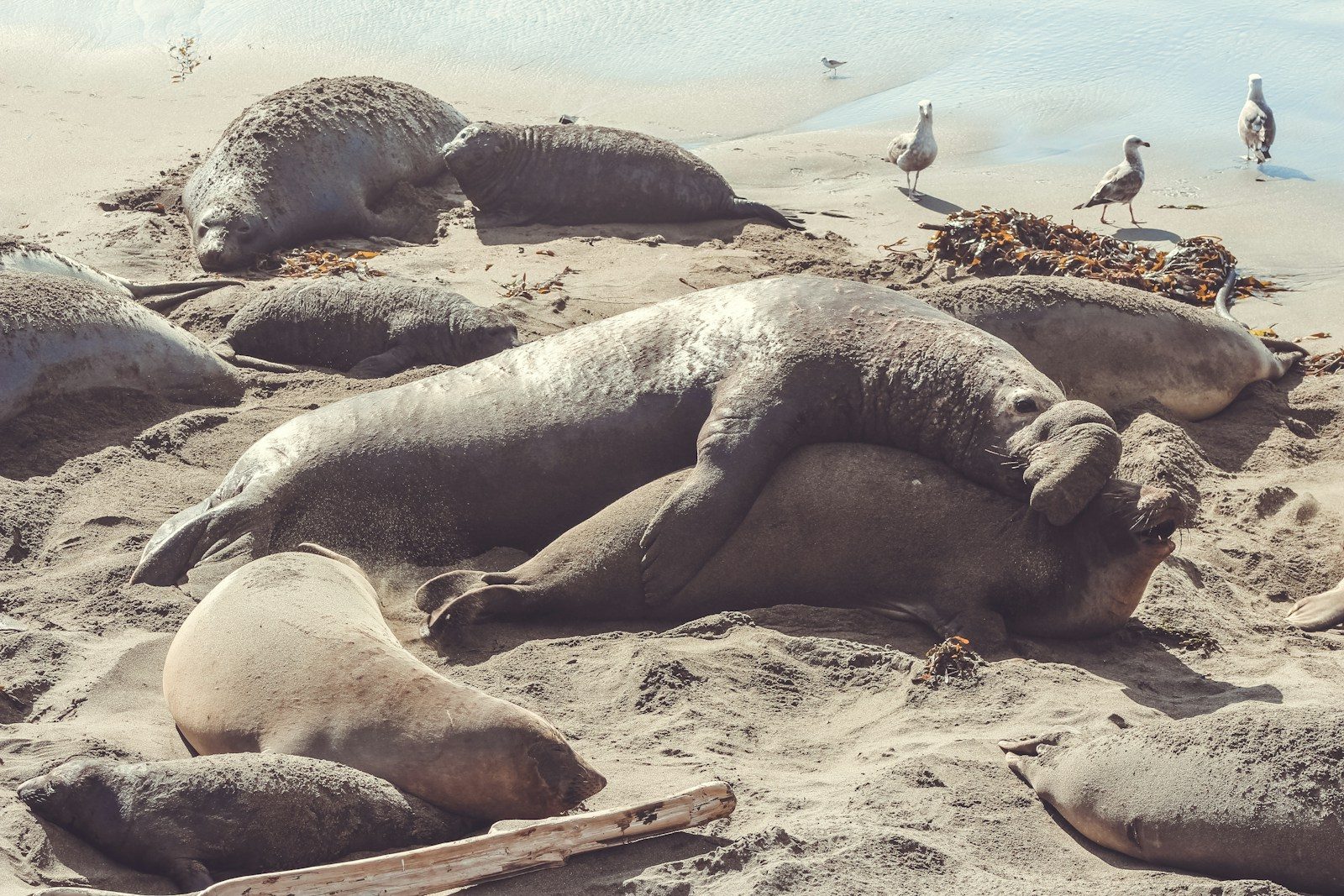
Imagine weighing thousands of pounds and still having to fight other giant males for a chance to reproduce. That is the challenge faced by male elephant seals during breeding season. The largest bulls use their size, strength, and social rank to compete for access to females. Yet fighting is only part of the challenge.
Males can remain on land for weeks without eating while spending huge amounts of stored energy. By the end of the season, some have lost an enormous amount of body weight. Their breeding system creates a world in which a small group of dominant males gains most of the reproductive success.
Male elephant seals grow to enormous sizes
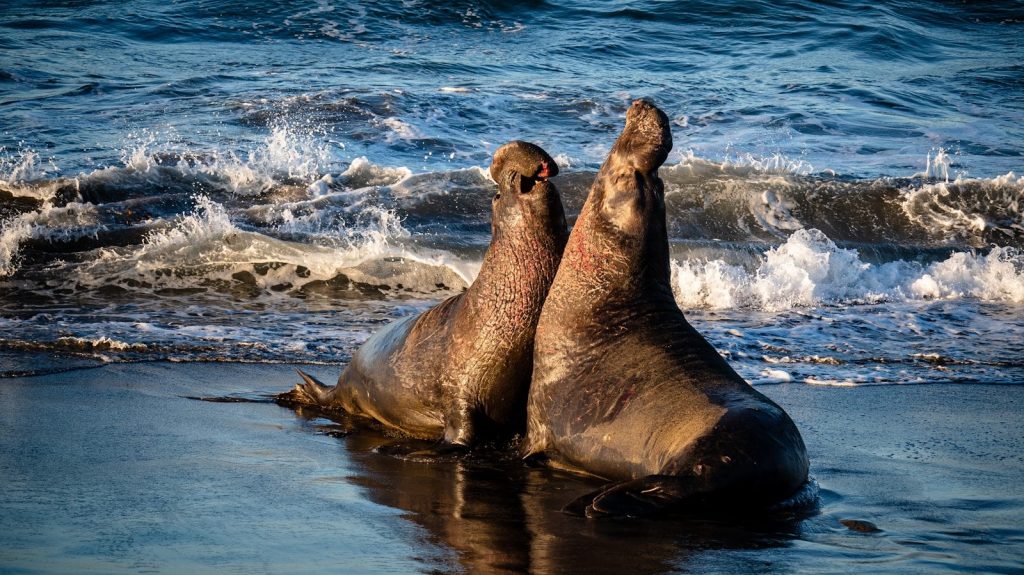
Southern elephant seals are the largest seals in the world, and adult males are much bigger than females. The biggest bulls can reach several tons, giving them a major physical advantage when competing against other males. Their size is not simply impressive to look at. Research on southern elephant seals has found a clear connection between male body size, social position, and mating success. Larger males are more likely to reach the most valuable positions within breeding groups.
This creates strong competition long before mating happens. A male needs enough stored energy to remain on shore, challenge rivals, defend his position, and survive a long period without normal feeding. Size can help with each of these problems. Large males carry greater energy reserves, and research suggests those reserves can support the high energy demands linked with reproductive success. A huge body is therefore both a fighting advantage and an energy bank that can help a bull remain competitive.
Dominant males control the best positions
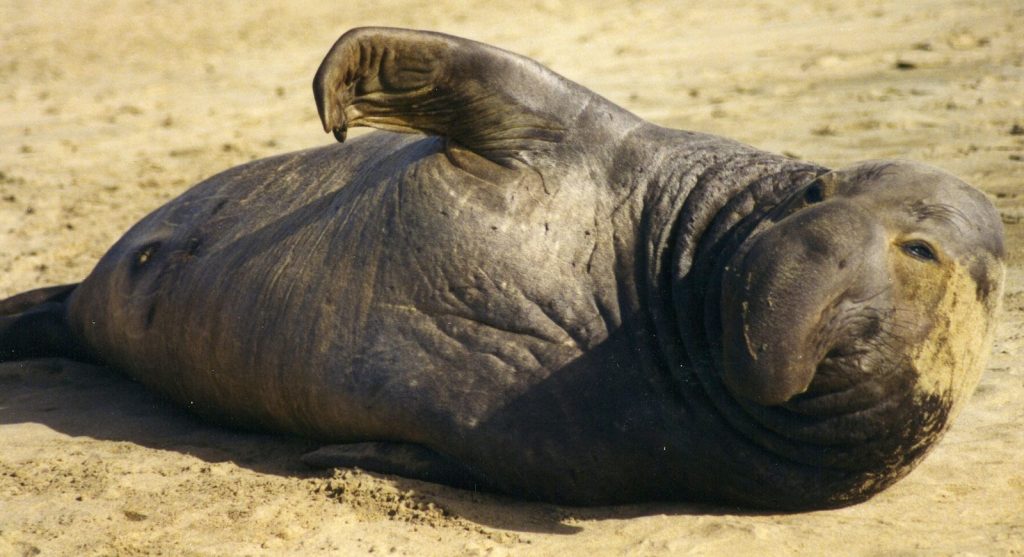
Elephant seal breeding groups have a strong social hierarchy. Males establish their position through fights and threat displays, and higher-ranking animals gain much greater access to females. A classic study of northern elephant seals found that only 4% of observed males inseminated 85% of the females. That shows how uneven reproductive success can become when a few powerful males rise to the top.
More recent National Park Service information makes the challenge even clearer. Only about 5% of male northern elephant seals survive to sexual maturity, and fewer than 1% ever gain reproductive access to females. Younger or lower-ranking males may still attempt to mate, but dominant alpha males have a huge advantage. Reaching adulthood is therefore only the beginning. A male must also compete successfully against other enormous bulls before he has a strong chance of reproducing.
Bulls use fights to establish dominance
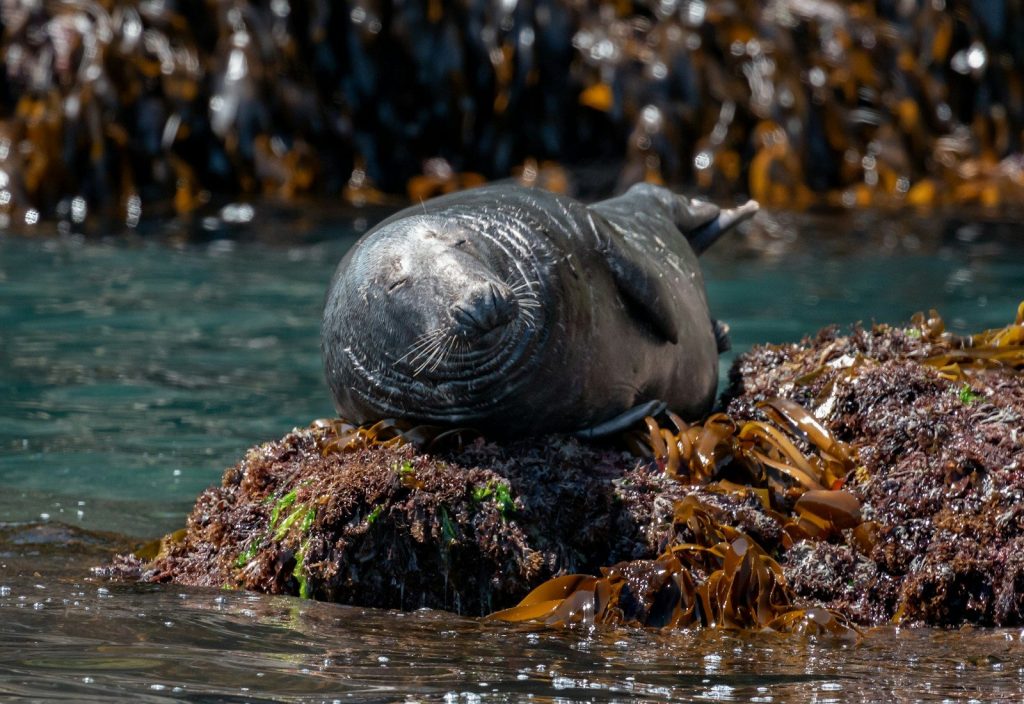
Competition between elephant seal bulls can become intense. Research shows that males build a social hierarchy through physical contests and threatening displays. These encounters help determine which animals control important positions near groups of females. A successful dominant male does not need to fight every rival constantly because his established social rank can influence how other males respond to him. However, reaching and keeping that position can require considerable effort.
Southern elephant seal research shows just how important dominance can be. Males occupying central positions in harems defeated almost every other male they encountered in one study. These central males were also longer than males living outside the harems, and their mating success increased with body length. The pattern makes size especially valuable because a large male has both greater physical power and a better chance of gaining the social position needed for reproductive success.
Breeding males can go months without food
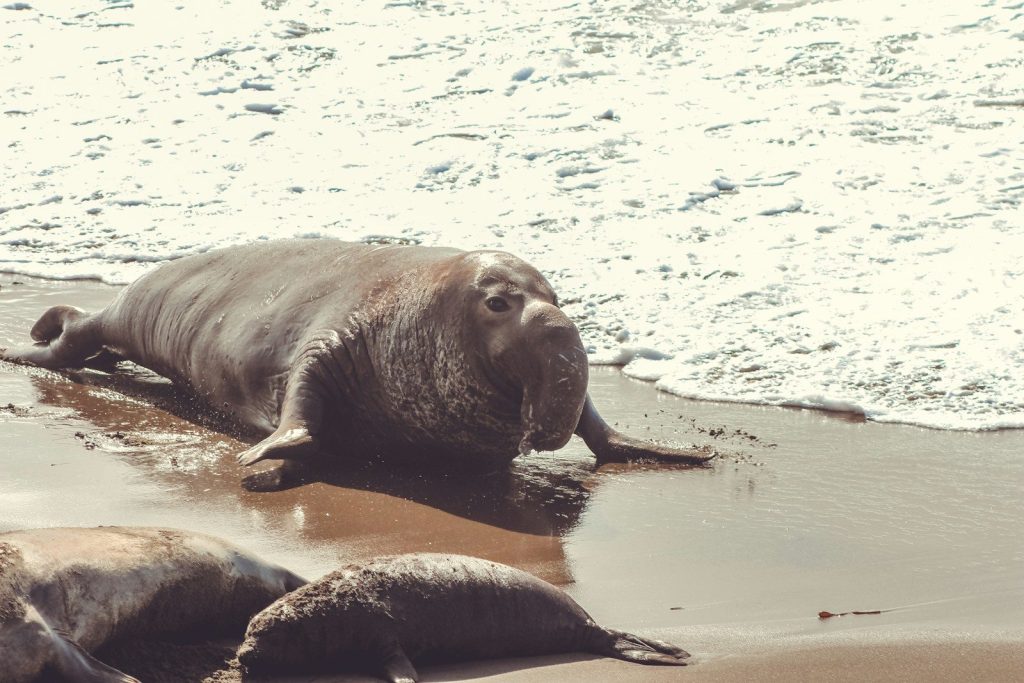
Fighting is not the only extreme part of elephant seal breeding. Adult males also fast while they are on land. Research on northern elephant seals has examined breeding fasts lasting more than three months. During this period, males must support their normal body functions while also dealing with the high energy demands of breeding behavior. Instead of regularly returning to the ocean to feed, they depend heavily on energy already stored in their bodies.
That creates a difficult balance. Remaining near females may improve a dominant male’s reproductive opportunities, but every additional day uses more of his stored energy. Southern elephant seal research found that central males remained on shore longer than males occupying less important positions. Their body length was also linked with how many days they could spend in the harem. Large body reserves, therefore, provide something beyond strength. They can give successful males the endurance needed to stay in the breeding area longer.
Elephant seals can lose huge amounts of weight
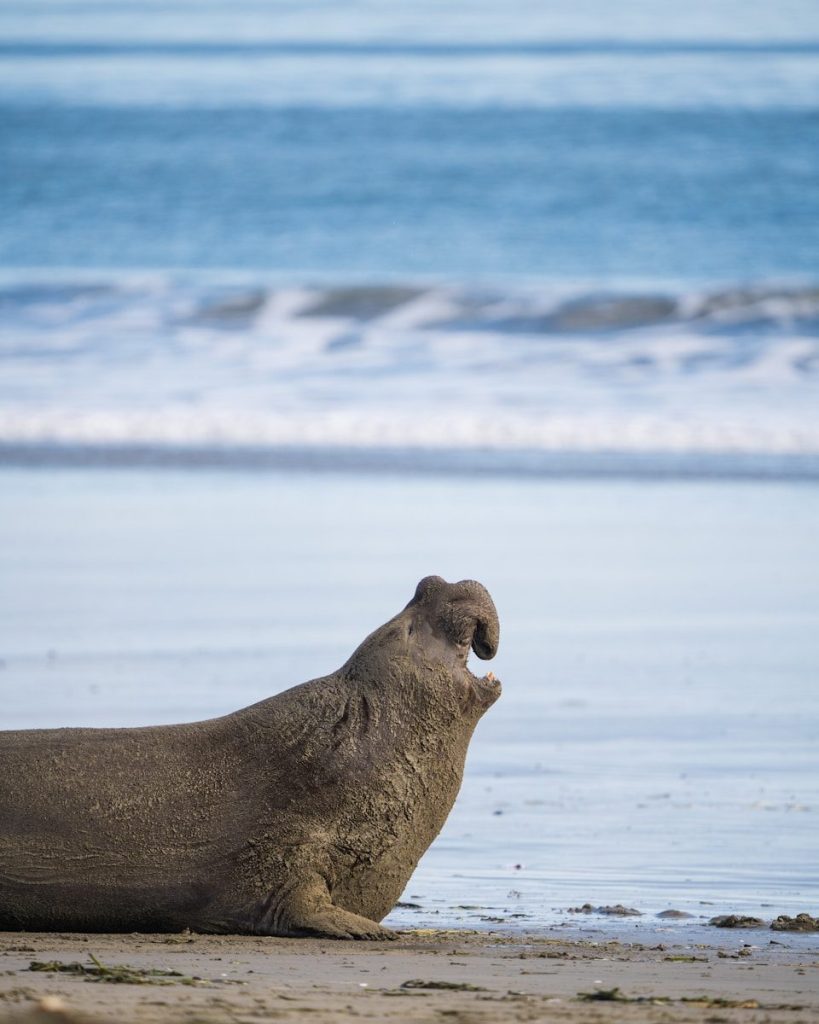
Weeks of fasting and breeding activity can transform a male’s body. Research on southern elephant seals recorded average losses of roughly 551 kg during breeding, equal to about 26% of initial body weight. Individual results varied greatly. Some animals lost more than 1,300 kg, while percentage losses reached more than 50% in one year of the study. The animals were effectively burning through the reserves they had built before breeding began.
The speed of that weight loss can also be remarkable. The southern elephant seal study recorded average losses of about 9 kg per day, with individual rates ranging as high as 22.5 kg per day. The National Park Service says male elephant seals typically lose up to 40% of their body weight during breeding season. NOAA gives a similar figure for northern elephant seals, stating that they can lose up to 36% while fasting during mating season.
Reproductive success comes at a major cost
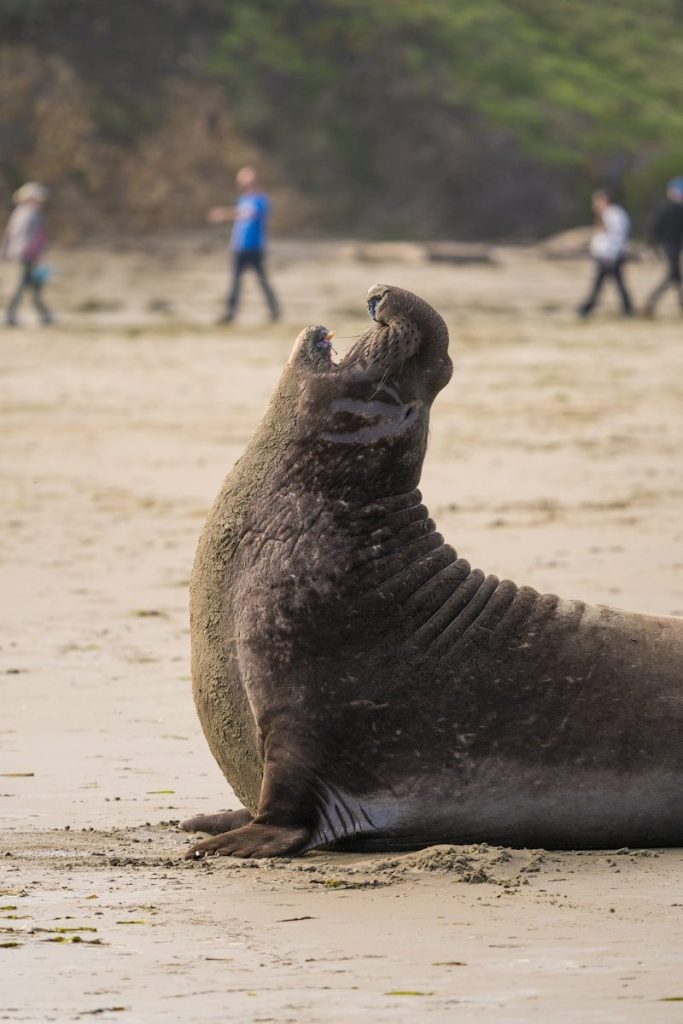
For the males that reach the top, all this effort can produce a major reproductive advantage. Southern elephant seal research found that greater reproductive effort was linked with greater mating success and more fertilizations. Successful males, therefore, face a major biological tradeoff. Spending more energy during breeding can improve their reproductive success, but it also means using enormous amounts of the body reserves they accumulated before coming ashore.
This helps explain why elephant seal breeding can look so extreme. Their enormous bodies, battles, long fasting periods, and dramatic weight loss are all connected to a reproductive system built around intense competition between males. Most males will never achieve the position held by the most successful bulls. The few that do must still pay a high physical price for that success. By the time breeding ends, even a victorious male may return to the ocean far lighter than when he arrived.
Featured Image: Photo by Jason Moyer on Unsplash
Leave a Reply