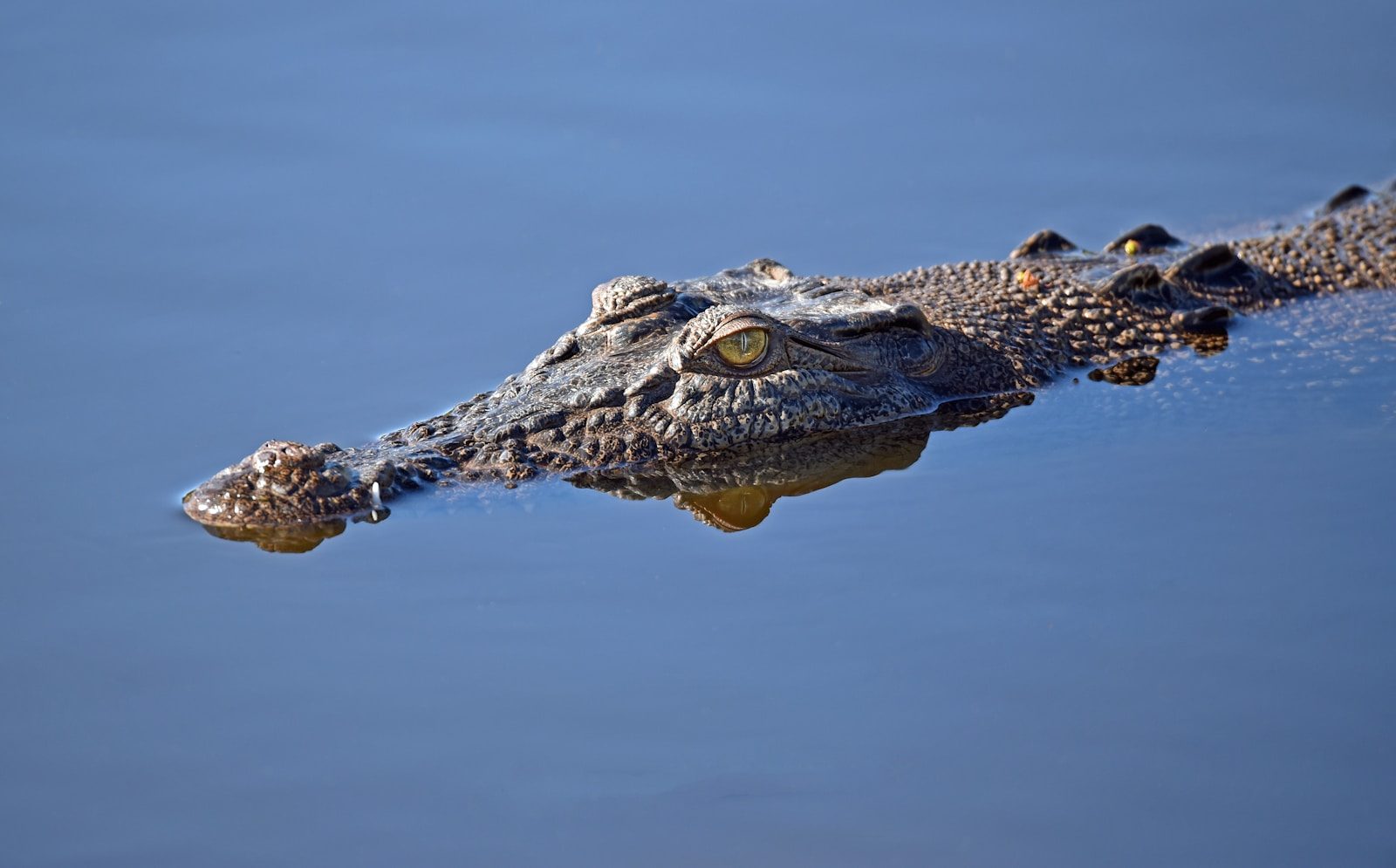
A protected nature refuge in Texas is dealing with a troubling wildlife case. Three alligators were shot at the Fort Worth Nature Center and Refuge between May and July 2026, and Texas Game Wardens are investigating the incidents as suspected poaching.
Two of the alligators died, while a nesting female survived with a shaft lodged in her neck. One of the dead animals had been tagged as part of the refuge’s ongoing research into its local alligator population. The incidents have now brought more patrols to the area while officials try to determine who targeted the animals and why.
Three alligators were targeted at the refuge
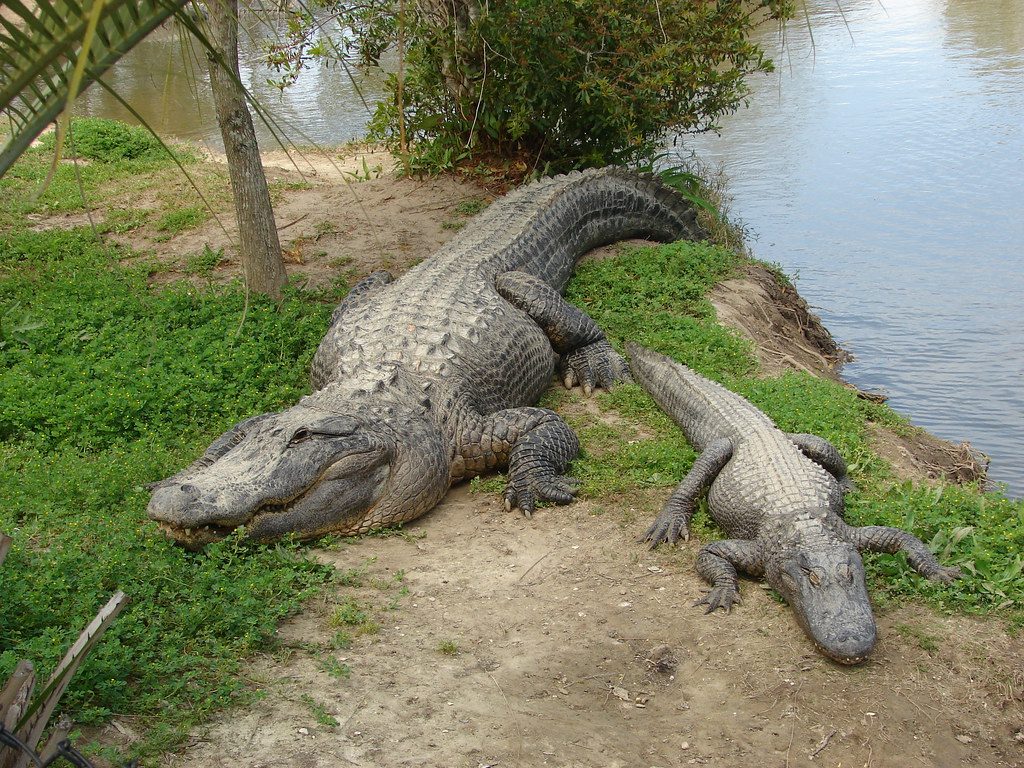
The shootings happened over several months at the Fort Worth Nature Center and Refuge, a protected area around Lake Worth. Texas Game Wardens said the three incidents occurred between May and July 2026. Two of the animals were killed. The third, an adult nesting female, survived despite suffering a serious injury. The events were especially concerning because hunting is prohibited within the refuge.
The incidents did not all become known in the same way. Visitors and people kayaking in the area helped alert refuge workers to suspicious animals and injuries. Staff eventually found evidence that multiple alligators had been targeted rather than dealing with one isolated event. That pattern led wildlife officials to investigate the incidents as possible poaching. The investigation also involves Lake Worth marshals as authorities increase their presence around the refuge.
One dead alligator was part of a study
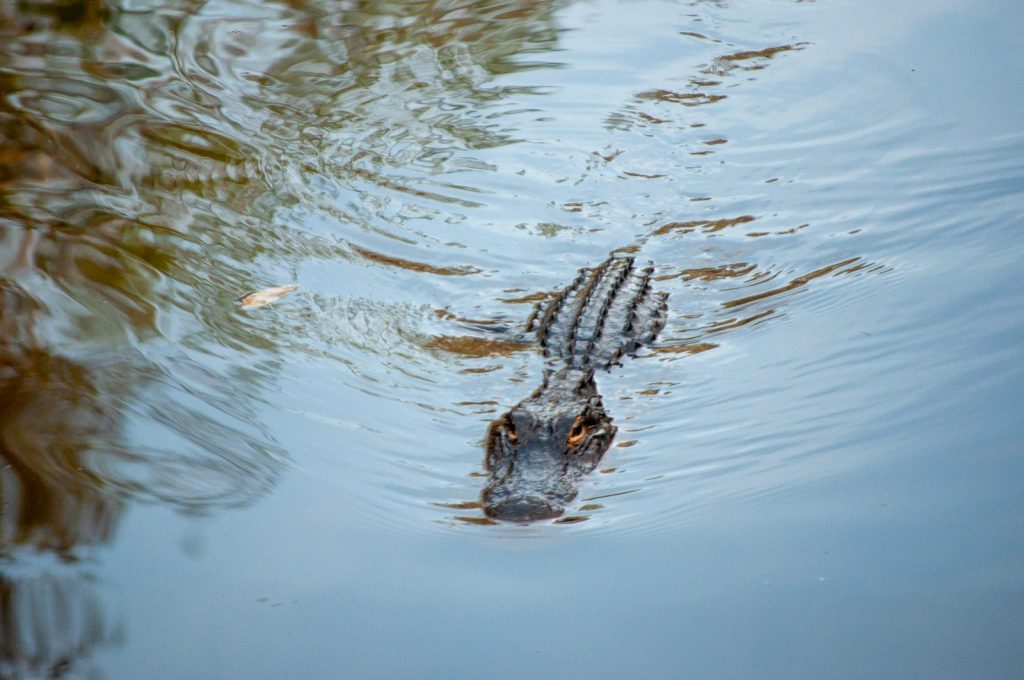
One of the animals killed had extra importance to the Fort Worth Nature Center because it was part of an ongoing wildlife research project. Nature Center manager Jared Wood said the young alligator had previously been marked for research. The refuge has been studying local alligators to build a better picture of the population living in and around the Trinity River wetlands near Lake Worth.
That research is needed because there is still much to learn about Fort Worth’s alligator population. Nature Center workers have been catching alligators, recording measurements, tagging and microchipping them, and then returning them to the wild. The goal is to create baseline information about how many animals live there and how large they are. Losing a tagged animal, therefore, affects more than the individual alligator because it can also remove an animal that researchers were following over time.
Investigators found signs of serious damage
The condition of a dead alligator raised more questions about what happened after it was killed. Jared Wood said damage around the animal’s spine appeared consistent with someone attempting to separate its head from the body. The evidence added another disturbing element to an investigation that was already focused on the shooting of protected wildlife inside an area where hunting is not permitted.
The third alligator presented a different situation because she survived. A game camera captured an image of the nesting female with a shaft lodged in her neck. The fact that she was still alive gave refuge staff a very different problem from the two dead animals. Together, the three cases showed that alligators had been targeted on several occasions during a period lasting from May through July rather than in a single incident.
Officials increased patrols around Lake Worth

Texas Game Wardens and Lake Worth marshals responded by increasing patrols around the refuge. Game Warden Mariah Hampton said officers were changing where and when they patrolled. Their work included watching for suspicious human activity as well as checking wildlife for injuries that might point to additional incidents. The goal was to gather information while making it harder for another similar event to occur unnoticed.
The location makes the investigation particularly important. Fort Worth states that hunting any animal is prohibited at the Nature Center and Refuge. The city also prohibits alligator hunting on Lake Worth. Alligators are considered native Texas game animals and are regulated by the Texas Parks and Wildlife Department, meaning there are specific state rules governing when and where the animals can legally be taken.
Alligators are native to the Fort Worth area
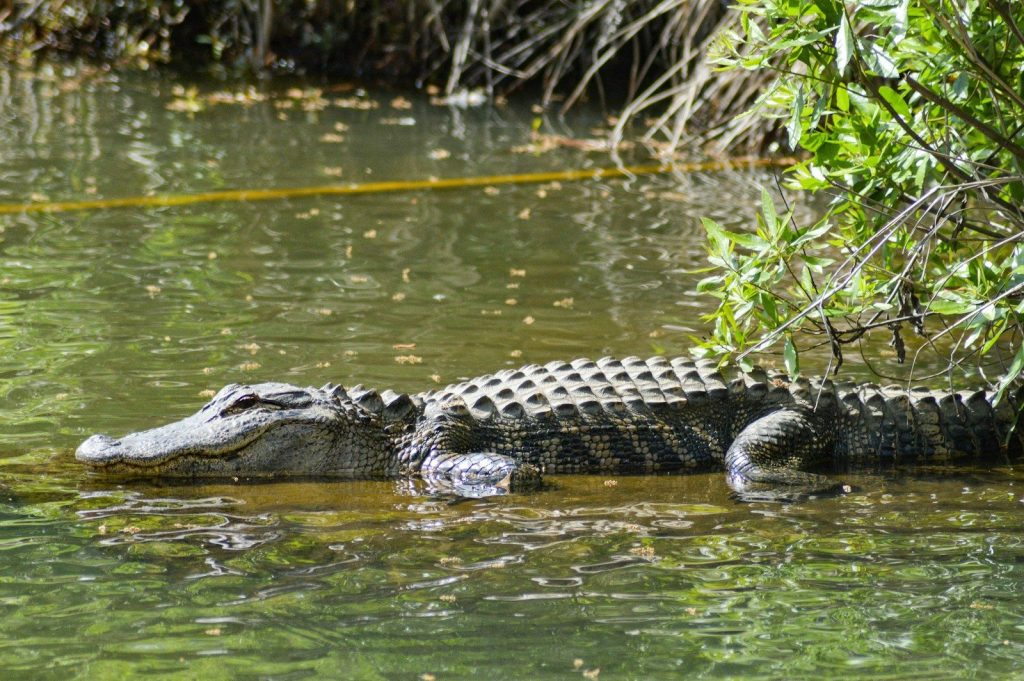
Alligators may surprise some visitors to North Texas, but they are not newcomers to Fort Worth. Jared Wood said the first recorded alligator sighting in the area dates to 1849. The Nature Center’s research is intended to improve knowledge about the current local population rather than determine whether the animals belong there. The City of Fort Worth currently says preliminary research indicates that roughly 15 to 25 alligators may live at the Nature Center and Refuge.
The refuge’s research also challenges the idea that these animals are simply former pets released into the area. Alligators are naturally found there and form part of the wetland ecosystem. Wood has described them as a keystone species because they can have an unusually large effect on the environment around them. As major predators, they influence other animal populations, while large adults can also maintain watering holes that affect wetland habitat.
The shootings also affect wildlife research
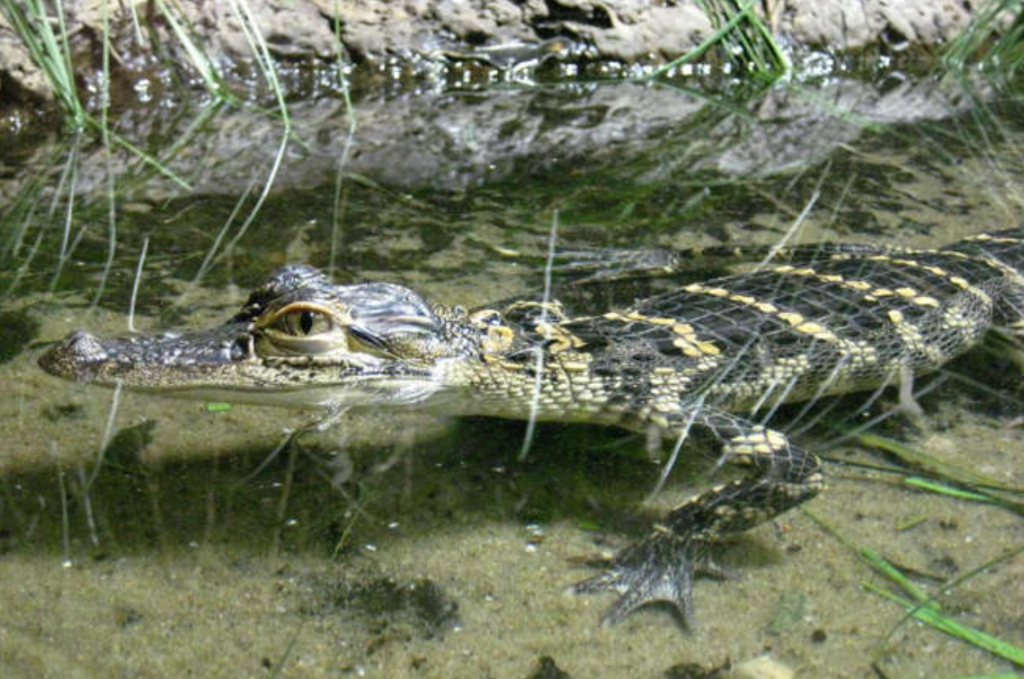
The loss of an animal from a wildlife study can create a gap in research. Nature Center staff are trying to learn basic information about Fort Worth’s alligator population, including population size and the physical condition of individual animals. Researchers have captured alligators, safely restrained them, recorded their measurements, and attached identifying tags and microchips before releasing them. Those records become more useful as researchers continue gathering information over time.
The shootings, therefore, affect both wildlife protection and scientific monitoring. Two alligators were killed, a third was injured, and one of the dead animals had already contributed to an ongoing study. Texas Game Wardens are investigating, while patrols around the area have increased. For the Nature Center, the broader work continues as staff tries to understand a native alligator population that has lived around Fort Worth far longer than many residents may realize.
Featured Image: Photo by David Clode on Unsplash
Leave a Reply