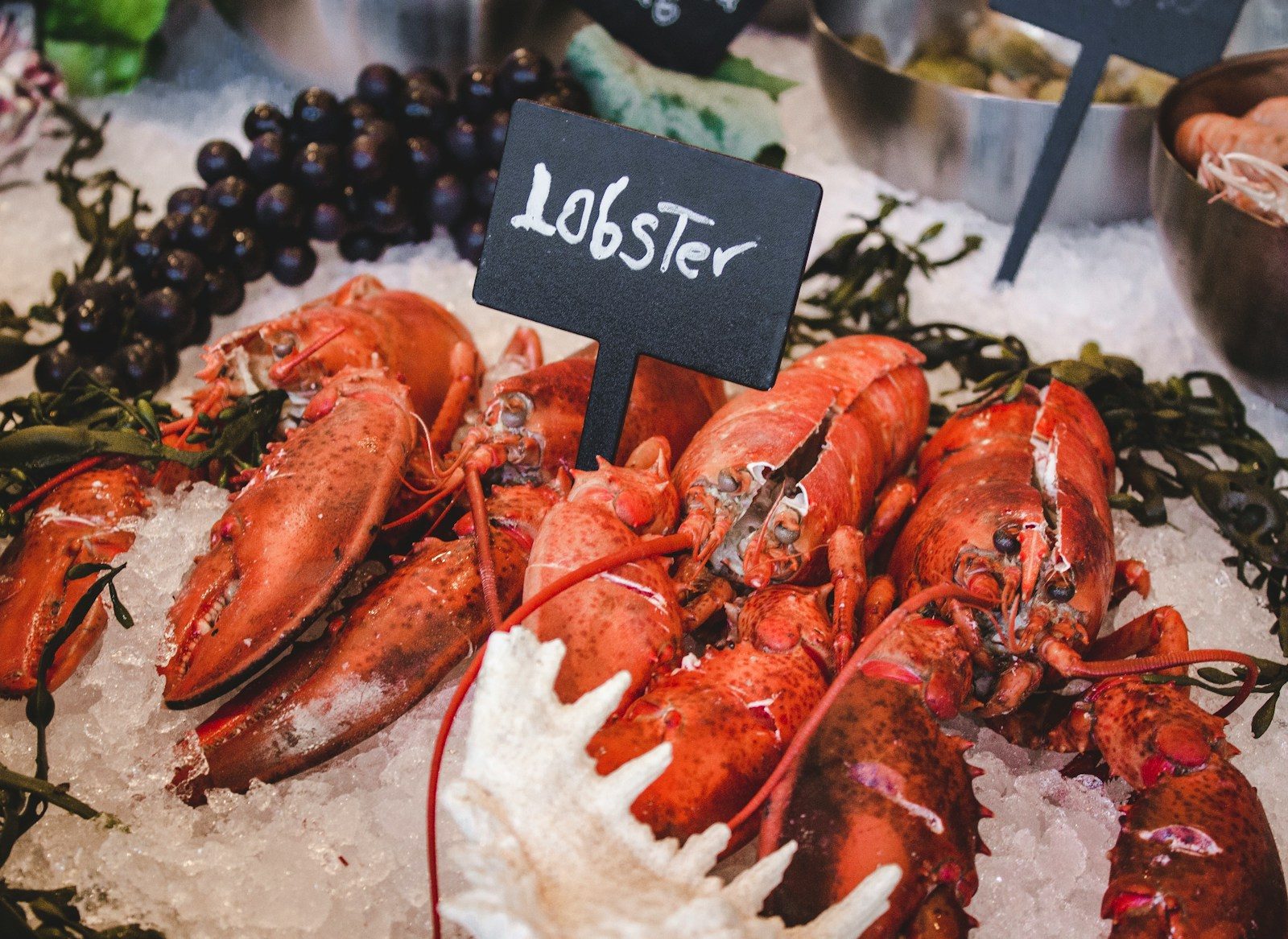
Crabs are among the most important animals in coastal waters, supporting both marine ecosystems and fishing communities. But in some regions, changing ocean conditions and fishing pressure are causing crab populations and catches to shift dramatically.
Scientists and fisheries managers are increasingly watching these changes because what happens to crabs can affect much more than the seafood industry.
Some crab species are moving into new waters
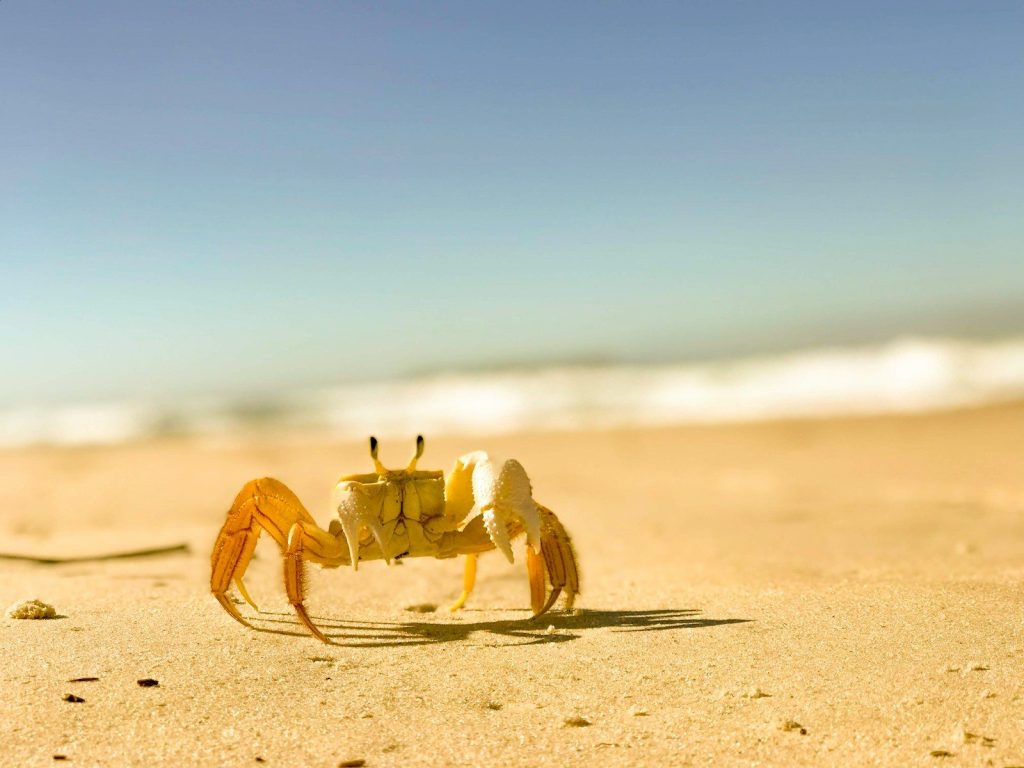
As ocean temperatures rise, several marine species are changing where they live. Crabs are no exception.
Species that once preferred cooler waters can move farther north, while warmer-water species may expand into areas where they were previously uncommon.
This can create unexpected changes for fishermen. A species that becomes more abundant may provide a new source of income, while another that declines can leave fishing communities struggling to replace it.
Blue crabs have become a major concern
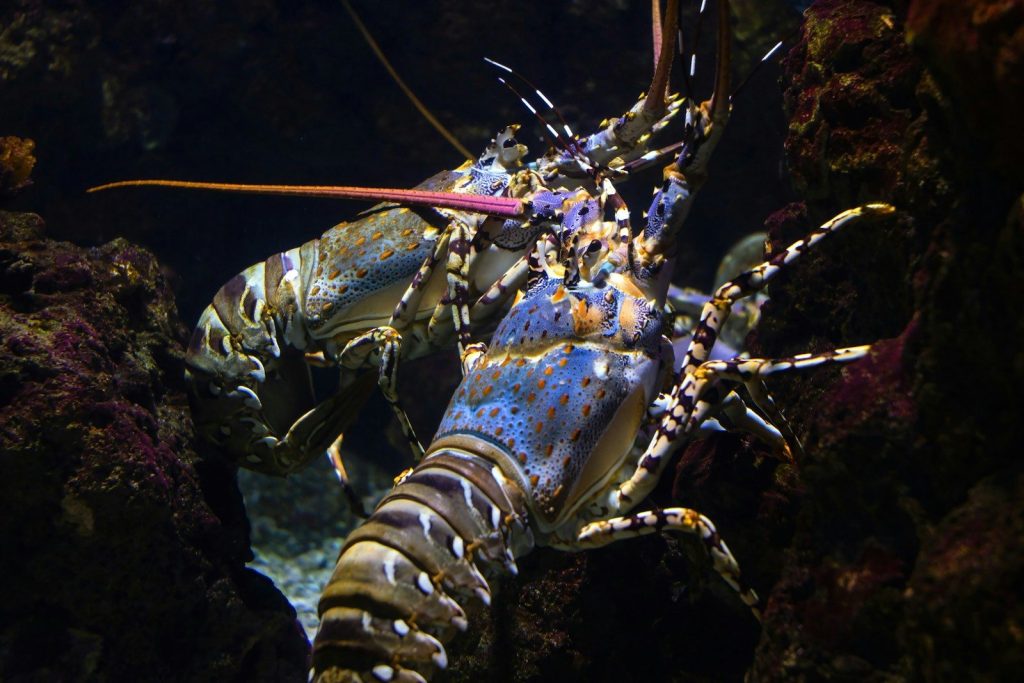
The European blue crab is one example of a species that has expanded beyond its traditional range.
Native to the western Atlantic, the species has established populations in parts of the Mediterranean and other European waters. Its ability to reproduce quickly and tolerate different conditions has helped it spread.
The crab can also compete with native species for food and habitat, creating problems for local ecosystems and fisheries.
Spider crabs can suddenly appear in huge numbers
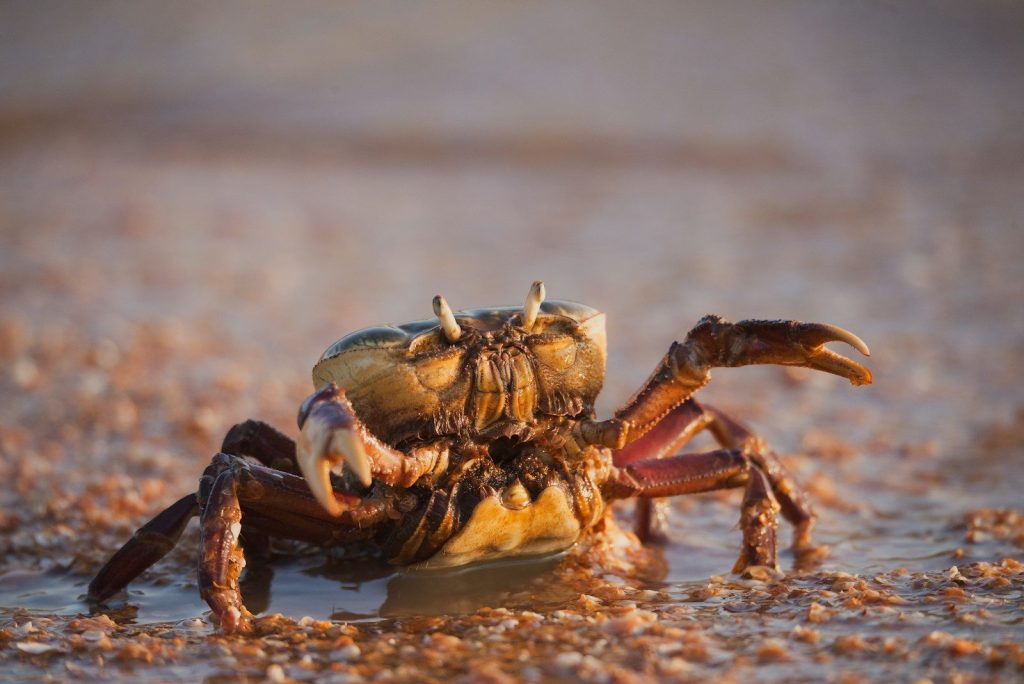
Spider crabs are another species capable of producing dramatic changes in coastal waters.
Large seasonal gatherings of spider crabs can bring enormous numbers of animals together in relatively small areas. Such events can create valuable opportunities for fishermen, but unusually large catches can also raise questions about how populations should be managed.
Fisheries authorities often have to balance the economic value of a species with the need to prevent overexploitation.
Why crab numbers matter
Crabs are more than something found on a seafood menu.
They are predators, scavengers and prey for other marine animals. Some species help recycle organic material on the seafloor, while others influence populations of smaller creatures.
A major change in crab numbers can therefore ripple through an entire coastal ecosystem.
The future may look different
Climate change, fishing pressure and the movement of non-native species are changing marine environments around the world.
For fishing communities, that could mean targeting different species in the future. For scientists, it means continuing to monitor populations and understand why they are changing.
The crab fisheries of tomorrow may look very different from those known by today’s fishermen.
Featured Image: Photo by Louis Hansel on Unsplash
Leave a Reply