Author: Ethan

  • Animals that sought help and were met with unexpected kindness in return

    Animals that sought help and were met with unexpected kindness in return

    Animals that sought help from humans have created some of the most touching stories ever shared. In many cases, these animals were hurt, trapped, scared, or separated from their families. Even though they could not speak, they found ways to show people they needed help. What happened next often surprised everyone involved.

    These true stories show how kindness can cross the line between humans and animals. From dolphins swimming toward rescuers to elephants guiding people toward danger, these moments remind us that animals are smart, emotional, and deeply aware of the world around them. In this article, you will read about real animals that searched for help and the caring humans who answered their call.

    Dolphins that swam toward rescuers

    dolphin with head sticking out of water during daytime
    Photo by Damian Patkowski on Unsplash

    One of the most famous examples happened on a beach in Spain when a dolphin swam close to shore with fishing line wrapped tightly around its mouth. People nearby noticed the dolphin was not acting normally. Instead of swimming away, it stayed close and allowed humans to approach. Beachgoers carefully removed the tangled line while the dolphin stayed calm during the rescue. After it was freed, the dolphin slowly returned to deeper water where two other dolphins were waiting nearby.

    Another well-known case involved a dolphin approaching divers because a fishing hook was stuck in its fin. The animal repeatedly came close to the divers and stayed still long enough for them to remove the hook. Experts who study dolphins say these moments show how intelligent the animals are. Dolphins often understand when humans can help with problems they cannot solve alone, especially when the danger comes from fishing gear or pollution created by people.

    A mother elephant searching for help

    Male African Bush Elephant Calf, Amboseli National Park” by . Ray in Manila is licensed under CC BY 2.0

    In parts of Asia and Africa, rescuers have reported cases where mother elephants appeared to seek human help when their calves were trapped. One widely shared rescue involved a baby elephant stuck in deep mud near a village. Witnesses said the mother elephant stayed close but did not attack rescuers when they arrived. Instead, she watched carefully while workers used ropes and digging tools to free the calf from the muddy pit.

    Elephants are known for their strong family bonds and high intelligence. Scientists have long studied their emotional behavior, including the way they protect injured family members and react to death within their herds. Some experts believe elephants can recognize when humans are trying to help instead of harm them. In rescue stories like these, villagers and wildlife workers often say the adult elephants seemed to understand that people were trying to save the young calf rather than take it away.

    Whales that trusted humans in dangerous moments

    grey dolphin on body of water during daytime
    Photo by Todd Cravens on Unsplash

    Large whales usually avoid people, which is why rescuers are often shocked when injured whales approach boats for help. In several real-life rescues, humpback whales tangled in ropes or fishing nets stayed surprisingly calm while divers cut away the heavy lines wrapped around their bodies. Some rescuers said the whales even rolled gently in the water to make the work easier and safer.

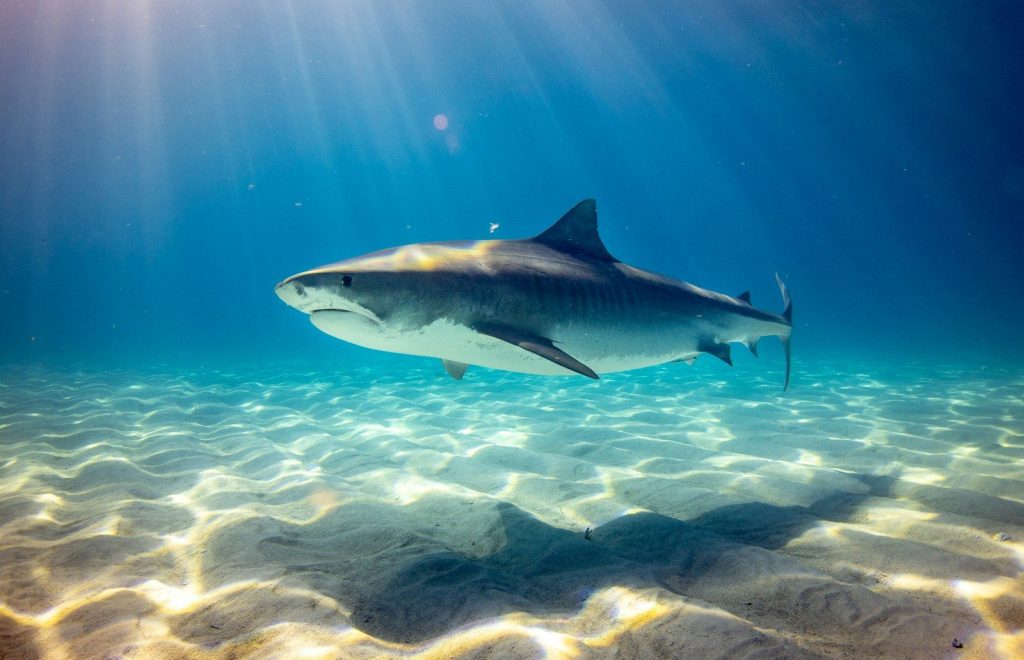
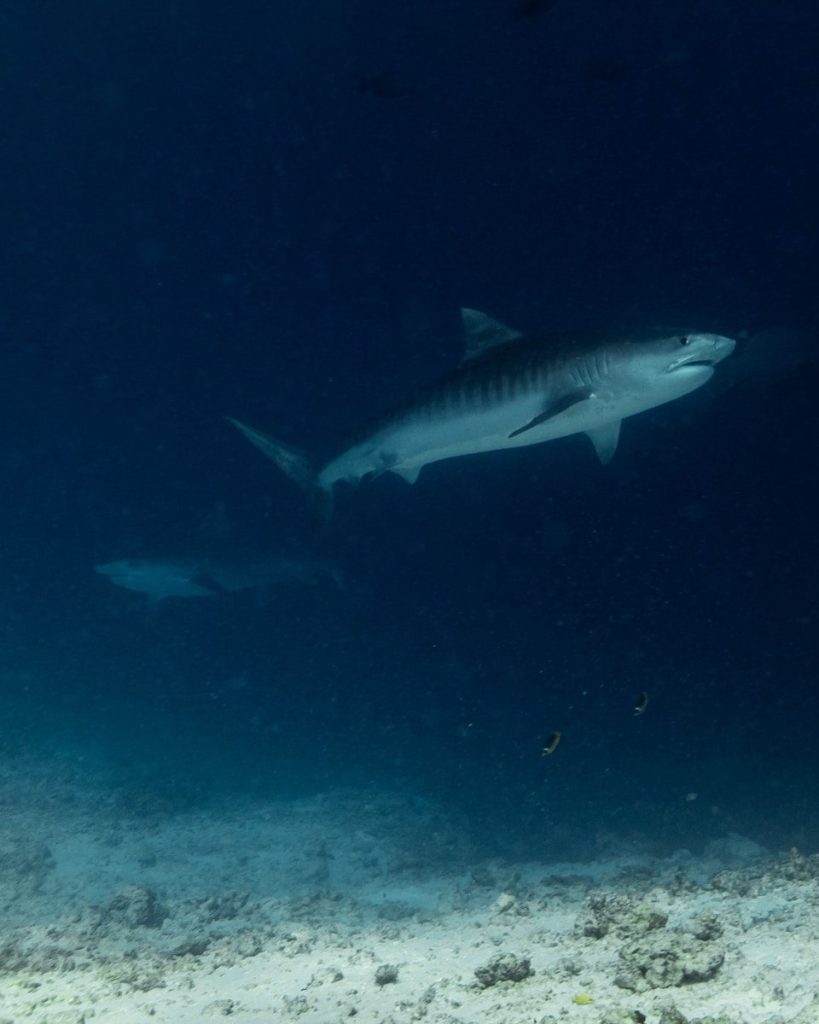
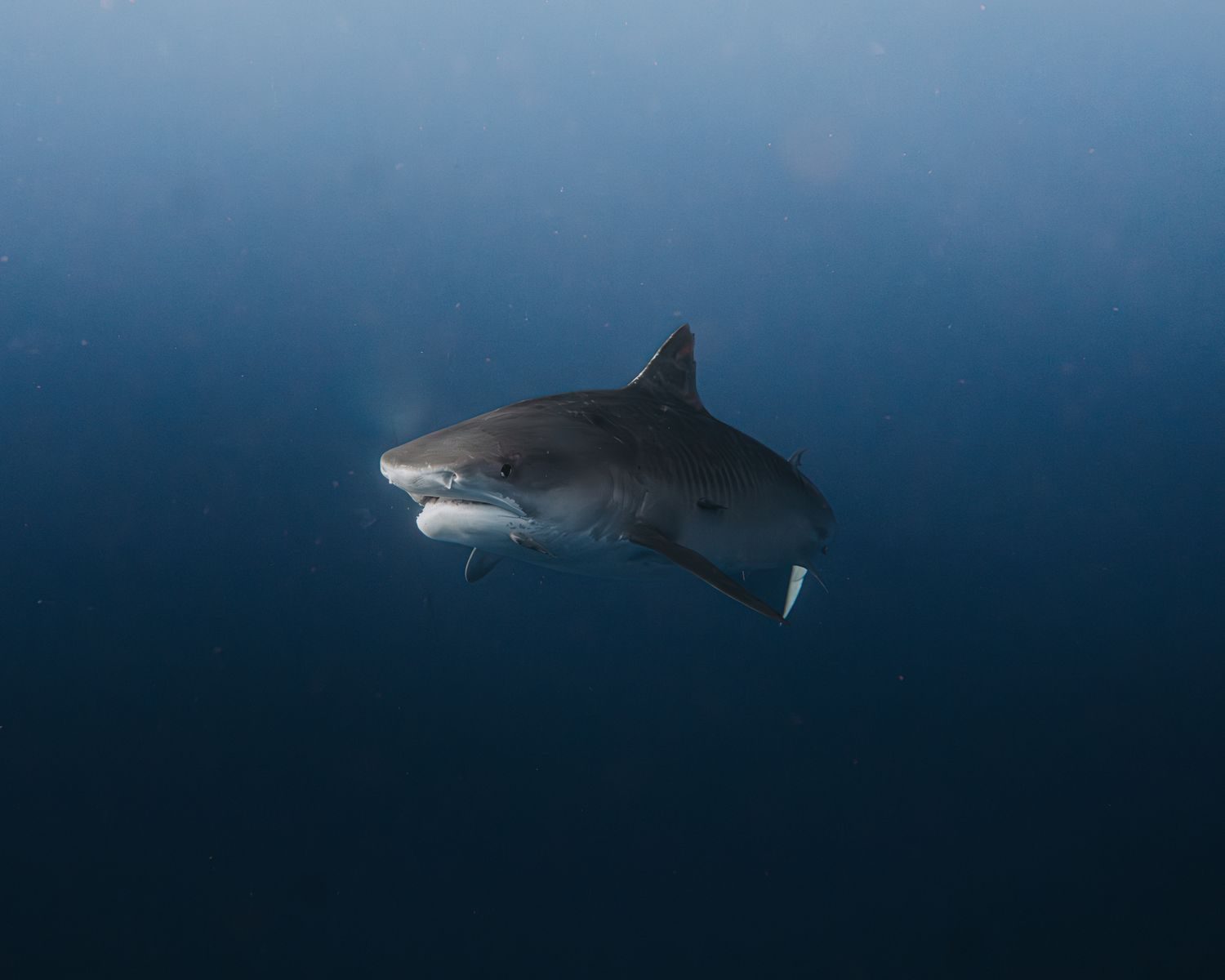
    One famous marine scientist named Nan Hauser shared a story about a humpback whale that repeatedly pushed her through the water while she was diving. At first, she thought the whale was acting aggressively, but she later realized a tiger shark was nearby. She believed the whale was trying to protect her from danger. Stories like these continue to amaze researchers because whales are known for showing protective behavior toward other sea animals, including seals and smaller whales.

    Dogs and farm animals that brought humans to safety

    Pig in Road.” by amandabhslater is licensed under CC BY-SA 2.0

    Not all stories involve wild animals. Some of the most emotional moments have come from pets and farm animals that understood when people were in trouble. One famous case involved a pig named Lulu. When her owner collapsed from a heart problem, Lulu escaped from her pen and ran into the road. She lay down in front of passing cars until someone stopped to help. Thanks to her actions, emergency workers reached the woman in time.

    Dogs have also led humans toward trapped puppies, injured owners, or missing children. Animal experts say dogs are especially skilled at reading human emotions and body language. Many dogs quickly notice fear, pain, or panic. Over time, scientists have learned that animals do not always react only through instinct. In many cases, they appear to make choices based on care, trust, and strong emotional connections with humans.

    Sea animals protecting creatures outside their species

    three dolphins on body of water during daytime
    Photo by Hanson Lu on Unsplash

    Some of the most surprising stories involve animals helping creatures that are not even part of their own species. Dolphins have been reported circling swimmers to protect them from sharks. In New Zealand, swimmers once noticed dolphins surrounding them tightly in the water. Later, they discovered a great white shark nearby. Experts believe the dolphins were trying to shield the humans from danger.

    Another amazing event happened when a friendly dolphin named Moko helped guide stranded pygmy whales back to sea after rescuers struggled for more than an hour. Witnesses said the whales seemed confused and stressed until the dolphin arrived. After Moko appeared, the whales followed closely behind and safely returned to deeper water. Scientists still study why animals sometimes help unrelated species, but many believe social animals like dolphins and whales may react strongly to distress signals from other living creatures.

    Why humans and animals form these bonds

    person near two brown elephants near body of water
    Photo by Kym Ellis on Unsplash

    Researchers who study animal behavior say many species are far more emotionally aware than people once believed. Elephants comfort each other, dolphins cooperate in groups, and whales protect weaker animals from predators. Some scientists believe these actions come from empathy, while others think social animals simply respond strongly to signs of distress around them.

    At the same time, many humans risk their own safety to rescue animals trapped in oceans, forests, roads, or flooded areas. Wildlife rescuers often spend hours helping injured creatures even when the job is dangerous. These moments create powerful connections between humans and animals. Even though people and animals communicate in different ways, these stories show that trust and kindness can still exist between them.

  • Steve Irwin’s final moments revealed as he sought one last shot before fatal accident

    Steve Irwin’s final moments revealed as he sought one last shot before fatal accident

    Steve Irwin’s final moments still shock fans around the world nearly two decades later. The famous wildlife expert, known as “The Crocodile Hunter,” spent his life teaching people to respect animals and nature. On September 4, 2006, that mission ended in a tragic accident while he was filming near Australia’s Great Barrier Reef. Reports from eyewitnesses and crew members later revealed what happened during the final minutes before the fatal stingray strike.

    This article explains the verified details behind Steve Irwin’s last dive, why he wanted “one last shot” for the camera, what witnesses saw, and how the accident unfolded. It also looks at the reaction around the world and the legacy he left behind through his family and conservation work.

    Steve Irwin was filming a new documentary

    person holding video camera
    Photo by Thomas William on Unsplash

    Steve Irwin was in Queensland, Australia, filming a project called “Ocean’s Deadliest.” The documentary was being made near Batt Reef, close to the Great Barrier Reef. According to reports from crew members, bad weather had made it hard to film tiger sharks, which were the main focus of the project. Because of the rough conditions, the team decided to capture footage of other sea animals instead.

    That day, Irwin and underwater cameraman Justin Lyons spotted a very large stingray in shallow water. Lyons later explained that the animal looked calm and peaceful. The crew believed they could safely film it for the documentary and possibly use the footage for a children’s television project connected to Irwin’s daughter, Bindi. At the time, nobody believed the encounter would become deadly.

    The “one last shot” changed everything

    Stingray, Grand Cayman” by GANDALF_GREY is licensed under CC CC0 1.0

    Justin Lyons later shared that Steve Irwin wanted one final camera shot before leaving the water. The idea was simple. Irwin would swim behind the stingray while the cameraman captured the animal moving away. It was meant to be a dramatic but peaceful ending shot for the documentary sequence.

    Instead, the stingray suddenly reacted in defense. Lyons said the animal lifted itself and began striking wildly with its tail. The attacks happened in only a few seconds. One of the barbs pierced Irwin directly in the chest. Experts later explained that stingrays are usually not aggressive, but they may defend themselves if they feel trapped or threatened. Lyons believed the stingray may have mistaken Irwin’s shadow for a predator like a tiger shark.

    Witnesses described the heartbreaking scene

    Water” by rrrtem is licensed under CC BY 2.0

    The accident happened very quickly. At first, Justin Lyons did not even realize how badly Irwin had been injured. He was still filming as the stingray swam away. When he turned the camera back toward Irwin, he saw blood spreading through the water. That was the moment he understood something was terribly wrong.

    Lyons tried to help his longtime friend immediately. He said the crew rushed Irwin back toward the boat while performing CPR. During those moments, Lyons recalled Irwin calmly saying, “I’m dying.” Those were reported to be among his final words. Despite the rescue efforts, the wound was catastrophic because the stingray barb had pierced his chest near the heart. Medical experts later explained that the injury caused massive trauma within seconds.

    The footage was never released publicly

    person using professional video camera
    Photo by Jakob Owens on Unsplash

    After the tragedy, reports confirmed that the entire accident had been captured on video. The footage was handed over to Queensland police as part of the official investigation. Steve Irwin’s manager and close friend John Stainton later described the video as deeply disturbing and painful to watch.

    Stainton explained that the recording showed Irwin swimming above the stingray before the tail suddenly came up and struck him in the chest. He also revealed that Irwin pulled the barb from his chest moments before collapsing. Over the years, rumors spread online claiming the footage had leaked, but those claims were false. Public reports and people close to the family have repeatedly stated that the real video has never been released out of respect for Irwin and his loved ones.

    Steve Irwin’s death shocked the world

    Steve Irwin, ‘Crocodile Hunter’” by dbking is licensed under CC BY 2.0

    Steve Irwin was one of the most recognizable wildlife television stars in the world. Through “The Crocodile Hunter,” he brought animals into millions of homes and inspired children to care about nature. His high energy, excitement, and fearless attitude made him different from other television hosts. Fans admired how much he loved wildlife, even dangerous animals that many people feared.

    When news of his death spread, tributes poured in from across the globe. Visitors left flowers and messages outside Australia Zoo, the wildlife park run by the Irwin family. Television stations replayed his most famous moments, and many fans said they felt like they had lost a family member. Leaders, celebrities, and conservation groups all praised Irwin for helping people understand the importance of protecting animals and natural habitats.

    His family continued his conservation mission

    Person photographing bighorn sheep in a grassy field.
    Photo by Judy Beth Morris on Unsplash

    After Steve Irwin’s death, his family worked hard to continue the mission he cared about most. His wife, Terri Irwin, remained active in wildlife protection and continued leading Australia Zoo. Their children, Bindi Irwin and Robert Irwin, also followed in his footsteps and became well-known conservation advocates.

    Today, Steve Irwin’s influence can still be seen around the world. His television shows continue to attract new audiences, and many wildlife experts say he inspired a new generation to care about conservation. Even though his death was tragic, supporters believe his greatest achievement was helping millions of people feel connected to animals and the environment in a positive way. His message about respecting wildlife remains strong years after his final dive.

  • Baby elephant separated by flooded river reunited with family after rescuers use dung scent trick

    Baby elephant separated by flooded river reunited with family after rescuers use dung scent trick

    A baby elephant separated by a flooded river was given a second chance after rescuers in Kenya helped reunite him with his family using a clever dung scent trick. The young calf became stranded after heavy water currents split him from his herd during a dangerous river crossing. For hours, the tiny elephant wandered alone while wildlife experts raced to save him before predators or exhaustion could harm him.

    This touching rescue story shows how smart elephants are and how much they depend on family bonds to survive. It also highlights the important work done by conservation teams in Africa to protect wildlife during emergencies. Here is how rescuers tracked down the herd, why they used elephant dung during the reunion, and what scientists say this moment reveals about elephant behavior.

    The flooded river separated the young calf

    green grass on white sand beach
    Photo by Matthew on Unsplash

    The rescue happened near the Ewaso Nyiro River in northern Kenya after heavy water flow made crossing dangerous for elephant families. A very young male calf, believed to be around two months old, became separated from his herd while the elephants tried to cross the swollen river near an area called Larsens. The calf was too small and weak to keep up with the adults as the fast-moving water pushed him away from the group.

    For more than three hours, the baby elephant stayed alone in the wild. That is a very dangerous situation for a calf because young elephants rely on their mothers and relatives for food, protection, and guidance. Without the herd nearby, the calf faced serious risks from dehydration, stress, and predators. Tourists in the area first noticed the lonely elephant and quickly alerted wildlife rescuers, which helped begin the emergency response before it was too late.

    Wildlife teams rushed to save the elephant

    2 men standing on brown grass field during daytime
    Photo by BĀBI on Unsplash

    Several wildlife groups worked together during the rescue effort. Teams from Save the Elephants, Lewa Wildlife Conservancy, and rangers from Samburu National Reserve joined forces to help the stranded calf. The rescuers carefully captured the elephant and placed him inside a vehicle so they could safely transport him closer to his family. Because elephant herds move constantly across large areas, finding the group again required careful tracking and teamwork.

    The rescuers drove the calf to Buffalo Springs National Reserve, where they believed the herd had traveled after the river crossing. Experts knew the reunion had to happen quickly because elephants form deep social bonds, especially between mothers and babies. Young calves nurse often and stay close to adult females almost all day. The longer the calf stayed away, the harder it would be for the herd to accept him back into the group.

    Rescuers used a dung scent trick

    Elephant Dung” by barbourians is licensed under CC BY-SA 2.0

    Before releasing the calf back near the herd, rescuers covered him with fresh elephant dung. This may sound strange, but wildlife experts often use scent masking during animal reunions. The goal was to hide unfamiliar smells picked up from humans, rescue equipment, and vehicles during transport. Elephants have an excellent sense of smell and use scent to recognize family members and understand their environment.

    By rubbing fresh dung onto the calf’s body, rescuers hoped the herd would focus on the calf’s natural elephant scent instead of foreign odors. This careful step helped reduce the chances of confusion or rejection when the baby approached the group again. Wildlife workers knew the reunion had to feel as natural as possible because elephant herds can become protective or nervous if something smells unfamiliar around their young calves.

    The herd slowly welcomed the calf home

    Male African Bush Elephant Calf, Amboseli National Park” by . Ray in Manila is licensed under CC BY 2.0

    When rescuers finally released the calf near the herd, the elephants acted cautiously at first. The family, known by researchers as “The Virtues,” carefully approached the young elephant while checking his scent and behavior. For a few tense moments, nobody knew whether the herd would fully accept him after hours apart in such stressful conditions.

    Then the emotional reunion happened. The calf was seen nuzzling close to his mother while other young elephants gathered nearby. Observers said the herd eventually welcomed him back, allowing him to move safely among the adults again. The touching moment showed how strong elephant family bonds can be. Researchers who study elephants say these animals are deeply social and often protect one another during difficult situations.

    Elephant families depend on strong social bonds

    Mischievous Little Elephant Calf” by Martin_Heigan is licensed under CC BY-NC-ND 2.0

    Elephants live in close family groups led by experienced females called matriarchs. These herds are made mostly of mothers, sisters, aunts, and calves. Young elephants learn survival skills from the adults around them, including where to find water, how to avoid danger, and how to communicate with the group. Because of this, even a short separation can place a calf in serious danger.

    Scientists who study elephants say family bonds are one of the most important parts of elephant society. Adult females often help care for babies together, almost like a babysitting team. Calves receive comfort, protection, and guidance from many members of the herd, not just their mothers. This is why successful reunions are so important. A calf raised without family support in the wild has far lower chances of survival compared to one protected by a healthy herd.

    The rescue highlights the value of conservation work

    man in orange and black backpack
    Photo by Matthew Maaskant on Unsplash

    This successful reunion also showed how important fast wildlife rescue efforts can be. Tourists who spotted the stranded calf acted quickly by notifying experts instead of trying to interfere with it. Wildlife teams then coordinated across different reserves to safely transport and reunite the elephant with his family. Conservation groups say this kind of teamwork is critical because elephant habitats face growing pressure from climate change, habitat loss, and human activity.
    Heavy flooding and changing weather patterns can make river crossings more dangerous for elephant herds, especially for babies. At the same time, rescue teams must work carefully to avoid causing more stress to wild animals during emergencies. The calf’s story ended happily, but conservation workers noted that not every separated calf can return home successfully. In some cases, orphaned elephants require long-term rehabilitation before they can safely return to the wild.