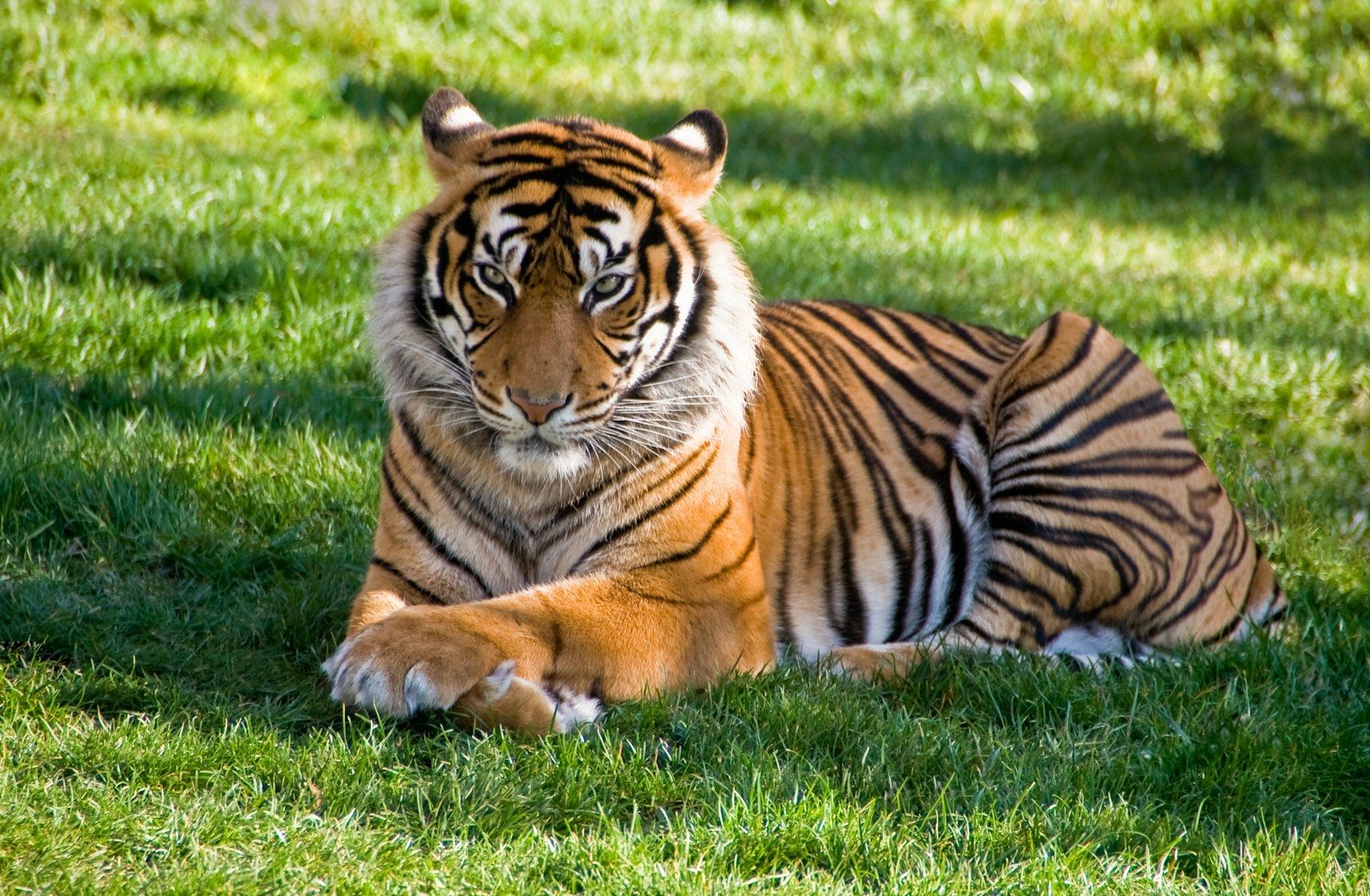
Author: Ethan

  • A woman leaves her car during an argument with her boyfriend and is pulled away by a Siberian tiger

    A woman leaves her car during an argument with her boyfriend and is pulled away by a Siberian tiger

    A shocking incident in which a woman was pulled away by a Siberian tiger became international news after surveillance video captured the attack at a drive-through wildlife park in Beijing, China. The tragedy showed how quickly dangerous animals can strike when people leave the safety of their vehicles inside predator enclosures. While the video has been widely shared online, many details are often misunderstood.

    This article explains what happened, why the attack occurred, what investigators found, and the important safety lessons that visitors should remember when visiting wildlife parks.

    Where the attack happened
    white SUV near tree during daytime
    Photo by >>> niedblog.de on Unsplash

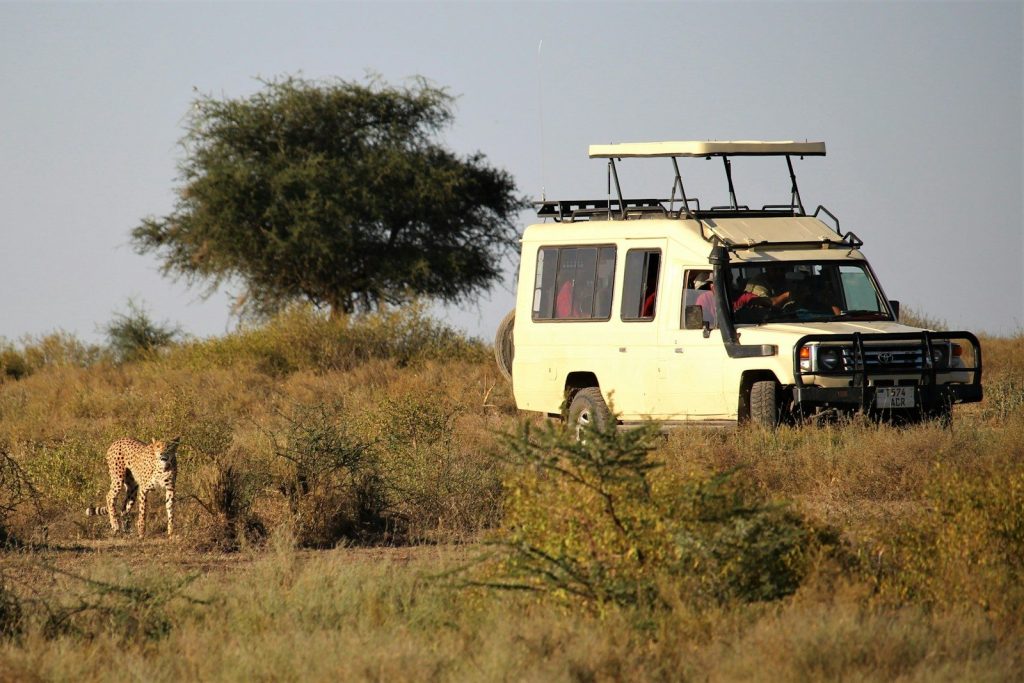
    The incident took place on July 23, 2016, at Badaling Wildlife World in Beijing, China. The park allows visitors to drive their own vehicles through large animal areas where predators, including Siberian tigers, roam freely.

    Visitors were required to stay inside their vehicles at all times while driving through the tiger enclosure. Park rules and warning signs clearly instructed guests not to open their doors or leave their cars because the animals were not separated by fences inside the safari area.

    What happened before the tiger attack
    tiger lying on ground near green leaves during daytime
    Photo by Waldemar Brandt on Unsplash

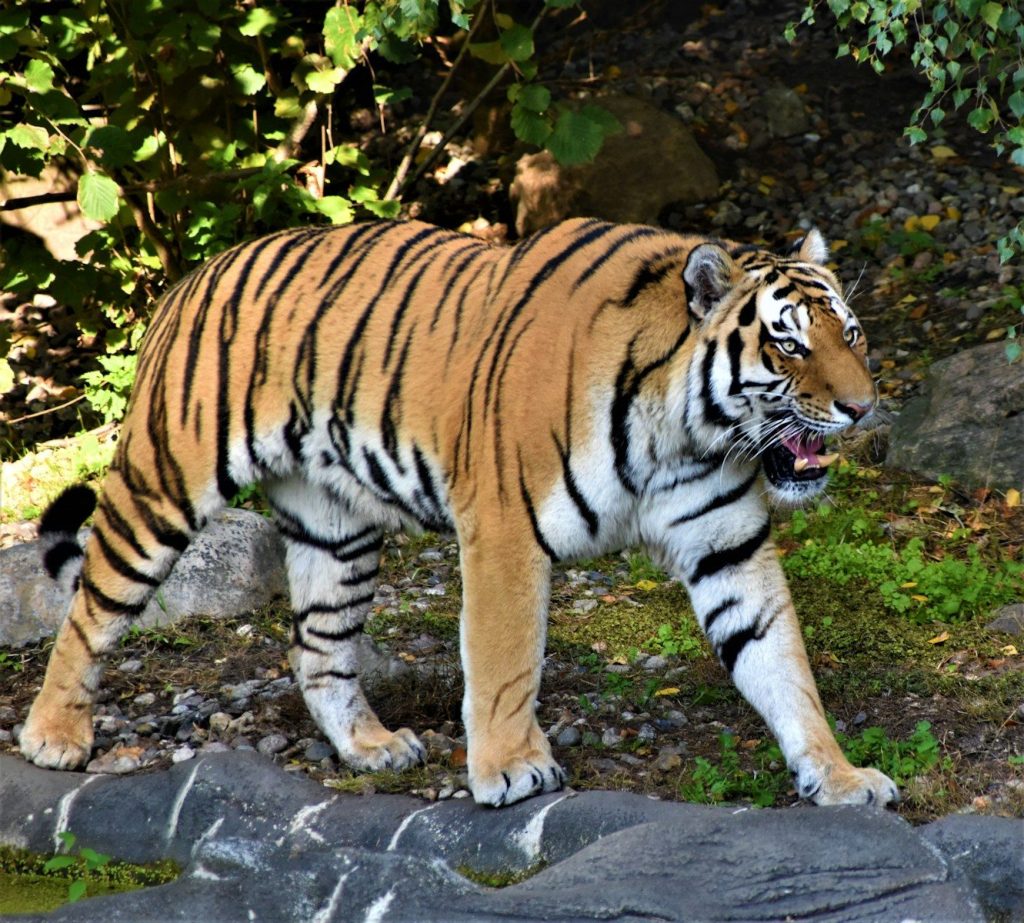
    Authorities said a family was driving through the tiger section when the vehicle stopped. Reports indicated that the woman got out of the passenger side after an argument with her husband, who was driving the car.

    As she walked around the vehicle toward the driver’s side, a Siberian tiger suddenly rushed from nearby vegetation. The tiger grabbed her within seconds and dragged her away before anyone inside the vehicle could react.

    The rescue attempt turned tragic
    Tiger walks on a dirt path near a safari vehicle.
    Photo by Lakshmi Narasimha on Unsplash

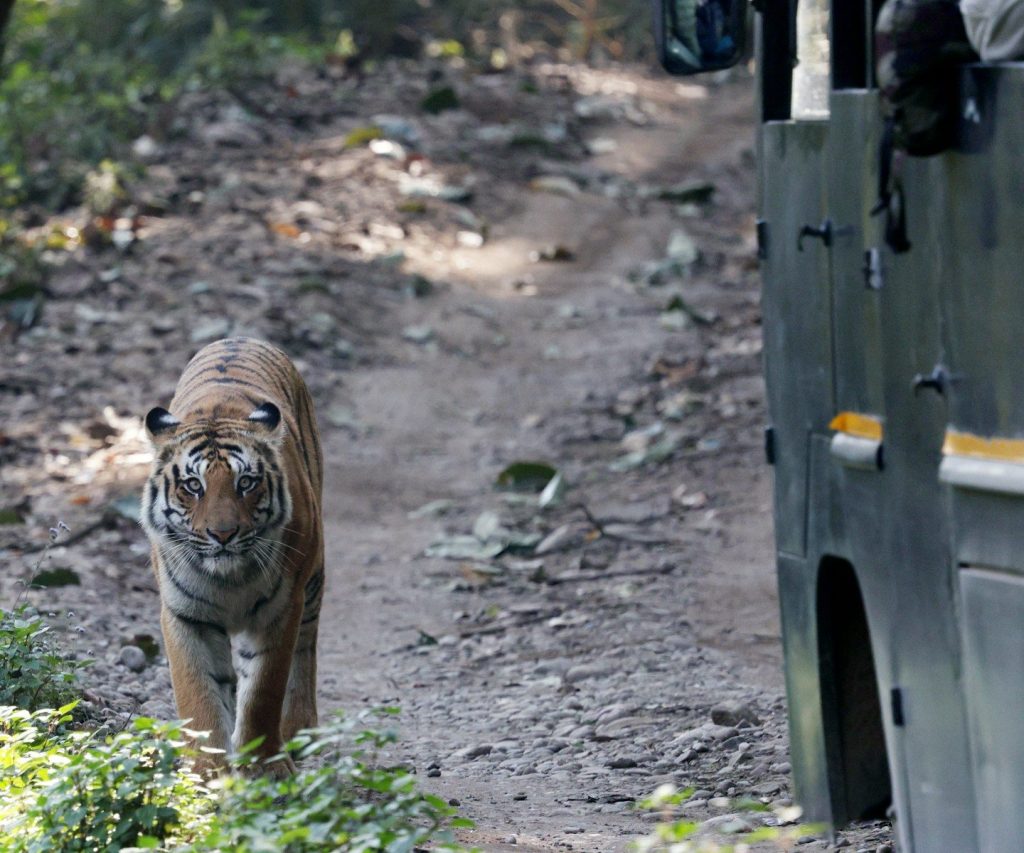
    The woman’s mother immediately left the vehicle to try to rescue her daughter. The husband also got out and ran after the tiger while a child remained inside the car.

    During the rescue attempt, another Siberian tiger attacked the older woman. Park staff rushed to the scene and managed to save the younger woman, who survived with serious injuries. Sadly, her mother died from the second tiger attack.

    What investigators found

    A magnifying glass rests on a textured surface.
    Photo by Sasun Bughdaryan on Unsplash

    Officials investigated the incident after the attack. Reports said the visitors had entered a restricted predator area where leaving the vehicle was strictly prohibited for safety reasons.

    The investigation concluded that the park had warning signs and rules requiring visitors to stay inside their vehicles. The incident highlighted the extreme danger of leaving a car in a drive-through enclosure where large predators move freely.

    Why Siberian tigers are so dangerous
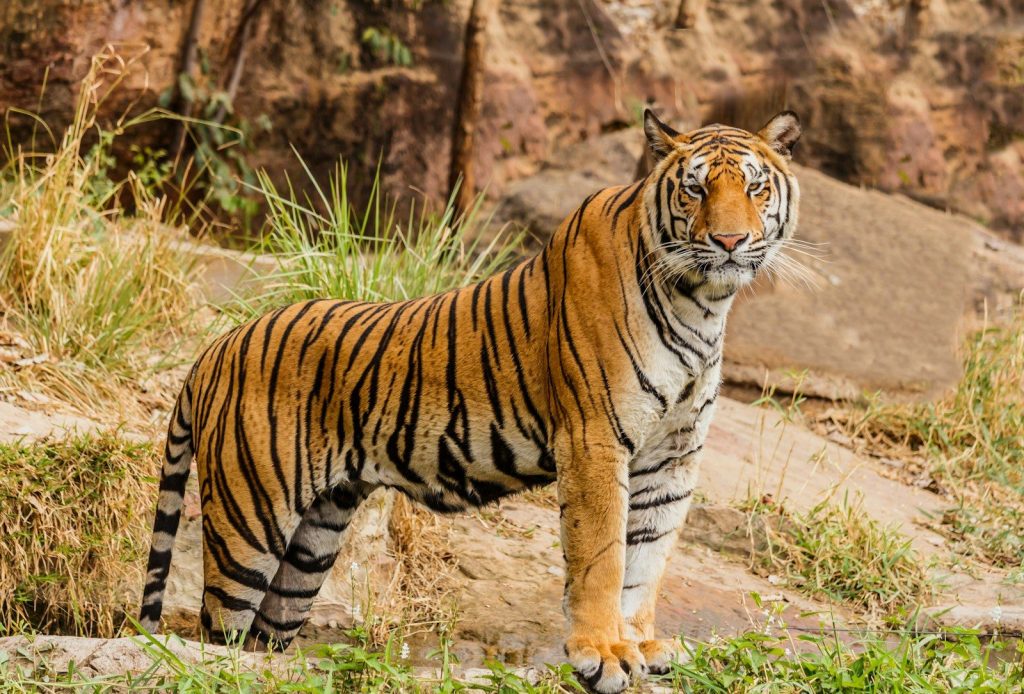
    brown and black tiger on focus photography
    Photo by A G on Unsplash

    Siberian tigers, also called Amur tigers, are the largest living cats in the world. Adult males can weigh more than 600 pounds and are powerful hunters capable of sprinting short distances and overpowering large prey.

    Even trained wildlife experts treat these animals with great caution. Tigers can stay hidden until the last moment and cover surprisingly short distances in only a few seconds, leaving almost no time for a person to escape once an attack begins.

    Lessons every wildlife park visitor should remember
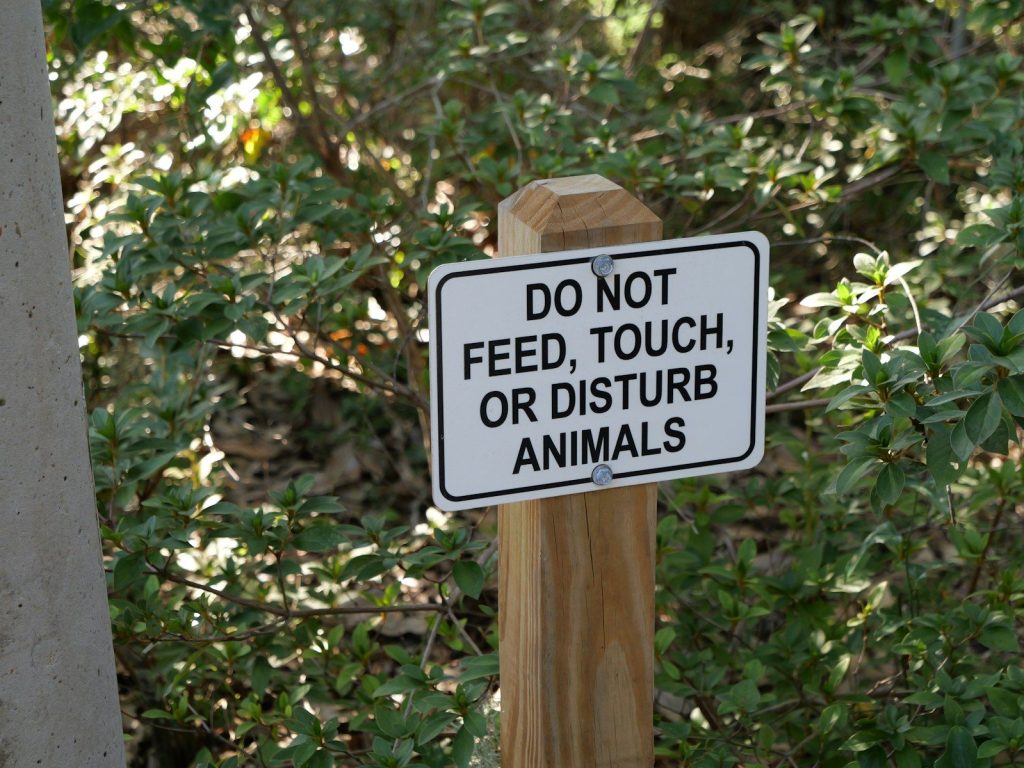
    Sign reads do not feed, touch, or disturb animals.
    Photo by Richard R on Unsplash

    Drive-through safari parks are designed so visitors can safely observe animals without direct contact. The vehicle acts as the protective barrier between people and dangerous wildlife.

    Following park rules is essential, even during stressful situations or personal disagreements. Staying inside the vehicle, keeping doors closed, and following staff instructions greatly reduce the risk of serious injury when visiting parks that house large predators.

    Featured Image: Photo by JOSE ALMEIDA on Unsplash
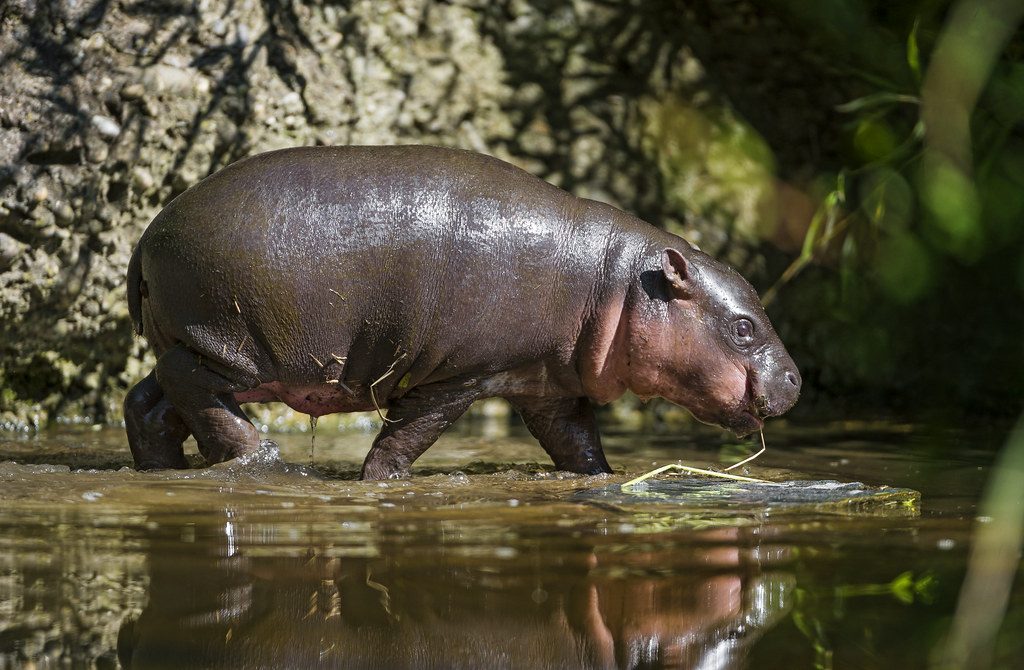
  • Baby pygmy hippo refuses to leave the pool until mom steps in

    Baby pygmy hippo refuses to leave the pool until mom steps in

    A playful baby pygmy hippopotamus named Mars has become an internet sensation after a simple parenting moment unfolded at Tanganyika Wildlife Park in Kansas. Zoo keepers spent several minutes trying to persuade the young hippo to leave his favorite swimming pool, but Mars had other plans.

    It took only one look from his mother, Posie, before the stubborn youngster calmly climbed out, creating a moment that parents around the world found instantly familiar.

    A playful youngster with plenty of personality

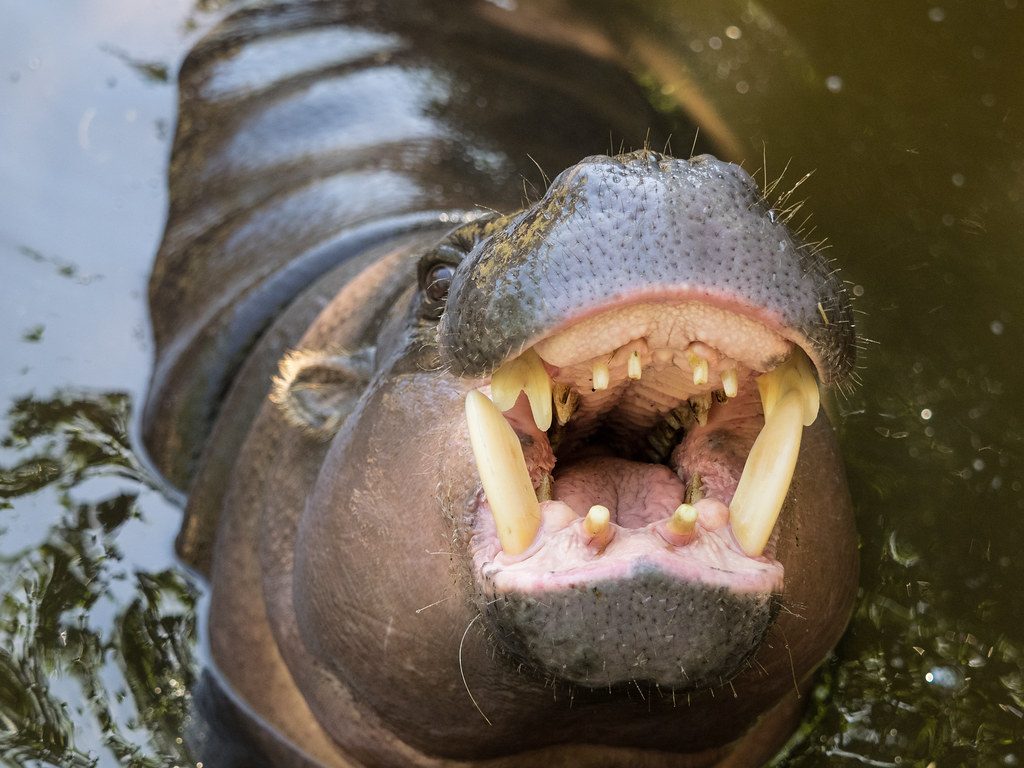
    Pygmy Hippopotamus” by wwarby is licensed under CC BY 2.0

    Mars is a young pygmy hippopotamus known for his energetic behavior and curiosity. Like many young animals, he enjoys exploring, playing in the water, and testing boundaries with his caregivers.

    His playful refusal to leave the pool quickly attracted millions of online viewers, who compared his behavior to that of a determined toddler.

    Keepers tried everything

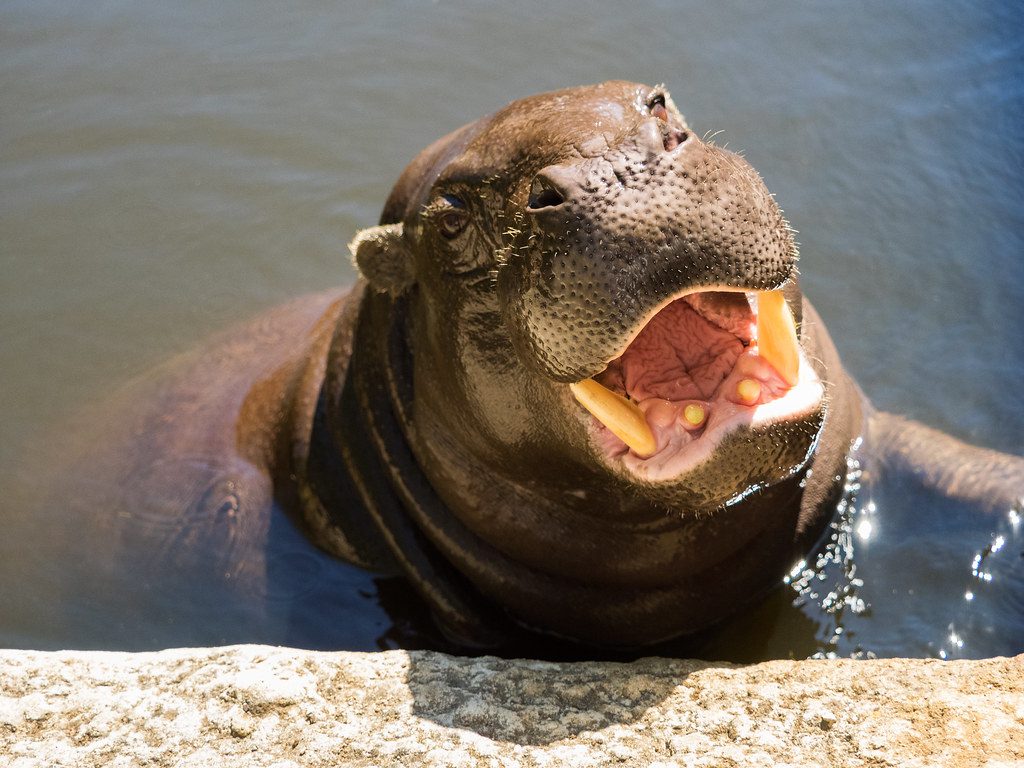
    Pygmy Hippopotamus” by wwarby is licensed under CC BY 2.0

    During the now-viral video, animal care staff patiently encouraged Mars to leave the water so he could return indoors. Despite repeated attempts, the little hippo simply ignored their requests and continued enjoying his swim.

    The scene demonstrated the patience zoo staff often need when working with intelligent young animals that have developing personalities.

    One look from mom changed everything

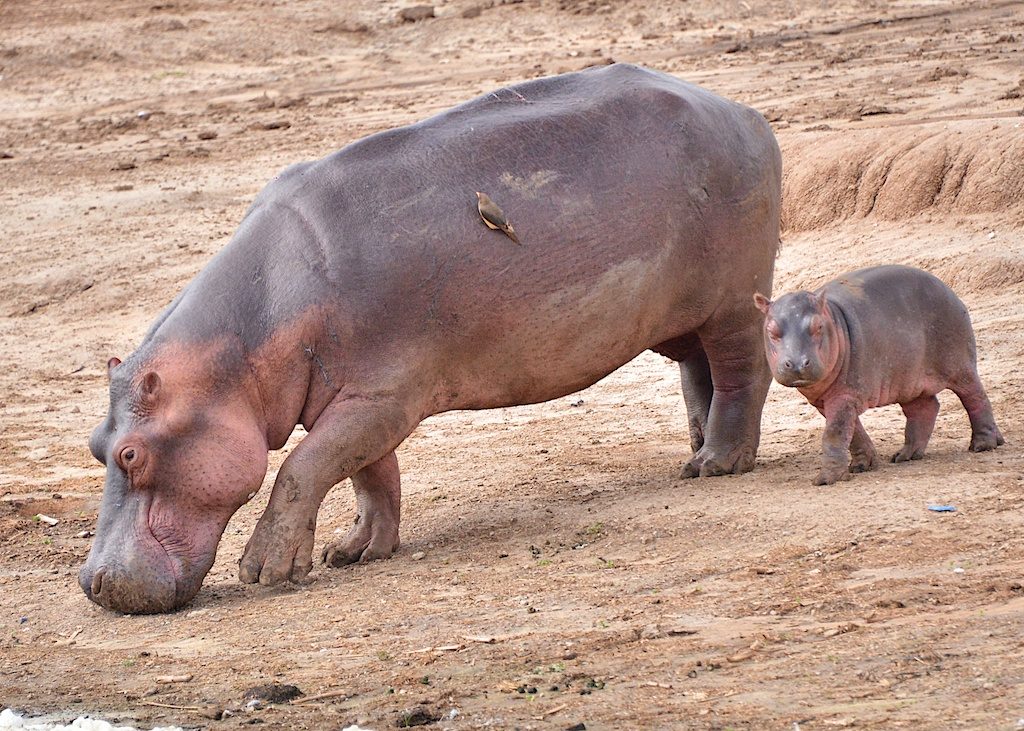
    Mother and Young Hippo, Uganda” by Rod Waddington is licensed under CC BY-SA 2.0

    The situation changed almost instantly when Mars’s mother, Posie, approached. Without any dramatic display, she simply looked toward her calf, and moments later, he willingly followed her out of the pool.

    While researchers cannot know exactly what Mars was thinking, mother-offspring bonds are extremely important in pygmy hippos, and young calves naturally stay close to their mothers during early development.

    Why pygmy hippos matter

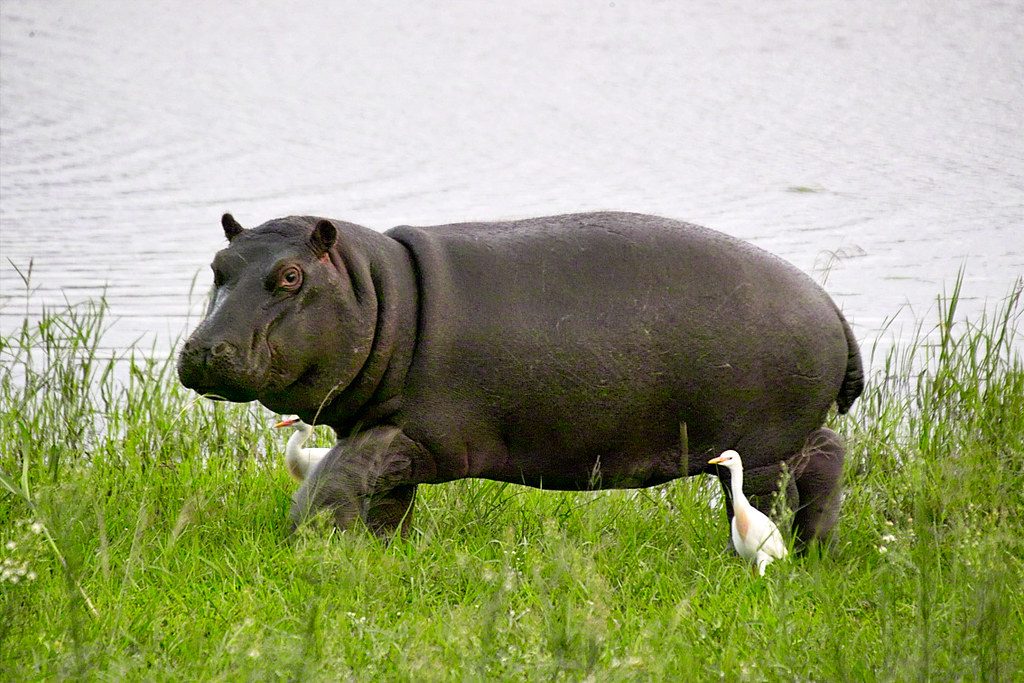
    Young Hippopotamus (Hippopotamus amphibius)” by Arno Meintjes Wildlife is licensed under CC BY-NC-SA 2.0

    Pygmy hippos are native to the forests and swamps of West Africa and are classified as endangered. Habitat loss, deforestation, and illegal hunting have caused wild populations to decline significantly.

    Conservation breeding programs in accredited zoological institutions help maintain healthy populations while educating the public about the species’ challenges.

    Growing up at Tanganyika Wildlife Park

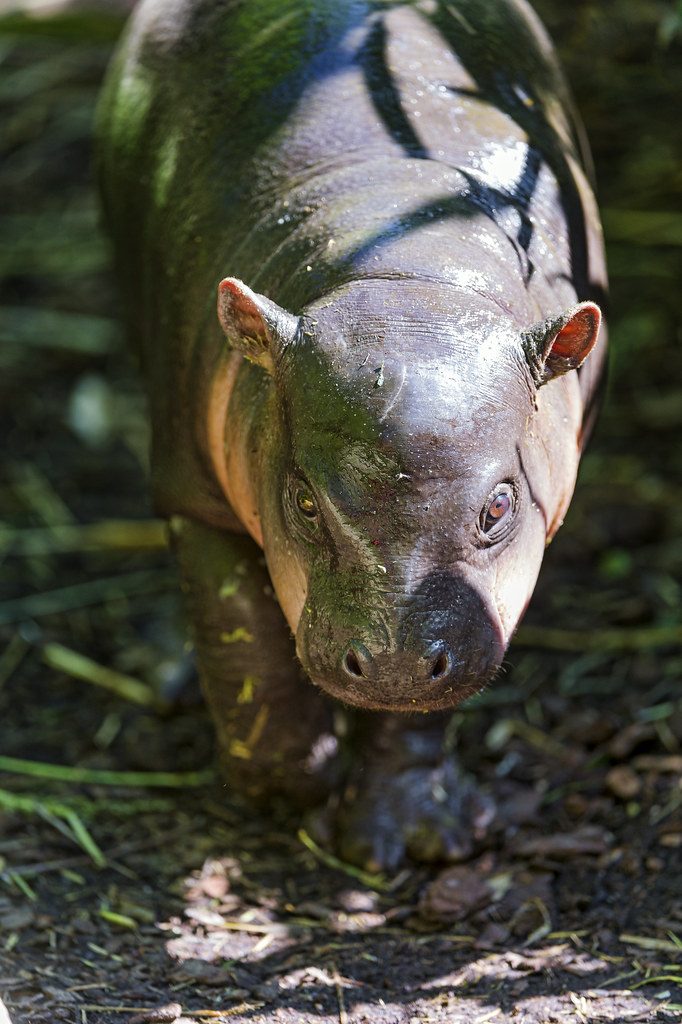
    The baby pigmy hippo walking towards me” by Tambako the Jaguar is licensed under CC BY-ND 2.0

    Mars was born to parents Posie and Pluto as part of the park’s conservation program. His birth represents another valuable addition to the managed population of pygmy hippos, which remains relatively small worldwide.

    As he grows, Mars will continue learning natural behaviors from his mother while helping introduce visitors to one of Africa’s lesser-known endangered mammals.

    A small moment with a bigger message

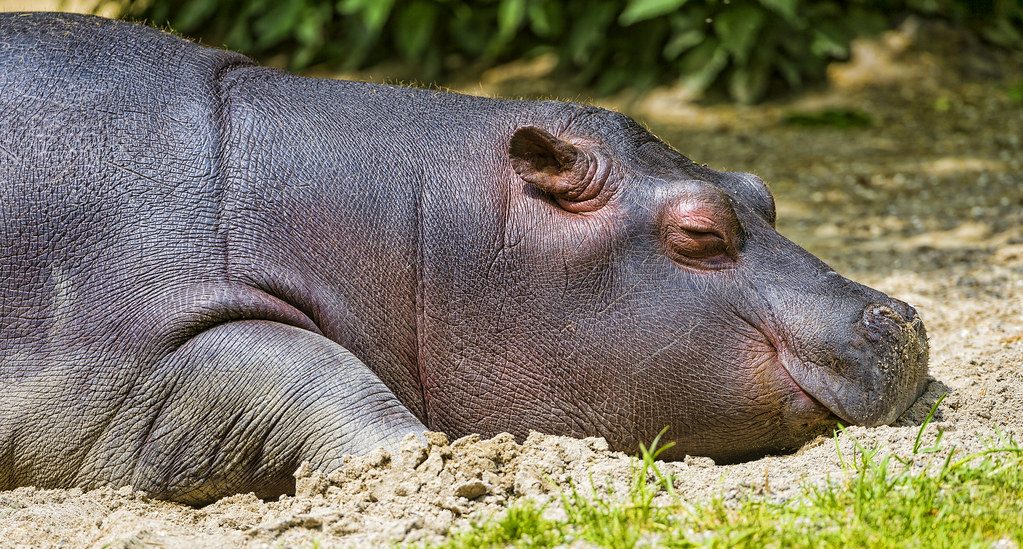
    Sleeping young hippo” by Tambako the Jaguar is licensed under CC BY-ND 2.0

    Although the video is entertaining, it also reminds viewers that every endangered species has its own unique behaviors, family bonds, and conservation story. Mars’s playful personality has introduced millions of people to pygmy hippos, creating greater awareness of an animal many had never encountered before.

    Sometimes a simple, relatable moment can inspire curiosity about wildlife and encourage support for efforts that protect endangered species around the world.

  • Researchers record an uncommon great white sighting near Rhode Island

    Researchers record an uncommon great white sighting near Rhode Island

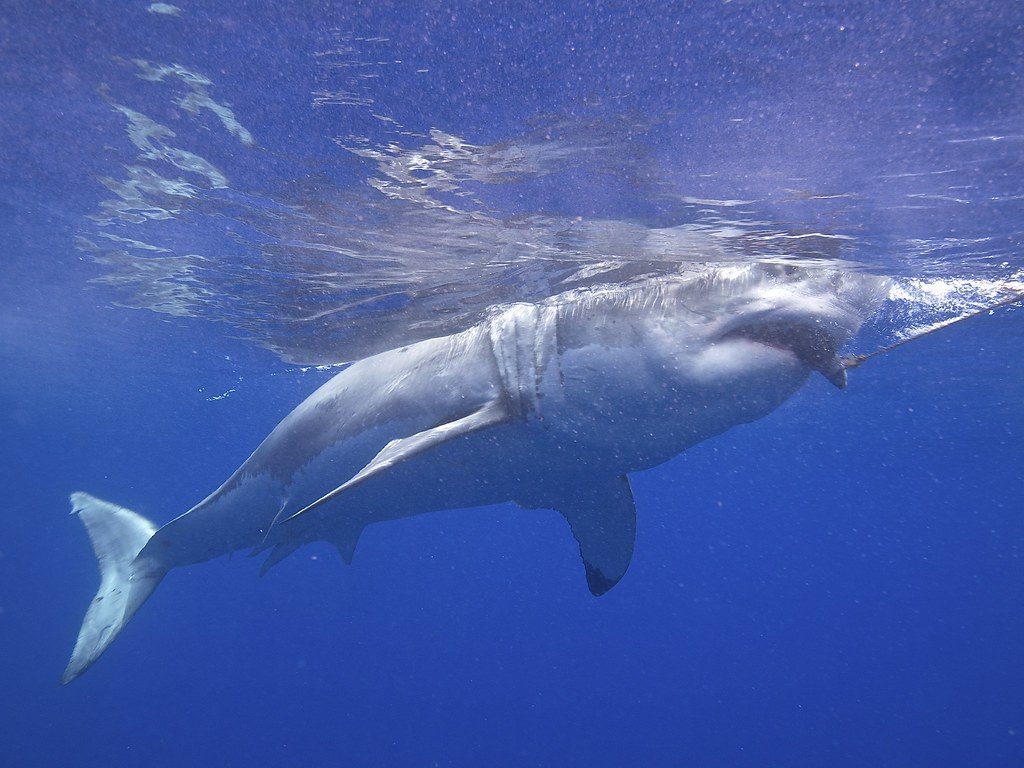
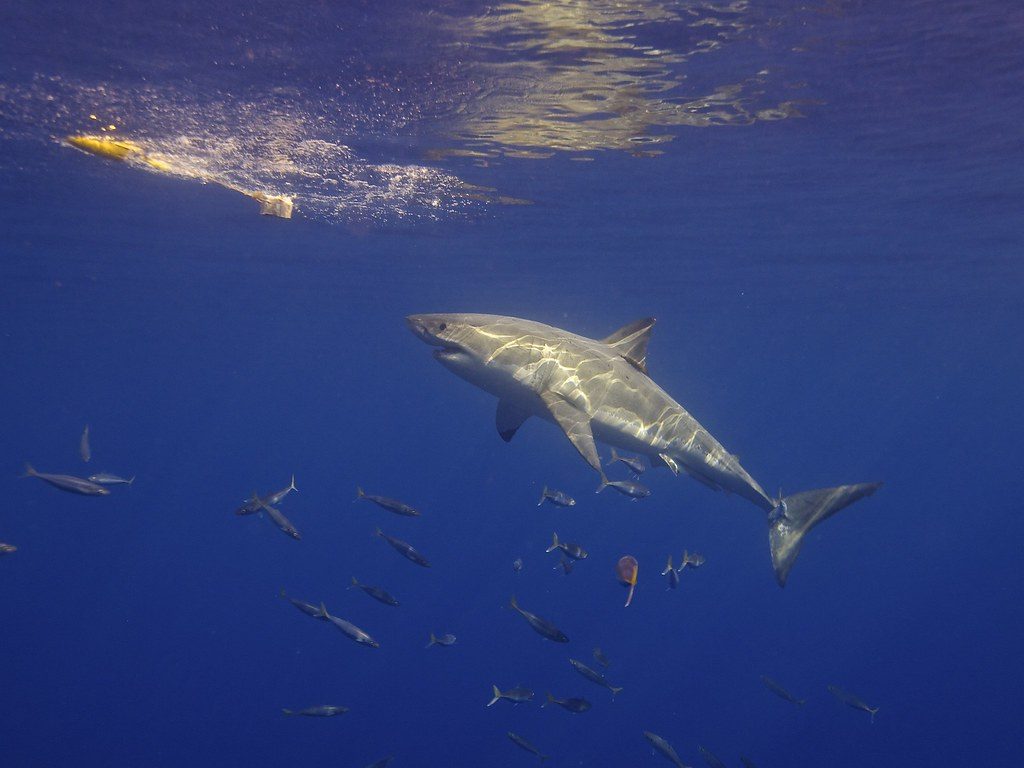
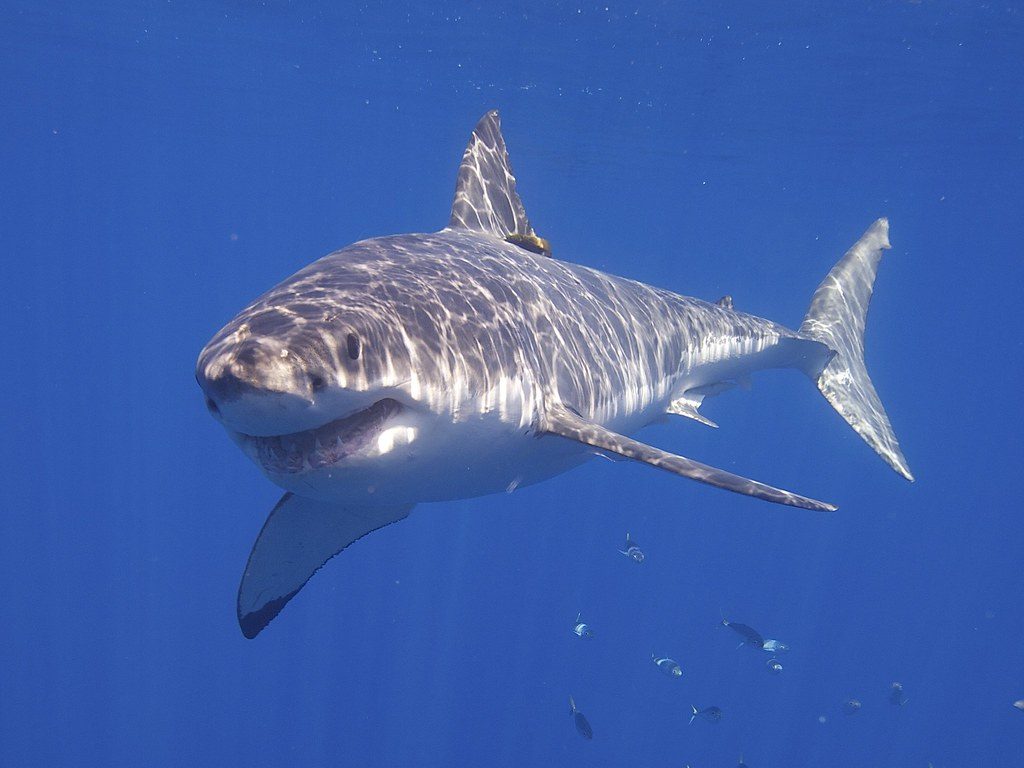
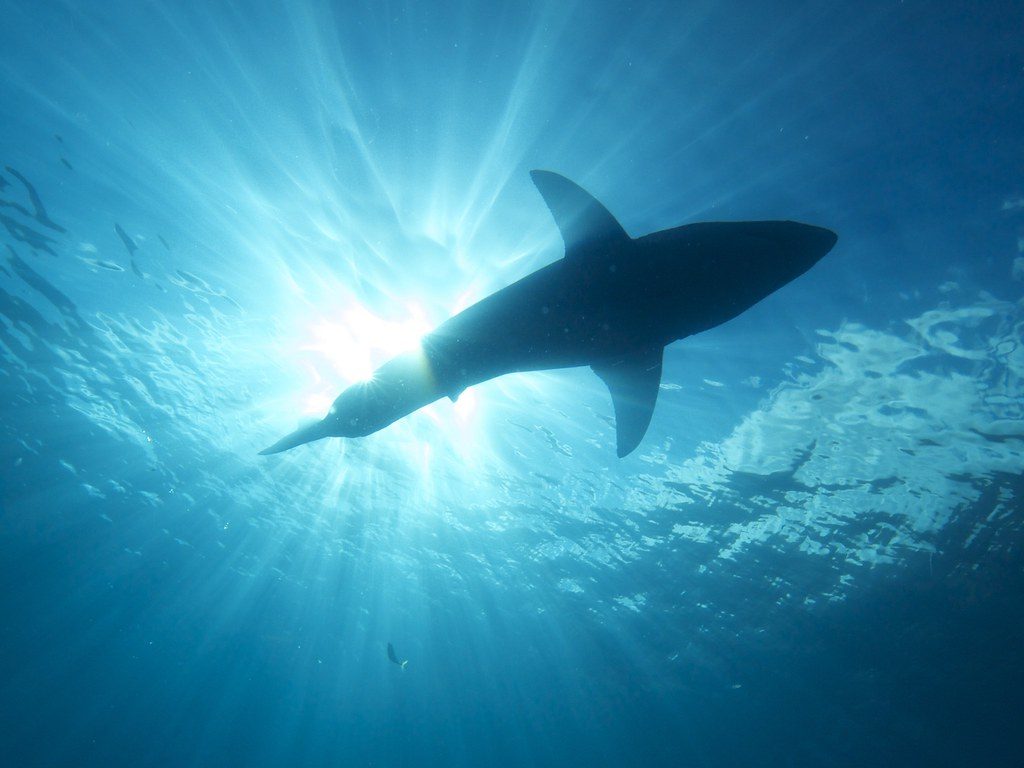
    Marine researchers searching for a drifting humpback whale carcass off the coast of Rhode Island made an unexpected discovery when a juvenile great white shark appeared beneath the floating whale.

    The rare encounter gave scientists an unusually close look at one of the ocean’s most famous predators feeding naturally in Rhode Island waters. The footage provides valuable insight into shark behavior while highlighting the important ecological role that whale carcasses play in marine ecosystems.

    Researchers were searching for a whale

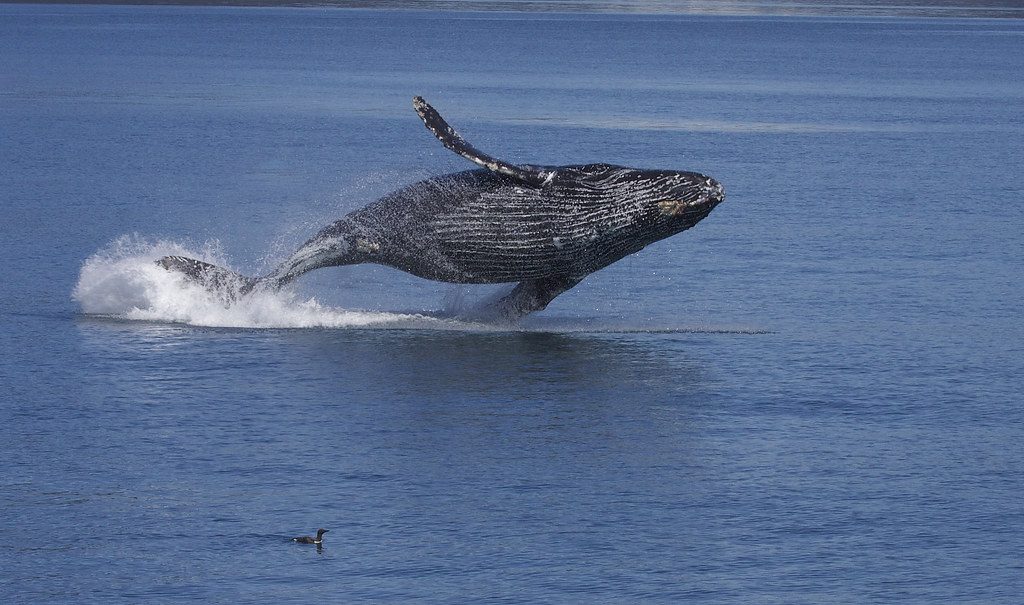
    Breaching Humpback Whale (Megaptera novaeangliae)” by Gregory ‘Slobirdr’ Smith is licensed under CC BY-SA 2.0

    Scientists from the Atlantic Shark Institute and Mystic Aquarium had been tracking reports of a dead humpback whale floating near Block Island. After locating the approximately 40-foot whale, they began collecting information and biological samples for research.

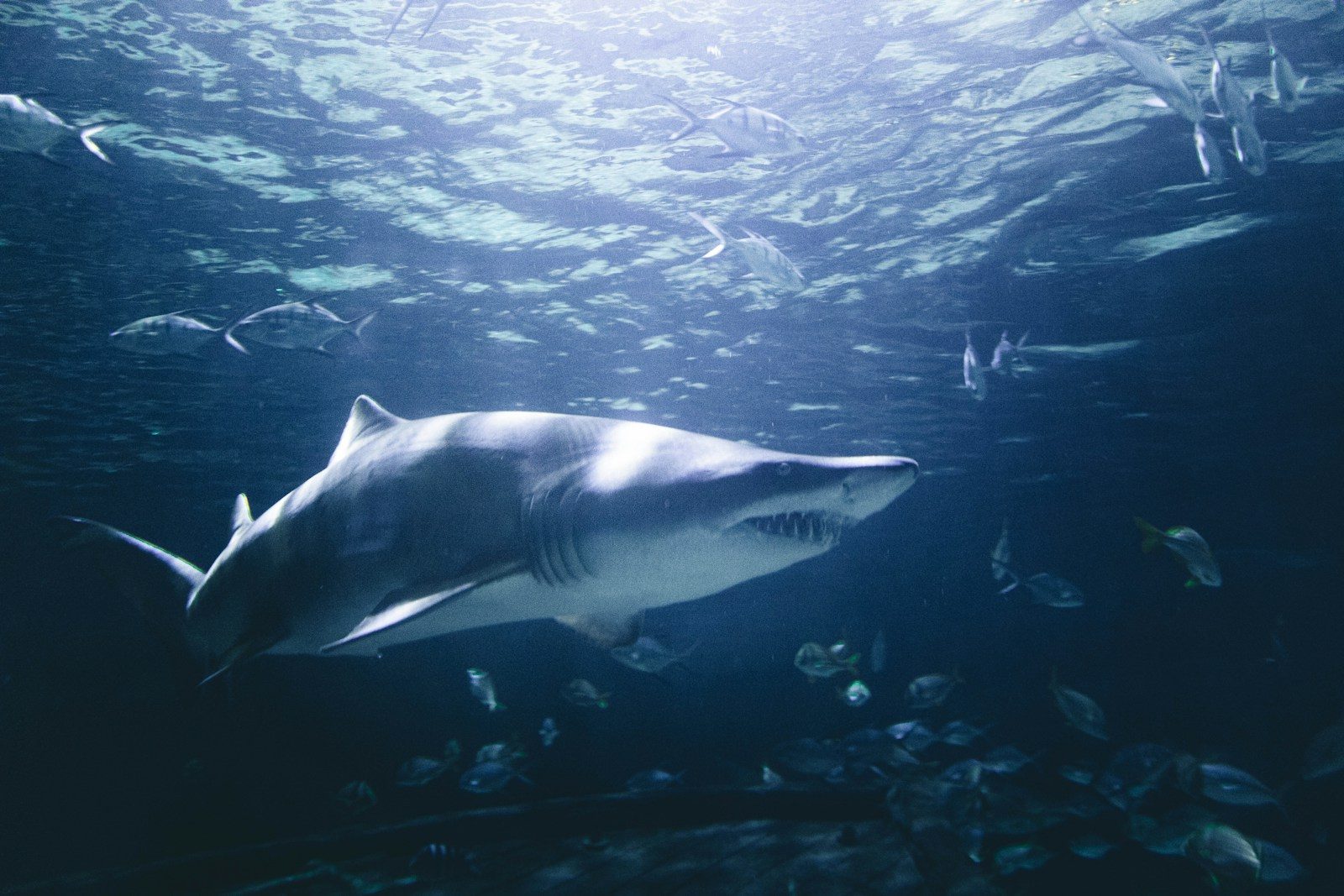
    Only minutes later, a dark shape emerged beneath the carcass, revealing an approximately 8-foot juvenile great white shark feeding on the remains.

    A rare great white encounter

    Great White Shark” by Elias Levy is licensed under CC BY 2.0

    Great white sharks occur throughout the northeastern United States, but they are seen far more frequently around Cape Cod, where large populations of gray seals provide an abundant food source.

    Close underwater observations in Rhode Island remain uncommon, making this encounter particularly valuable for researchers studying shark distribution in the region.

    Why whale carcasses attract sharks

    Whale carcass on a sandy beach with distant mountains.
    Photo by Thomas Marquize on Unsplash
    When a whale dies, its carcass becomes an enormous food source for many marine scavengers. Sharks can detect chemical cues released into the water and may travel considerable distances to investigate.

    Rather than hunting the whale, the juvenile shark was scavenging on an already dead animal, an important natural behavior that recycles nutrients through the marine ecosystem.

    Young sharks are expanding their range

    Great White Shark” by Elias Levy is licensed under CC BY 2.0

    Researchers noted that while most larger white sharks continue gathering around Cape Cod, younger sharks have been appearing in Rhode Island waters more frequently during the summer months.

    Scientists believe recovering Atlantic white shark populations and changing environmental conditions may contribute to these increasing seasonal observations, although research is ongoing.

    Every observation improves shark science

    Great White Shark” by Elias Levy is licensed under CC BY 2.0

    The researchers also collected tissue samples from the humpback whale before the carcass later washed ashore, allowing scientists to investigate its cause of death through a full necropsy.

    Meanwhile, the shark footage adds another valuable record to long-term studies examining white shark movements, feeding behavior, and seasonal distribution throughout the Northwest Atlantic.

    Why sightings like this matter

    Great White Shark” by Elias Levy is licensed under CC BY 2.0

    Rare observations of great white sharks help scientists better understand how these apex predators use different habitats throughout the year. Public reports, careful scientific monitoring, and underwater documentation all contribute to conservation efforts while improving knowledge of shark behavior.

    Although great white sharks remain one of the ocean’s most recognizable predators, encounters like this remind us that much about their movements and ecology is still being discovered.

  • Tiny ducklings trapped on a busy highway get an unexpected rescue

    Tiny ducklings trapped on a busy highway get an unexpected rescue

    A group of tiny ducklings found themselves stranded on a busy highway just as dark storm clouds gathered overhead. Surrounded by moving traffic and unable to reach safety on their own, the young birds faced a dangerous situation.

    Fortunately, several compassionate strangers slowed their vehicles, worked together, and carefully guided the ducklings away from the road. Their quick thinking transformed a frightening moment into a heartwarming rescue that has inspired viewers around the world.

    Ducklings can easily become trapped

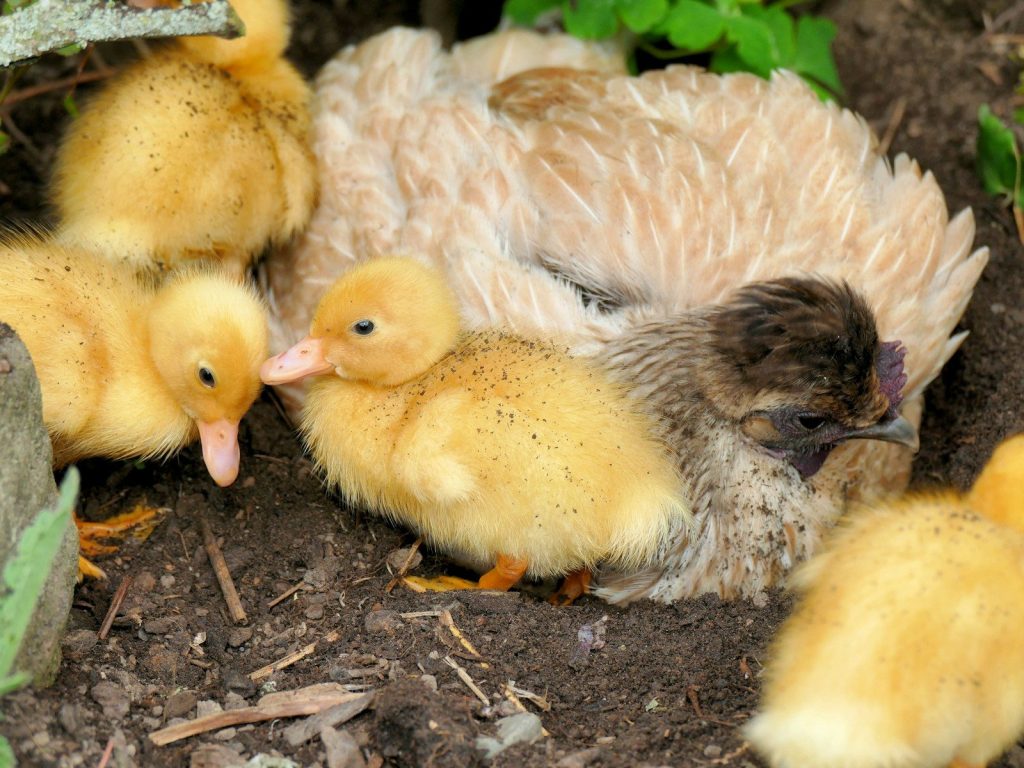
    yellow ducklings beside hen
    Photo by Andrea Lightfoot on Unsplash
    Newly hatched ducklings depend on their mother to lead them between nesting areas and nearby water. During these journeys, roads, highways, and other human-made obstacles can separate families or leave young birds stranded in hazardous places.

    Because ducklings are small and cannot fly, even a short stretch of busy pavement can become life-threatening.

    Strangers quickly stepped in

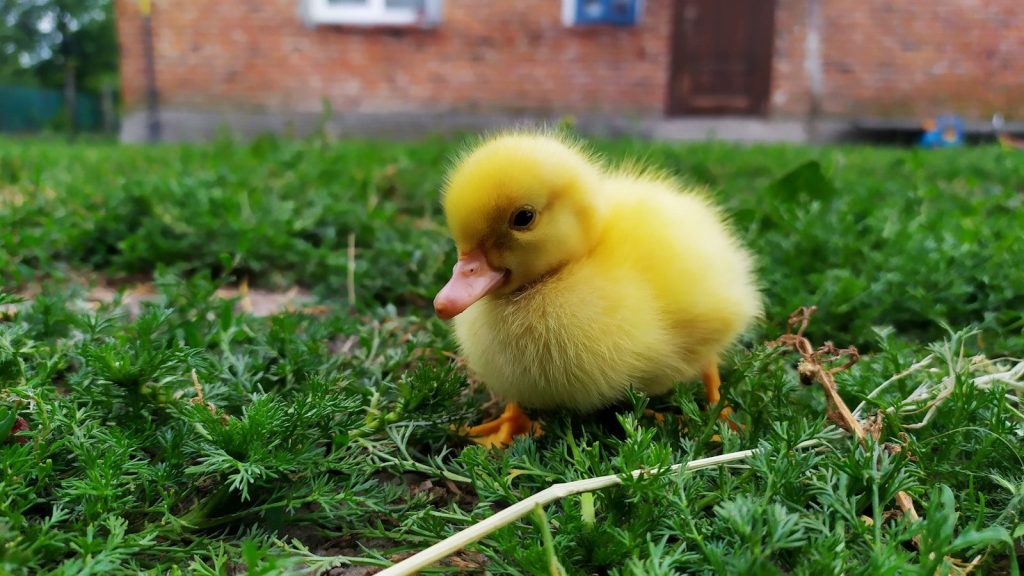
    yellow duck
    Photo by Igor Osinchuk on Unsplash
    As traffic continued to pass, several motorists recognized the danger and slowed down to protect the tiny birds. Working together, they created a safer path that encouraged the ducklings to keep moving away from traffic instead of panicking or scattering.

    Acts of cooperation like these often make a critical difference when wildlife unexpectedly enters busy roads.

    Every careful step brought them closer to safety

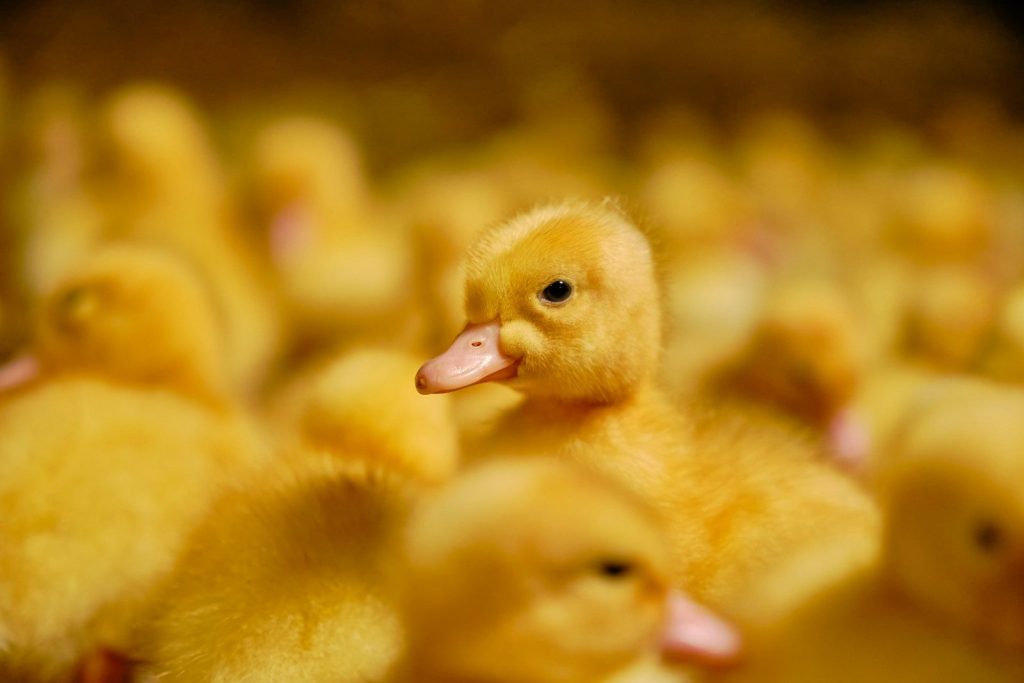
    a bunch of little yellow ducks in a row
    Photo by Stefanie Poepken on Unsplash
    The rescue required patience rather than speed. Instead of chasing the ducklings, the helpers gently encouraged them toward a safer area where they could continue moving away from traffic.

    Remaining calm helped reduce stress on the birds while preventing them from running into moving vehicles.

    Why storms increase the danger

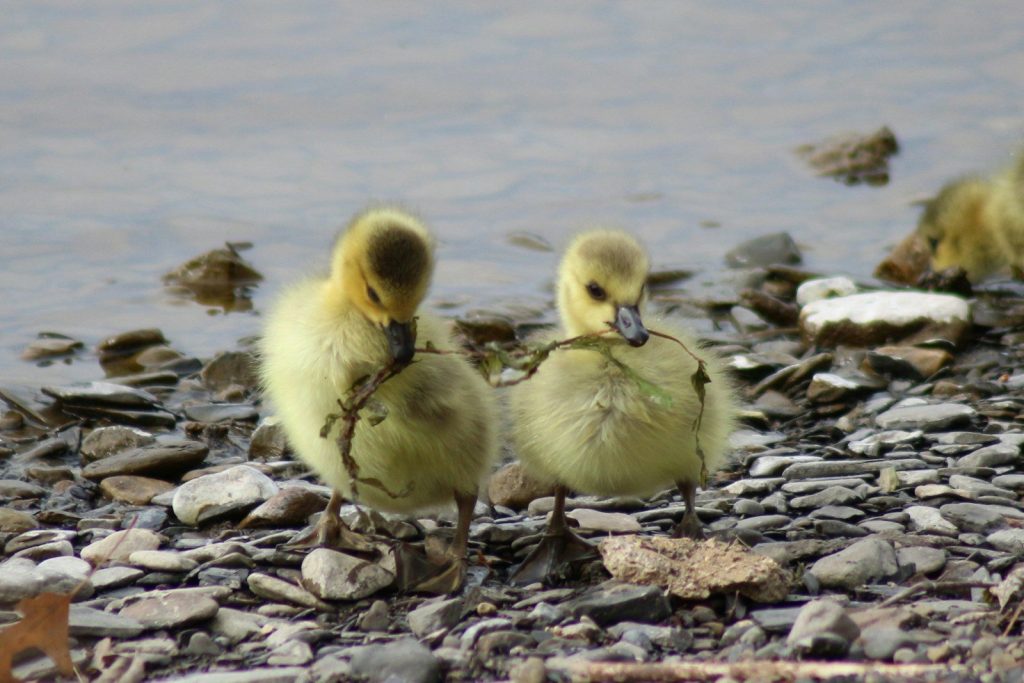
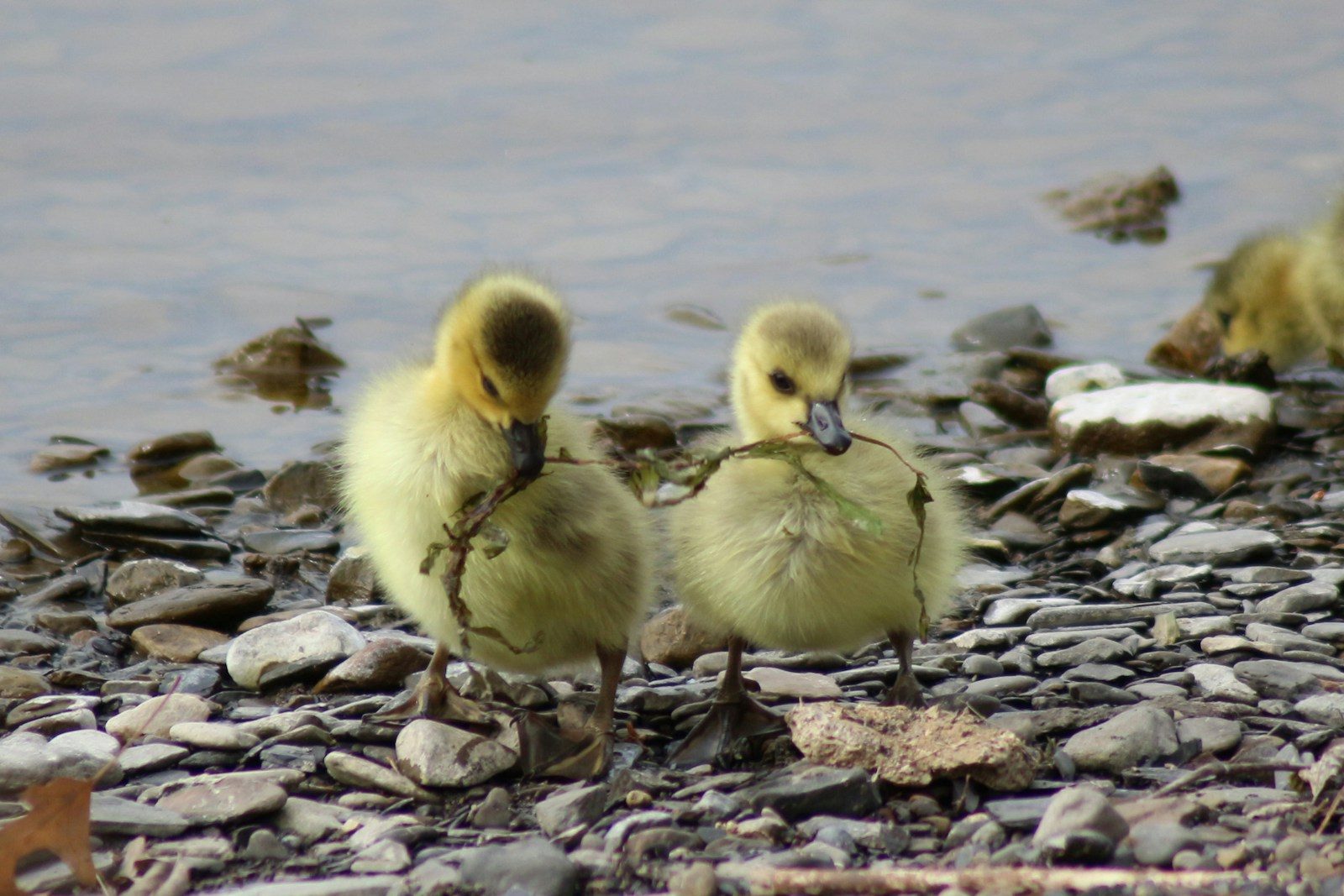
    two yellow ducklings on gray rocks
    Photo by Timothy Brown on Unsplash
    Approaching storms can make wildlife rescues even more urgent. Heavy rain reduces visibility for drivers, creates slippery road conditions, and can quickly overwhelm young ducklings that are already exhausted.

    In this case, rescuing the birds before the weather deteriorated greatly improved their chances of avoiding further danger.

    Helping wildlife safely

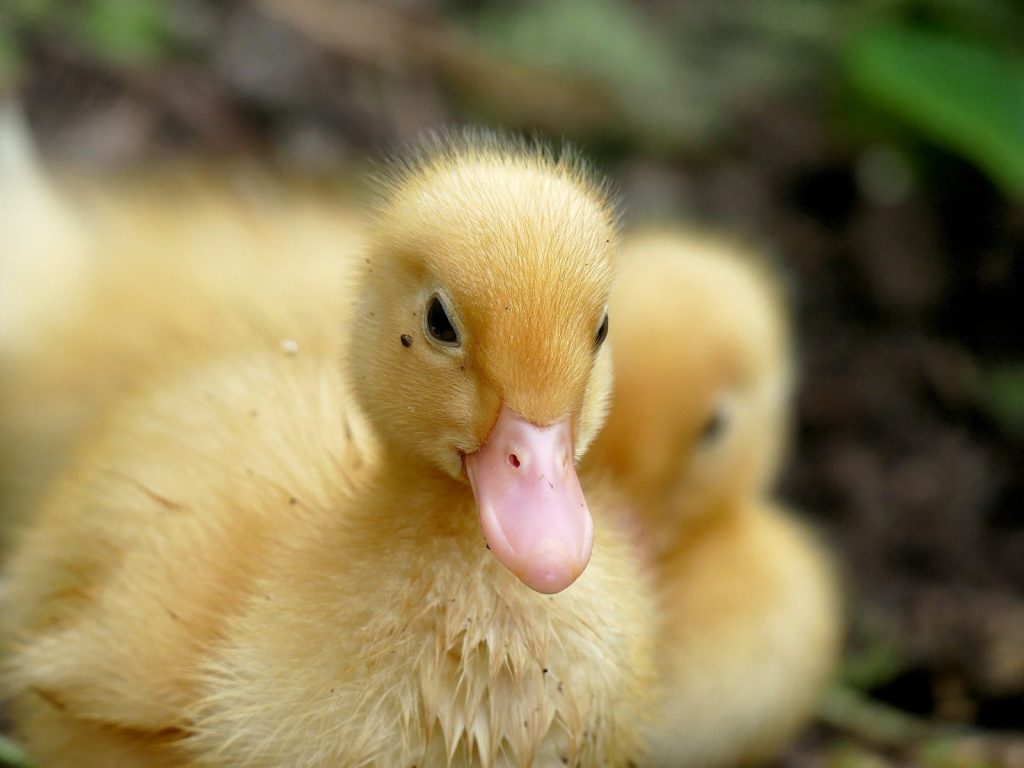
    selective focus photography of yellow duckling
    Photo by Andrea Lightfoot on Unsplash
    Wildlife organizations encourage people to place their own safety first when encountering animals on busy roads. If traffic conditions make intervention dangerous, contacting local animal rescue services or law enforcement is usually the safest option.

    When conditions allow, calm, coordinated action can sometimes prevent injuries to both wildlife and motorists.

    A reminder that small acts matter

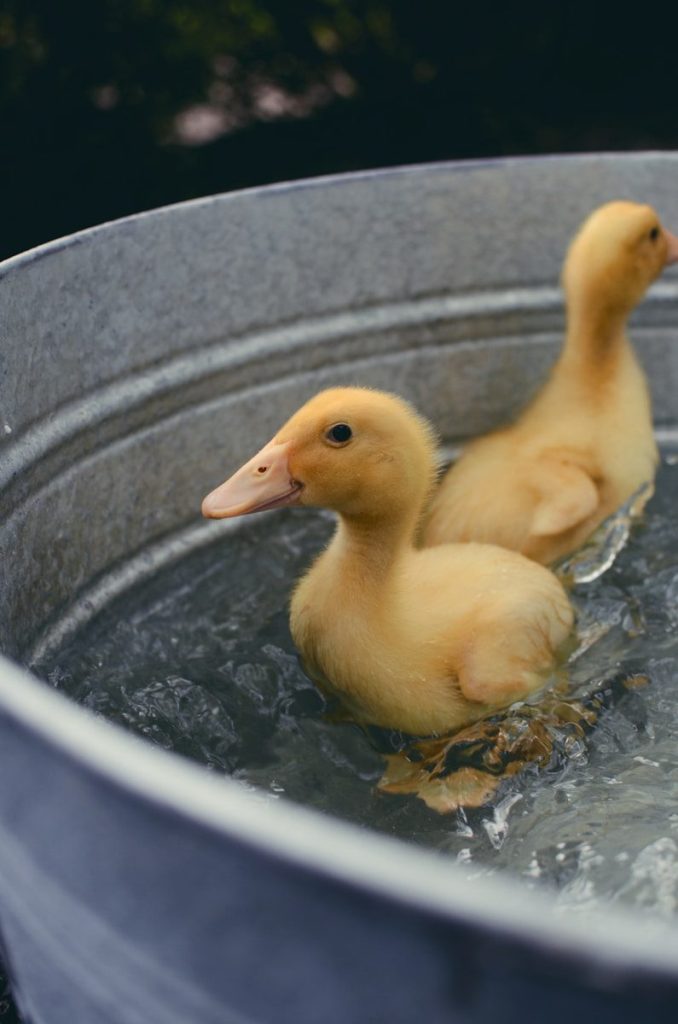
    two yellow ducklings on water inside basin
    Photo by Christian Bowen on Unsplash
    Although the rescue lasted only a few minutes, it demonstrated how simple acts of kindness can have a meaningful impact. By slowing down, cooperating, and protecting vulnerable animals, the strangers gave the ducklings an opportunity to continue their journey safely.

    The story serves as a reminder that compassion toward wildlife often begins with small decisions made in everyday moments.

  • Two abandoned ducklings were rescued just hours before a storm

    Two abandoned ducklings were rescued just hours before a storm

    What began as a report of two tiny yellow ducklings floating alone in a neighborhood pond quickly turned into a race against time. Volunteers from Michigan Duck Rescue and Sanctuary discovered the abandoned birds struggling in the middle of the water with no mother in sight.

    After carefully reaching them by boat, the rescue team safely captured the ducklings and brought them to the sanctuary, where they now have a permanent home. Just two hours after the rescue, a powerful rainstorm swept through the area, making their survival in the pond highly unlikely.

    Two tiny ducklings needed help

    selective focus photography of yellow duckling
    Photo by Andrea Lightfoot on Unsplash
    The rescue began after concerned residents spotted two very young ducklings alone in a pond near an apartment complex in Dearborn, Michigan. A volunteer initially responded but could not safely reach them because they remained in the center of the pond.

    Later that day, sanctuary founder Matthew Lyson returned with a small boat and another rescuer to continue the search. After several minutes, they located the ducklings and carefully approached them.

    A careful rescue on the water

    two yellow ducklings on water inside basin
    Photo by Christian Bowen on Unsplash
    As the rescuers moved closer, the frightened ducklings tried to escape, paddling rapidly across the pond. Working together, the team gently guided the birds into position before lifting them safely with a small butterfly net.

    The operation required patience because the tiny ducklings were surprisingly quick despite their young age.

    Why could these ducklings not survive

    yellow duck
    Photo by Igor Osinchuk on Unsplash
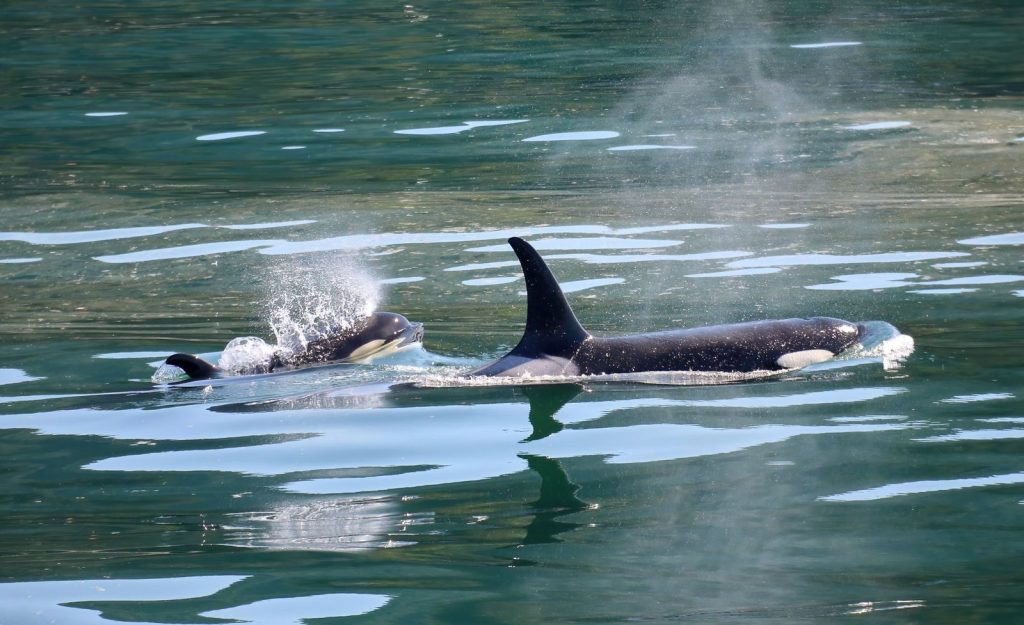
    The rescued birds were identified as Pekin ducks, a domestic breed commonly raised by people rather than living in the wild. Unlike wild ducks, Pekin ducks are poorly equipped to avoid predators or find suitable food on their own.

    Wildlife rescuers believe the ducklings had likely been purchased as pets and abandoned shortly afterward, a problem that rescue organizations encounter regularly.

    Timing made all the difference

    yellow ducklings beside hen
    Photo by Andrea Lightfoot on Unsplash
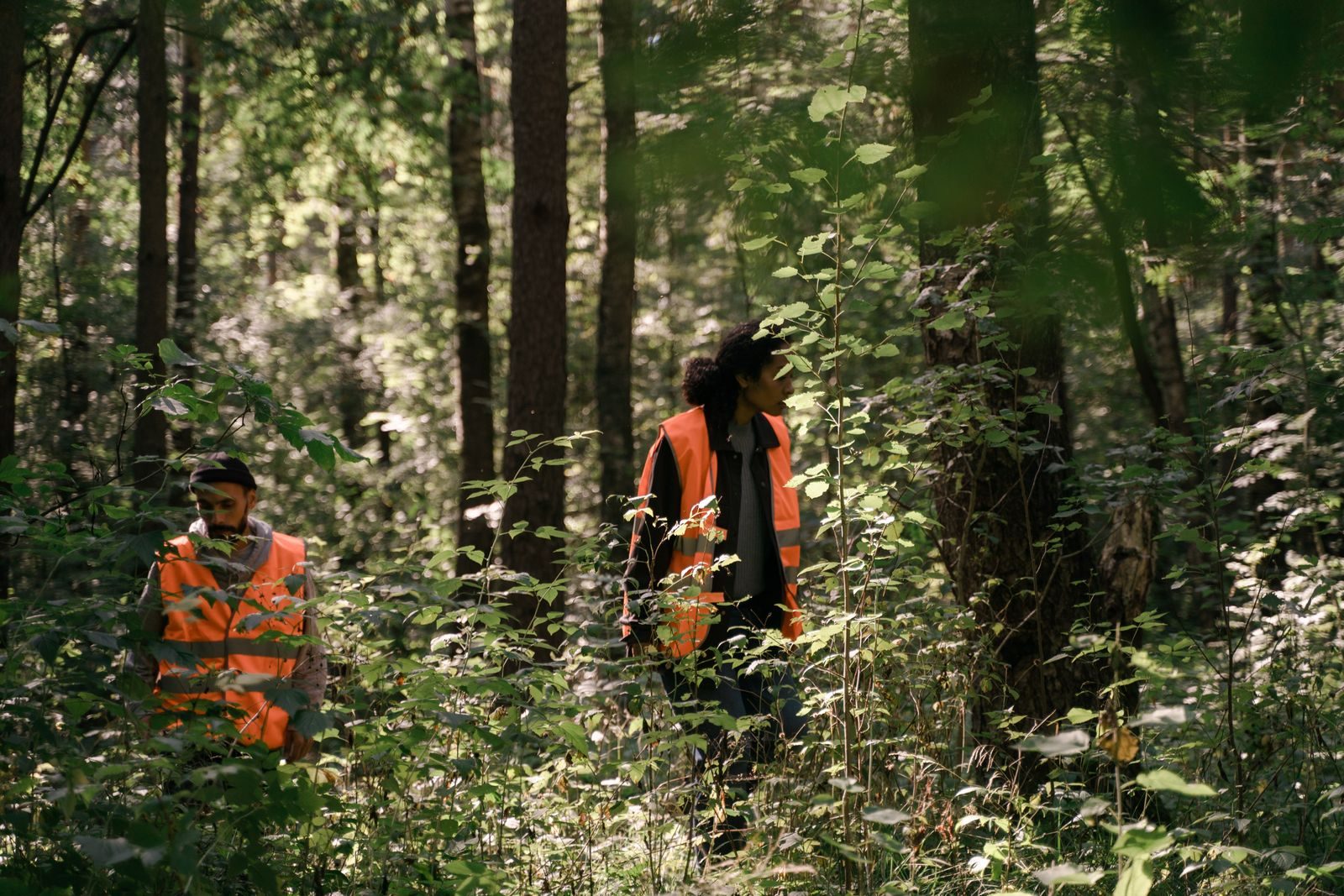
    Only a short time after the rescue was completed, heavy rainfall struck the area. According to the sanctuary, the severe weather would likely have overwhelmed the tiny ducklings had they remained exposed in the pond.

    Their rescue demonstrated how quickly conditions can change for young animals and why rapid intervention is sometimes essential.

    Life at the sanctuary

    a couple of ducks that are sitting in the grass
    Photo by Victoria Welton on Unsplash
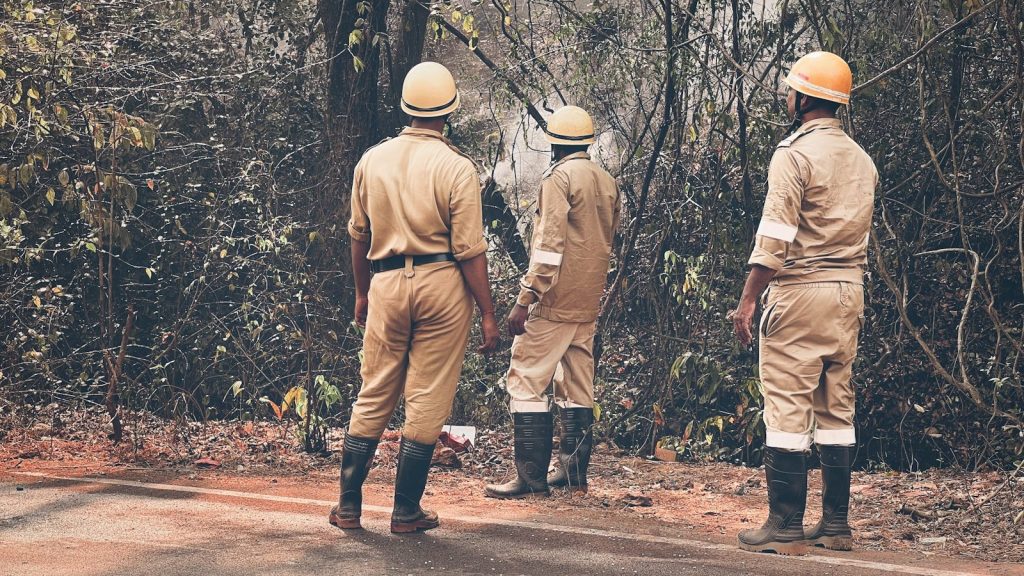
    After arriving at Michigan Duck Rescue and Sanctuary, the ducklings began settling into their new surroundings alongside other rescued domestic ducks. They are receiving proper food, shelter, and long-term care from experienced volunteers.

    The sanctuary specializes in rescuing abandoned domestic waterfowl that would otherwise struggle to survive in natural environments.

    Why responsible pet ownership matters

    a bunch of little yellow ducks in a row
    Photo by Stefanie Poepken on Unsplash

    Stories like this highlight the importance of understanding the needs of domestic animals before bringing them home. Domestic ducks are not equipped to live independently in parks or ponds, and abandoning them often results in injury or death.

    Wildlife organizations encourage anyone unable to care for pet ducks to contact rescue groups instead of releasing them into the wild, giving these animals a much better chance at a safe and healthy life.

  • This seal dragged plastic across the beach until rescuers stepped in

    This seal dragged plastic across the beach until rescuers stepped in

    A young seal struggling beneath tangled plastic and abandoned fishing gear became the focus of a dramatic wildlife rescue after rescuers discovered the exhausted animal dragging the debris across the shoreline.

    Every movement required extra effort, and the entanglement threatened its ability to swim, feed, and survive. Thanks to a carefully planned rescue, the seal was freed before the injuries became fatal, highlighting one of the growing dangers facing marine mammals worldwide.

    Ghost gear is a silent killer

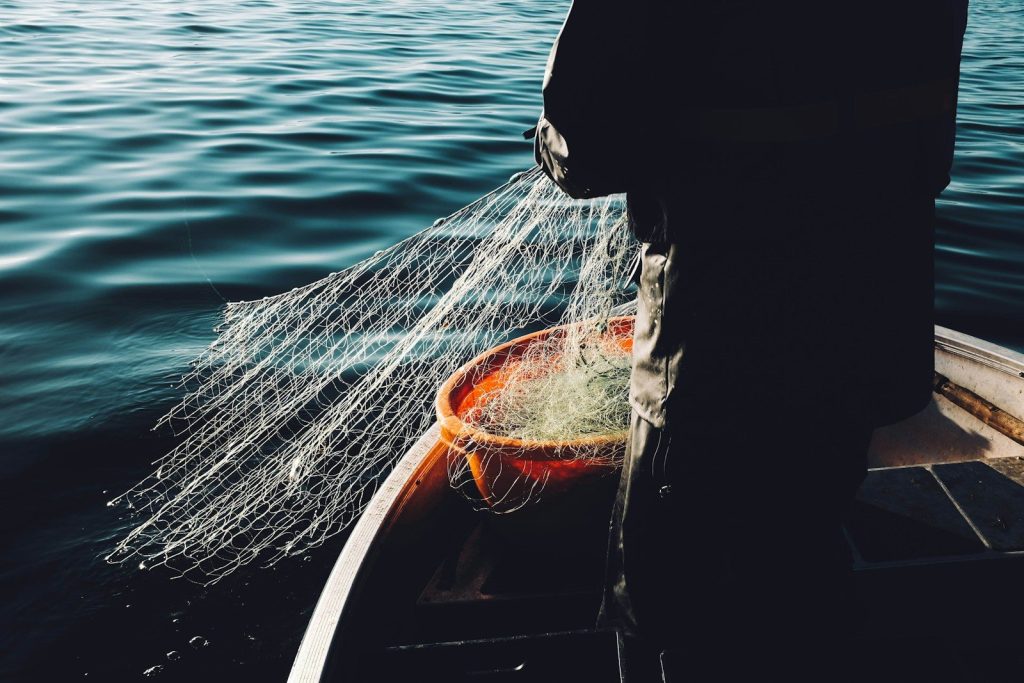
    man holding a fishnet
    Photo by Fredrik Öhlander on Unsplash

    Ghost gear refers to fishing nets, ropes, traps, and lines that have been lost or abandoned in the ocean. Unlike many forms of marine litter, this equipment continues trapping wildlife long after it has been discarded.

    Seals, sea lions, dolphins, whales, turtles, and seabirds can all become entangled, often suffering severe injuries or drowning if they cannot escape.

    How plastic harms seals

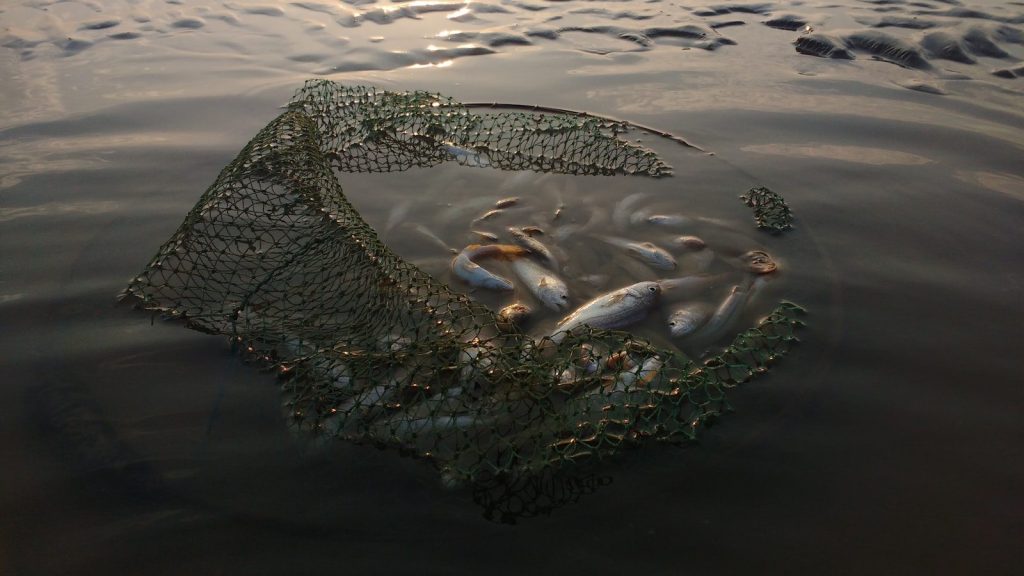
    fish on body of water
    Photo by Riddhiman Bhowmik on Unsplash

    As seals swim and grow, ropes or plastic bands wrapped around their bodies tighten over time. These materials can cut through skin and muscle, restrict movement, reduce the ability to hunt, and lead to infection or starvation.

    Even when an animal survives, untreated entanglements may cause permanent injuries that affect its ability to live normally in the wild.

    A careful rescue operation

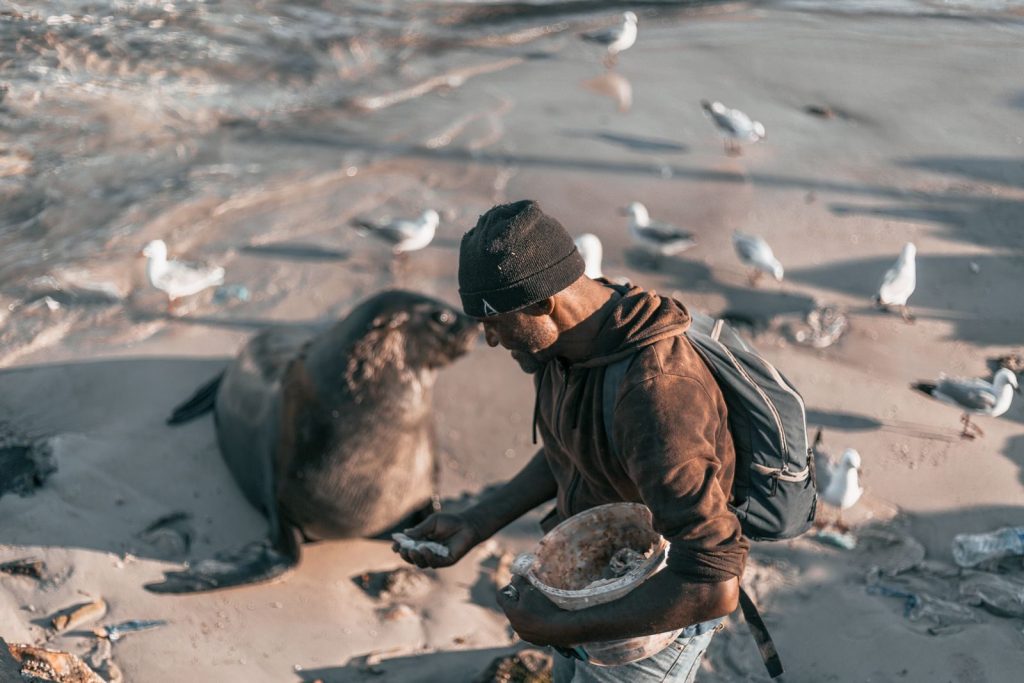
    African man feeding a seal on the seashore in Cape Town, South Africa.
    Photo by Luke Barky on Pexels

    Approaching an entangled wild seal requires specialized training. Frightened animals often struggle or bite, making rescue dangerous for both the seal and responders.

    Authorized wildlife teams use specialized tools and carefully planned techniques to remove life-threatening debris while minimizing additional stress or injury.

    Why prevention matters

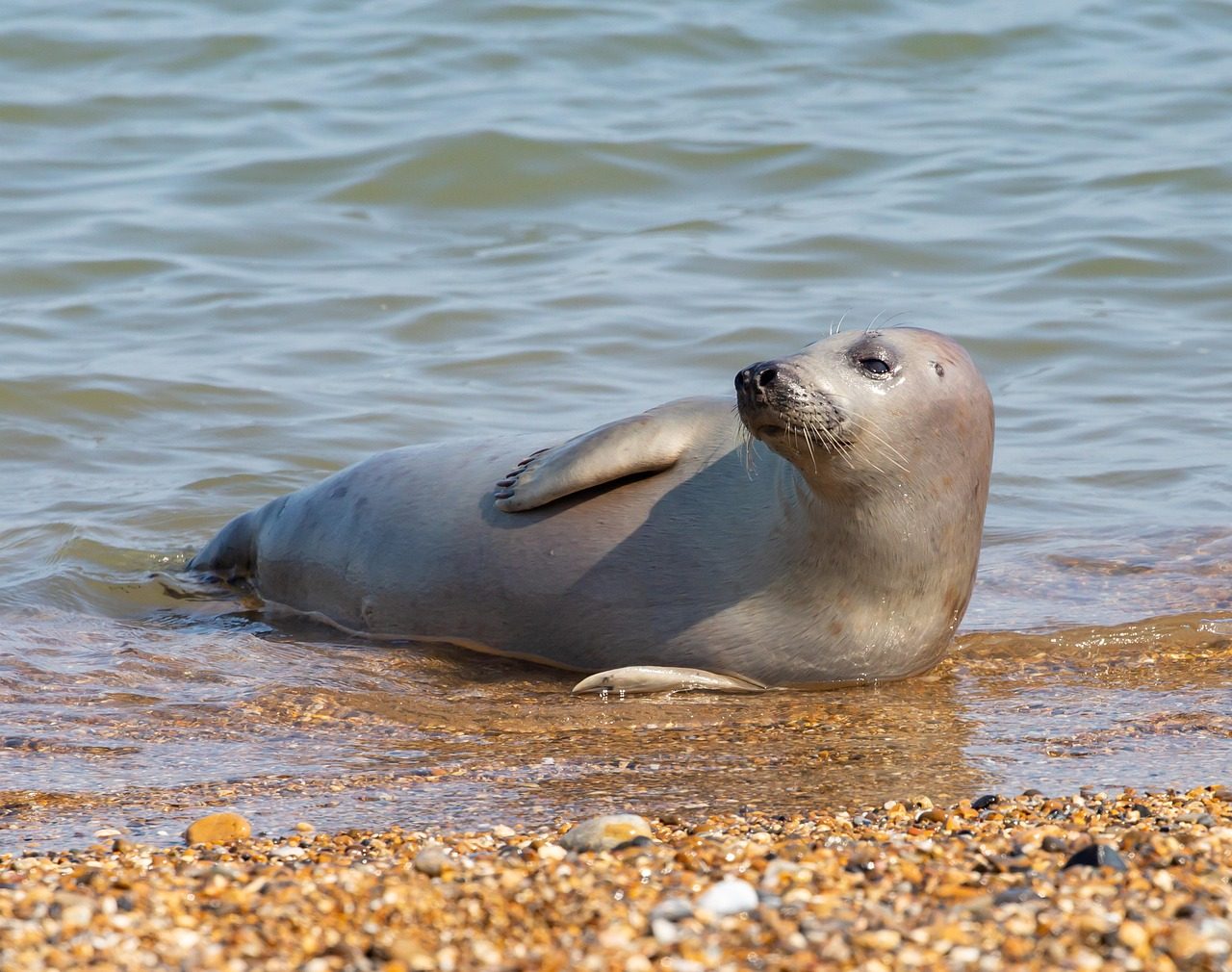
    Elephant Seals” by D-Stanley is licensed under CC BY 2.0

    Although rescue teams save many animals every year, preventing entanglement is far more effective than responding after it happens. Proper disposal of fishing gear, reducing plastic pollution, and recovering lost equipment can dramatically reduce risks to marine wildlife.

    Many conservation groups now work with fishing industries to prevent ghost gear from entering the ocean in the first place.

    Marine debris affects entire ecosystems

    white and brown fish on water
    Photo by Naja Bertolt Jensen on Unsplash

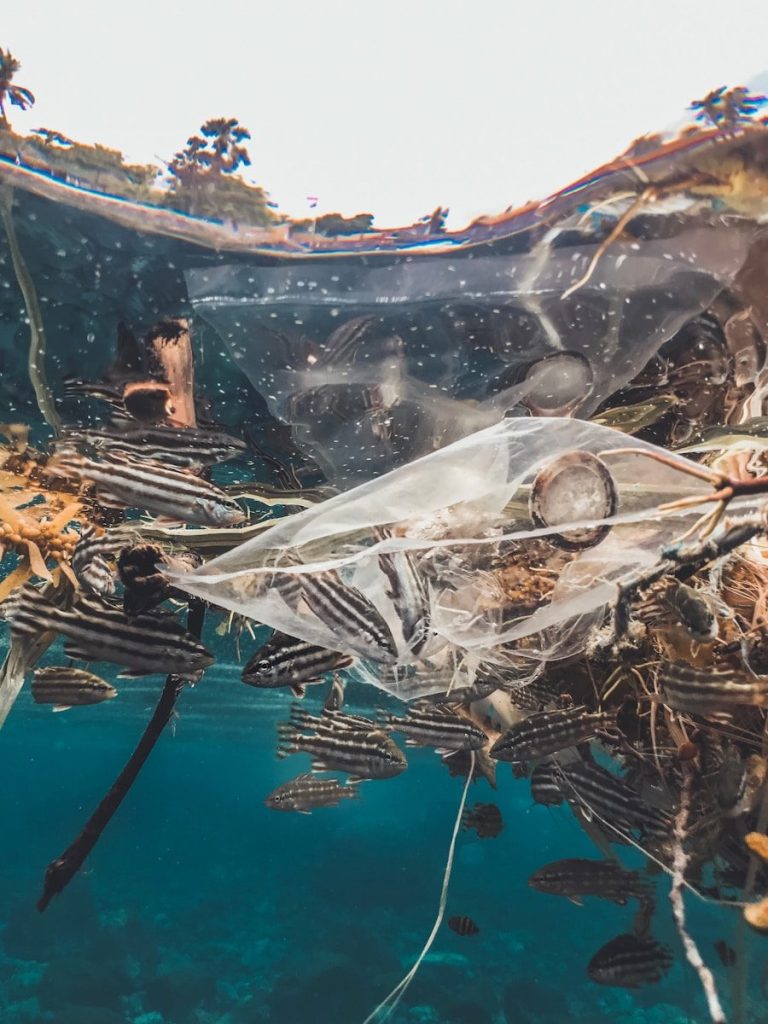
    Ghost gear not only threatens seals. It continues to trap fish, turtles, dolphins, whales, seabirds, and countless other marine species for years after it is lost.

    Because synthetic fishing gear breaks down very slowly, abandoned equipment can continue harming wildlife for decades while also contributing to microplastic pollution.

    Every rescue raises awareness

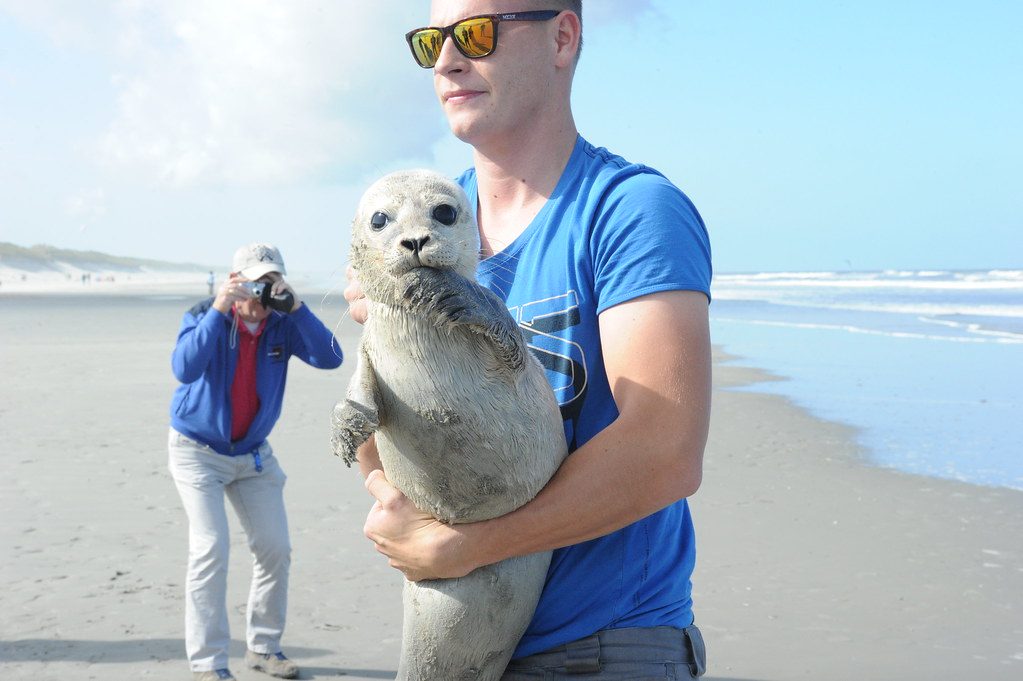
    Baby Seal Rescue” by Astrid van Wesenbeeck photography is licensed under CC BY-NC-ND 2.0

    Each successful rescue demonstrates both the dedication of trained wildlife responders and the importance of protecting oceans from preventable pollution. While one rescued seal receives another chance to survive, the larger lesson is that reducing marine debris benefits entire ecosystems.

    By disposing of waste responsibly, supporting cleanup efforts, and reporting entangled wildlife to authorized rescue organizations, people can help reduce one of the most persistent human-caused threats facing marine mammals today.

  • What happens when a whale becomes the target of an orca pod

    What happens when a whale becomes the target of an orca pod

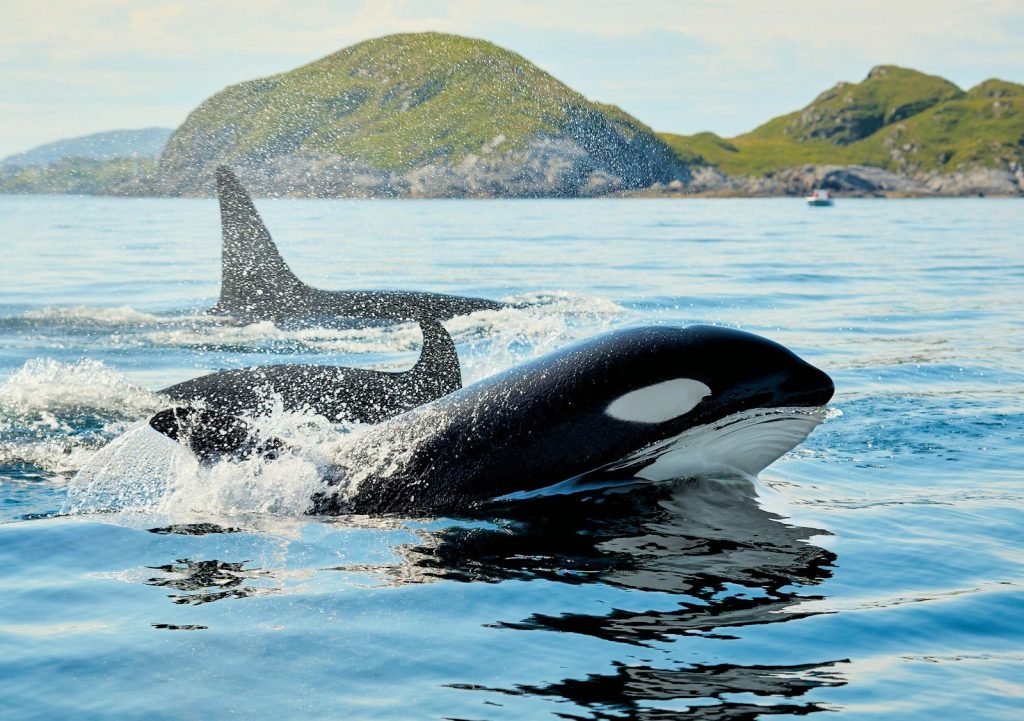
    Orcas, also known as killer whales, are among the most intelligent and capable predators in the ocean. Rather than relying on size alone, they use teamwork, communication, and carefully coordinated hunting strategies to capture prey.

    In some remarkable cases, a small pod of orcas has been observed working together to overpower whales many times their size. These hunts showcase one of the most sophisticated examples of cooperative behavior in the animal kingdom.

    Orcas are the ocean’s top predators

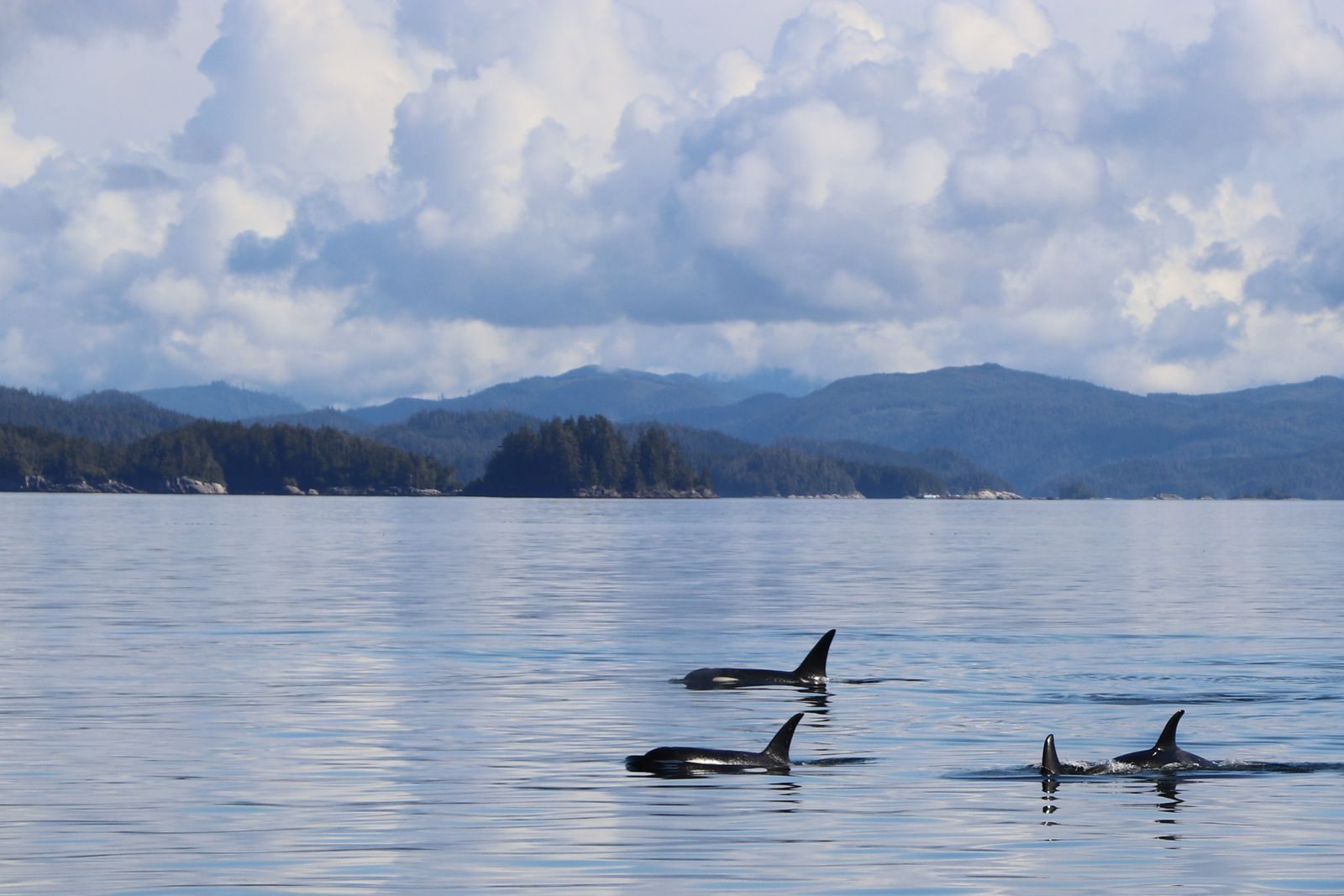
    Killer Whale (Resident Orca)” by Shawn McCready is licensed under CC BY-ND 2.0

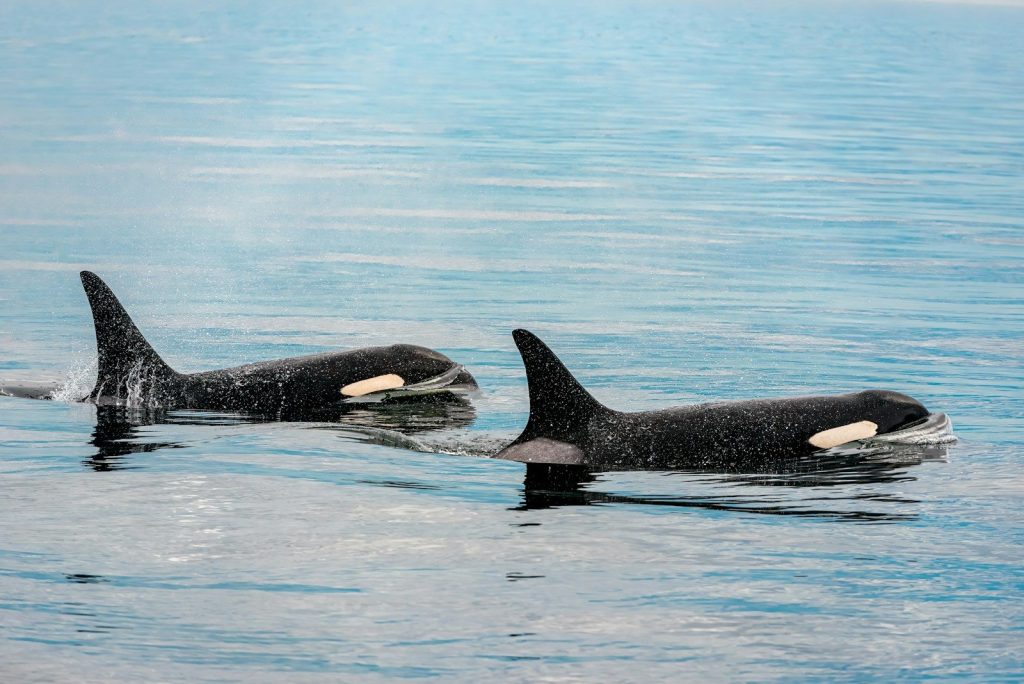
    Orcas are the largest members of the dolphin family and live in every ocean on Earth. Different populations specialize in different prey, with some feeding mainly on fish while others hunt seals, dolphins, sharks, and even large whales.

    Because healthy adult orcas have virtually no natural predators, scientists classify them as apex predators.

    Teamwork gives them a major advantage

    A couple of orca's swimming in a body of water
    Photo by Vidar Nordli-Mathisen on Unsplash

    Unlike solitary hunters, orcas depend heavily on cooperation. Pod members communicate constantly through calls and body movements while coordinating their positions during a hunt.

    Research shows that individual whales often take on different roles during cooperative hunting, increasing the group’s overall success. Long-term social bonds also allow pods to refine these techniques over generations.

    Hunting whales requires a strategy

    Blue Whale” by D-Stanley is licensed under CC BY 2.0

    When targeting large whales, orcas rarely rely on a single attack. Instead, they may surround the animal, separate vulnerable calves from adults, or repeatedly strike and exhaust their target over an extended period.

    Scientists have documented pods working together to restrict a whale’s movement and, in some cases, prevent it from surfacing normally to breathe. These coordinated attacks require precise timing and communication.

    Intelligence shapes every hunt

    two black and white orca swimming in a body of water
    Photo by Stephen Walker on Unsplash

    Orcas possess large brains and complex social structures. Young whales learn hunting techniques by observing experienced pod members, and many behaviors are passed from one generation to the next.

    Different populations even develop distinct hunting traditions, demonstrating a form of animal culture rarely seen outside a handful of highly intelligent species.

    Every pod hunts differently

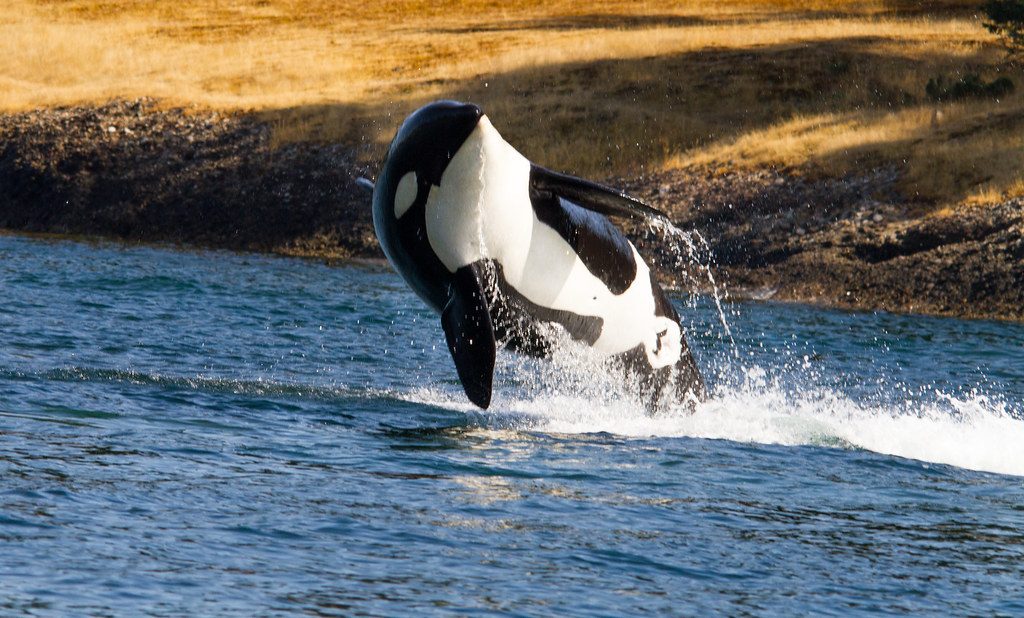
    Orca calf and Mother” by alumroot is licensed under CC BY-NC 2.0

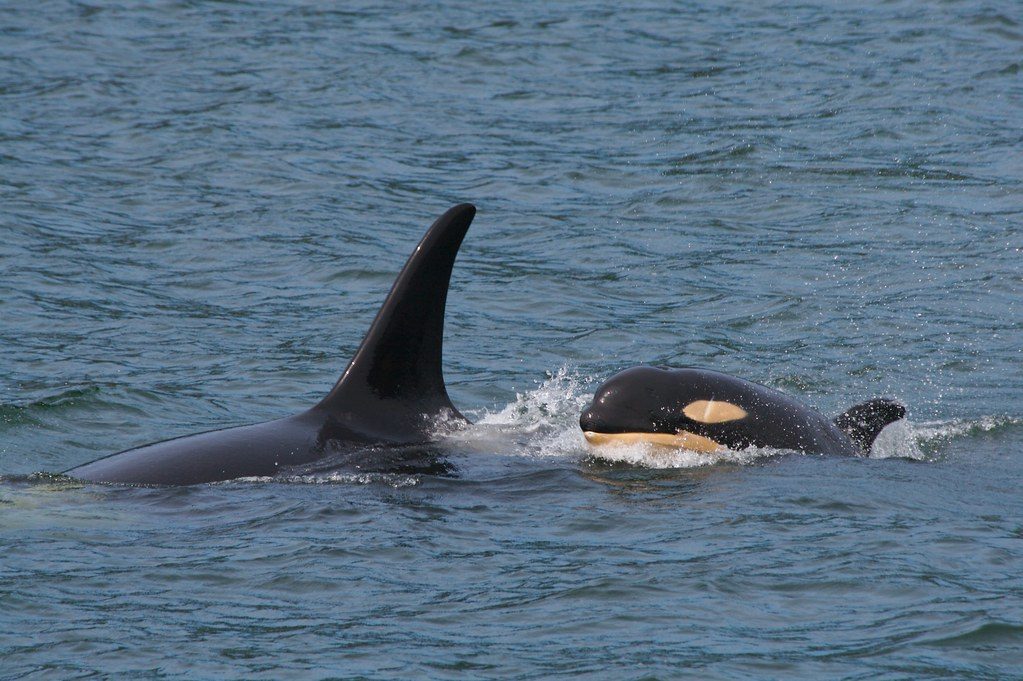
    Not all orcas hunt the same prey. Resident populations often specialize in fish such as salmon, while transient populations focus on marine mammals. Other populations have developed unique techniques for catching sharks, rays, seabirds, or whales.

    These dietary specializations show how adaptable orcas have become across oceans worldwide.

    Why these hunts fascinate scientists

    Captivating view of orcas swimming in the clear waters of Juneau, Alaska.
    Photo by Simon Hurry on Pexels

    Watching orcas hunt provides valuable insight into animal intelligence, communication, and social learning. Their ability to cooperate, divide responsibilities, and adapt to different prey makes them one of the most studied predators in marine biology.

    Each documented hunt helps researchers better understand how these remarkable marine mammals evolved into some of the ocean’s most effective hunters.

  • Rescuers locate injured animal after hearing cries in tall grass

    Rescuers locate injured animal after hearing cries in tall grass

    Have you ever wondered what happens when rescuers hear an animal crying but cannot see where the sound is coming from? The rescuers locate injured animal after hearing cries in tall grass story shows how patience, careful searching, and quick action can save a life. In many wildlife and animal rescue cases, injured animals hide in thick grass because they are scared or unable to move.

    This article explains how rescuers locate hidden animals, why they often remain out of sight, the care they receive after being found, and why trained rescue teams play an important role in giving injured animals a second chance.

    How rescuers found the animal

    a group of men standing on the side of a road
    Photo by Slava Taukachou on Unsplash

    Rescuers responded after hearing repeated cries coming from an area covered with tall grass. Because the vegetation blocked their view, they carefully searched the area instead of rushing in, listening closely to pinpoint where the sounds were coming from.

    After moving through the grass, they located an injured animal that was unable to escape on its own. Similar rescues have shown that injured animals often remain hidden in thick vegetation, making careful searches essential.

    Why do injured animals hide

    brown and white animal eating grass
    Photo by mana5280 on Unsplash

    Many wild animals hide after they are hurt because staying out of sight helps protect them from predators. Even when they are in pain, they often remain still instead of trying to run.

    Tall grass, bushes, and thick plants provide natural cover. While this behavior can improve survival in the wild, it also makes it much harder for rescuers to find an injured animal quickly.

    How rescuers approached safely

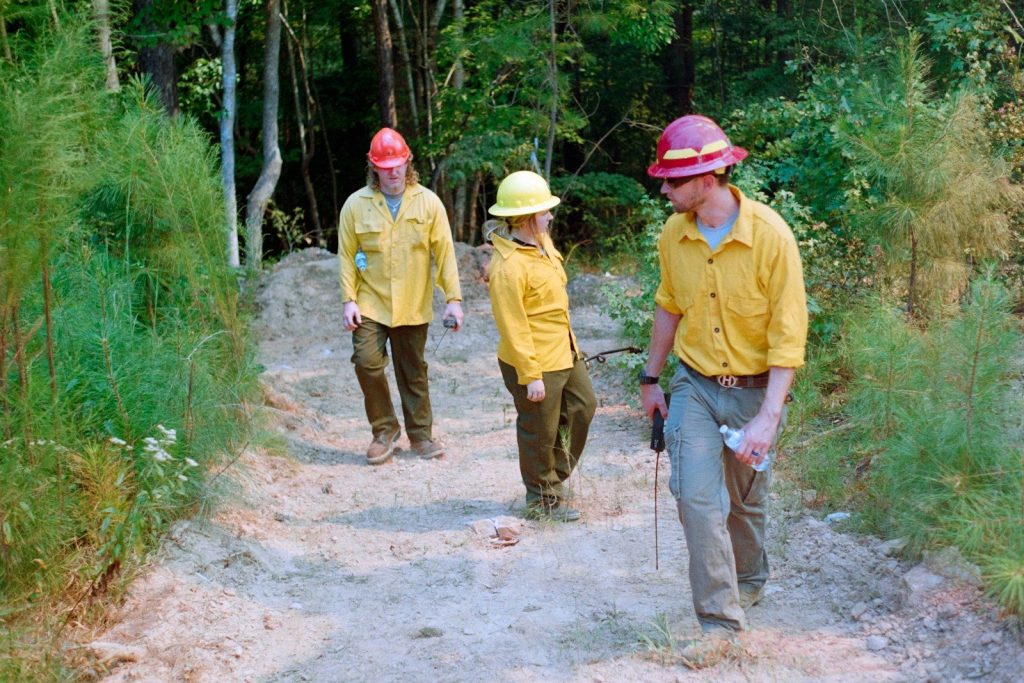
    Three people in yellow shirts walk on dirt path
    Photo by Erik Morales on Unsplash

    Animal rescue teams avoid making sudden movements or loud noises that could frighten an injured animal. A calm approach helps reduce stress and lowers the chance of making the injury worse.

    Once the animal was reached, rescuers checked its condition before moving it. Depending on the injury, they may use towels, blankets, carriers, or other equipment to transport the animal safely.

    Why veterinary care is important

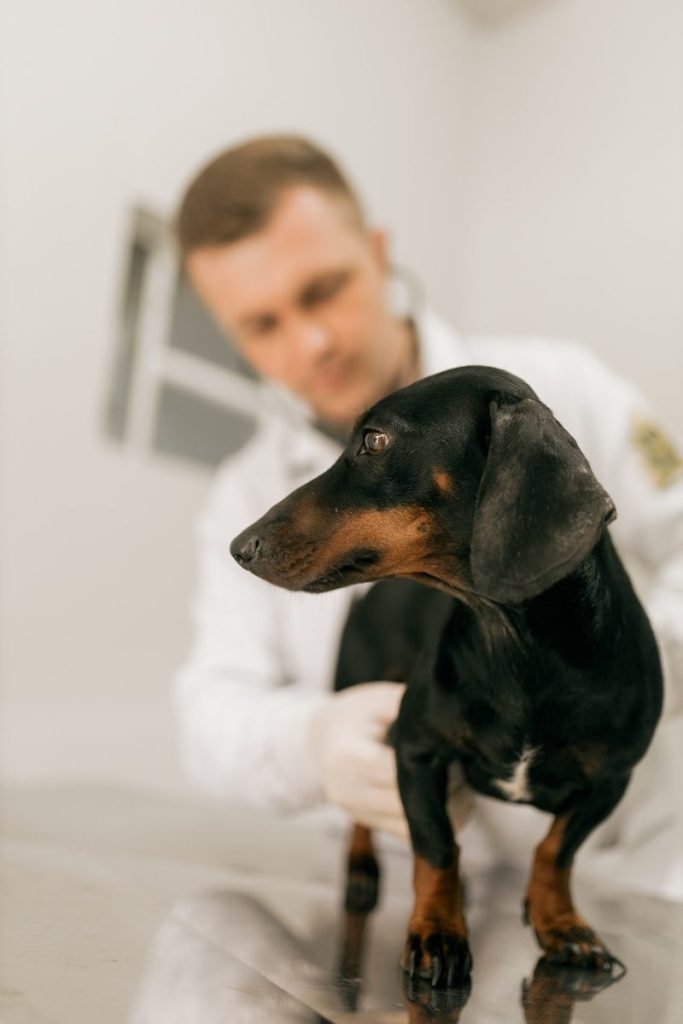
    A veterinarian examines a black and tan dachshund.
    Photo by Alexander Mass on Unsplash

    After a rescue, injured animals are usually examined by veterinarians or licensed wildlife rehabilitators. They check for broken bones, cuts, dehydration, or other health problems that may not be visible at first.

    Treatment may include cleaning wounds, giving fluids, pain relief when appropriate, and allowing the animal time to recover. The goal is always to return healthy wildlife to its natural habitat whenever possible.

    Why quick action matters

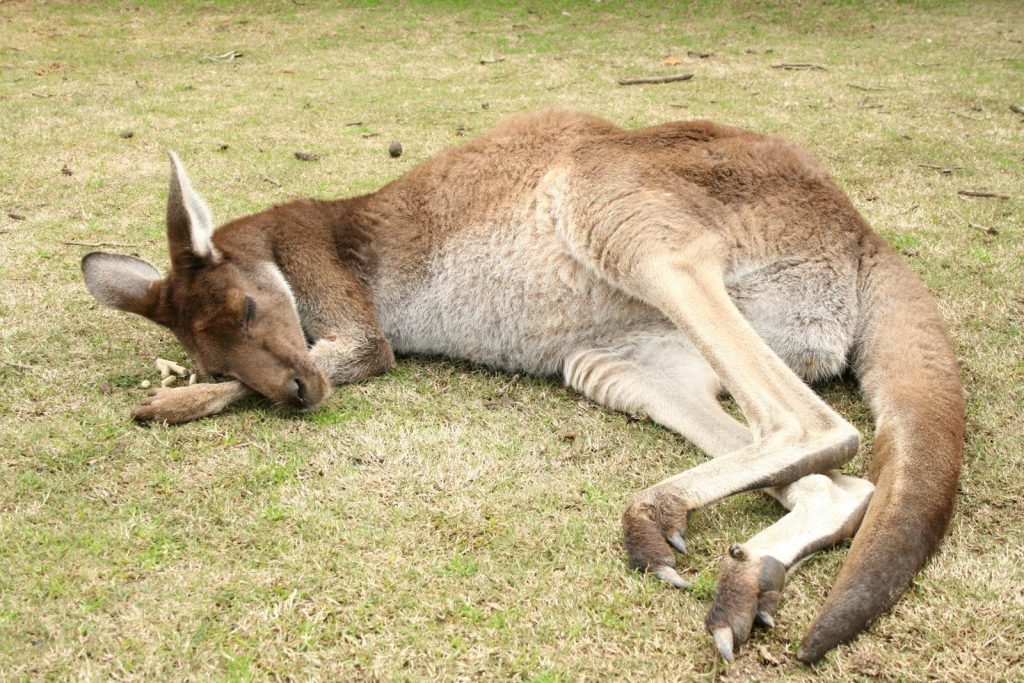
    A kangaroo laying on top of a lush green field
    Photo by Vaughan Willis on Unsplash

    An injured animal left alone for too long may become weaker because it cannot find food or water. Delayed treatment can also increase the risk of infection or make injuries more difficult to heal.

    Quick reports from nearby people often help rescuers arrive before conditions become worse. Hearing an animal’s cries can provide the important clue needed to begin a successful search.

    What should people do if they find wildlife?

    person holding white Android smartphone in white shirt
    Photo by NordWood Themes on Unsplash

    If you hear an injured animal but cannot see it, keep a safe distance and contact local animal control, wildlife officials, or a licensed wildlife rehabilitation center. Trained professionals know how to rescue wildlife safely.

    Trying to handle a wild animal without experience can cause more stress or injury to both the animal and the person. Calling experts is usually the safest and most effective choice.

    Featured Image: Photo by Ron Lach on Pexels

  • Scientists study the dangers predators face while hunting

    Scientists study the dangers predators face while hunting

    Have you ever wondered if predators are always safe when they hunt? Scientists study the dangers predators face while hunting because catching prey is often much harder and riskier than many people realize. Lions, wolves, sharks, eagles, and other hunters can suffer injuries, waste valuable energy, or even die during an attack. Understanding these risks helps researchers learn how predators survive and how healthy ecosystems stay in balance.

    This article explains the dangers predators face, why hunting is not always successful, and what scientists have discovered about the costs of being a hunter in the wild.

    Hunting is never guaranteed

    man in orange and black backpack
    Photo by Matthew Maaskant on Unsplash

    Many people think predators catch prey easily, but that is rarely true. Studies show that hunting success depends on the species, the habitat, and the prey. Many predators fail far more often than they succeed.

    Each failed hunt costs time and energy. If predators miss too many meals, they can become weak, making future hunts even more difficult. Finding enough food is a daily challenge for many wild animals.

    Injuries can happen during an attack

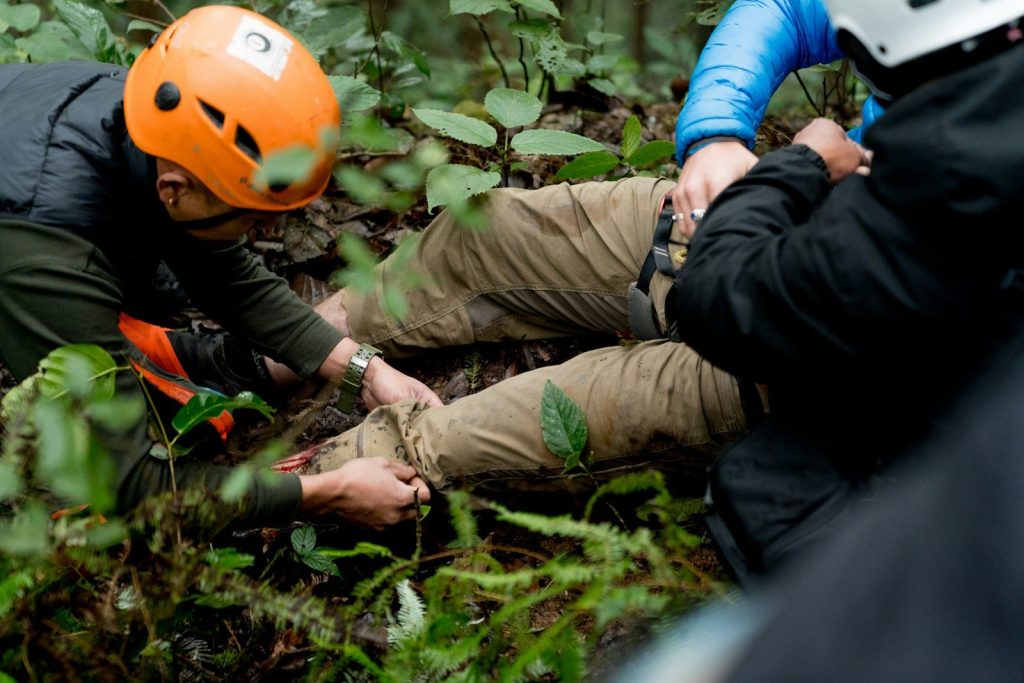
    A man in an orange helmet is on the ground
    Photo by Frederick Shaw on Unsplash

    Prey animals do not give up without a fight. Deer kick with powerful legs, wild boars use sharp tusks, and large animals such as buffalo or elk can seriously injure predators trying to catch them.

    Even smaller prey can be dangerous. Claws, horns, teeth, and strong bites can leave predators with broken bones, deep cuts, or infections that may reduce their chances of surviving in the wild.

    Teamwork can lower the risk

    a group of men standing next to each other in a field
    Photo by Evgeniy Smersh on Unsplash

    Some predators hunt in groups because teamwork improves their chances of success. Wolves, lions, African wild dogs, and orcas often work together to surround prey and reduce the danger faced by any one animal.

    Group hunting also helps predators catch larger prey that would be too risky to attack alone. By sharing the work, they often spend less energy and face fewer injuries than a lone hunter.

    Weather and habitat create extra challenges

    snow covered trees during daytime
    Photo by Patrick Mueller on Unsplash

    Predators must deal with changing weather while hunting. Heavy rain, deep snow, strong winds, or extreme heat can make it harder to track prey or move quickly enough for a successful attack.

    The environment also matters. Thick forests, rocky cliffs, rivers, and open grasslands each create different obstacles. Predators must adjust their hunting methods to match the conditions around them.

    Young and old predators face greater risks

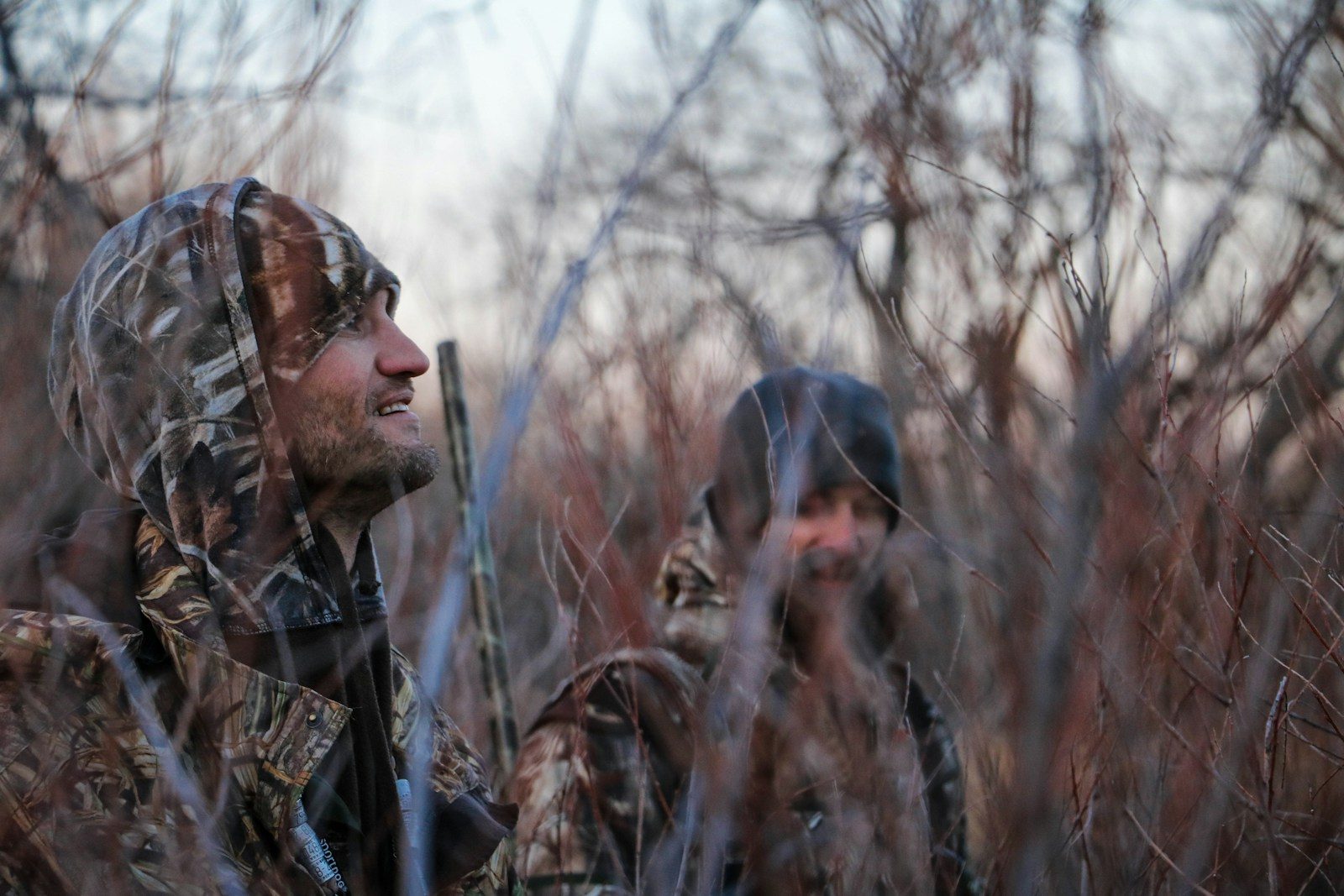
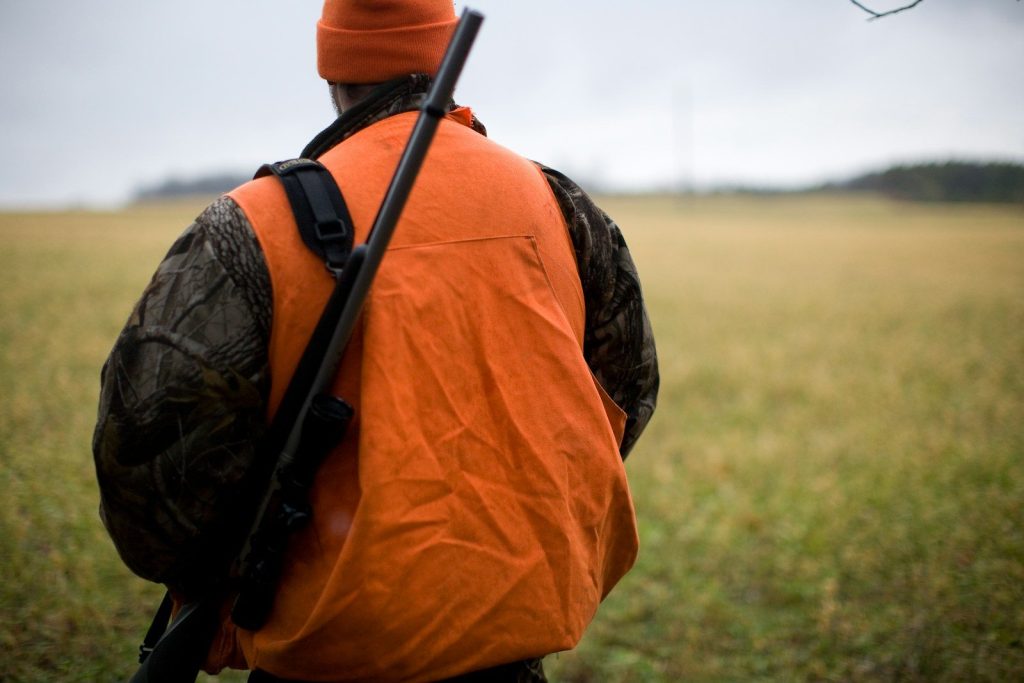
    a man in a hat holding a gun
    Photo by Aaron James on Unsplash

    Young predators are still learning important hunting skills. They often make mistakes, miss opportunities, or choose prey that is too difficult to catch safely.

    Older predators may have slower movement, worn teeth, or weaker muscles. As hunting becomes harder, they may struggle to compete with younger animals or capture enough food to survive.

    Why this research matters

    person using MacBook Pro
    Photo by Glenn Carstens-Peters on Unsplash

    Scientists study hunting risks to better understand how predators affect ecosystems. Healthy predator populations help control prey numbers, which supports balanced food webs and healthy habitats.

    Learning about these dangers also helps conservation efforts. By understanding how predators survive, researchers can make better decisions to protect wildlife and preserve natural ecosystems for future generations.

    Featured Image: Photo by Rhett Noonan on Unsplash

  • Last elephant at New York zoo may be relocated to a sanctuary

    Last elephant at New York zoo may be relocated to a sanctuary

    Have you ever wondered what happens when the last elephant at a zoo is left alone? The last elephant at a New York zoo may be relocated to a sanctuary because zoo leaders are considering her long-term health and well-being. Patty, the final elephant at New York City’s Bronx Zoo, has lived there for decades. After the recent loss of another elephant, she is now by herself.

    This article explains why a move is being discussed, what an elephant sanctuary offers, and what factors experts must consider before making a final decision.

    Why is Patty the last elephant

    Elephant” by Jonathan Michael Peel is licensed under CC BY-SA 2.0

    Patty is a 57-year-old Asian elephant living at the Bronx Zoo. She became the zoo’s only remaining elephant after Happy, another longtime resident, was humanely euthanized because of age-related health problems.

    With Happy gone, Patty no longer has another elephant living at the zoo. Wildlife Conservation Society officials have said they are carefully reviewing what would be best for her future instead of making a quick decision.

    Why is a sanctuary being considered?

    Elephants near water at Amboseli” by Nagarjun is licensed under CC BY 2.0

    The Bronx Zoo is exploring whether Patty could move to The Elephant Sanctuary in Tennessee. Zoo officials recently visited the sanctuary to learn more about its facilities and determine whether it would meet Patty’s needs.

    Elephant sanctuaries provide large natural habitats where elephants can walk long distances, explore, and, when appropriate, live near other elephants. These environments are designed to support retired elephants with expert veterinary care.

    Why is moving an older elephant challenging

    elephant surrounded by grass
    Photo by Marcus Löfvenberg on Unsplash

    Although a sanctuary offers more space, moving a 57-year-old elephant is a major task. Older elephants can face health risks during long trips, and experts must carefully plan every step of the relocation process.

    Zoo officials have also explained that Patty’s personality and past social history must be taken into account. Any decision will focus on her physical health, emotional well-being, and ability to adjust safely to a new environment.

    How elephants live in the wild

    Elephant calf feeding on a shrubby acacia” by james.harris.anderson is licensed under CC BY-NC-SA 2.0

    Asian elephants are highly social animals. Female elephants usually live in family groups led by older females, where they spend time feeding, traveling, and caring for younger members.

    Living alone is different from the way elephants naturally behave. That is one reason experts often consider social opportunities when deciding where older elephants should spend the rest of their lives.

    Who will make the final decision?

    a woman looking out a window with sticky notes on it
    Photo by Julia Potter on Unsplash

    The Wildlife Conservation Society, which operates the Bronx Zoo, says no final decision has been made. The organization is consulting veterinarians, elephant specialists, and other accredited zoo experts before choosing the best path for Patty.

    Officials have stressed that the decision will be based on science and animal welfare. They say Patty’s individual needs, rather than public opinion, will guide the final outcome.

    What the future could hold

    Elephant near water” by World Resources is licensed under CC BY-NC-SA 2.0

    If Patty moves, the process could take many months because special transportation, health checks, and careful planning are required. Experts would work to make the transition as safe and comfortable as possible.

    Whether Patty remains at the Bronx Zoo or moves to Tennessee, her care will continue to be closely monitored. The discussion reflects a growing focus on providing aging elephants with the best possible quality of life.

    Featured Image: Photo by David Clode on Unsplash