Author: Ethan

  • Animal populations threatened by habitat loss and climate change

    Animal populations threatened by habitat loss and climate change

    Climate change is changing the natural world faster than many animals can adapt. Rising temperatures, melting sea ice, stronger storms, warmer oceans, and changing rainfall are making it harder for wildlife to survive. Many species are losing the habitats and food they depend on, putting their future at risk.

    This article explores the animals threatened by climate change and explains why they are struggling. You will learn how changing weather and warming habitats affect wildlife, which species face the greatest danger, and why protecting the climate is important for animals around the world.

    Polar bears are losing their icy home
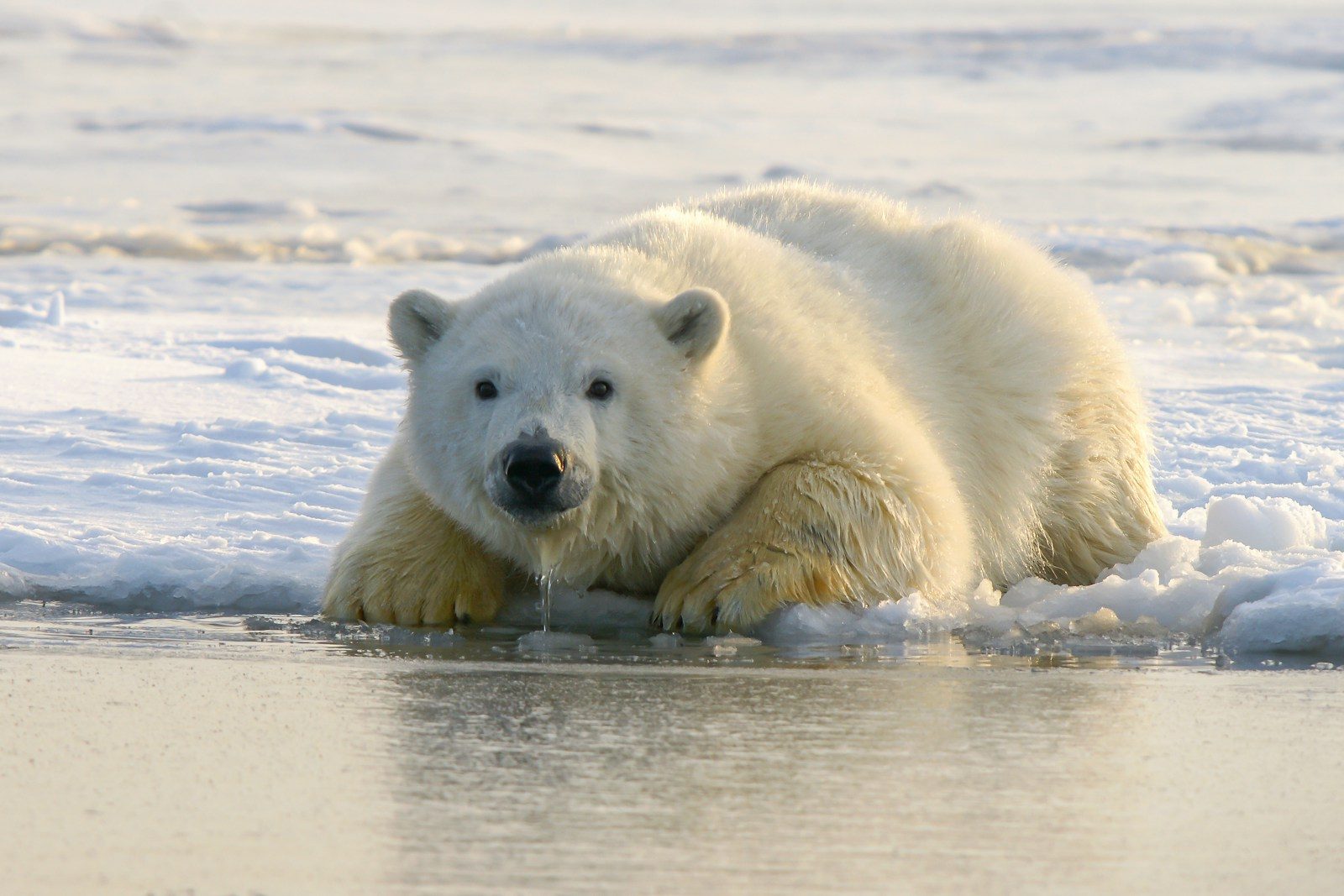
    polar bear on water during daytime
    Photo by Hans-Jurgen Mager on Unsplash

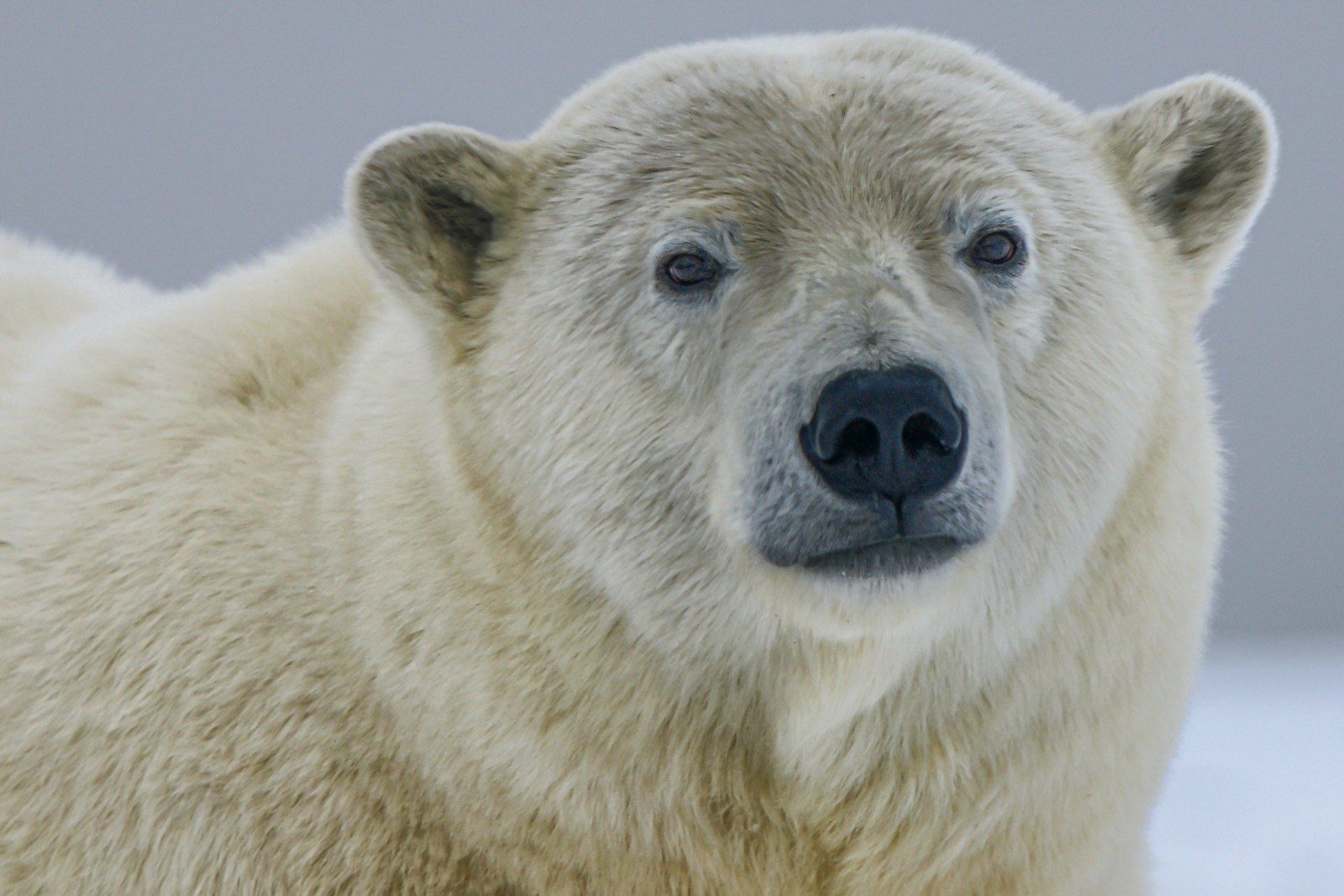
    Polar bears depend on Arctic sea ice to hunt seals, travel, and raise their young. As the Arctic warms much faster than most other parts of the world, sea ice forms later and melts earlier each year. This leaves polar bears with less time to hunt and store the energy they need to survive.

    Scientists warn that continued sea ice loss could cause major population declines in the coming decades. Longer ice-free seasons force bears to swim farther or spend more time on land, where food is much harder to find. Young bears and mothers with cubs are especially at risk.

    Emperor penguins face melting sea ice
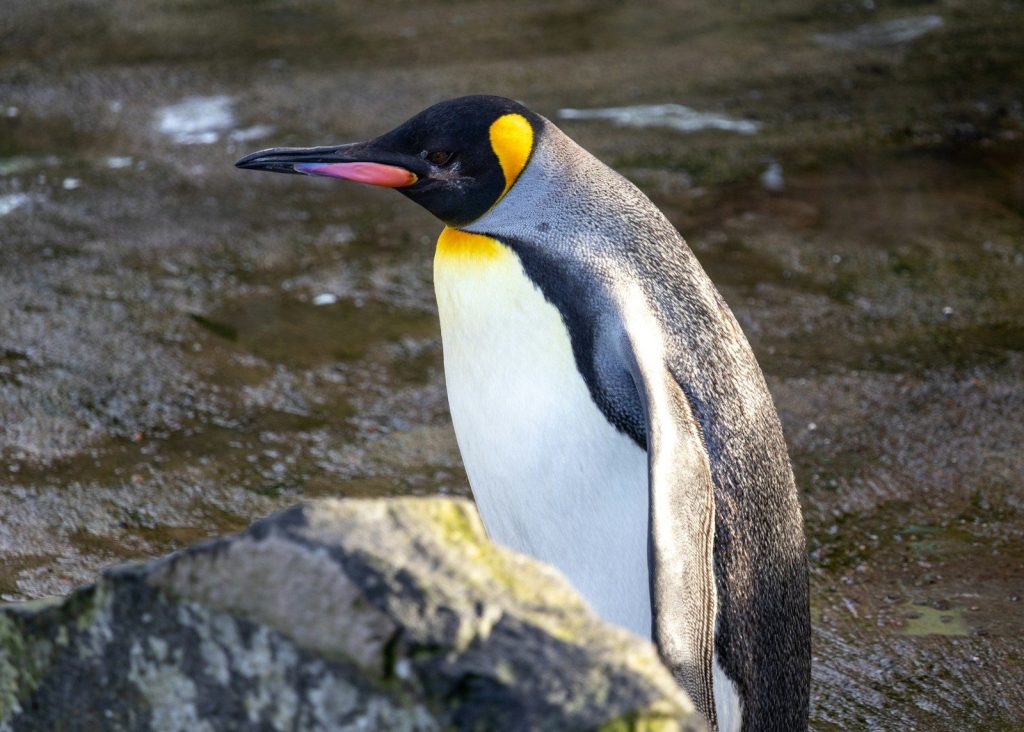
    a penguin standing on a rock in the water
    Photo by Andrew Dawes on Unsplash

    Emperor penguins rely on stable sea ice in Antarctica to breed and raise their chicks. If the ice breaks apart too early, chicks can fall into the freezing ocean before they grow waterproof feathers, leading to high mortality.

    In 2026, the IUCN listed emperor penguins as Endangered because climate change is causing major losses of sea ice. Scientists project that their population could be cut roughly in half by the 2080s if greenhouse gas emissions remain high.

    Sea turtles struggle on warmer beaches
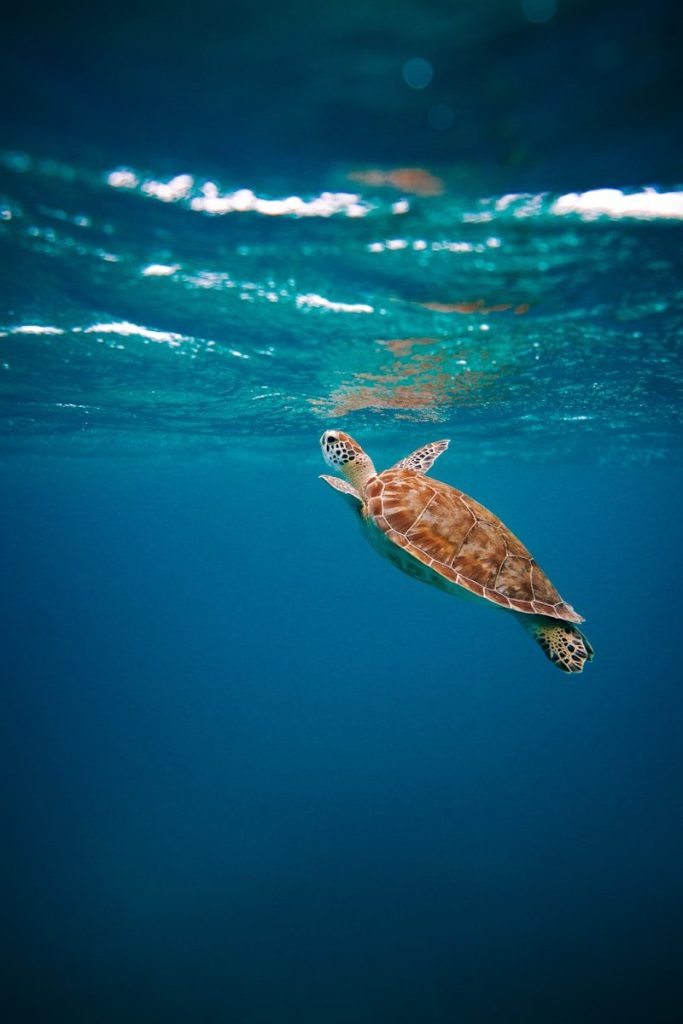
    brown turtle in water during daytime
    Photo by David Courbit on Unsplash

    Sea turtles return to sandy beaches to lay their eggs, but rising temperatures are changing nesting conditions. Warmer sand produces far more female hatchlings than males, creating an imbalance that could affect future breeding.

    Climate change also brings stronger storms and rising sea levels that wash away nesting beaches and flood turtle nests. These changes reduce the number of hatchlings that safely reach the ocean, making recovery harder for already threatened species.

    Coral reefs and marine life are under stress
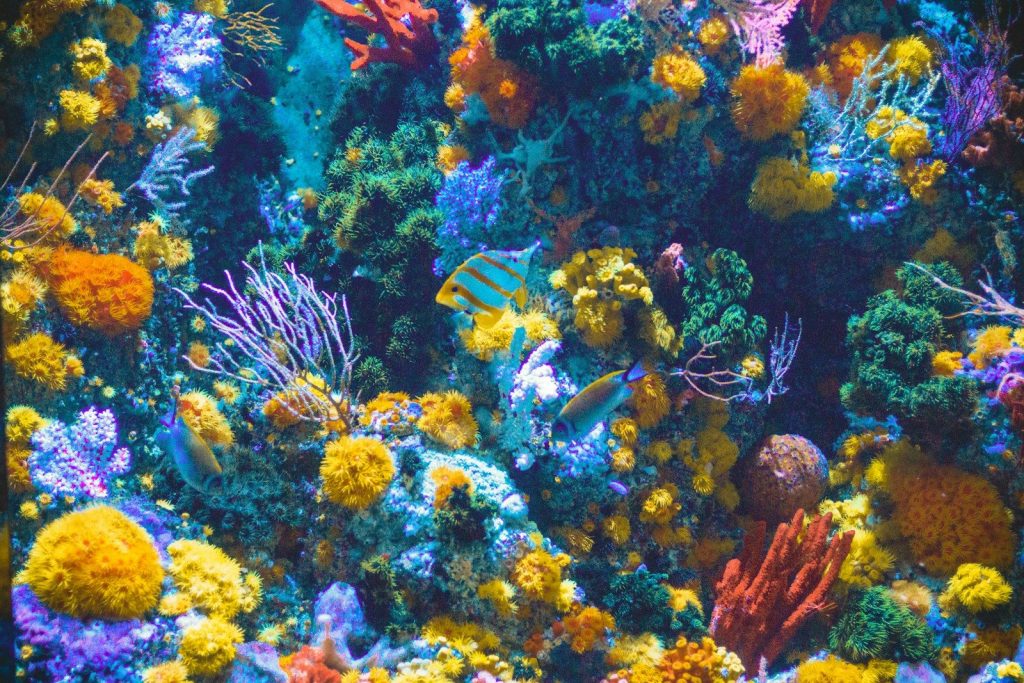
    Coral reefs
    Photo by Shaun Low on Unsplash

    Coral reefs support thousands of fish, sea turtles, sharks, and many other marine animals. Rising ocean temperatures cause coral bleaching, where corals lose the tiny algae they need to survive. If warm conditions continue, large areas of reef can die.

    When reefs disappear, many fish and other sea creatures lose their food and shelter. This affects entire ocean food webs and also harms millions of people who depend on healthy reefs for food, jobs, and coastal protection.

    Frogs and other amphibians are at risk
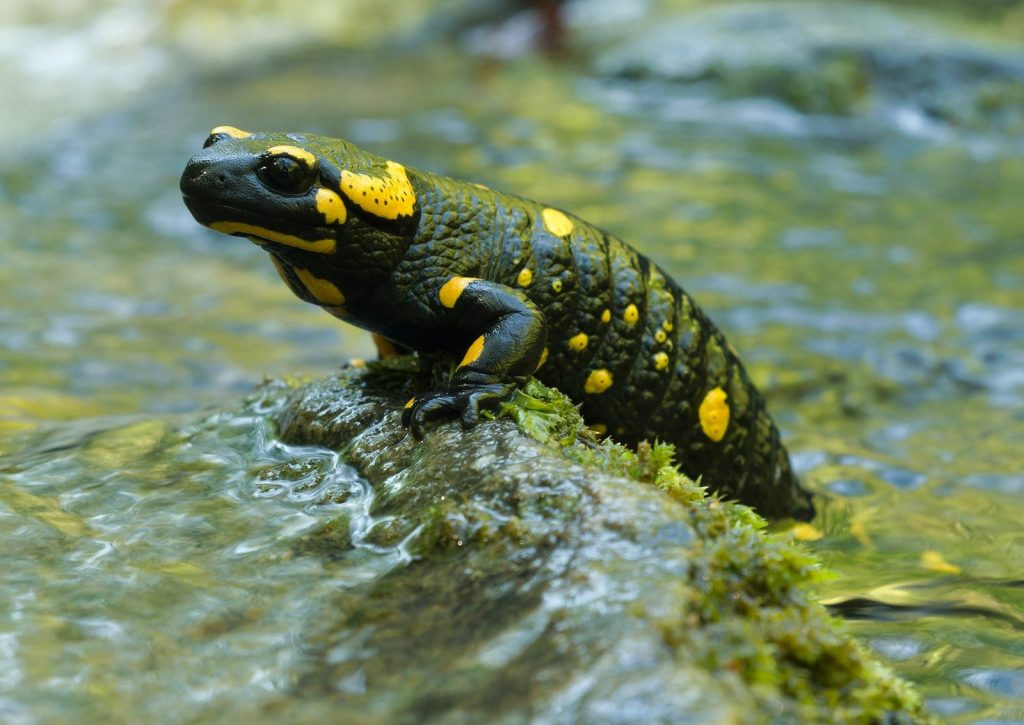
    a yellow and black frog sitting on top of a rock
    Photo by iuliu illes on Unsplash

    Frogs, salamanders, and other amphibians are very sensitive to changes in temperature and moisture. Hotter weather, droughts, and changing rainfall can dry out the wetlands and streams where they breed and live.

    Climate change can also increase the spread of diseases and make it harder for amphibians to survive in their natural habitats. Because many species already have small populations, even small environmental changes can have serious effects.

    Protecting wildlife starts with climate action

    people having meeting on rectangular brown table
    Photo by Christina @ wocintechchat.com M on Unsplash

    Scientists agree that reducing greenhouse gas emissions is one of the best ways to protect wildlife from future climate impacts. Conserving forests, wetlands, oceans, and other natural habitats also gives animals a better chance to adapt to changing conditions.

    People, governments, and businesses all have a role to play. By protecting habitats, supporting conservation programs, and slowing climate change, we can help many threatened species survive for future generations.

    Featured Image: Photo by Hans-Jurgen Mager on Unsplash
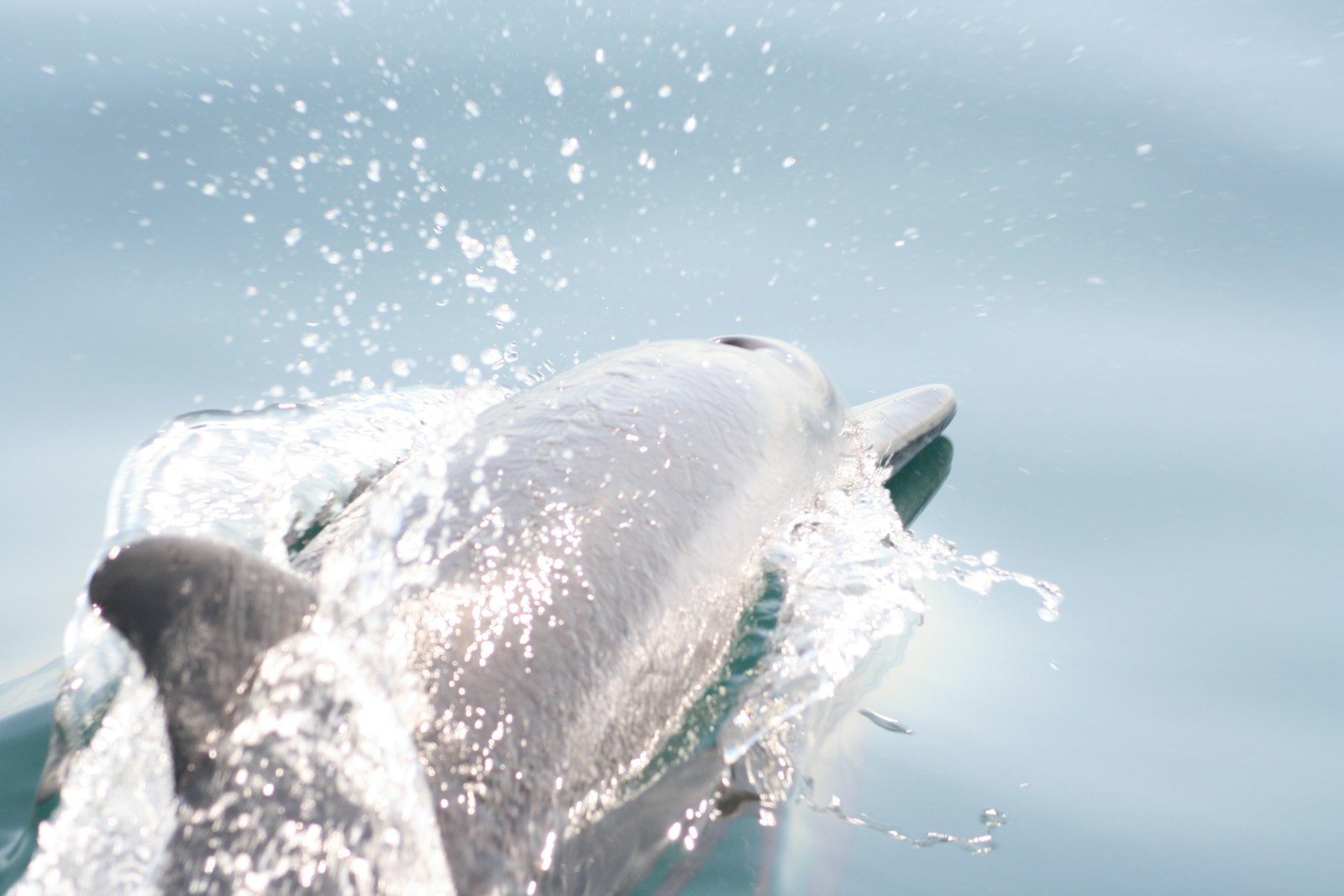
  • Young dolphin rescued after becoming stranded on beach

    Young dolphin rescued after becoming stranded on beach

    Seeing a young dolphin stranded on a beach is heartbreaking. Without quick help, a dolphin can become weak from the sun, lose water, and struggle to breathe under its own weight. In this case, a young dolphin rescued after becoming stranded on beach had a better outcome because people quickly called trained wildlife responders instead of trying to handle the animal themselves.

    This article explains what happened during the rescue, why dolphins become stranded, how trained teams help them, and what people should do if they ever find a stranded dolphin. You will also learn why every rescue gives scientists valuable information that can help protect dolphins in the future.

    Rescue teams responded quickly

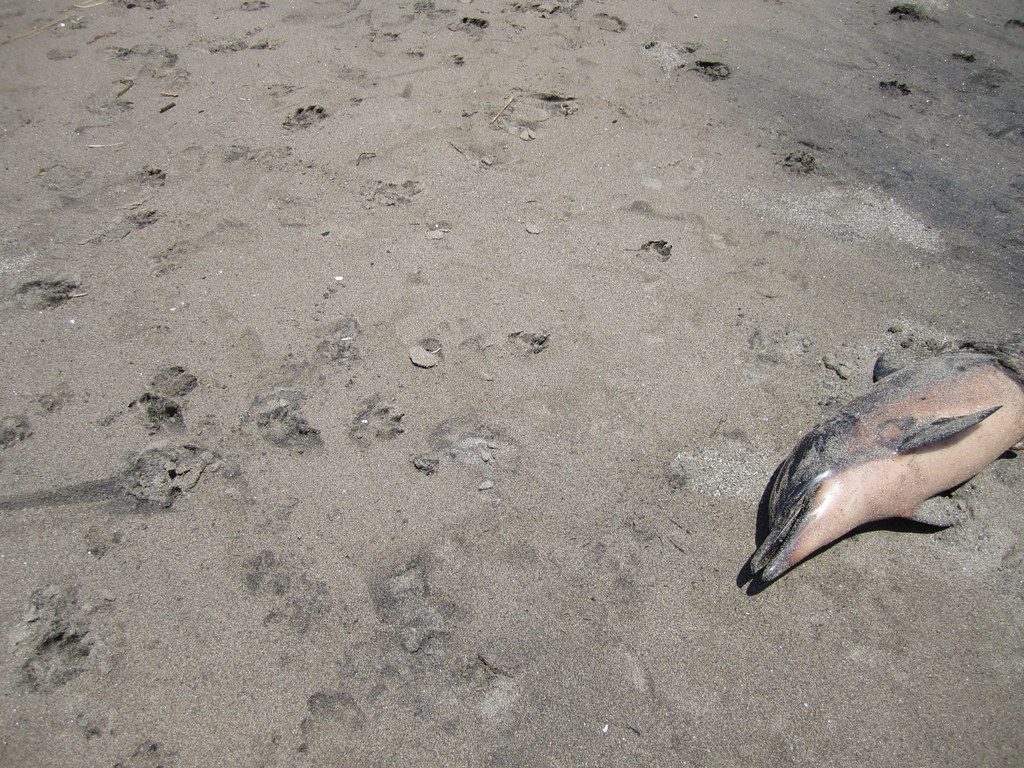
    Washed up Baby Dolphin Echo Beach – Canggu, Bali” by Annie Mole is licensed under CC BY 2.0

    The young dolphin was found alive after becoming stranded on a beach. Beachgoers noticed the animal was unable to return to deeper water and quickly contacted marine mammal rescue experts. While waiting for trained responders, people kept a safe distance so the dolphin would not become more stressed.

    Rescue workers carefully examined the dolphin and kept its skin wet to prevent dehydration. The animal was then safely transported for a full health check and treatment. Marine experts say fast action often gives stranded dolphins the best chance of survival.

    Why dolphins become stranded

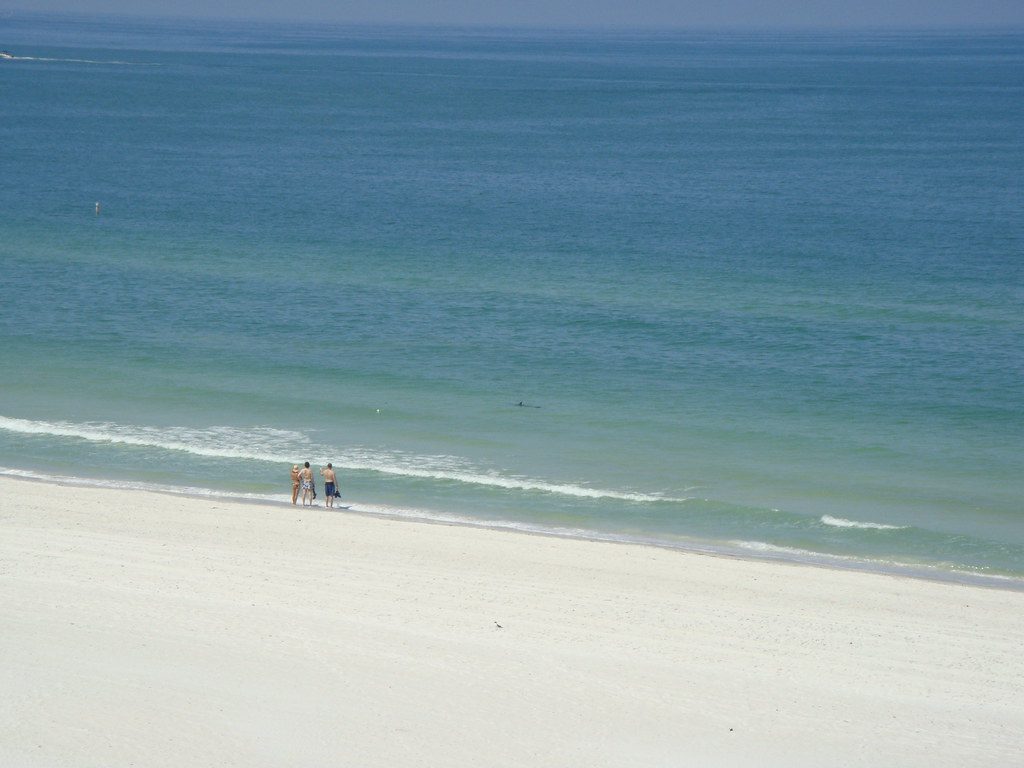
    Trying to take photo of dolphin and beach from above” by amanderson2 is licensed under CC BY 2.0

    Dolphins can become stranded for many reasons. Illness, injury, rough waves, changing tides, and getting separated from their mothers or pods can all leave a young dolphin trapped in shallow water. In some cases, the exact reason is never discovered.

    Young dolphins are especially at risk because they have less experience and depend on their mothers. If a calf becomes weak or confused, it may drift into shallow water where it cannot swim back to deeper areas without help.

    How experts cared for the dolphin

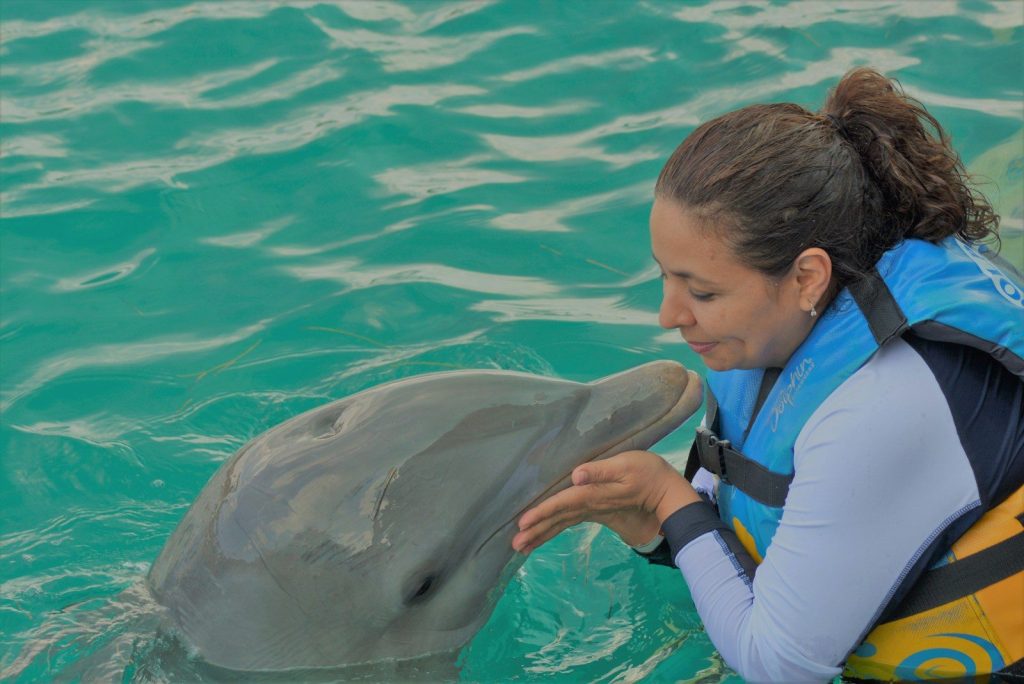
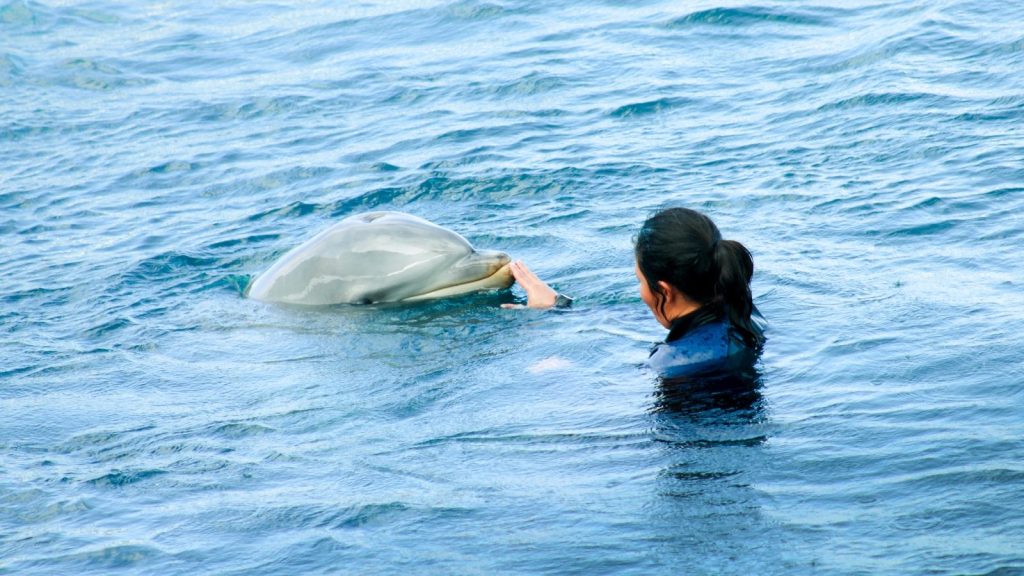
    woman playing with dolphin in body of water
    Photo by May Manzur on Unsplash

    Rescuers first checked the dolphin’s breathing, body condition, and signs of injury. Keeping the dolphin cool and wet helped protect its skin while allowing the blowhole to stay clear so it could breathe normally. Every step was done by trained professionals using wildlife rescue guidelines.

    After the initial care, the dolphin was taken to a rehabilitation facility for more detailed medical tests. Veterinarians monitored its health, provided fluids if needed, and watched for signs that it was strong enough to recover before making any decision about release.

    Why people should not push dolphins back

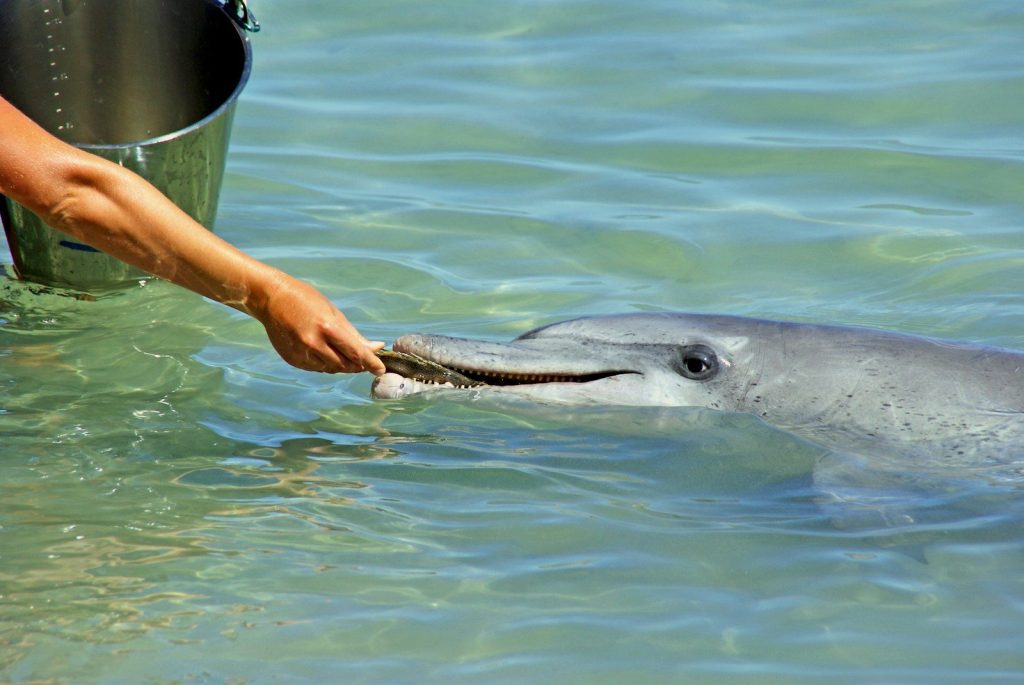
    person feeding gray dolphin
    Photo by Andy T on Unsplash

    Many people want to help by pushing a stranded dolphin back into the ocean. While this may seem kind, experts warn that it can be dangerous. If the dolphin is sick, injured, or exhausted, sending it back into the water may reduce its chance of survival.

    Instead, the safest choice is to call local marine mammal rescue authorities. Trained teams know how to assess the animal’s condition, provide emergency care, and decide whether rehabilitation or release is the best option.

    What scientists learn from rescues

    three people in lab coats looking at a tablet
    Photo by National Cancer Institute on Unsplash

    Every dolphin rescue helps scientists better understand marine life. Rescue teams collect information about the dolphin’s age, size, health, and any injuries or diseases. These records help experts identify threats affecting dolphin populations.

    Scientists also study environmental conditions near the stranding site. Weather, tides, pollution, fishing gear, and other factors may provide clues about why the dolphin became stranded. This information supports future conservation efforts and improves rescue methods.

    Why protecting dolphins matters

    Woman swimming in the ocean with a dolphin
    Photo by Arjun Raj on Unsplash

    Dolphins are important predators that help keep ocean ecosystems balanced. Healthy dolphin populations often reflect healthier coastal waters, making them valuable indicators of the condition of the marine environment.

    Rescuing stranded dolphins is only one part of protecting them. Reducing ocean pollution, properly disposing of fishing gear, slowing boats in wildlife areas, and reporting marine animals in distress all help improve the chances that dolphins will continue to thrive in the wild.

    Featured Image: Photo by Neil Mewes on Unsplash

  • Fatal black bear attack on woman lasted about an hour, officials say

    Fatal black bear attack on woman lasted about an hour, officials say

    A fatal black bear attack on a woman has raised serious questions about how such a rare event could happen. Officials said the attack lasted for about an hour before it ended, making the case especially shocking. While black bears usually avoid people, wildlife experts say rare attacks can happen under certain conditions.

    This article explains what officials have shared about the attack, how the investigation unfolded, why black bear attacks are uncommon, and what people can do to stay safe in bear country. Understanding the facts can help readers separate truth from fear and learn from this tragic event.

    Officials describe the timeline

    turned on gray alarm clock displaying 10:11
    Photo by Ales Krivec on Unsplash

    According to investigators, the woman was attacked by a wild black bear, and the encounter lasted for about an hour. Officials believe the long duration made it difficult for the victim to survive, despite later emergency efforts.

    Wildlife officers carefully reviewed the scene and gathered evidence before confirming what had happened. Authorities stressed that the incident was highly unusual because black bears rarely carry out long, predatory attacks on people.

    Investigators worked to confirm the cause

    a close up of a police car with its lights on
    Photo by Max Fleischmann on Unsplash

    Officials examined the attack site and used physical evidence to understand the bear’s actions. The investigation included looking at injuries, animal tracks, and other signs left behind at the scene.

    Wildlife experts said these steps are important because every fatal wildlife incident must be carefully verified. Their findings helped officials determine that the woman died from injuries caused during the bear attack.

    Why black bear attacks are so rare

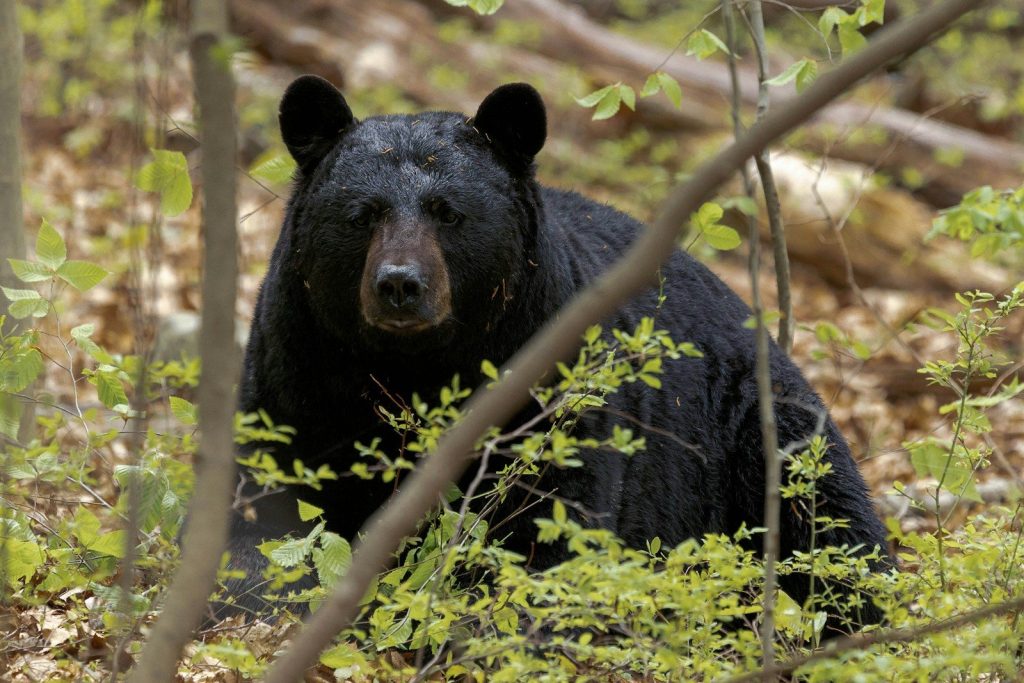
    a black bear is sitting in the woods
    Photo by Michael Anfang on Unsplash

    Black bears are found across many parts of North America, but they usually avoid human contact. Most bears leave the area when they hear or see people, making deadly attacks extremely uncommon.

    Experts say attacks are more likely if a bear becomes used to human food, feels threatened, or behaves in a rare predatory way. Even then, fatal encounters remain very unusual compared with the number of people who spend time in bear habitat each year.

    How wildlife officials responded

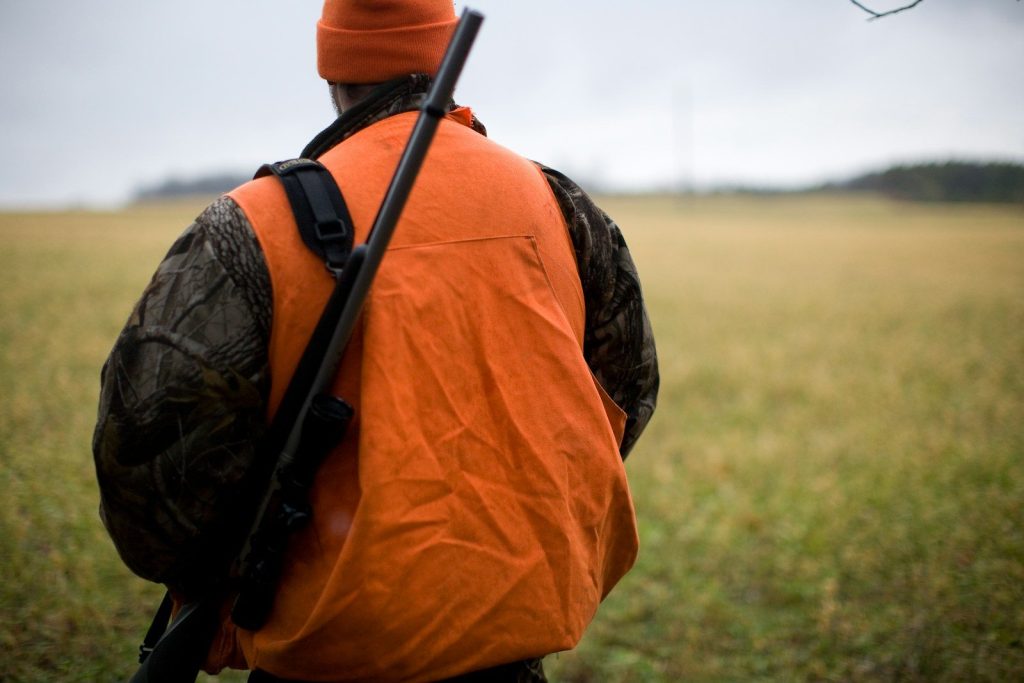
    man in orange and black backpack
    Photo by Matthew Maaskant on Unsplash

    After the attack, wildlife officers searched for the bear involved to protect public safety. Such investigations often include tracking the animal, collecting DNA evidence when possible, and deciding whether the bear poses an ongoing danger.

    Officials also informed nearby residents about the incident and reminded people to stay alert in areas where bears live. Public safety remains the top priority after any serious wildlife attack.

    Safety lessons from the tragedy

    Man is looking at a screen with his head down.
    Photo by Alicia Christin Gerald on Unsplash

    Experts say people visiting bear country should stay aware of their surroundings and avoid leaving food or garbage where bears can reach it. Keeping a safe distance from any bear is one of the best ways to prevent dangerous encounters.

    Traveling in groups, making noise while hiking, and carrying bear spray where recommended can also reduce risk. These simple habits help bears stay wild and lower the chance of unexpected encounters.

    What this case means

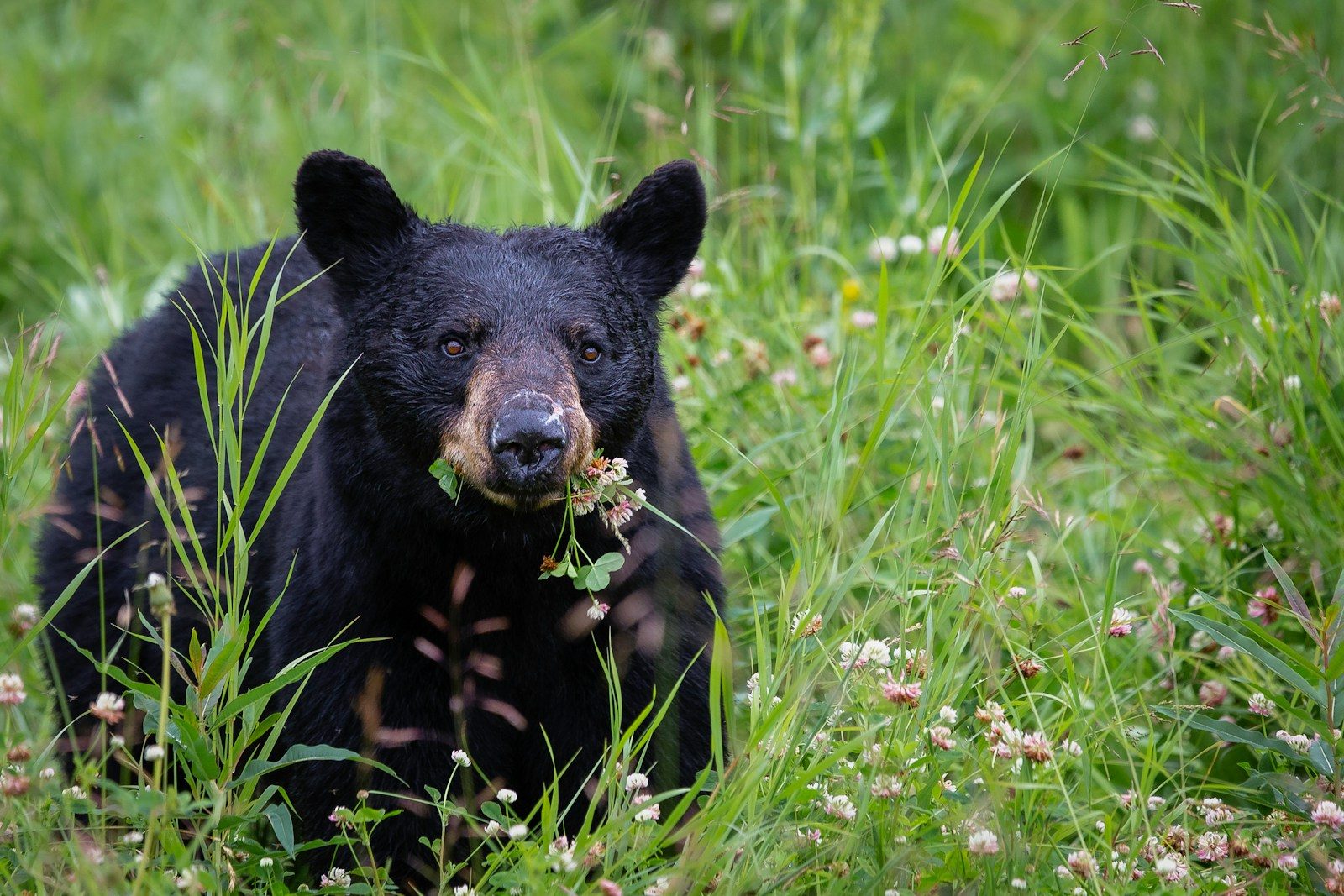
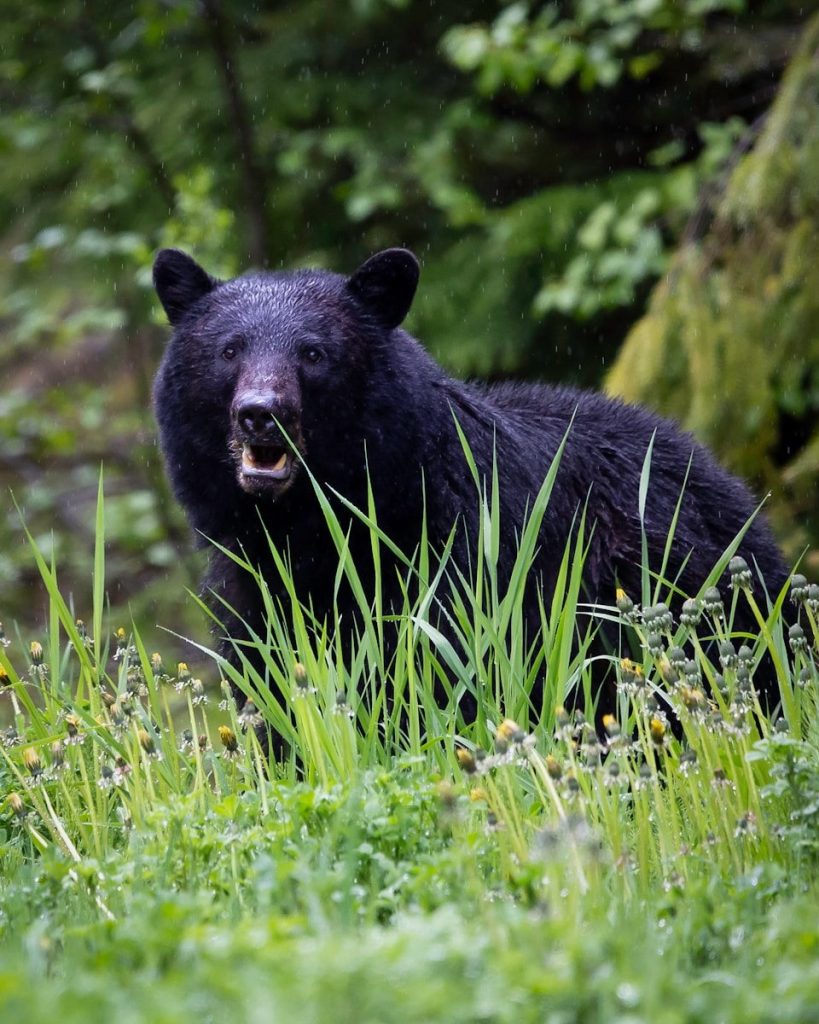
    black bear on green grass during daytime
    Photo by Pete Nuij on Unsplash

    The attack serves as a reminder that wild animals can sometimes behave in unexpected ways. Even though black bear attacks are rare, officials say people should always respect wildlife and follow local safety guidance.

    Authorities continue to encourage education about living safely near bears rather than creating unnecessary fear. Learning how bears behave can help protect both people and wildlife in the future.

    Featured Image: Photo by Pete Nuij on Unsplash

  • Man spots two ducklings in pond and brings them to safety

    Man spots two ducklings in pond and brings them to safety

    A story about a man spotting two ducklings in a pond and bringing them to safety has touched many people because it shows how one small act can save lives. Young ducklings face many dangers, including traffic, deep water, predators, and becoming separated from their mother.

    In this article, you’ll learn what happened, why the rescue mattered, how the ducklings were kept safe, and what wildlife experts say people should do when they find young wild birds in trouble.

    A simple rescue became a lifesaving moment

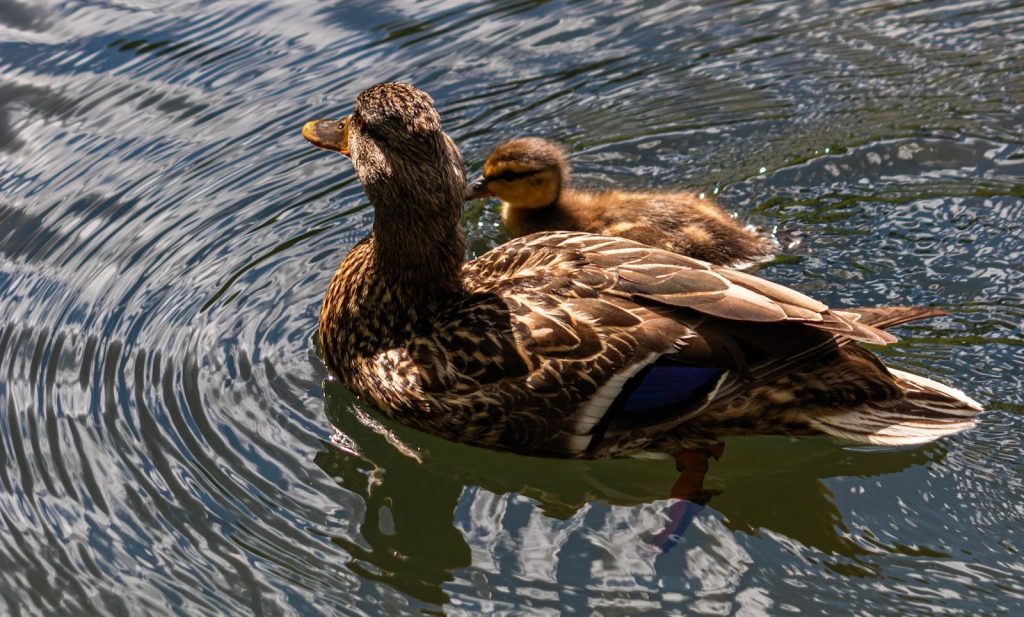
    A couple of ducks floating on top of a lake
    Photo by Abdullah Fahad on Unsplash

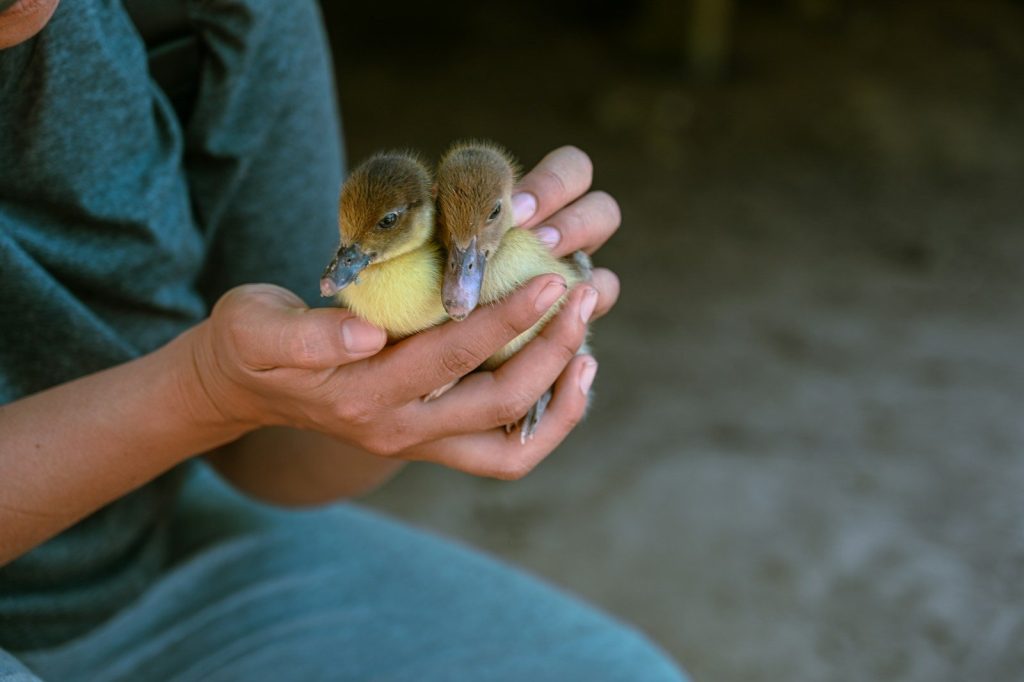
    The rescue happened after a man noticed two small ducklings struggling in a pond without their mother nearby. The birds appeared unable to reach a safe place on their own, so he carefully stepped in to help.

    He gently picked up the ducklings and moved them away from danger. His quick action gave the young birds a much better chance of surviving until they could be reunited with a safe habitat or receive proper care.

    Why ducklings can end up alone

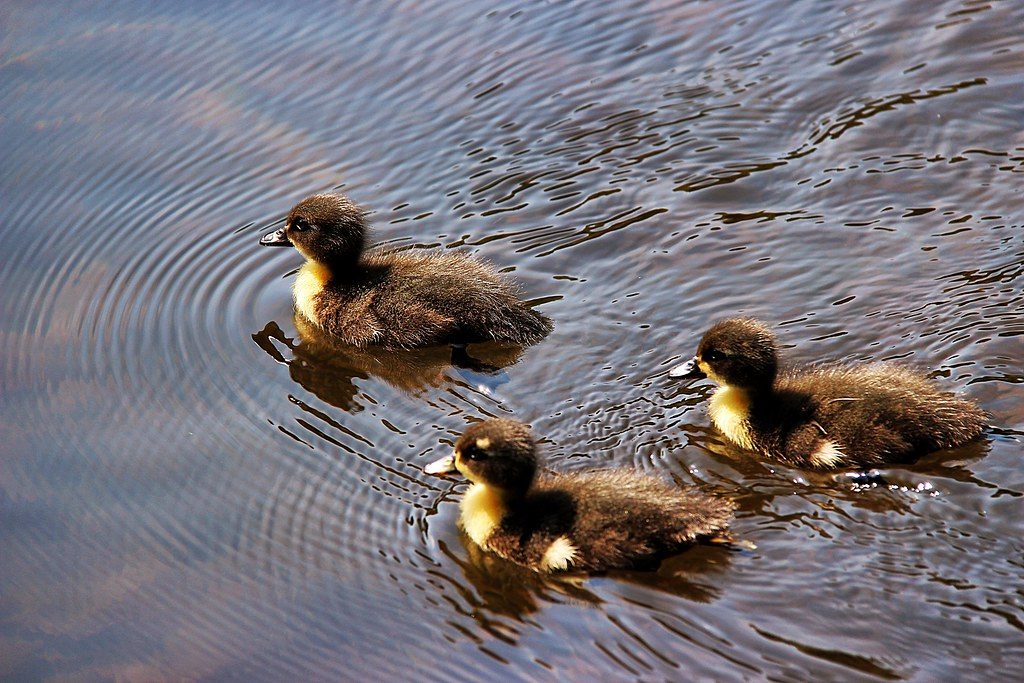
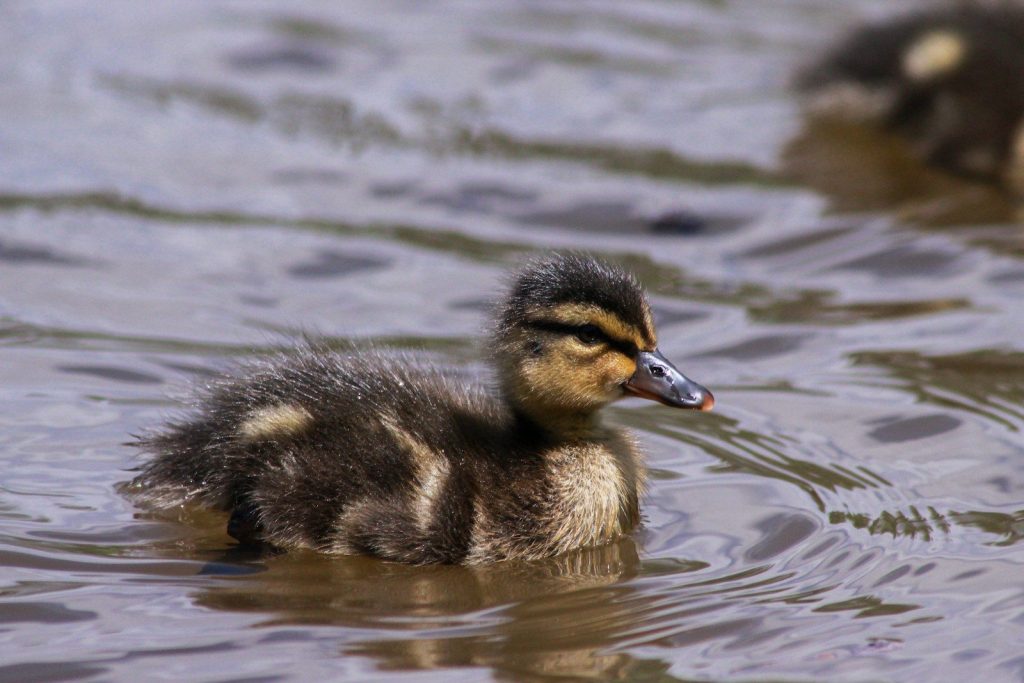
    yellow black duckling in body of water
    Photo by Chandler Cruttenden on Unsplash

    Ducklings sometimes become separated from their mother while crossing roads, escaping predators, or during bad weather. Young birds can also become trapped near steep pond edges or other places where they cannot climb out.

    Wildlife experts say people should first watch from a distance before stepping in. Many mother ducks return for their young after a short time, so rescuing healthy ducklings too quickly can sometimes separate families that are still together.

    Careful handling helped protect the birds

    a person holding a duckling
    Photo by Sollange Brenis on Unsplash

    The man handled the ducklings gently to avoid causing them extra stress. Young waterfowl are fragile, so rough handling or keeping them too long can lead to injury or exhaustion.

    If ducklings truly have no parent nearby or face immediate danger, moving them to a safer location is often the best choice. Wildlife professionals recommend contacting licensed animal rescuers if the birds appear injured or orphaned.

    Wildlife rescuers often see similar cases

    A bucket full of fluffy ducklings in grass
    Photo by Anastasiia Smykodub on Unsplash

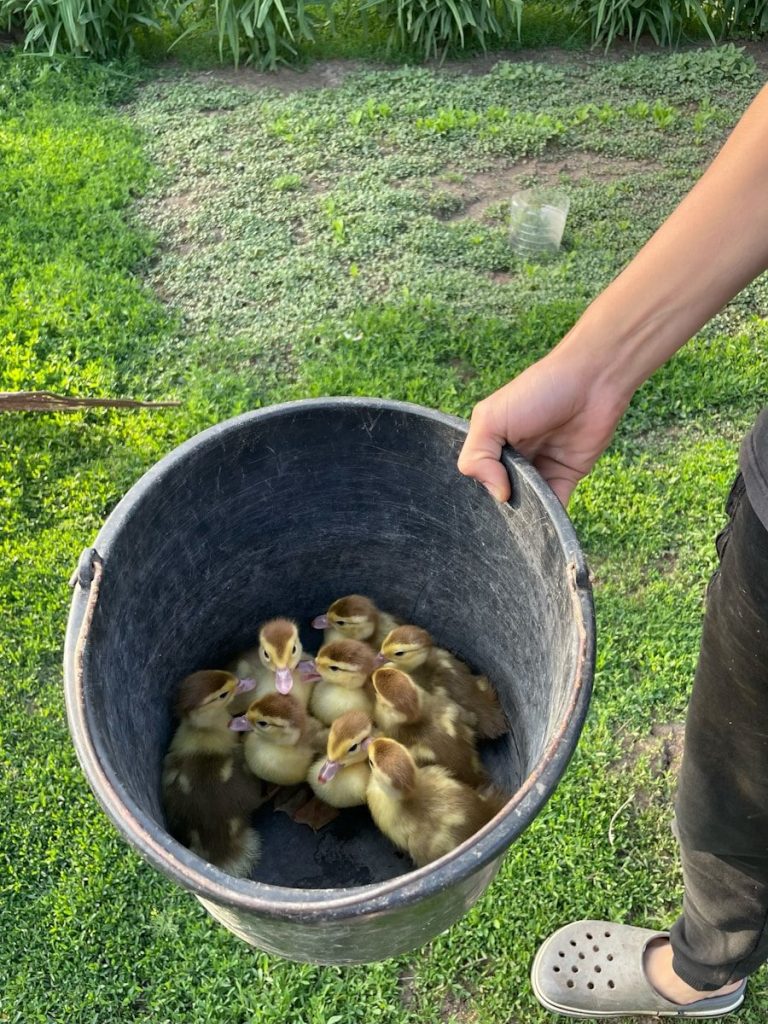
    Every spring, wildlife rescue groups respond to many calls involving stranded ducklings. Common situations include birds trapped in storm drains, swimming pools, construction sites, or busy roads.

    Rescuers try to reunite healthy ducklings with their mother whenever possible because young ducks learn feeding and survival skills from her. When that is not possible, licensed wildlife rehabilitators provide specialized care until the birds can return to the wild.

    Small actions can make a big difference

    a group of ducks floating on top of a body of water
    Photo by Robin Teng on Unsplash

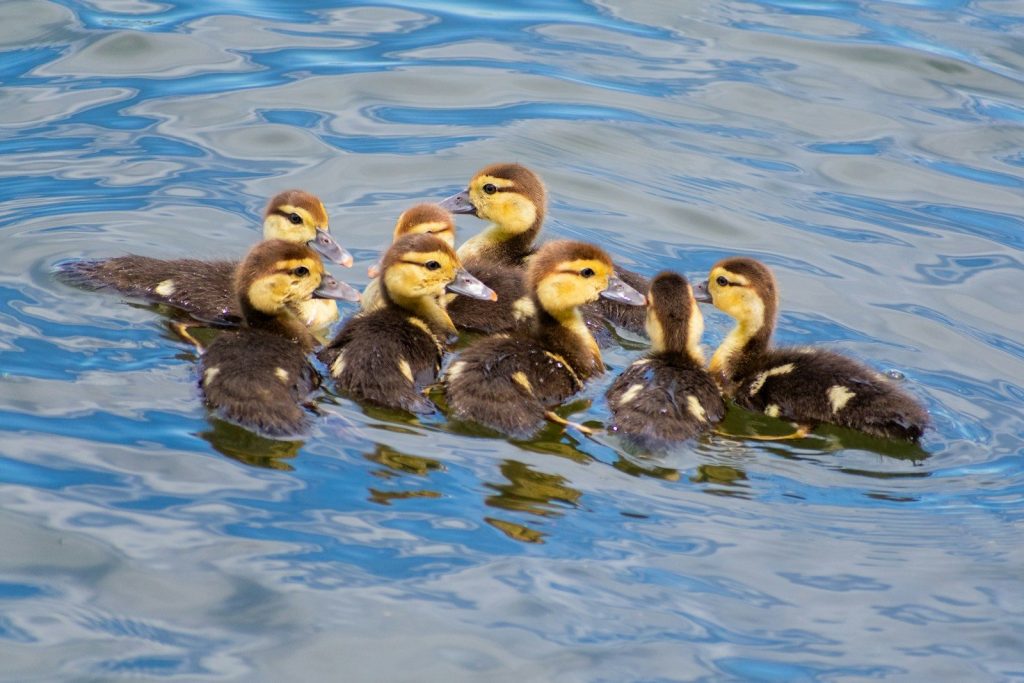
    This rescue reminds people that paying attention to wildlife can save lives. A few careful minutes were enough to help two vulnerable ducklings escape a dangerous situation.

    Experts also remind people not to feed wild ducklings bread because it does not provide the nutrients they need. Fresh water and natural foods found in their habitat are much healthier for growing birds.

    The rescue inspired many people

    Man is looking at a screen with his head down.
    Photo by Alicia Christin Gerald on Unsplash

    Stories like this spread quickly because they show kindness without expecting anything in return. Many people praised the man’s calm response and his willingness to help defenseless animals.

    The rescue also serves as a reminder that protecting wildlife starts with simple choices. Watching carefully, acting responsibly, and contacting wildlife experts when needed can give young animals the best chance to survive.

    Featured Image: “Odensjön” by Infomastern is licensed under CC BY-SA 2.0

  • Researchers document rare great white shark sighting off Rhode Island

    Researchers document rare great white shark sighting off Rhode Island

    A rare great white shark sighting off Rhode Island has given scientists an exciting chance to learn more about one of the ocean’s most famous predators. Researchers were searching for a dead humpback whale when they found and filmed the shark feeding in waters near Block Island.

    Events like this are uncommon, making the video valuable for both science and conservation. This article explains where the shark was found, why the sighting matters, what researchers learned, and what it means for people visiting Rhode Island’s beaches.

    Researchers capture a rare moment

    Marine Scientist Jennifer Stanhope, VASG Graduate Research Fellow Annie Murphy, and Mark Luckenbach take water samples from the cores over the course of the day to measure the nutrient concentrations in the water. ©Margaret Pizer/VASG” by Virginia Sea Grant is licensed under CC BY-ND 2.0

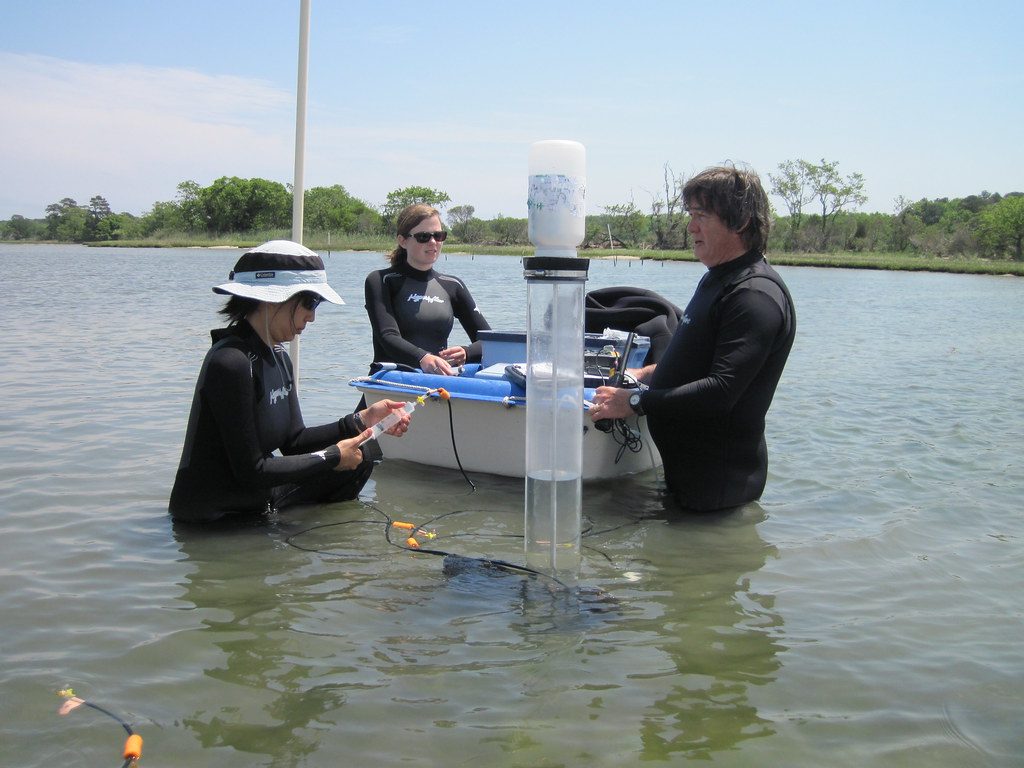
    Marine researchers from the Atlantic Shark Institute and Mystic Aquarium found the shark several miles south-southeast of Block Island. They had been following reports of a drifting humpback whale carcass when they spotted an estimated 8-foot great white shark feeding on it. The team recorded the encounter on video, creating what they believe is the first footage of a great white feeding in Rhode Island waters.

    Researchers said great white sharks are seen in the area from time to time, but filming one feeding is much harder. The footage gives scientists a better look at the shark’s behavior in its natural environment without disturbing it.

    Why the whale attracted the shark

    Blue Whale” by D-Stanley is licensed under CC BY 2.0

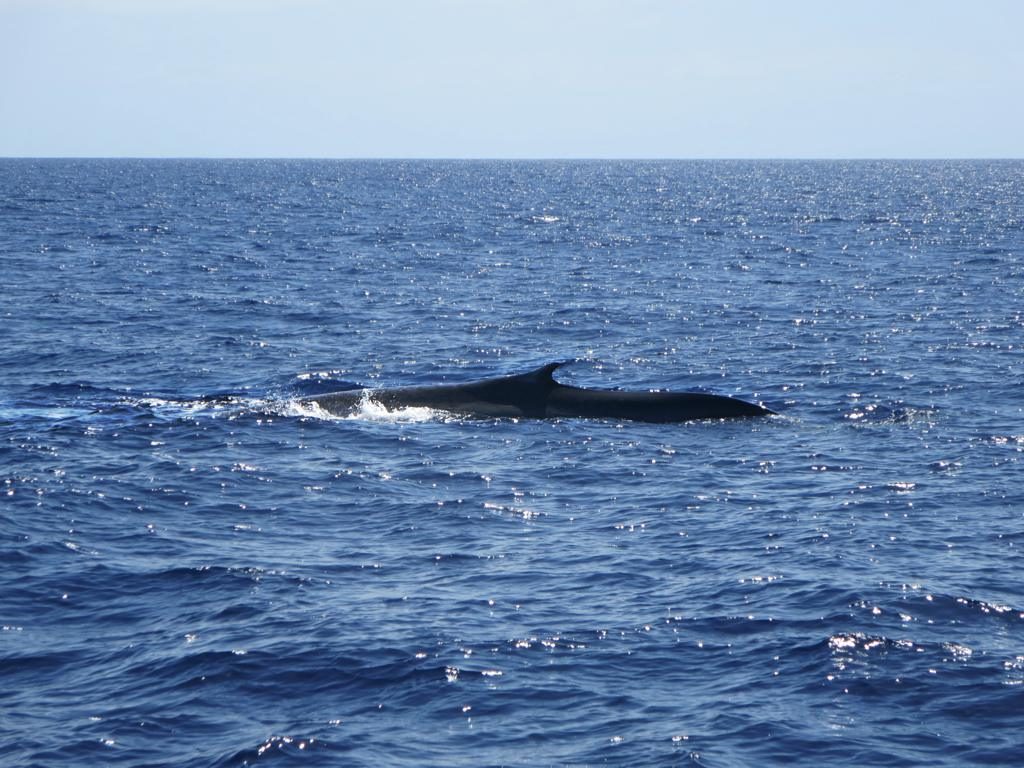
    Large whale carcasses provide a huge food source for many ocean animals. Sharks can detect food from long distances using their strong sense of smell, making a dead whale an important feeding opportunity.

    Scientists say whale carcasses can attract several scavengers, including sharks, over many days. After the research team finished recording the event, the whale later washed ashore on Block Island with clear bite marks, showing how much feeding had taken place.

    Why this sighting matters

    Great White Shark” by Elias Levy is licensed under CC BY 2.0

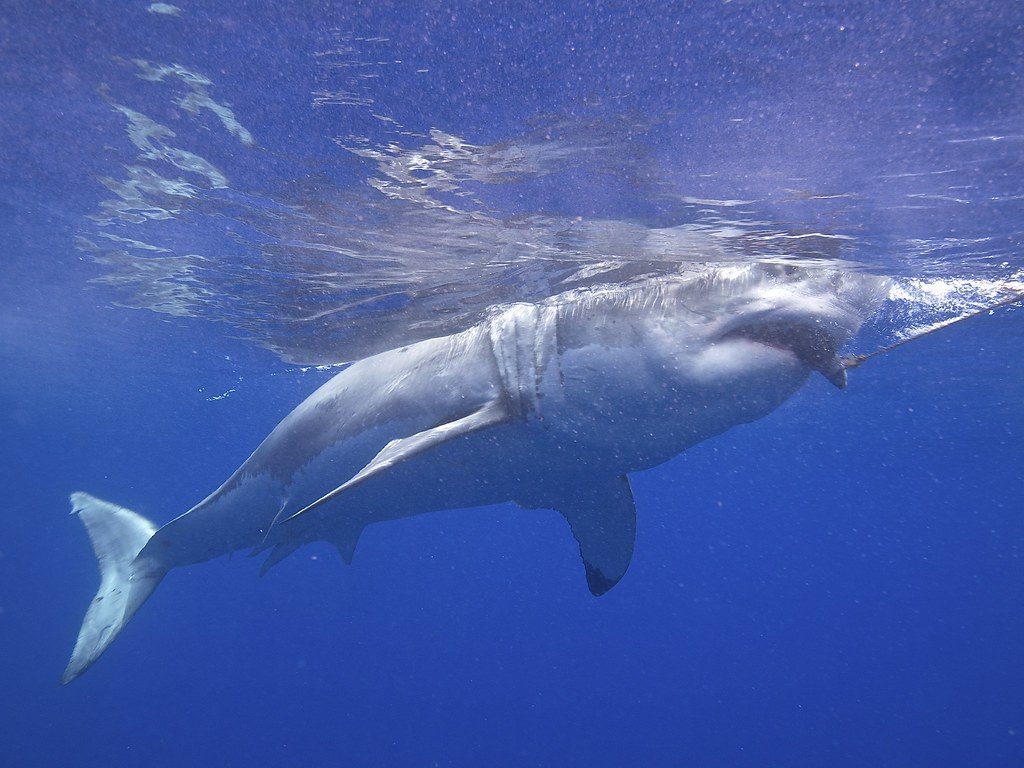
    Great white sharks live in the Northwest Atlantic, but confirmed footage from Rhode Island waters has been limited. Because of that, every verified observation helps researchers understand where these sharks travel, feed, and spend their time.

    Scientists use information from sightings, tagging projects, and underwater cameras to study migration patterns and seasonal movements. Better knowledge helps wildlife managers protect sharks while also improving public awareness about marine life.

    Great white sharks and Rhode Island

    Great White Shark” by Elias Levy is licensed under CC BY 2.0

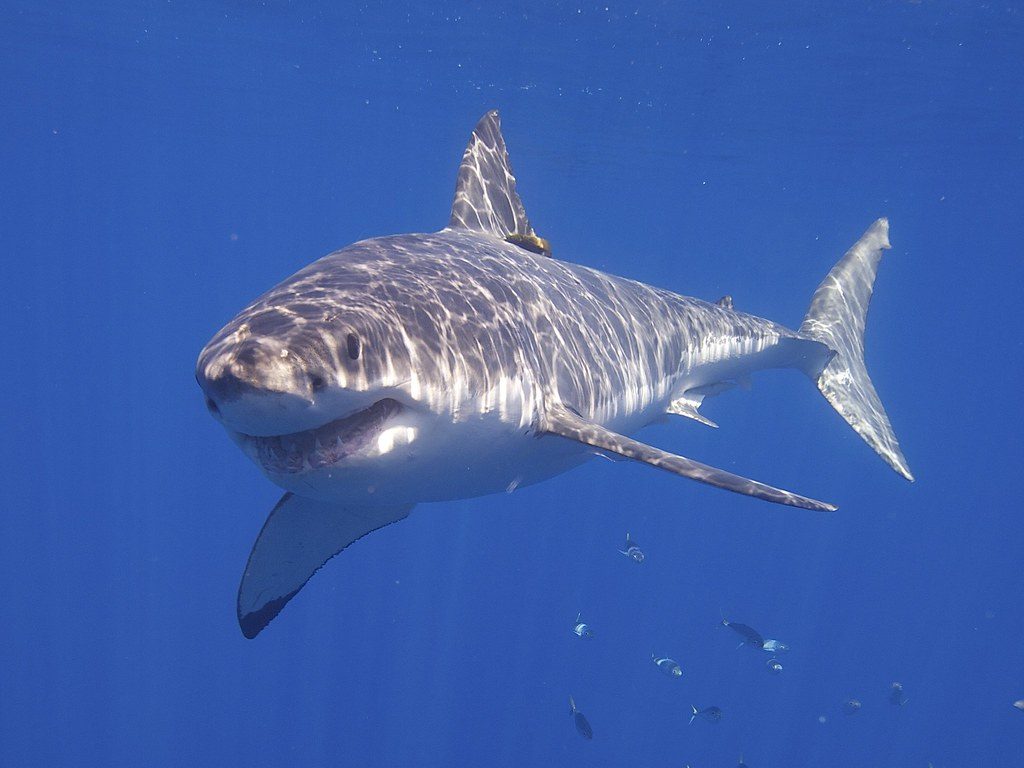
    Great white sharks are protected in U.S. Atlantic waters, and experts say their numbers have slowly improved after years of conservation work. More sightings today do not necessarily mean there are suddenly many more sharks close to beaches.

    Researchers explain that improved technology, including satellite tags, underwater cameras, and public reporting, allows more sharks to be recorded than in the past. This helps scientists build a clearer picture of shark activity around southern New England.

    What beach visitors should know

    people on beach during daytime
    Photo by chan lee on Unsplash

    Although seeing a great white shark can sound alarming, attacks on people remain extremely rare. Most sharks are focused on natural prey such as fish and seals rather than humans.

    Experts recommend basic safety steps when swimming in the ocean. People should avoid swimming near seals, stay out of the water at dawn or dusk when possible, and leave the area if marine wildlife is feeding nearby. These simple actions help lower the chance of an unexpected encounter.

    What scientists hope to learn next

    three people in lab coats looking at a tablet
    Photo by National Cancer Institute on Unsplash

    Researchers plan to continue studying sharks along the New England coast using underwater cameras and tracking equipment. Every new observation helps answer questions about feeding habits, migration routes, and how changing ocean conditions affect marine wildlife.

    Scientists say this rare Rhode Island footage is another piece of a much larger puzzle. By collecting more information over time, they hope to improve shark conservation while helping people better understand these important ocean predators.

  • Visitor reports finding animals at abandoned zoo

    Visitor reports finding animals at abandoned zoo

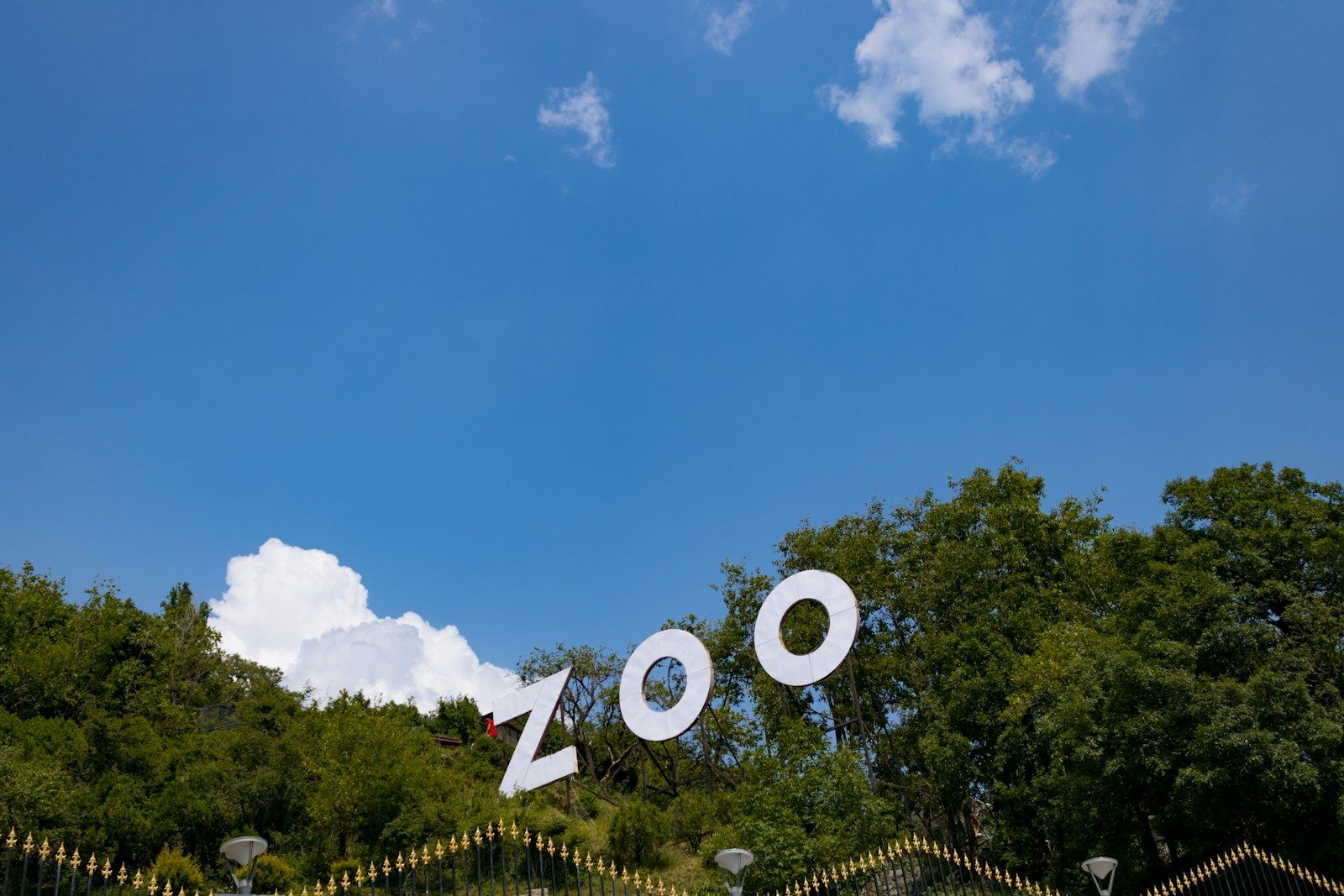
    A visitor reports finding animals at abandoned zoo, raising fresh concerns about what happens when wildlife facilities close but animals remain behind. The discovery has drawn worldwide attention because many of the animals were still living in poor conditions years after the zoo shut its gates.

    Rescue teams, veterinarians, and animal welfare groups are now working to help the surviving animals. This article explains what happened, why the animals were left behind, what rescuers found, and what the case could mean for animal care in the future.

    The abandoned zoo shocked visitors

    a couple of lions laying on top of a stone wall
    Photo by Ismael Ezequiel on Unsplash

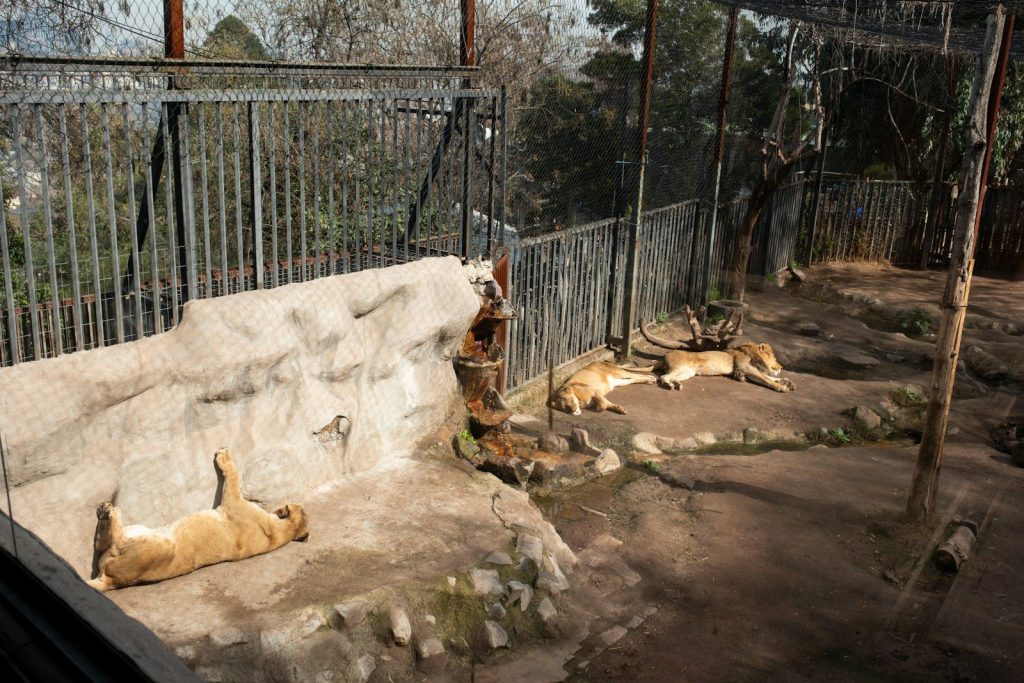
    The case centers on the former Luján Zoo near Buenos Aires, Argentina. The zoo closed in 2020 after years of safety concerns and criticism over its handling of wild animals. Even after closing, dozens of lions, tigers, and two brown bears remained at the property because moving large wild animals safely takes time and careful planning.

    Visitors and people familiar with the site continued to report seeing animals still living inside the abandoned zoo years after it closed. Their reports helped bring renewed attention to the animals’ condition and increased calls for a large-scale rescue operation.

    Many animals lived in poor conditions

    an elephant standing in front of a stone wall
    Photo by Harper Swan on Unsplash

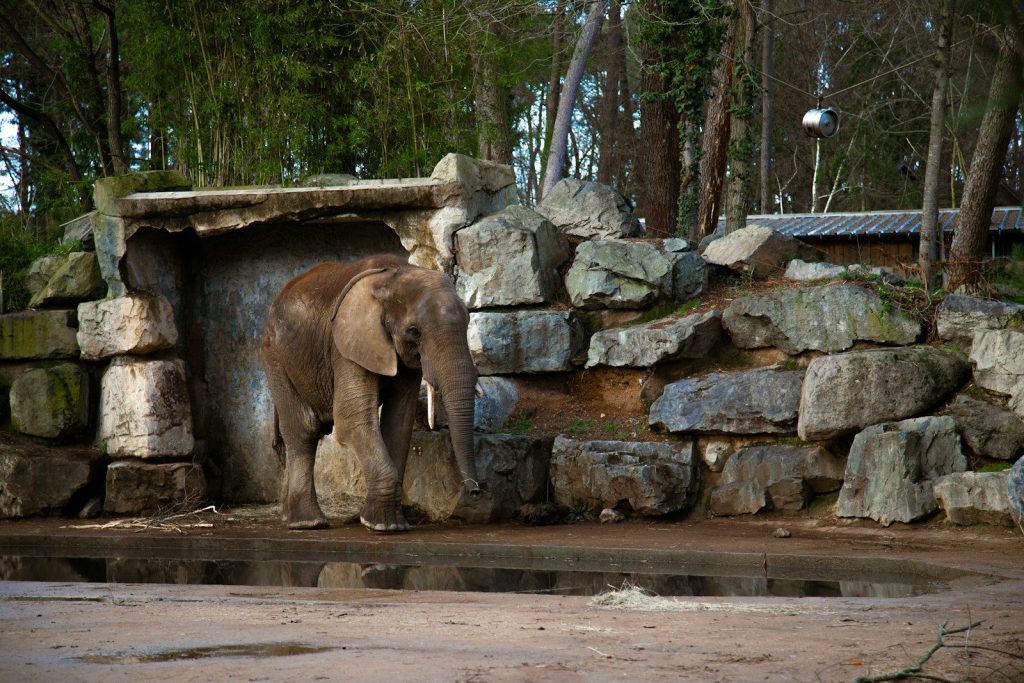
    Animal welfare experts found that many surviving animals were living in crowded enclosures that were too small for their needs. Some animals suffered from poor nutrition, untreated injuries, infections, and dental problems after years without proper veterinary care.

    Former zoo workers stayed behind to feed and care for the animals as best they could, even after losing their jobs. Despite their efforts, many animals died over the years because the remaining staff did not have enough money, equipment, or medical support to provide proper long-term care.

    Rescue teams began a major mission

    people having meeting on rectangular brown table
    Photo by Christina @ wocintechchat.com M on Unsplash

    International animal welfare organization Four Paws reached an agreement with Argentina’s government to rescue the remaining animals. Veterinarians began examining every animal one by one before deciding when each could safely travel to a sanctuary.

    The rescue is one of the largest operations the organization has handled. The surviving animals require medical treatment, vaccinations, blood tests, and sometimes surgery before they can be transported to larger habitats where they will receive lifelong care.

    Why moving wild animals takes time

    Two trucks driving on a highway under cloudy sky
    Photo by REVTLProjects on Unsplash

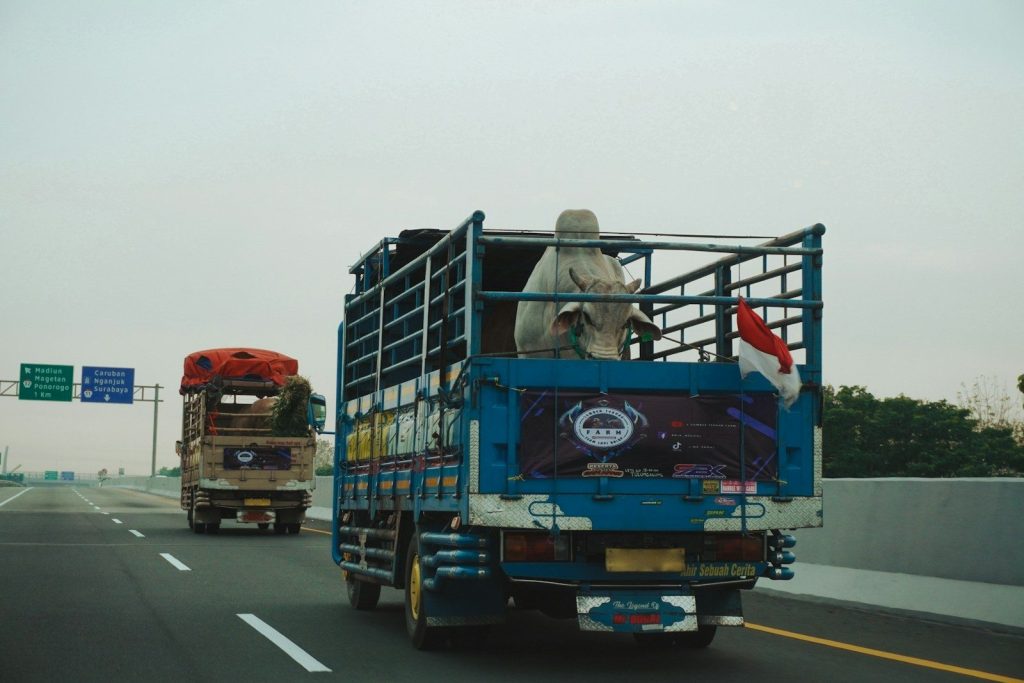
    Moving big cats and bears is much more difficult than transporting domestic animals. Each animal must be healthy enough for travel, placed inside a secure transport crate, and monitored throughout the journey by trained wildlife experts.

    Some animals also have health problems caused by age or years of neglect. Rescue teams must treat infections, repair damaged teeth, and improve nutrition before long trips. These careful steps help reduce stress and improve the animals’ chances of recovering in their new homes.

    The case raised new animal welfare concerns

    a group of people sitting around a white table
    Photo by UK Black Tech on Unsplash

    The abandoned zoo has become an example of what can happen when facilities close without a complete plan for every animal. Animal welfare groups say closures should include funding, transportation, veterinary care, and approved sanctuary space before the gates are locked for good.

    As part of the rescue agreement, Argentina committed to ending the sale and private ownership of exotic big cats. Supporters believe stronger rules and better oversight can help prevent similar situations from happening again.

    What happens next for the surviving animals

    a tiger in a cage being fed by a person
    Photo by Paréj Richárd on Unsplash

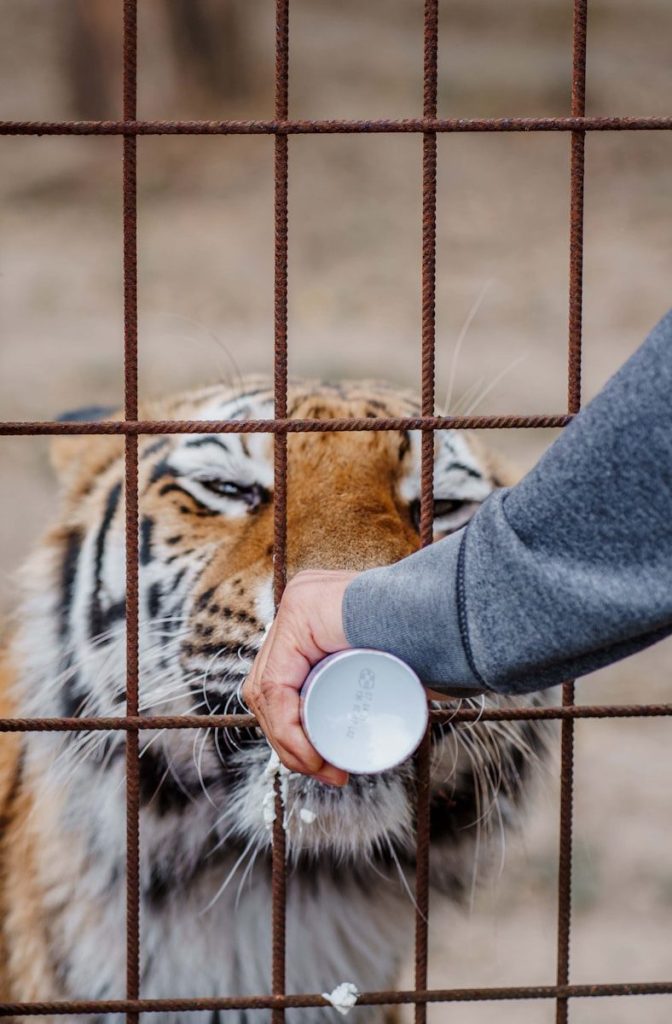
    Veterinarians will continue treating every surviving lion, tiger, and bear before relocation begins. Once healthy enough, the animals will be moved to wildlife sanctuaries that offer much larger spaces and care designed for their physical and behavioral needs.

    Although years of neglect cannot be erased, experts believe many of the rescued animals have a better chance of living healthier lives. The rescue also serves as a reminder that caring for wild animals remains a long-term responsibility, even after a zoo closes.

    Featured Image: Photo by Napendra Singh on Unsplash

  • Boyfriend speaks about woman’s final moments after fatal alligator attack

    Boyfriend speaks about woman’s final moments after fatal alligator attack

    A fatal alligator attack in Florida has left many people asking how such a tragedy could happen. The boyfriend’s account of the woman’s final moments has drawn attention because he witnessed the terrifying incident and tried to save her. While deadly alligator attacks are rare, this case has renewed concern about swimming in natural waterways where alligators live.

    This article explains what happened, what officials have confirmed, what the boyfriend said, how investigators responded, and what people can learn to stay safe around alligators.

    The attack happened during a swim

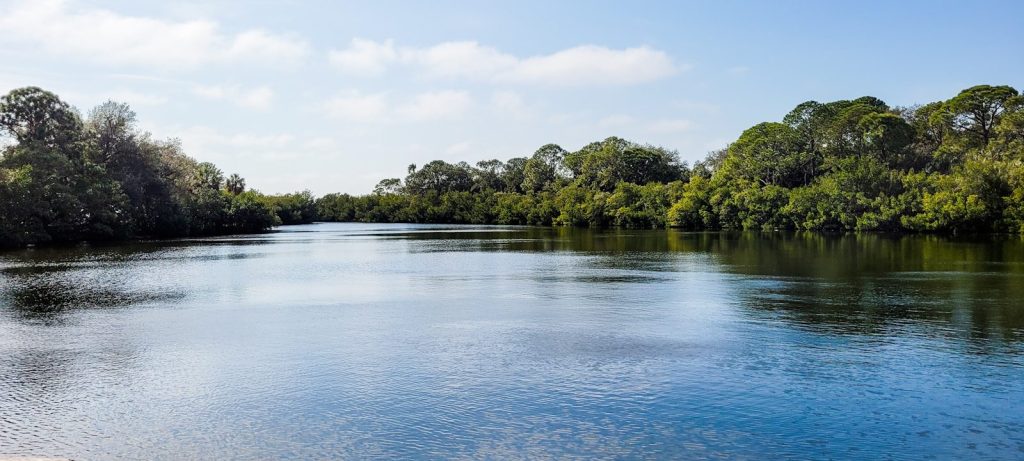
    a body of water surrounded by lots of trees
    Photo by Steven Gonzales on Unsplash

    The victim was identified as 31-year-old Brittany Clark, who was hiking with her boyfriend, Chance Allison, and friends in Florida’s Little Big Econ State Forest. The group later entered the Econlockhatchee River to cool off while their dogs stayed nearby. The water was not a designated swimming area, and warning signs in the area alerted visitors that alligators could be present.

    According to the Florida Fish and Wildlife Conservation Commission, the attack happened in shallow water during the afternoon. Emergency crews responded quickly after receiving a call, but Clark suffered severe injuries and died while being taken to a hospital.

    Boyfriend describes the terrifying moments

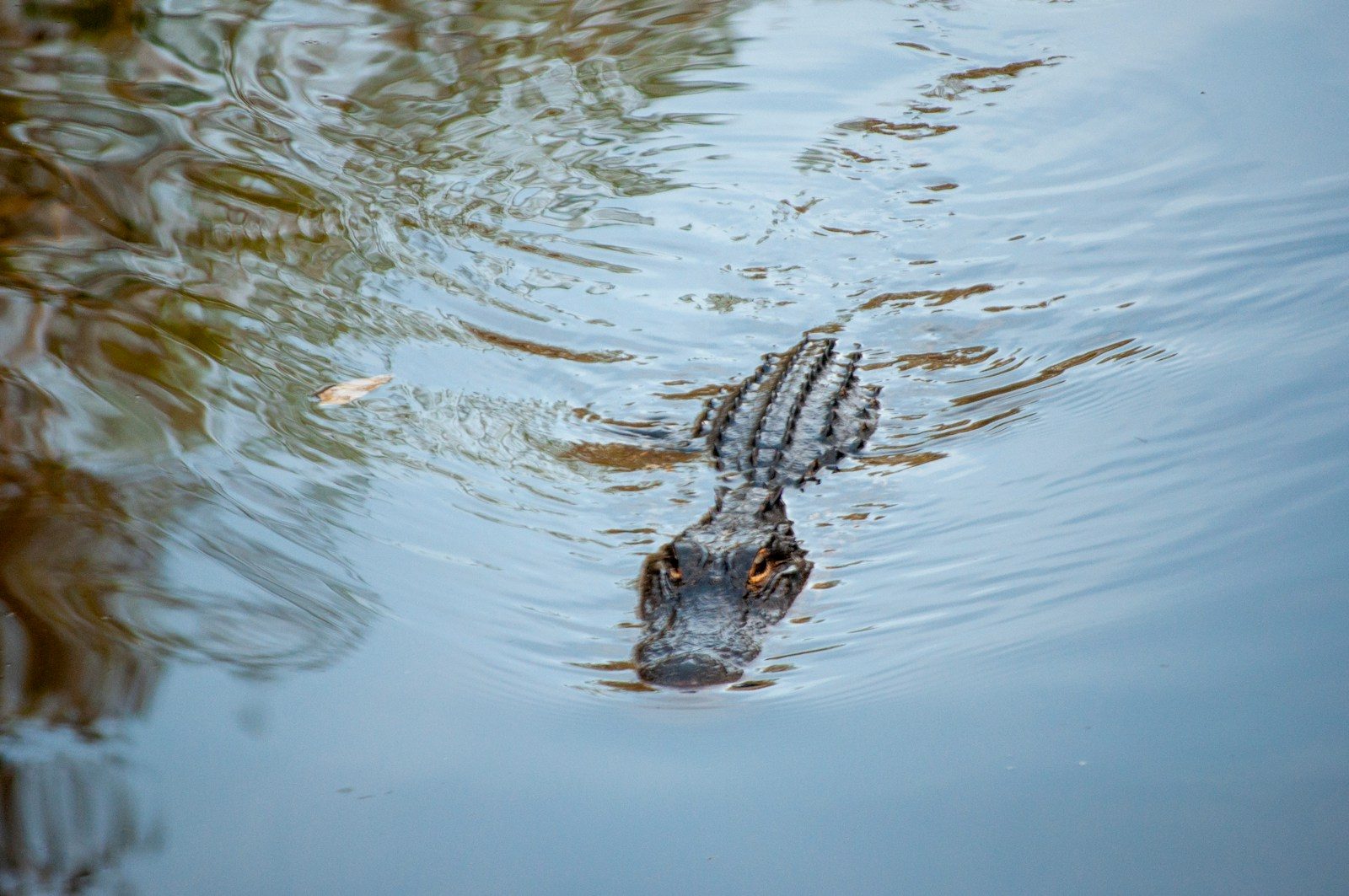
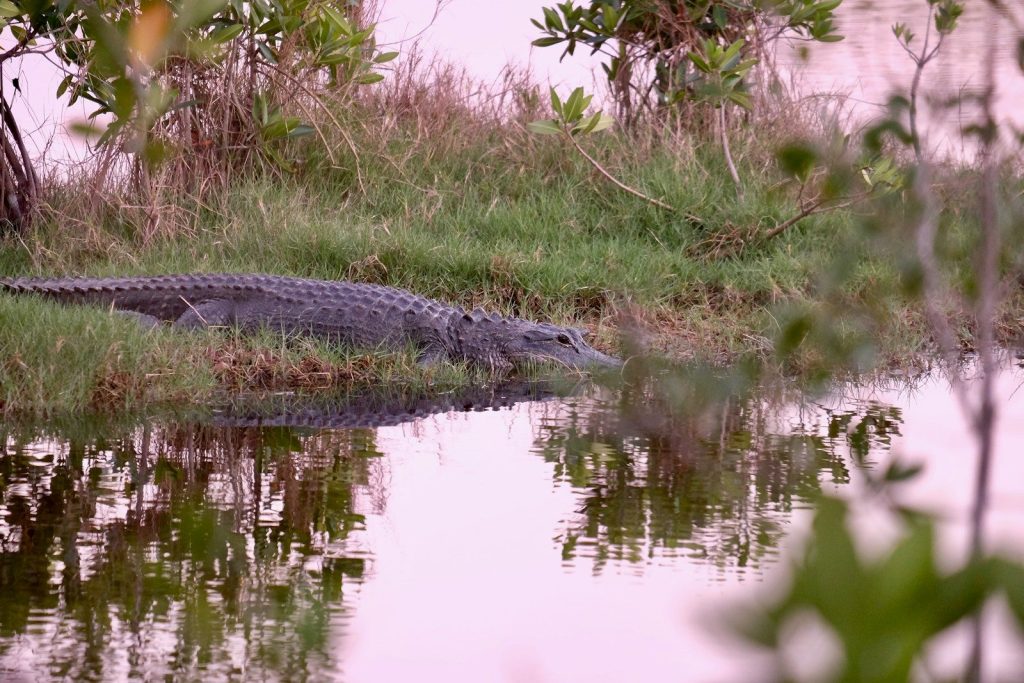
    alligator on lake
    Photo by Matthew Essman on Unsplash

    Chance Allison said the alligator suddenly grabbed Clark without warning. He rushed toward the animal and tried to pull her free. During the struggle, he was briefly able to separate her from the alligator before it attacked again.

    Officials said Allison and others managed to bring Clark back to shore while waiting for emergency responders. His account showed how quickly the attack unfolded and how hard he fought to save her despite the dangerous situation.

    Investigators searched for the alligator

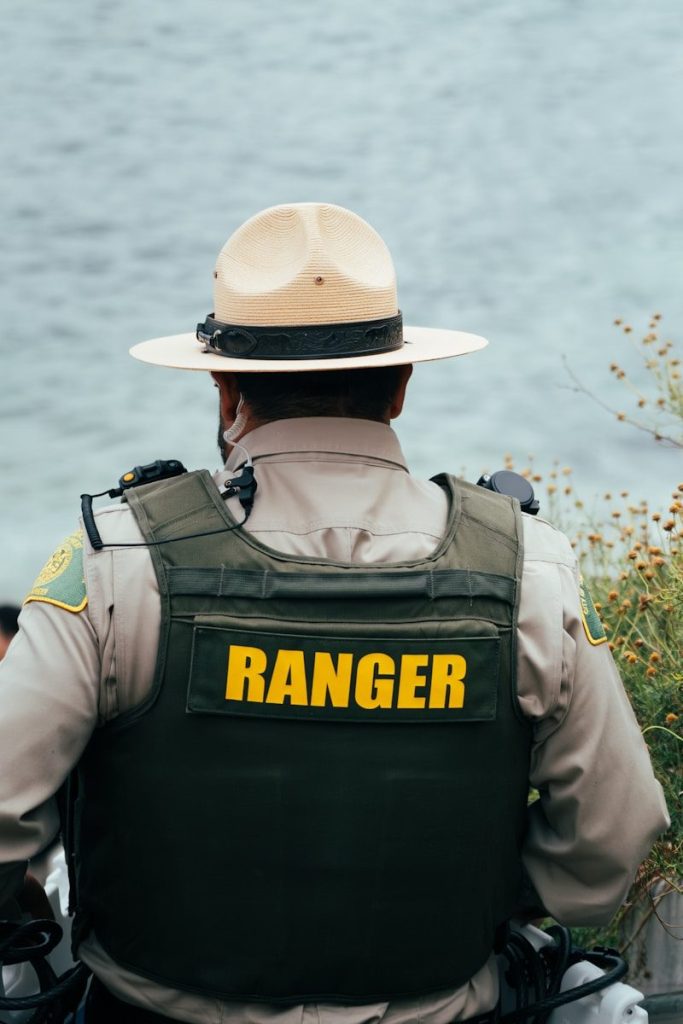
    A park ranger wearing a uniform looks towards the ocean.
    Photo by Meanwhile In San Diego on Unsplash

    After the attack, wildlife officers searched the area to find the animal responsible. Trappers captured two large alligators measuring about 12 feet and 13 feet. Both animals were removed from the area as part of the investigation.

    Medical examiners compared Clark’s injuries with the captured alligators. Early findings showed that bite marks matched one of the animals, while DNA testing was ordered to provide final confirmation before the investigation is officially closed.

    Why attacks like this are uncommon

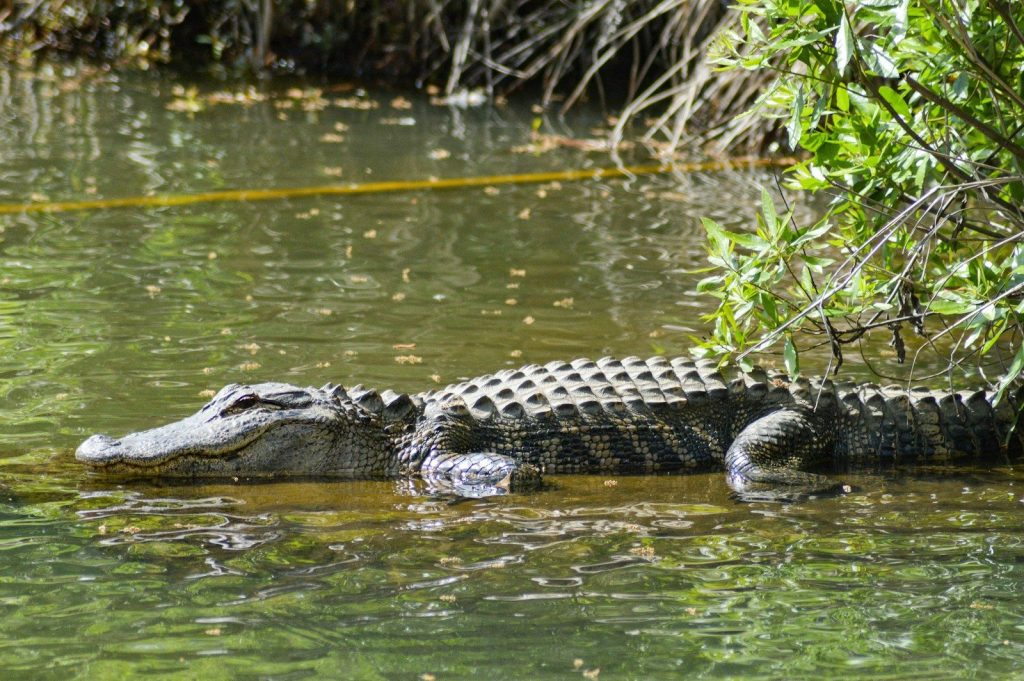
    grey alligator
    Photo by Bruce Warrington on Unsplash

    Florida has more than one million wild alligators, yet serious attacks on people remain uncommon. Wildlife experts say alligators usually avoid humans unless they feel threatened, are defending territory, or mistake a person for prey.

    Most incidents happen when people enter natural bodies of freshwater where alligators live. Swimming outside designated areas, especially in places with warning signs, can increase the risk even though attacks are still considered rare.

    Safety lessons from the tragedy

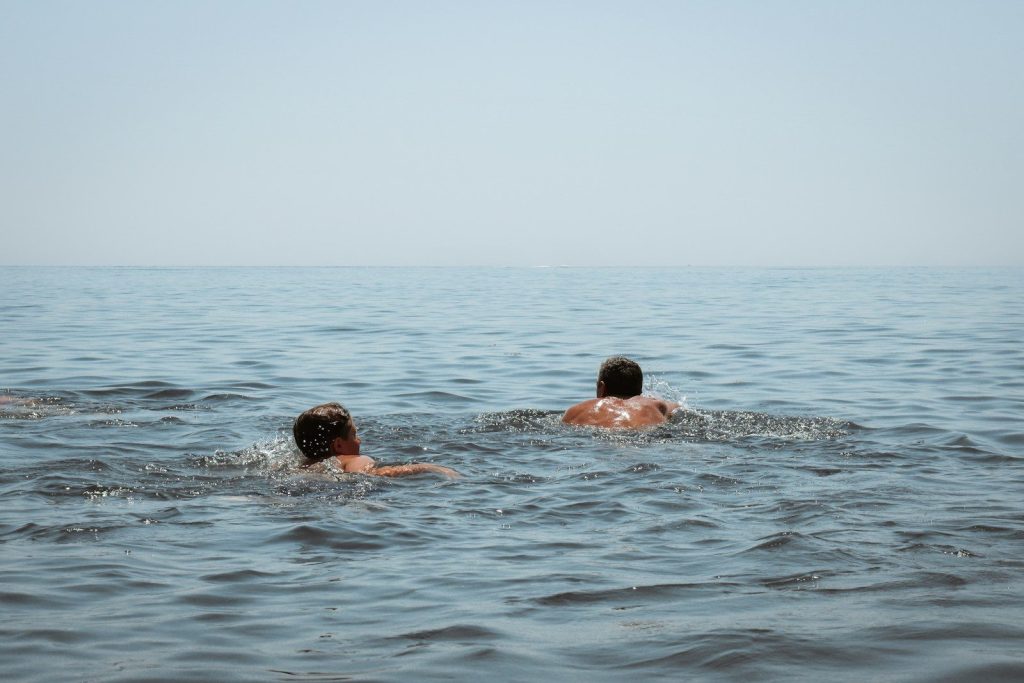
    Two people swimming in the calm ocean.
    Photo by Sara Ruffoni on Unsplash

    Wildlife officials remind visitors to stay out of freshwater lakes, rivers, ponds, and marshes unless swimming is allowed. People should always assume that an alligator may be nearby, even if one cannot be seen from the shore.

    Experts also advise keeping pets away from the water’s edge, avoiding swimming at dawn, dusk, or night, and never feeding alligators. Feeding causes them to lose their natural fear of people, making dangerous encounters more likely.

    Family and community remember Brittany Clark

    a vase with white flowers sitting on top of a cement slab
    Photo by Michael Pointner on Unsplash
    Friends and relatives remembered Brittany Clark as someone who loved the outdoors, boating, kayaking, and spending time with the people she cared about. They described her as hardworking, friendly, and full of energy.

    The heartbreaking incident has sparked renewed discussions about respecting wildlife and following safety warnings in Florida’s natural areas. While officials continue reviewing the evidence, Clark’s death serves as a reminder that even rare wildlife encounters can have devastating consequences.

    Featured Image: Photo by David Calderwood on Unsplash

  • Bears struck by vehicles while crossing a busy roadway

    Bears struck by vehicles while crossing a busy roadway

    Bears struck by vehicles on Japan’s busy roads have become part of a larger wildlife safety problem. As more bears move closer to towns and highways, dangerous encounters with people and vehicles are happening more often. These incidents can injure or kill bears, damage vehicles, and put drivers at risk.

    This article explains what happened in a recent bear roadway incident in Japan, why bears are entering busy areas, how these crashes affect both wildlife and people, and what officials are doing to reduce future accidents. Understanding these events can help drivers stay alert and support efforts to protect wildlife.

    A recent bear incident in Japan

    a black bear is sitting in the woods
    Photo by Michael Anfang on Unsplash

    In June 2026, a black bear entered a residential and industrial area in Fukushima, Japan, after moving through busy roads and neighborhoods. During the incident, the bear injured four people before escaping. Police, firefighters, and local hunters searched the area while asking residents to stay indoors because the bear remained at large.

    Security camera footage showed the bear chasing workers inside a factory before running into nearby neighborhoods. Authorities responded quickly to protect the public, while experts said the incident reflected a growing trend of bears entering places where people live and travel.

    Why bears are appearing near roads

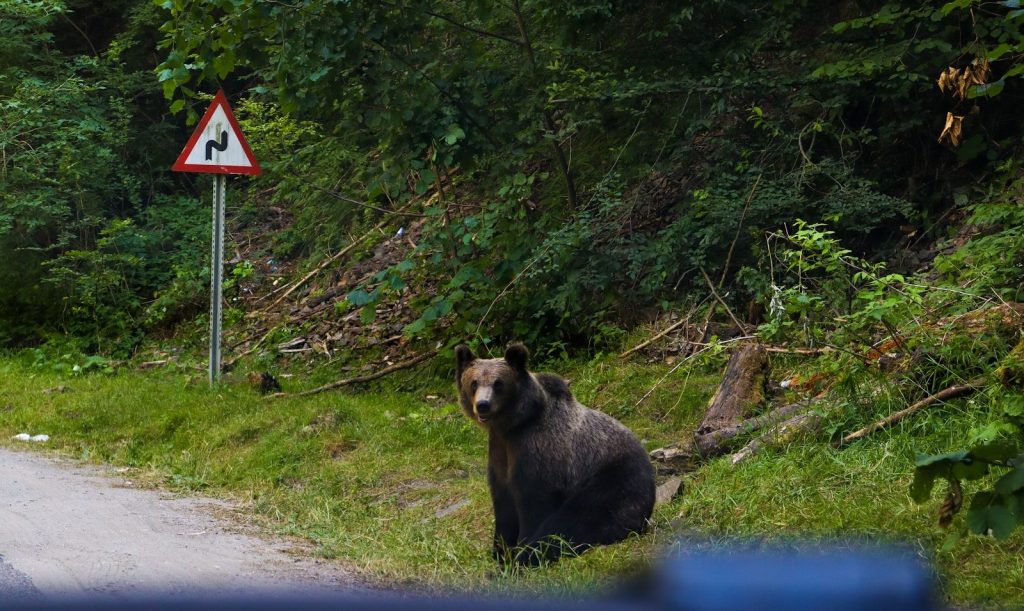
    a brown bear sitting on the side of a road
    Photo by Fermoar.ro on Unsplash

    Bears naturally travel long distances to find food, water, and mates. When forests are divided by highways, neighborhoods, and factories, bears often have to cross roads to reach the resources they need. This increases the chance of vehicle collisions and close encounters with people.

    Experts also say poor harvests of natural foods, such as acorns and beechnuts, can push bears closer to towns. At the same time, changes in land use and fewer people living in rural areas have allowed bears to expand into places where they were once rarely seen.

    The dangers of vehicle collisions

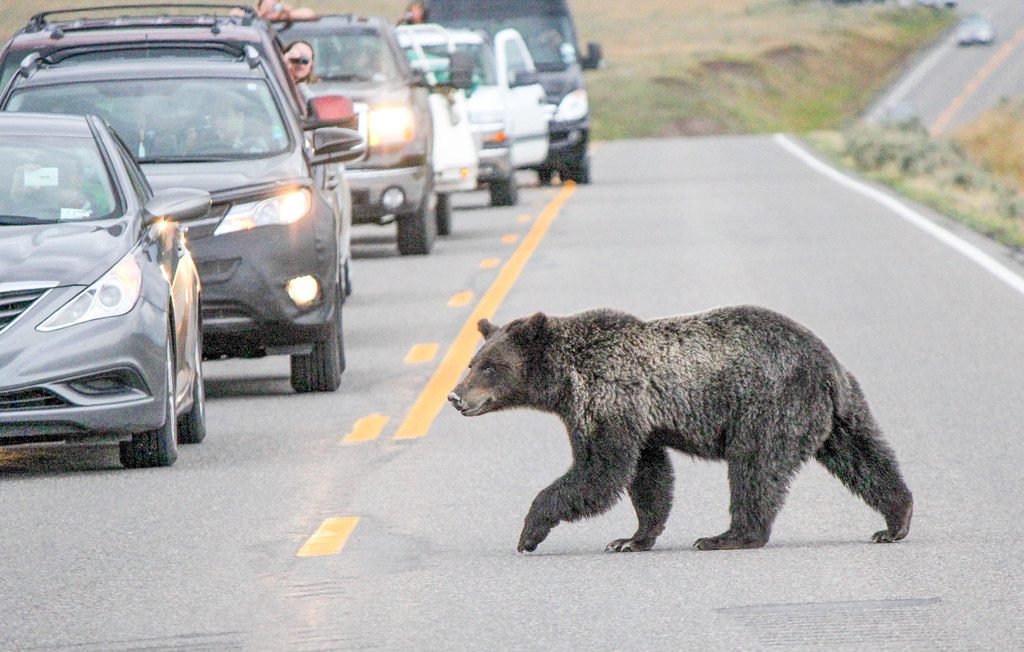
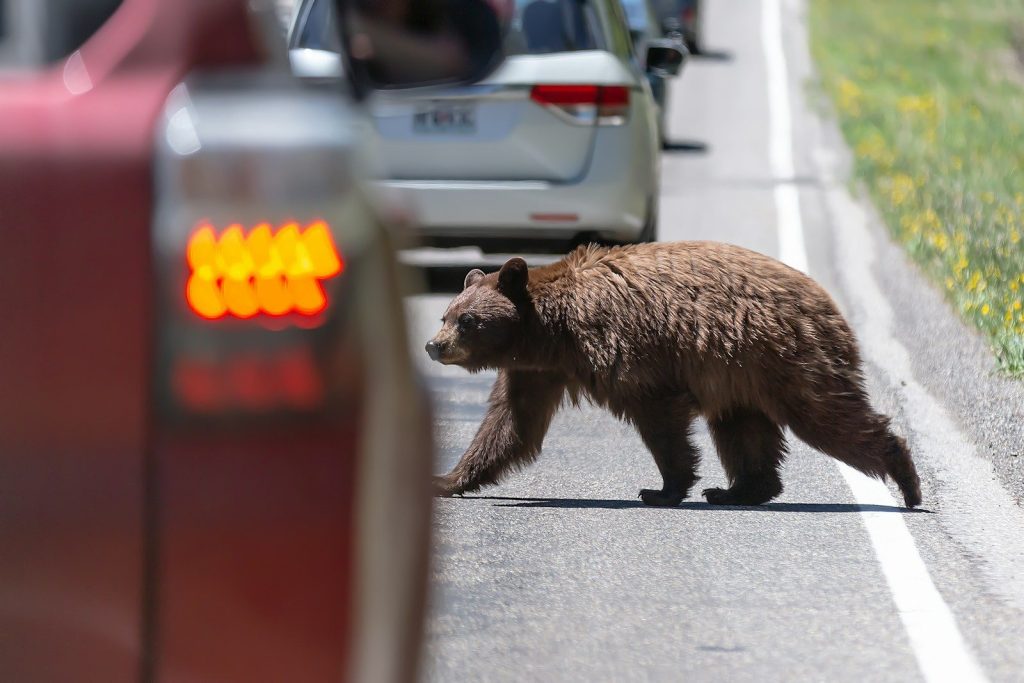
    a brown bear walking across a street next to cars
    Photo by Tony Garcia on Unsplash

    When a bear crosses a busy road, drivers may have only seconds to react. A collision with a large bear can seriously damage a vehicle and may cause injuries to drivers and passengers. Sudden swerving to avoid an animal can also lead to crashes with other vehicles.

    Bears often suffer severe injuries or die after being struck by vehicles. Cubs face an even greater risk because they usually travel close to their mothers. Losing adult bears can also affect local wildlife populations, especially when breeding females are killed.

    How officials respond to bear emergencies

    a close up of a police car with its lights on
    Photo by Max Fleischmann on Unsplash

    When a bear enters a populated area, police and wildlife officers work together to keep people safe. Roads may be closed, nearby residents may be warned to stay indoors, and trained wildlife teams search for the animal. These steps help reduce the chance of more injuries.

    In Japan, local governments have increased public alerts as bear encounters have become more common. Authorities also encourage residents to report bear sightings immediately so emergency teams can respond before the animal reaches crowded roads or neighborhoods.

    Ways to reduce future crashes

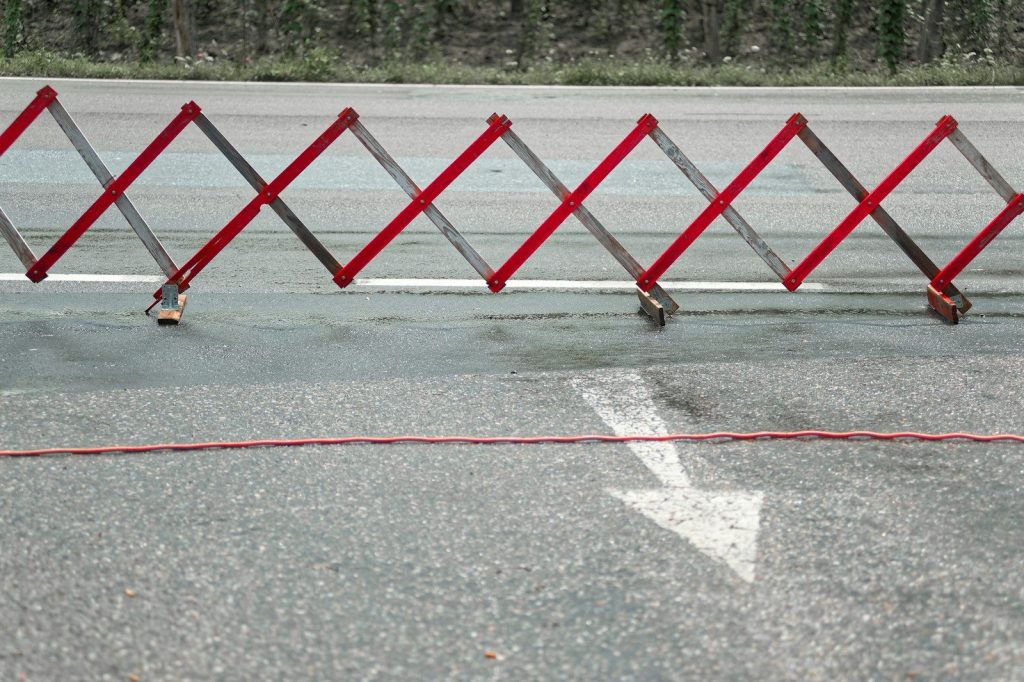
    red and white wooden fence on gray concrete road
    Photo by Milivoj Kuhar on Unsplash
    Many experts support building wildlife crossings, including overpasses and underpasses, where animals can safely cross highways. Fencing along roads can also guide bears toward these crossings instead of allowing them to enter traffic.

    Drivers also play an important role in preventing crashes. Slowing down in areas marked with wildlife warning signs, staying alert at dawn and dusk, and watching road edges can provide enough time to stop safely if a bear appears.

    Why protecting bears and people matters

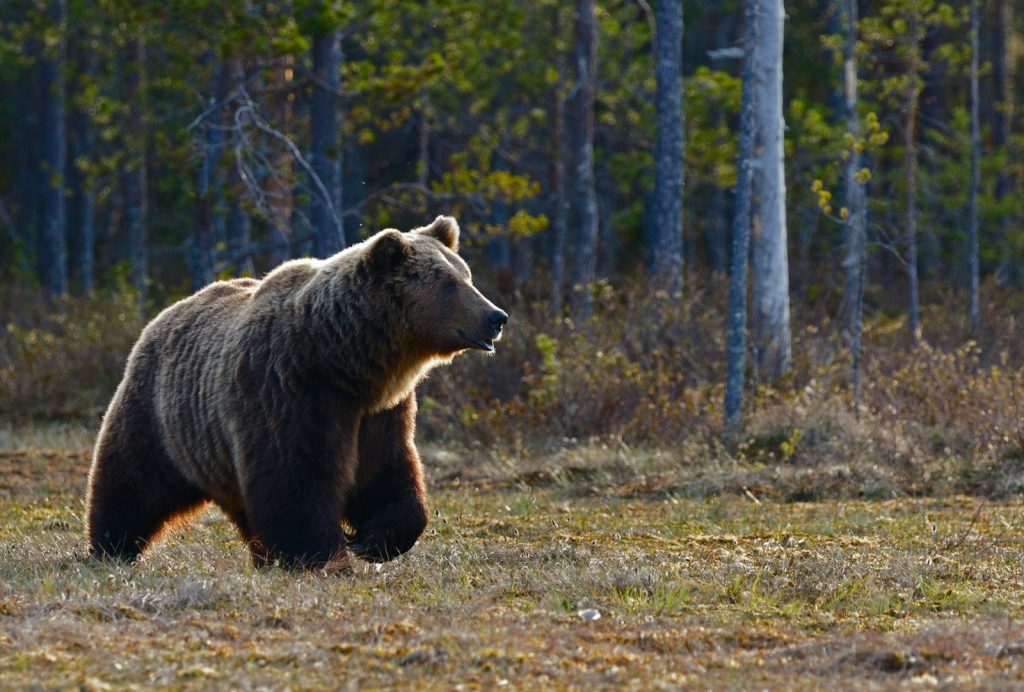
    brown bear walking near trees
    Photo by Zdeněk Macháček on Unsplash
    Healthy bear populations are an important part of natural ecosystems because they help spread seeds and maintain balanced wildlife communities. At the same time, keeping people safe must remain a top priority as development continues to expand into bear habitat.

    Better road planning, improved wildlife management, and public awareness can reduce dangerous encounters. By combining these efforts, communities can protect both bears and drivers while making roads safer for everyone.

    Featured Image: “Grizzly bear crossing road in Hayden Valley” by YellowstoneNPS is licensed under CC PDM 1.0

  • Coal mine fossil identified as remains of a 50-foot prehistoric snake

    Coal mine fossil identified as remains of a 50-foot prehistoric snake

    A coal mine fossil identified as the remains of a 50-foot prehistoric snake has amazed scientists and the public alike. The discovery came from ancient rocks that preserved the bones of one of the biggest snakes known to science. By studying these fossils, researchers learned more about how giant snakes lived after the dinosaurs disappeared.

    This article explains where the fossil was found, how experts identified it, how large the snake really was, what it ate, and why this discovery is important for understanding Earth’s ancient past.

    The fossil was found in an ancient coal mine

    a group of people standing in a cave
    Photo by Vedrana Filipović on Unsplash
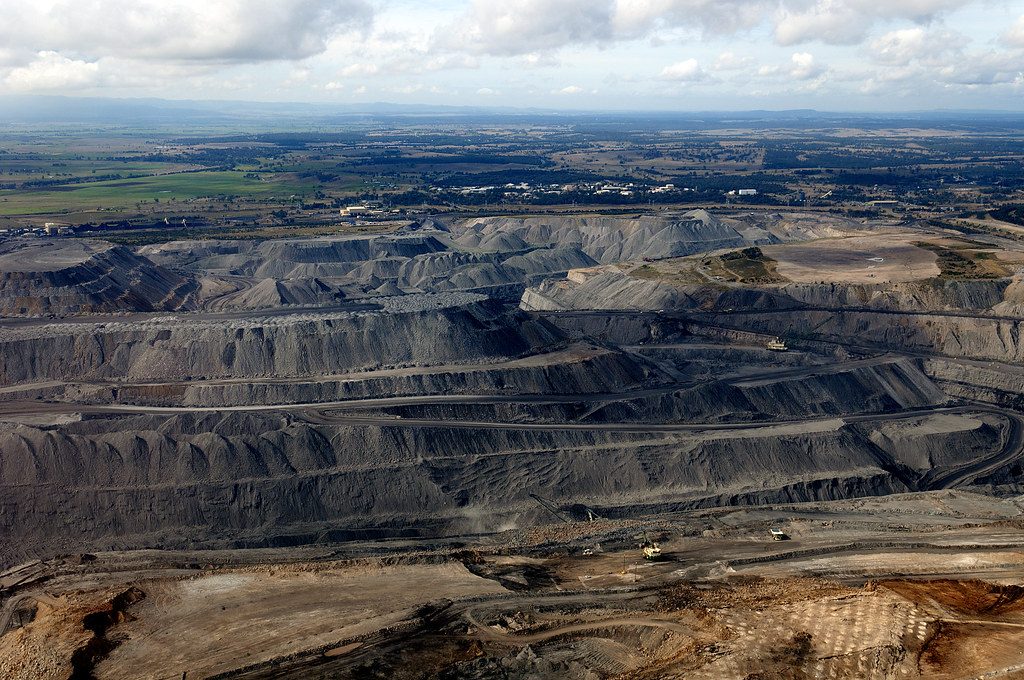
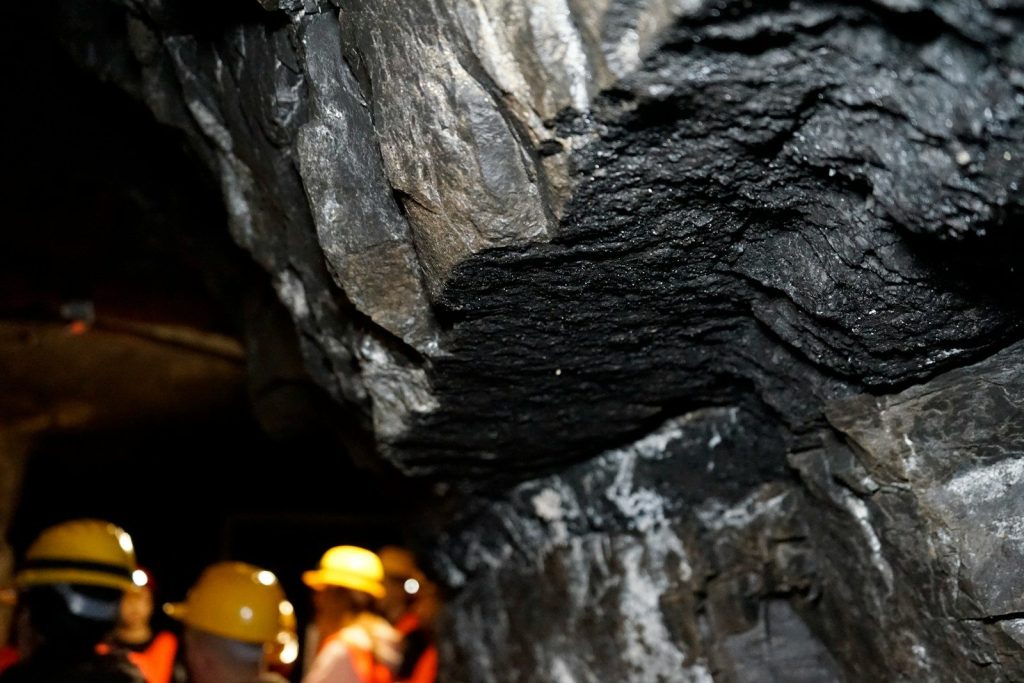
    The giant snake fossils were discovered in the Cerrejón coal mine in northern Colombia. The rocks at the site date to about 58 to 60 million years ago, only a few million years after the mass extinction that ended the age of the dinosaurs.

    Scientists first found large fossil bones that looked unusual because of their size. After careful study in museums and laboratories, they confirmed the bones belonged to a giant snake that was later named Titanoboa cerrejonensis. The fossils included many vertebrae, which helped experts estimate the snake’s size.

    How scientists identified the prehistoric snake

    three people in lab coats looking at a tablet
    Photo by National Cancer Institute on Unsplash
    The fossil bones were compared with the skeletons of living snakes, especially boas and anacondas. The shape and size of the vertebrae matched those of members of the boa family but were much larger than any snake alive today.

    Researchers used measurements from modern snakes to estimate the animal’s length and weight. The evidence showed that Titanoboa likely measured between 42 and nearly 50 feet long, making it the largest snake currently known from the fossil record.

    How big Titanoboa really was

    Titanoboa” by Ryan Somma is licensed under CC BY 2.0

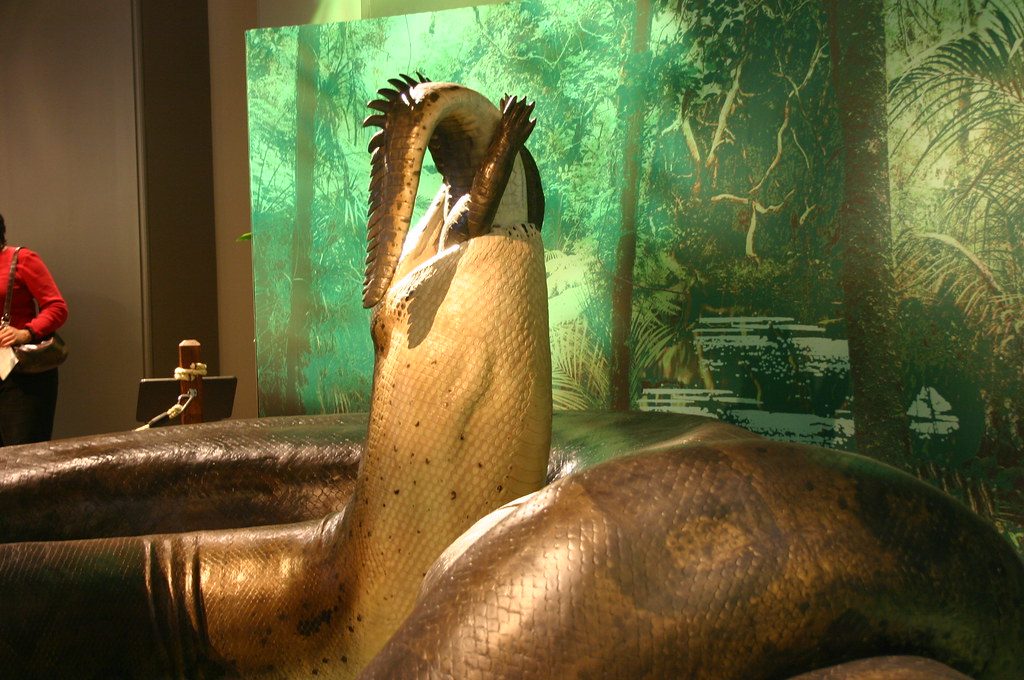
    Titanoboa was far larger than today’s biggest snakes. Scientists estimate it weighed around 2,500 pounds, or more than one metric ton. At its widest point, its body may have reached about 3 feet across.

    Its huge size made it one of the top predators in its ecosystem. Like modern boas and anacondas, Titanoboa was not venomous. Instead, it likely captured prey by wrapping its powerful body around the animal and squeezing until it could no longer breathe.

    The world where the giant snake lived

    Peaceful dirt trail through a lush coniferous forest, perfect for hiking and nature exploration.
    Photo by Lauri Poldre on Pexels

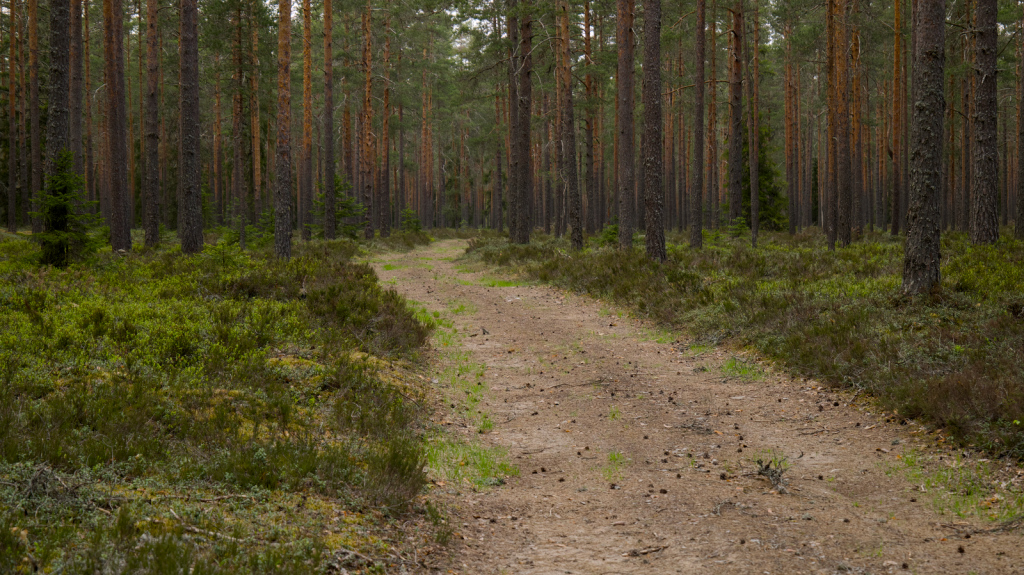
    Titanoboa lived in a warm, wet tropical rainforest filled with rivers and swamps. The area supported giant crocodile relatives, large turtles, fish, and many kinds of plants that formed one of the earliest known tropical rainforests in the Americas.

    Scientists believe Earth’s climate was much warmer than it is today. Cold-blooded animals like snakes depend on outside temperatures to regulate their bodies, so the warm environment likely helped Titanoboa grow much larger than modern snakes can.

    Why this discovery matters

    Titanoboa Exhibit at the Smithsonian” by Espino Family is licensed under CC BY-NC-ND 2.0

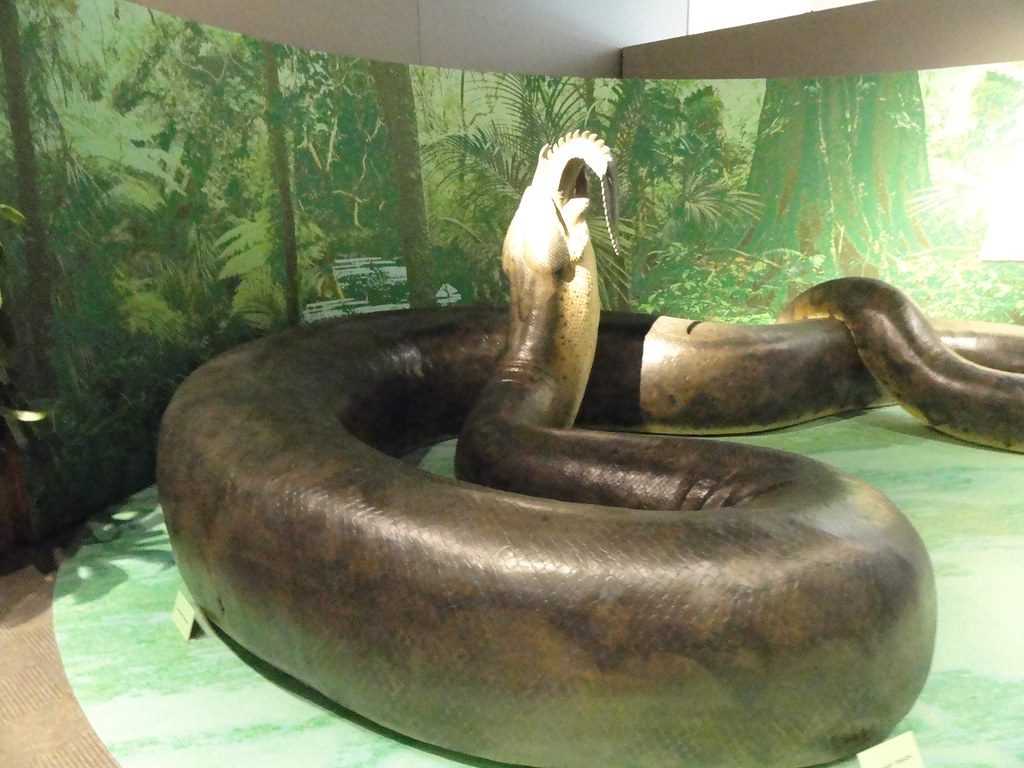
    The fossil shows that giant reptiles continued to thrive after the dinosaurs became extinct. It also gives scientists valuable clues about how animals recovered and evolved during the early Paleocene period.

    The discovery has also helped researchers study ancient climates. Because snake size is linked to temperature, Titanoboa provides evidence that tropical regions were significantly warmer millions of years ago than they are today.

    What scientists continue to study

    Scientists in group discussion” by IITA Image Library is licensed under CC BY-NC 2.0

    Although many Titanoboa fossils have been found, researchers are still learning about its behavior and daily life. Studies continue to examine how it hunted, how quickly it grew, and how it fit into its ancient ecosystem.

    Scientists are also comparing Titanoboa with other giant prehistoric snakes discovered in different parts of the world. Each new fossil helps improve our understanding of snake evolution and reveals more about the incredible diversity of life that existed long before humans.

  • TV producers ignored shark safety warnings before filming incident

    TV producers ignored shark safety warnings before filming incident

    Stories about TV producers ignoring shark safety warnings before filming have raised important questions about safety on wildlife productions. While filming in the ocean can create amazing footage, it also brings real risks that must be carefully managed. Production teams are expected to follow expert advice, assess dangers, and protect everyone on set before cameras start rolling.

    This article explains what safety warnings are, why they matter, how shark experts help crews, what can happen when precautions are overlooked, and how modern productions work to reduce the chance of dangerous incidents.

    Why shark safety warnings matter

    Marine Scientist Jennifer Stanhope, VASG Graduate Research Fellow Annie Murphy, and Mark Luckenbach take water samples from the cores over the course of the day to measure the nutrient concentrations in the water. ©Margaret Pizer/VASG” by Virginia Sea Grant is licensed under CC BY-ND 2.0

    Shark safety warnings are based on expert observations of ocean conditions, shark behavior, weather, and recent sightings. Marine biologists, local authorities, and experienced safety teams often provide guidance before any filming begins. Their advice helps determine whether it is safe to enter the water.

    Ignoring these warnings can increase the risk of close encounters with sharks. Although shark attacks on people are rare, filming often places crews in areas where sharks naturally hunt or travel. Careful planning lowers unnecessary risks without disturbing the animals.

    How film crews prepare before entering the water

    person using professional video camera
    Photo by Jakob Owens on Unsplash

    Professional wildlife productions usually spend days or even weeks planning before filming begins. Teams review weather reports, tide charts, water visibility, and recent shark activity. Safety meetings help everyone understand emergency procedures before work starts.

    Many productions also hire marine safety experts and experienced divers. Boats remain nearby for quick support, while spotters watch the water from the surface. These steps help crews respond quickly if conditions suddenly change.

    What can happen when warnings are ignored?

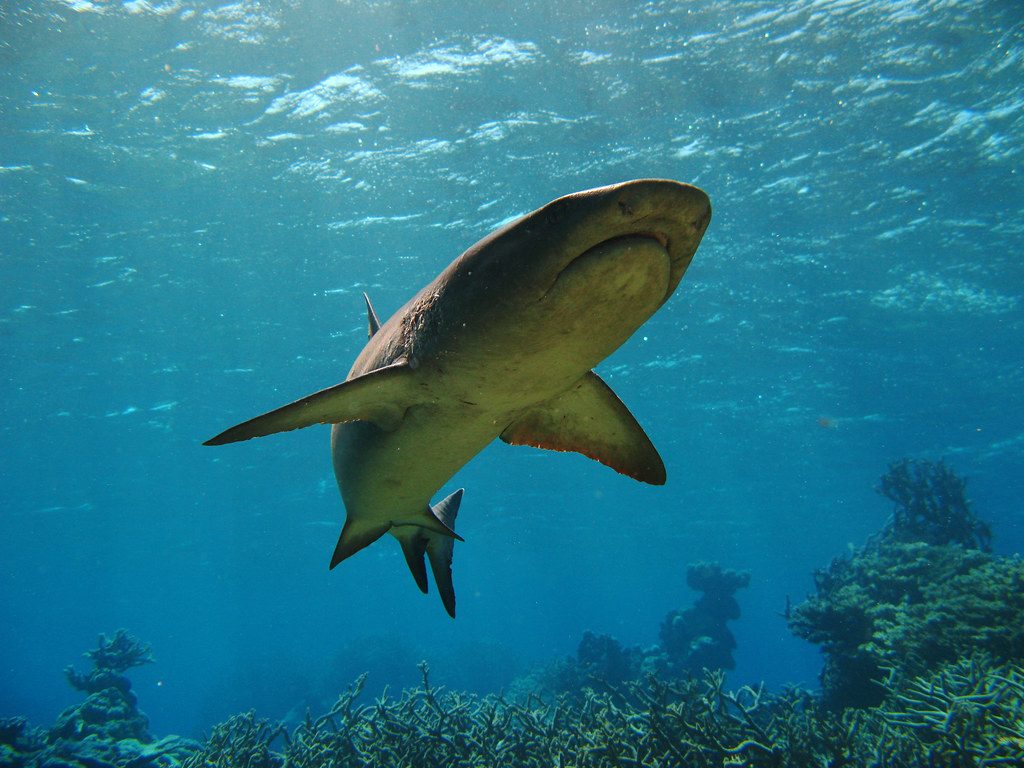
    Whitetip Shark” by USFWS Pacific is licensed under CC BY-NC 2.0

    When safety advice is not followed, the danger to cast and crew can rise quickly. Poor water visibility, bait fish, changing currents, or recent shark sightings may create conditions that experts consider unsafe for filming.

    Even if no one is injured, an incident can stop production, damage equipment, and delay filming. Investigations may examine whether proper safety procedures were followed and whether decisions made before filming increased the level of risk.

    The role of shark experts during filming

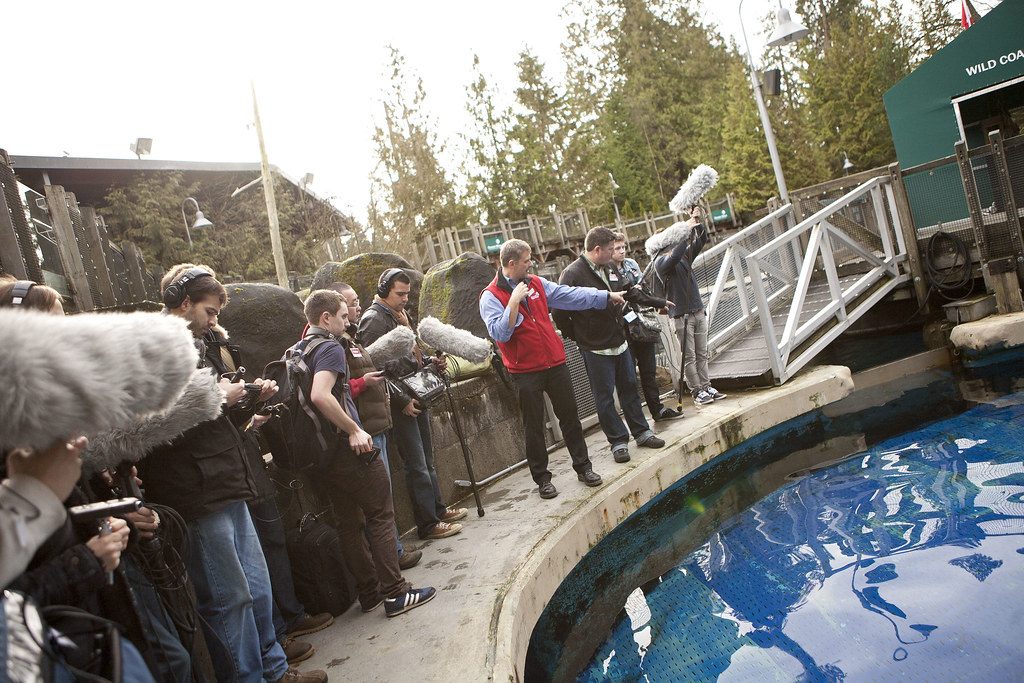
    VFS Sound Design for Visual Media: Vancouver Aquarium 2013” by vancouverfilmschool is licensed under CC BY 2.0

    Marine biologists and shark specialists understand how different shark species behave in different environments. They help identify times and places that may be safer for filming while reducing disturbance to wildlife.

    These experts also teach crews how to react if a shark appears nearby. Staying calm, leaving the water in an orderly way, and avoiding sudden movements are common parts of safety training. Their guidance supports both human safety and shark conservation.

    Lessons the television industry has learned

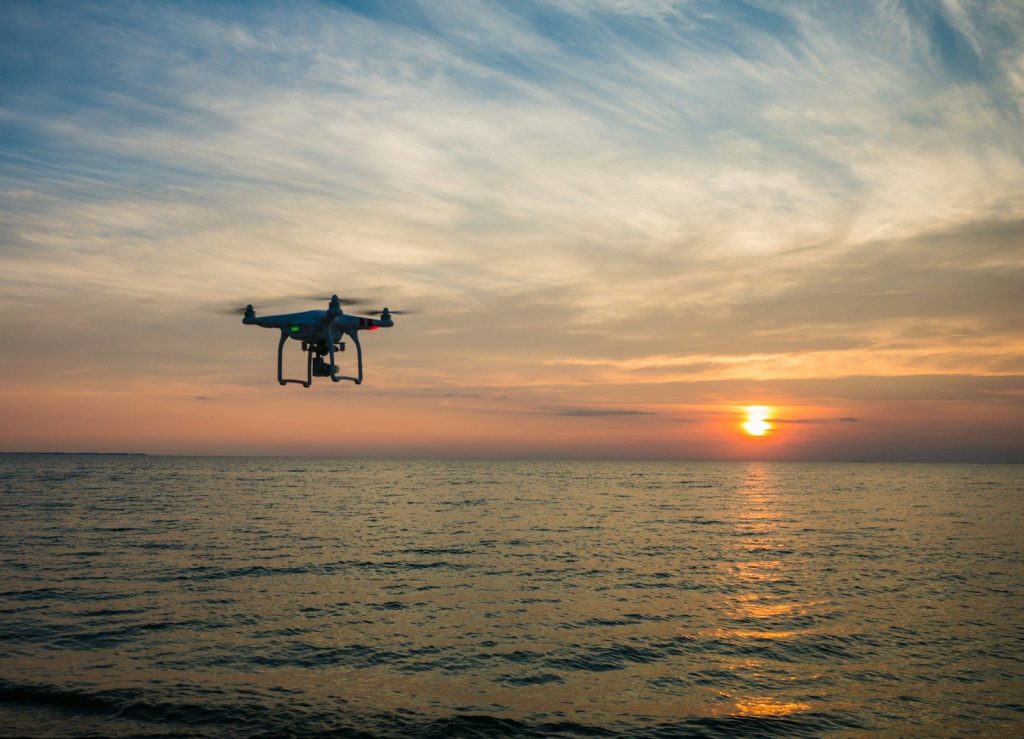
    quadcopter flying over body of water
    Photo by Aaron Burden on Unsplash
    The television industry has improved many of its wildlife filming practices over the years. Productions now rely more on detailed risk assessments, experienced marine coordinators, and stronger emergency plans before cameras roll.

    Technology has also made filming safer. Drones, remote cameras, underwater camera systems, and long-range lenses can capture dramatic shark footage without placing people unnecessarily close to wild animals. These tools allow filmmakers to record natural behavior while keeping crews at a safer distance.

    Why safety should always come first

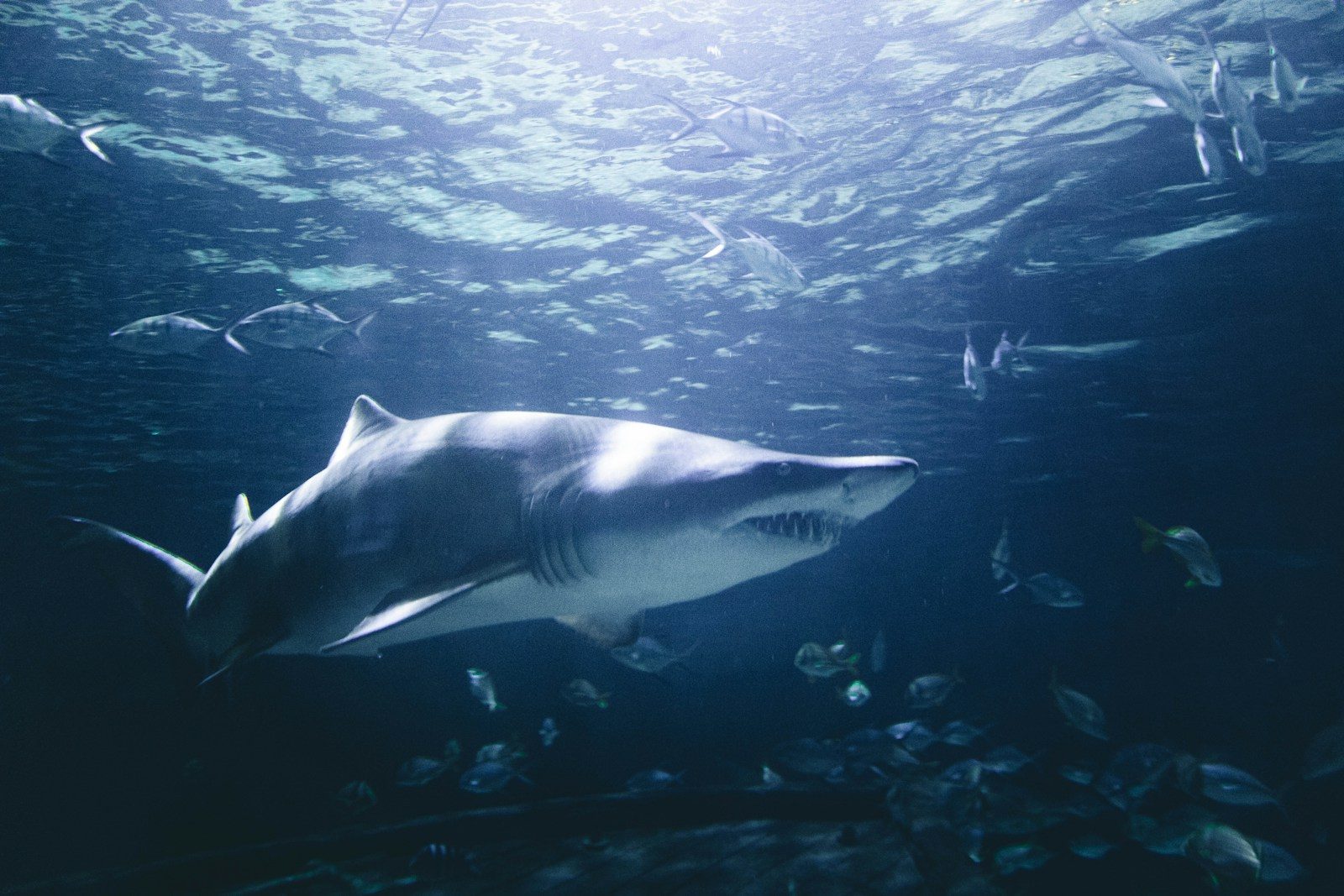
    Great White Shark” by Elias Levy is licensed under CC BY 2.0

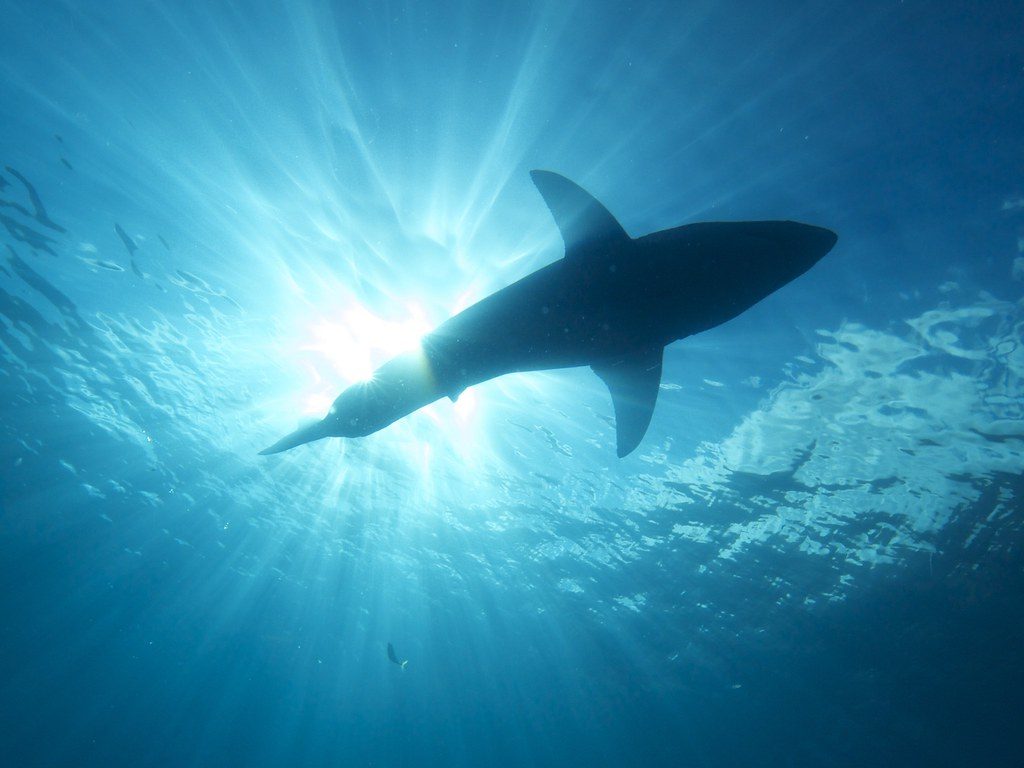
    Great wildlife documentaries depend on careful planning as much as beautiful camera work. Exciting footage should never come at the cost of human safety or unnecessary risks to wildlife. Responsible productions recognize that protecting people and respecting animals go hand in hand.

    Following expert warnings also builds public trust. Viewers expect filmmakers to act responsibly when working around powerful wild animals like sharks. Strong safety practices help ensure that remarkable ocean stories can continue to be filmed without preventable incidents.

    Featured Image: Photo by Hunter Newton on Unsplash