Author: Ethan

  • This charming octopus has a venomous side you won’t expect

    This charming octopus has a venomous side you won’t expect

    Octopuses are famous for their big eyes, soft bodies, and clever tricks. They often look curious and even friendly, but many people do not know they also have venom. If you have ever wondered whether an octopus can be dangerous, the answer might surprise you.

    The truth is that all octopuses are venomous, although almost all species use their venom only to catch food and are not considered dangerous to people. Only the tiny blue-ringed octopus has venom that can be life-threatening to humans. This article explains how octopus venom works, why these animals need it, and how people can stay safe while respecting these amazing sea creatures.

    Every octopus has venom
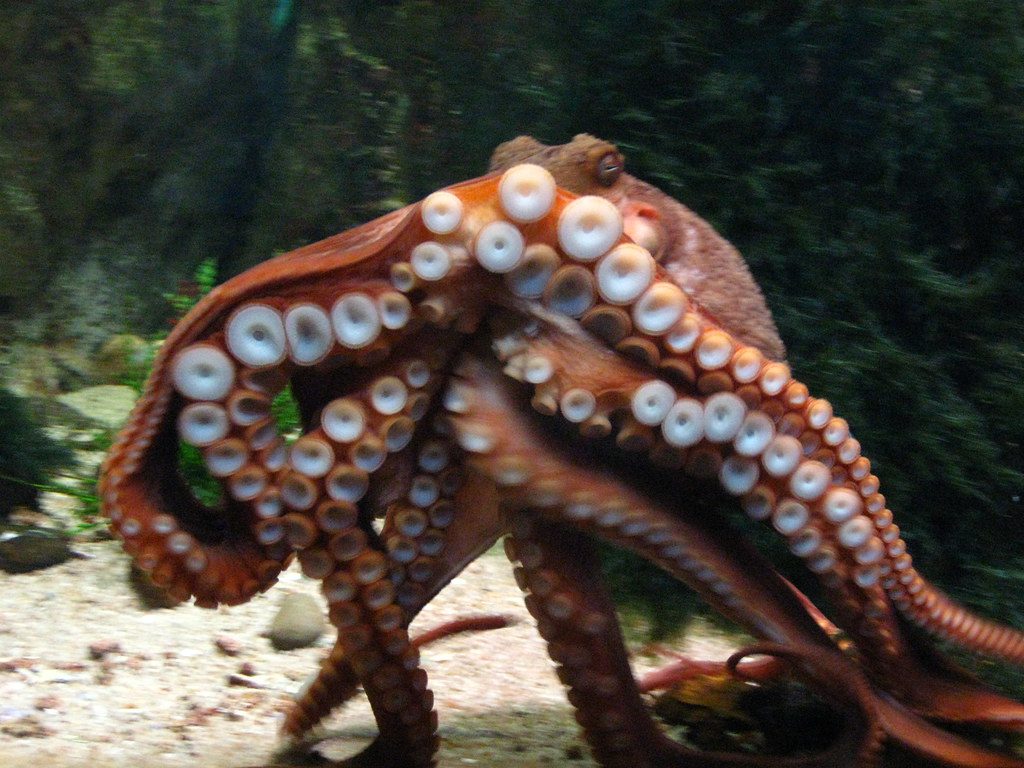
    Octopus” by Greenstone Girl is licensed under CC BY-NC 2.0

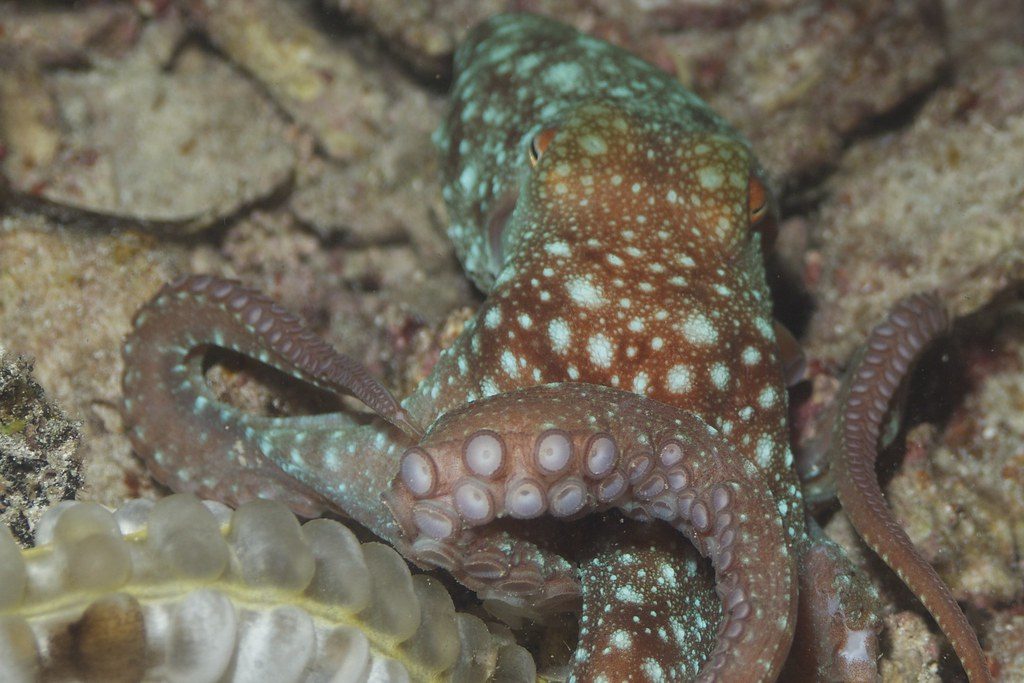
    Every known octopus species produces venom in its salivary glands. The venom enters prey through a bite from the octopus’s hard beak, which is hidden underneath its arms. Scientists believe this venom helps octopuses catch and eat animals like crabs, shrimp, and clams.

    For most species, the venom is made to stop small prey, not people. A bite from many common octopuses may cause pain or swelling, but serious injuries are uncommon. That is why experts say octopuses should never be handled, even if they seem calm.

    Why do octopuses use venom
    Octopus” by Elias Levy is licensed under CC BY 2.0

    An octopus does not have sharp teeth or a strong shell for protection. Instead, it depends on smart hunting skills, camouflage, and venom to survive in the ocean. Venom quickly weakens prey so the octopus can eat without a long struggle.

    Some octopuses also use venom to help open shellfish. After biting a clam or crab, the venom helps stop movement, making the meal much easier to eat. This gives the octopus a better chance of catching food while using less energy.

    The tiny blue-ringed octopus is different
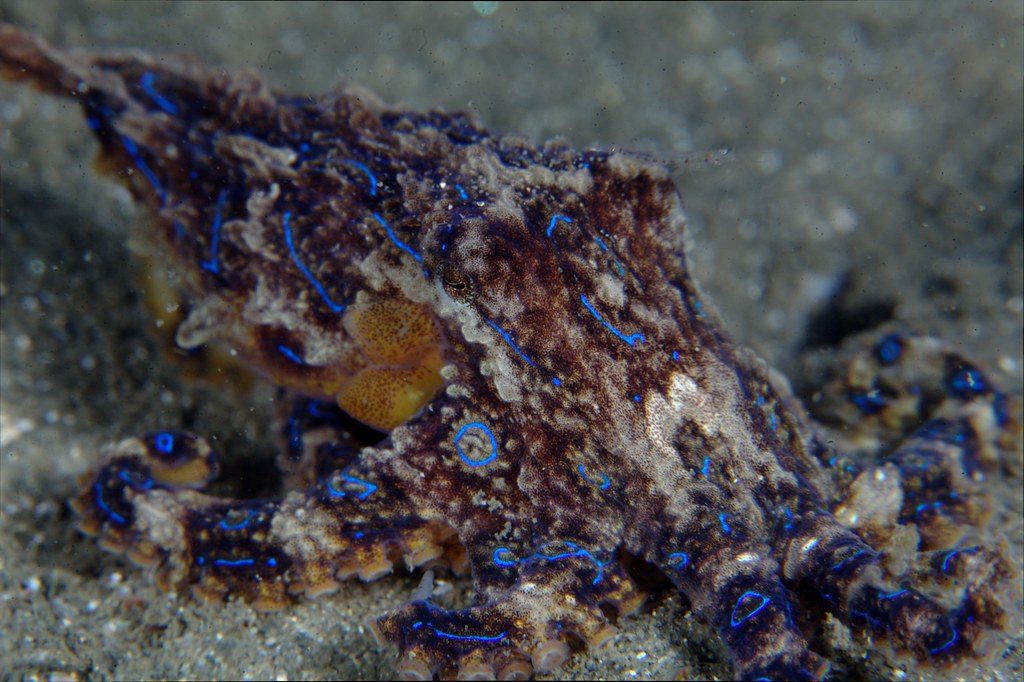
    Blue Ringed Octopus” by Tom Weilenmann is licensed under CC BY-NC-ND 2.0

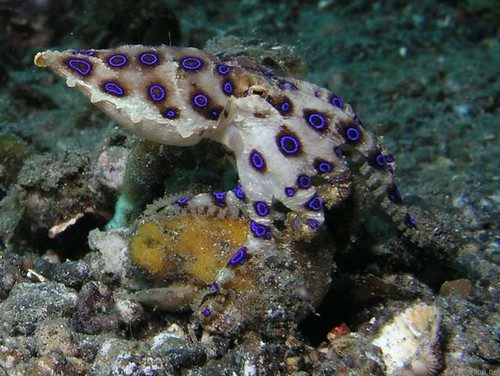
    The blue-ringed octopus is only about the size of a golf ball, but it is the only octopus known to be highly dangerous to humans. When it feels threatened, bright blue rings appear across its body as a warning to stay away.

    Its venom contains a powerful neurotoxin called tetrodotoxin, which can cause paralysis by blocking nerve signals. Although bites are very rare because these animals are shy, a bite is a medical emergency that needs immediate professional care.

    Most octopuses avoid people
    Octopus fanned-out” by ccaviness is licensed under CC BY-NC-ND 2.0

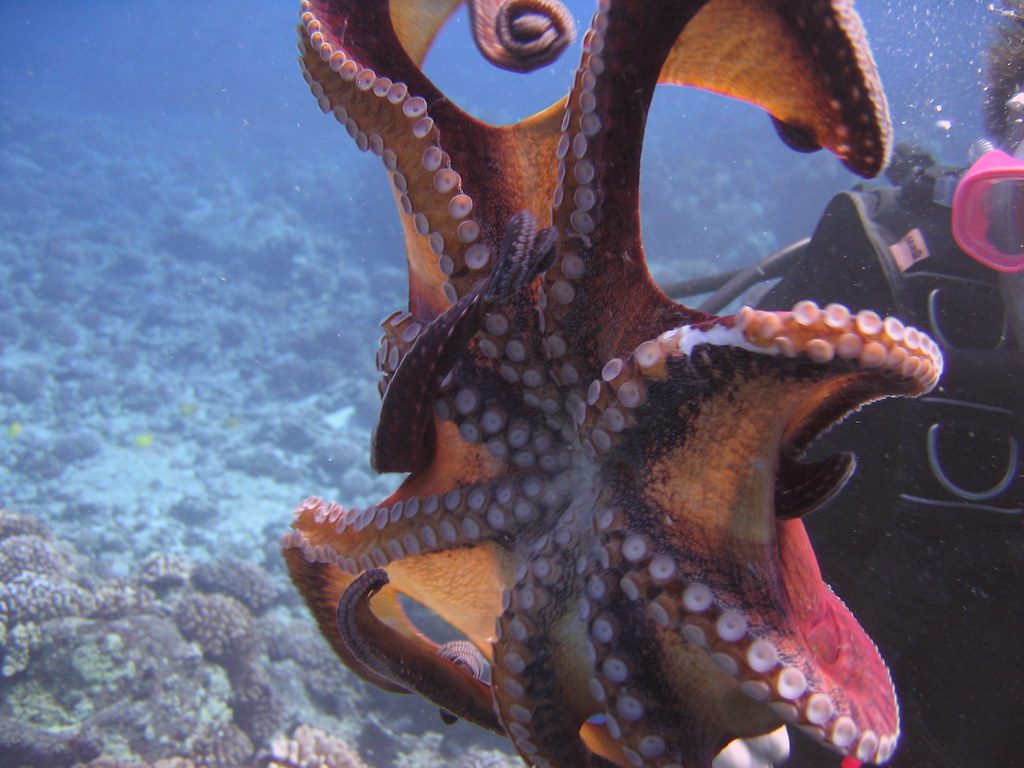
    Octopuses do not hunt humans. They usually hide inside rocks, coral, or small underwater spaces and try to escape instead of fighting. Most bites happen only when an octopus is picked up, trapped, or feels threatened.

    This shy behavior is one reason divers often watch octopuses safely from a distance. Giving them space helps protect both the animal and the person enjoying the underwater view.

    Smart animals with strong defenses
    Octopus Eyeful” by OceanNetworks Canada is licensed under CC BY-NC-SA 2.0

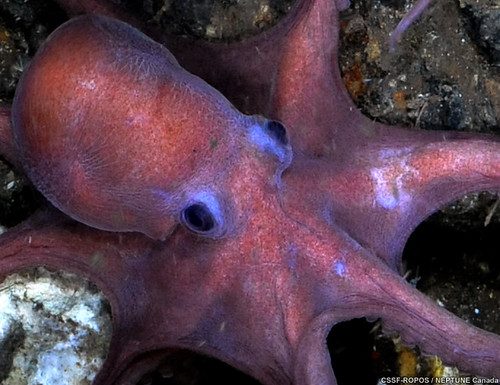
    Besides venom, octopuses have several other ways to stay alive. They can quickly change color and skin texture to blend into rocks, coral, or sand. Many species also release a cloud of ink to confuse predators while they swim away.

    Their intelligence also helps them survive. Octopuses can solve simple problems, open containers, and remember places where they have found food before. These skills make them some of the smartest animals living in the ocean.

    How to stay safe around octopuses
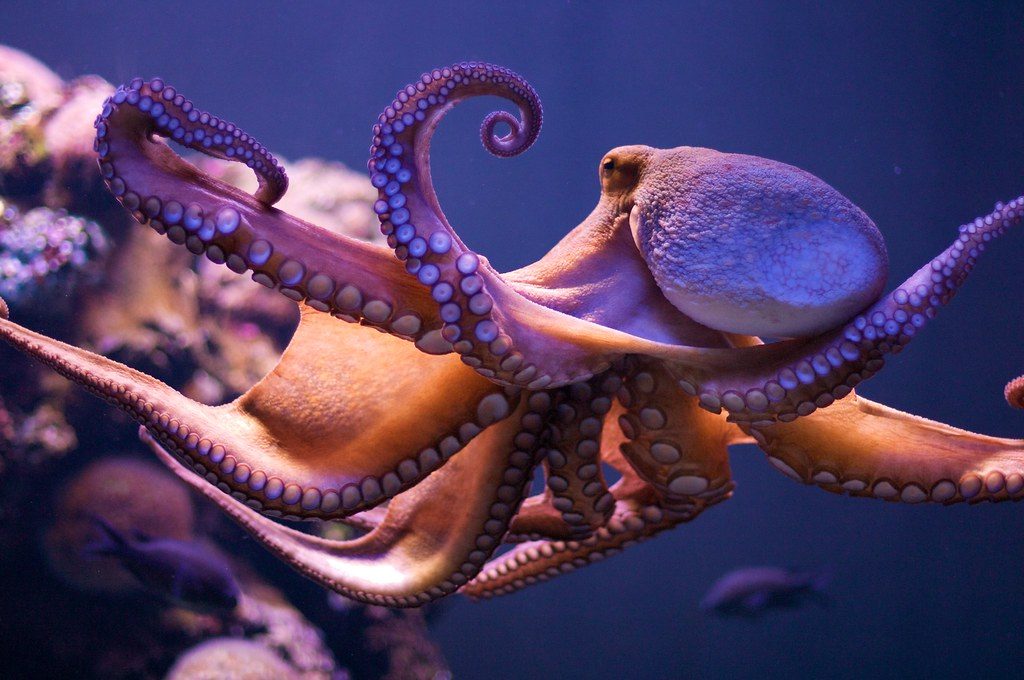
    Octopus dance” by Morten Brekkevold is licensed under CC BY-NC-SA 2.0

    The safest way to enjoy an octopus is to admire it without touching it. Whether you are snorkeling, diving, or exploring tide pools, keeping your hands away reduces the chance of stressing the animal or getting bitten.

    If you ever see a small octopus showing bright blue rings, move away slowly and do not try to pick it up. Respecting wildlife from a safe distance protects both people and these remarkable ocean animals.

    Featured Image: “Blue Ring Octopus” by PacificKlaus is licensed under CC BY-NC 2.0
  • What scientists know about Tyrannosaurus rex’s short arms

    What scientists know about Tyrannosaurus rex’s short arms

    Have you ever wondered why Tyrannosaurus rex’s short arms looked so tiny compared to the rest of its giant body? For years, this question has puzzled scientists and dinosaur fans alike. Even though T. rex is one of the most studied dinosaurs, experts still debate exactly why its arms became so small.

    In this article, you’ll learn what fossils reveal, what scientists agree on, and which ideas are still being tested. By the end, you’ll have a clear picture of one of paleontology’s biggest mysteries.

    T. rex had small arms but strong muscles

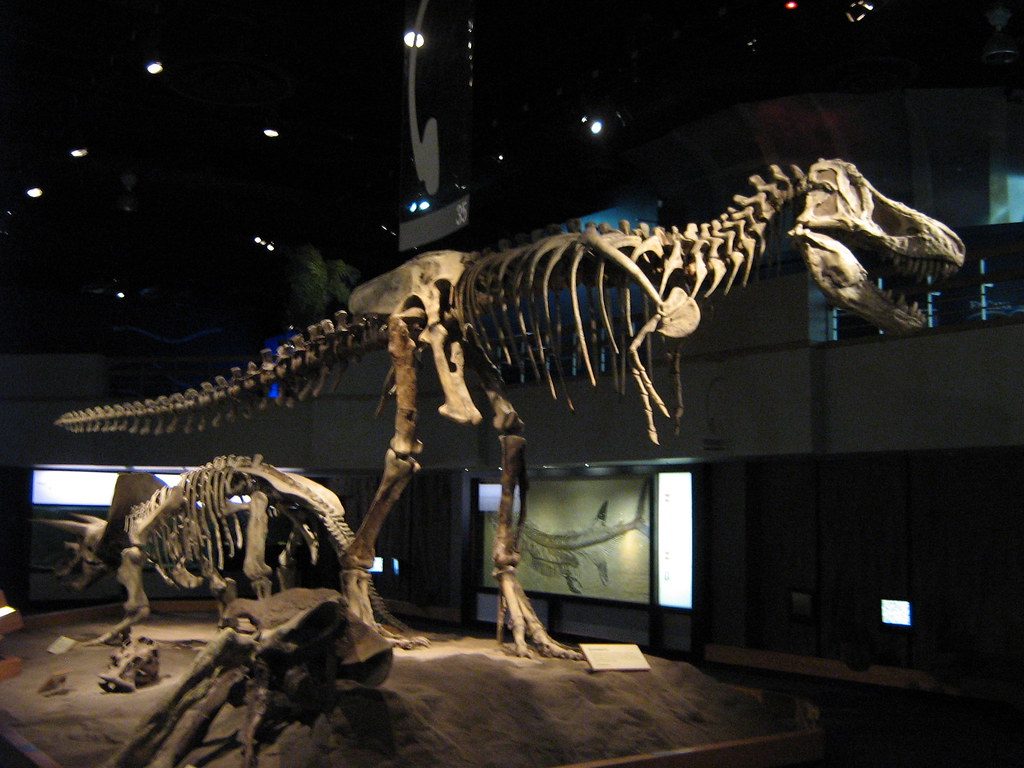
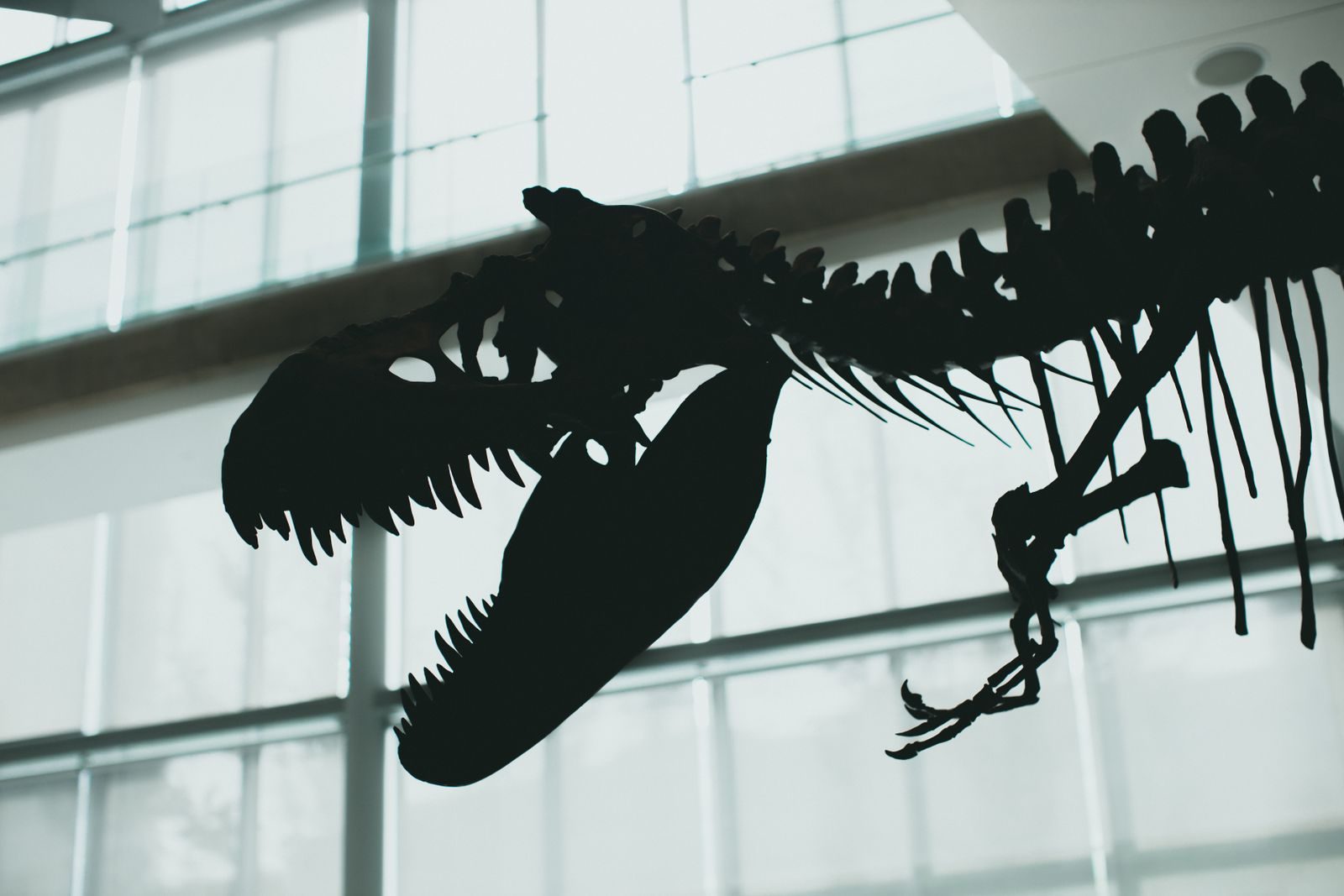
    Tyrannosaur Tyrannosaurus Rex Huxley Alberta Skeleton fossil dinosaur dinosaurs” by Craig T Dylke is licensed under CC BY-NC-ND 2.0

    A full-grown T. rex measured about 40 feet long, yet each arm was only about 3 feet long. Even though the arms looked tiny, they were not weak. Fossil bones show they were thick and built with large muscle attachments, meaning they could produce a surprising amount of force.

    Each arm had only two clawed fingers instead of three like many earlier meat-eating dinosaurs. The elbows could bend, but the shoulders had a limited range of motion. This means the arms could not reach the dinosaur’s mouth or stretch very far in front of its body.

    The giant head became the main hunting tool

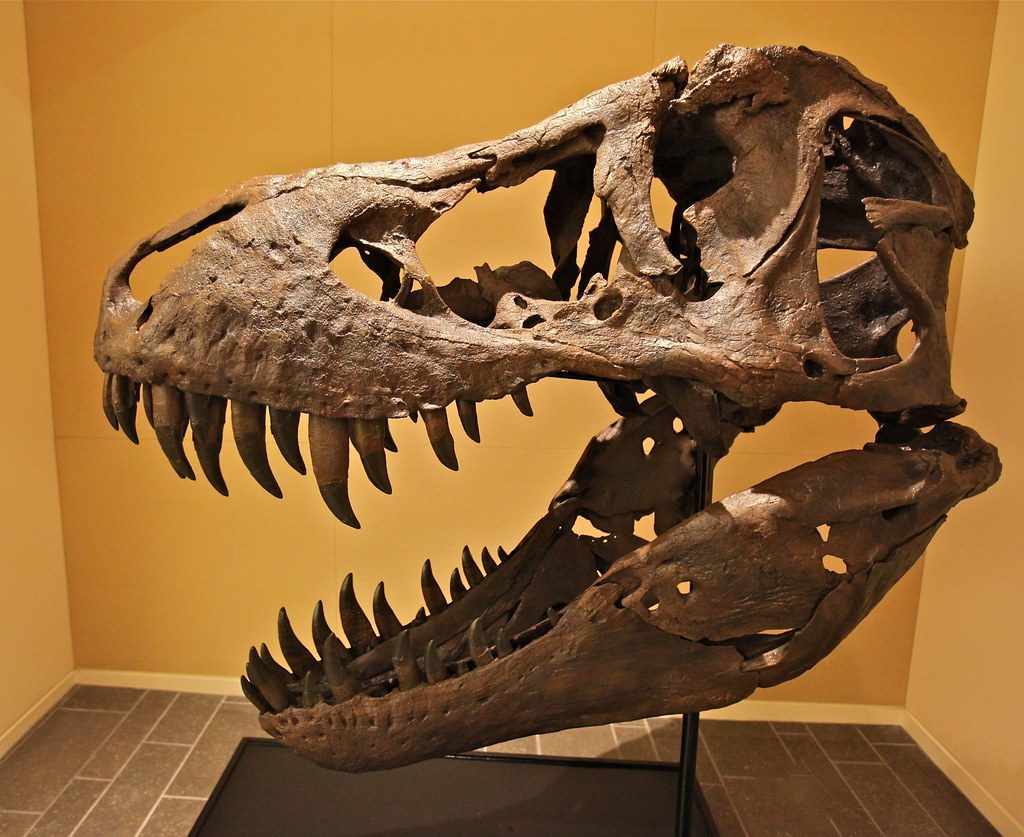
    The biggest and most complete male T-Rex ever found” by jurvetson is licensed under CC BY 2.0

    Most scientists agree that T. rex relied mainly on its huge skull, powerful neck, and crushing bite to hunt. As tyrannosaurs evolved larger heads, their jaws became the main weapon for catching and killing prey, making large grasping arms less important.

    Recent research comparing many meat-eating dinosaur species found a clear pattern. Animals with larger, stronger skulls often had smaller forelimbs, suggesting evolution shifted resources toward improving the head rather than the arms. This explains why several unrelated dinosaur groups evolved the same body shape.

    Scientists still debate what the arms were used for

    Scientists in group discussion” by IITA Image Library is licensed under CC BY-NC 2.0
    Although researchers agree the arms were not the main hunting tools, no single explanation has been proven. Some scientists think the arms helped hold a mate during breeding. Others suggest they may have helped the dinosaur push itself up from the ground or grip prey at very close range.

    Another idea is that shorter arms reduced the chance of serious injuries while several T. rex individuals fed on the same animal. This proposal has received attention, but many paleontologists say more fossil evidence is needed before it can be accepted as the main reason.

    Evolution does not always remove unused body parts

    all black T-Rex” by subarcticmike is licensed under CC BY 2.0
    Some people think T. rex kept tiny arms because evolution “forgot” to remove them. In reality, evolution works by favoring traits that help animals survive and reproduce. If short arms did not cause major problems, there may have been little pressure for them to disappear completely.

    Scientists also explain that body parts can change at different speeds. As the skull, jaws, and neck became larger over millions of years, the forelimbs simply did not grow as quickly. The result was a dinosaur with arms that looked unusually small beside its massive body.

    Fossils continue to answer old questions

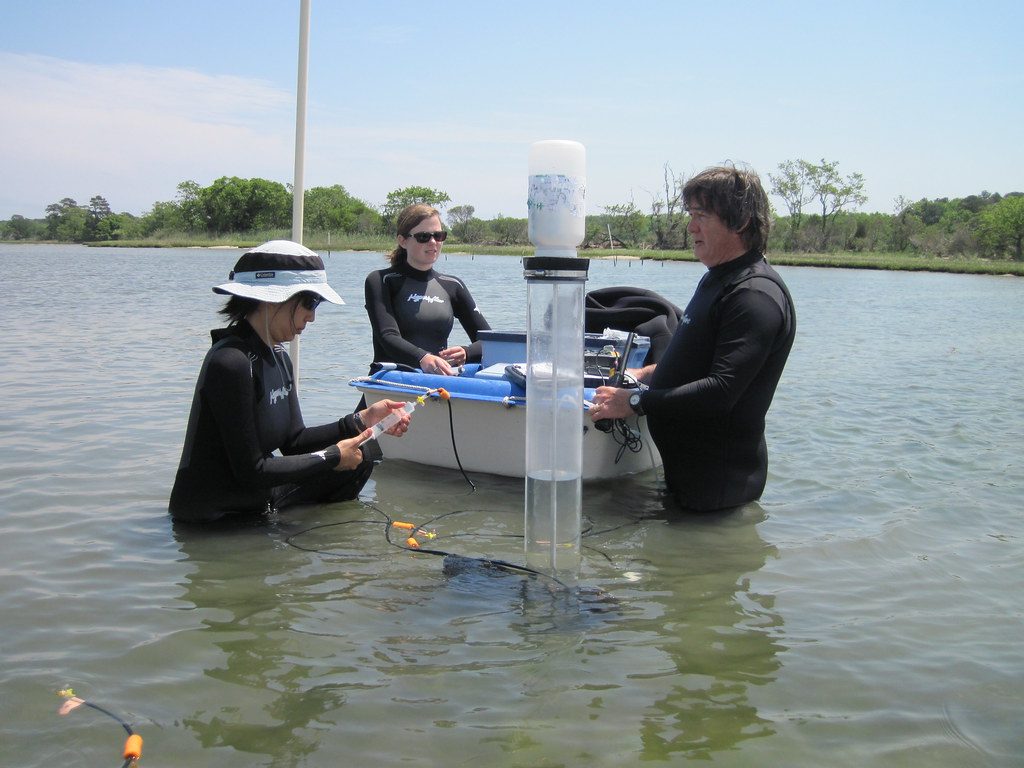
    Marine Scientist Jennifer Stanhope, VASG Graduate Research Fellow Annie Murphy, and Mark Luckenbach take water samples from the cores over the course of the day to measure the nutrient concentrations in the water. ©Margaret Pizer/VASG” by Virginia Sea Grant is licensed under CC BY-ND 2.0
    Every new fossil helps scientists better understand T. rex anatomy. Bones reveal muscle attachment points, joint movement, and growth patterns that cannot be seen from the outside. These details allow researchers to test ideas instead of relying only on guesses.

    Modern technology has also improved dinosaur research. Three-dimensional scans, computer models, and comparisons with living animals help scientists study how the arms may have moved and how the entire body worked together during daily life.

    The mystery is not fully solved

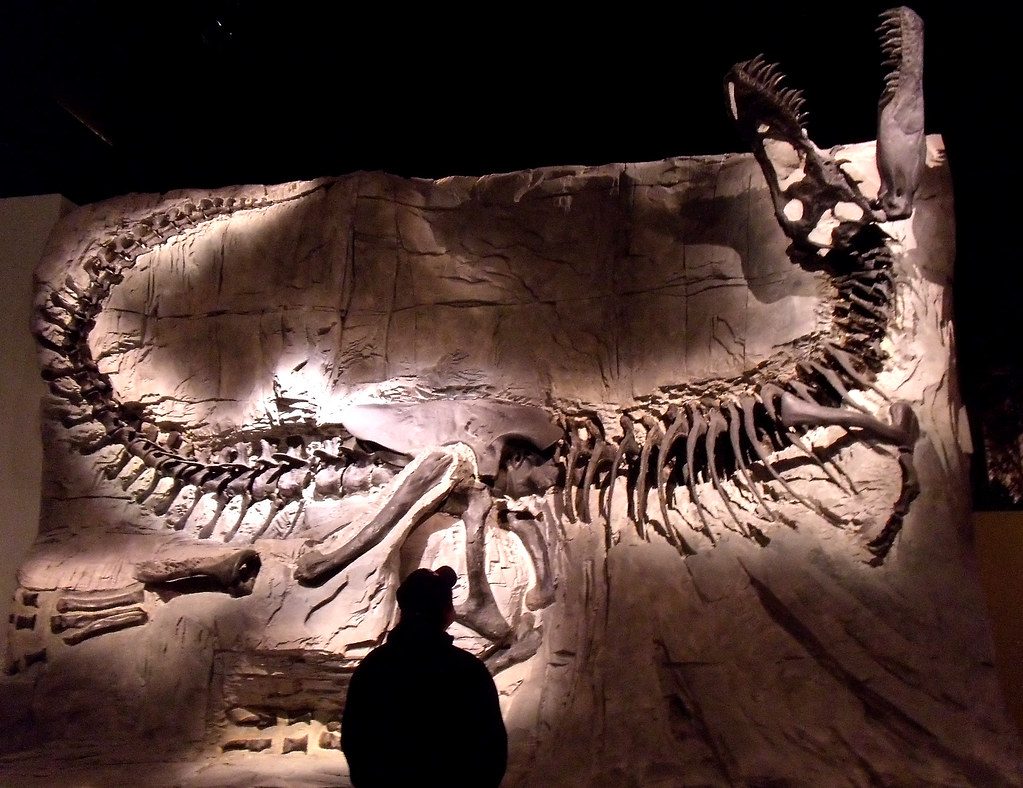
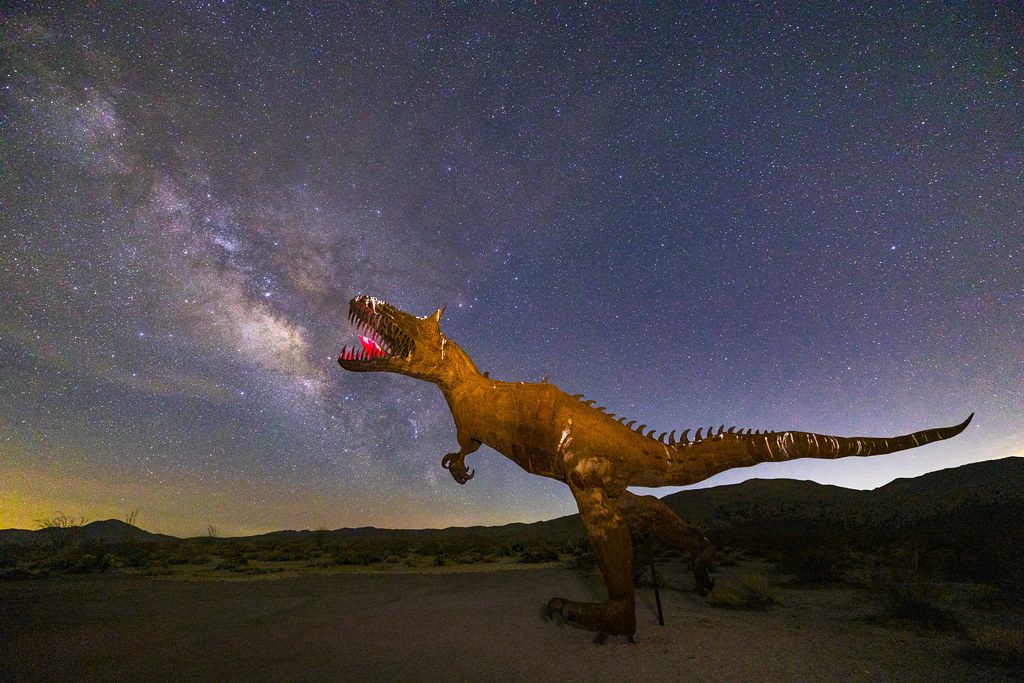
    🐱‍🐉 T-Rex Eating the Milky Way 🌌” by slworking2 is licensed under CC BY-NC-SA 2.0
    Today, scientists agree on several important facts. T. rex had short but powerful arms, depended mostly on its head and jaws for hunting, and evolved this body shape over millions of years. These findings are supported by fossil evidence and studies of many related dinosaurs.

    The exact purpose of the arms, however, remains uncertain. Several ideas are scientifically reasonable, but none has been proven beyond doubt. As new fossils are discovered and new research methods improve, scientists may one day solve this famous dinosaur mystery.

    Featured Image: Photo by Jonathan Cooper on Pexels

  • Watch the incredible moment a stranded dolphin swims free again

    Watch the incredible moment a stranded dolphin swims free again

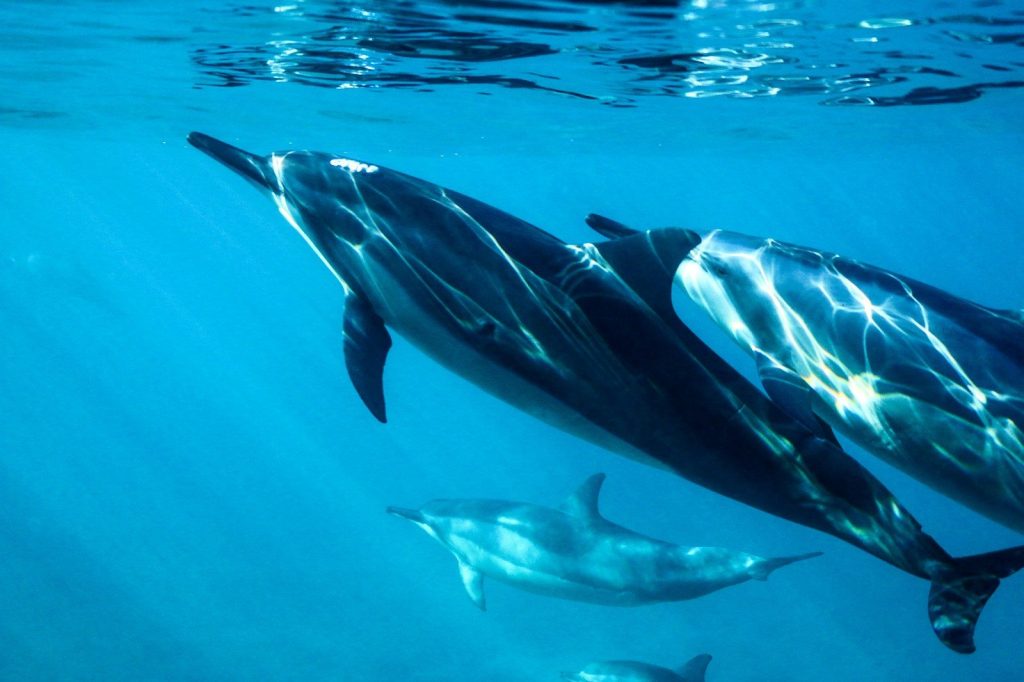
    A young dolphin stranded on a beach faced a life-threatening situation as the hot sun and shallow water left it exhausted and unable to return to the ocean on its own. Every passing minute increased the risk of dehydration, overheating, and stress.

    Fortunately, a nearby kayaker spotted the struggling marine mammal and quickly stepped in to help. The rescue became a powerful reminder of how rapid human action can sometimes make the difference between life and death for stranded wildlife.

    Why dolphins become stranded

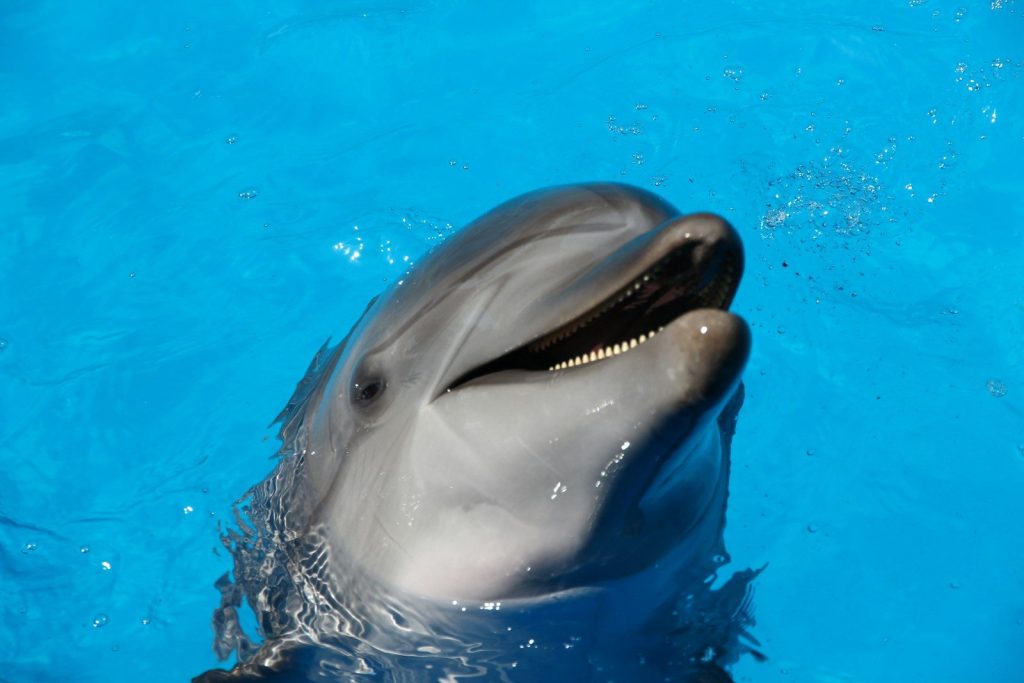
    dolphin
    Photo by Ádám Berkecz on Unsplash

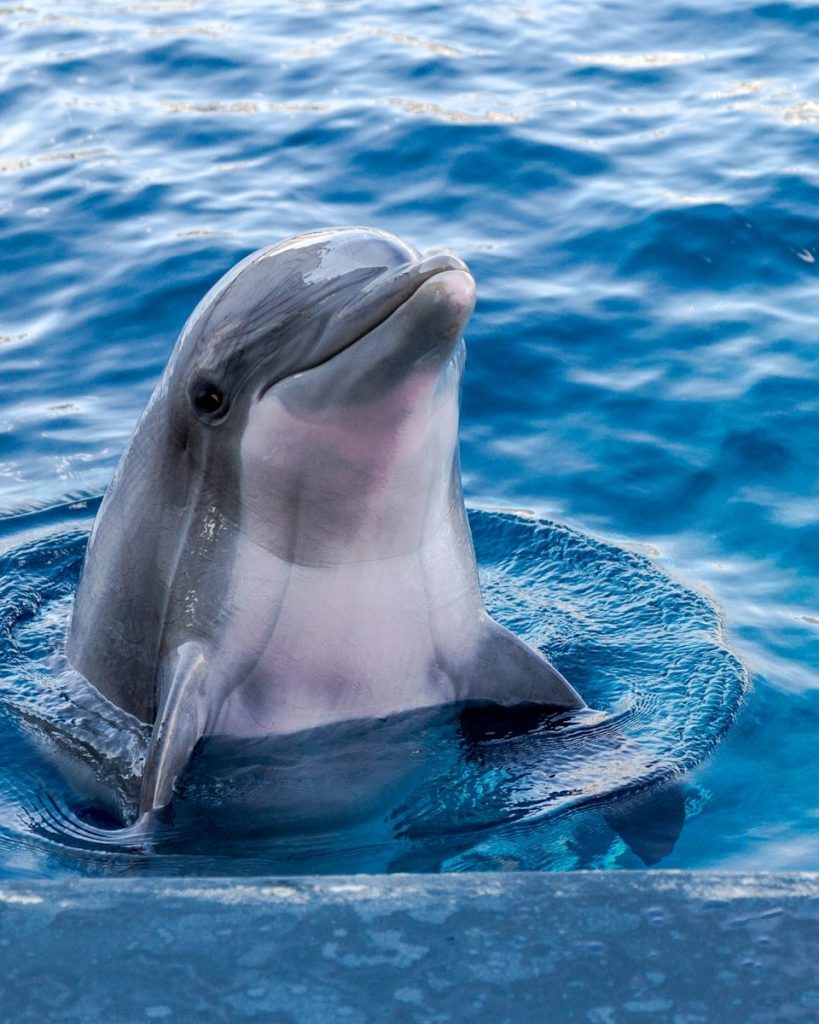
    Dolphins can become stranded for many reasons. Illness, injury, tidal changes, rough surf, or accidental navigation into shallow water may prevent them from reaching deeper ocean areas. Young animals are especially vulnerable because they have less experience and fewer energy reserves than adults.

    Marine mammal rescue organizations carefully assess each stranded dolphin to determine whether it can safely be returned to the wild or requires medical treatment first.

    A rescue before time ran out

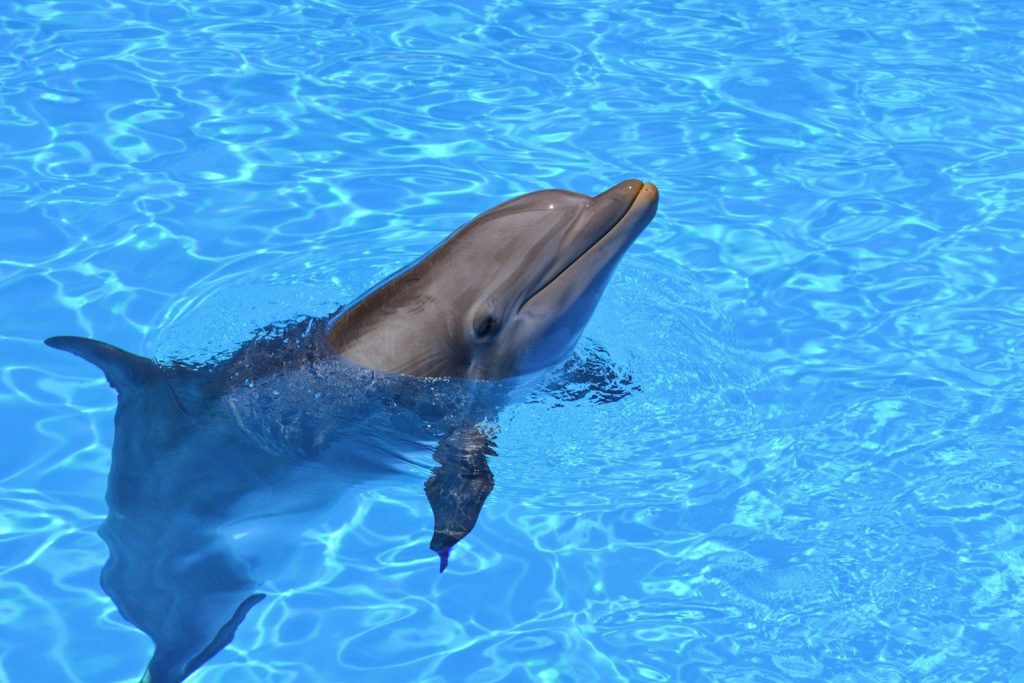
    2 dolphins in the water
    Photo by Jonas Von Werne on Unsplash

    After spotting the stranded dolphin, the rescuer carefully approached and supported the animal while moving it toward deeper water. Minimizing stress and keeping the dolphin’s body properly supported are important during any rescue because marine mammals can be injured if handled incorrectly.

    Quick reporting and immediate action are often critical, especially when dolphins are exposed to heat for extended periods.

    Returning safely to the sea

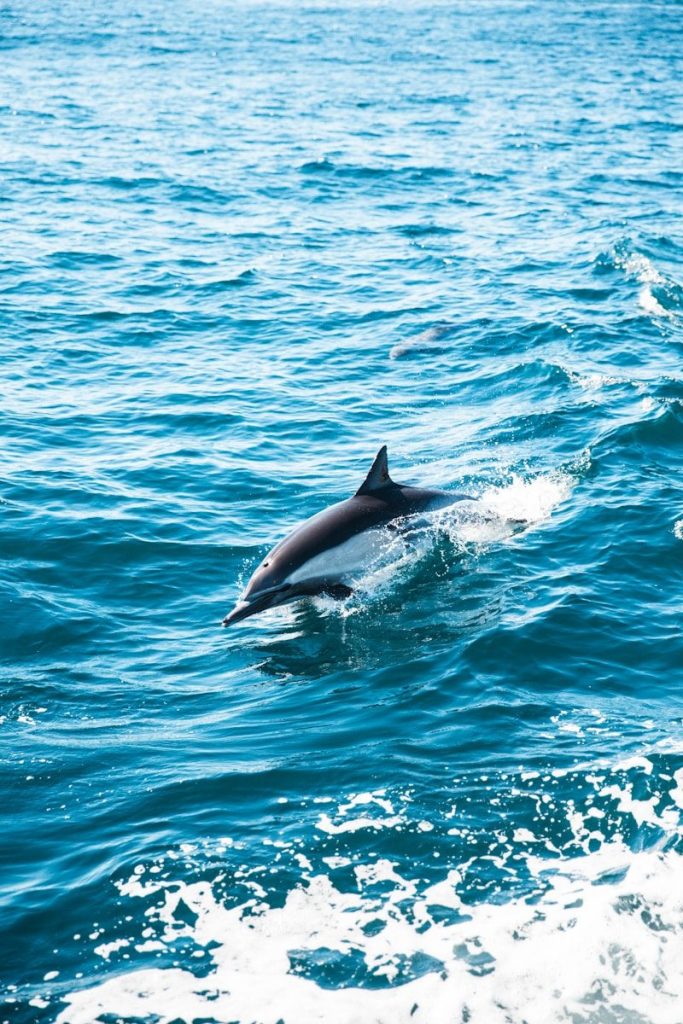
    dolphin in body of water
    Photo by NOAA on Unsplash

    Once the dolphin reached deeper water, it was able to regain buoyancy and begin swimming under its own power. In many successful rescues, rescuers continue watching the animal to ensure it does not immediately return to shore.

    If a dolphin repeatedly restrains itself, wildlife professionals may transport it for rehabilitation before considering release.

    Why professional rescues matter

    dolphin on water during daytime
    Photo by Fabrizio Frigeni on Unsplash

    Although well-intentioned people often want to help stranded dolphins, wildlife experts recommend contacting trained rescue organizations whenever possible. Dolphins require specialized handling, and improper rescue attempts can accidentally worsen injuries or place both the animal and rescuers at risk.

    Professional teams evaluate the dolphin’s condition before deciding on the safest course of action.

    Every rescue highlights ocean conservation

    dolphin with head sticking out of water during daytime
    Photo by Damian Patkowski on Unsplash

    Each stranded dolphin also draws attention to broader challenges facing marine mammals, including pollution, fishing gear entanglement, habitat degradation, and changing ocean conditions. Rescue efforts save individual animals, but long-term conservation depends on protecting the marine environments where dolphins live.

    Stories like this inspire greater public awareness while demonstrating the importance of rapid wildlife response when emergencies occur.

    Lessons from one successful rescue

    gray dolphin
    Photo by Nick Reynolds on Unsplash

    Every stranded dolphin rescue demonstrates both the resilience of marine mammals and the importance of a fast, well-coordinated response. While some dolphins can be safely returned to the ocean, others require medical care because strandings are often linked to illness, injury, or environmental conditions.

    Marine experts emphasize that the safest response is to alert trained wildlife organizations rather than attempting a rescue alone. Each successful rescue also reminds us that healthier oceans, cleaner coastlines, and public awareness can reduce the number of marine mammals needing emergency assistance in the future.

  • The marsupial lion that evolved from peaceful ancestors into a fearsome hunter

    The marsupial lion that evolved from peaceful ancestors into a fearsome hunter

    Long before humans reached Australia, one of the continent’s most remarkable predators ruled its forests and woodlands. Known as Thylacoleo carnifex, or the marsupial lion, this powerful hunter combined immense strength with specialized teeth and claws unlike those of any modern mammal.

    Although its name suggests a close relationship with lions, it belonged to an entirely different branch of the mammal family tree. Its unusual anatomy and hunting style continue to fascinate scientists studying Australia’s prehistoric megafauna.

    The largest mammalian predator in Australia

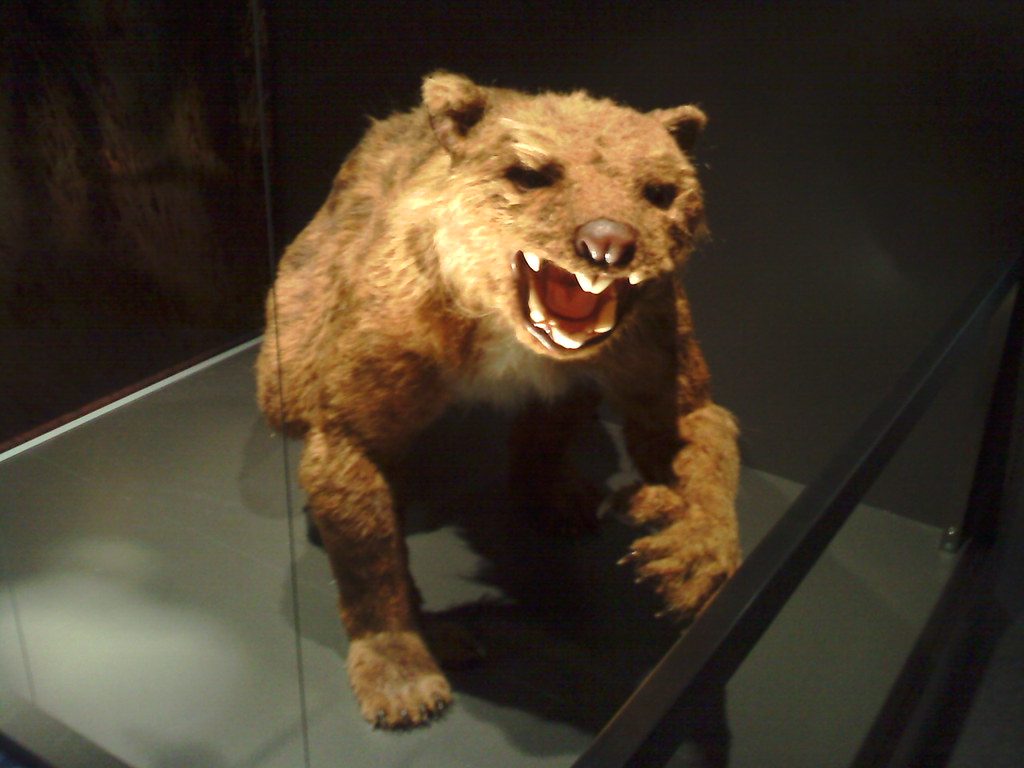
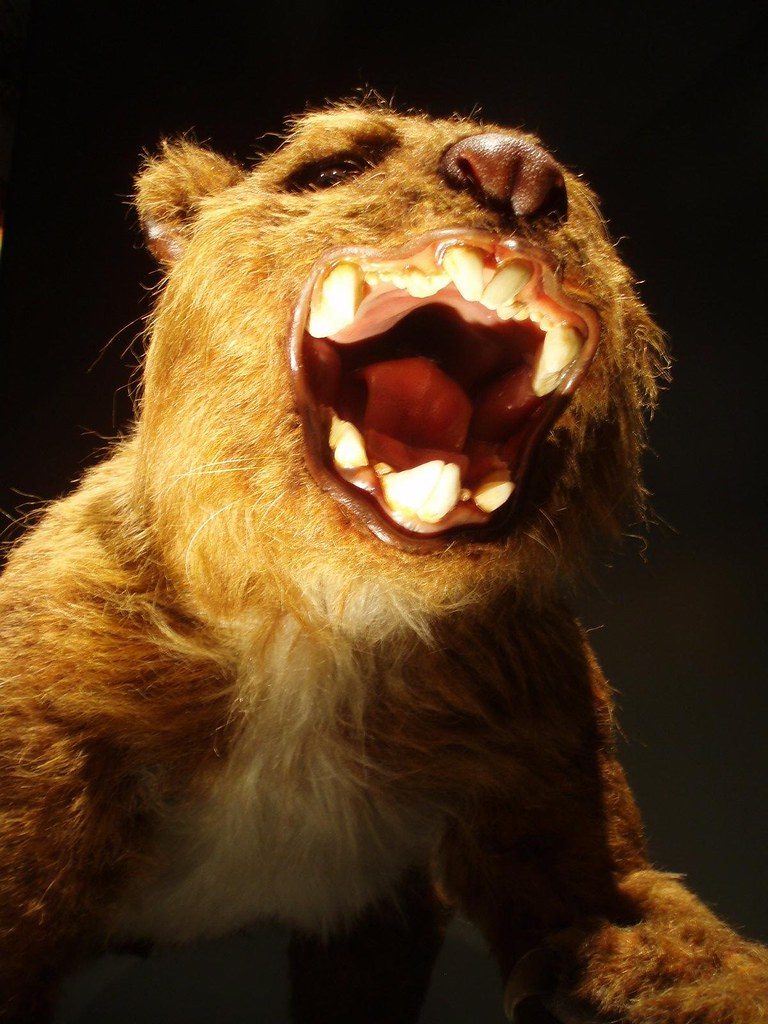
    Marsupial Lion?” by Hestia is licensed under CC BY-NC-ND 2.0
    Thylacoleo carnifex lived during the Pleistocene and is recognized as the largest known mammalian carnivore from Australia. It measured about 1.5 meters long, stood roughly 75 centimeters at the shoulder, and weighed well over 100 kilograms.

    Despite its relatively compact size compared with some modern big cats, its muscular build and extraordinary bite made it one of the continent’s most formidable predators.

    It hunted with teeth unlike any other predator

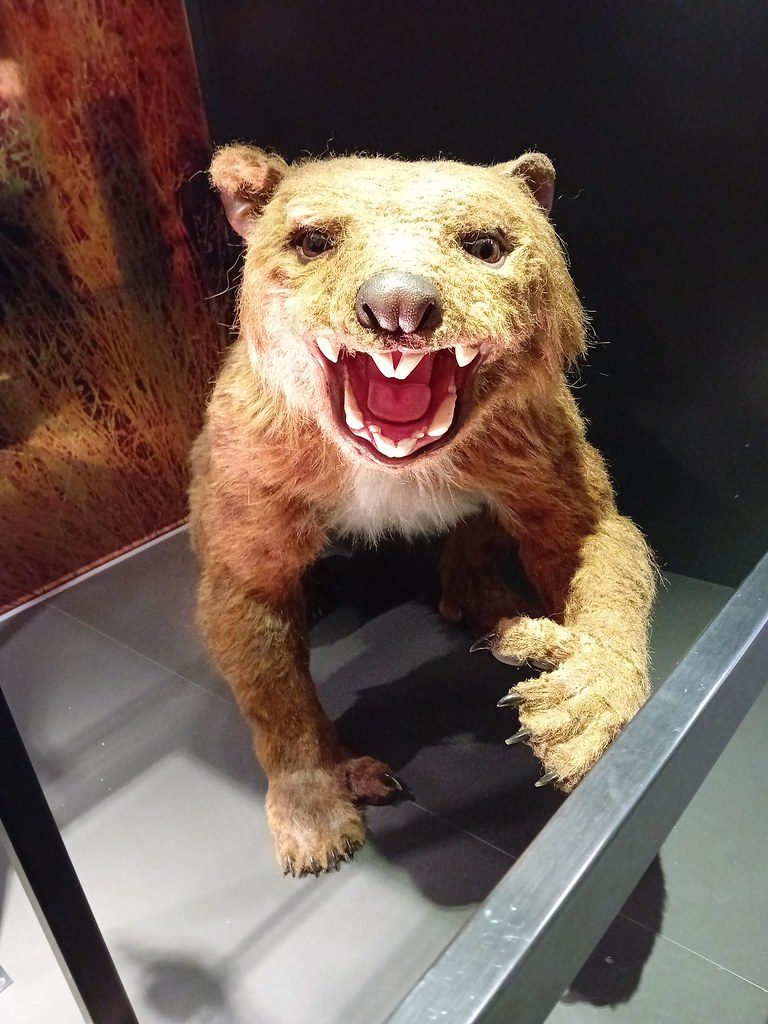
    Marsupial Lion” by hugh llewelyn is licensed under CC BY-SA 2.0

    Unlike lions, tigers, or wolves, the marsupial lion did not rely on oversized canine teeth. Instead, it possessed enormous blade-like premolars that functioned like powerful shears, slicing through flesh with remarkable efficiency.

    Large forward-facing incisors acted as stabbing teeth, while reduced canine teeth reflected its unique evolutionary history. Studies suggest it had one of the strongest bites relative to body size among all known mammalian predators.

    Powerful claws made it an ambush hunter

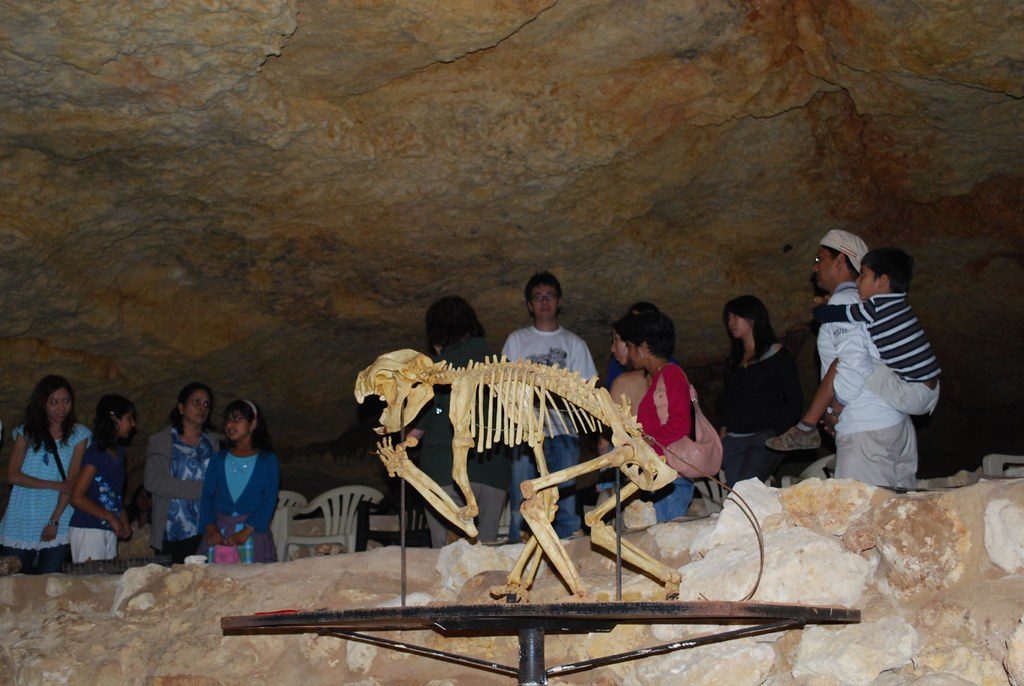
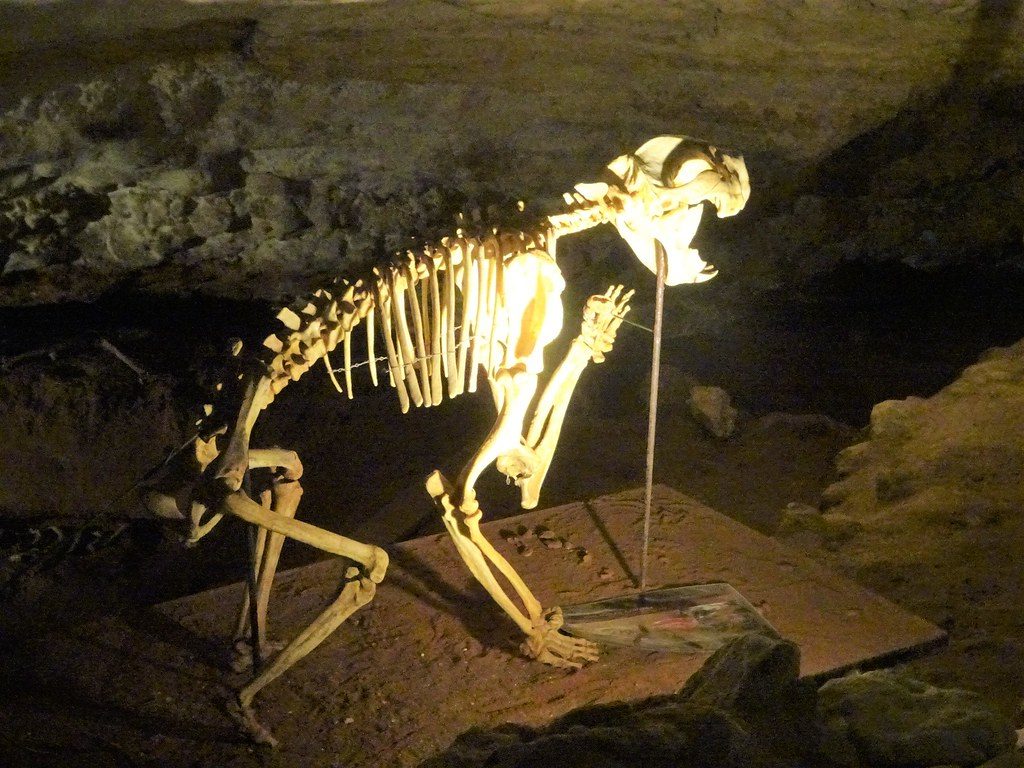
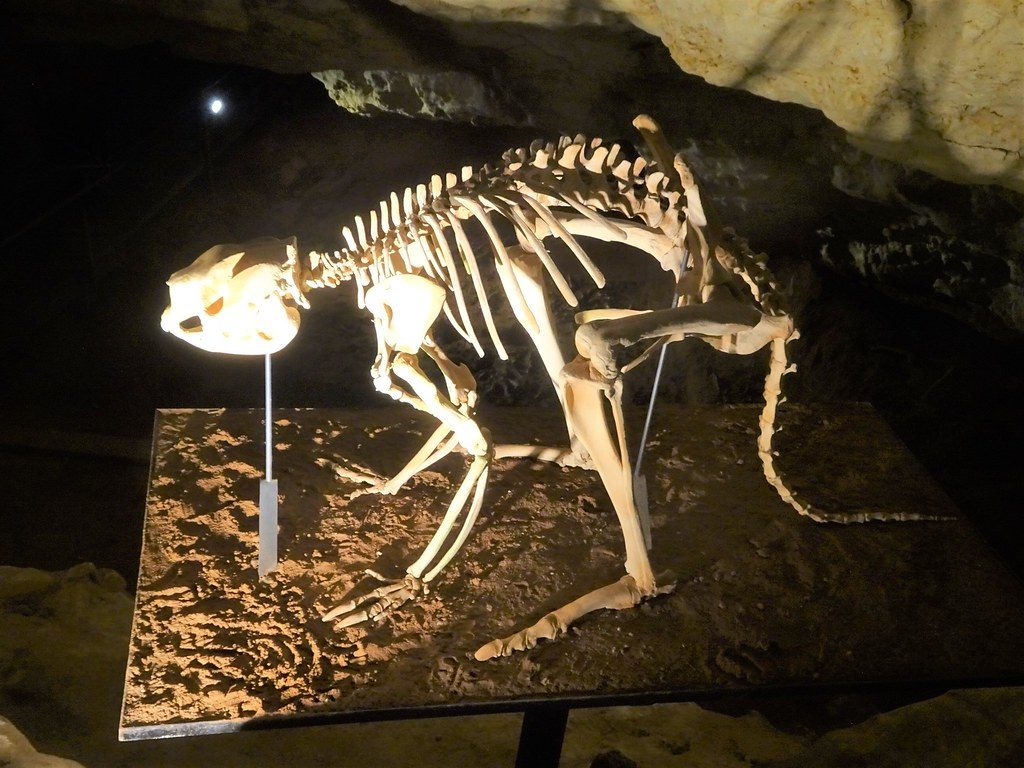
    Naracoorte. Reconstructed skeleton from fossil bones of an ancient kangaroo. In the Victoria fossil cave at Naracoorte.” by denisbin is licensed under CC BY-ND 2.0

    The marsupial lion’s forelimbs were exceptionally strong and ended in large, retractable thumb claws capable of gripping struggling prey. Fossil evidence also indicates that it could climb trees and may have launched surprise attacks from elevated positions.

    Its body was not built for long-distance pursuit. Instead, scientists believe it relied on stealth, strength, and sudden bursts of power to overpower large animals.

    Its ancestors were peaceful plant eaters

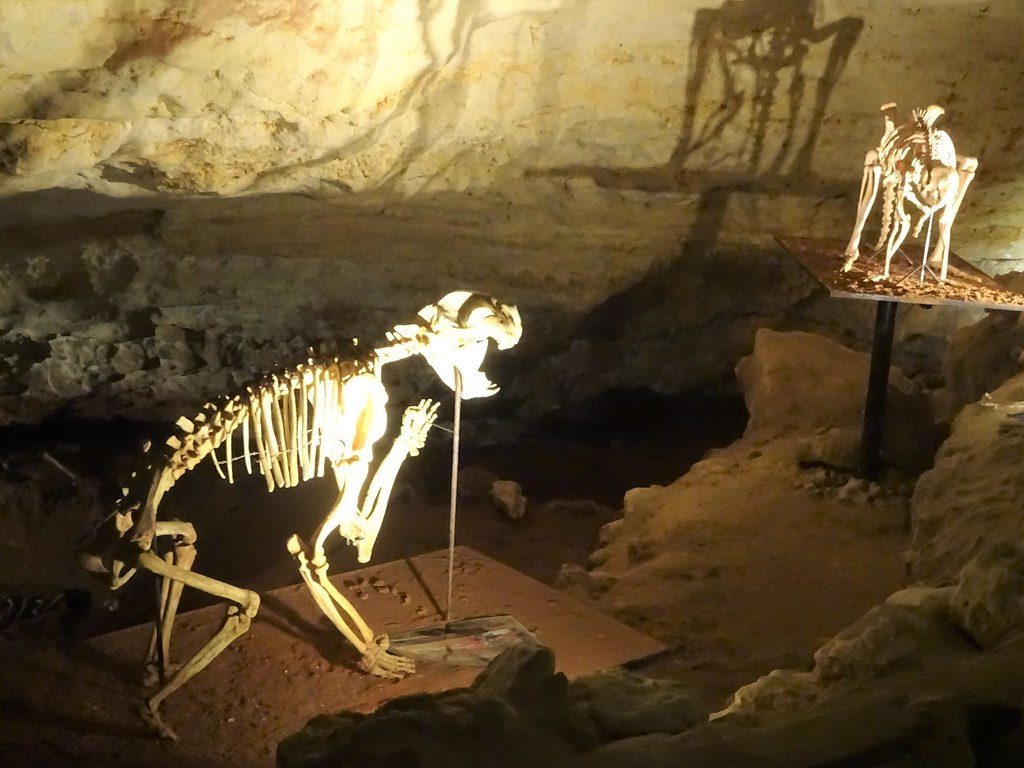
    Naracoorte. In the world heritage listed Victoria fossil cave. An ancient kangaroo species on the left and a prehistoric Australian lion on the right. The lion was Thylacoleo carnifex” by denisbin is licensed under CC BY-ND 2.0

    One of the most surprising discoveries about Thylacoleo is its ancestry. Unlike modern carnivores, which generally evolved from meat-eating ancestors, the marsupial lion belonged to the order Diprotodontia, whose living members include koalas, wombats, and possums.

    Researchers believe its herbivorous ancestors gradually evolved specialized teeth and hunting adaptations that transformed them into highly efficient predators.

    A predator that disappeared with Australia’s megafauna

    Naracoorte. In the World Heritage UNESCO listed Victoria Fossil Cave.A reconstructed megafauna kangaroo.” by denisbin is licensed under CC BY-ND 2.0

    The marsupial lion survived until roughly 40,000 years ago, when much of Australia’s megafauna disappeared. Scientists continue to debate the exact causes, with climate change, human activity, or a combination of both considered the leading explanations.

    Although extinct, Thylacoleo remains one of the best-known examples of Australia’s unique evolutionary history and demonstrates how isolated ecosystems can produce predators unlike anything found elsewhere.

    A remarkable chapter in Australia’s natural history

    Thylocoleo” by Kaptain Kobold is licensed under CC BY-NC-SA 2.0

    The marsupial lion challenges many assumptions about evolution. A powerful carnivore descended from herbivorous ancestors, it developed specialized slicing teeth, enormous claws, and ambush hunting abilities that made it one of the most distinctive predators ever to walk the Earth.

    Its fossils continue to provide valuable clues about prehistoric ecosystems and the extraordinary diversity that once existed across Australia.

  • The emotional rescue of a stranded seal that touched millions online

    The emotional rescue of a stranded seal that touched millions online

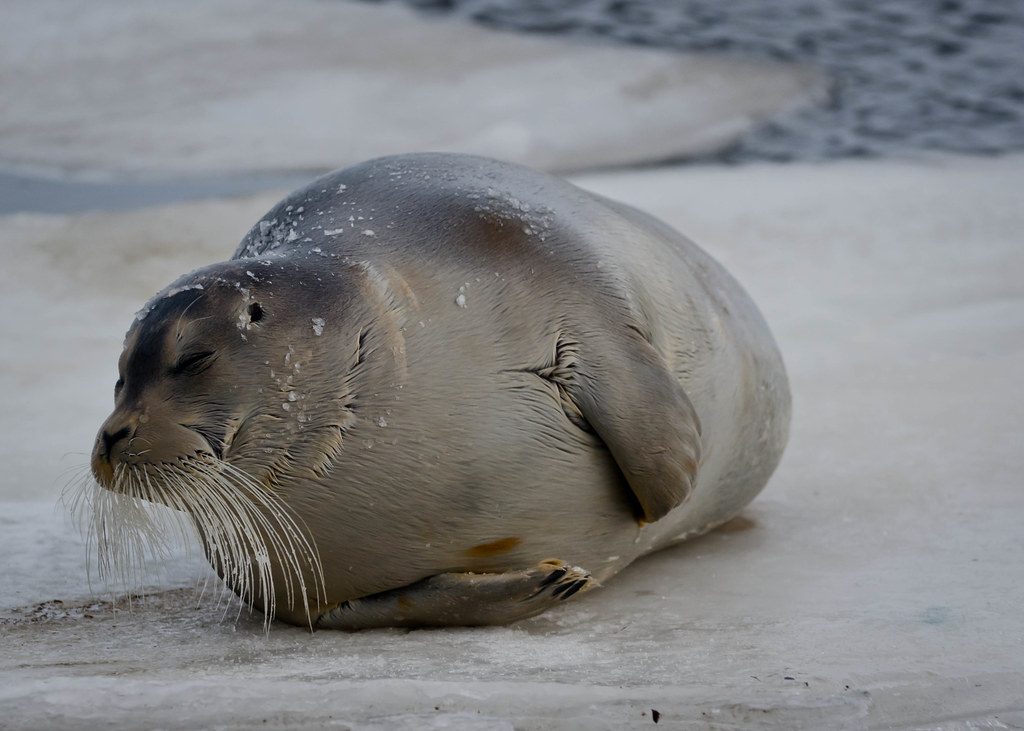
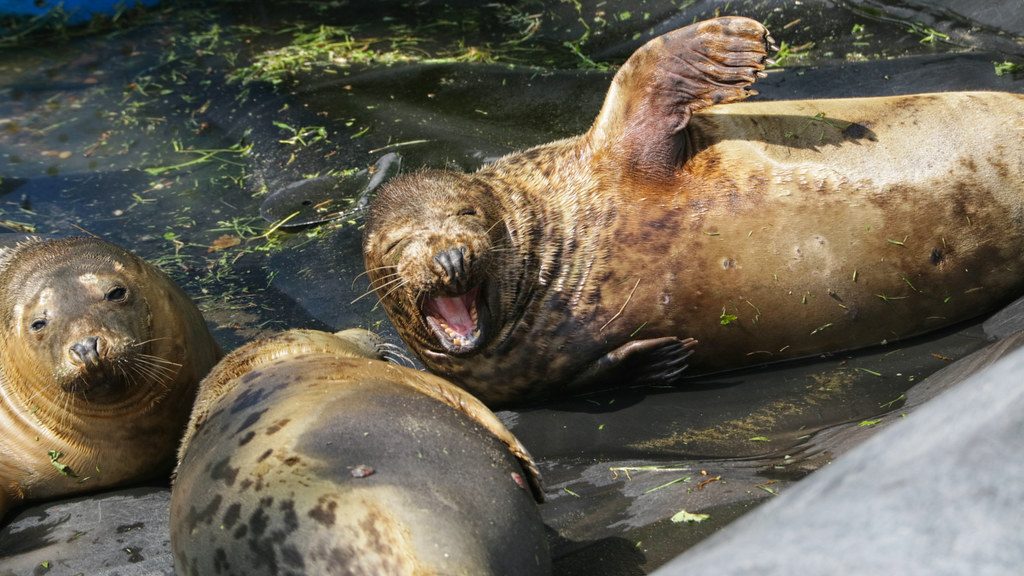
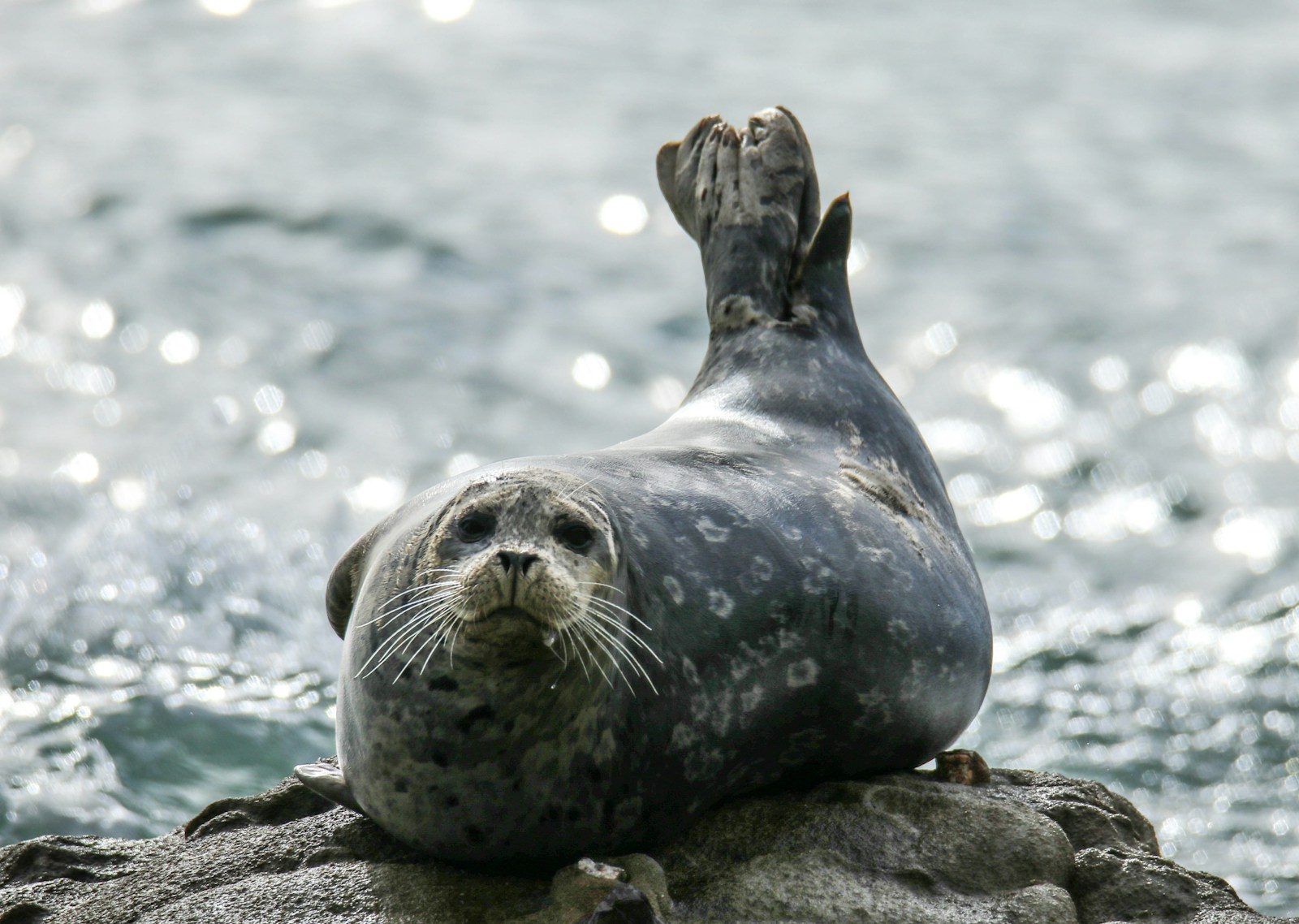
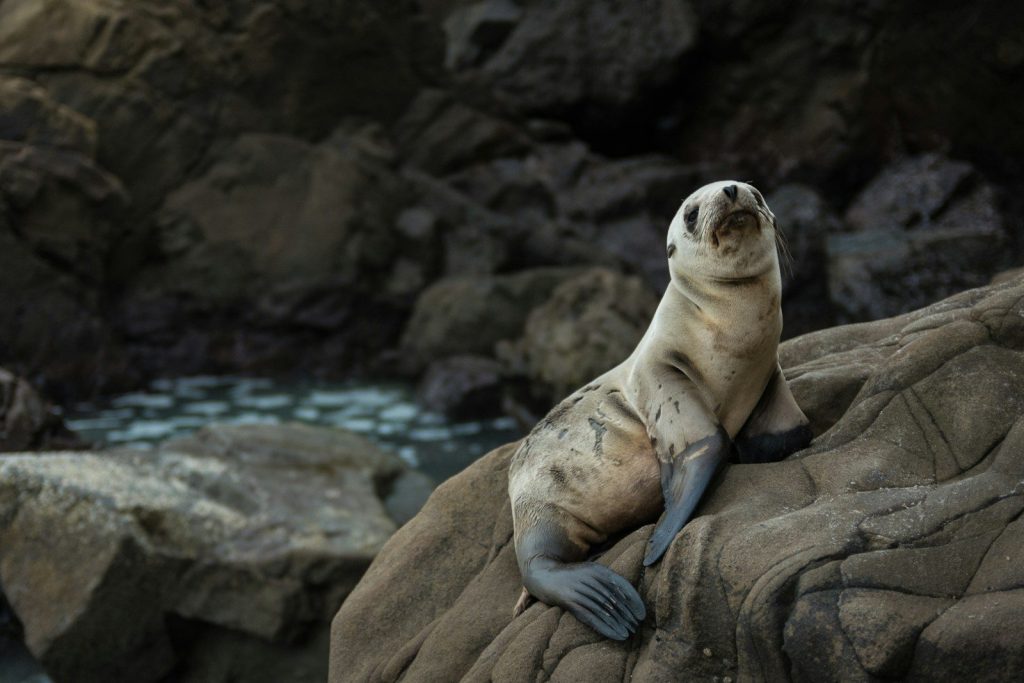
    A young seal stranded beyond a maze of slippery rocks faced a dangerous situation as waves crashed against the shoreline. Unable to reach the water safely, the exhausted animal remained trapped while trained rescuers carefully planned a route across the unstable terrain.

    Every step carried risks for both the seal and the rescue team, but their determination ultimately gave the marine mammal another opportunity to return to the ocean.

    A dangerous place to become stranded

    Seal Rescue Ireland” by chripell is licensed under CC BY-SA 2.0

    Rocky coastlines can become hazardous for seals, especially young animals that become trapped between large boulders or isolated from the sea by changing tides. Sharp rocks, rising waves, and narrow gaps make rescue operations difficult even for experienced wildlife teams.

    Rescuers must carefully assess the animal’s condition before attempting any intervention, balancing the seal’s welfare with the safety of everyone involved.

    Why rescuing wild seals is challenging

    Christmas Seal” by Images by Ophelia is licensed under CC BY-NC-ND 2.0

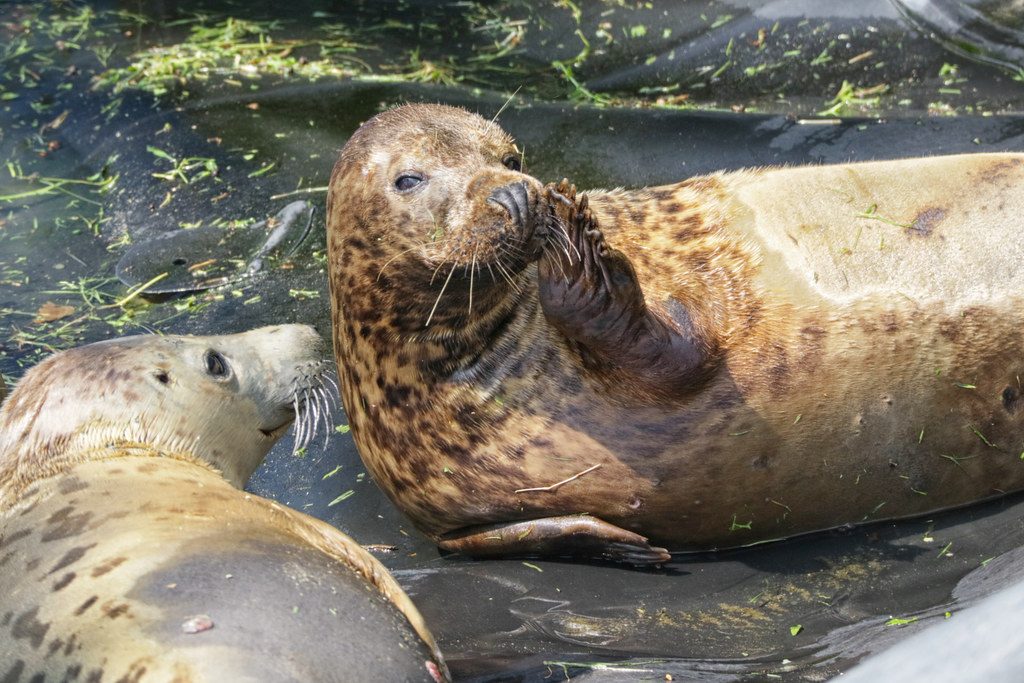
    Wild seals naturally fear humans and often respond by vocalizing, biting, or struggling when approached. Even weakened animals can move surprisingly quickly or become defensive if they feel threatened.

    For this reason, trained responders use specialized equipment and handling techniques that reduce stress while protecting both the animal and the rescue team.

    Reaching the stranded animal

    Seal Rescue Ireland” by chripell is licensed under CC BY-SA 2.0

    Carefully navigating the rocks, rescuers approached the seal only when conditions were safe enough to do so. Working together, they gently secured the animal before lifting it away from the dangerous shoreline.

    Each rescue is unique, and success often depends on weather, tides, and the seal’s location among the rocks.

    A second chance in the ocean

    Baby Seal Rescue” by Astrid van Wesenbeeck photography is licensed under CC BY-NC-ND 2.0

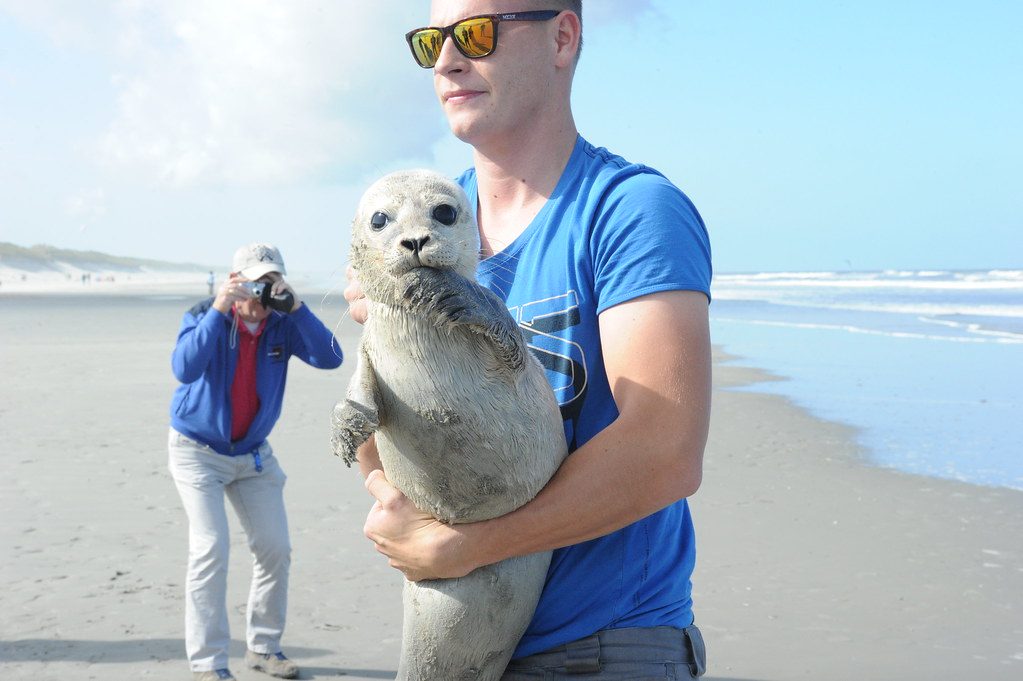
    After ensuring the seal was free from immediate danger and checking for visible injuries, rescuers released it back into suitable coastal waters. Once back in the sea, the animal was able to swim away and continue its life in the wild.

    Whenever possible, wildlife organizations aim to return healthy seals to their natural habitat as quickly as conditions allow.

    Why seal rescues matter

    gray seal in water at daytime
    Photo by Keith Luke on Unsplash

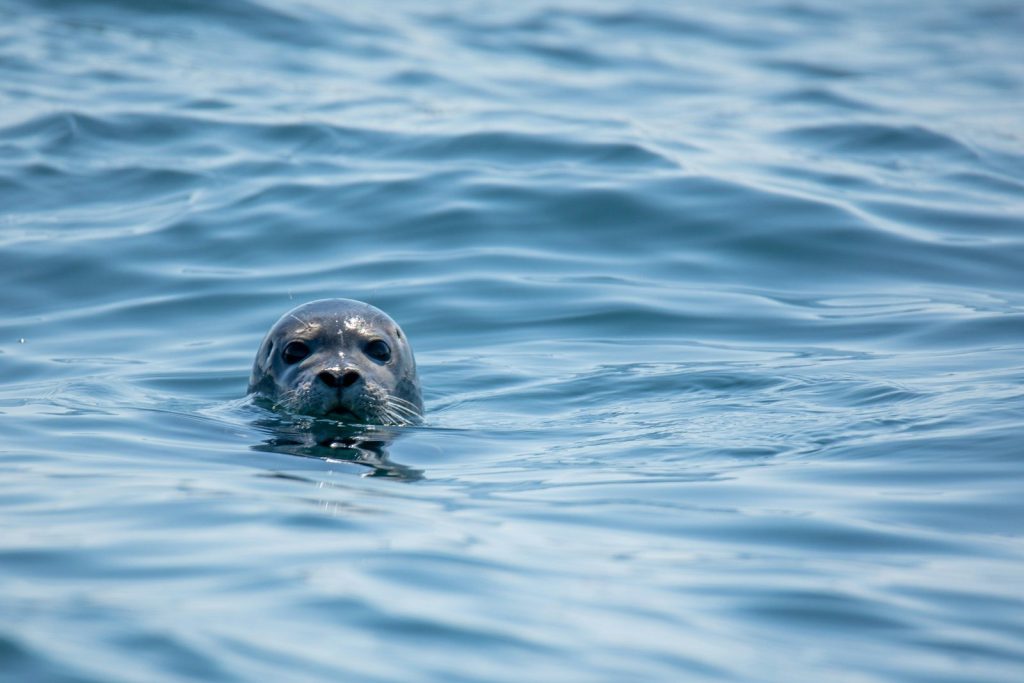
    Although each rescue focuses on one animal, these events also highlight larger conservation challenges. Marine debris, coastal development, pollution, and increasing human activity continue to threaten seal populations in many parts of the world.

    Public awareness and rapid reporting of distressed wildlife allow trained organizations to respond before injuries become fatal.

    Protecting marine wildlife together

    Seal Rescue Ireland” by chripell is licensed under CC BY-SA 2.0

    Every successful seal rescue demonstrates the value of trained responders, careful planning, and community cooperation. While not every stranded seal requires intervention, those facing human-caused hazards or life-threatening situations can sometimes be given a second chance through professional wildlife rescue.

    The story serves as a reminder that protecting healthy oceans also means reducing the risks that marine animals face long before rescue becomes necessary.

  • How whales, dolphins, and orcas evolved to rule the oceans

    How whales, dolphins, and orcas evolved to rule the oceans

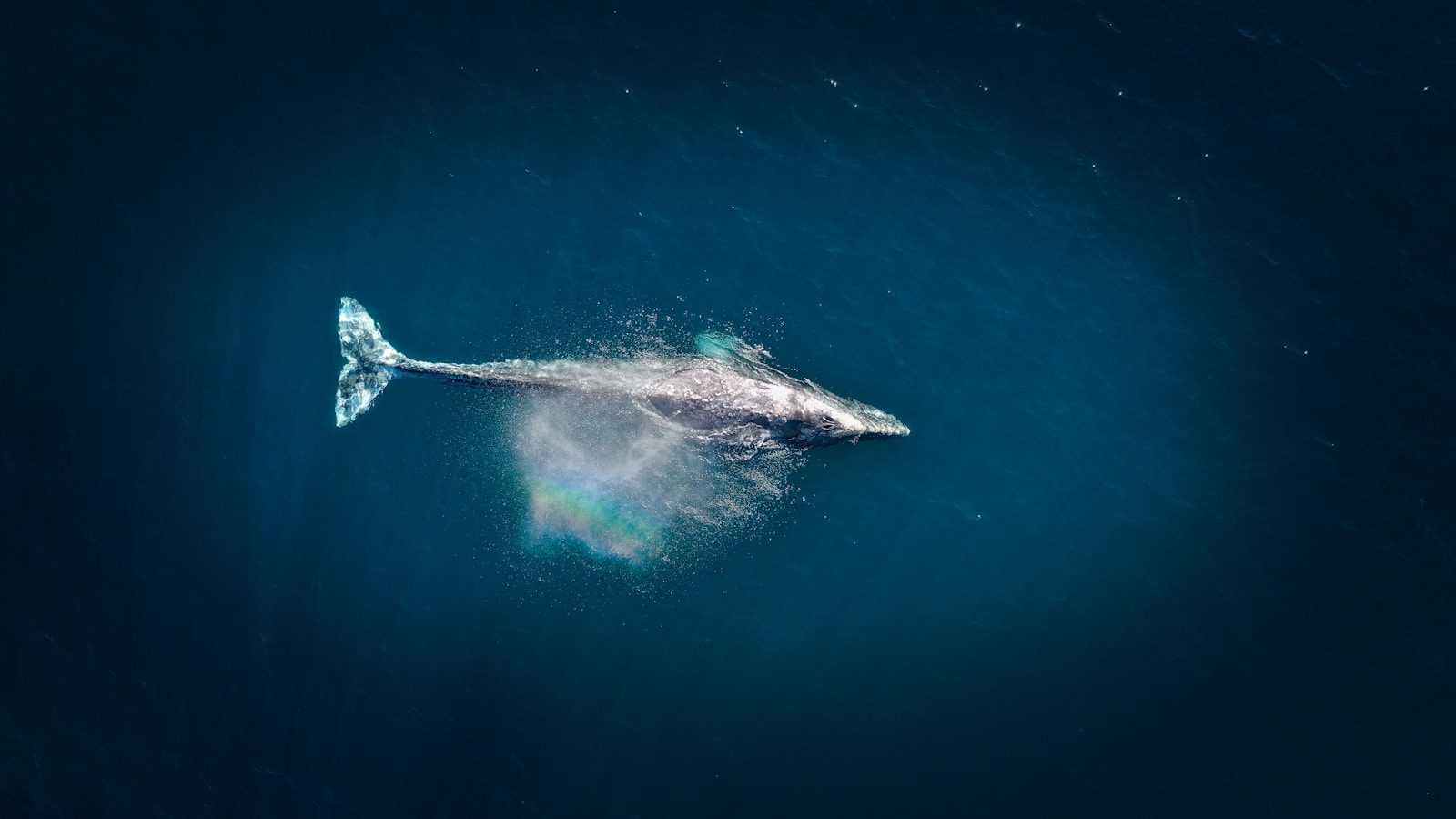
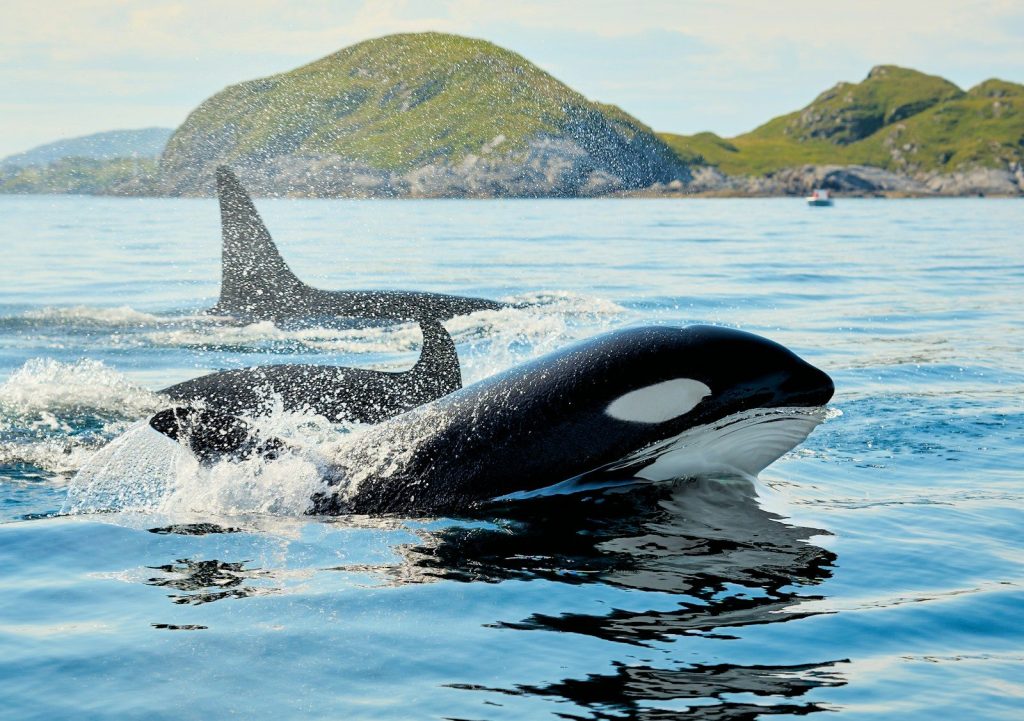
    Killer whales, also known as orcas, are among the most successful predators ever to evolve. Their intelligence, communication skills, and ability to cooperate during hunts have allowed them to thrive in oceans across the globe.

    Although they are often called whales, orcas are actually the largest members of the dolphin family. Their remarkable story began millions of years ago when the ancestors of all whales and dolphins left life on land and gradually adapted to the sea, becoming the highly specialized marine mammals we know today.

    Cetaceans began life on land

    black and white dolphin in water
    Photo by TJ Fitzsimmons on Unsplash

    Whales, dolphins, and porpoises belong to a group of mammals called cetaceans. Fossil evidence shows their ancestors walked on land about 50 million years ago before gradually adapting to aquatic life.

    Over time, their legs evolved into flippers, tails developed powerful horizontal flukes for swimming, and their nostrils shifted to the top of the head, forming the blowhole used for breathing at the surface.

    Dolphins evolved remarkable intelligence

    school of grey dolphins underwater
    Photo by Rudney Uezu on Unsplash

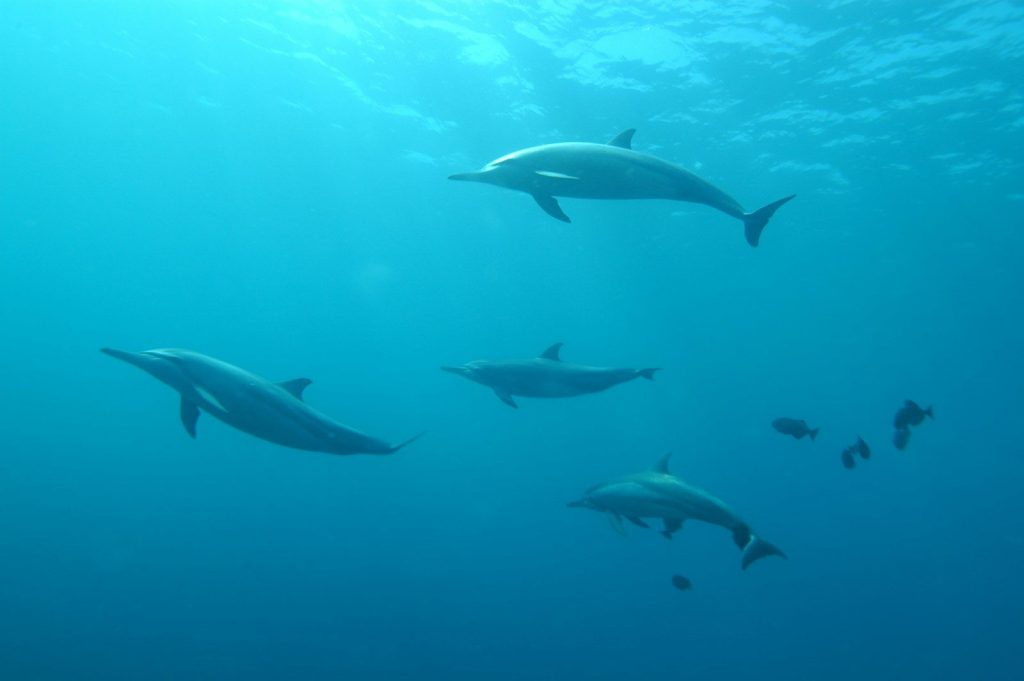
    Among toothed whales, dolphins developed exceptionally large brains and advanced communication abilities. They use whistles, clicks, and body language to coordinate with pod members and rely on echolocation to detect prey even in dark or murky water.

    These abilities allow dolphins to hunt efficiently while maintaining strong social bonds within family groups.

    Orcas mastered cooperative hunting

    A couple of orca's swimming in a body of water
    Photo by Vidar Nordli-Mathisen on Unsplash

    Orcas took social hunting to an extraordinary level. Different populations have developed specialized hunting techniques that are passed from one generation to the next through learning rather than instinct alone.

    Some pods create waves to wash seals from floating ice, while others cooperate to hunt sharks, rays, dolphins, or even large whales. These behaviors demonstrate a level of cultural learning rarely seen outside humans and a few other intelligent animals.

    Apex predators with diverse diets

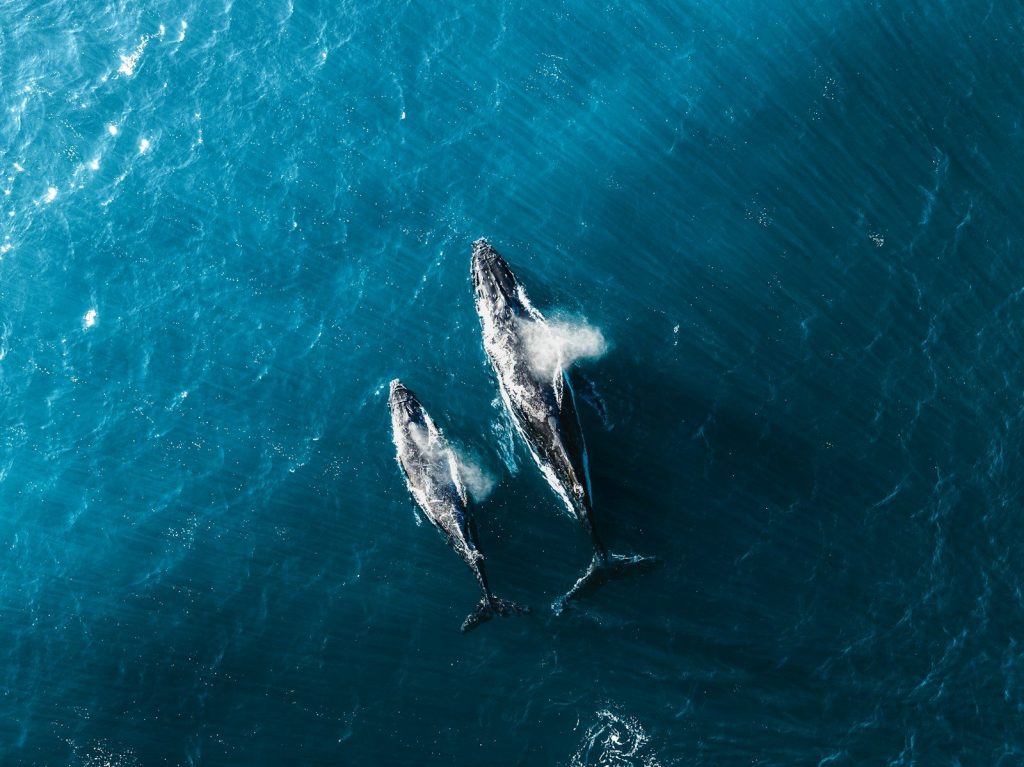
    Two humpback whales swimming in the ocean
    Photo by Jonathan Hsu on Unsplash

    Unlike many predators that specialize in one food source, orcas consume an enormous variety of prey depending on where they live. Different populations focus on fish, squid, seals, sea lions, penguins, sharks, rays, dolphins, and whales.

    Recent scientific studies have even documented pods of orcas cooperatively hunting whale sharks and great white sharks, highlighting their remarkable adaptability.

    Respecting wildlife during encounters

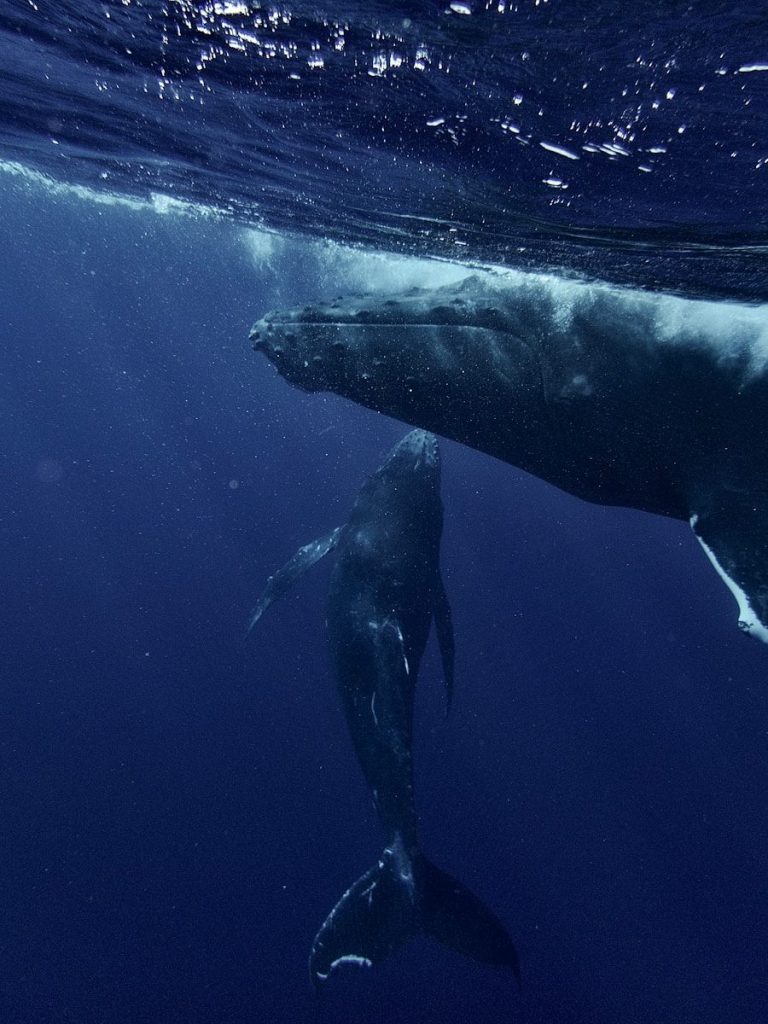
    two humpback whales swimming in the ocean
    Photo by Chinh Le Duc on Unsplash

    Occasionally, divers and boaters experience close encounters with curious orcas. While these interactions are often peaceful, marine experts strongly advise against attempting to touch, feed, or interact physically with any wild marine mammal.

    Giving wildlife space reduces stress on the animals and helps ensure both people and marine mammals remain safe during encounters.

    Evolution created an extraordinary predator

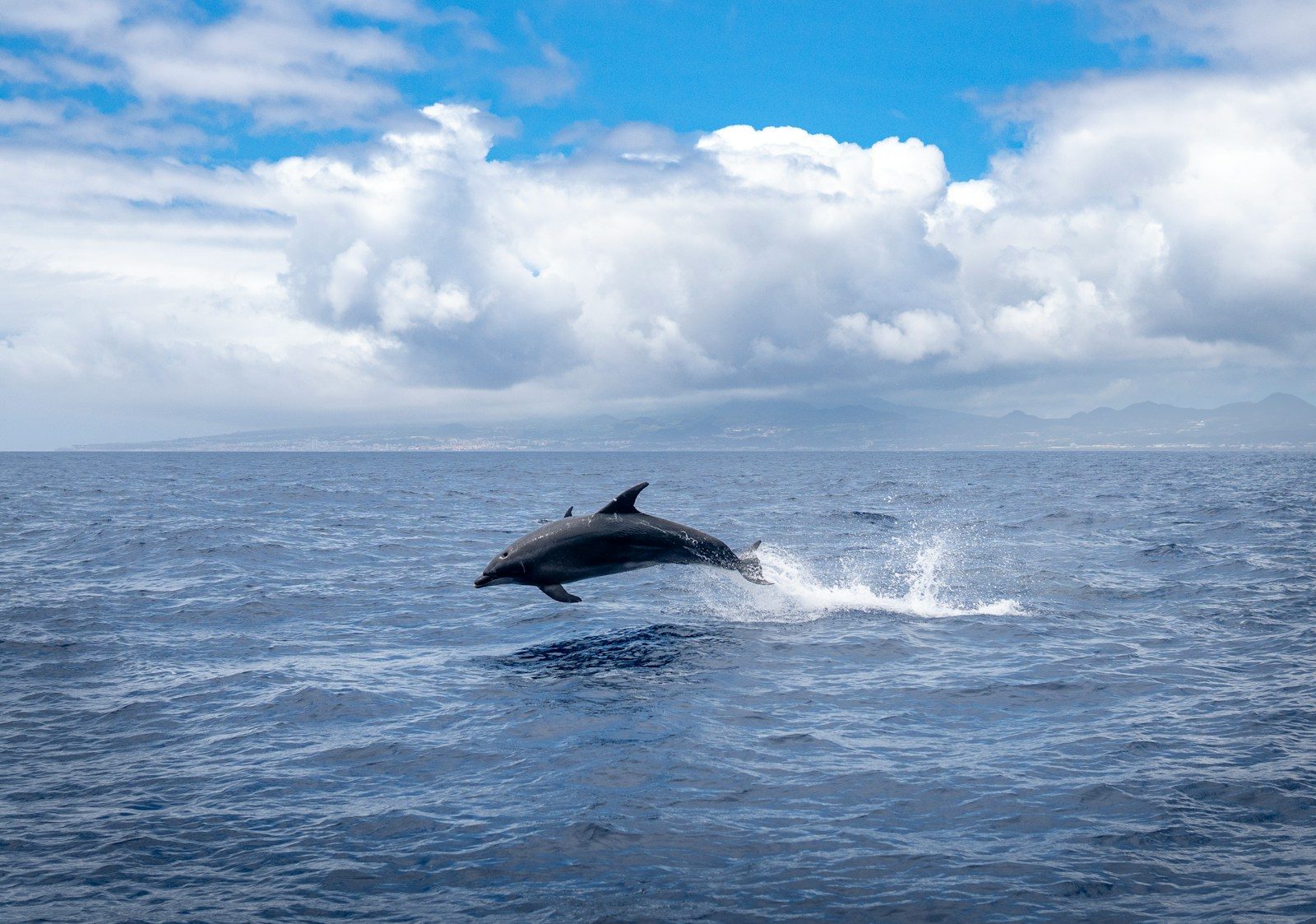
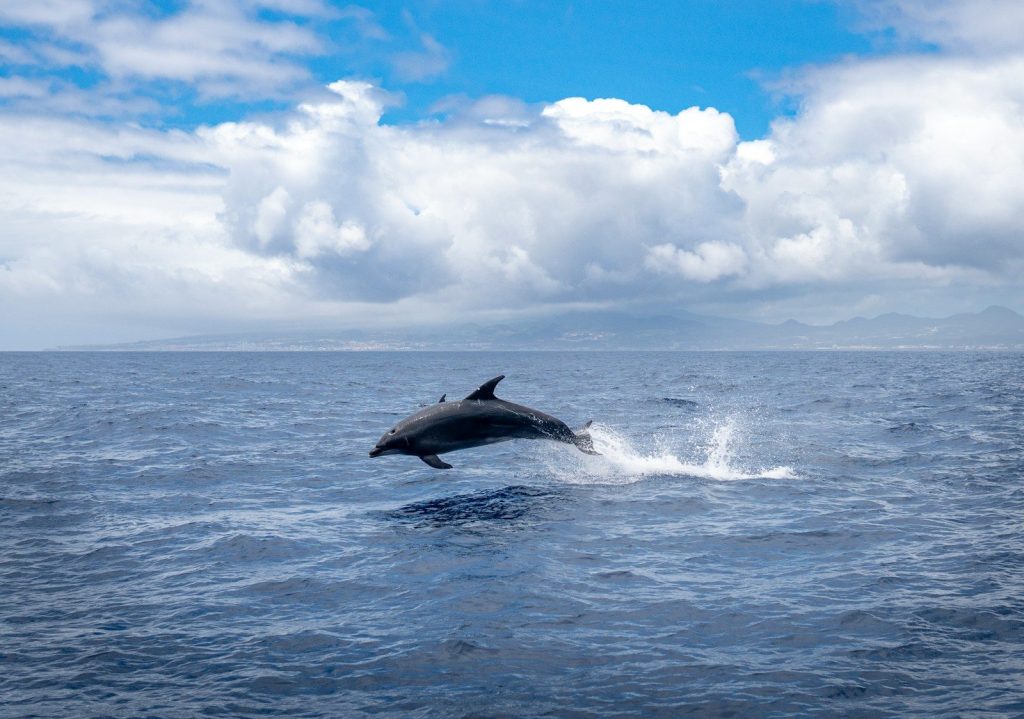
    A dolphin jumping out of the water on a cloudy day
    Photo by SALEM. on Unsplash

    The success of orcas comes from millions of years of evolution combined with intelligence, cooperation, and adaptability. Their ability to solve problems, communicate, and teach hunting techniques has allowed them to occupy the very top of marine food webs around the world.

    Studying these remarkable animals continues to improve scientists’ understanding of animal intelligence, social behavior, and the complex ecosystems that sustain life in the oceans.

  • Watch divers swim beside tiger sharks feeding on a whale carcass

    Watch divers swim beside tiger sharks feeding on a whale carcass

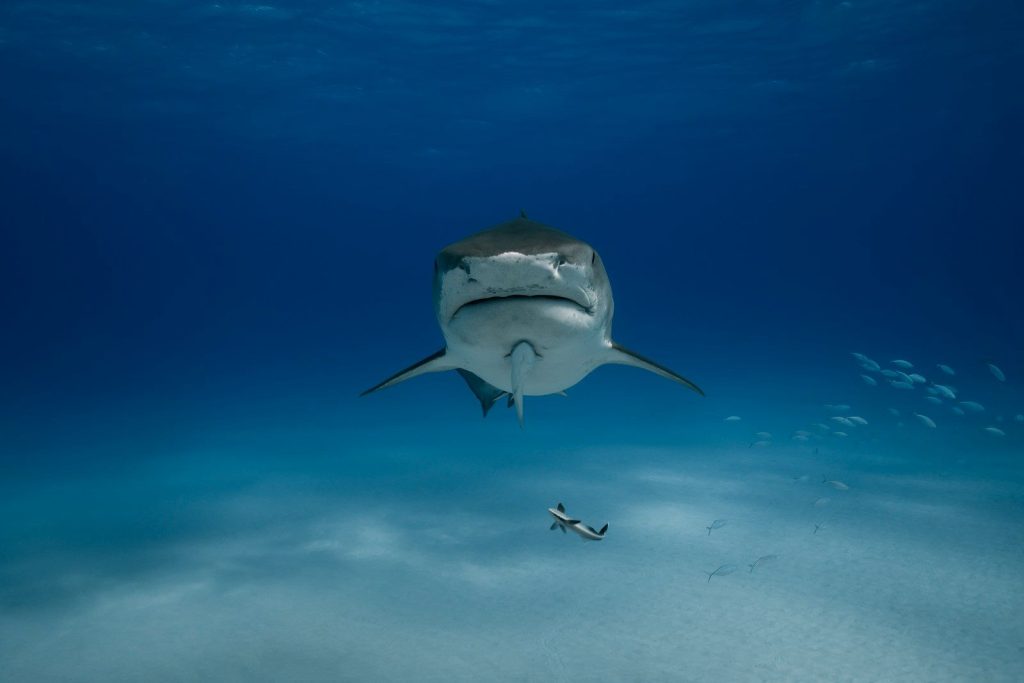
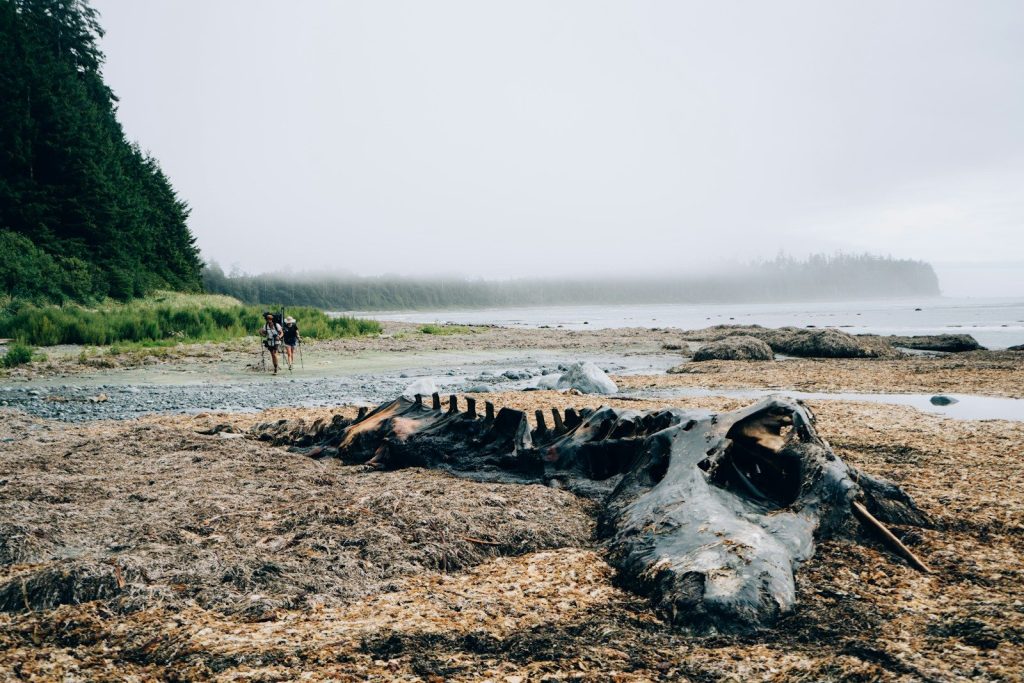
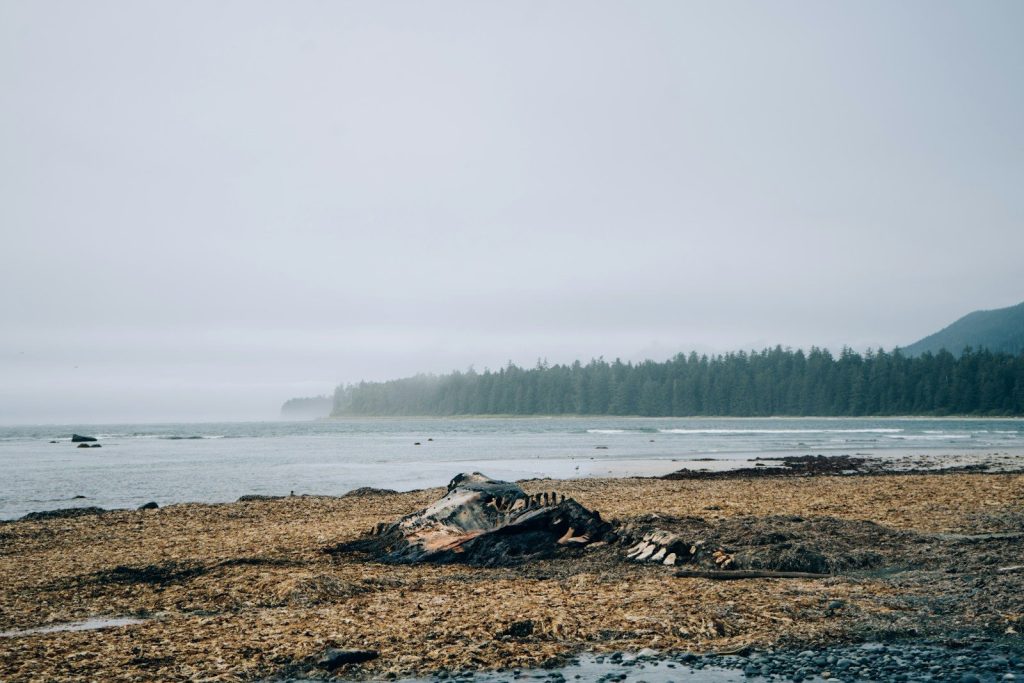
    A floating whale carcass is one of the rarest and most dramatic events in the ocean. As the massive animal begins to decompose, its scent can travel for kilometers, attracting an extraordinary gathering of marine predators and scavengers.

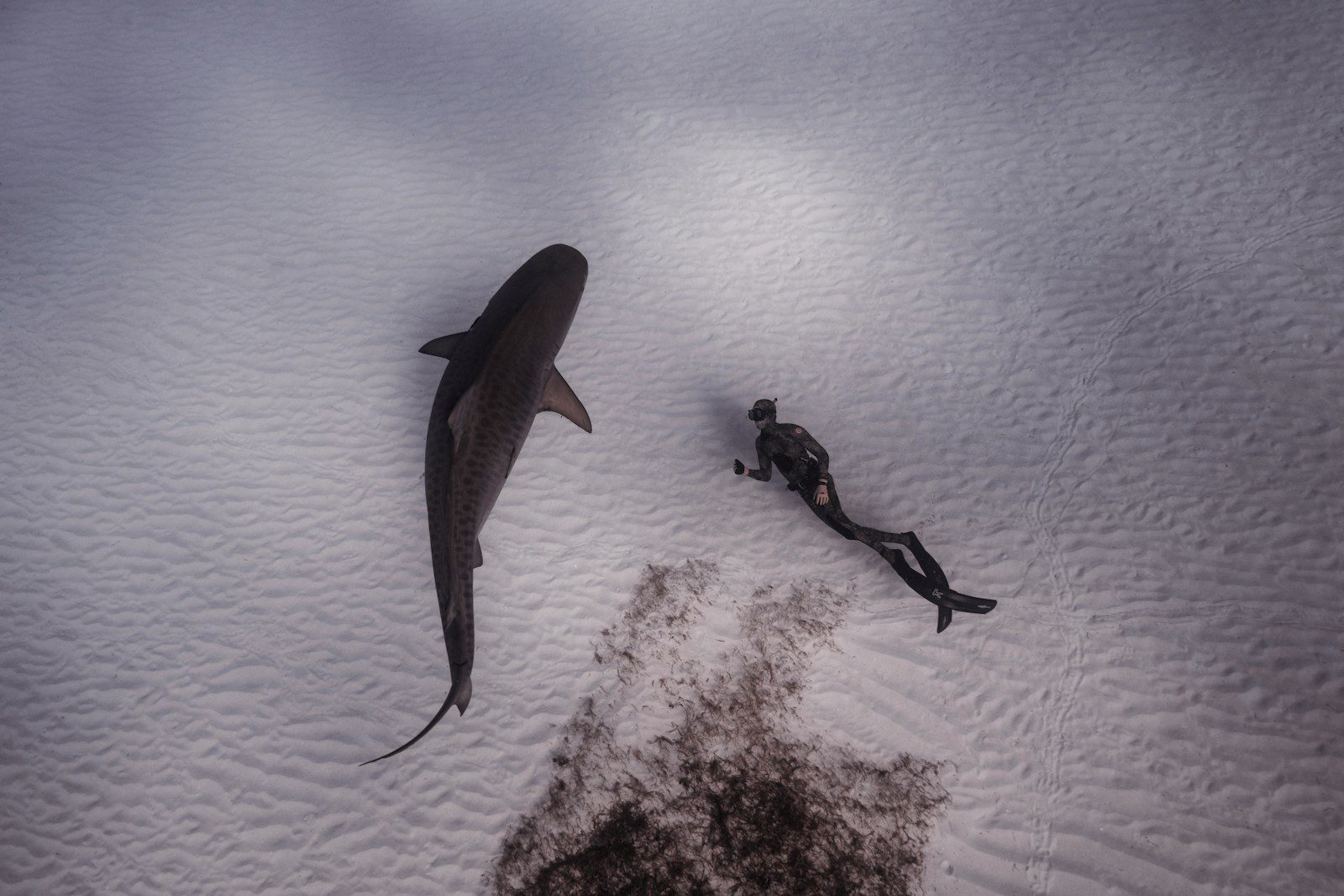
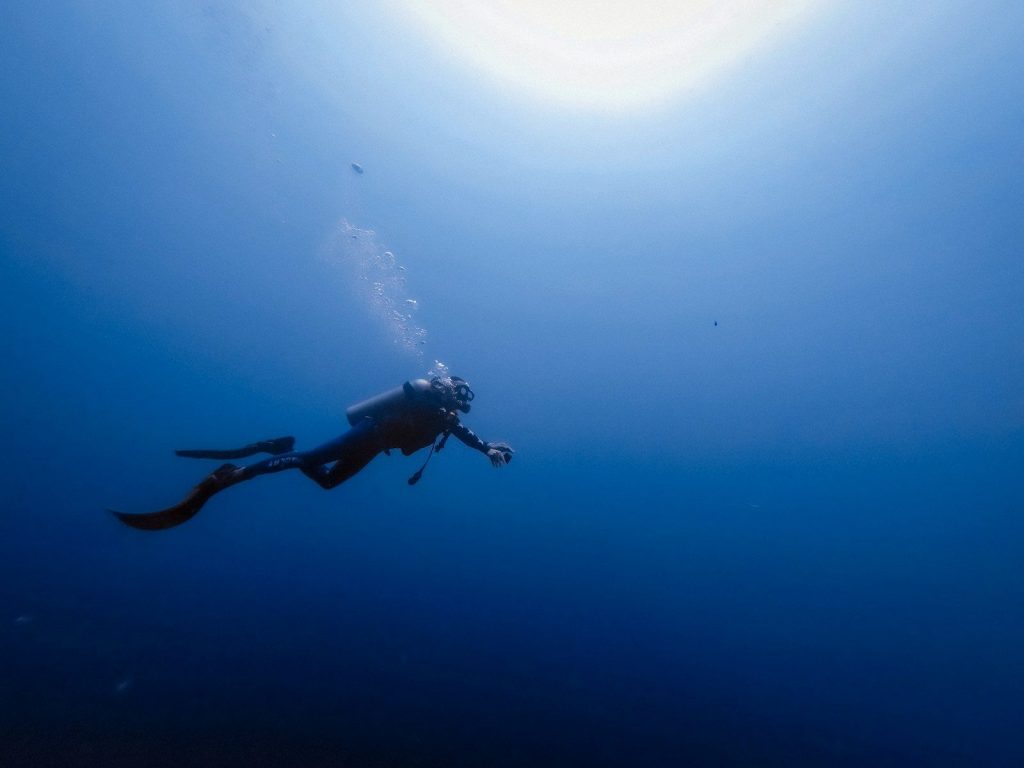
    During one such encounter, experienced freedivers entered the water to document dozens of tiger sharks feeding beneath the surface. Without cages, they captured an unforgettable view of one of nature’s most powerful feeding events while relying on years of training, constant awareness, and respect for the animals around them.

    A whale carcass becomes an ocean buffet

    a tree stump on a beach with a boat in the background
    Photo by Conrad Stel on Unsplash

    When a whale dies, its body provides an enormous source of energy for marine ecosystems. Near the surface, sharks, fish, seabirds, and other scavengers feed on the carcass before the remaining remains eventually sink to the seafloor.

    Even after reaching the deep ocean, the carcass continues supporting specialized organisms for years or even decades, making whale falls among the most important natural food sources in the marine environment.

    Tiger sharks quickly arrive

    black shark underwater photo
    Photo by Gerald Schömbs on Unsplash

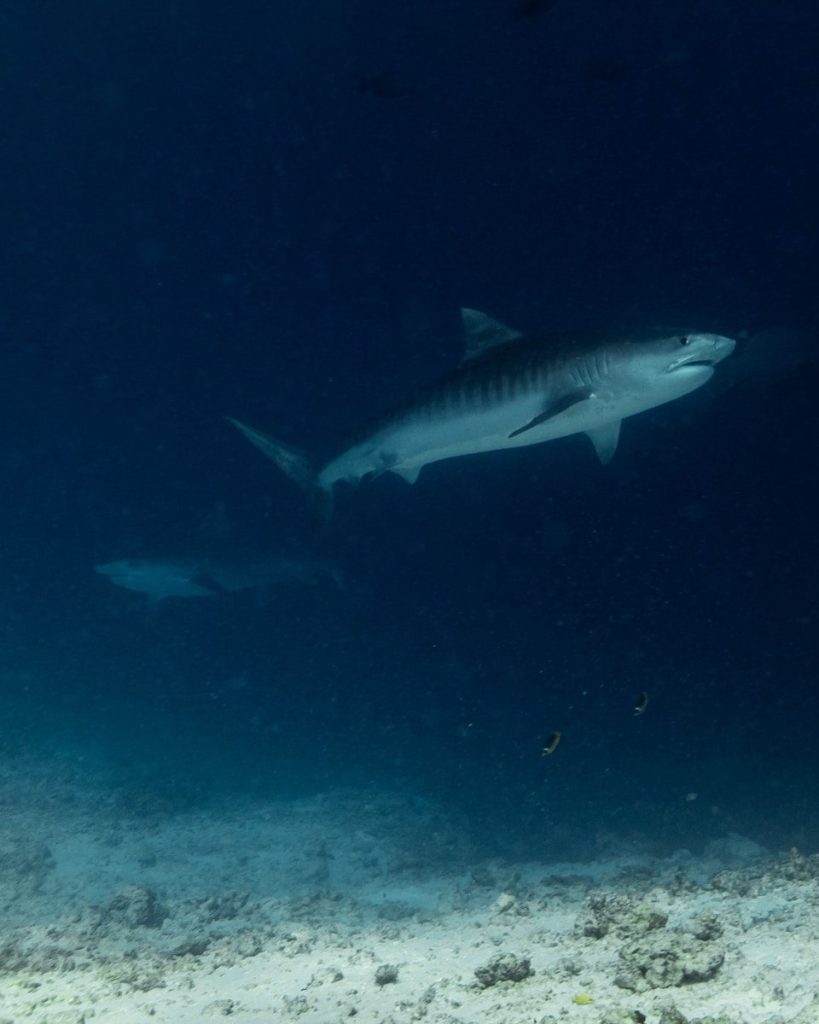
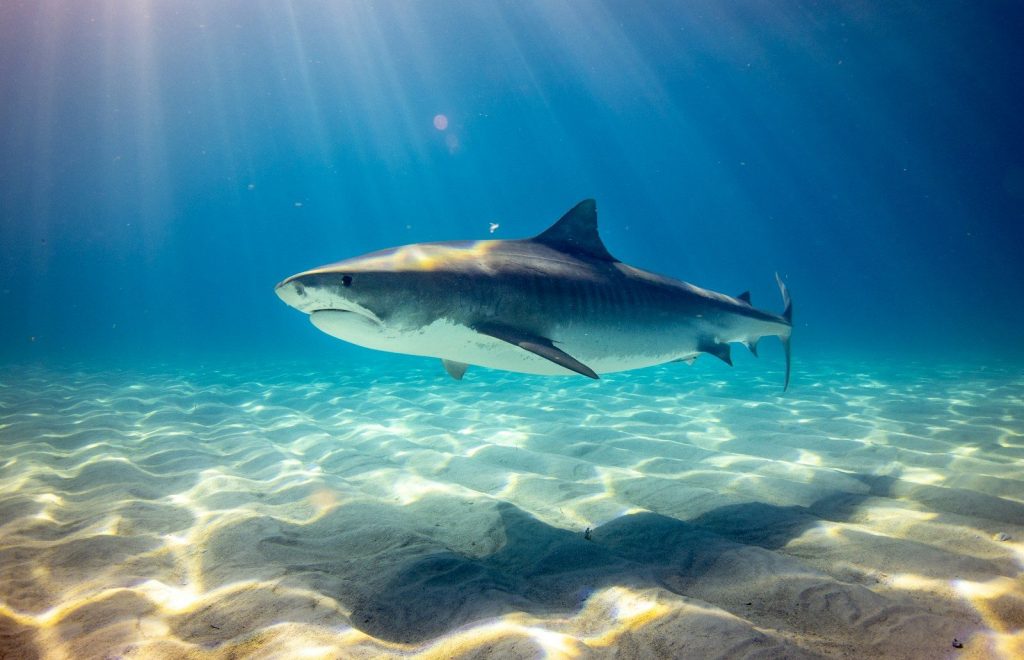
    Tiger sharks are highly adaptable predators with an excellent sense of smell that allows them to locate food over long distances. Whale carcasses frequently attract multiple tiger sharks, along with other scavenging species, depending on the region.

    Although these gatherings may appear chaotic, researchers have observed that sharks often establish loose feeding hierarchies, allowing multiple individuals to feed with surprisingly little aggression toward one another.

    Why did experienced divers enter the water

    person swimming under water photography
    Photo by Bobbi Wu on Unsplash

    Professional underwater photographers and documentary filmmakers sometimes enter the water during rare wildlife events to record natural animal behavior. These expeditions are carried out only by highly experienced teams that carefully evaluate shark behavior, visibility, currents, and other environmental conditions before entering the water.

    Even with extensive preparation, such dives remain inherently risky and are not considered routine recreational activities.

    Shark behavior changes around food

    a shark swimming in the ocean with a fish nearby
    Photo by Michael Worden on Unsplash

    Feeding events naturally increase shark activity. Animals become more focused on locating and consuming food, making their movements faster and less predictable than during ordinary encounters.

    Marine experts emphasize that understanding shark body language, maintaining awareness, and avoiding interference with feeding animals are essential during scientific observation and filming.

    Whale carcasses support entire ecosystems

    a dead animal that is laying on the ground
    Photo by Conrad Stel on Unsplash

    The importance of a whale carcass extends far beyond the sharks feeding near the surface. As the remains sink, they provide nutrients for countless deep-sea organisms, including worms, crustaceans, mollusks, bacteria, and other specialized species adapted to life in complete darkness.

    Scientists consider whale falls one of the most significant natural nutrient transfers in the ocean.

    A rare glimpse into the ocean’s food web

    a large shark swimming in the ocean
    Photo by Joel_Sharks on Unsplash

    Encounters like this reveal how closely connected marine ecosystems truly are. A single whale can support hundreds of species throughout multiple stages of decomposition, from surface-feeding sharks to deep-sea organisms thousands of meters below.

    For researchers and filmmakers, documenting these events provides valuable insight into predator behavior while highlighting the remarkable complexity of life beneath the waves.

  • This poor seal thought he was going to die until rescuers stepped in

    This poor seal thought he was going to die until rescuers stepped in

    When rescuers first reached the young seal, the frightened animal reacted exactly as a wild marine mammal would. It struggled, tried to escape, and viewed every nearby person as a threat.

    A tight entanglement around its body had left it exhausted and vulnerable, yet it could not understand that the people approaching were there to save its life. What followed became a powerful reminder of the difference that patience, skill, and compassion can make for wildlife in distress.

    A dangerous entanglement

    photo of brown seal standing on rock formation
    Photo by Kace Rodriguez on Unsplash

    Marine debris is one of the greatest threats facing seals around the world. Discarded fishing nets, ropes, plastic straps, and packaging can become tightly wrapped around an animal’s neck, flippers, or body.

    As seals continue to grow, these materials cut deeper into the skin, causing painful injuries, infections, and difficulty swimming or hunting. Without rescue, many entangled seals do not survive.

    Why wild seals fear people

    white and black seal on white sand beach during daytime
    Photo by Sevak on Unsplash

    Unlike domesticated animals, wild seals naturally avoid humans. Even severely injured individuals often bite, twist, or struggle because they cannot distinguish rescuers from potential threats.

    Wildlife response teams are trained to work quickly while minimizing stress, using specialized techniques that reduce the time an animal spends under restraint before being released.

    A careful rescue

    gray seal in water at daytime
    Photo by Keith Luke on Unsplash

    After safely securing the seal, rescuers carefully removed the material wrapped around its body. Every movement was designed to avoid causing additional injury while freeing the animal from the restriction that had threatened its survival.

    Once the entanglement was removed, the team checked the seal for visible injuries before preparing it for release back into its natural environment.

    A calmer animal after the rescue

    sea lion on white sand during daytime
    Photo by Steve Adams on Unsplash

    As the rescue progressed, the seal appeared noticeably less distressed than when it was first approached. While scientists cannot determine exactly what a wild animal is thinking, removing pain and physical restraint often results in calmer behavior.

    Experts caution against interpreting this as gratitude, but it clearly demonstrates how relieving an immediate threat can quickly improve an animal’s condition.

    Every rescue tells a larger story

    a close up of a seal in a body of water
    Photo by Steven Russell on Unsplash

    Individual rescues are encouraging, but they also highlight a growing environmental problem. Lost fishing gear and plastic pollution continue to injure thousands of marine animals every year, including seals, sea lions, whales, dolphins, and sea turtles.

    Reducing marine debris remains one of the most effective ways to protect ocean wildlife before rescues become necessary.

    Compassion helps protect wildlife

    a seal sitting on top of a rock next to a body of water
    Photo by J Yeo on Unsplash

    The rescued seal’s story reminds us that conservation is not only about protecting habitats but also about responding when animals need immediate help. Every successful rescue gives one animal another chance while raising awareness of the human impacts affecting marine ecosystems.

    Through responsible fishing practices, cleaner oceans, and continued wildlife rescue efforts, more animals can be spared the dangers of preventable entanglement.

  • The mystery behind a backyard pond led to a giant predatory catfish

    The mystery behind a backyard pond led to a giant predatory catfish

    A quiet backyard pond became the scene of a puzzling mystery after several prized fish were discovered dead with unexplained injuries. At first, poor water quality or disease seemed like the most likely explanation.

    But as more fish disappeared, attention shifted beneath the murky water, where a massive catfish was quietly patrolling the pond. Removing the giant fish soon became essential to protect the remaining aquatic life.

    Rare fish began disappearing

    A fish that is swimming in some water
    Photo by Laura España on Unsplash

    The mystery started when healthy fish were found dead or severely injured without any obvious explanation. Water conditions appeared normal, yet losses continued over several days.

    When fish die suddenly, pond owners often suspect oxygen shortages, disease, or predators. Careful observation eventually revealed that something much larger was moving through the pond.

    A giant catfish was hiding below

    underwater photography of catfish
    Photo by Milos Prelevic on Unsplash

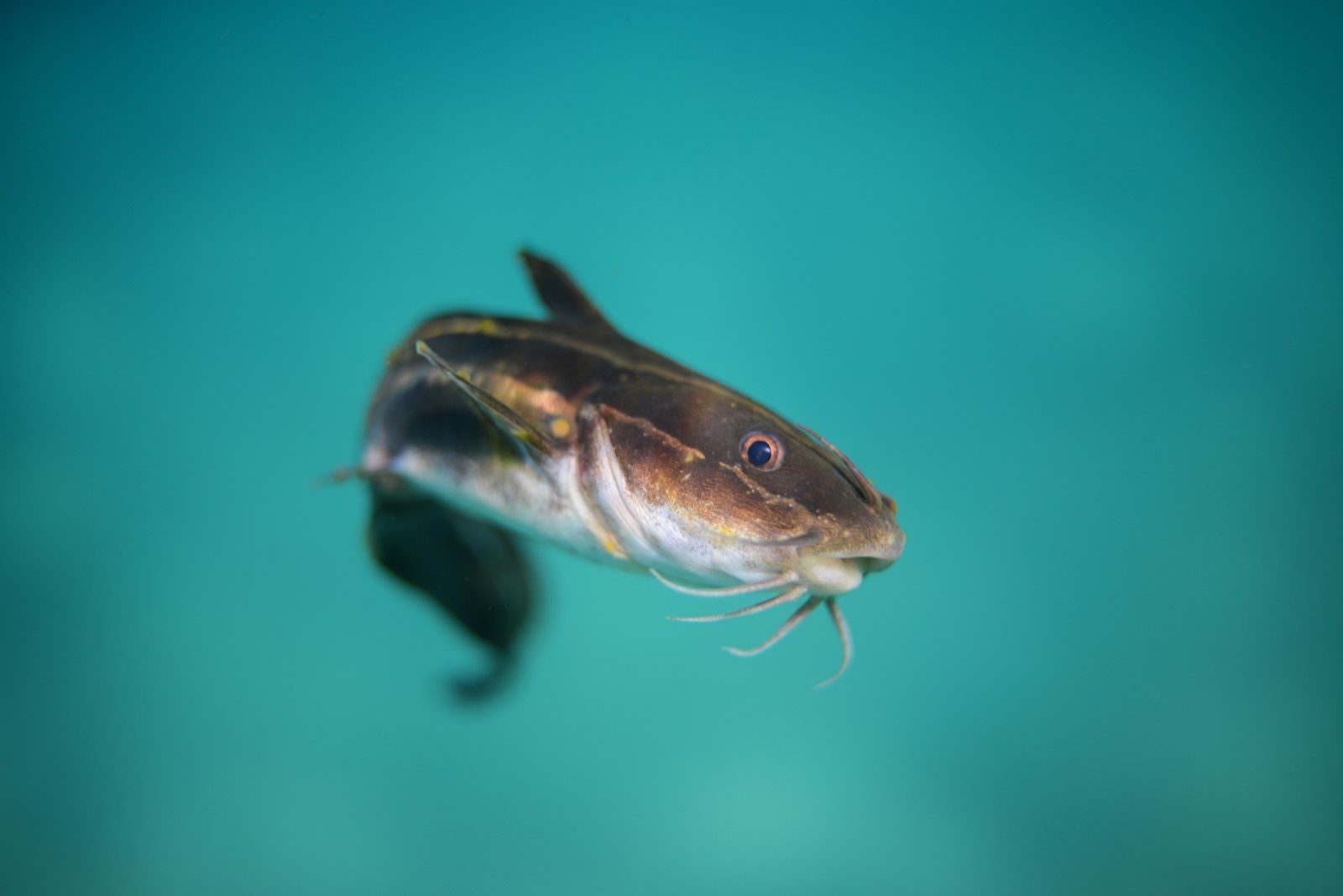
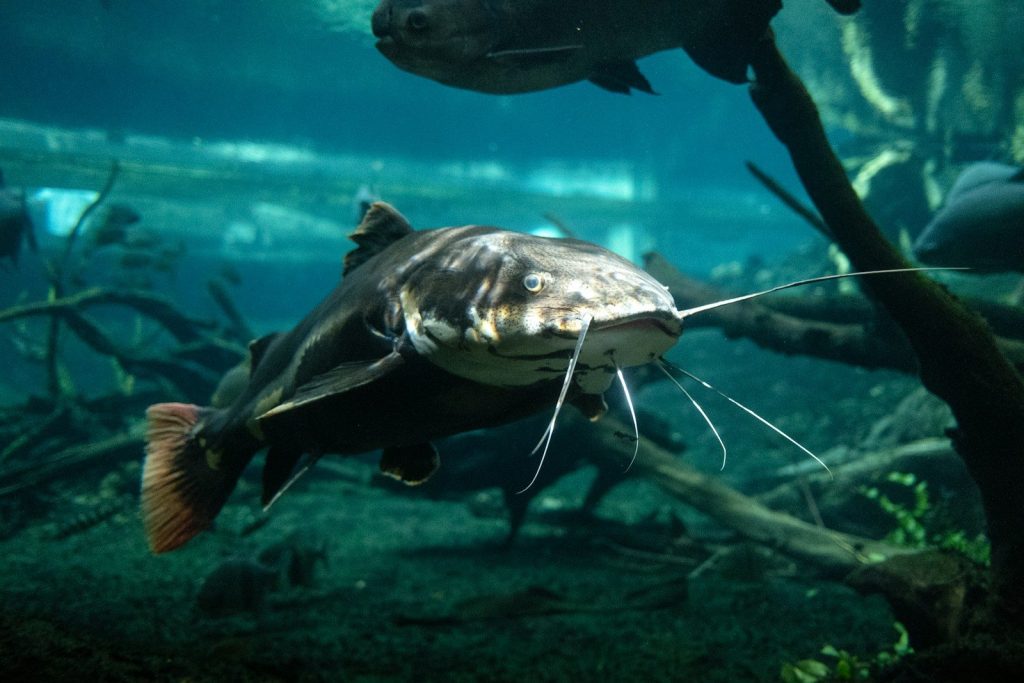
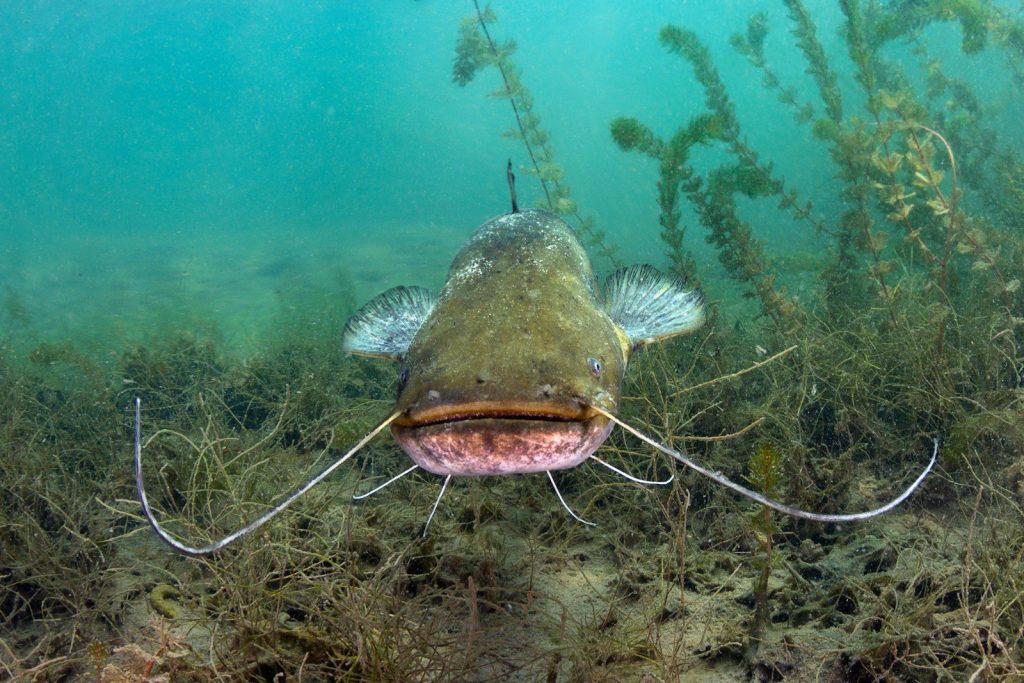
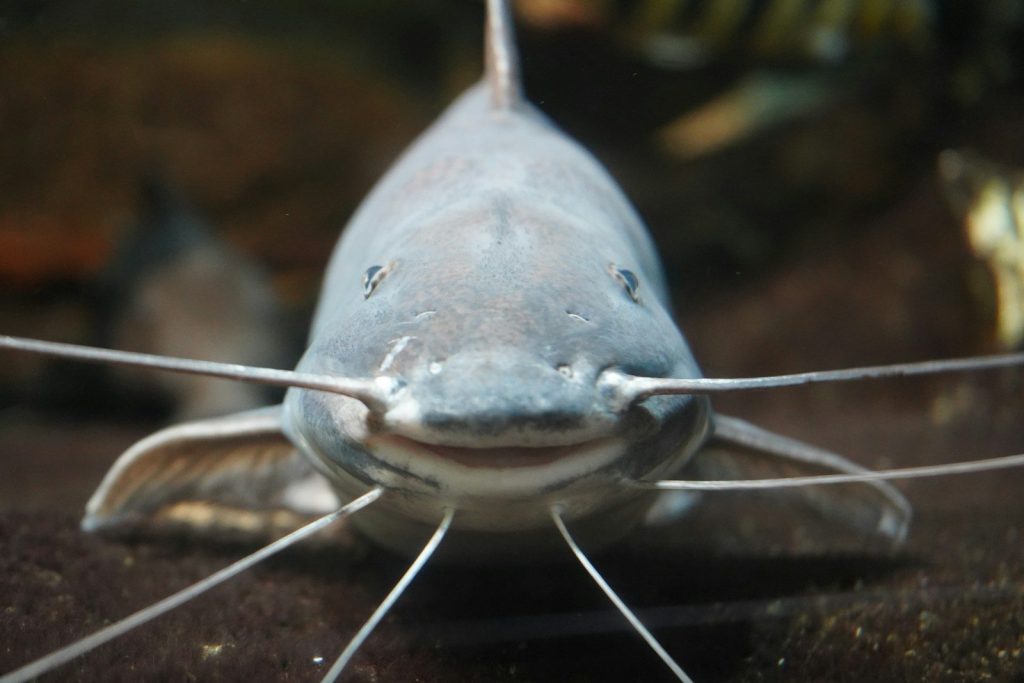
    As the water cleared, the source of the problem became visible. A catfish measuring roughly five feet long had established itself in the pond.

    Large catfish are opportunistic feeders. Depending on the species, they consume fish, crustaceans, amphibians, and almost any prey they can overpower or swallow. Their size alone allows them to dominate smaller pond inhabitants.

    Sharp spines make handling dangerous

    a fish swimming in water
    Photo by Yosuke Ota on Unsplash

    Although catfish do not possess blades along their bodies, many species have strong, sharp spines on their dorsal and pectoral fins. These spines can puncture skin and make capturing large individuals difficult.

    Some armored catfish also have hard, bony plates that provide additional protection while making them challenging to handle safely.

    Catching the giant required patience

    woman in black t-shirt and black shorts standing on brown wooden bridge
    Photo by Milo Weiler on Unsplash

    Removing a large fish from a confined pond is rarely simple. The animal can stir up mud, hide among underwater structures, and use its powerful body to evade capture.

    Successful removal often depends on careful planning that minimizes stress for both the fish and the rest of the pond’s inhabitants.

    Healthy ponds need balanced ecosystems

    a couple of fish swimming next to each other
    Photo by Arthur Avakov on Unsplash

    Predatory fish naturally play important roles in rivers and lakes, but they can create problems when introduced into small ornamental ponds. Limited space and fewer hiding places leave smaller fish especially vulnerable.

    Regular monitoring helps pond owners identify problems before significant losses occur, whether the cause is poor water quality, disease, or an unexpected predator.

    A reminder to monitor pond wildlife

    Shrinking Pond” by Roadside Bandit is licensed under CC BY-NC-ND 2.0

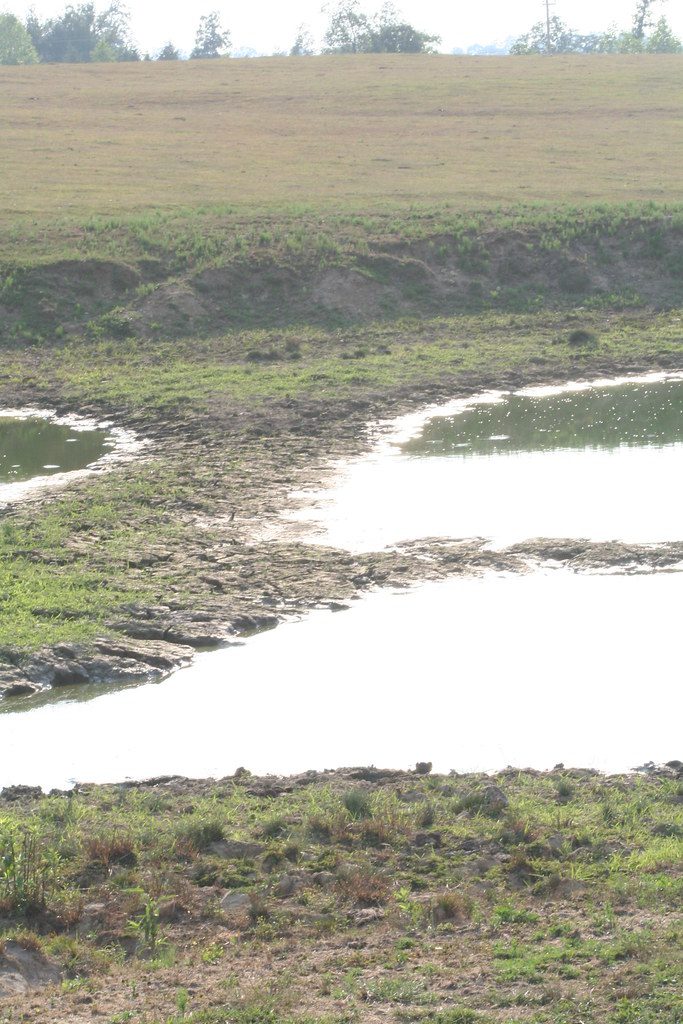
    The discovery of a giant catfish transformed what first looked like a routine fish loss into an unusual wildlife encounter. While large catfish are fascinating animals, they can dramatically alter the balance of a small pond if left unchecked.

    Understanding the species living in a pond and maintaining healthy conditions remain the best ways to protect valuable fish collections while supporting a stable aquatic ecosystem.

  • Why stingrays struggle to escape hammerhead sharks hidden beneath the sand

    Why stingrays struggle to escape hammerhead sharks hidden beneath the sand

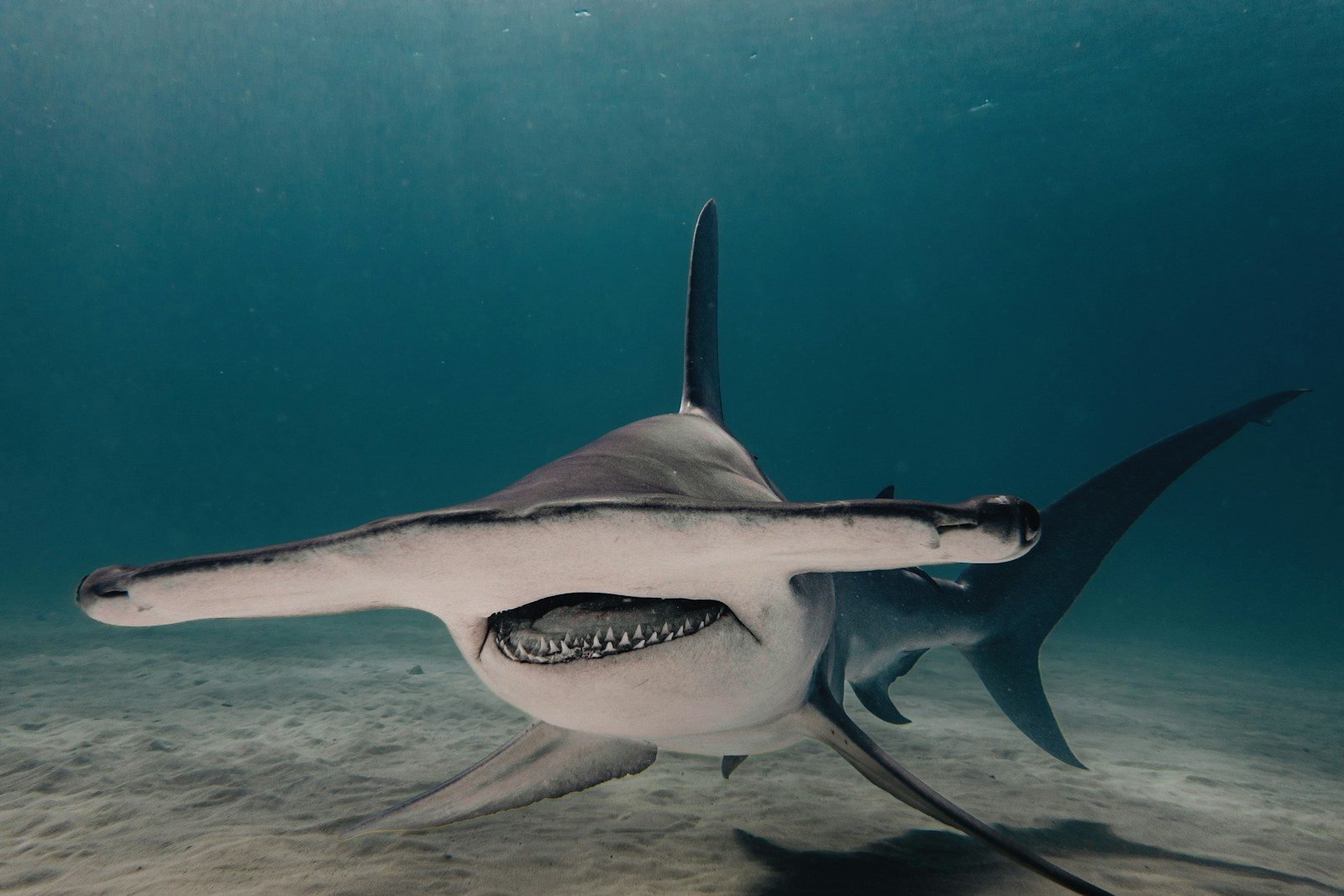
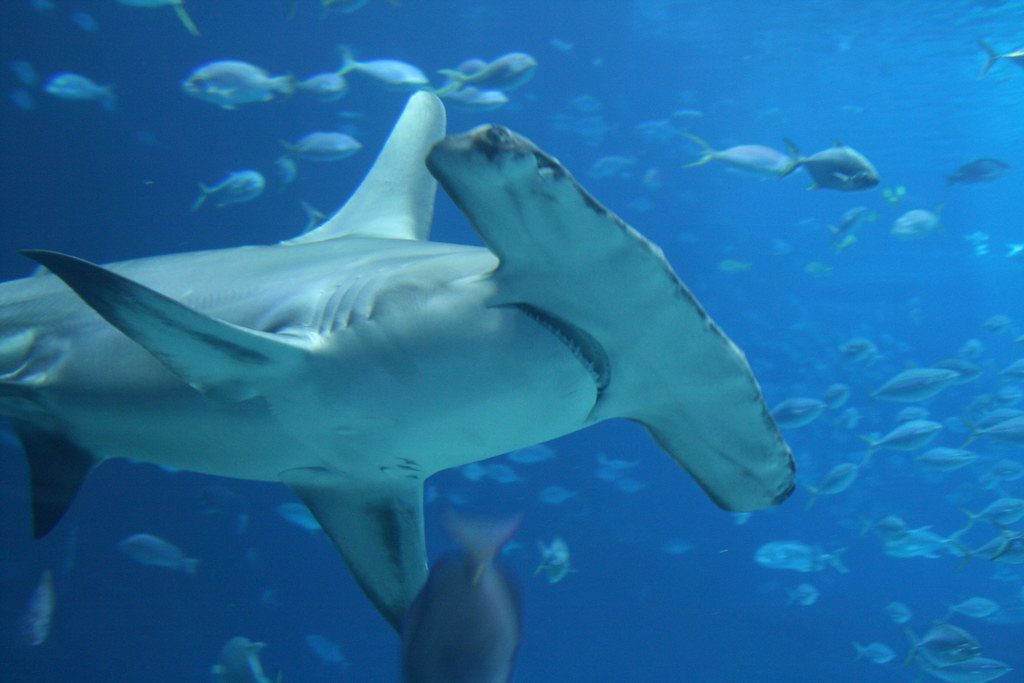
    Hammerhead sharks possess one of the most unusual head shapes in the animal kingdom, but it is far more than an eye-catching feature. Their wide, flattened heads function as highly specialized hunting tools, allowing them to locate prey hidden beneath the seafloor that other predators might miss.

    When a stingray buries itself in the sand, a hammerhead can still detect it, pin it down, and launch an attack with remarkable precision. This combination of advanced senses and specialized hunting behavior makes hammerheads among the ocean’s most effective predators.

    The hammer-shaped head is a hunting advantage

    Great Hammerhead Shark” by Wendell Reed is licensed under CC BY-NC-SA 2.0

    The broad head of a hammerhead shark, known as the cephalofoil, increases the distance between its sensory organs and eyes. This wider design improves depth perception, expands its field of view, and provides a much larger surface for specialized electroreceptors.

    Rather than being a simple physical adaptation, the cephalofoil allows hammerheads to detect prey that remains completely hidden beneath the seabed.

    Hidden stingrays cannot escape electric detection

    a close up of a blue and brown stingfish
    Photo by David Clode on Unsplash

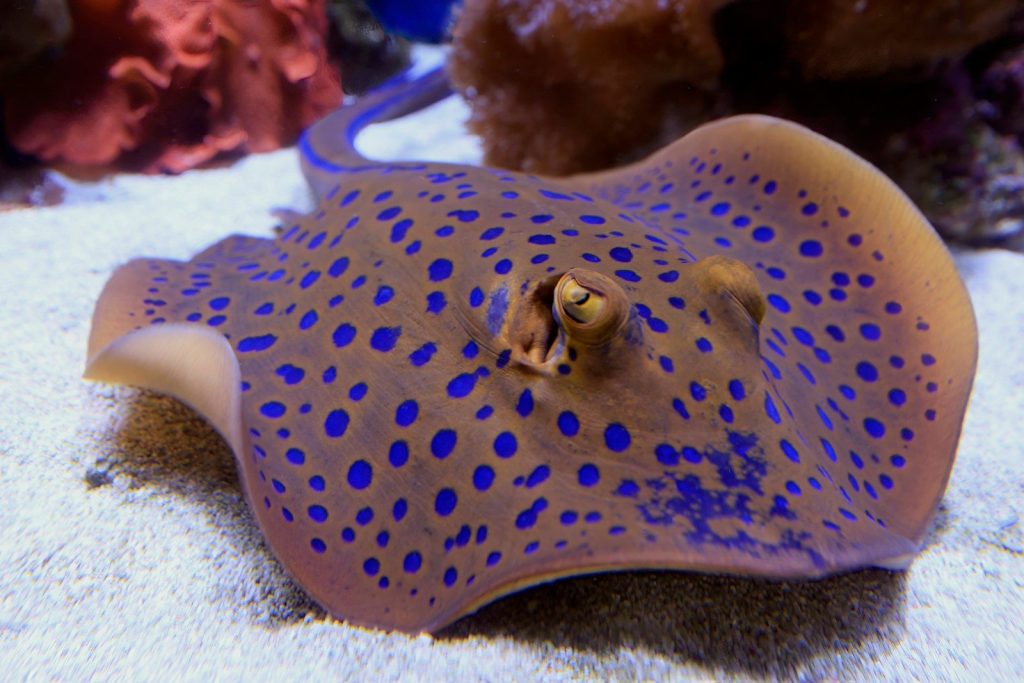
    Like all living animals, stingrays generate tiny electrical signals through muscle contractions and nerve activity. Even when completely buried under sand, these weak electrical fields remain detectable.

    Thousands of ampullae of Lorenzini located across the underside of a hammerhead’s head can sense these signals with extraordinary sensitivity, allowing the shark to pinpoint prey that cannot be seen.

    Pinning prey before delivering the bite

    black and gray manta ray
    Photo by Fernando Jorge on Unsplash

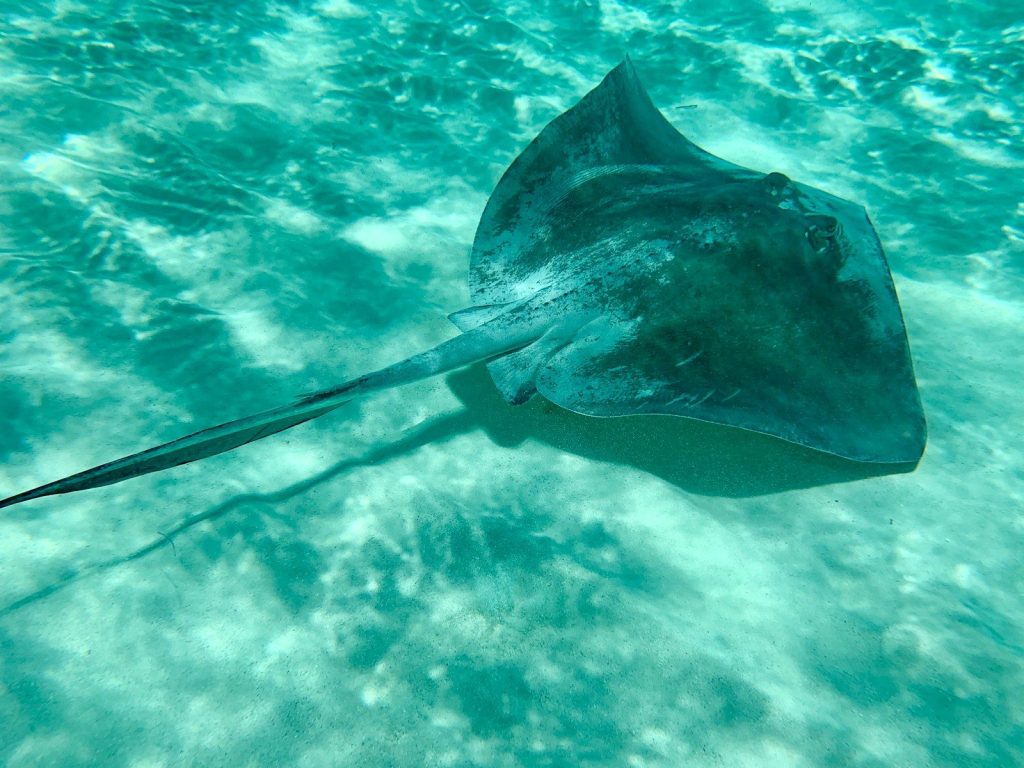
    Once a stingray is located, the hammerhead often attacks from above. Researchers have observed great hammerhead sharks striking the ray and using the wide cephalofoil to pin it firmly against the seafloor.

    Holding the stingray in place prevents it from escaping while the shark delivers powerful bites that quickly disable its prey before swallowing it.

    Built to hunt dangerous prey

    “Great Hammerhead Shark with Black Tip Reef Shark in Background :)” by angel_shark is licensed under CC BY-NC-SA 2.0

    Stingrays defend themselves with venomous tail spines capable of injuring predators. Despite this risk, hammerhead sharks specialize in hunting rays and frequently consume them.

    Scientists have found numerous stingray spines embedded in the mouths of great hammerhead sharks, suggesting the predators regularly withstand these injuries while continuing to hunt successfully.

    Evolution created a specialized predator

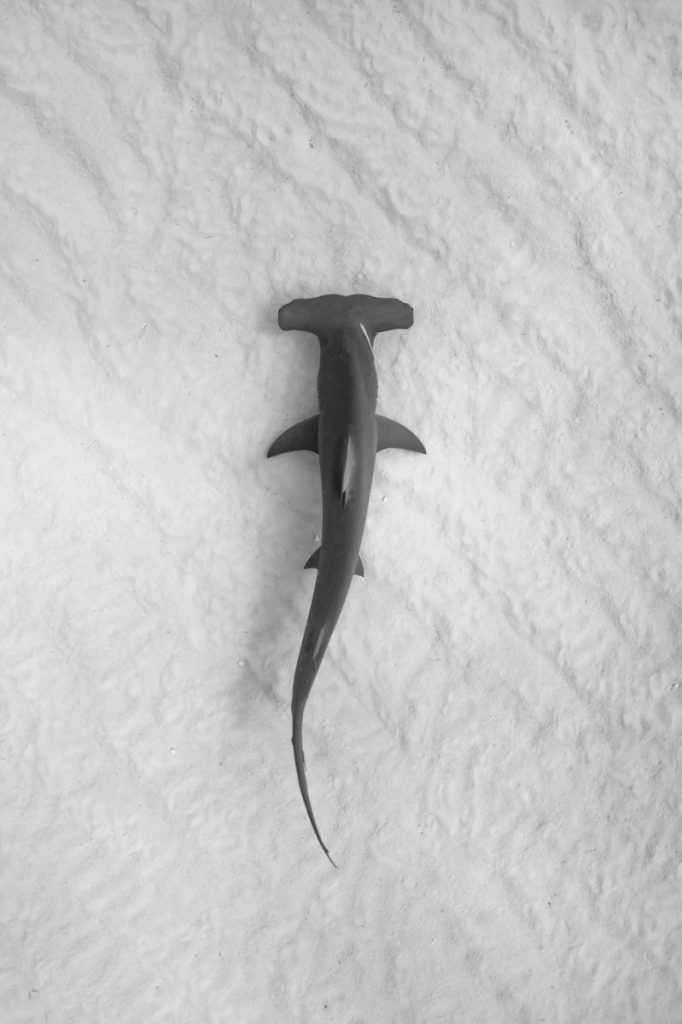
    a black and white photo of a shark in the snow
    Photo by Michael Worden on Unsplash

    The hammerhead’s unusual appearance has puzzled scientists for decades, but research increasingly shows that the cephalofoil combines several advantages in one structure. It improves electroreception, enhances vision, assists rapid turning, and provides a physical tool for controlling prey.

    These combined adaptations have allowed hammerhead sharks to become highly successful hunters in coastal and tropical waters around the world.

    A remarkable example of ocean evolution

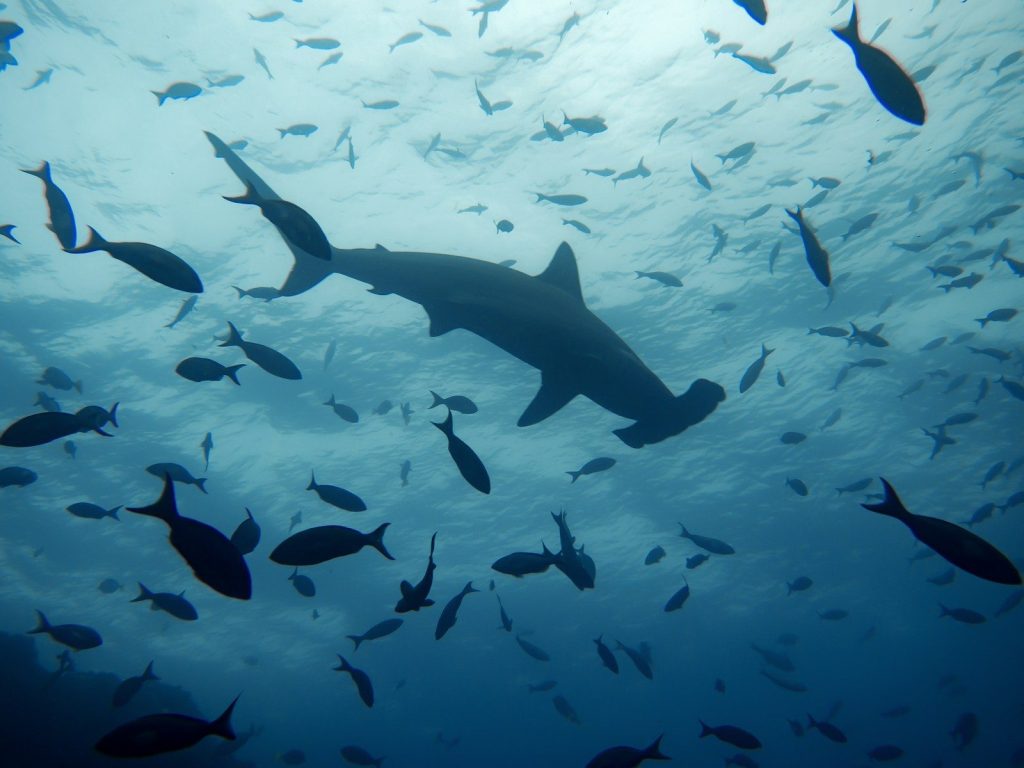
    a large group of fish swimming in the ocean
    Photo by Heidi Bruce on Unsplash

    Hammerhead sharks demonstrate how evolution can produce highly specialized predators perfectly adapted to their environment. Their ability to detect invisible electrical signals and physically restrain prey before striking illustrates one of the most sophisticated hunting strategies found beneath the waves.

    Although they are formidable hunters, many hammerhead species face growing threats from overfishing and habitat loss, making conservation increasingly important for their future.