Author: Ethan

  • Why seals and sea lions survive the ocean in completely different ways

    Why seals and sea lions survive the ocean in completely different ways

    When a killer whale spots a seal, the encounter can unfold in seconds. Orcas are among the ocean’s most intelligent predators, using teamwork, speed, and strategy to hunt marine mammals.

    Yet seals have evolved impressive defenses of their own, relying on agility, underwater awareness, and quick escapes to survive. While seals and sea lions may appear nearly identical, their different bodies and behaviors play a major role in how each responds to predators in the wild.

    Seals and sea lions share a common ancestor
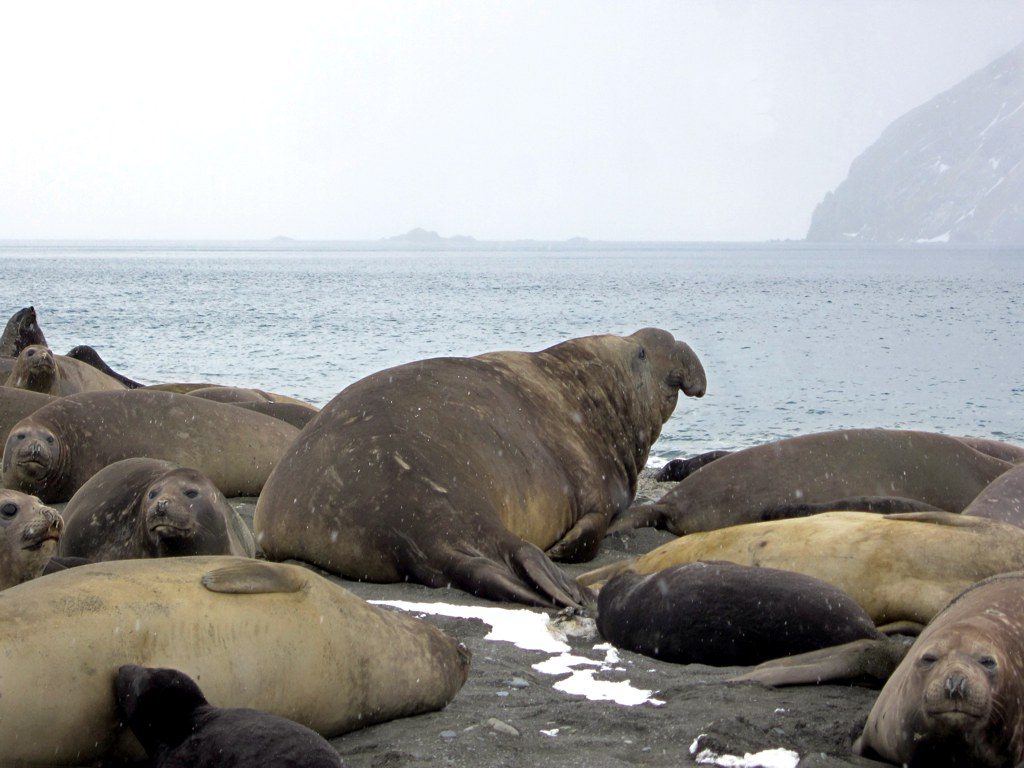
    Elephant Seals” by D-Stanley is licensed under CC BY 2.0

    Seals and sea lions both belong to the pinniped group of marine mammals, which evolved from land-dwelling carnivores millions of years ago. Over time, both adapted to life in the ocean while retaining the ability to rest and breed on land.

    Although closely related, they eventually followed different evolutionary paths that shaped how they swim, hunt, and survive.

    Sea lions move better on land
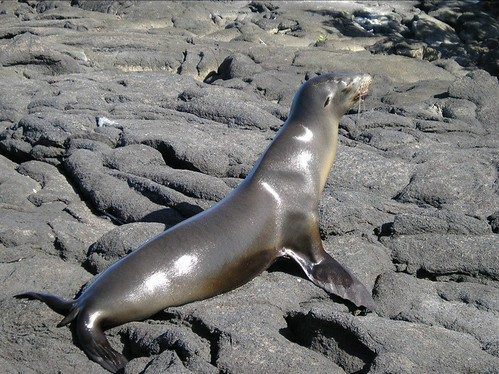
    Sea Lion mother” by davidagalvan is licensed under CC BY-NC-ND 2.0

    One of the easiest ways to distinguish the two animals is how they travel on shore. Sea lions rotate their hind flippers beneath their bodies, allowing them to walk on all fours with surprising speed and agility.

    True seals cannot rotate their hind flippers. Instead, they move by wriggling or bouncing across beaches and ice, making them much less mobile on land.

    Seals are built for deep diving
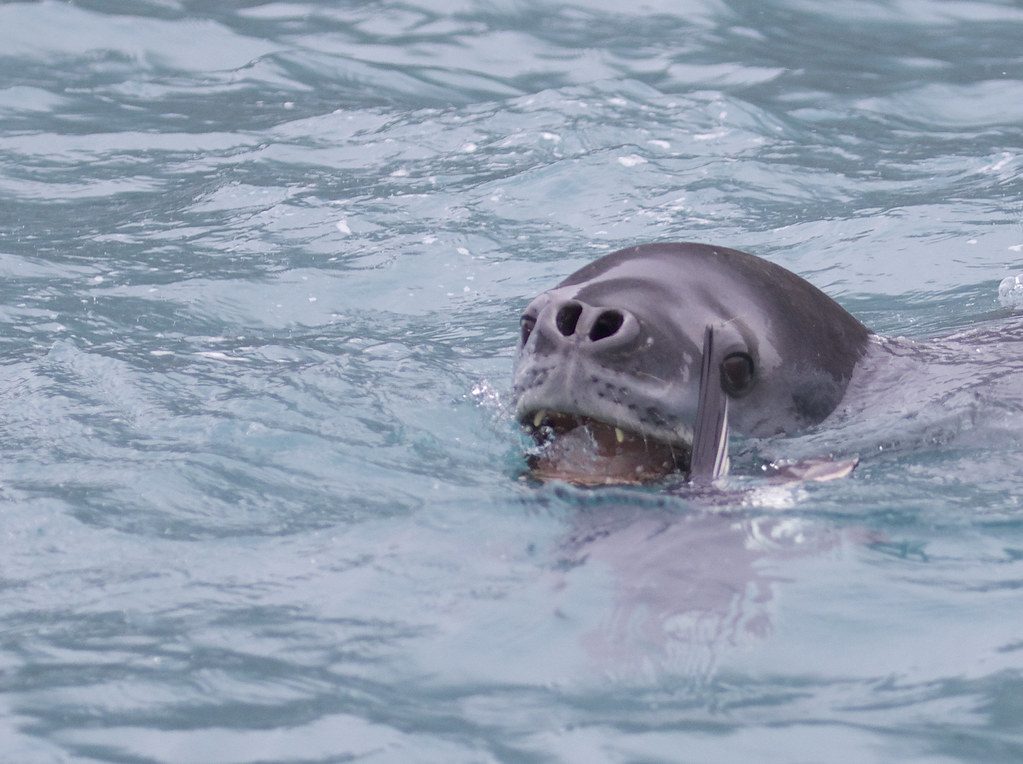
    Leopard Seal (Hydrurga leptonyx)” by Gregory ‘Slobirdr’ Smith is licensed under CC BY-SA 2.0

    Although awkward on land, true seals excel underwater. Their streamlined bodies and powerful rear flippers allow efficient long-distance swimming and deep dives while searching for fish, squid, and other prey.

    Many seal species spend extended periods underwater before returning briefly to the surface to breathe, making them highly adapted to life at sea.

    Killer whales use teamwork to hunt
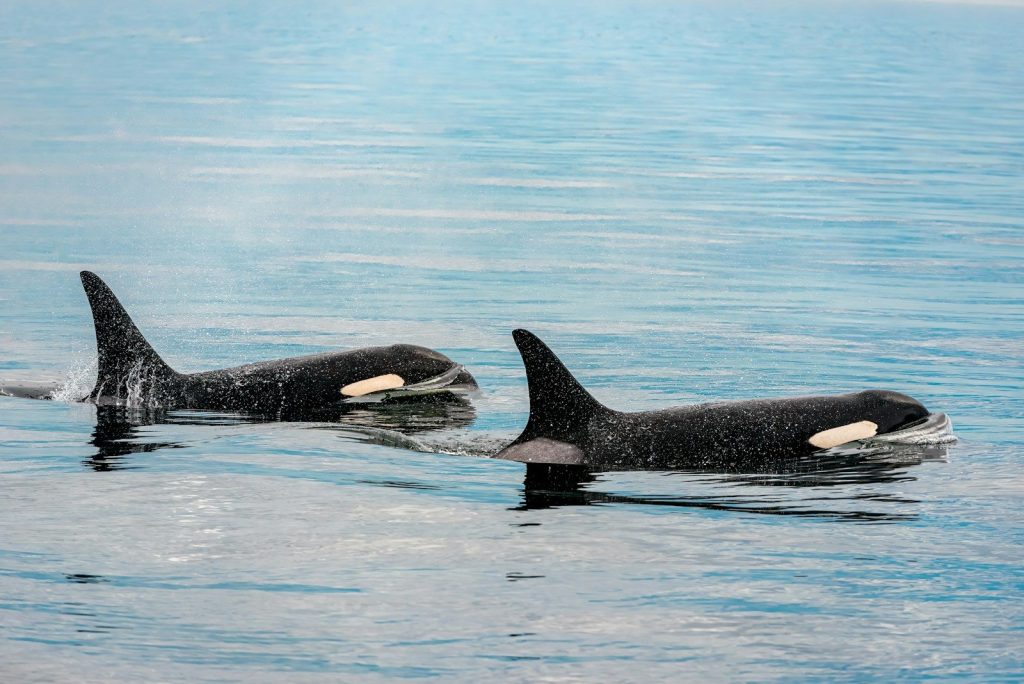
    two black and white orca swimming in a body of water
    Photo by Stephen Walker on Unsplash

    Killer whales employ sophisticated hunting techniques when pursuing seals. Depending on the location, they may create waves to wash seals from ice, surround them cooperatively, or chase them through open water.

    Occasionally, seals escape by reaching shore, climbing onto floating objects, or taking advantage of complex coastal habitats where large orcas have difficulty maneuvering.

    Different survival strategies
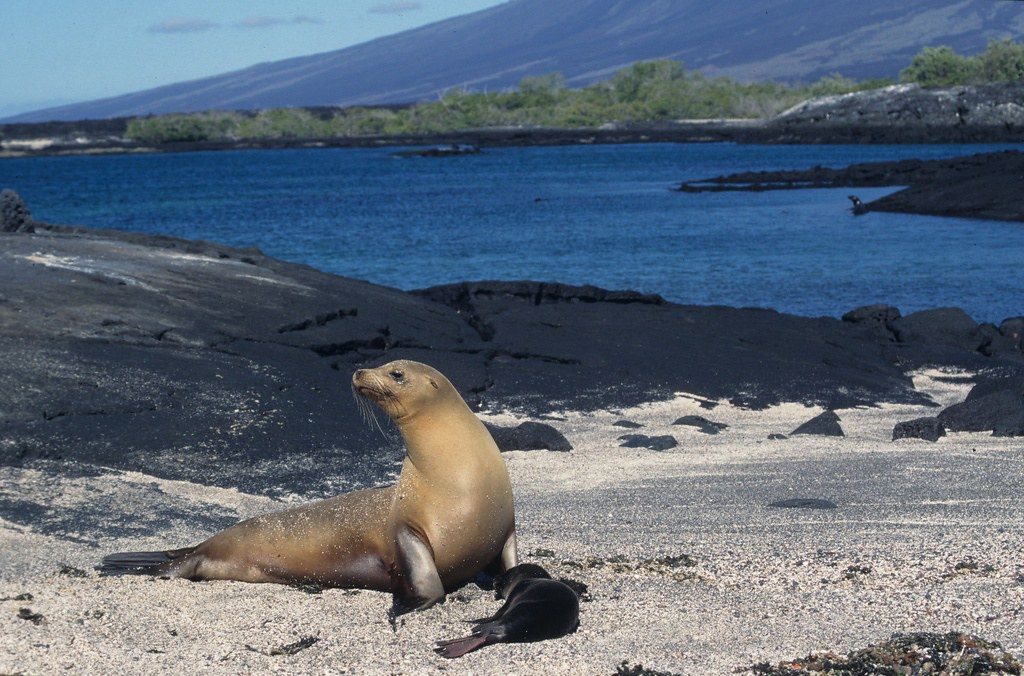
    Galápagos sea lion: mother with pup – scene shot” by Derek Keats is licensed under CC BY 2.0

    Sea lions often rely on large breeding colonies, loud vocal communication, and greater mobility on land. Seals depend more heavily on camouflage, diving ability, and remaining alert while resting near the water.

    Neither strategy is universally better. Each reflects millions of years of evolution in different habitats and environmental conditions.

    Two marine mammals shaped by evolution
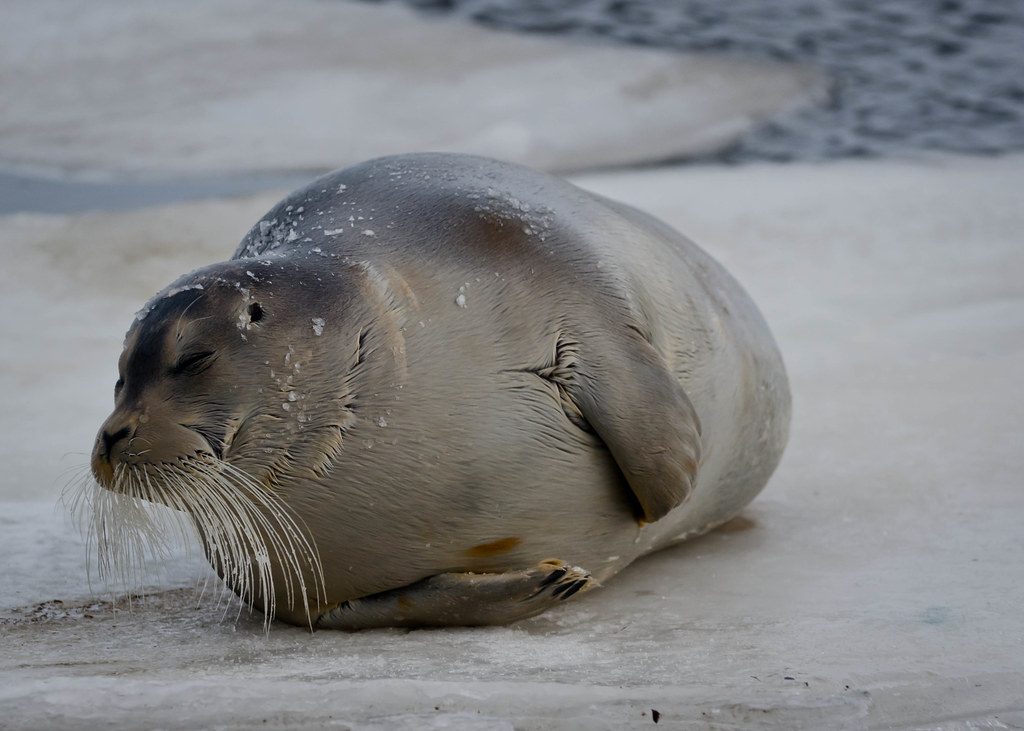
    Christmas Seal” by Images by Ophelia is licensed under CC BY-NC-ND 2.0

    Although they look similar from a distance, seals and sea lions represent two distinct solutions to surviving between land and sea. Understanding these differences helps explain how each species avoids predators, raises its young, and thrives in challenging marine environments.

    Their continuing survival also depends on healthy oceans, abundant food supplies, and conservation efforts that protect the ecosystems they share with top predators like killer whales.
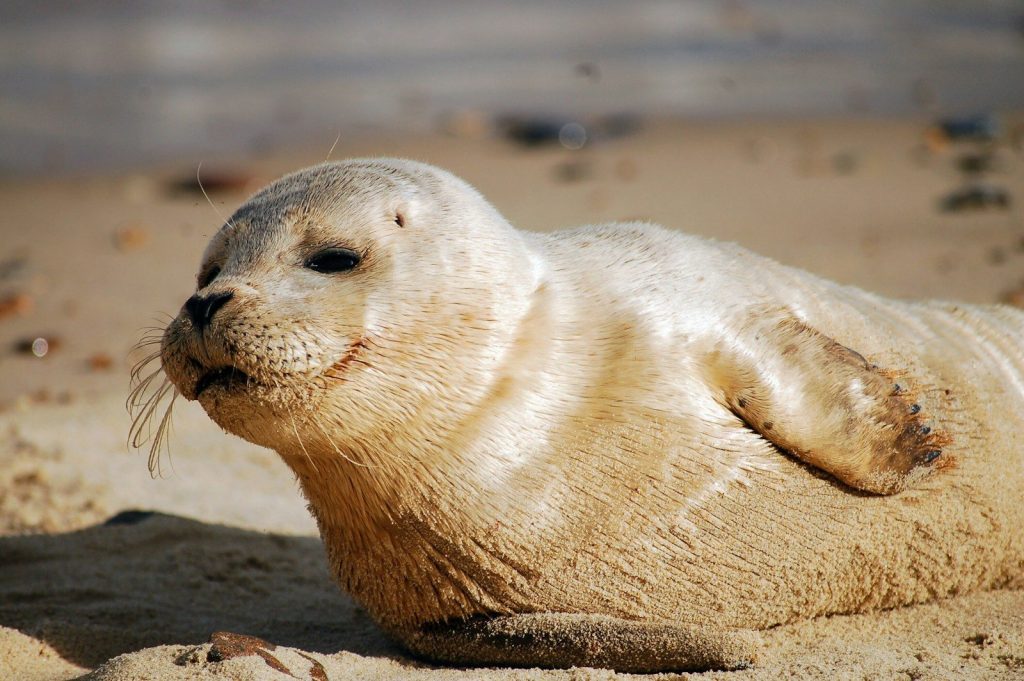
  • How rescuers helped a frightened seal learn to trust people again

    How rescuers helped a frightened seal learn to trust people again

    When wildlife rescuers first approached the young seal, it reacted exactly as they expected. Frightened and stressed, the animal viewed every nearby person as a potential threat.

    Tangled in dangerous debris and unable to free itself, the exhausted seal struggled against the very people trying to help. Yet as the rescue unfolded, its behavior gradually changed, creating a touching reminder of how human intervention can sometimes give wild animals a second chance.

    A dangerous encounter with marine debris

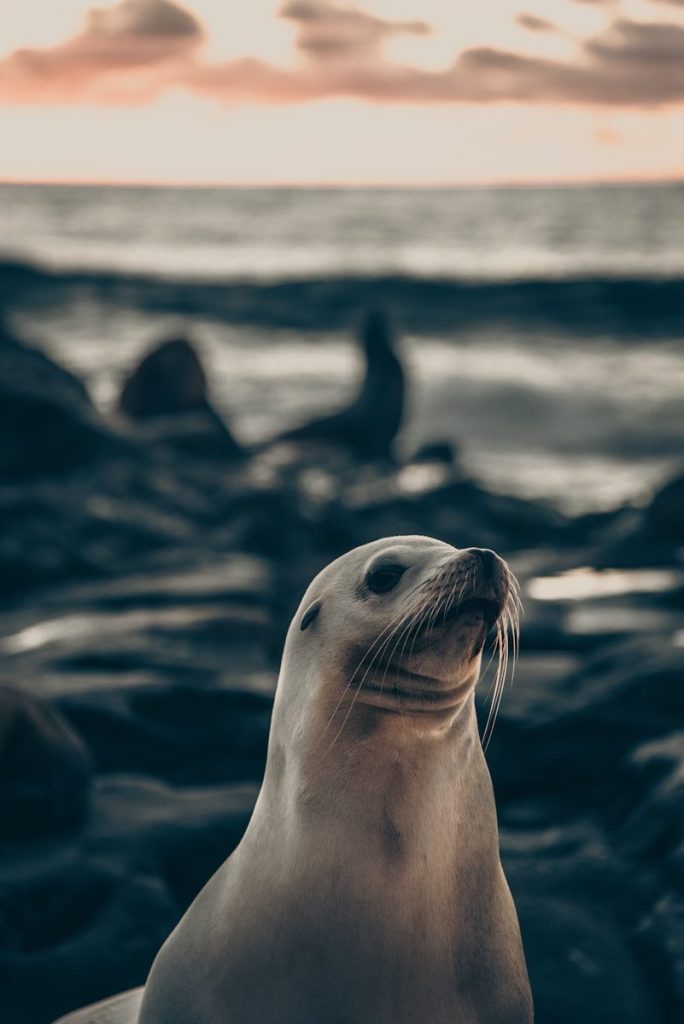
    white seal on soil
    Photo by Amy Asher on Unsplash

    Around the world, seals frequently become entangled in discarded fishing gear, ropes, plastic packaging, and other marine waste. These materials can tighten as the animal grows, causing painful injuries, infections, and difficulty swimming or hunting.

    Without assistance, many entangled seals eventually die from starvation, infection, or exhaustion, making rapid intervention essential for their survival.

    Why frightened seals resist rescue

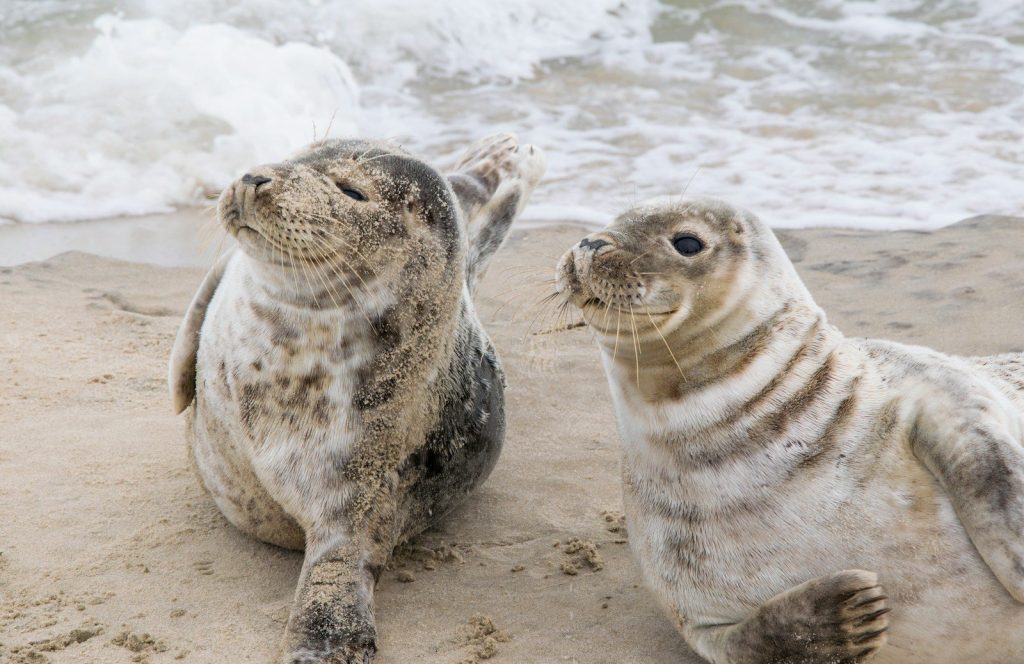
    seal on rock in grayscale photography
    Photo by Bradley Dunn on Unsplash

    Wild seals naturally fear humans. Even injured animals often bite, twist, or attempt to escape because they cannot understand that rescuers are trying to help.

    For trained wildlife teams, remaining calm and minimizing stress is just as important as removing the entanglement. Quick, careful handling reduces the risk of injury to both the seal and the rescuers.

    A careful rescue operation

    brown seal on body of water during daytime
    Photo by Michael Jerrard on Unsplash

    Using specialized equipment and years of experience, rescuers carefully restrained the seal long enough to remove the material wrapped around its body. Once freed, they immediately released the animal rather than keeping it in captivity whenever possible.

    This approach allows healthy wild seals to return quickly to their natural environment with minimal disruption.

    A remarkable change in behavior

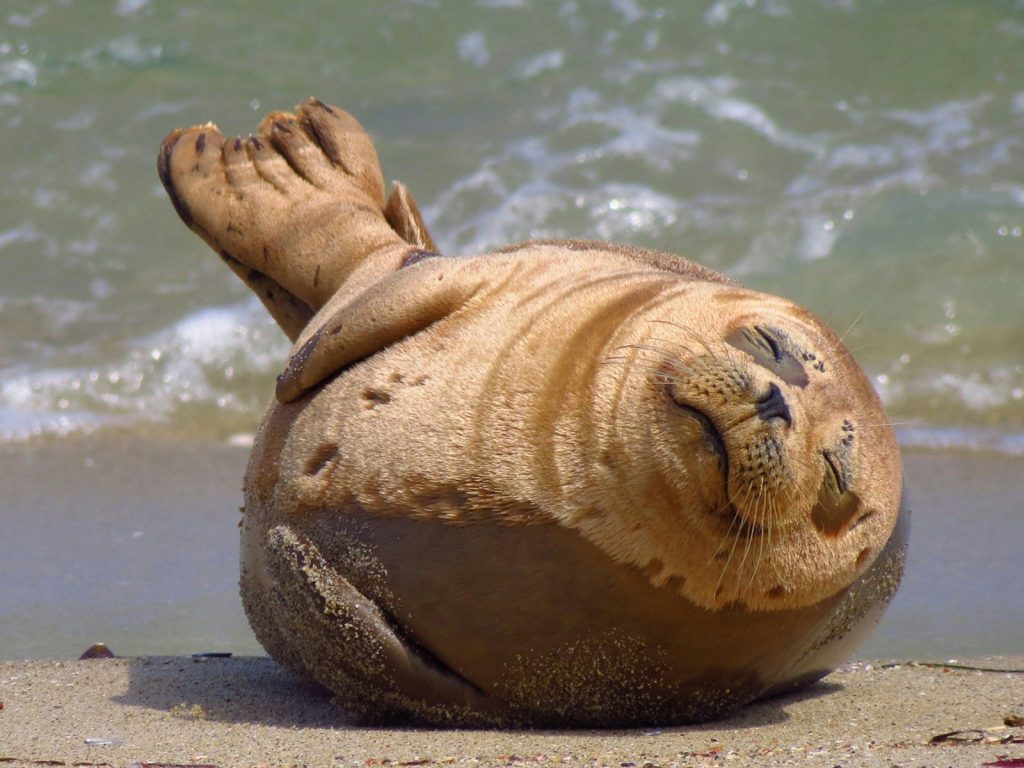
    white and black seal on white sand beach during daytime
    Photo by Sevak on Unsplash

    As the rescue came to an end, the seal appeared noticeably calmer than when it was first approached. While it is impossible to know exactly what the animal understood, rescuers often observe that severely stressed animals relax once the source of pain or restriction has been removed.

    Scientists caution against assuming wild animals experience gratitude in the same way humans do, but reducing fear and discomfort can produce visible behavioral changes.

    Why seal rescues matter

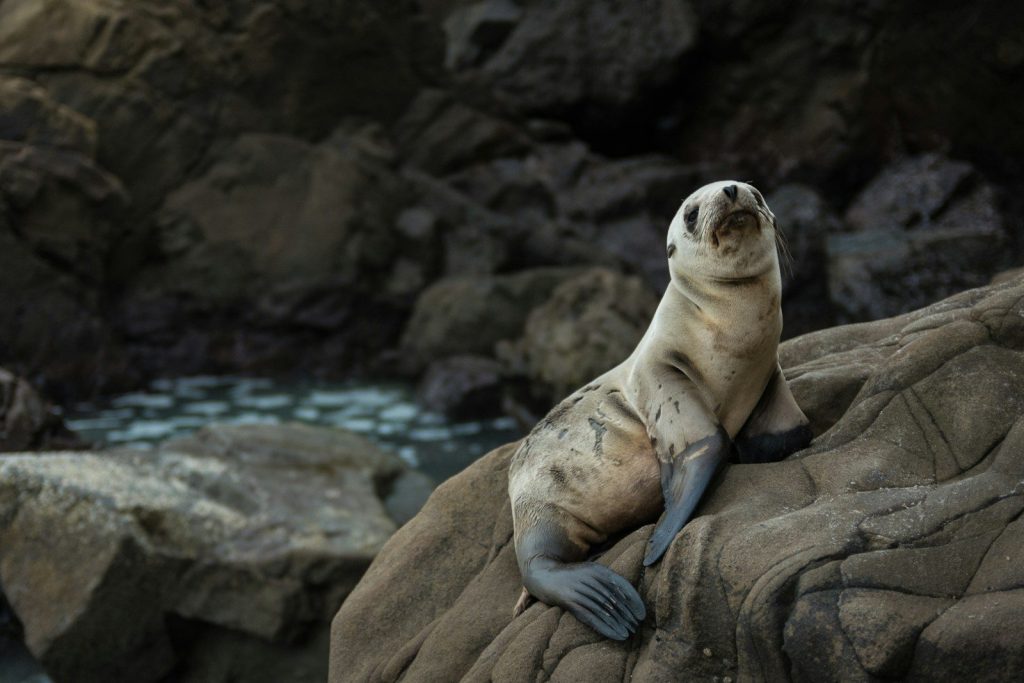
    photo of brown seal standing on rock formation
    Photo by Kace Rodriguez on Unsplash

    Individual rescues save lives, but they also highlight a much larger environmental problem. Lost fishing gear and plastic pollution continue to threaten seals, sea lions, whales, turtles, and countless other marine animals every year.

    Conservation groups work not only to rescue wildlife but also to reduce the amount of dangerous debris entering the oceans in the first place.

    A reminder of the ocean’s challenges

    sea lion on beach shore during daytime
    Photo by Daniele Colucci on Unsplash

    The rescued seal’s story is ultimately about more than one animal. It demonstrates both the resilience of marine wildlife and the impact humans can have through responsible conservation efforts.

    Every successful rescue represents one life saved while reminding us that preventing ocean pollution remains the best long-term solution.

  • Nearly 900 snakes escaped into a flooded Chinese village after Typhoon Maysak

    Nearly 900 snakes escaped into a flooded Chinese village after Typhoon Maysak

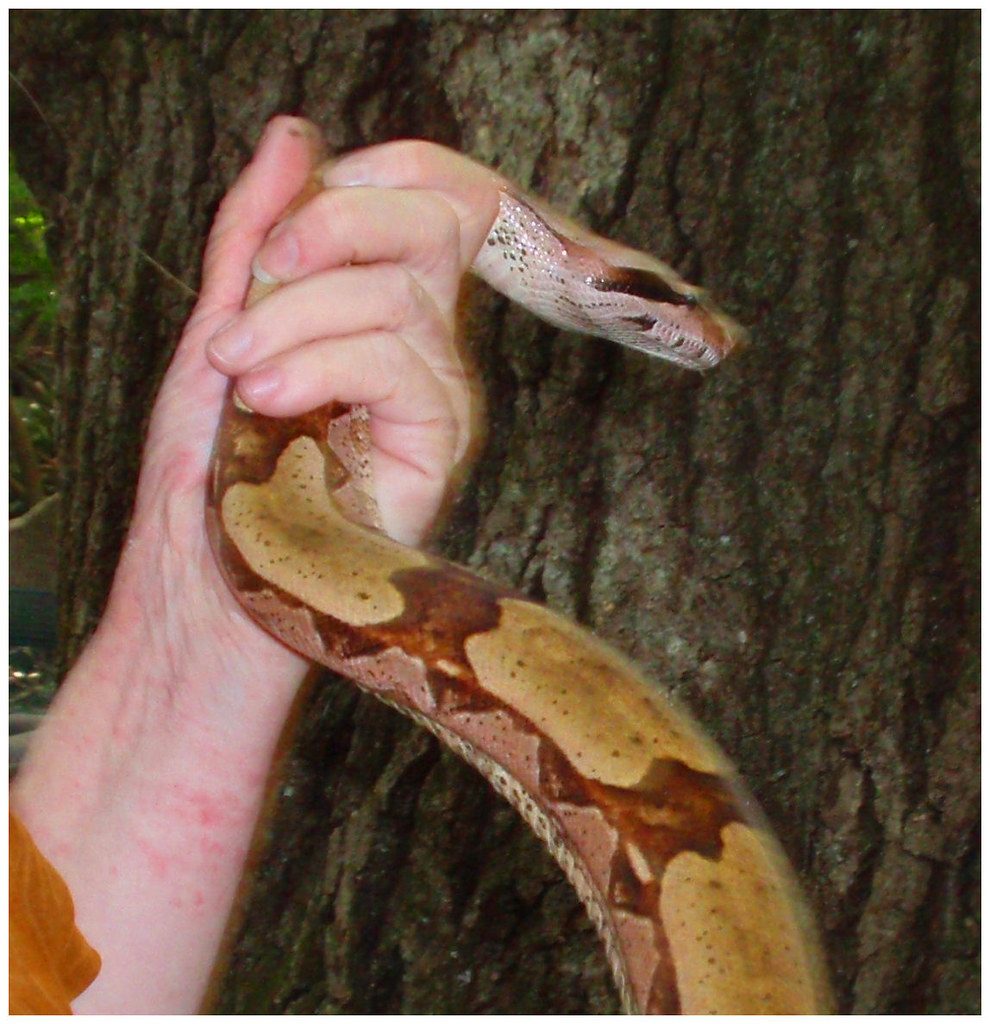
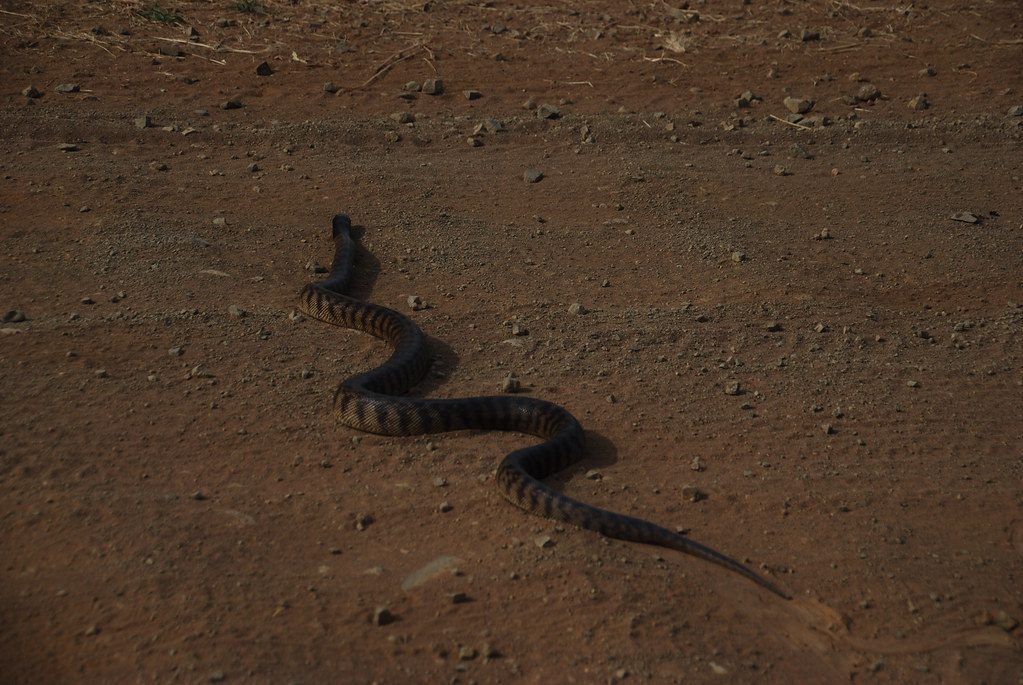
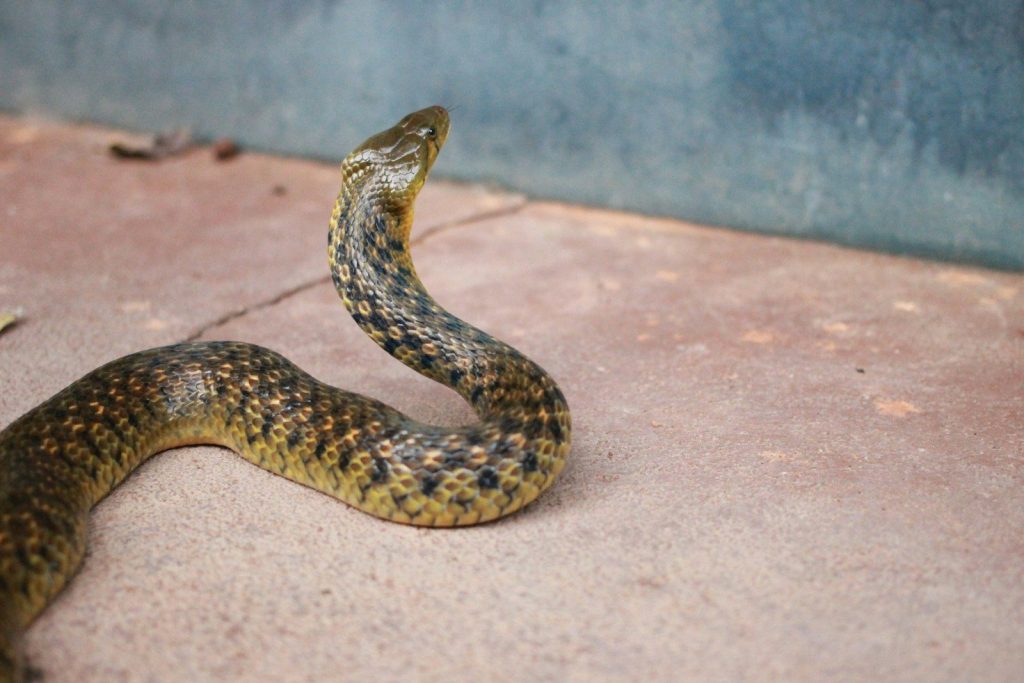
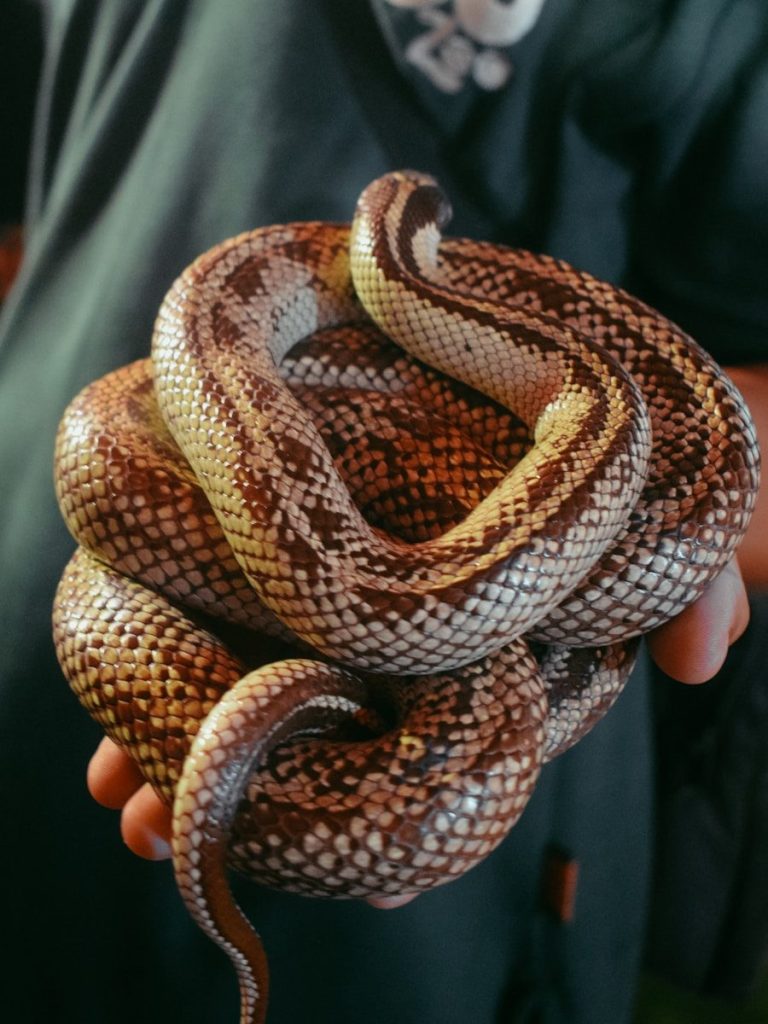
    Severe flooding triggered by Typhoon Maysak created an unusual emergency in southern China when nearly 900 snakes escaped from a breeding farm in Hengzhou, Guangxi. Floodwaters damaged the facility, allowing hundreds of reptiles, including venomous cobras, to spread through nearby villages.

    While most of the escaped snakes were reported to be non-venomous water snakes, authorities urged residents to avoid handling any reptiles after at least one person was hospitalized with a snakebite. The incident became one of the most widely shared stories from the region’s devastating floods.

    Floodwaters destroyed the snake farm

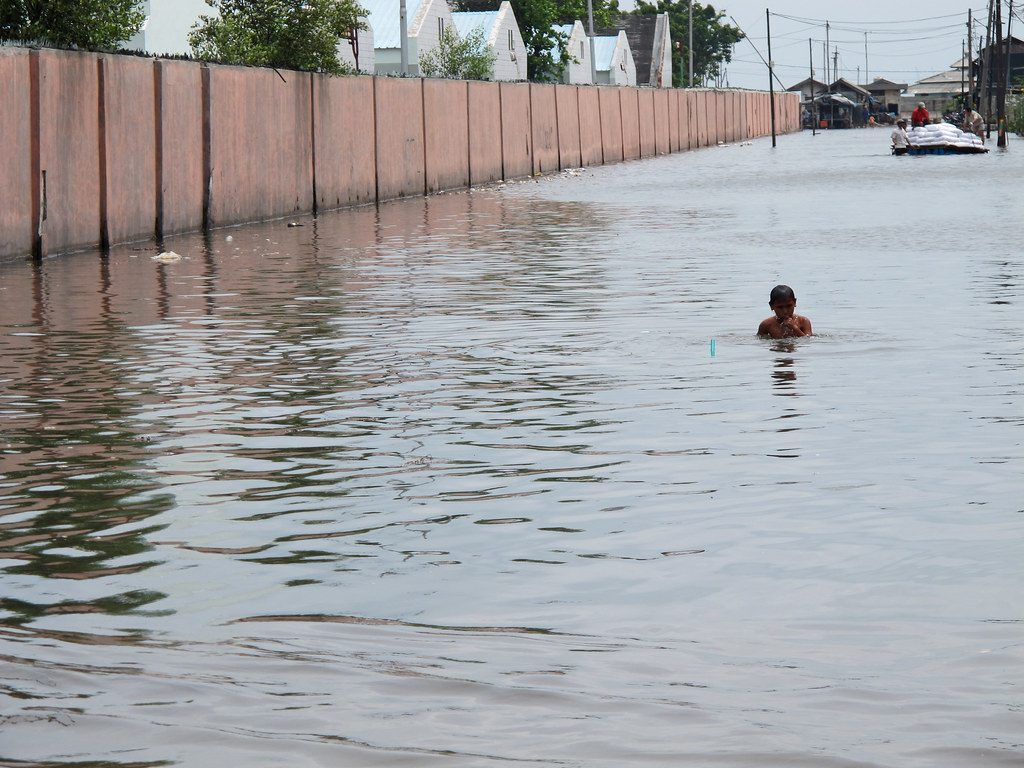
    Flooding in Jakarta” by World Bank Photo Collection is licensed under CC BY-NC-ND 2.0

    Typhoon Maysak brought torrential rain to Guangxi, causing reservoirs to overflow and flood low-lying communities around Hengzhou. The powerful floodwaters washed through several small snake-breeding farms, allowing an estimated 800 to 900 snakes to escape into surrounding neighborhoods.

    Village officials said the reptiles included cobras, king ratsnakes, and water snakes. Although venomous snakes were among those that escaped, officials emphasized that most of the reptiles were non-venomous species.

    Villagers encountered snakes in floodwaters

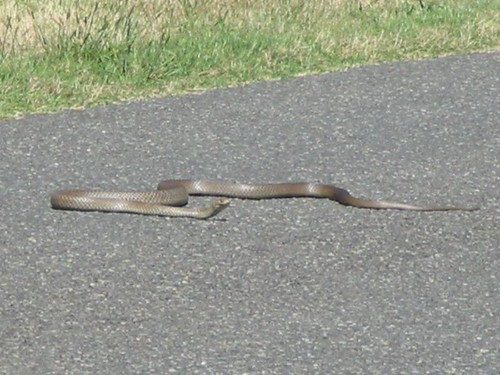
    Eastern Brown Snake” by wollombi is licensed under CC BY 2.0

    Videos circulating online showed residents standing in floodwaters while using bamboo poles and nets to locate and capture snakes. Authorities warned people not to touch any snakes by hand because it could be difficult to identify venomous species in muddy water.

    Officials confirmed that at least one villager was bitten and taken to a hospital for emergency treatment. Reports also indicated that additional residents had reported snake encounters as rescue operations continued.

    Emergency teams worked to capture the reptiles

    Snake in Hand” by Judy Harrow is licensed under CC BY-NC 2.0

    Local authorities organized a team equipped with fish nets and stun guns to recover the escaped snakes. Volunteers also joined the effort by searching flooded homes, roads, and debris where snakes had taken shelter after the floodwaters began to recede.

    Officials advised residents to stay away from flooded areas whenever possible and immediately report any snake sightings rather than attempting to capture the animals themselves.

    The floods affected far more than the snake farm

    Fierce snake (inland taipan)” by Matthew L Stevens is licensed under CC BY-NC-ND 2.0

    The escaped snakes were only one consequence of Typhoon Maysak. The storm caused widespread flooding across southern China, forcing hundreds of thousands of people to evacuate while damaging homes, roads, reservoirs, and farmland. Multiple deaths were reported as emergency crews carried out rescues across the region.

    Meteorologists warned that unusually heavy rainfall, combined with warmer global temperatures and El Niño conditions, could increase the likelihood of similar extreme weather events in the future.

    Snake farming is common in southern China

    black and brown snake trying to climb
    Photo by Vikas Shankarathota on Unsplash

    Snake breeding is a legal agricultural industry in parts of southern China, where several species are raised for food, traditional medicine, and research. Farms are often located in rural communities, making them vulnerable to flooding during severe storms.

    Extreme weather events have highlighted the risks of keeping large numbers of reptiles in flood-prone areas, prompting renewed discussion about farm safety and emergency planning.

    Recovery efforts continue

    a person holding a large snake in their hand
    Photo by Elang Wardhana on Unsplash

    Emergency workers continue monitoring affected communities, recapturing escaped snakes, and helping residents return to their homes. Authorities remain focused on restoring infrastructure, preventing additional injuries, and preparing for further heavy rainfall as southern China recovers from one of its most disruptive flood events of the year.

  • How diving with sharks helped one woman rebuild her life after cancer and divorce

    How diving with sharks helped one woman rebuild her life after cancer and divorce

    For many people, swimming with sharks sounds terrifying. For one woman recovering from breast cancer, navigating the end of her marriage, and embracing sobriety, it became something entirely different.

    A journey to Mexico’s remote Revillagigedo Archipelago was not about seeking danger but about reconnecting with a part of herself she had nearly forgotten. Far from everyday distractions, surrounded by one of the world’s richest marine ecosystems, she found clarity in the ocean rather than fear.

    A journey inspired by personal change

    person swimming under water photography
    Photo by Bobbi Wu on Unsplash

    After months of life-changing events, including cancer treatment, sobriety, and the gradual breakdown of her marriage, the author realized she needed time away from daily life. Rather than escaping her problems, she chose to confront them in one of the most remote diving destinations on Earth.

    She created a list of places she had always dreamed of visiting, eventually choosing the Revillagigedo Archipelago, a destination renowned among experienced divers for its extraordinary marine life.

    The remote islands few people

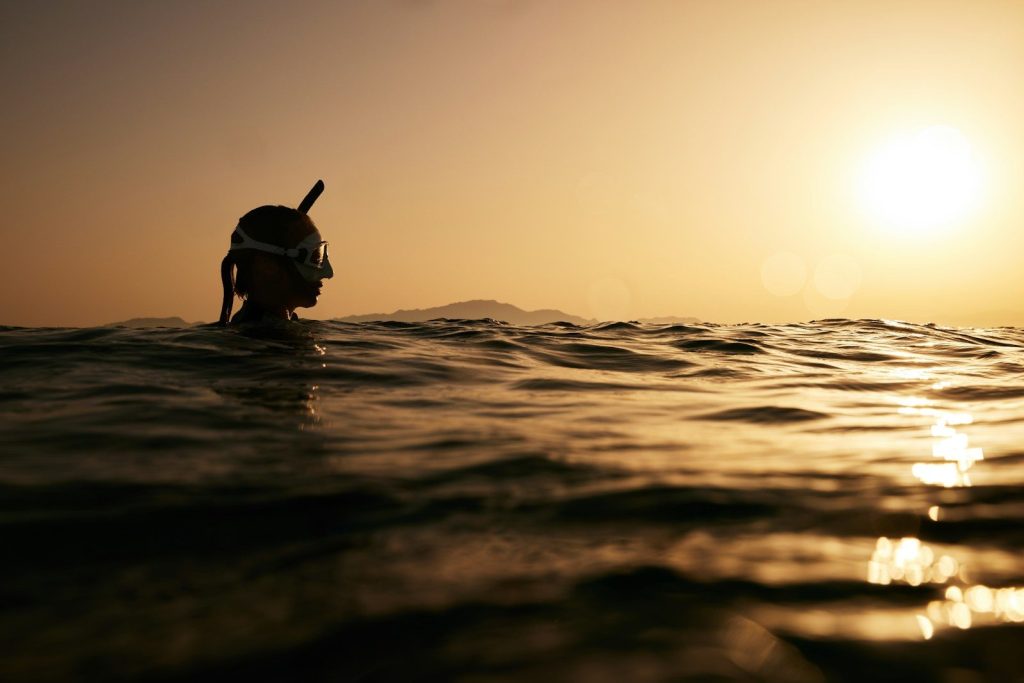
    Snorkeling Christmas Island” by D-Stanley is licensed under CC BY 2.0

    Located about 400 kilometers southwest of Cabo San Lucas, Mexico, the Revillagigedo Archipelago consists of four volcanic islands surrounded by protected waters. There are no hotels or tourist towns, and visitors usually arrive only by liveaboard dive boats after a roughly 24-hour journey across the Pacific.

    The islands are internationally recognized for encounters with giant oceanic manta rays, bottlenose dolphins, several shark species, and healthy pelagic ecosystems that attract divers from around the world.

    Why the ocean became a place of healing

    Ocean” by Chris.L.Dodds is licensed under CC BY-SA 2.0

    The author first learned to dive as a child and described the underwater world as the first place where she truly felt calm and confident. Returning to the ocean years later reminded her of that feeling of freedom and presence.

    Rather than focusing on fear, every dive became an opportunity to slow down, breathe deliberately, and reconnect with a lifelong passion that had gradually disappeared beneath years of responsibilities and personal struggles.
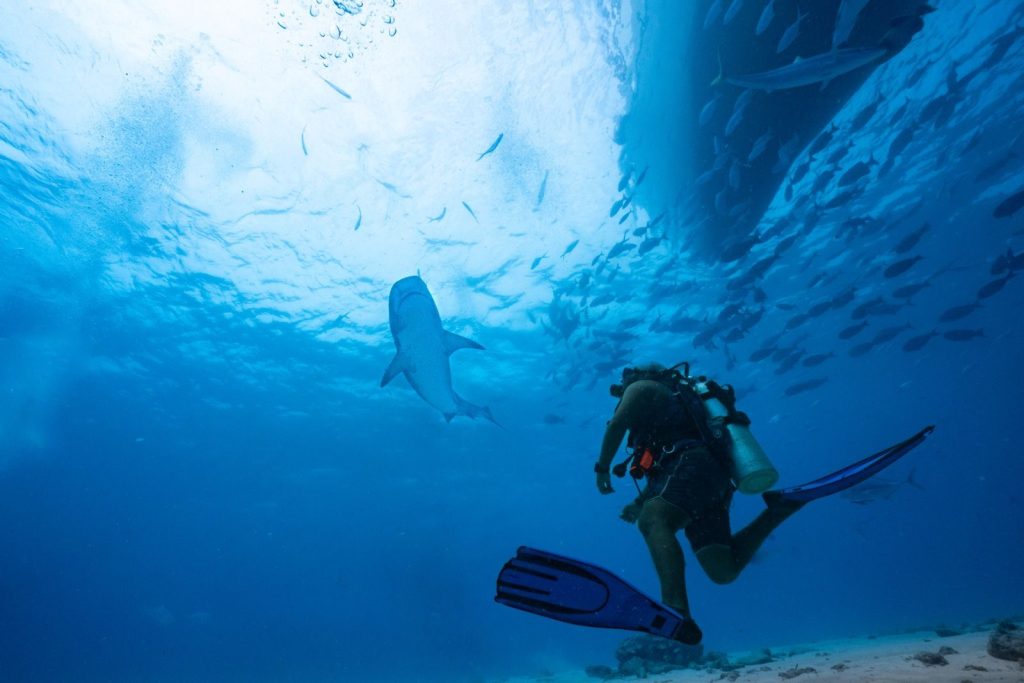
    Sharks changed her perspective

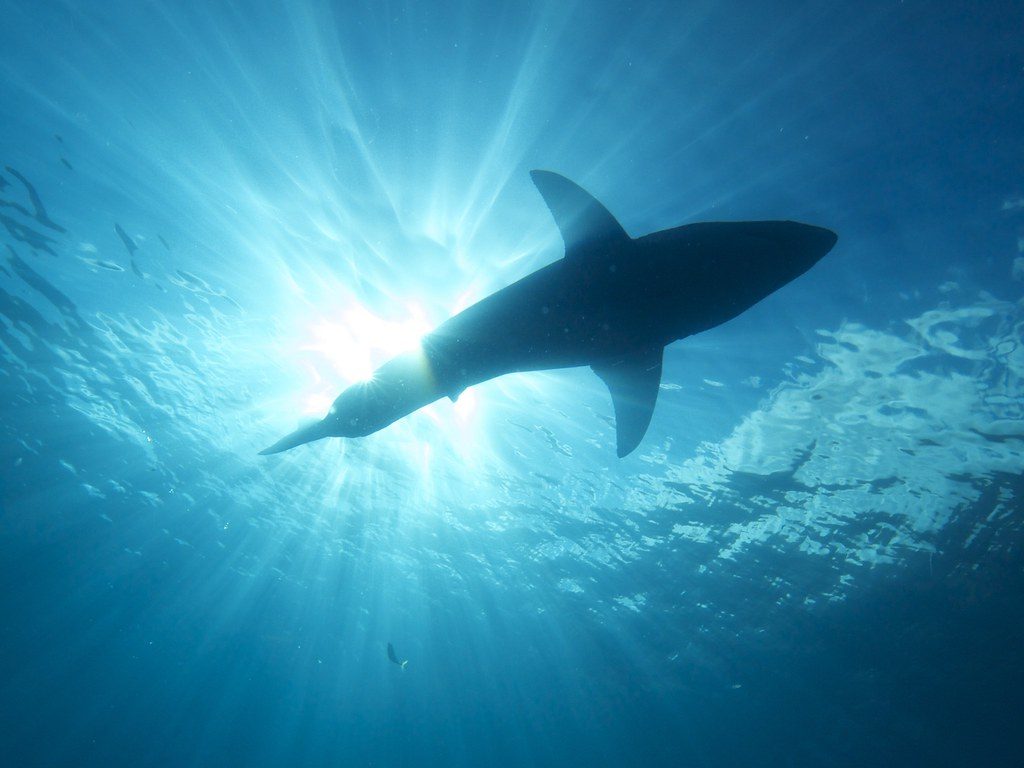
    Great White Shark” by Elias Levy is licensed under CC BY 2.0

    Although sharks often inspire fear, the author experienced them as an important part of a healthy ocean ecosystem. Watching these powerful animals in their natural habitat shifted her attention away from anxiety and toward curiosity and respect.

    The encounters also reminded her that courage is not the absence of fear but the willingness to move forward despite uncertainty. That lesson extended far beyond the underwater world and into her everyday life.

    Finding purpose beyond survival

    women's white and black polka-dot swimsuit
    Photo by Filip Filkovic Philatz on Unsplash

    Surviving cancer caused the author to rethink how she wanted to spend the rest of her life. Instead of simply returning to old routines, she decided to pursue exploration, photography, and storytelling while helping raise awareness about protecting marine environments.

    She describes the expedition not as the beginning of a new identity, but as the rediscovery of the person she had always been beneath the pressures of adulthood.

    The ocean became a turning point

    a person swimming in the ocean at sunset
    Photo by NEOM on Unsplash

    The expedition to the Revillagigedo Archipelago did not erase the hardships the author had experienced. Instead, it gave her the space to reflect, heal, and embrace a future built around exploration rather than fear.

    Her story highlights how time in nature, especially in remarkable places like the open ocean, can help people reconnect with passions that shape their lives while deepening their appreciation for the fragile ecosystems that deserve protection.

  • The surprising reason massive fish are left behind when floodwaters disappear

    The surprising reason massive fish are left behind when floodwaters disappear

    When hurricanes unleash massive floods, rivers often overflow into fields, forests, and ranches that normally stay dry. Fish follow the rising water into these temporary habitats, sometimes swimming kilometers beyond their usual range.

    But once the floodwaters disappear, not every fish makes it back. Some become stranded in isolated ponds that slowly shrink under the sun, turning a temporary refuge into a struggle for survival.

    Floods transform the landscape

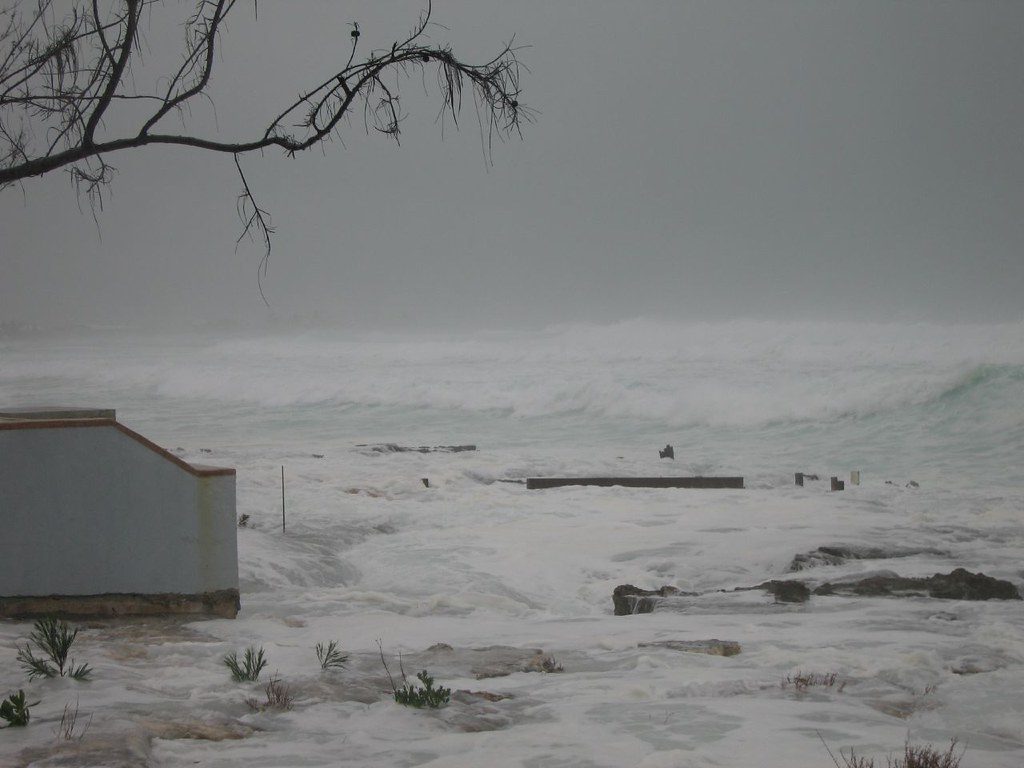
    2005-10-19 Hurricane Wilma 014” by DocJelly is licensed under CC BY-NC 2.0

    Powerful storms can completely reshape a landscape in just a few days. Rivers spill over their banks, connecting lakes, streams, wetlands, and open land into one vast body of water. Fish quickly take advantage of these new pathways to search for food and breeding areas.

    As the water begins to recede, many fish successfully return to permanent waterways. Others become trapped in disconnected pools that gradually shrink as evaporation and drainage continue.

    Giant gar are built for harsh conditions

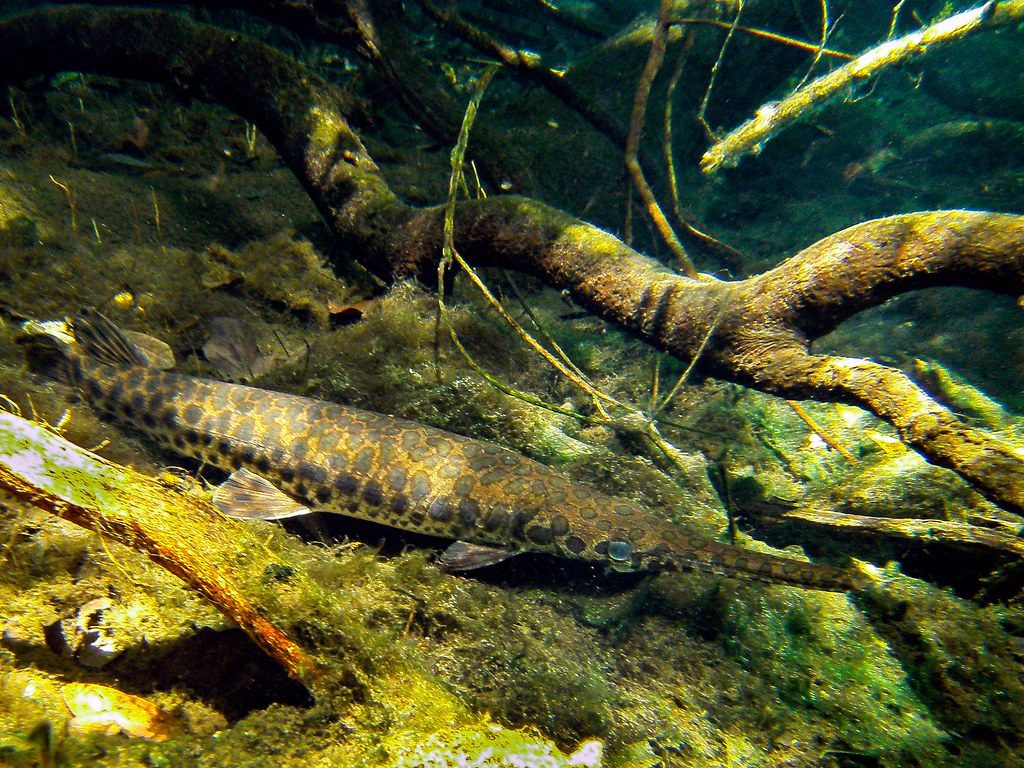
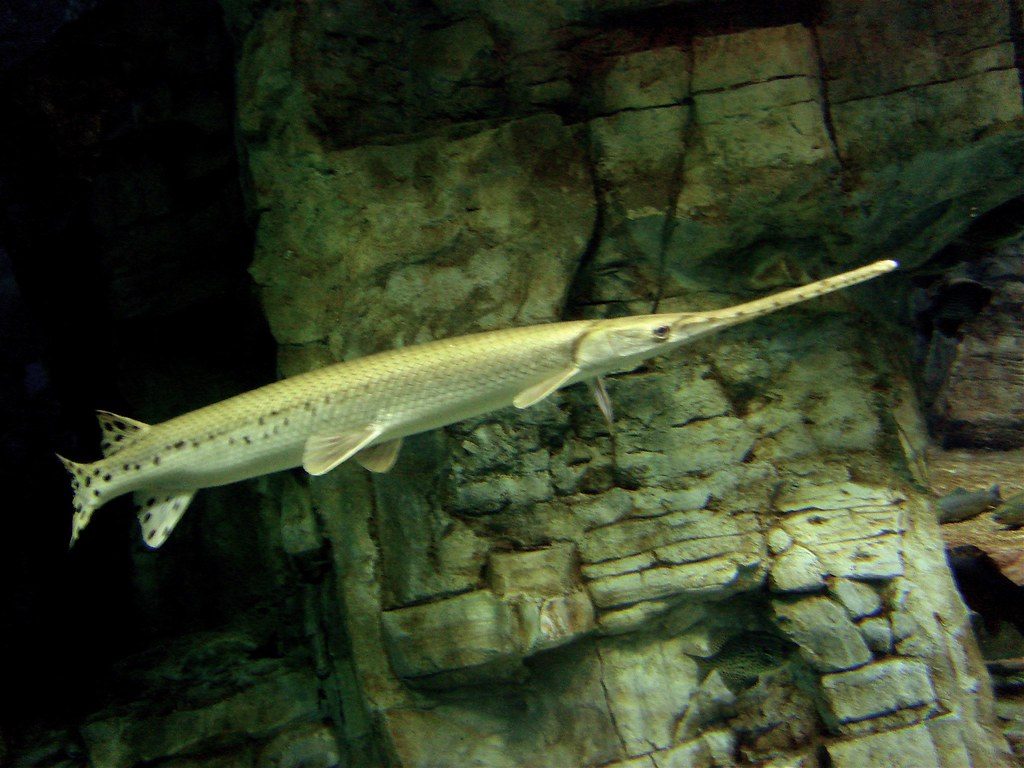
    Longnose gar” by Ann Althouse is licensed under CC BY-NC 2.0

    Among the fish sometimes found in these isolated ponds are alligator gar, one of North America’s largest freshwater fish. They can grow over 2 meters long and weigh more than 100 kilograms, making them true giants of rivers and floodplains.

    Unlike most fish, alligator gar possess a specialized swim bladder that functions much like a lung, allowing them to gulp air from the surface. This adaptation helps them survive in warm, oxygen-poor water where many other fish would quickly perish.

    Shrinking ponds become survival traps

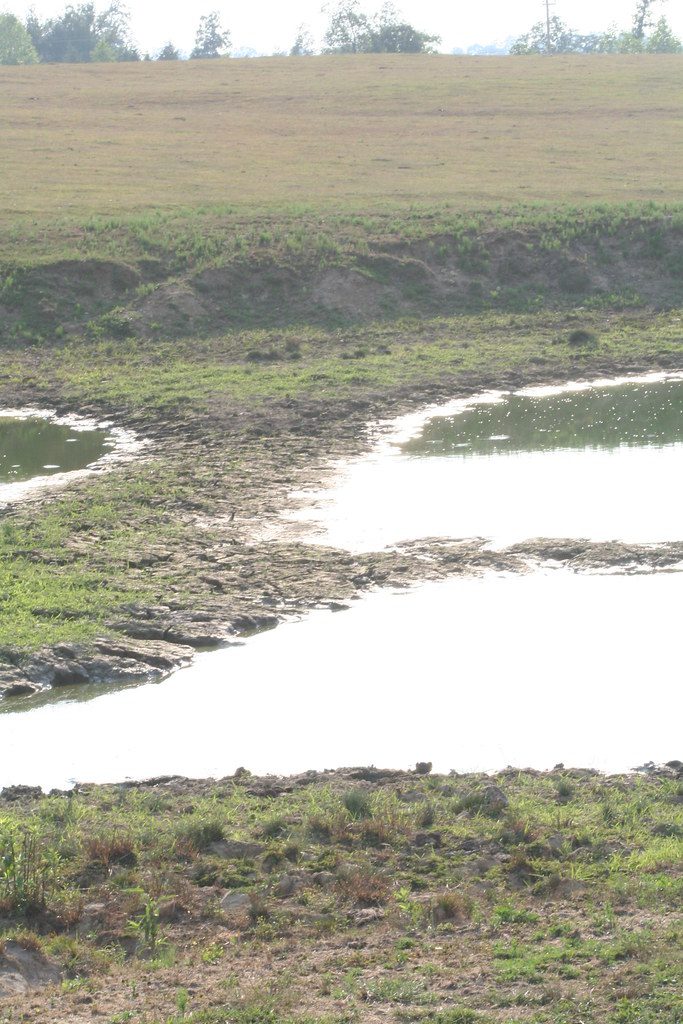
    Shrinking Pond” by Roadside Bandit is licensed under CC BY-NC-ND 2.0

    As isolated ponds lose water, oxygen levels decline while temperatures rise. Food becomes scarce, and fish are forced into increasingly crowded spaces. Larger fish may survive longer because of their size and ability to tolerate difficult conditions, but even they eventually face life-threatening stress.
    Without renewed rainfall or a connection back to flowing water, these temporary pools can disappear entirely, leaving trapped wildlife with little chance of survival.
    Wildlife rescues can make a difference

    a man carrying a woman
    Photo by Pramod Kumar Sharma on Unsplash

    In some areas, wildlife volunteers, conservation groups, and local residents occasionally rescue stranded fish by relocating them to nearby rivers or lakes when it is safe and legally permitted. These efforts can save individual animals, especially large, long-lived species.

    However, rescues are not always possible. Many stranded ponds are difficult to reach, and moving large fish requires specialized equipment and trained personnel to avoid harming the animals.

    Floods are both destructive and beneficial

    Flooding in Jakarta” by World Bank Photo Collection is licensed under CC BY-NC-ND 2.0

    Although hurricanes can strand wildlife, seasonal flooding is also an essential part of many freshwater ecosystems. Floodwaters spread nutrients across floodplains, create nursery habitats for young fish, and increase biodiversity throughout river systems.

    Problems arise when floodwaters disappear rapidly or when human-made barriers prevent fish from naturally returning to permanent waterways.

    Nature changes with every season

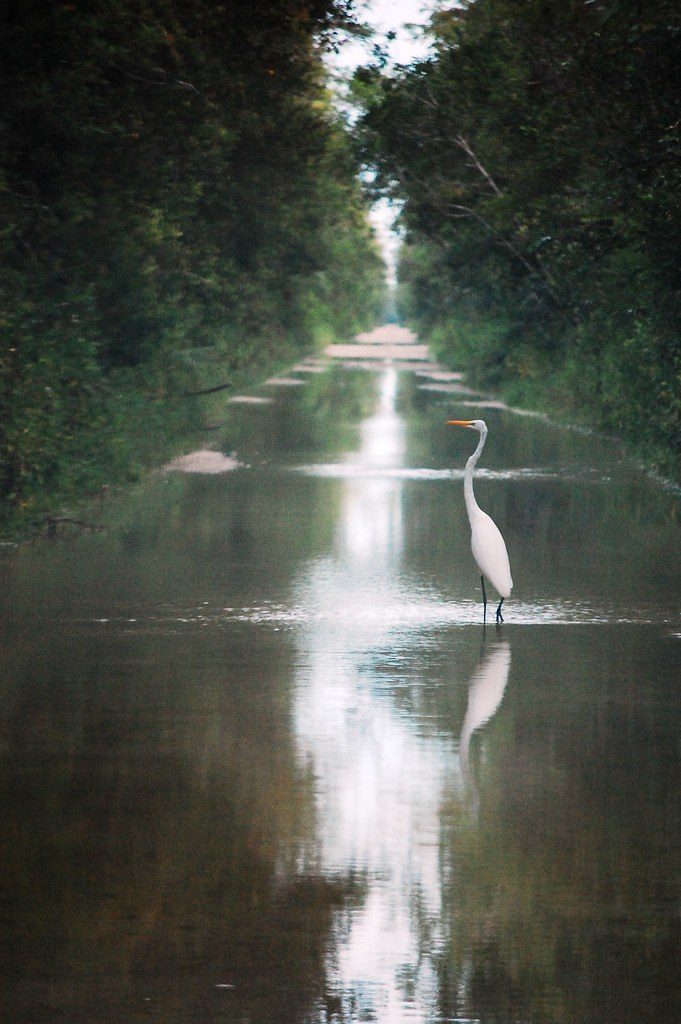
    The animals take control of a flooded road” by wyntuition is licensed under CC BY-SA 2.0

    One season can completely transform a familiar landscape. A dry ranch may become a temporary lake after a hurricane, only to return months later as grassland dotted with shrinking ponds. The stranded fish left behind are reminders of how dynamic freshwater ecosystems truly are.

    Scientists continue studying these flood-driven changes to better understand how extreme weather shapes wildlife populations and how conservation efforts can protect vulnerable species after major storms.

  • Can wild elephants really remember people after more than a decade?

    Can wild elephants really remember people after more than a decade?

    Elephants are famous for their intelligence, but one viral story has captured even more attention. It claims that a wild elephant recognized the veterinarian who treated him 12 years earlier and greeted him with a gentle, emotional gesture. While the authenticity of that specific reunion has not been independently verified, scientists agree that elephants possess extraordinarily long-term memories.

    Their ability to recognize familiar individuals after many years is one of the reasons they are considered among the most intelligent animals on Earth.

    Elephant memories are remarkably powerful

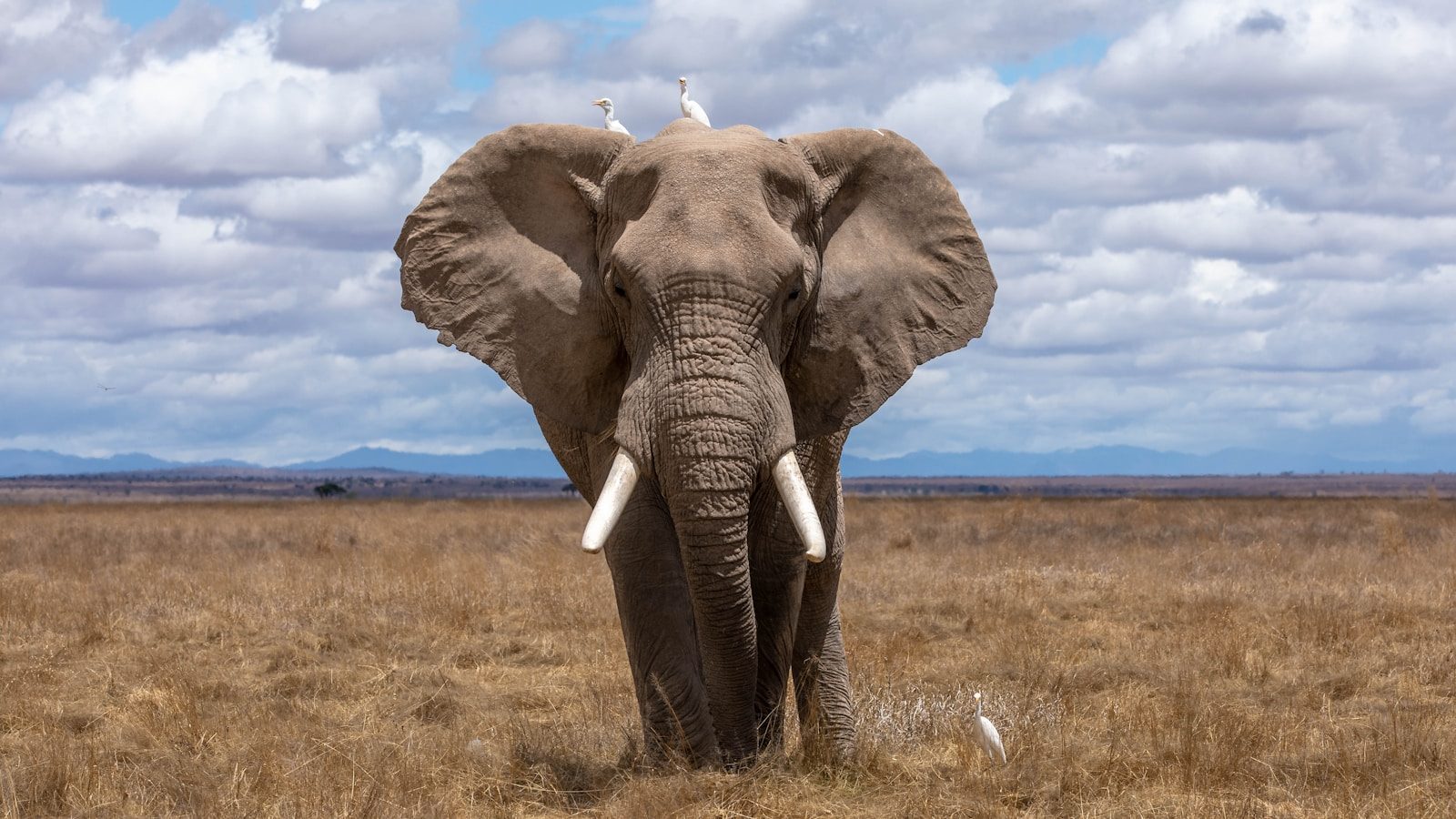
    brown elephant on green grass field during daytime
    Photo by Wolfgang Hasselmann on Unsplash

    Research has shown that elephants can remember the voices, scents, and appearances of other elephants for many years. This ability helps them maintain complex family relationships, locate water sources during droughts, and recognize both friends and potential threats. Their large brains, particularly regions associated with memory and social behavior, support these impressive cognitive abilities.

    Studies have also found that elephants can distinguish between familiar and unfamiliar humans, especially when previous interactions were positive or negative. This long-term recognition plays an important role in their survival and social lives.

    How elephants recognize familiar people

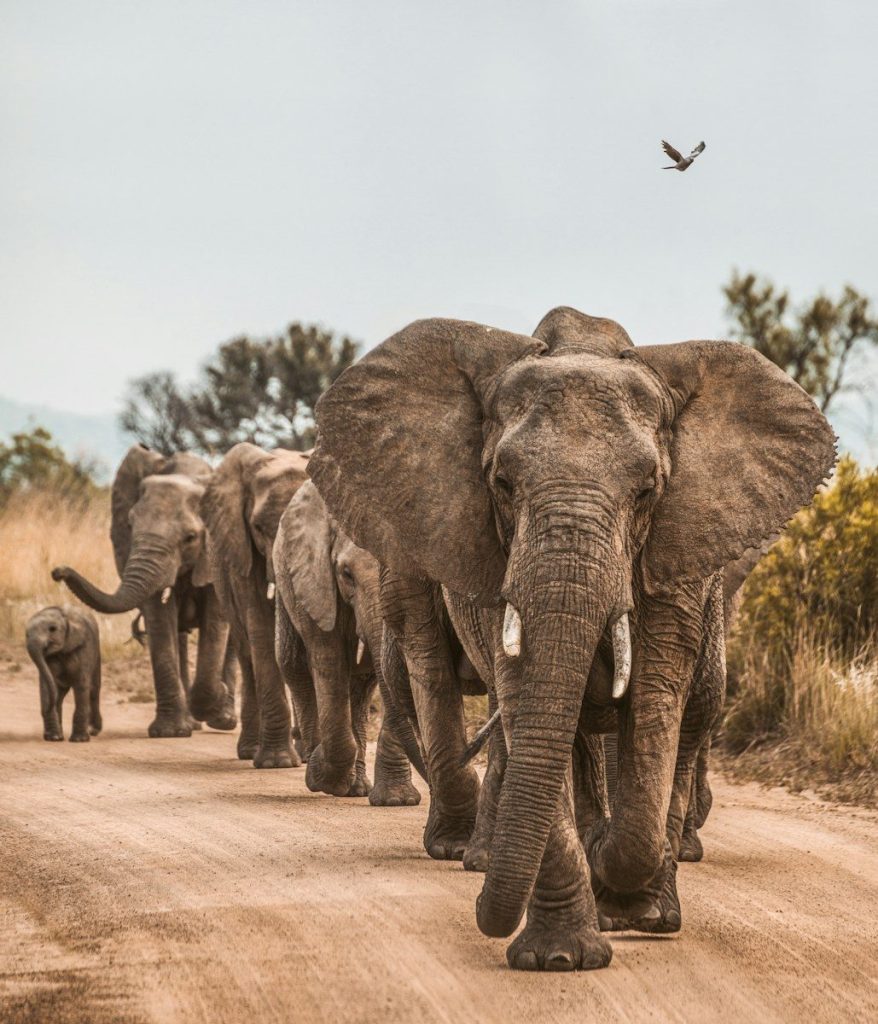
    elephants on road
    Photo by redcharlie on Unsplash

    Elephants rely on far more than eyesight. They use a combination of scent, vocal recognition, body language, and previous experiences to identify individuals. Their highly sensitive trunks can detect scents from remarkable distances, while their hearing allows them to recognize voices and even low-frequency sounds.

    These abilities help elephants identify trusted caretakers, avoid dangerous people, and maintain long-term social relationships within their herds.

    Strong bonds can form with caregivers

    gray elephant walking beside green plants during daytime
    Photo by Zoë Reeve on Unsplash

    Elephants living in sanctuaries and rehabilitation centers often develop close relationships with veterinarians, caretakers, and rescue workers. Animals that receive repeated care may become comfortable around specific people, responding calmly to their voices, scent, or presence.

    Conservationists frequently observe rescued elephants greeting familiar caregivers with trunk touches, low rumbles, or relaxed body language. While these behaviors do not necessarily prove human-like emotions, they demonstrate strong social recognition.

    The viral reunion remains unverified

    two grey elephants on grass plains during sunset
    Photo by Mylon Ollila on Unsplash

    The widely shared story of a wild elephant recognizing a veterinarian after 12 years has appeared across social media and entertainment platforms. However, no peer-reviewed scientific report or verified wildlife organization has confirmed that the event occurred exactly as described.

    That does not mean the story is implausible. Experts agree that elephants are fully capable of remembering individuals over very long periods if they have had meaningful previous interactions.

    Why elephants are among Earth’s smartest animals

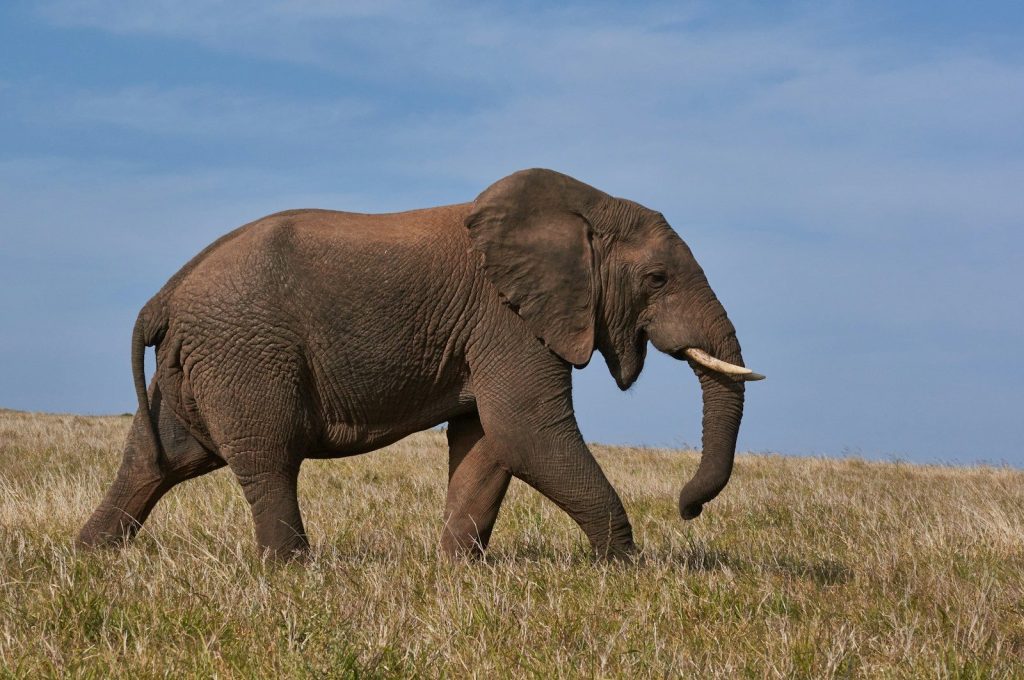
    brown elephant on grass field
    Photo by Wolfgang Hasselmann on Unsplash

    Elephants display many behaviors linked to advanced intelligence. They cooperate to solve problems, use tools, communicate through vocalizations and low-frequency vibrations, and even appear to comfort distressed members of their herd. Researchers have also documented self-recognition in mirrors, a trait shared by only a few animal species.

    Their intelligence is closely tied to their highly social lifestyle, where remembering family members and important locations can mean the difference between survival and hardship.

    Protecting elephants remains essential

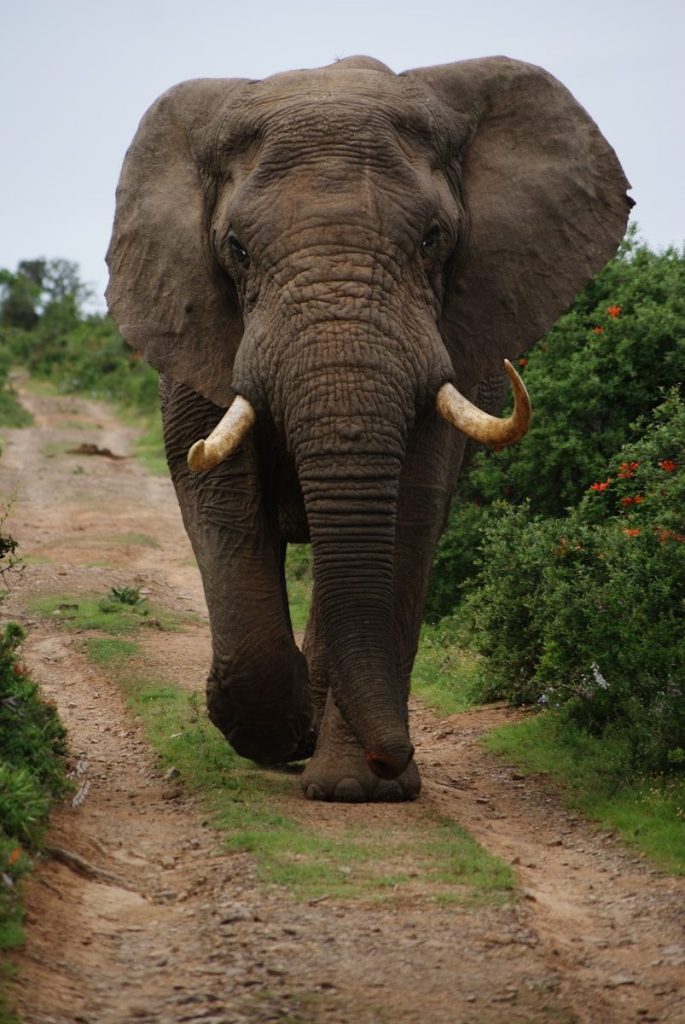
    gray elephant
    Photo by Eric Heininger on Unsplash

    Both African and Asian elephants continue to face threats from habitat loss, human-wildlife conflict, and illegal poaching. Wildlife sanctuaries and rescue organizations provide medical care, rehabilitation, and protected habitats for injured or abused elephants, giving many a second chance at life.

    Scientists hope continued research into elephant behavior will improve conservation efforts while deepening our understanding of one of the world’s most intelligent mammals.

  • Scientists discover strange deep-sea animals thriving nearly 10,000 meters below the Pacific

    Scientists discover strange deep-sea animals thriving nearly 10,000 meters below the Pacific

    Nearly 10,000 meters beneath the Pacific Ocean, where sunlight never reaches, and pressure is more than 900 times that at sea level, scientists have discovered thriving communities of unusual marine animals. Instead of depending on sunlight like almost every other ecosystem on Earth, these creatures survive using chemical energy released from the seafloor.

    The discovery expands the known limits of life and suggests that similar ecosystems may exist in other unexplored ocean trenches.

    Life exists without sunlight

    Diver explores underwater world with sharks in Maldives' clear blue waters.
    Photo by Pexels User on Pexels

    Most life on Earth ultimately depends on photosynthesis, which converts sunlight into energy. But in the deepest ocean trenches, sunlight never penetrates the darkness. Instead, microorganisms produce energy through chemosynthesis, using chemicals such as hydrogen sulfide and methane released from the seafloor.

    These microbes form the foundation of an entire food web, supporting larger animals that would otherwise have no energy source in such an extreme environment.

    Scientists explored nearly 10,000 meters deep

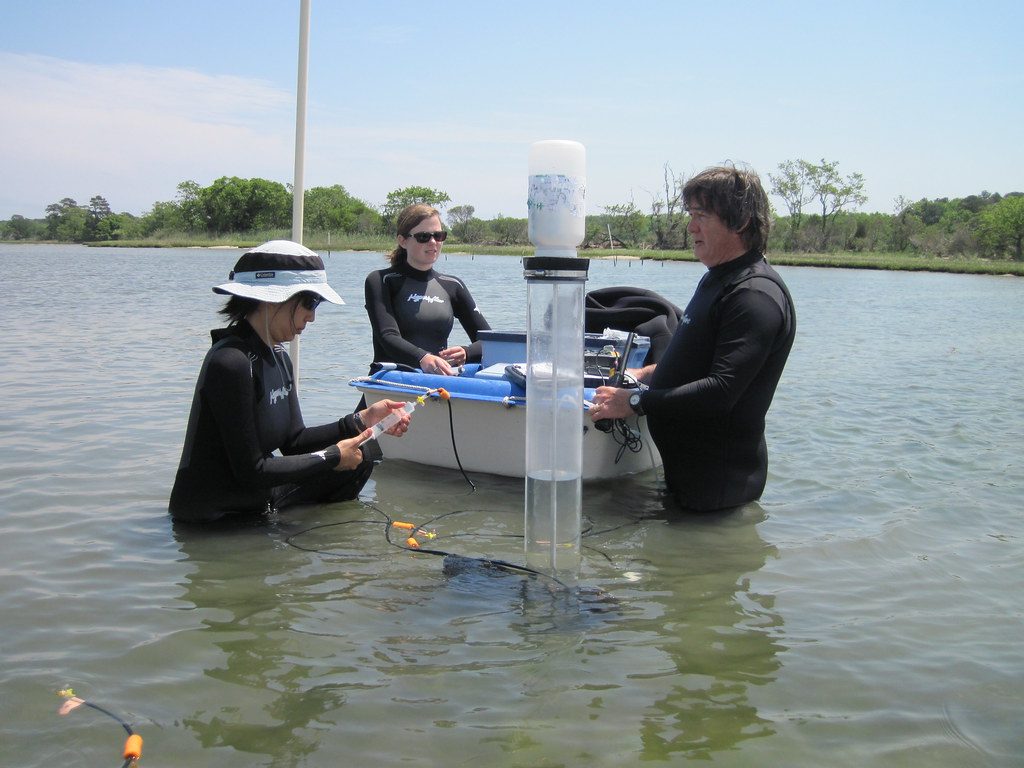
    Marine Scientist Jennifer Stanhope, VASG Graduate Research Fellow Annie Murphy, and Mark Luckenbach take water samples from the cores over the course of the day to measure the nutrient concentrations in the water. ©Margaret Pizer/VASG” by Virginia Sea Grant is licensed under CC BY-ND 2.0

    The discoveries were made during expeditions aboard the Chinese crewed submersible Fendouzhe, which surveyed about 2,500 kilometers of the Kuril–Kamchatka and western Aleutian trenches in the northwest Pacific. Researchers documented communities living between 5,800 and 9,533 meters, making them the deepest known chemosynthetic animal ecosystems.

    The findings were published in the journal Nature and represent one of the most significant deep-sea discoveries in recent years.

    Strange animals dominate the ecosystem

    purple long leafed plant
    Photo by David Clode on Unsplash

    The newly discovered communities are dominated by tube worms and bivalve mollusks, alongside snails, sea cucumbers, and other deep-sea invertebrates. Many of these animals host symbiotic bacteria inside their bodies that convert methane and hydrogen sulfide into nutrients.

    Researchers believe some of the species collected during the expedition may be completely new to science.

    Geological activity powers the ecosystem

    a couple of plants that are in the sand
    Photo by Oleksandr Sushko on Unsplash

    Unlike hydrothermal vent communities heated by magma, these ecosystems are fueled by methane-rich and hydrogen sulfide-rich fluids moving upward through faults in deep ocean sediments. These chemical-rich seeps continuously provide the energy needed to support life.

    The discovery suggests similar ecosystems could exist in many other deep trenches around the world that have never been explored.

    The discovery could help the search for alien life

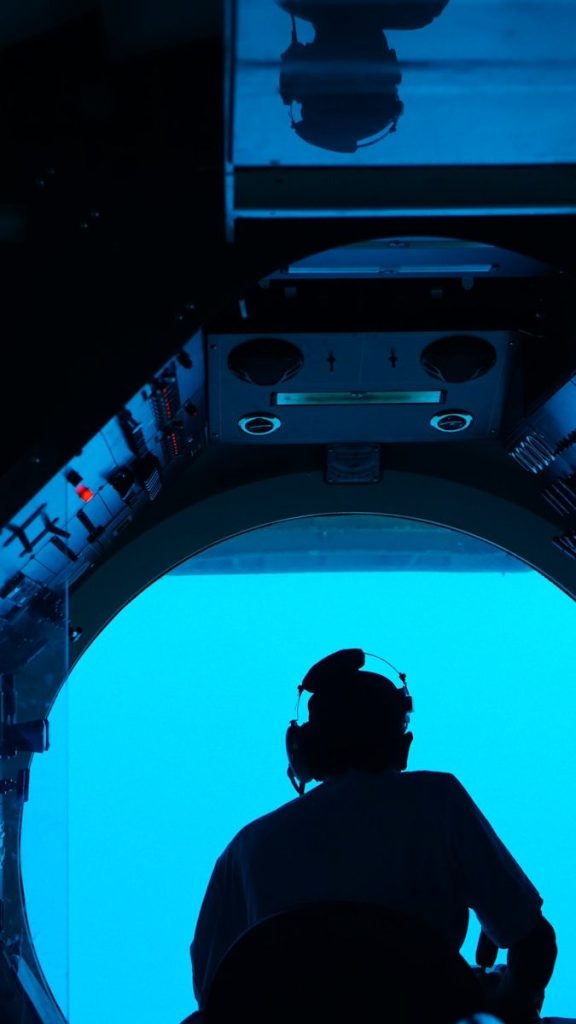
    man wearing black headphones
    Photo by Teo D on Unsplash

    Scientists say these ecosystems demonstrate that life can flourish without sunlight if chemical energy is available. This has important implications for planets and moons that contain underground oceans but receive little or no solar energy.

    Moons such as Europa and Enceladus, which are believed to contain subsurface oceans, have become key targets in the search for extraterrestrial life because they may possess similar chemical conditions.

    Earth’s deepest ecosystems remain largely unexplored

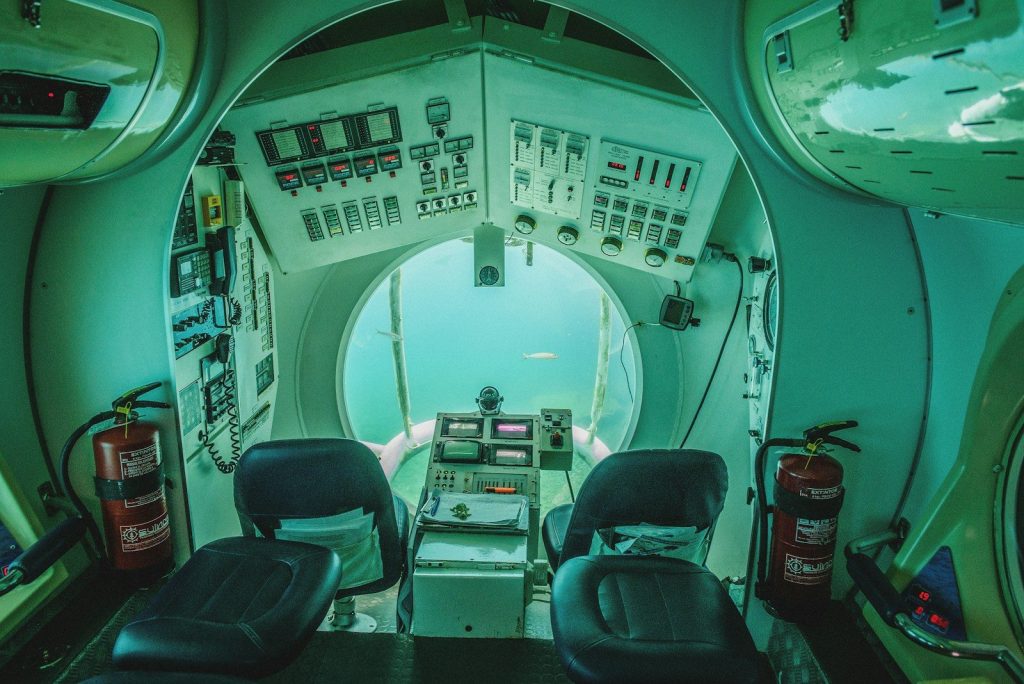
    empty seats inside vehicle with fire extinguishers
    Photo by Michal Mrozek on Unsplash

    Despite decades of ocean research, scientists have explored only a tiny fraction of the deep seafloor. Every new expedition continues to reveal organisms and ecosystems unlike anything previously known.

    Researchers believe future expeditions will likely uncover many more unusual species and improve our understanding of how life survives under some of the harshest conditions on Earth.

  • Florida hiker dies after unprovoked alligator attack during swim in state forest river

    Florida hiker dies after unprovoked alligator attack during swim in state forest river

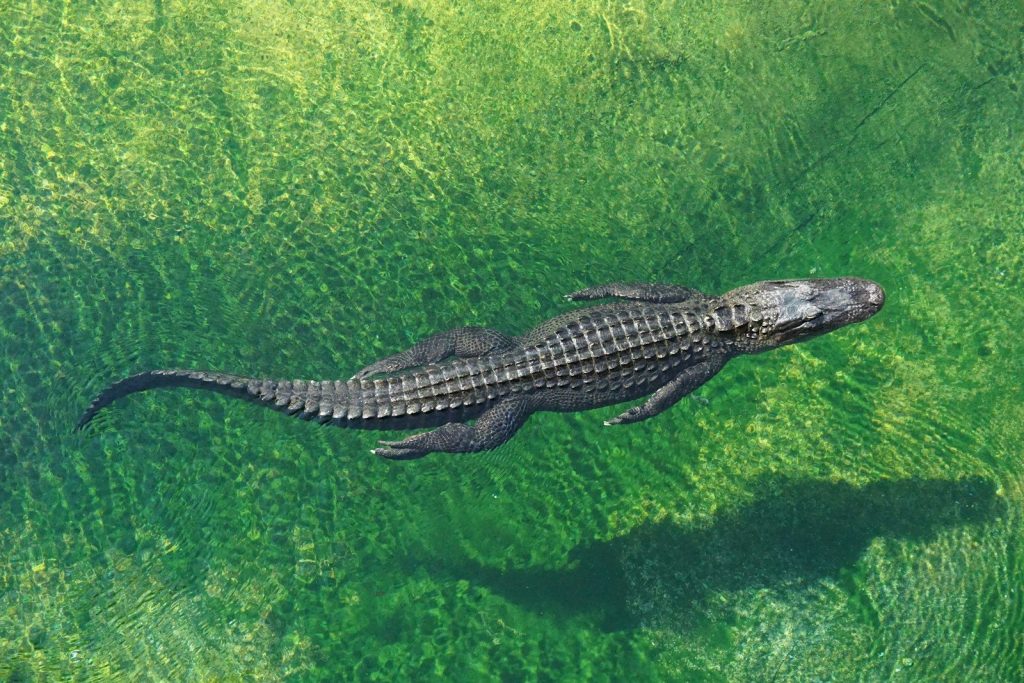
    A hiking trip in Central Florida turned tragic when 31-year-old Brittany Clark was fatally attacked by an alligator while swimming in the Econlockhatchee River at Little Big Econ State Forest. Clark had entered the water with her boyfriend, Chance Allison, and a friend to cool off after their hike.

    A newly released medical examiner’s report provides new details about Allison’s efforts to rescue her during the attack and the investigation that followed.

    A relaxing swim turned into an emergency

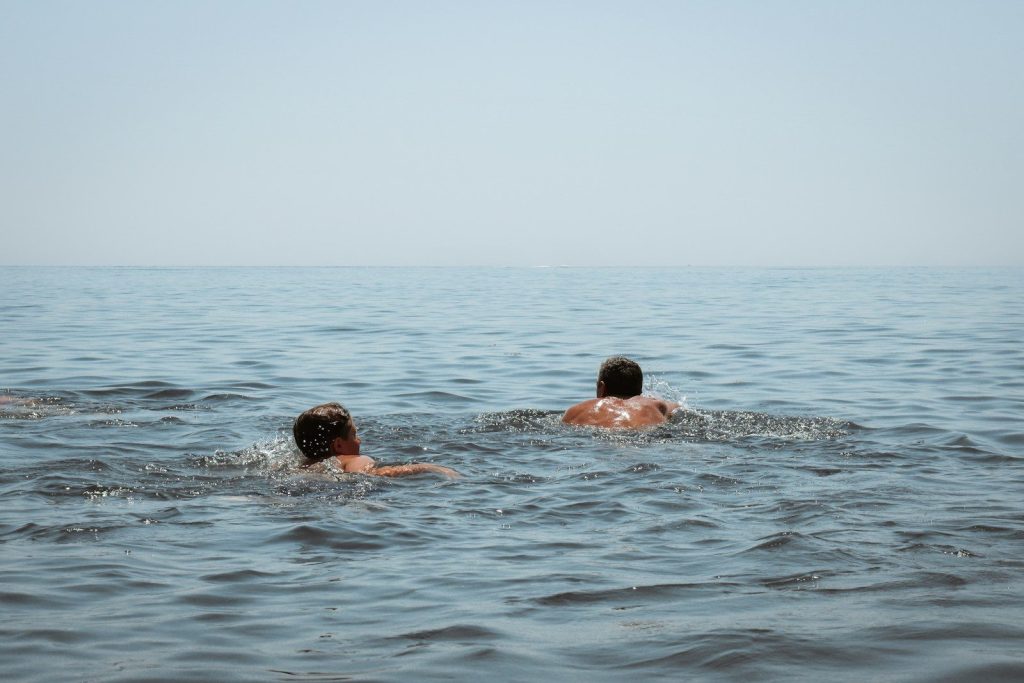
    Two people swimming in the calm ocean.
    Photo by Sara Ruffoni on Unsplash

    On June 28, 2026, Clark, Allison, and a friend entered the Econlockhatchee River after hiking through Little Big Econ State Forest in Seminole County, Florida. Investigators said the group was swimming in shoulder-deep water when a large alligator suddenly attacked Clark without any apparent provocation.

    Wildlife officials said there was no indication the group had been feeding, harassing, or attempting to interact with the animal before the attack.

    Boyfriend tried to pull her free

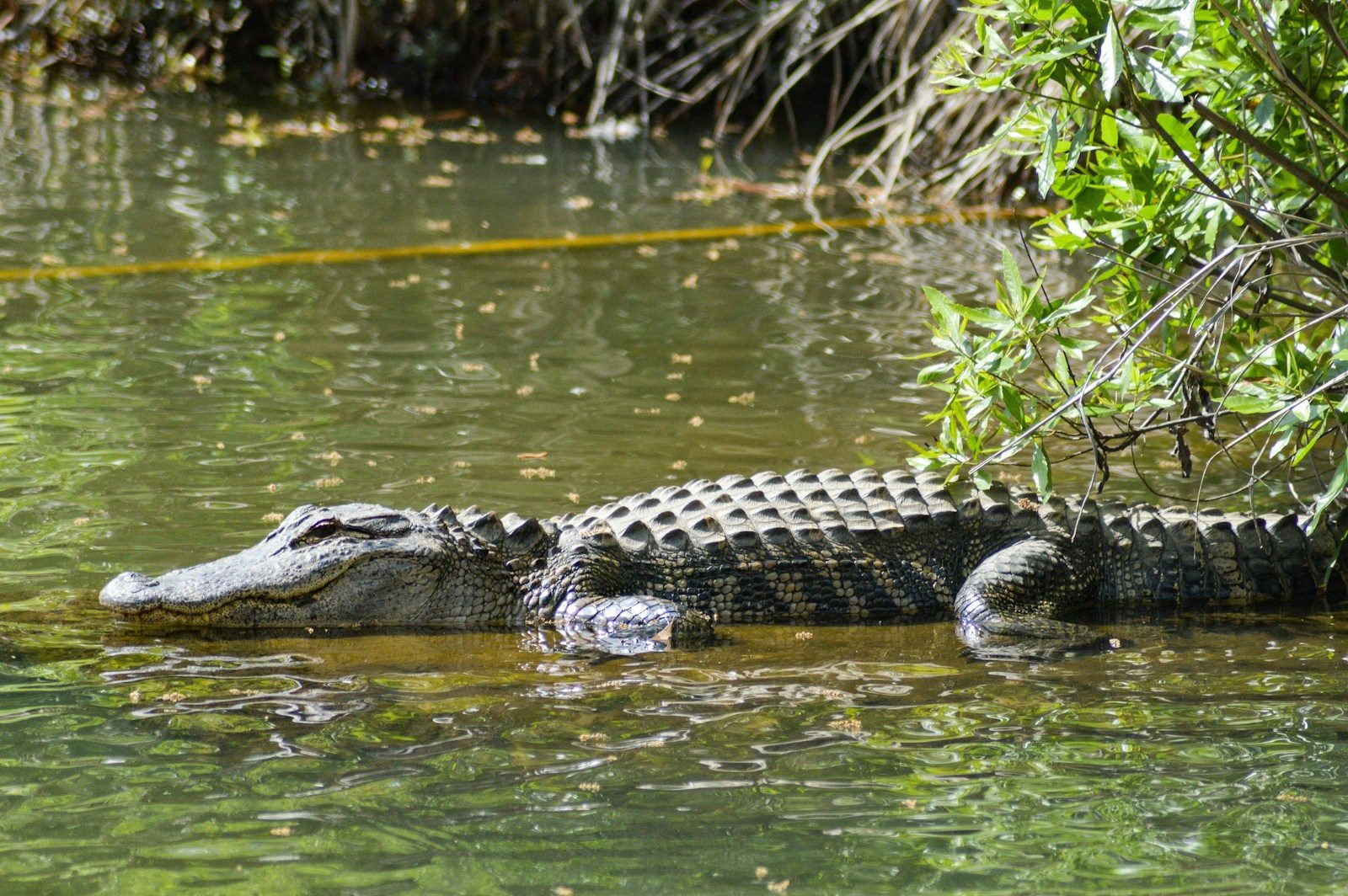
    crocodile in body of water
    Photo by Shelly Collins on Unsplash

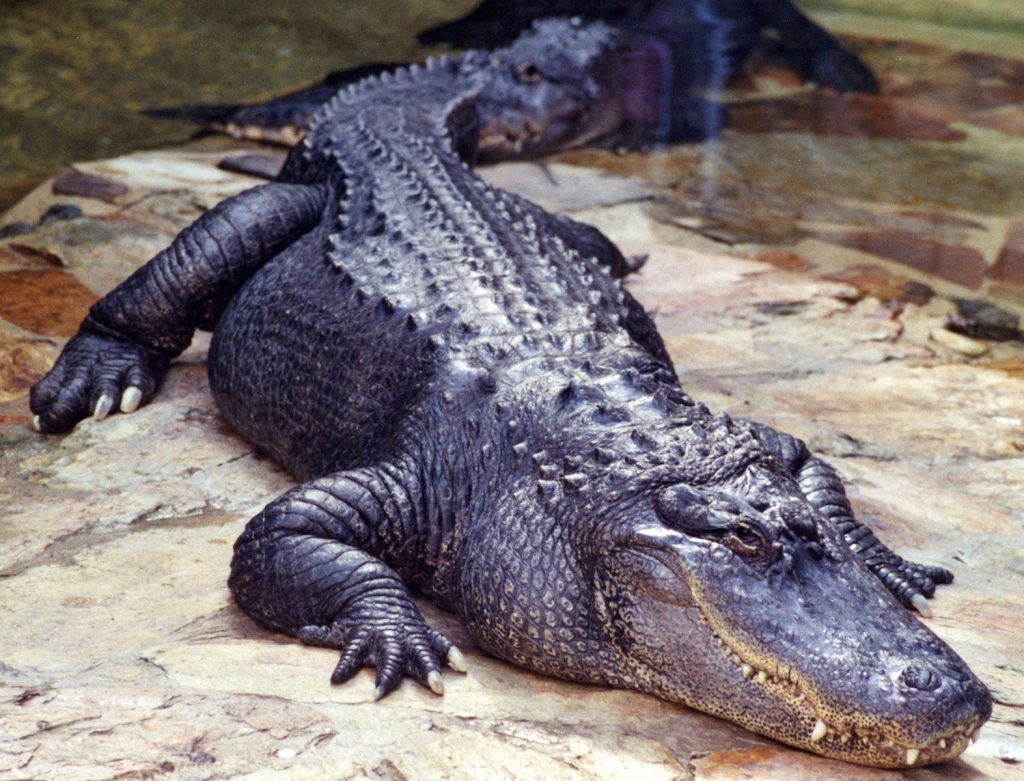
    According to the preliminary medical examiner’s report, the alligator seized Clark and performed a “death roll,” a defensive feeding behavior in which the animal spins rapidly while holding its prey. Allison immediately grabbed the alligator in an effort to force it to release her.

    The report says Clark was briefly freed before the alligator grabbed her again. Allison ultimately managed to pull her to shore and called 911 while emergency responders rushed to the scene.

    Emergency crews responded quickly

    blue car on the street during night time
    Photo by Michael Förtsch on Unsplash

    During the 911 call, Allison urgently requested medical assistance as Clark suffered catastrophic injuries. First responders reached the scene, provided emergency treatment, and transported her to a hospital, where she was later pronounced dead.

    The medical examiner concluded that Clark died from the severe injuries sustained during the attack.

    Investigators identified the suspected alligator

    black crocodile on water during daytime
    Photo by Lisa Yount on Unsplash

    Following the incident, Florida Fish and Wildlife Conservation Commission trappers captured two large alligators from the area. According to the medical examiner’s report, bite marks on Clark’s injuries were consistent with one of the captured animals.

    Officials continue to examine evidence related to the attack, although wildlife experts emphasize that fatal alligator attacks remain extremely uncommon in Florida.

    Officials remind visitors to stay alert

    a large reptile walking on a road
    Photo by Michael Prewitt on Unsplash

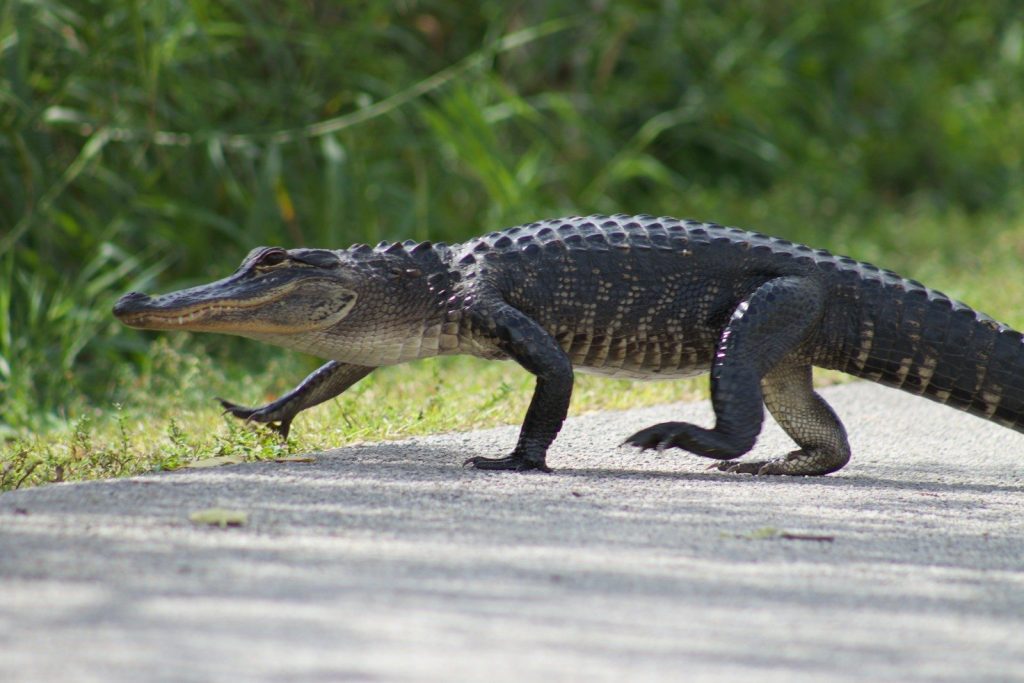
    Florida wildlife officials advise people to swim only in designated swimming areas, avoid entering natural waterways where visibility is poor, and always remain aware that alligators may be present in rivers, lakes, ponds, and wetlands throughout the state.

    The agency also reminds residents and visitors never to feed alligators or approach them, since animals that lose their natural fear of humans are more likely to become dangerous.

    The tragedy renewed public attention

    A person holding a smart phone with social media on the screen
    Photo by Berke Citak on Unsplash

    The fatal attack drew widespread attention because it occurred during a routine outdoor outing and because of Allison’s attempt to save Clark despite the danger. Family members have remembered Clark as someone who loved the outdoors, hiking, and spending time on the water.

    The incident also renewed discussion about safety around natural waterways during Florida’s warmer months, when alligator activity tends to increase.

  • How the harpy eagle became powerful enough to hunt monkeys high in the rainforest canopy

    How the harpy eagle became powerful enough to hunt monkeys high in the rainforest canopy

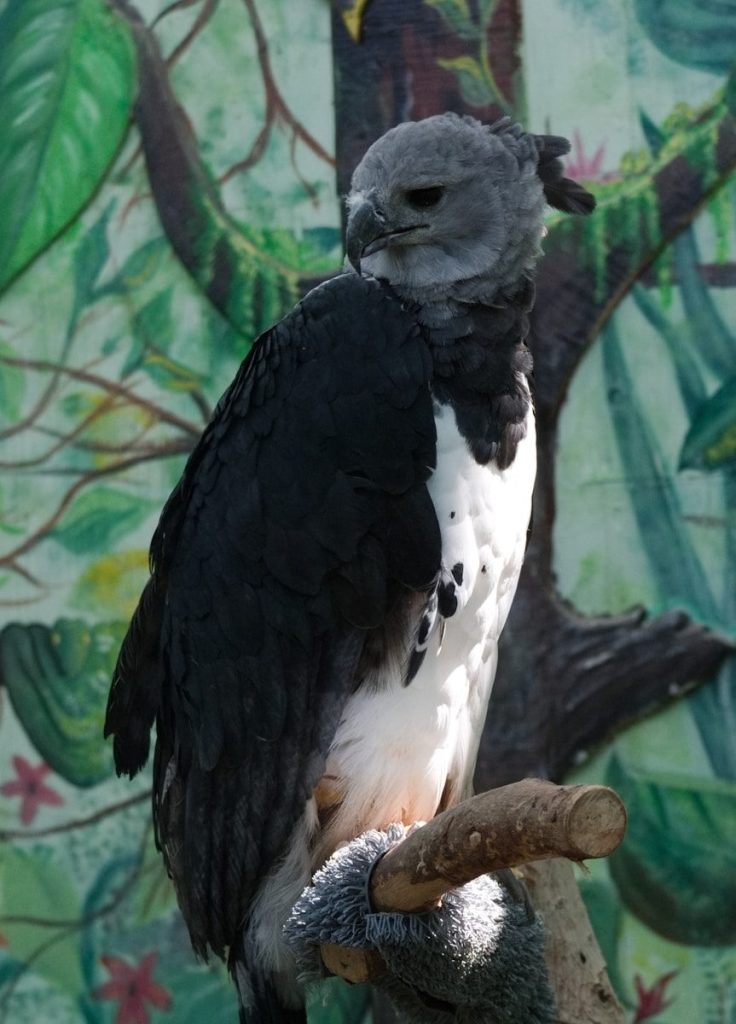
    High above the rainforest floor lives one of the world’s most powerful birds of prey. The harpy eagle dominates the forest canopy with enormous talons, incredible strength, and remarkable agility.

    Instead of chasing prey across open skies, it silently moves through dense trees before launching a sudden attack on monkeys, sloths, and other animals. Every feature of this remarkable predator has evolved to hunt in one of Earth’s most challenging environments.

    The harpy eagle is built for strength

    a large bird perched on top of a tree branch
    Photo by Ethan Grey on Unsplash

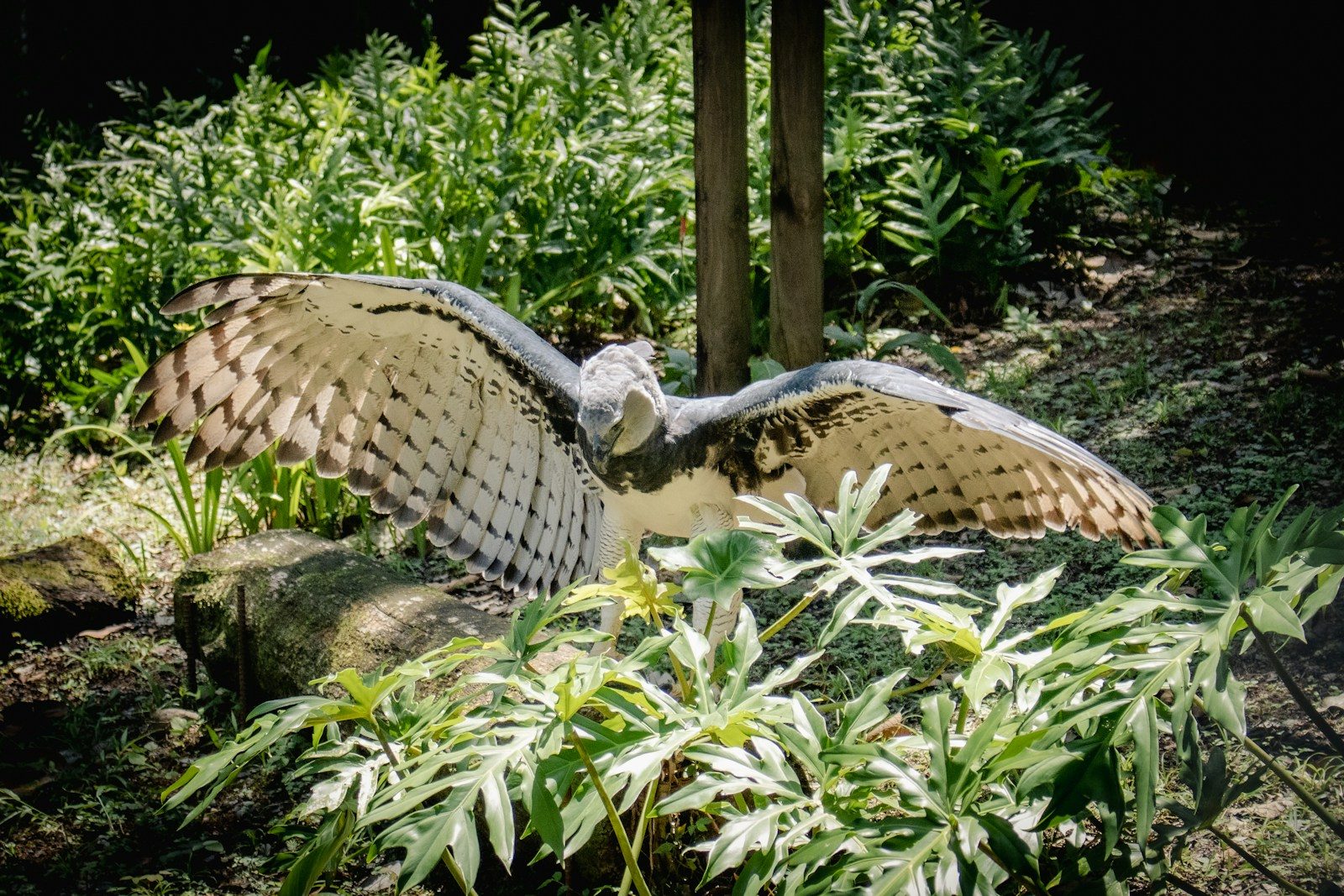
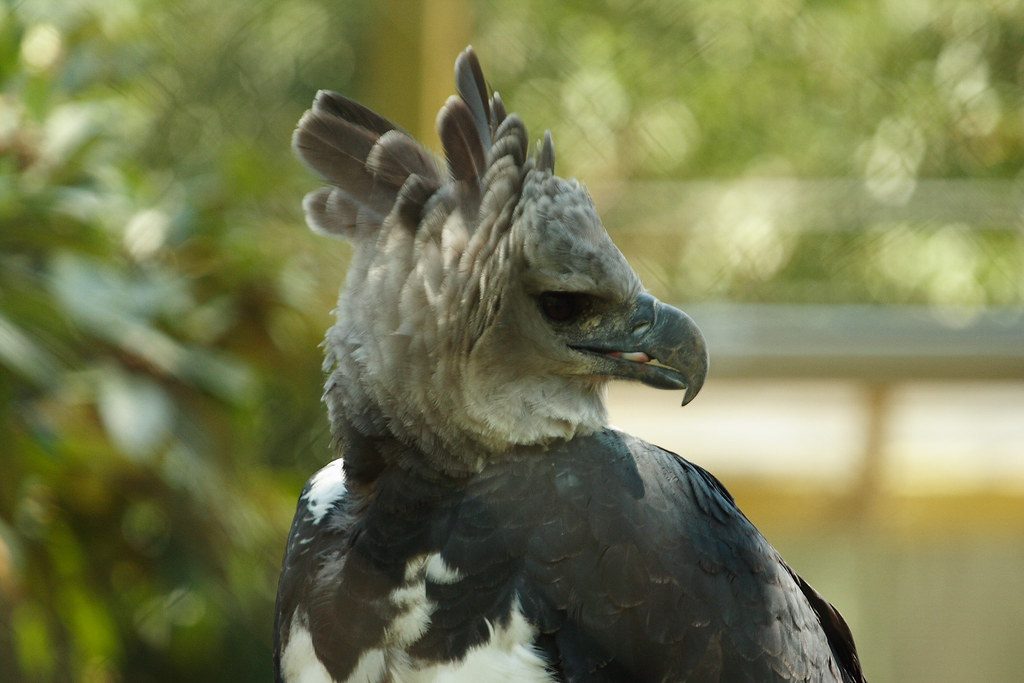
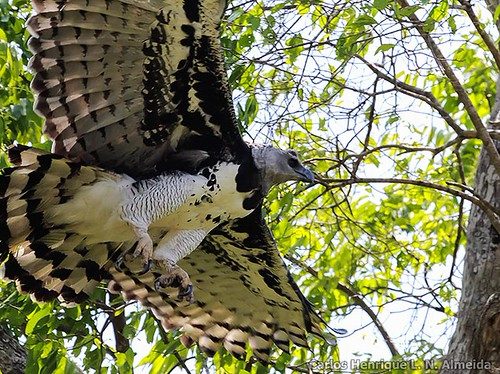
    The harpy eagle is among the largest and most powerful living eagles. Females can weigh up to 9 kilograms and have wings spanning about 2 meters, while their broad wings help them fly through dense rainforest instead of open skies.

    Unlike many soaring eagles, harpy eagles have relatively short, broad wings and a long tail that allow them to maneuver quickly between trees while searching for prey.

    Massive talons secure powerful prey

    A majestic harpy eagle with striking grey and white plumage.
    Photo by Diego Costa on Unsplash

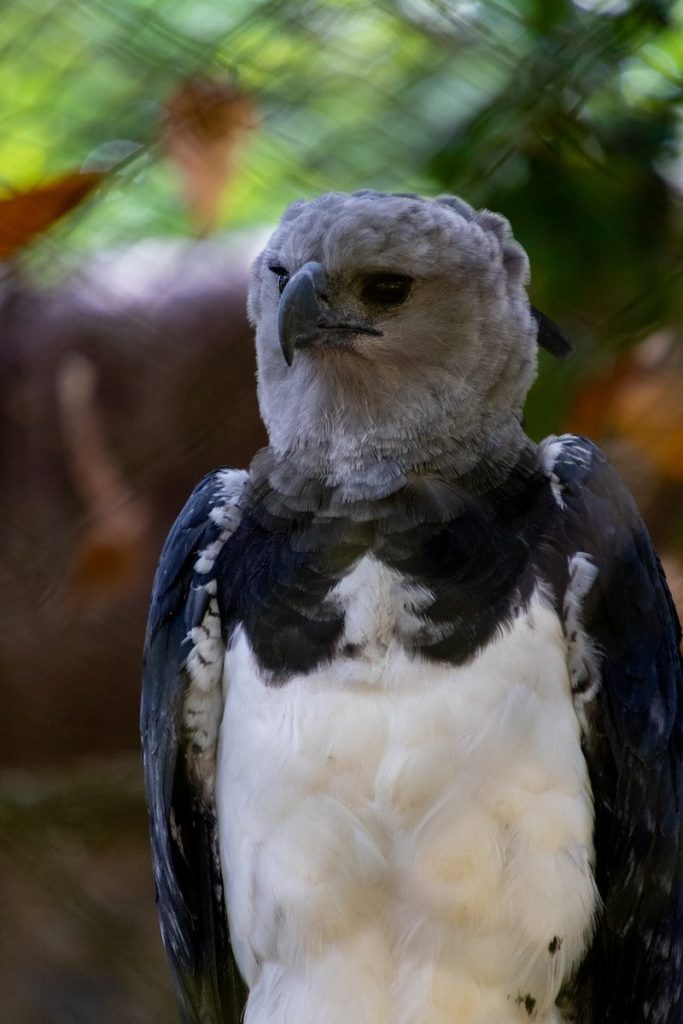
    The harpy eagle’s feet are its greatest weapon. Its hind talon can reach about 7 to 9 centimeters in length, making it one of the largest talons of any living eagle.

    These powerful feet generate enough force to crush bones and firmly grip animals such as monkeys and sloths, preventing them from escaping during the attack.

    Monkeys and sloths are the favorite prey

    brown coated monkey on branch
    Photo by Jamie Haughton on Unsplash

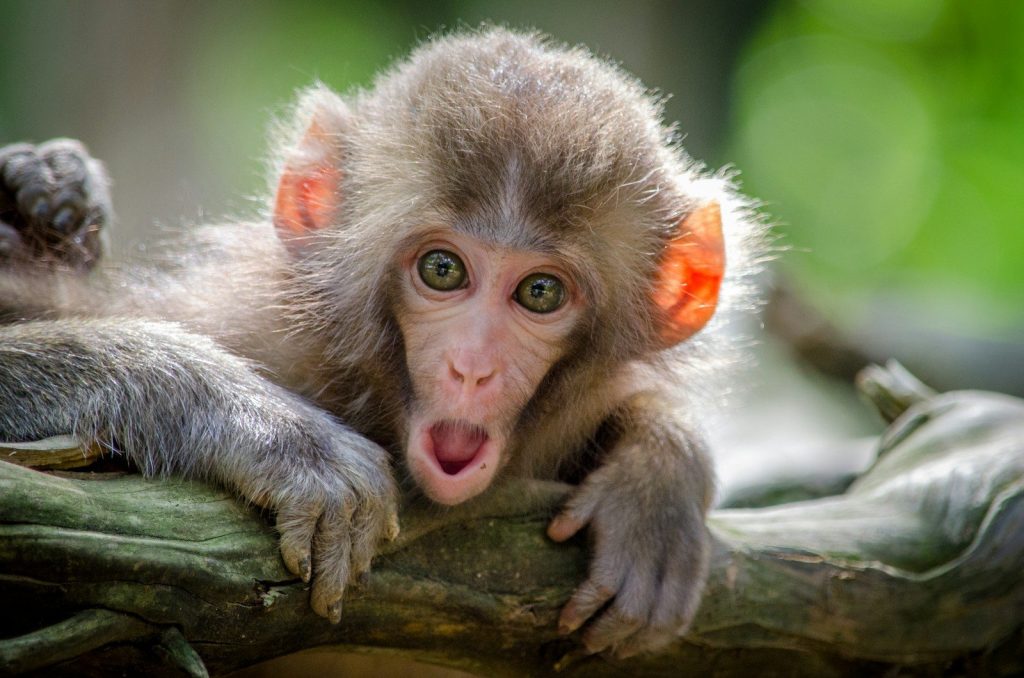
    Harpy eagles feed mainly on tree-dwelling mammals. Studies have shown that sloths make up a large part of their diet, while several species of monkeys are also hunted regularly across their ranges.

    Large females are capable of carrying surprisingly heavy prey, sometimes transporting adult sloths or large monkeys weighing almost as much as the eagle itself.

    Rainforest hunting requires precision

    a bird standing on a rock
    Photo by Anibal Paradisi on Unsplash

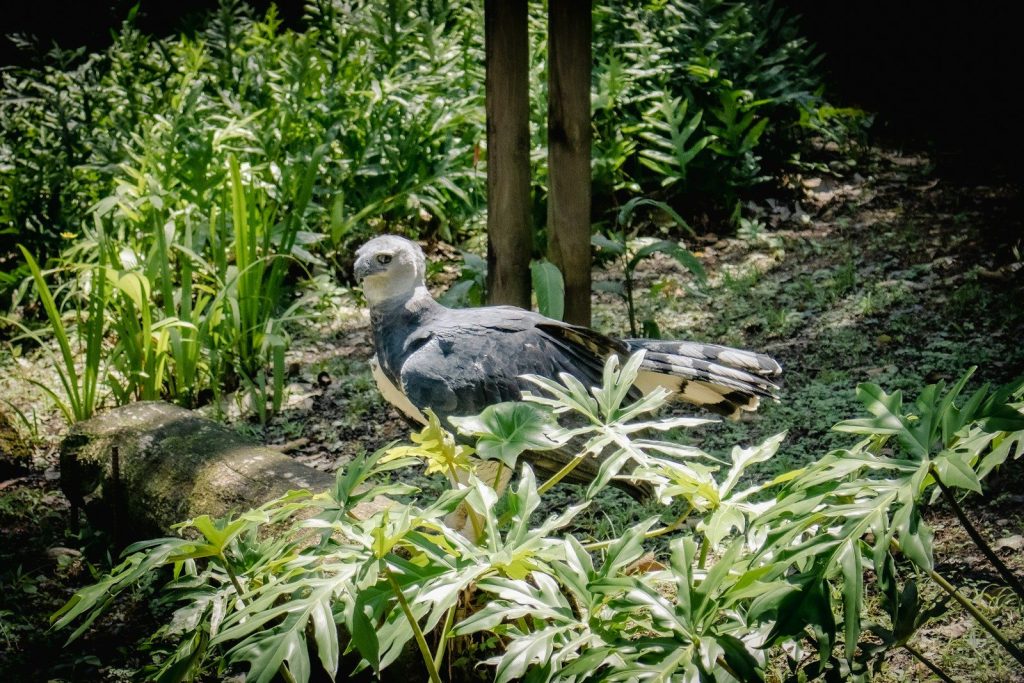
    Rather than soaring high above the forest, harpy eagles usually perch quietly for long periods while watching for movement below. Once prey is spotted, they launch a rapid, highly accurate attack through the trees.

    Their short wings and excellent maneuverability allow them to weave through branches where many other large birds could not safely fly.

    Harpy eagles face growing threats

    Harpy Eagle” by mulf is licensed under CC BY-NC-ND 2.0

    Although they are formidable predators, harpy eagles are vulnerable because tropical rainforests continue to disappear. Logging and habitat fragmentation reduce nesting sites and the abundance of prey animals.

    The species is currently classified as Vulnerable, and conservation programs across Central and South America are working to protect remaining populations and restore rainforest habitat.

    Protecting one of the rainforest’s greatest predators

    Harpy Eagle” by This Way – Birding Services is licensed under CC BY-NC 2.0

    Harpy eagles play an important ecological role by helping regulate populations of tree-dwelling mammals. Healthy forests support both these magnificent raptors and the diverse wildlife they depend upon.

    Researchers continue monitoring harpy eagle populations to better understand their behavior and improve conservation efforts for one of the world’s most iconic birds of prey.

  • How life in the deepest ocean drives some animals to evolve into enormous giants

    How life in the deepest ocean drives some animals to evolve into enormous giants

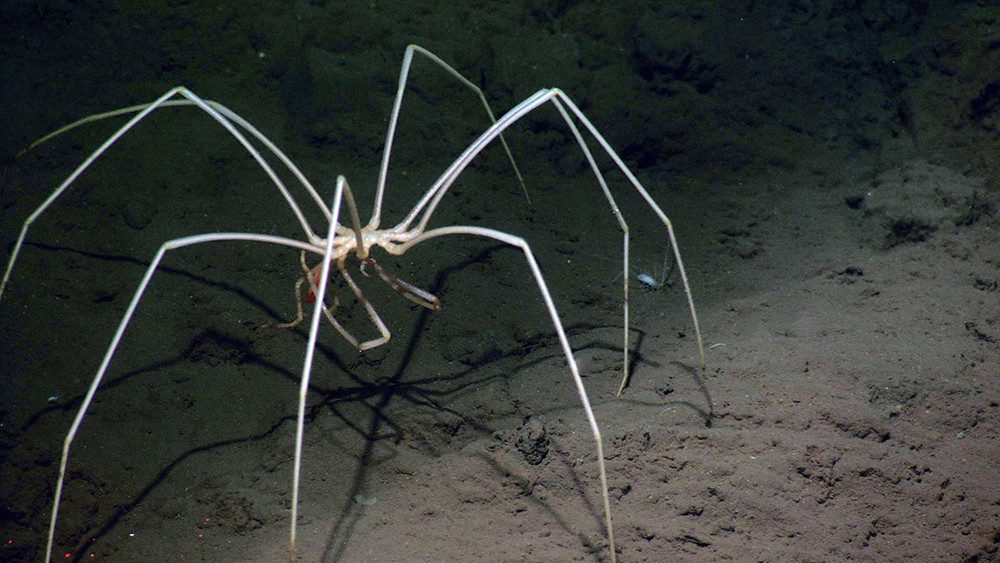
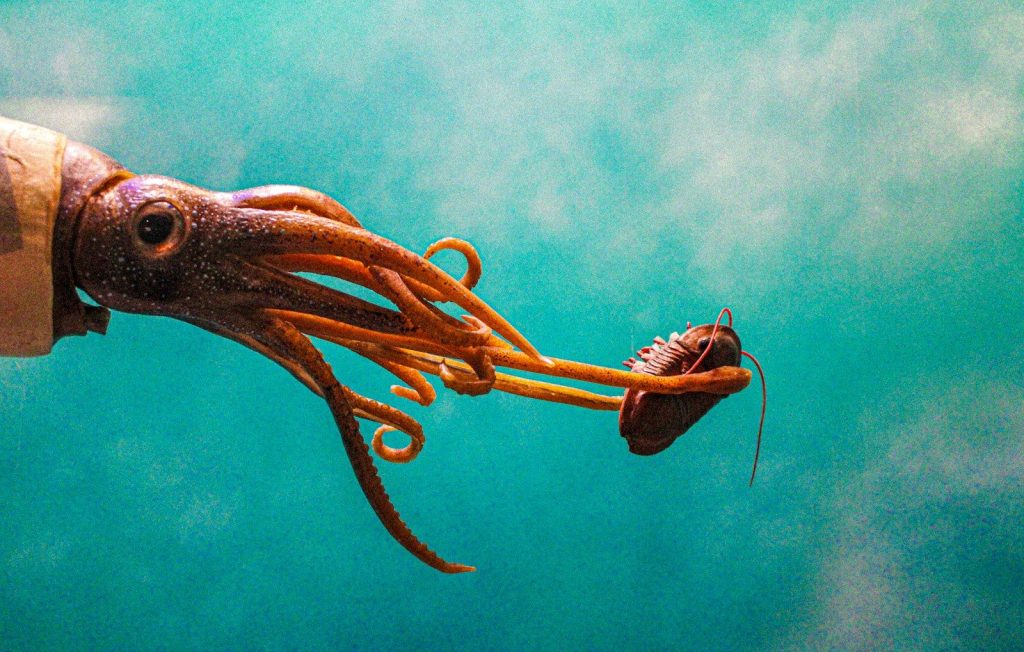
    Thousands of meters beneath the ocean’s surface, sunlight disappears, temperatures hover just above freezing, and food becomes incredibly scarce. Yet in this harsh environment, some animals grow into giants. Giant squid, giant isopods, colossal squids, and sea spiders, much larger than dinner plates, all inhabit the deep sea.

    Scientists call this phenomenon deep-sea gigantism, but despite decades of research, they still debate exactly why it happens. The answer likely involves several environmental pressures working together rather than a single cause.

    Deep-sea gigantism is a real phenomenon

    an octopus and a squid swimming in the ocean
    Photo by Meressa Chartrand on Unsplash

    Deep-sea gigantism describes the tendency for some deep-sea species to become much larger than their shallow-sea relatives. Well-known examples include giant isopods, colossal squid, giant squid, giant sea spiders, and giant amphipods.

    However, gigantism is not universal. Marine biologist Craig McClain notes that most deep-sea animals are actually smaller, making giant species rare exceptions that continue to puzzle researchers.

    Food scarcity may favor larger bodies

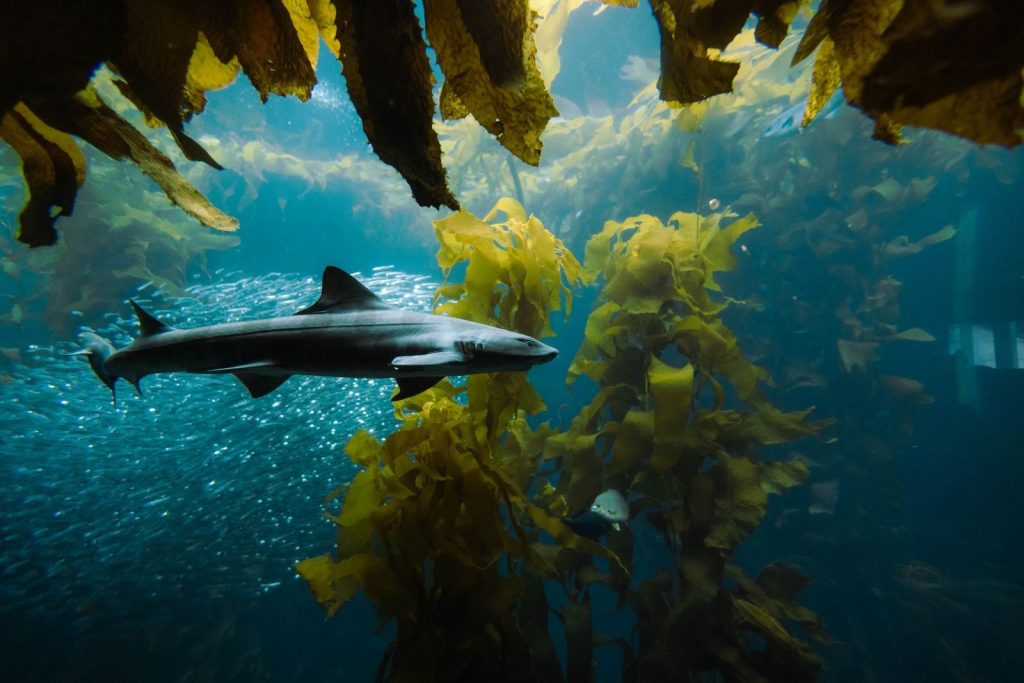
    An underwater scene featuring a shark gracefully swimming through a kelp forest with fish.
    Photo by isaac mijangos on Pexels

    One leading theory focuses on the limited food available in the deep ocean. With almost no plants growing in complete darkness, animals often depend on organic material drifting down from the surface or on rare prey encounters.

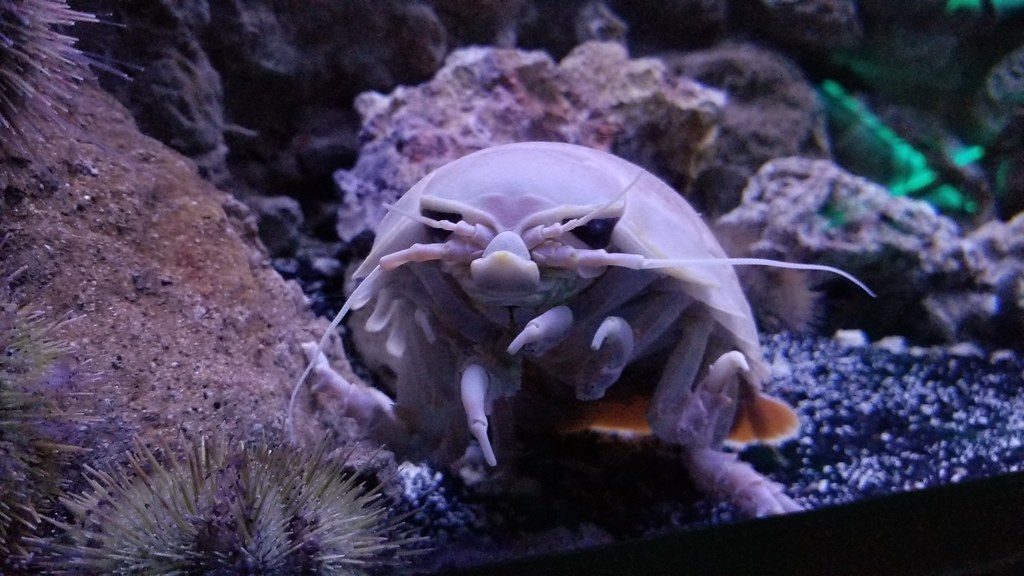
    Larger bodies may help animals travel farther while searching for food and store greater energy reserves. Giant isopods, for example, can survive for months or even years between meals after consuming large food sources.

    Cold water slows metabolism

    an octopus is holding a toy in its mouth
    Photo by Jaeyoon Jeong on Unsplash

    Another explanation involves temperature. Deep ocean water remains close to 4°C throughout much of the abyss, slowing metabolism and extending life spans. Slower growth can allow some animals to continue growing over longer periods before reaching maximum size.

    This idea is related to Bergmann’s rule, which suggests that many animals living in colder environments tend to be larger than those living in warmer climates. However, temperature alone cannot explain every giant deep-sea species.

    Oxygen may also play a role

    body of water under bright sky
    Photo by Lefty Kasdaglis on Unsplash

    Cold water holds more dissolved oxygen than warmer water. Some researchers propose that greater oxygen availability allows certain deep-sea animals to support larger body sizes despite the challenging environment.

    This oxygen-temperature hypothesis remains actively debated because oxygen levels vary across different depths and regions of the ocean. Scientists believe oxygen probably contributes alongside several other environmental factors.

    Evolution follows different paths

    Giant Isopod” by cifraser1 is licensed under CC BY 2.0

    Not every deep-sea species becomes enormous. Research suggests evolution often pushes body sizes toward an intermediate range. Small shallow-water species may evolve larger bodies, while already large species sometimes become smaller after adapting to deep-sea conditions.

    This pattern resembles the “island rule,” where isolated environments drive both gigantism and dwarfism depending on the species’ original size.

    Climate change could reshape the deep sea

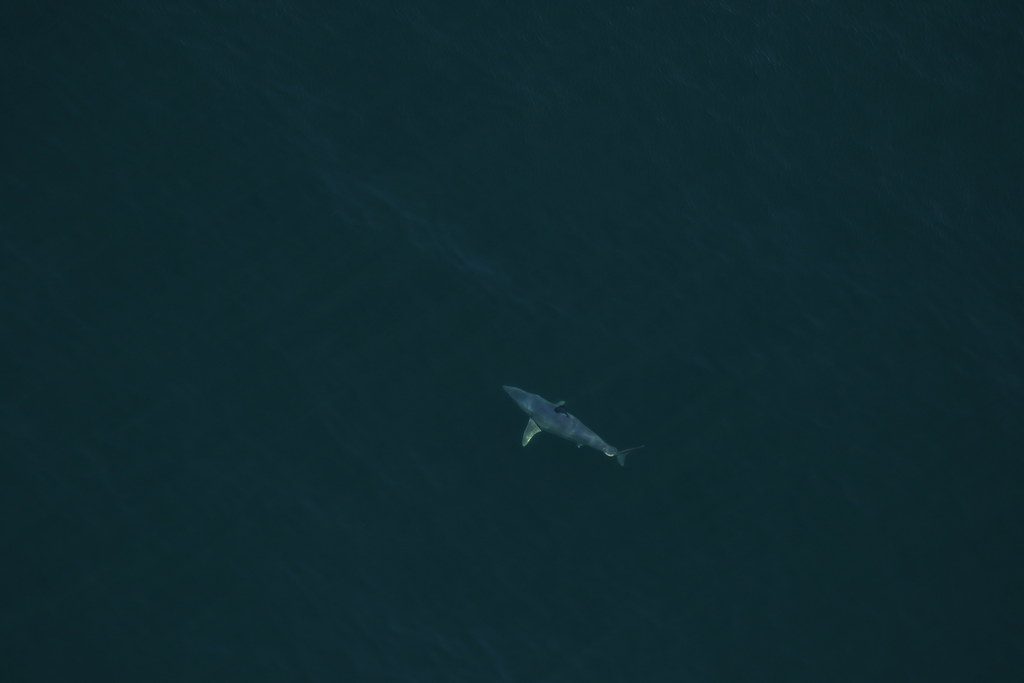
    Shortfin mako” by FWC Research is licensed under CC BY-NC-ND 2.0

    Because deep-ocean temperatures remain remarkably stable over long periods, even small increases caused by climate change may affect these highly specialized ecosystems. Warmer water could reduce oxygen availability and alter food supplies reaching the seafloor.

    Scientists are still studying whether future warming could reduce the size of deep-sea giants or threaten species that evolved under stable conditions over millions of years.