Author: Ethan

  • These remarkable sharks surprised researchers with their existence

    These remarkable sharks surprised researchers with their existence

    The ocean still hides amazing secrets, and some of the biggest surprises have come from sharks that scientists never expected to find. These remarkable sharks surprised researchers with their existence because they looked unlike any known species, lived in places people rarely explored, or were discovered much later than experts thought possible. Some were found only by chance, while others remained hidden in the deep sea for decades.

    In this article, you will learn about six incredible sharks that changed what scientists knew about life in the ocean. Their discoveries prove that even today, Earth’s oceans still hold mysteries waiting to be uncovered.

    The megamouth shark shocked the scientific world
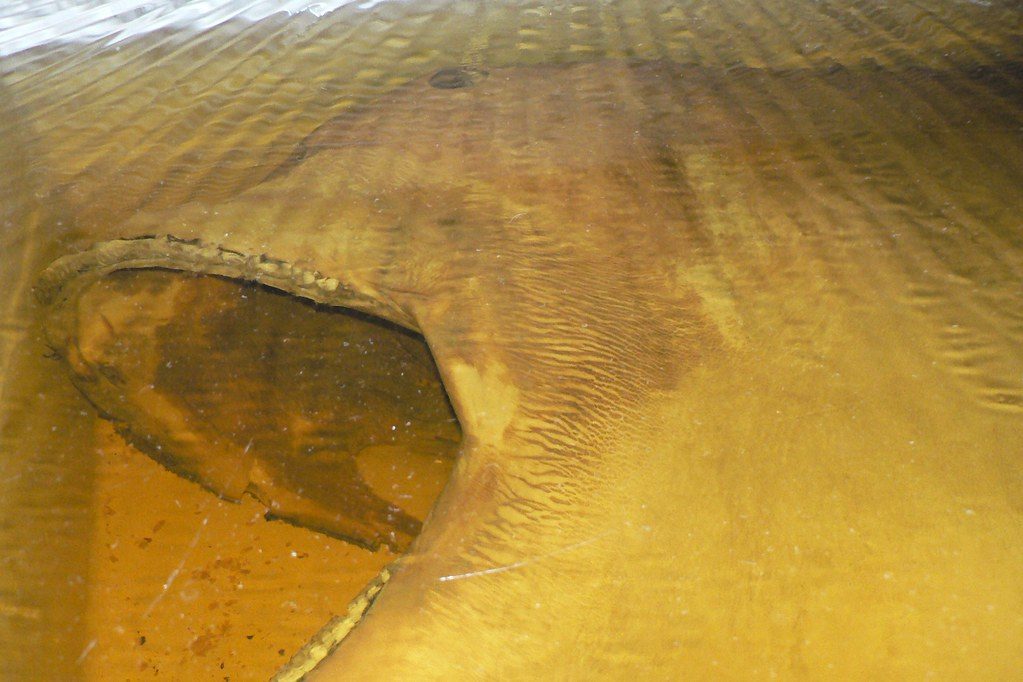
    Megamouth shark” by Stephanie_Asher is licensed under CC BY-NC-SA 2.0

    The megamouth shark became one of the greatest shark discoveries ever made. It was unknown to science until 1976, when a large shark became tangled in equipment on a U.S. Navy vessel near Hawaii. Scientists quickly realized they were looking at a completely new species.

    Unlike fast hunters such as great white sharks, the megamouth shark is a slow filter feeder. It swims with its huge mouth open, collecting tiny animals called plankton. Only a small number of megamouth sharks have ever been recorded, making it one of the rarest sharks on Earth.

    The goblin shark seemed almost unreal
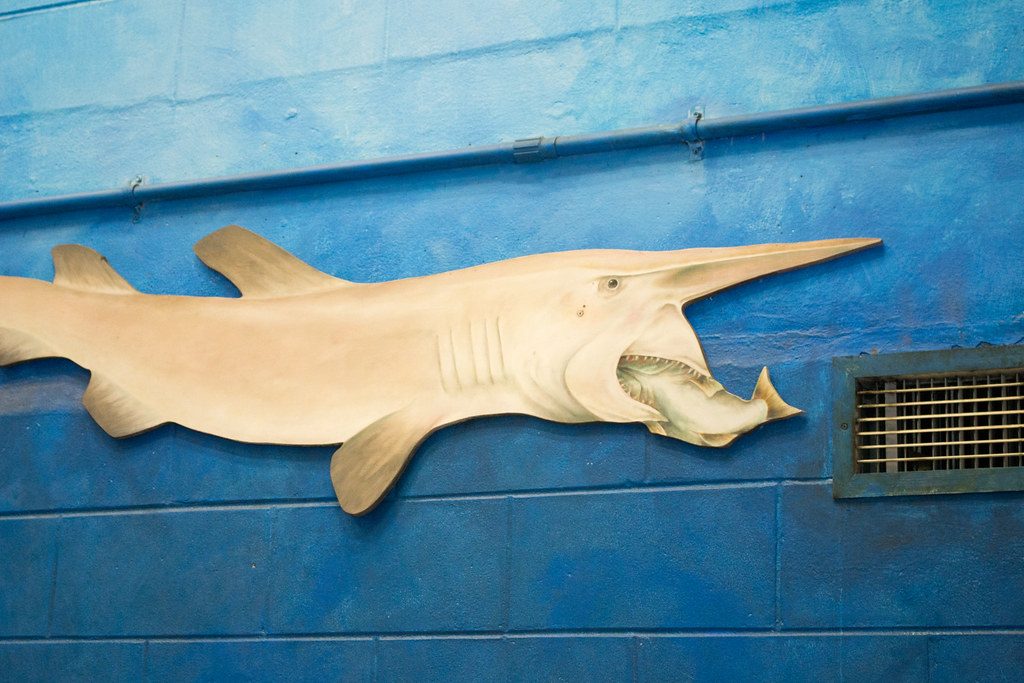
    Behind the Scenes” by NerdRVT is licensed under CC BY-NC-ND 2.0

    The goblin shark amazed researchers because of its strange appearance. It has a long, flat snout and jaws that can quickly shoot forward to grab prey. This unusual feeding system helps it catch fish and squid in the dark depths of the ocean.

    For many years, scientists knew the species mostly from sharks accidentally caught by fishing boats. Recent deep-sea expeditions finally captured healthy goblin sharks alive in their natural habitat, giving researchers their first close look at how these rare animals live far below the surface.

    The frilled shark looked like a living fossil
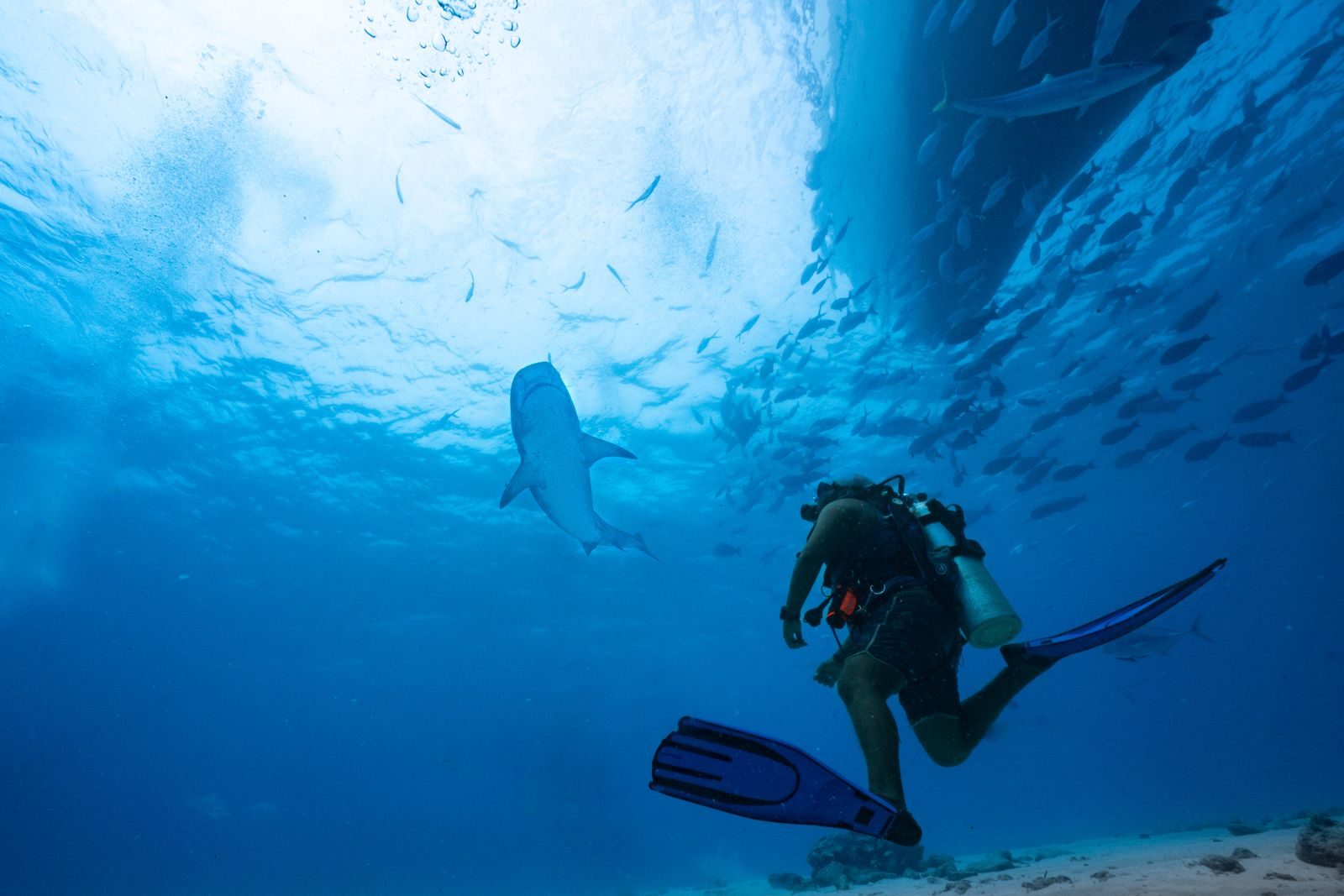
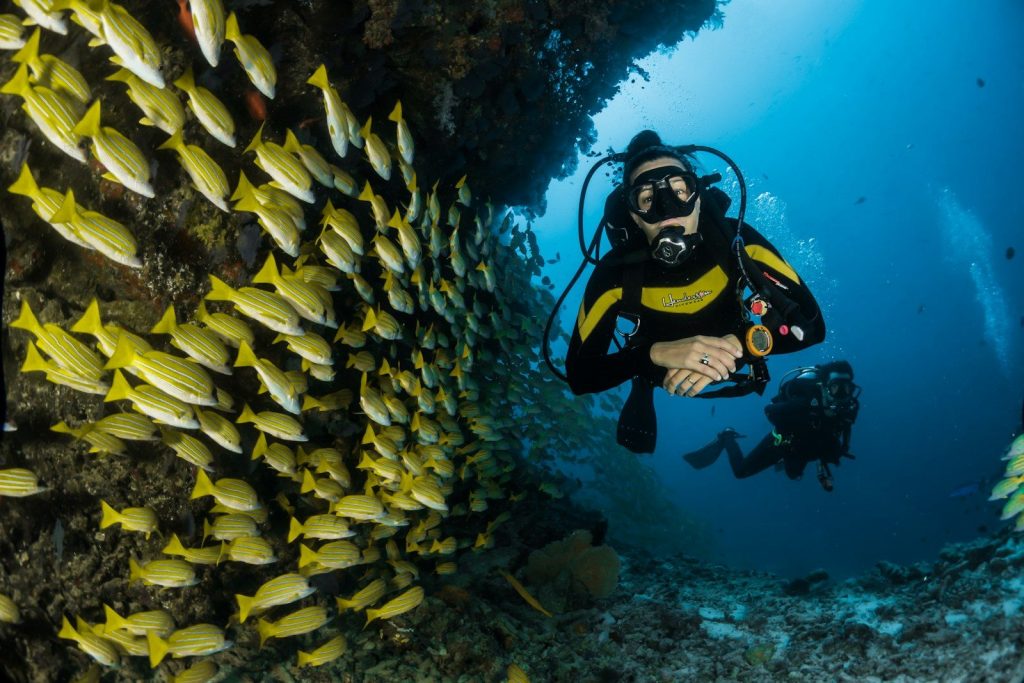
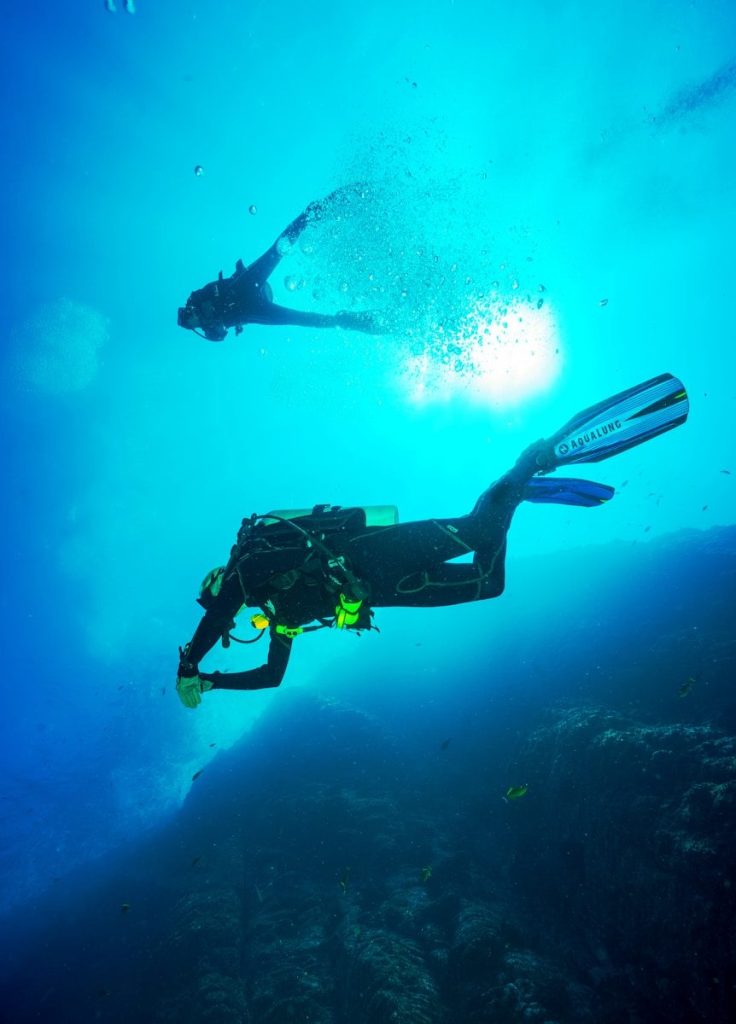
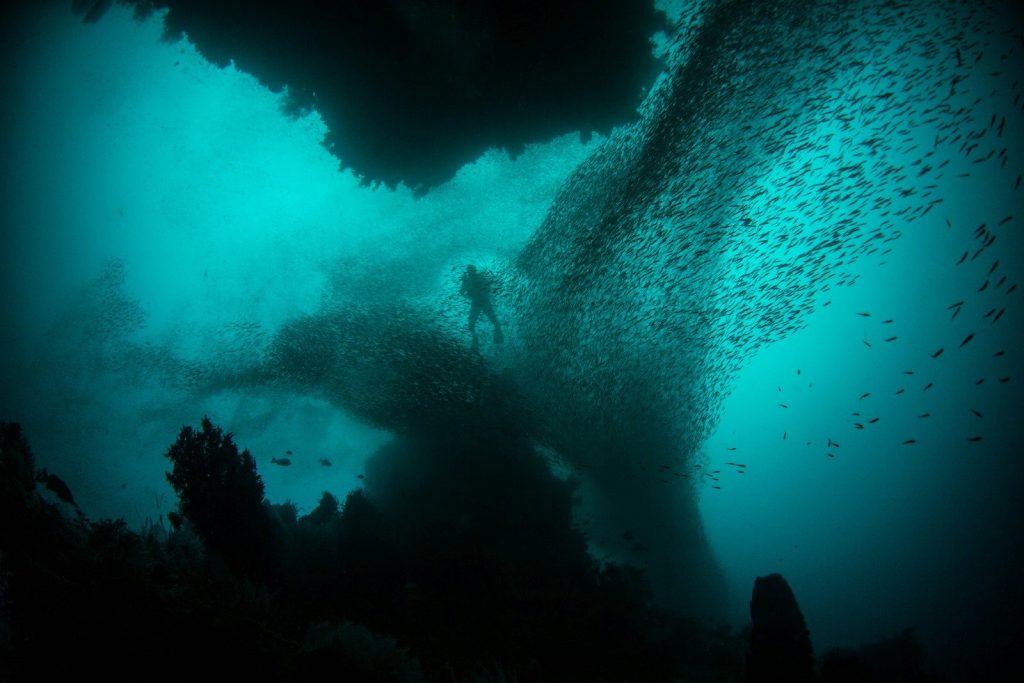
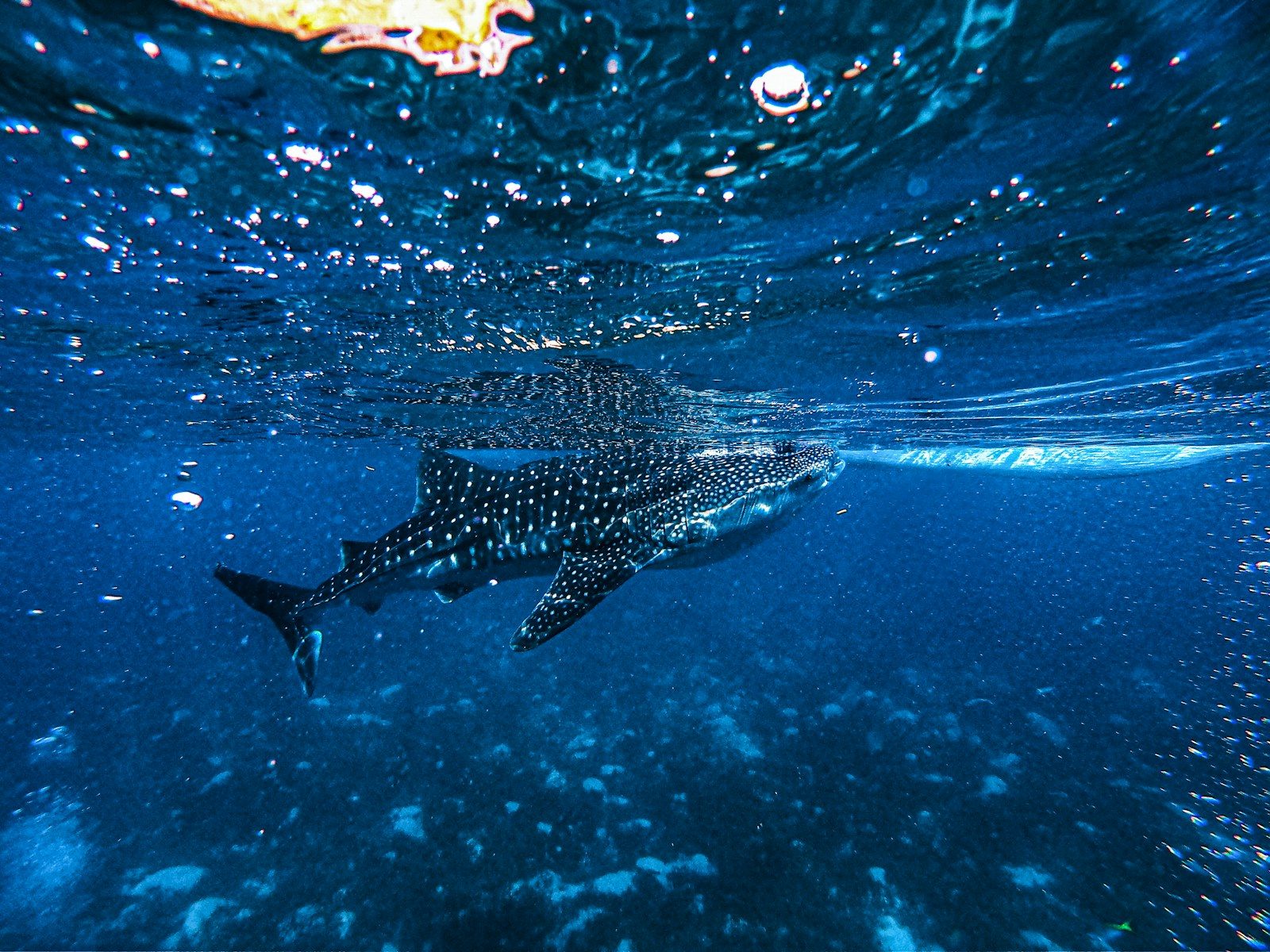
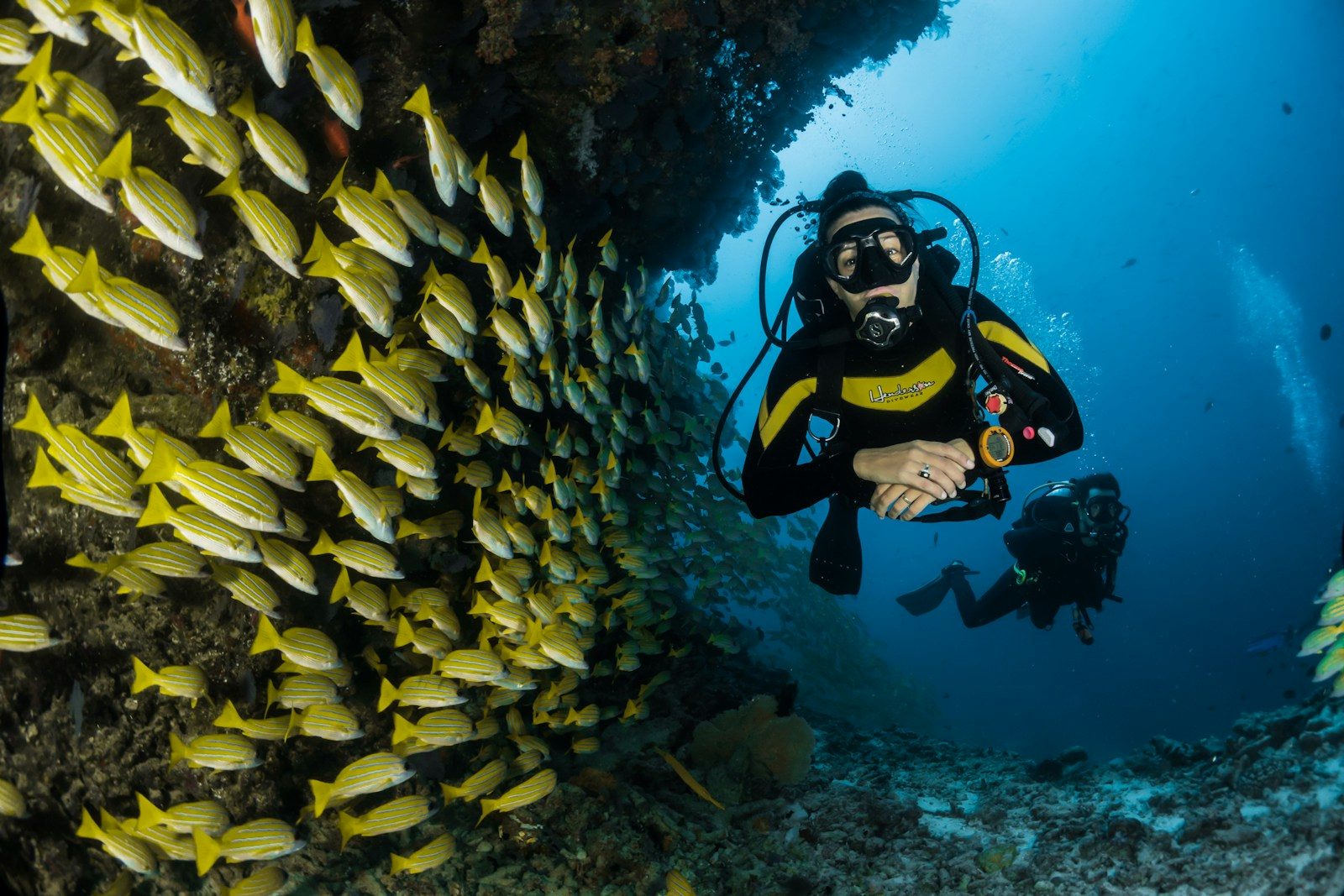
    Diver explores underwater world with sharks in Maldives' clear blue waters.
    Photo by Pexels User on Pexels

    When researchers first studied the frilled shark, they were surprised by how different it looked from modern sharks. Its long, eel-like body and rows of needle-shaped teeth made it seem like a creature from ancient seas.

    The frilled shark lives in deep water and is rarely seen by people. Scientists believe its body shape has changed very little over millions of years. Because of this, the species gives researchers important clues about how early sharks may have looked long before humans existed.

    The pocket shark stunned scientists
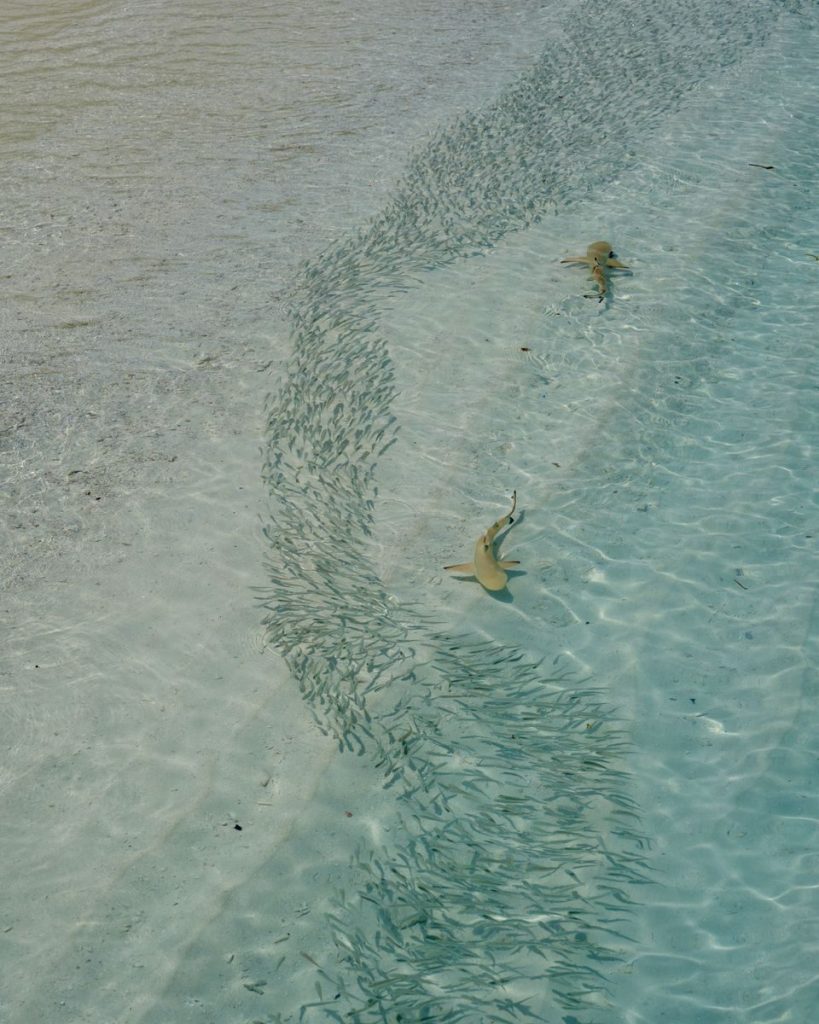
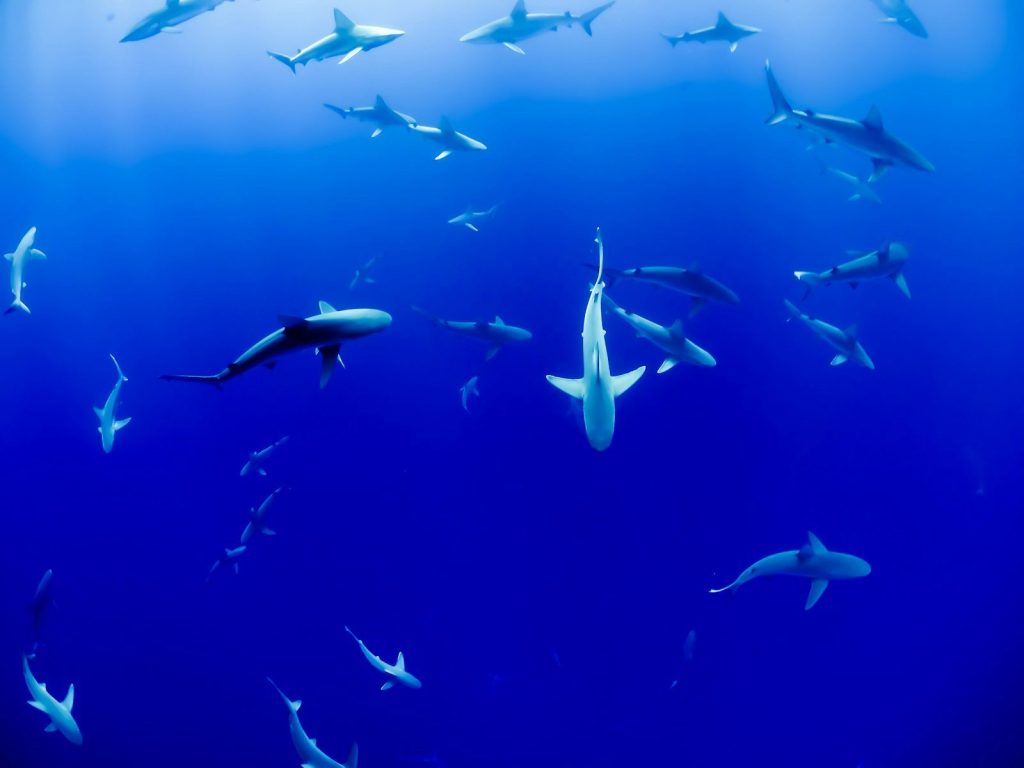
    A breathtaking view of sharks swimming among fish in shallow turquoise waters near the shore.
    Photo by Viktoriia Harber on Pexels

    The pocket shark is one of the rarest sharks ever found. Scientists have identified only a few specimens, making every discovery extremely valuable. One known specimen was collected in the Gulf of Mexico and later described as a new species after careful study.

    Researchers named it the pocket shark because it has small pocket-like openings near its front fins. Scientists are still studying what these structures do, but they may release glowing fluid or another substance. Much about this tiny deep-sea shark remains unknown, showing how little people have explored the deep ocean.

    The cookiecutter shark surprised experts with its feeding

    three people in lab coats looking at a tablet
    Photo by National Cancer Institute on Unsplash

    The cookiecutter shark is small, but its feeding behavior surprised scientists. Instead of swallowing large prey, it removes neat, round plugs of flesh from much bigger animals, including whales, dolphins, large fish, and even some sharks.

    Its strong suction and sharp lower teeth work together to create these distinctive bite marks. Scientists have even found its circular scars on submarines and underwater equipment. This unusual hunting method is unlike that of almost any other shark species.

    Deep-sea discoveries continue today
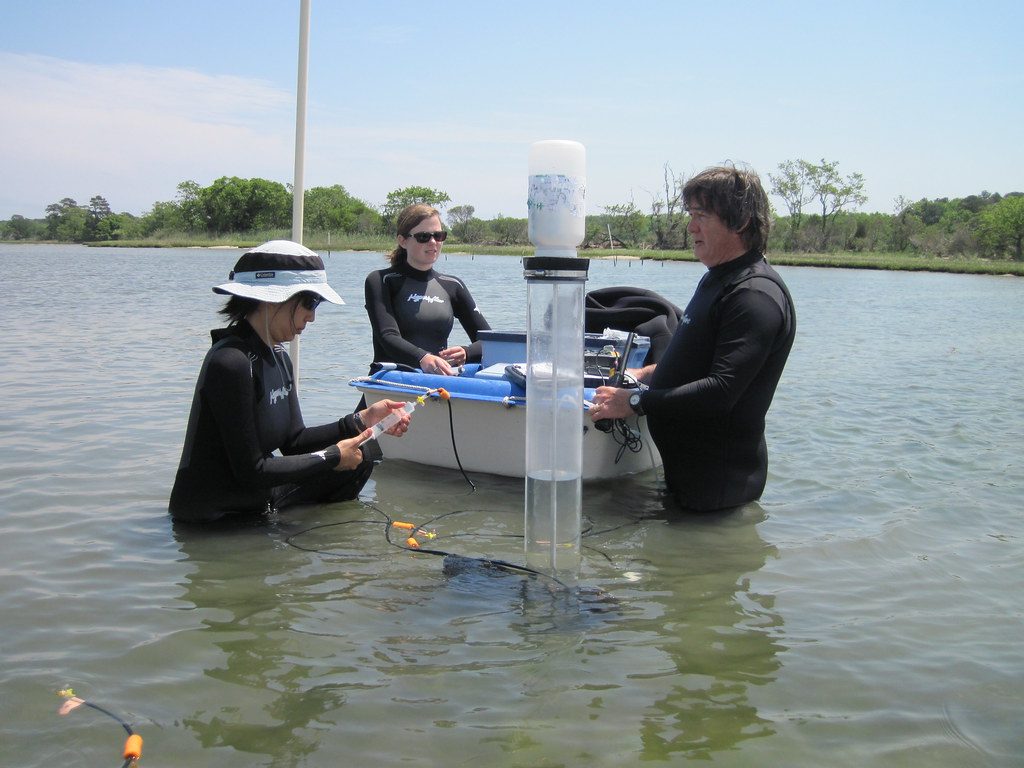
    Marine Scientist Jennifer Stanhope, VASG Graduate Research Fellow Annie Murphy, and Mark Luckenbach take water samples from the cores over the course of the day to measure the nutrient concentrations in the water. ©Margaret Pizer/VASG” by Virginia Sea Grant is licensed under CC BY-ND 2.0

    Scientists continue finding surprising sharks because much of the deep ocean remains unexplored. Better submarines, underwater cameras, and robotic vehicles now allow researchers to reach places that were once impossible to study.

    Every new discovery helps scientists better understand shark evolution, ocean ecosystems, and marine biodiversity. These remarkable sharks remind us that even in the modern world, the largest habitat on Earth still holds many exciting secrets waiting to be discovered.
  • What makes deep-sea animals so much more frightening?

    What makes deep-sea animals so much more frightening?

    The deep sea is home to some of the strangest animals on Earth. When people ask, “What makes deep-sea animals so much more frightening?” the answer is not just their sharp teeth or scary faces. It is the dark, silent world they live in and the amazing ways they have changed to survive. These creatures have evolved over millions of years to handle conditions that would quickly kill most animals.

    In this article, you will learn why deep-sea animals look so unusual, how their environment shapes their bodies, and why they seem so frightening to people. By the end, you will understand that these animals are not monsters. They are highly specialized survivors built for one of the toughest places on Earth.

    Life in complete darkness changes everything

    Underwater view with sunlight filtering through water.
    Photo by Digital Reach on Unsplash

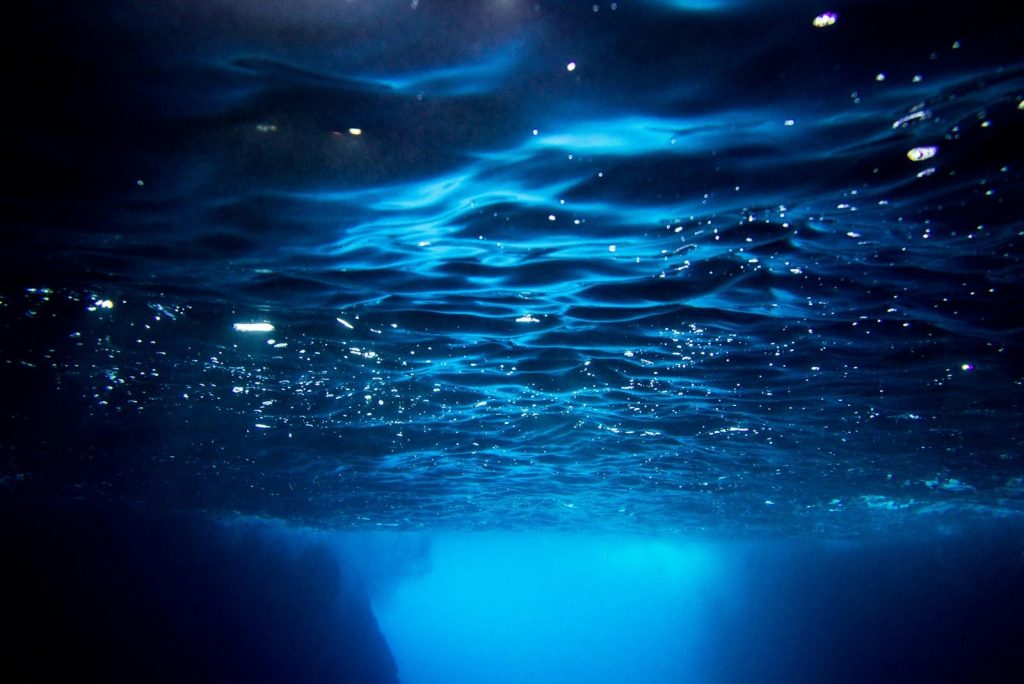
    Sunlight disappears as you travel deeper into the ocean. Below about 3,300 feet (1,000 meters), there is almost no natural light. Animals cannot rely on normal vision, so many develop huge eyes, glowing organs, or other special senses to help them survive.

    Because food is hard to find, every chance to catch a meal matters. This is why many deep-sea animals have oversized mouths, long teeth, and expandable stomachs. These features may look frightening, but they help the animals eat whatever prey they can find before another meal disappears.

    Strange bodies help them survive

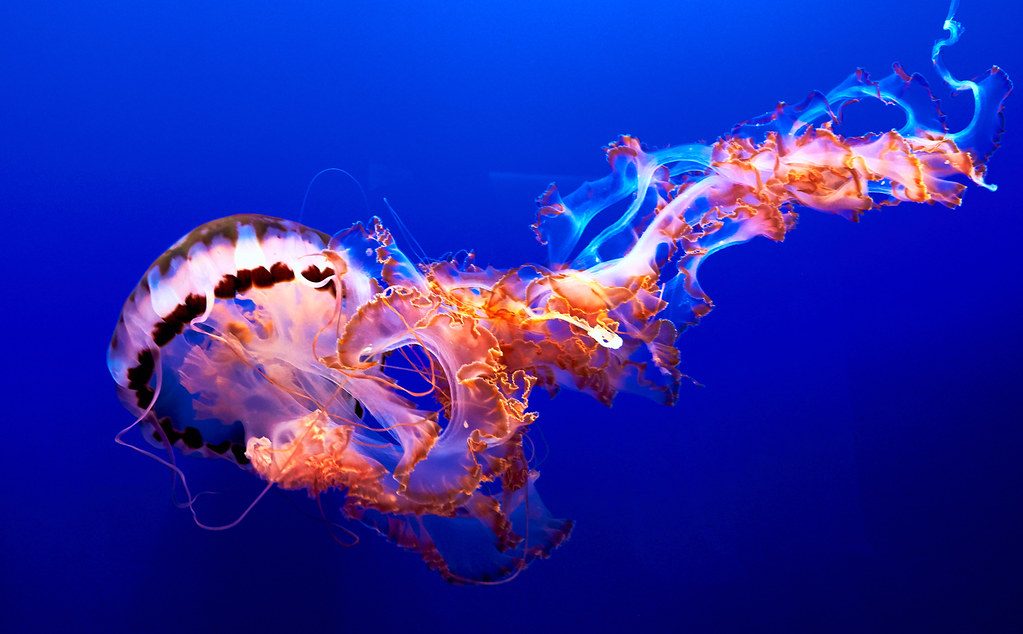
    Jellyfish” by szeke is licensed under CC BY-SA 2.0

    Many deep-sea animals have soft, jelly-like bodies instead of strong bones and muscles. Water pressure increases greatly with depth, so these flexible bodies help them survive where humans could not. Most deep-sea animals also lack large air-filled spaces like lungs, making them better suited for crushing pressure.

    Some species have transparent skin, long fins, or unusual body shapes that seem alien to us. These features often help them blend into the darkness, save energy, or move quietly through the water instead of making them stronger or faster.

    Glowing makes them look mysterious

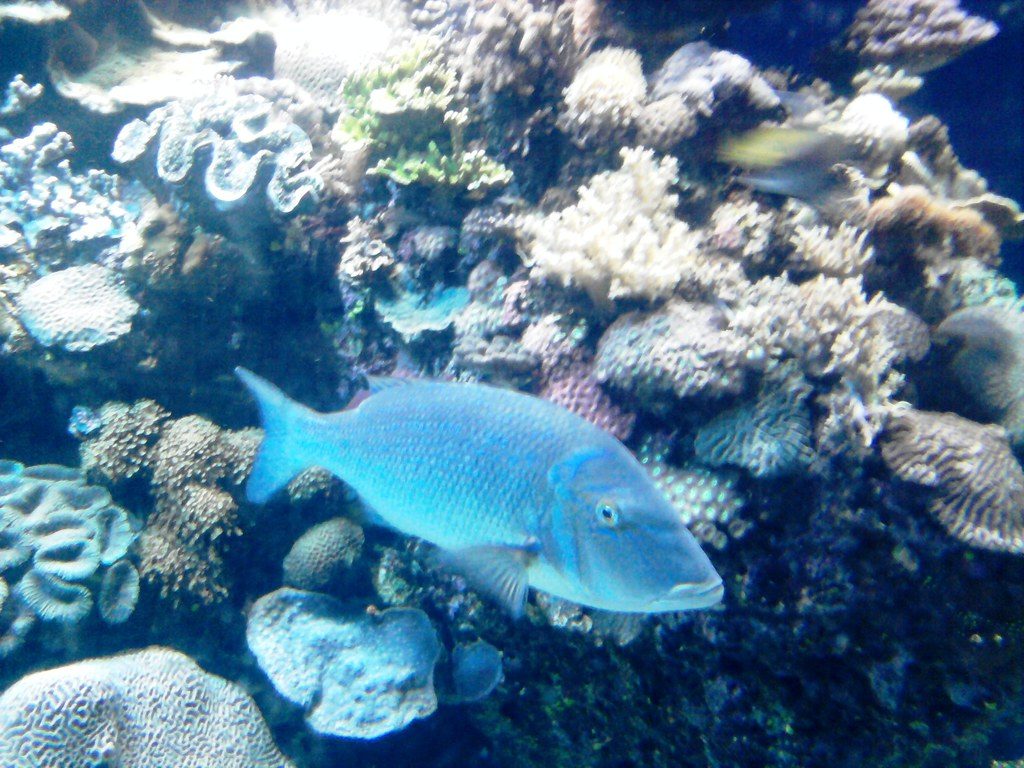
    glowing fish with coral” by stealthcook is licensed under CC BY-ND 2.0

    Many deep-sea animals produce their own light through a process called bioluminescence. They use glowing body parts to attract prey, communicate, confuse predators, or find mates in the darkness. Scientists estimate that most animals living in the open deep ocean produce light in some form.

    Humans usually connect glowing eyes or bright lights with danger, so these natural displays can seem scary. In reality, glowing is simply another survival tool, much like camouflage or sharp claws on land.

    Their hunting methods seem terrifying

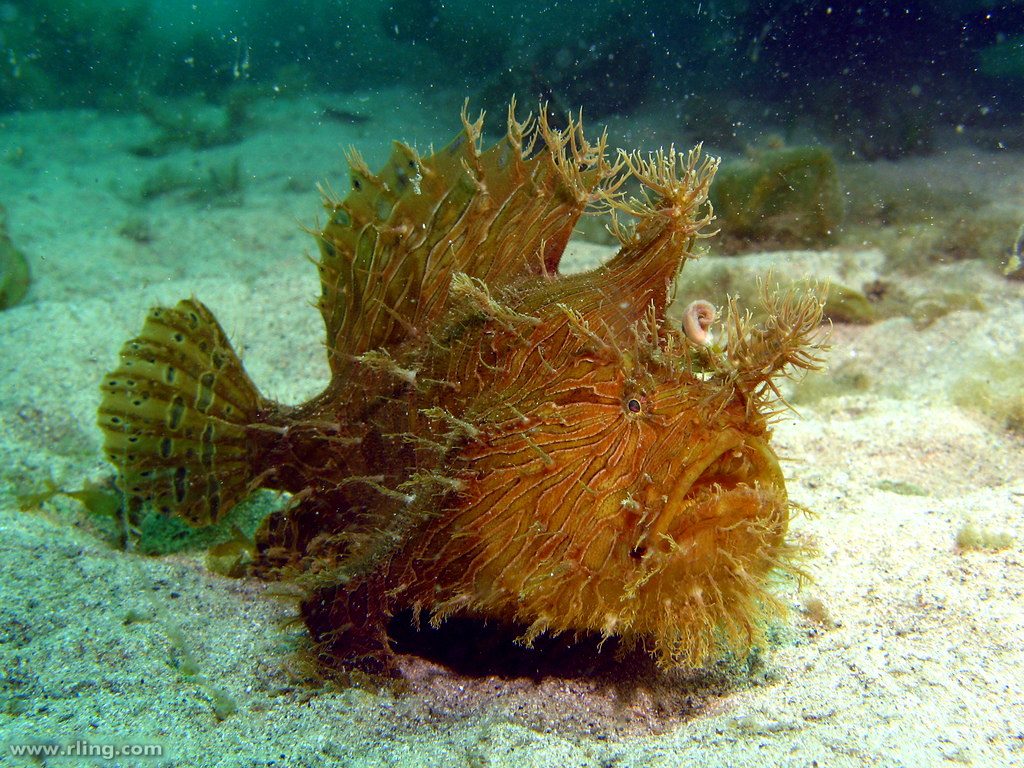
    Striped Anglerfish” by richard ling is licensed under CC BY-NC-ND 2.0

    Deep-sea predators often wait patiently instead of chasing prey. The famous anglerfish uses a glowing lure that hangs in front of its mouth. Curious fish swim closer, only to be caught by powerful jaws lined with sharp teeth.

    Other hunters have mouths that open very wide or teeth that point inward so prey cannot escape. Since meals are rare in the deep ocean, these animals have evolved to grab every feeding opportunity they get instead of letting valuable food swim away.

    Our brains fear what we cannot see

    Two people swimming in the calm ocean.
    Photo by Sara Ruffoni on Unsplash

    People naturally fear places they cannot fully understand. The deep ocean is cold, dark, and mostly unexplored, so it leaves room for imagination. Strange-looking animals often appear much scarier because they live in a place that feels mysterious.

    Movies, books, and online pictures also focus on the most unusual deep-sea species. This creates the impression that every creature below the surface is dangerous, even though many are small, gentle, or avoid larger animals whenever possible.

    Deep-sea animals are built to survive, not scare us

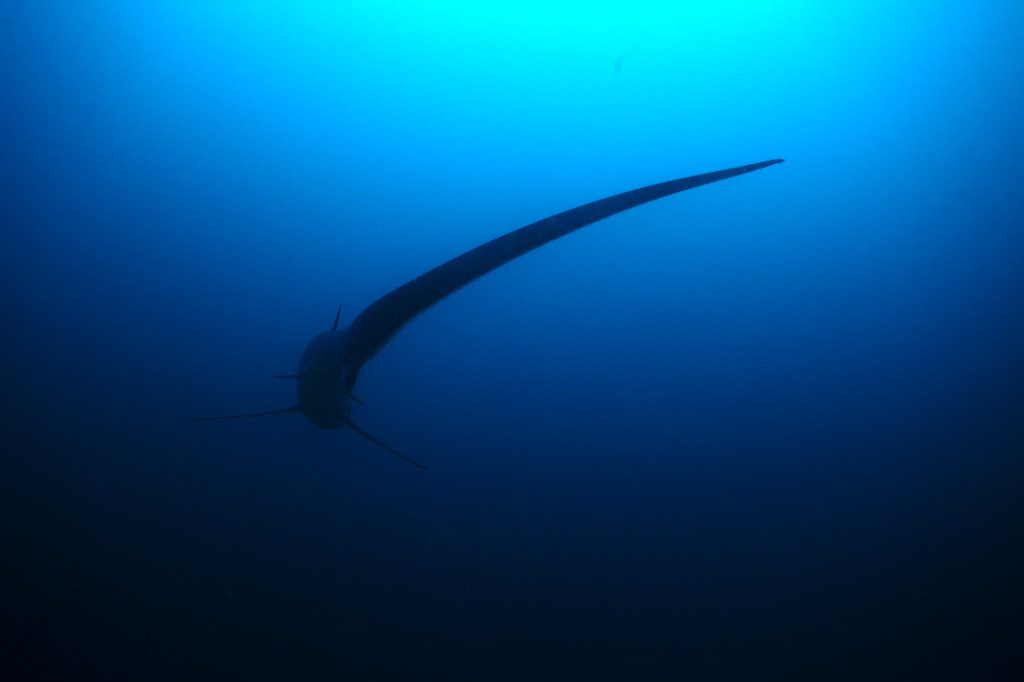
    Thresher Shark Tail” by PacificKlaus is licensed under CC BY-NC 2.0

    Most deep-sea animals are not trying to frighten anything. Their appearance is the result of millions of years of evolution in an environment with little food, freezing temperatures, darkness, and crushing pressure. Every unusual feature has a survival purpose.

    Scientists continue discovering new deep-sea species because so much of the ocean remains unexplored. Each discovery helps researchers better understand how life can survive under extreme conditions and reminds us that nature often looks very different from what we expect.

  • How radiation may be changing the DNA of animals living in nuclear disaster zones

    How radiation may be changing the DNA of animals living in nuclear disaster zones

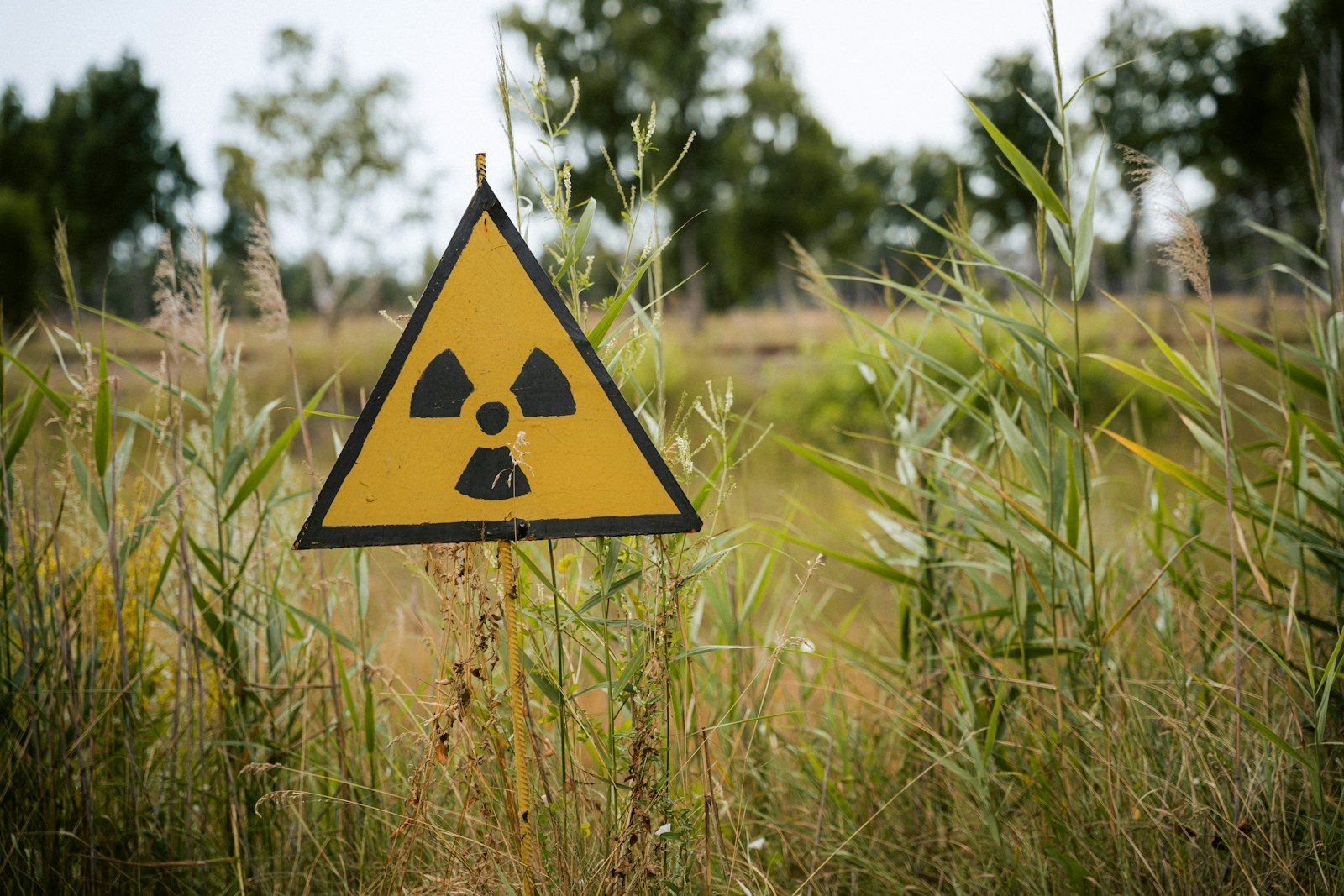
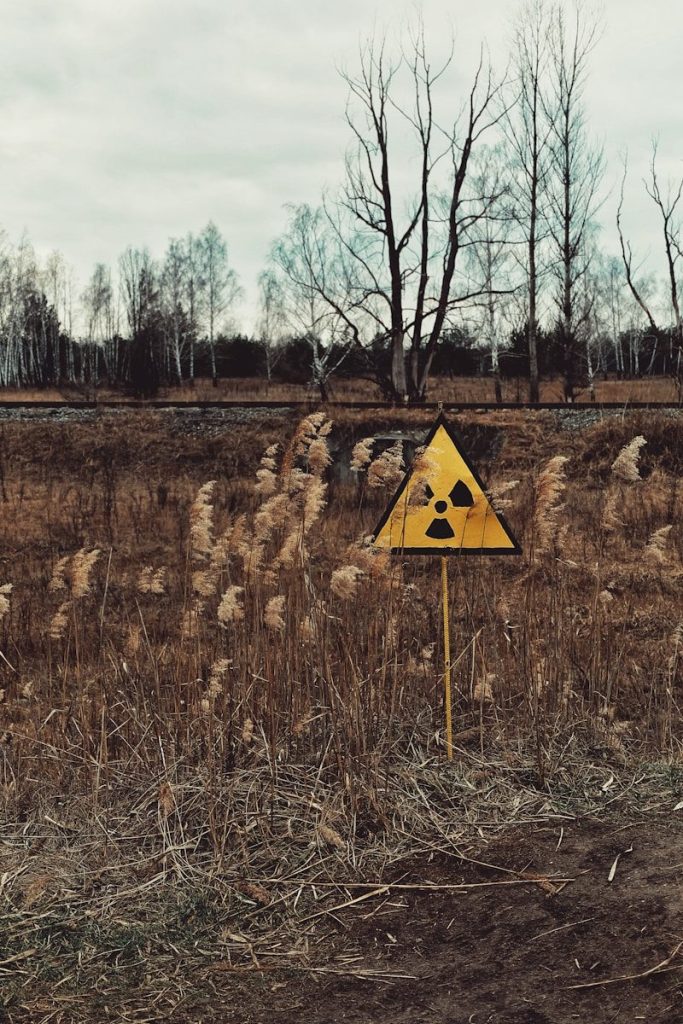
    Nuclear accidents leave more than abandoned buildings behind. They also expose plants and animals to long-term radiation that can interact with DNA inside living cells. In places like the Chernobyl Exclusion Zone and parts of Fukushima, wildlife has returned despite the contamination.

    Scientists are now studying how decades of radiation exposure may be affecting genes, reproduction, and survival. While some species show signs of genetic damage, others appear to be thriving, making these regions some of the world’s most important natural laboratories.

    Radiation can damage DNA

    red road signage
    Photo by Vladyslav Cherkasenko on Unsplash

    Ionizing radiation carries enough energy to break chemical bonds inside DNA. If cells cannot fully repair this damage, mutations may occur as animals grow or reproduce.

    Not every mutation is harmful. Some have little effect, while others can reduce survival or reproduction. Scientists are still investigating how often these changes persist across generations.

    Wildlife has returned despite contamination

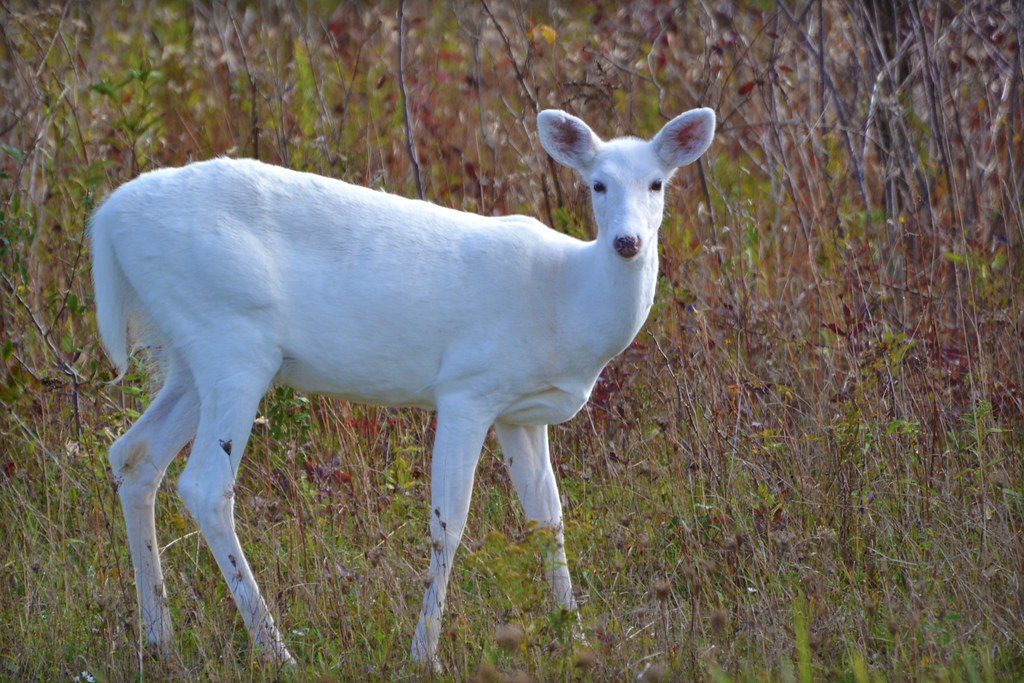
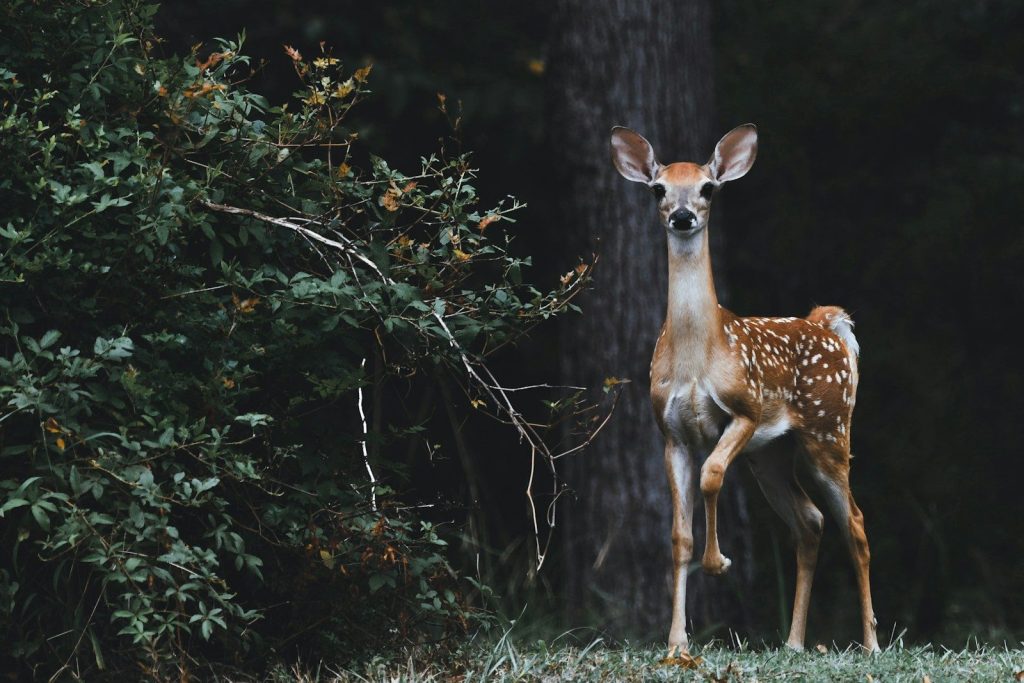
    Nature – Animal – Wildlife – White White-tailed Deer” by blmiers2 is licensed under CC BY-NC-SA 2.0

    Since people have left many contaminated areas, forests and wetlands have become home to wolves, bears, deer, lynx, wild boar, birds, insects, and thousands of other species. Reduced hunting and human development have allowed many populations to recover.

    Researchers caution that thriving populations do not necessarily mean radiation has become harmless. Different species respond differently depending on their biology and the amount of exposure they receive.

    Scientists have detected genetic changes

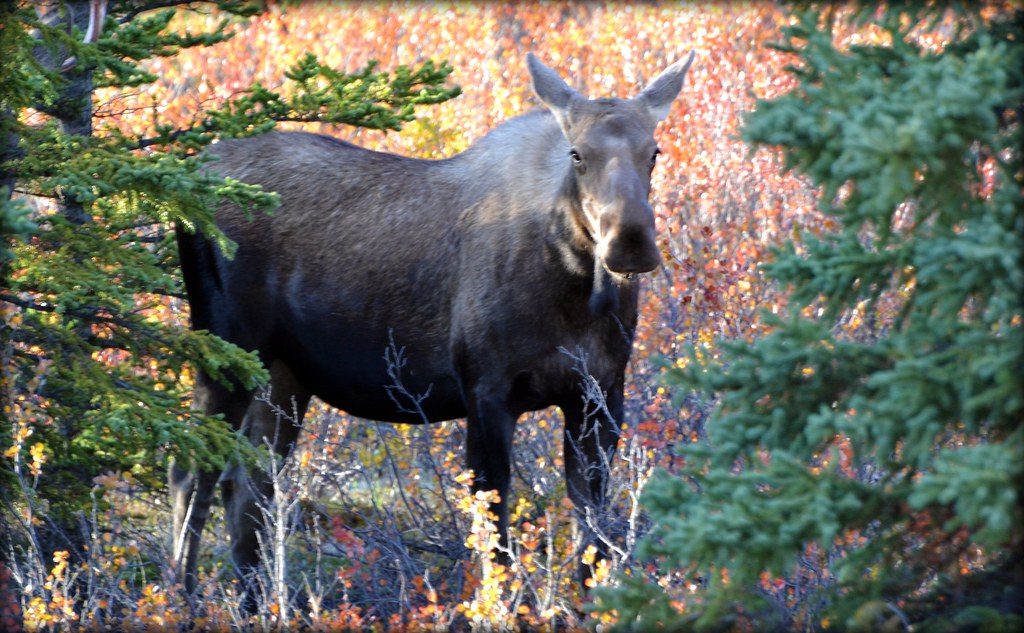
    Moose – Animal – Wildlife – Alaska” by blmiers2 is licensed under CC BY-NC-SA 2.0

    Studies of birds, insects, freshwater crustaceans, frogs, and small mammals have reported increased genetic damage or higher mutation rates in some highly contaminated areas. Some populations also show changes in reproduction, development, or physiology.

    However, not every study finds the same pattern. Some species show little measurable genetic effect, demonstrating that radiation does not affect all organisms equally.

    Adaptation is still being investigated

    white rabbit on green grass
    Photo by Satyabratasm on Unsplash

    Some researchers believe certain populations may be developing biological traits that help them tolerate chronic radiation exposure. These could include improved DNA repair or stronger protection against cellular damage.

    Even so, scientists stress that adaptation has not been proven for most species. Evolution is a slow process influenced by many environmental factors beyond radiation alone.

    Nuclear zones provide unique research opportunities

    yellow and black house on brown grass field
    Photo by Oleksandra Bardash on Unsplash

    Because people rarely live inside these exclusion zones, researchers can observe wildlife in ecosystems with minimal human disturbance. This allows them to compare the effects of radiation with the effects of farming, cities, roads, and hunting.

    The findings may also improve understanding of DNA repair, evolution, conservation, and how living organisms respond to extreme environments.

    Many questions remain unanswered

    brown deer beside plants
    Photo by Scott Carroll on Unsplash

    Scientists agree that radiation can damage DNA, but they continue to debate how much of today’s genetic variation in nuclear disaster zones results from radiation rather than natural evolutionary processes. Long-term monitoring will be needed to answer these questions.

    As research continues, Chernobyl and Fukushima remain among the world’s most valuable places for studying how life responds to environmental stress over multiple generations.

  • How wildlife returned to Chornobyl despite one of history’s worst nuclear disasters

    How wildlife returned to Chornobyl despite one of history’s worst nuclear disasters

    When Reactor 4 at the Chornobyl Nuclear Power Plant exploded in 1986, radioactive material spread across forests, rivers, and farmland in what is now northern Ukraine. Thousands of people left the area, creating the Chornobyl Exclusion Zone. Decades later, the region has become an unexpected refuge for wildlife.

    Bears, wolves, lynx, deer, foxes, beavers, and many other species now roam the abandoned landscape. While radiation continues to affect some organisms, scientists have found that the disappearance of people has allowed many wild populations to recover in remarkable ways.

    The disaster transformed an entire ecosystem

    Chernobyl and Pripyat” by Roman Harak is licensed under CC BY-SA 2.0

    The Chornobyl accident released large amounts of radioactive material into the surrounding environment. Nearby forests, especially the Red Forest, suffered extensive damage as radiation killed many trees and other organisms.

    To protect people, authorities created the Exclusion Zone, covering roughly 2,600 square kilometers. With farming, hunting, and development largely disappearing, nature gradually reclaimed abandoned towns and forests.

    Large mammals have returned

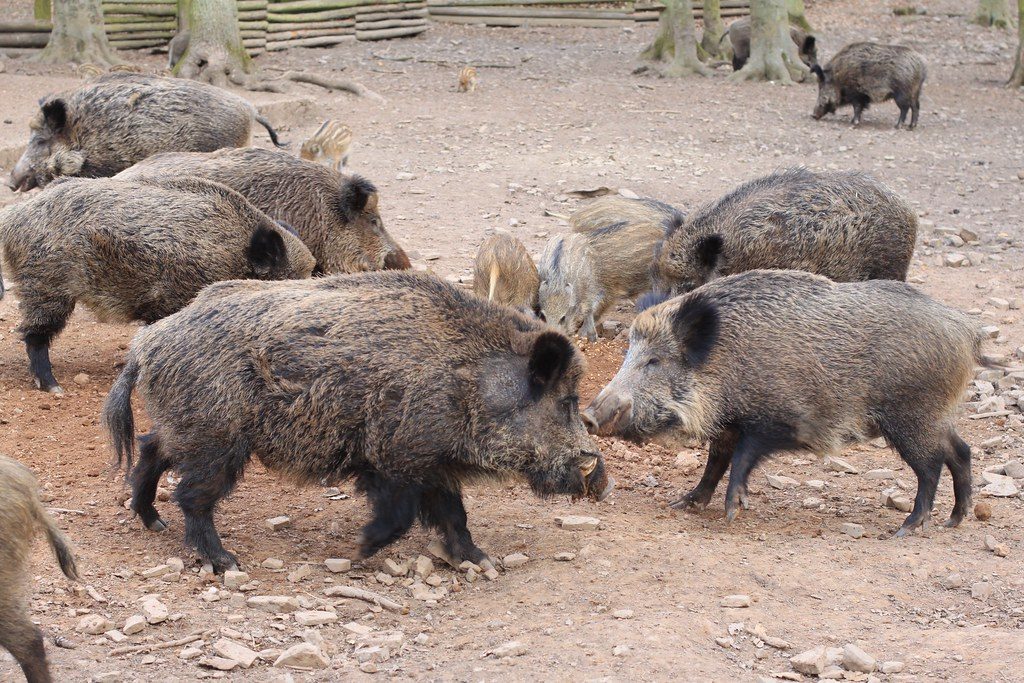
    Wild Boars / Wildschweine” by adkorte is licensed under CC BY 2.0

    Camera traps and wildlife surveys have documented healthy populations of wolves, brown bears, lynx, wild boar, elk, deer, beavers, and European bison living throughout the exclusion zone. Brown bears, absent for many decades before the accident, have also returned.

    Many scientists believe these animals benefit primarily from the lack of human disturbance rather than from radiation itself. The absence of roads, agriculture, and intensive hunting has allowed habitats to recover naturally.

    Radiation still affects some wildlife

    Chernobyl” by benadlard is licensed under CC BY-NC-ND 2.0

    Although many animal populations have increased, radiation has not become harmless. Studies have reported cataracts, reduced fertility, smaller brain size in some birds, genetic damage, and developmental abnormalities in certain insects and other organisms living in more contaminated areas.

    The severity of these effects varies greatly depending on species, location, and radiation exposure. Scientists continue studying how chronic exposure influences different forms of life.

    Adaptation may be occurring

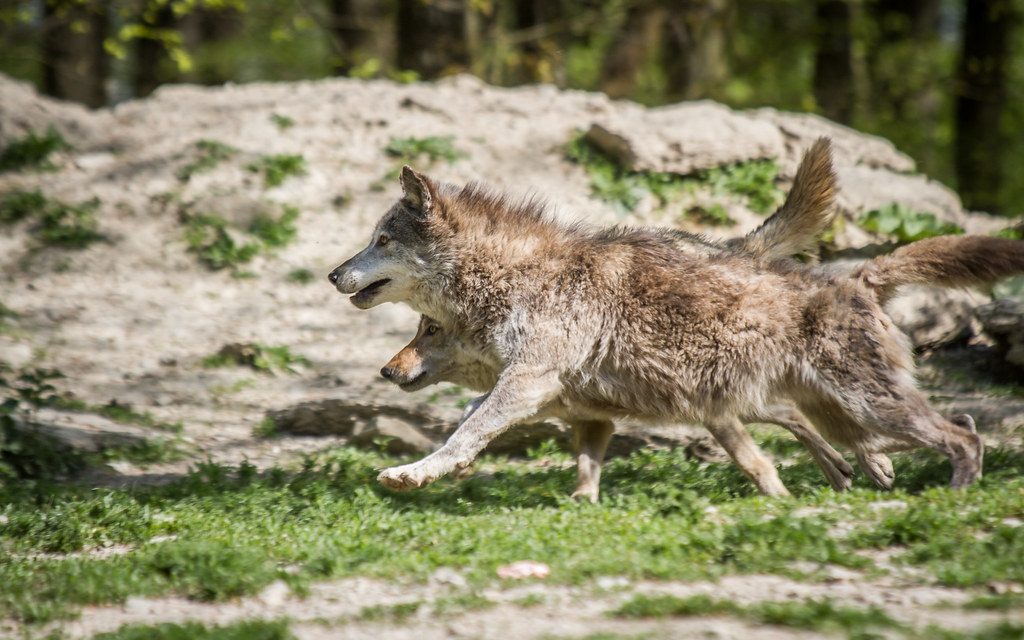
    Running wolves” by ラルフ – Ralf RKLFoto is licensed under CC BY-NC 2.0

    Some recent studies suggest that certain animals may be developing biological adaptations to cope with long-term radiation exposure. For example, researchers have investigated wolves, darker-colored frogs, and other species for possible genetic or physiological changes.

    However, scientists emphasize that adaptation does not mean radiation is safe. Research is ongoing, and many questions remain about the long-term consequences of living in contaminated environments.

    Chornobyl has become a natural laboratory

    Chernobyl/Pripyat Exclusion Zone (004.1654)” by Pedro Moura Pinheiro is licensed under CC BY-NC-SA 2.0

    Today, the exclusion zone serves as one of the world’s most important places for studying ecology, evolution, and the effects of chronic radiation exposure. Researchers use camera traps, DNA analysis, and long-term monitoring to understand how ecosystems respond after major environmental disasters.

    The region also helps scientists compare the impacts of radiation with the effects of human activity, offering valuable lessons for conservation worldwide.

    The story is more complex than mutations

    Chernobyl/Pripyat Exclusion Zone (026.8075)” by Pedro Moura Pinheiro is licensed under CC BY-NC-SA 2.0

    Popular headlines often focus on “mutant animals,” but the scientific picture is much more nuanced. While radiation has caused measurable biological effects in some species, there is little evidence of widespread monstrous mutations. Instead, Chornobyl demonstrates both the resilience of nature and the lasting consequences of nuclear contamination.

    Researchers expect the exclusion zone to remain an important scientific study area for decades as they continue to uncover how wildlife survives under extraordinary conditions.

  • The mysterious sea monster found inside a sperm whale still puzzles scientists

    The mysterious sea monster found inside a sperm whale still puzzles scientists

    In 1937, workers at a whaling station in Canada’s Haida Gwaii pulled a strange 3-meter-long carcass from the stomach of a sperm whale. Its long neck, dog-like head, horse-like tail, and unusual appearance quickly led many people to believe they had discovered an unknown sea monster.

    The creature became known as the “Cadborosaurus,” and photographs of the mysterious remains spread across newspapers. Nearly 90 years later, scientists and cryptozoologists still disagree about what the carcass really was, although most marine biologists now favor a much more familiar explanation.

    A strange discovery shocked veteran whalers

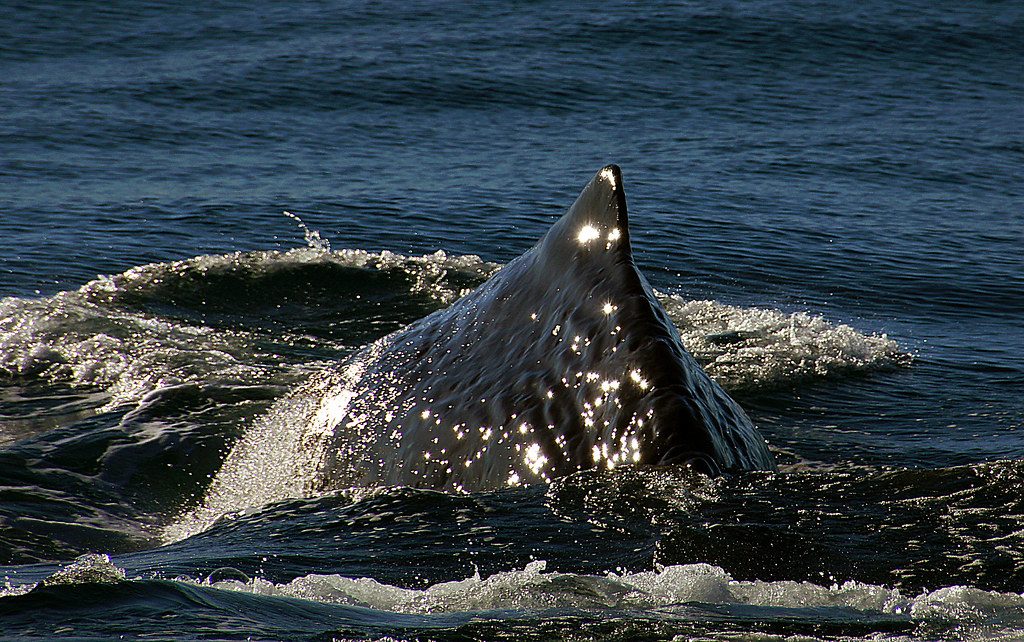
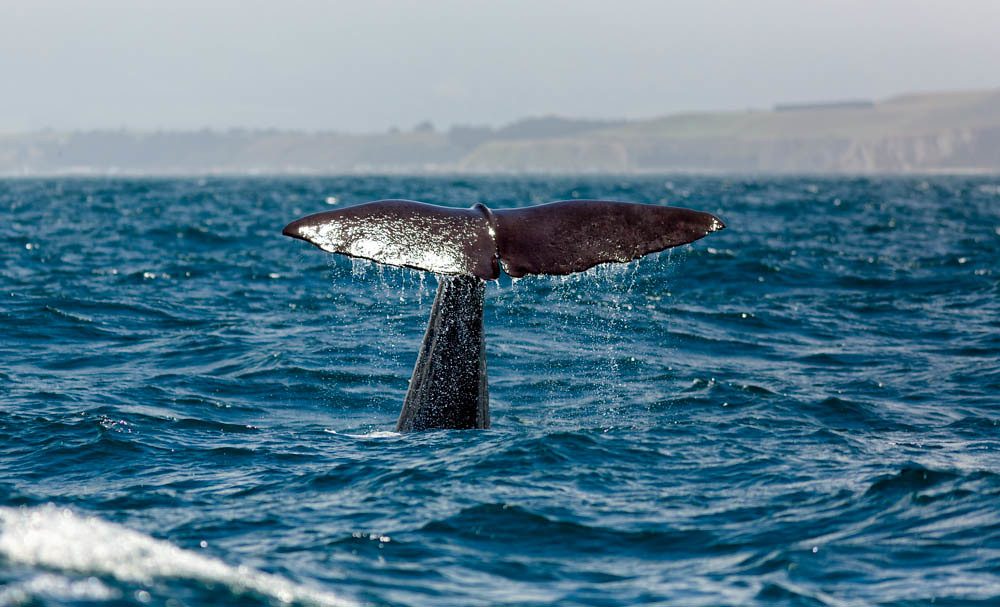
    Sperm Whale Diving” by stewartbaird is licensed under CC BY-NC-ND 2.0

    The unusual carcass was recovered from a sperm whale processed at a whaling station in Haida Gwaii, British Columbia, in October 1937. Workers displayed the remains on wooden crates before photographs appeared in local newspapers, fueling speculation that an unknown marine creature had been found.

    Witnesses described a long-bodied animal with a narrow neck, small head, and horse-like tail. Unfortunately, only photographs remain because the physical specimens were later lost.

    The legend of Cadborosaurus was born

    a bird flying over a body of water
    Photo by Richard Stovall on Unsplash

    The mysterious carcass became linked to Cadborosaurus, a legendary sea serpent reportedly seen for generations along the Pacific coast of British Columbia. Over the years, hundreds of sightings have been claimed, although none have been scientifically confirmed.

    Some cryptozoologists continue to argue that the 1937 carcass belonged to an unknown marine species that has yet to be identified by science.

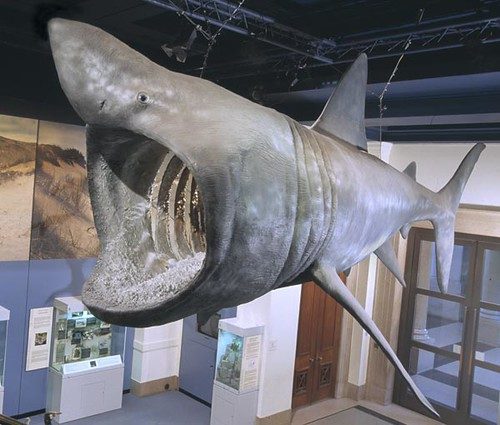
    Most scientists favor a basking shark

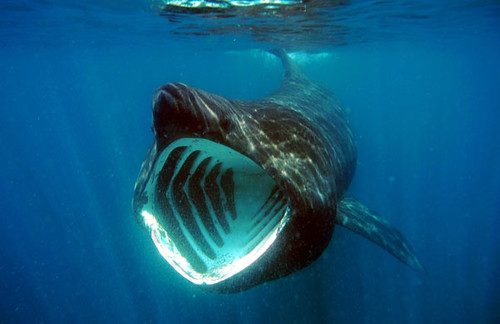
    basking-shark-Cetorhinus–003” by jidanchaomian is licensed under CC BY-SA 2.0

    Marine biologists believe the remains most likely belonged to a decomposing basking shark. As basking sharks decay, their gill structures collapse, creating the appearance of a long neck and small head that can resemble prehistoric marine reptiles or mythical sea serpents. This transformation is known as the “pseudo-plesiosaur carcass” phenomenon.

    Similar misidentifications have occurred elsewhere, including the famous 1977 Zuiyō Maru carcass recovered near New Zealand, which was later identified as a decomposing basking shark through tissue analysis.

    The mystery can never be fully solved

    two people scuba diving underwater
    Photo by Sebastian Pena Lambarri on Unsplash

    A small tissue sample from the 1937 carcass was reportedly sent to a museum but was discarded after being tentatively identified as a fetal baleen whale. Because the original no longer exists, modern DNA testing is impossible.

    Without physical evidence, scientists cannot definitively prove whether the carcass belonged to a basking shark or another known species, although the basking shark explanation fits many of the observed features.

    The real tragedy involved basking sharks

    Basking Shark Model” by MuseumWales is licensed under CC BY-NC 2.0

    The renewed interest in the Cadborosaurus story has also drawn attention to the history of basking sharks in British Columbia. During the 1950s and 1960s, government programs deliberately killed hundreds of these harmless filter-feeding sharks because they were considered obstacles to salmon fishing.

    Scientists estimate that more than 90% of the local basking shark population has disappeared. Today, the species is protected under Canadian law, but recovery may take centuries.

    The ocean still holds many mysteries

    photography of two persons underwater
    Photo by Francisco Jesús Navarro Hernández on Unsplash

    Although no evidence confirms the existence of Cadborosaurus, marine scientists agree that the deep ocean remains one of Earth’s least explored environments. New species are still being discovered regularly, especially in deep and remote habitats.

    The Cadborosaurus story reminds us that unusual discoveries deserve careful scientific investigation, while also showing how easily decomposing marine animals can be mistaken for legendary creatures.

  • What researchers found over 31,000 feet below the Pacific Ocean surprised everyone

    What researchers found over 31,000 feet below the Pacific Ocean surprised everyone

    A team of scientists has uncovered one of the most extraordinary ecosystems ever found on Earth. Using the crewed submersible Fendouzhe, researchers descended more than 31,000 feet into the Pacific Ocean’s hadal zone, where sunlight never reaches.

    Instead of finding a lifeless seafloor, they discovered thriving communities of animals and microorganisms supported entirely by chemical energy. The expedition revealed thousands of previously unknown microbes and the deepest chemosynthesis-based ecosystem ever documented, reshaping scientists’ understanding of where life can survive.

    Scientists explored one of Earth’s deepest places

    photography of two persons underwater
    Photo by Francisco Jesús Navarro Hernández on Unsplash

    Researchers used the human-occupied submersible Fendouzhe to investigate the Kuril-Kamchatka and western Aleutian trenches in the northwest Pacific. During the expedition, 17 scientists completed dives reaching depths of up to 9,533 meters (about 31,276 feet).

    The hadal zone is one of the least explored environments on Earth. Extreme pressure, near-freezing temperatures, and complete darkness make it one of the planet’s harshest habitats.

    Life survives without sunlight

    group of sharks under body of water
    Photo by Jakob Owens on Unsplash

    Unlike most ecosystems on Earth, these deep-sea communities do not depend on photosynthesis. Instead, microorganisms obtain energy through chemosynthesis by using chemicals such as hydrogen sulfide and methane that seep from seafloor faults.

    These microbes form the foundation of an ecosystem that supports tube worms, clams, and other marine animals despite the complete absence of sunlight.

    Thousands of new microorganisms were identified

    a close up of a plant with very long stems
    Photo by CDC on Unsplash

    Scientists identified 7,564 species of prokaryotic microorganisms during the expedition. More than 89% of these microbes appear to be previously unknown to science, highlighting how little is known about the deepest parts of the ocean.

    Researchers believe these newly discovered microbes may contain unique genes, biological structures, and metabolic processes with potential applications in biotechnology, medicine, and energy research.

    The ecosystem stretches for miles

    Underwater kelp forest and marine life.
    Photo by Erick Morales Oyola on Unsplash

    Rather than finding isolated pockets of life, scientists documented extensive chemosynthetic communities spread across a large section of the trench system. They described the ecosystem as a thriving oasis within the otherwise barren deep ocean.

    The discovery suggests that similar ecosystems may exist in other hadal trenches worldwide, where geological conditions are comparable.

    The discovery changes what scientists believed

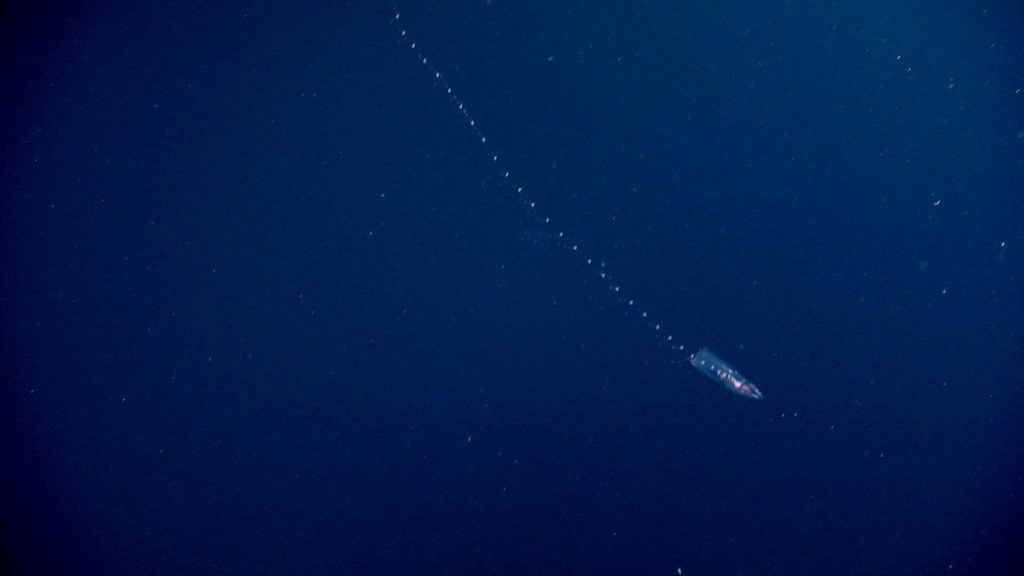
    Salp or Siphonophore” by OceanNetworks Canada is licensed under CC BY-NC-SA 2.0

    For many years, researchers suspected deep trenches could support chemosynthetic life, but direct evidence was limited. This expedition provided the strongest confirmation yet that complex ecosystems can flourish at the greatest ocean depths.

    The findings also improve scientists’ understanding of Earth’s carbon cycle and may help guide the search for life on ocean worlds such as Jupiter’s moon Europa and Saturn’s moon Enceladus.

    Earth’s deepest oceans still hold countless mysteries

    photo of person in body of water
    Photo by Alex Rose on Unsplash

    Only a tiny fraction of the deep seafloor has been explored, meaning many unknown species and ecosystems almost certainly remain undiscovered. Each expedition reveals that Earth’s deepest oceans are far more biologically diverse than previously believed.
    Scientists expect future dives to uncover even more remarkable organisms and expand our understanding of how life adapts to some of the most extreme environments on the planet.

  • The tragic story of Tyke, the circus elephant who broke free after years of captivity

    The tragic story of Tyke, the circus elephant who broke free after years of captivity

    Thousands of spectators were expected to watch an ordinary circus performance in Honolulu on August 20, 1994. Instead, they witnessed one of the most shocking incidents in circus history. An African elephant named Tyke attacked her trainer, escaped the arena, and ran through city streets before police stopped her with gunfire. The tragedy sparked worldwide debate about the welfare of elephants in captivity and changed how many people viewed the use of wild animals in entertainment.

    Tyke spent most of her life performing

    grey elephant statue with brown rope
    Photo by Svetlana Zhigulskiy on Unsplash

    Tyke was a female African elephant born in the early 1970s. She spent much of her life performing in traveling circuses after being taken from the wild at a young age.

    Before the Honolulu incident, Tyke had already been involved in several escape or aggressive incidents during circus performances. These earlier events raised concerns about her suitability for performing.

    The performance turned into chaos

    brown elephant on brown sand during daytime
    Photo by miro polca on Unsplash

    During a Circus International performance at the Neal S. Blaisdell Center, Tyke attacked her trainer, Allen Campbell, who later died from his injuries. She also seriously injured her groomer before breaking free from the arena.

    The elephant then ran through the streets of Honolulu for more than 30 minutes, damaging property and frightening people as police attempted to stop her.

    Police ended the chase

    2 men standing beside white and blue police car
    Photo by Erik Mclean on Unsplash

    Unable to safely contain the elephant, police officers opened fire after the lengthy pursuit. Reports state Tyke was struck by 86 shots before collapsing from her injuries.

    The incident was recorded by spectators and news cameras, making it one of the most widely seen wildlife-related tragedies involving a circus animal.

    The tragedy changed public opinion

    grey elephant walking on road during daytime
    Photo by Robin Strahl on Unsplash

    Tyke’s death became a powerful symbol in discussions about keeping elephants in circuses. Animal welfare organizations argued that the incident highlighted the challenges of maintaining large, intelligent wild animals in traveling entertainment.

    The event also inspired lawsuits, public campaigns, and later legislative proposals concerning the use of elephants in circuses.

    Scientists continue studying elephant welfare

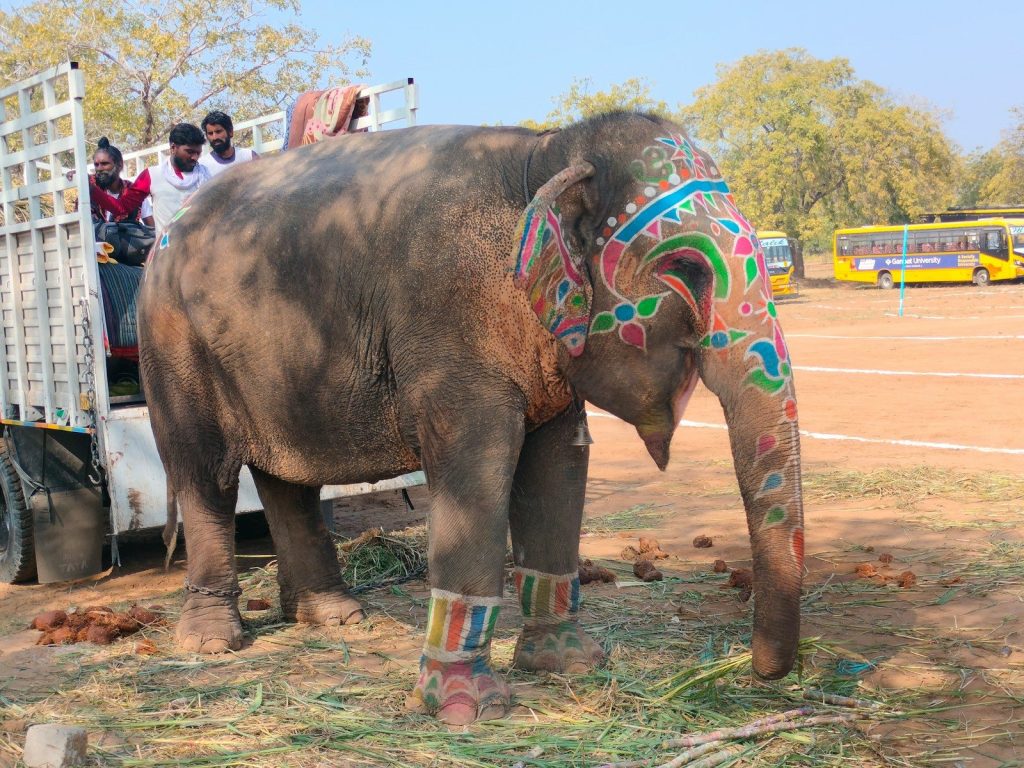
    a large elephant standing next to a truck filled with people
    Photo by Kalpesh Gandha on Unsplash

    Modern research shows elephants are highly intelligent, social animals that naturally travel long distances, form complex family groups, and display advanced problem-solving abilities. Many experts believe these needs can be difficult to meet in traditional traveling circuses.

    Today, many countries and regions have introduced restrictions or bans on the use of wild animals in circus performances, although regulations differ around the world.

    Tyke’s legacy continues today

    brown elephant walking on white sand during daytime
    Photo by Calo- Typie on Unsplash

    More than three decades later, Tyke’s story is still discussed in documentaries, museums, and animal welfare debates. It remains one of the best-known examples of the complex relationship between humans and captive wild animals.

    Although opinions differ about the causes of the tragedy, Tyke’s final day continues to influence conversations about animal welfare, public safety, and the future of wildlife in entertainment.

  • How divers saved a gentle whale shark from a life-threatening rope trap

    How divers saved a gentle whale shark from a life-threatening rope trap

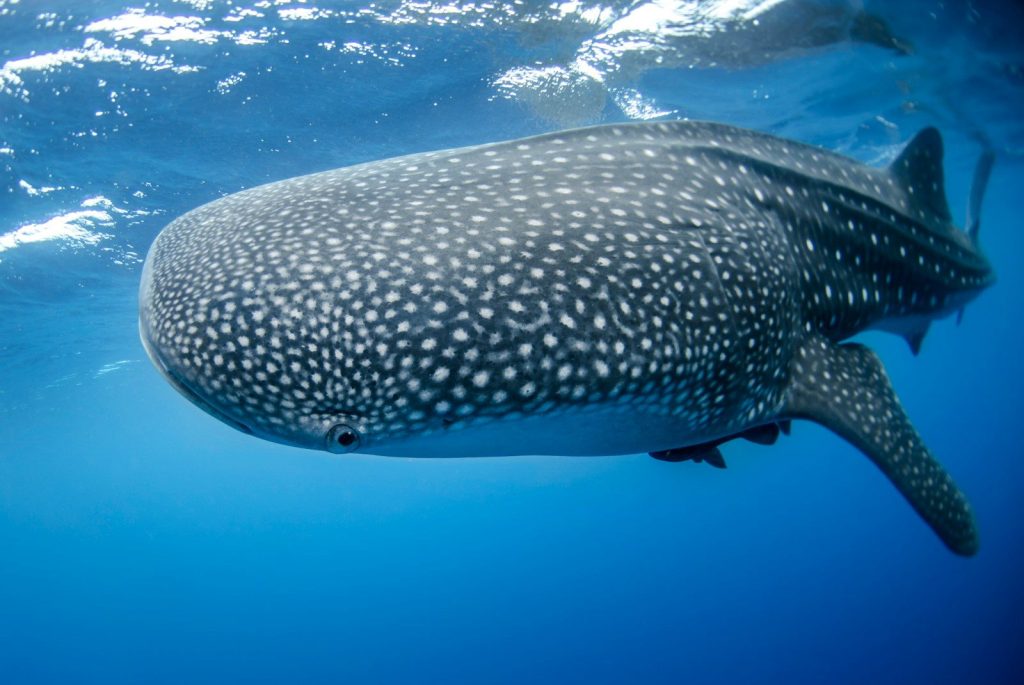
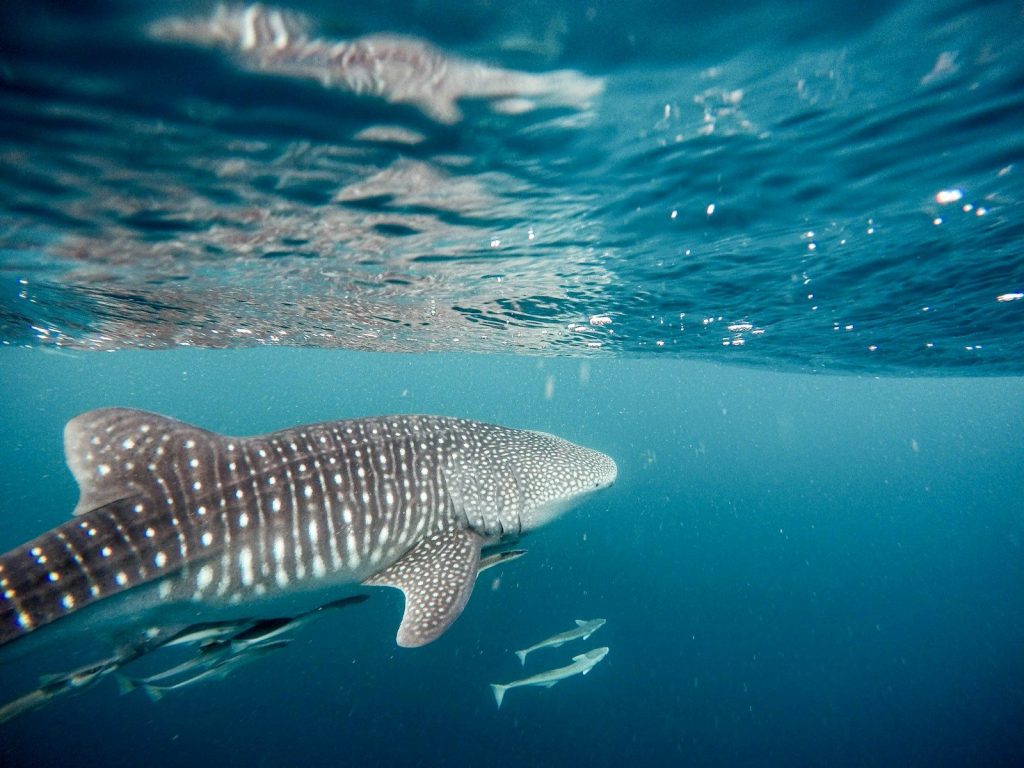
    A routine dive in the Maldives turned into an extraordinary wildlife rescue when divers spotted a whale shark struggling with a thick rope wrapped tightly around its body. The enormous fish continued swimming despite the dangerous entanglement, but the rope threatened to cause serious injury over time.

    Without hesitation, experienced dive guides entered the water and carefully worked together to remove the rope. The remarkable rescue not only saved one of the world’s largest fish but also highlighted the growing threat posed by discarded fishing gear to marine life.

    Divers spotted the whale shark in trouble

    photography of two persons underwater
    Photo by Francisco Jesús Navarro Hernández on Unsplash

    In December 2019, dive guides Simone Musumeci and Antonio Di Franca were leading a group near Fuvahmulah Island in the Maldives when they noticed a whale shark swimming close to their boat. As it approached, they saw a thick rope tightly wrapped around its body between the head and pectoral fins.

    The rope had already left visible indentations in the shark’s skin, raising concerns that it could eventually restrict movement or cause severe injuries if left in place.

    The rescue required careful teamwork

    two people scuba diving underwater
    Photo by Sebastian Pena Lambarri on Unsplash

    The two divers immediately re-entered the water carrying dive knives. Working beside the moving whale shark, they carefully cut through the thick rope while avoiding injury to the animal.

    The rescue lasted about 10 minutes as the whale shark continued swimming, pulling the divers with it to depths of roughly 14 meters before the rope was finally removed.

    The whale shark stayed remarkably calm

    underwater photography of black fish
    Photo by Sebastian Pena Lambarri on Unsplash

    Despite the unusual situation, the whale shark remained calm throughout the rescue. Once the final section of rope was cut away, the giant fish paused briefly before swimming toward deeper water.

    One of the divers later recalled that the shark returned for a short moment after being freed, creating what they described as an unforgettable encounter before it disappeared into the blue.

    Whale sharks face growing threats

    a large whale and a smaller whale swimming in the ocean
    Photo by Kevin Charit on Unsplash

    Whale sharks are the largest fish in the world and are gentle filter feeders that consume plankton and small marine animals. They are listed as endangered because of threats including ship strikes, accidental capture, habitat loss, and marine pollution.

    Discarded fishing ropes, nets, and other marine debris can entangle whale sharks, making it difficult for them to swim, feed, or breathe normally as they continue to grow.

    Marine debris affects countless ocean animals

    gray whale underwater
    Photo by NOAA on Unsplash

    Ghost fishing gear is responsible for injuring or killing thousands of marine animals every year. Sea turtles, whales, dolphins, seals, and sharks can all become trapped in abandoned ropes and nets.

    Conservation groups encourage proper disposal and recovery of lost fishing equipment to reduce these preventable injuries and protect vulnerable marine species.

    Every successful rescue raises awareness

    black whale on sea
    Photo by Jeremy Bishop on Unsplash

    Although rescuing entangled wildlife is not always possible, this successful operation demonstrated how trained professionals can sometimes intervene safely when conditions allow. The video has since inspired many people to learn more about marine conservation.

    Scientists hope stories like this will encourage greater efforts to reduce plastic pollution and lost fishing gear, so fewer marine animals are trapped in the future.

  • Shark-mounted cameras reveal great white sharks hunting inside kelp forests

    Shark-mounted cameras reveal great white sharks hunting inside kelp forests

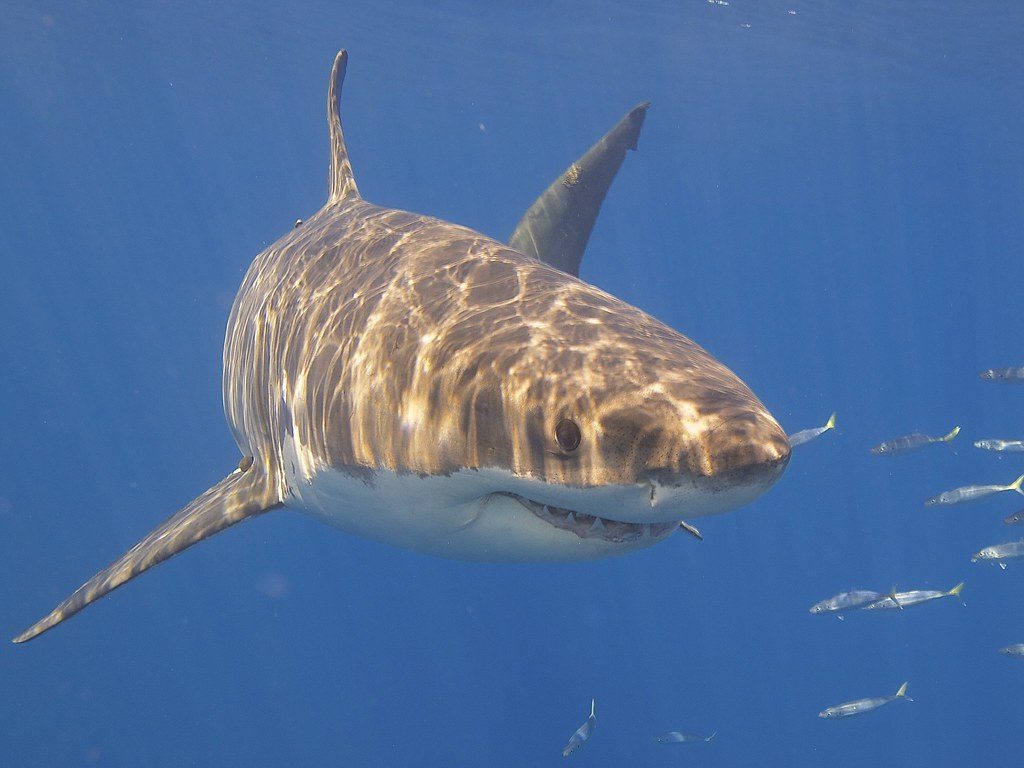
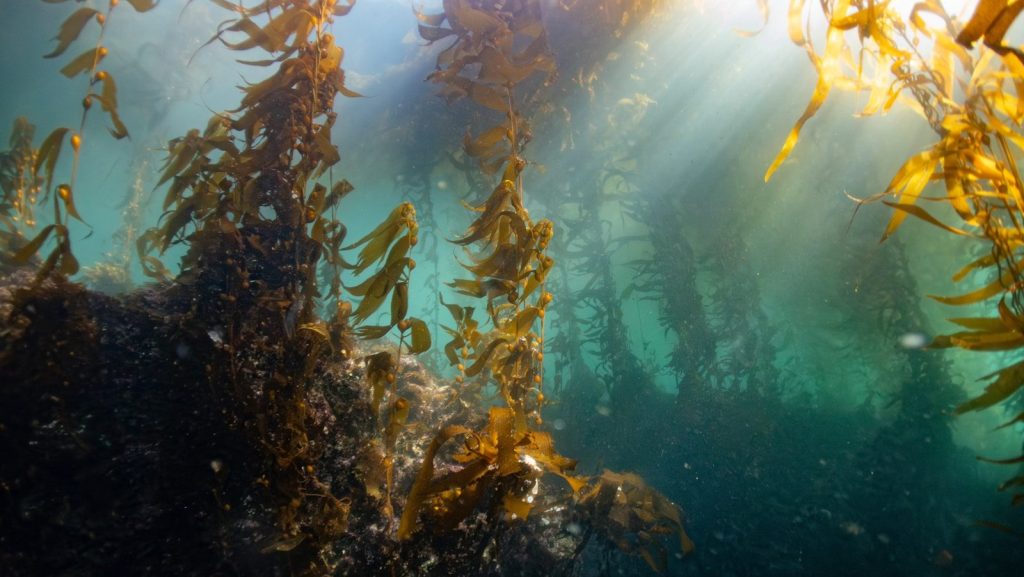
    For decades, marine biologists believed dense kelp forests protected seals from great white sharks. The thick underwater plants were thought to be too crowded for these large predators to enter, forcing sharks to wait outside and ambush seals as they emerged into open water. But cameras attached directly to great white sharks have completely changed that view.

    The remarkable footage revealed sharks swimming through kelp, maneuvering between the fronds, and even stalking seals within the forest itself. The discovery has transformed scientists’ understanding of one of the ocean’s most important predator-prey relationships.

    Scientists watched the hunt from a shark’s perspective

    grey and white shark underwater
    Photo by Hunter Newton on Unsplash

    Researchers attached high-definition video cameras and motion sensors to the dorsal fins of great white sharks near South Africa’s Dyer Island. The animal-borne cameras recorded more than 28 hours of footage from the sharks’ own point of view.

    The recordings showed white sharks regularly entering kelp forests instead of remaining outside them. This behavior had never been documented so clearly before.

    Kelp forests were once considered safe refuges

    Underwater kelp forest and marine life.
    Photo by Erick Morales Oyola on Unsplash

    Earlier studies suggested Cape fur seals reduced their risk of attack by staying inside dense kelp. Scientists believed the thick vegetation limited the movement of large sharks and made ambushes difficult.

    The new footage demonstrated that this assumption was incomplete. Great white sharks proved capable of weaving through channels in the kelp and even pushing through dense fronds when necessary.

    Sharks can navigate through dense kelp

    Kelp forest underwater with sunlight beams.
    Photo by Erick Morales Oyola on Unsplash

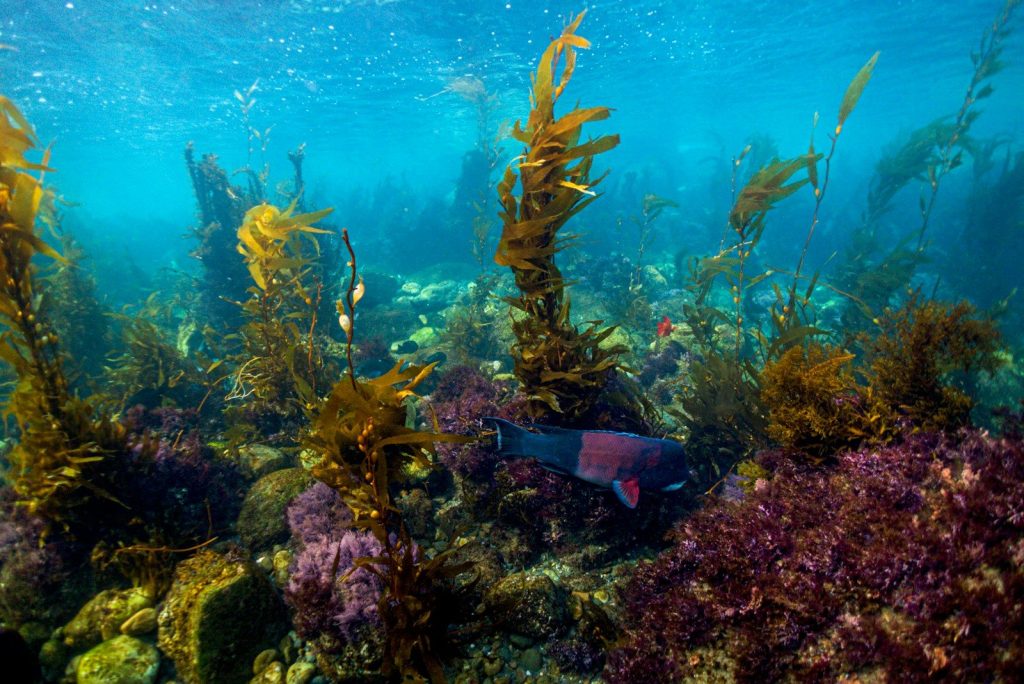
    The cameras showed sharks weaving through natural channels, pushing aside kelp fronds, and maneuvering surprisingly well inside the underwater forest. Seven of the eight tagged sharks entered densely covered kelp habitat.

    Researchers also recorded encounters between sharks and Cape fur seals within the kelp itself, proving these predators can successfully hunt in places once believed inaccessible.

    Moderate kelp may help sharks stay hidden

    a jellyfish in the water surrounded by seaweed
    Photo by Oleksandr Sushko on Unsplash

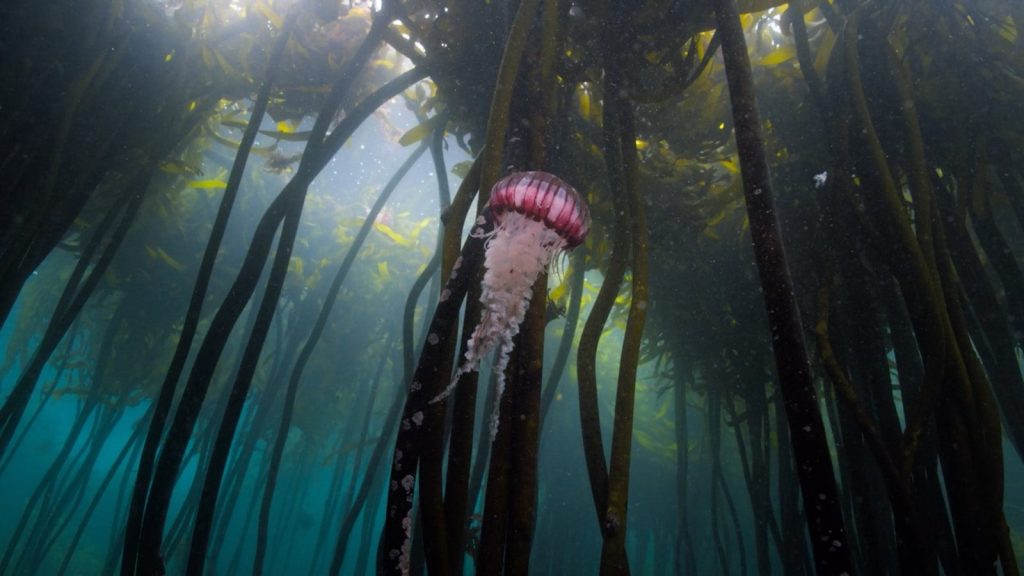
    Researchers found that sharks often increased their turning movements and activity while inside kelp forests. Encounters between sharks and Cape fur seals recorded during the study occurred within the kelp habitat itself.

    Scientists suggest that patches of moderate kelp may provide enough cover to reduce a shark’s visibility while still allowing it to move efficiently. This could create effective ambush opportunities in some locations.

    The footage changed long-held assumptions

    Great White Shark” by kqedquest is licensed under CC BY-NC 2.0

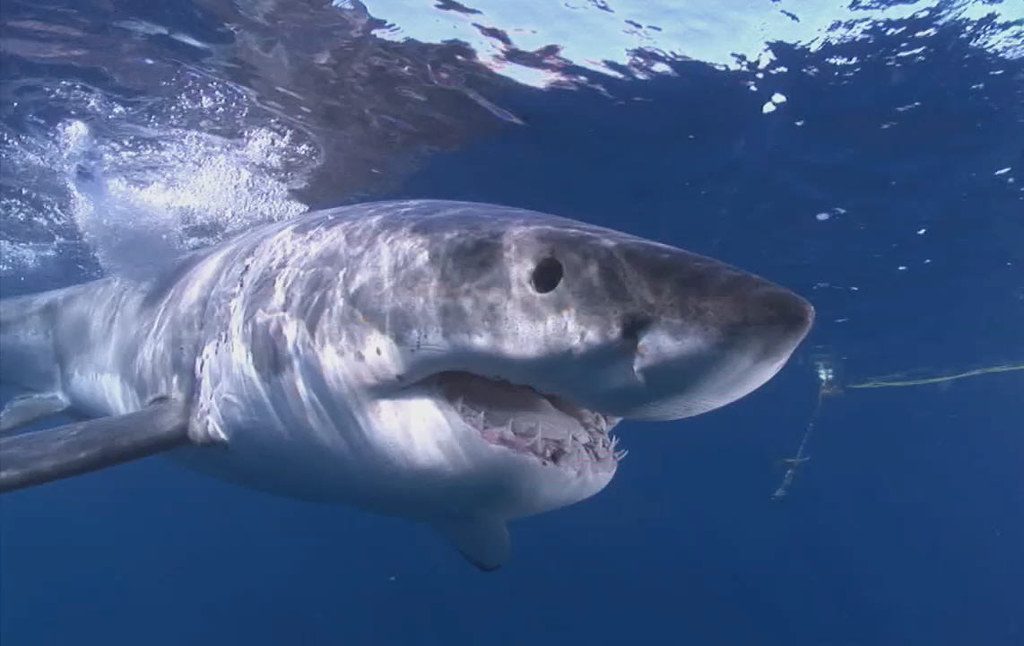
    The shark-mounted cameras provided direct evidence that great white sharks use habitats previously believed to be inaccessible. Rather than avoiding kelp, they can exploit it as part of their hunting strategy.

    Researchers emphasize that this does not mean every kelp forest is equally dangerous. Hunting success depends on kelp density, water conditions, prey behavior, and local geography.

    Technology is revealing hidden shark behavior

    Great White Shark” by Elias Levy is licensed under CC BY 2.0

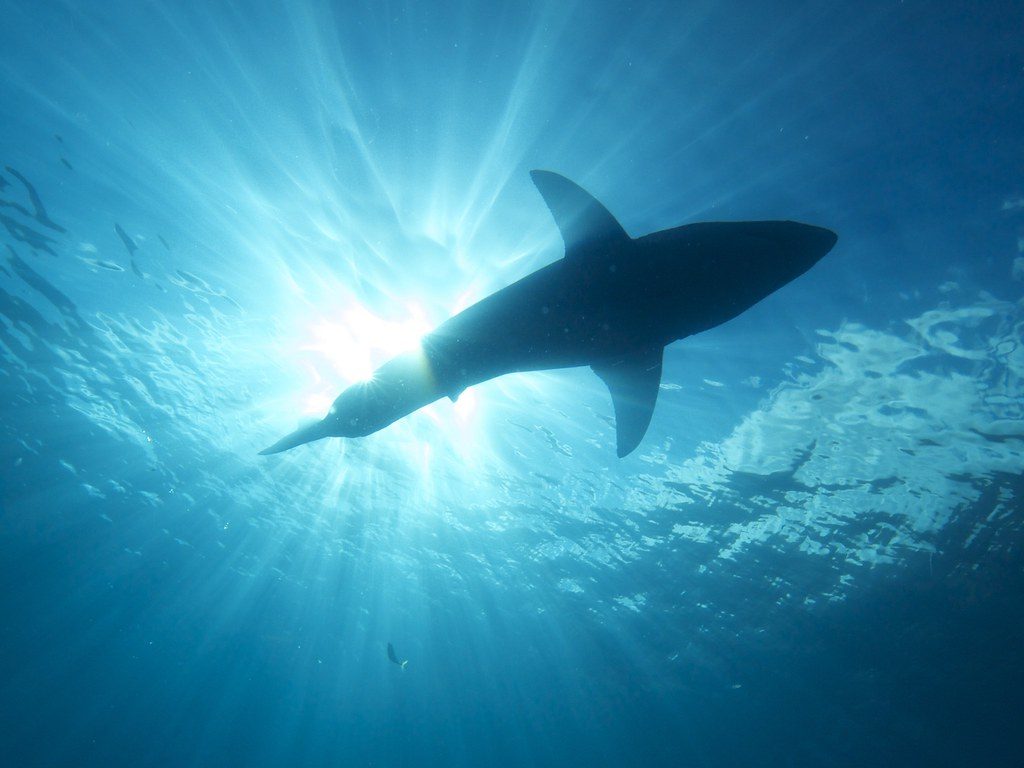
    Animal-borne camera systems allow scientists to observe natural behaviors that cannot easily be seen by divers or surface observers. Combined with motion sensors, they provide valuable information about how predators move through complex habitats.

    These tools continue to reshape our understanding of great white sharks, replacing assumptions with direct observations from the animals themselves.

  • Boy dies after fleeing dog attack as California owner faces criminal charges

    Boy dies after fleeing dog attack as California owner faces criminal charges

    A tragic afternoon at a California park ended with the death of a 12-year-old boy after he reportedly jumped into a lake while trying to escape three dogs. Police say the incident also left the boy’s younger sister seriously injured. The case has shocked the local community and raised questions about responsible pet ownership and public safety.

    Authorities have since arrested the dogs’ owner, who now faces multiple criminal charges. This article explains what investigators say happened, how the case developed, and what comes next in the legal process.

    The incident unfolded at a city park

    people walking on green grass field near green trees under blue sky during daytime
    Photo by Martins Cardoso on Unsplash

    According to police, the incident happened on June 18 at Central Park Lake in California City. Authorities say 12-year-old Fernando Torres Moreno entered the lake while trying to escape three dogs that had allegedly chased him.

    Emergency responders found Fernando at the bottom of the lake and immediately began CPR before taking him to a hospital. Despite medical treatment, he later died from his injuries.

    Another child was also injured

    white and brown short coated dog lying on green grass during daytime
    Photo by Alexas_Fotos on Unsplash

    Police say Fernando’s 8-year-old sister was also attacked during the incident. She suffered serious dog bite injuries but survived after receiving hospital treatment.

    Investigators allege the dogs belonged to 68-year-old Kenneth Dobbins. Witness statements and the subsequent investigation led authorities to identify his three dogs as those involved in the attack.

    Police arrested the dog’s owner

    2 men standing beside white and blue police car
    Photo by Erik Mclean on Unsplash

    After several days of investigation, police obtained an arrest warrant for Dobbins. Authorities later located and arrested him in Lancaster after receiving information about his whereabouts.

    Investigators also recovered one of the dogs involved in the incident, while authorities initially continued searching for the remaining animals.

    Prosecutors filed multiple charges

    dog eating wood log
    Photo by Jordan Whitt on Unsplash

    The Kern County District Attorney’s Office later charged Dobbins with second-degree murder, involuntary manslaughter, and additional felony counts related to allegedly failing to control dangerous animals. He has pleaded not guilty to all charges.

    As with every criminal case, prosecutors must prove the allegations in court. The charges remain accusations until the legal process is completed.
    The community mourned Fernando

    man in blue and yellow long sleeve shirt standing beside man in black jacket
    Photo by Freddy Kearney on Unsplash

    Fernando’s family described him as a kind and joyful boy who loved spending time outdoors with his siblings and friends. A fundraising campaign was created to help cover funeral expenses.
    The tragedy deeply affected California City, where community members gathered to remember the young victim and express support for his family during an extremely difficult time.

    The investigation continues

    white and black short coat small dog on green grass field during daytime
    Photo by Dasha Urvachova on Unsplash

    Authorities continue reviewing evidence as the criminal case moves through the court system. Future hearings will determine how the prosecution and defense present their cases before a judge.

    The incident has also renewed discussion of responsible pet ownership, leash laws, and ways to prevent dangerous encounters between aggressive animals and the public. Regardless of the legal outcome, the tragedy serves as a painful reminder of the importance of keeping pets under proper control.