Author: Ethan

  • Tyrannosaur remains reveal a shocking survival secret

    Tyrannosaur remains reveal a shocking survival secret

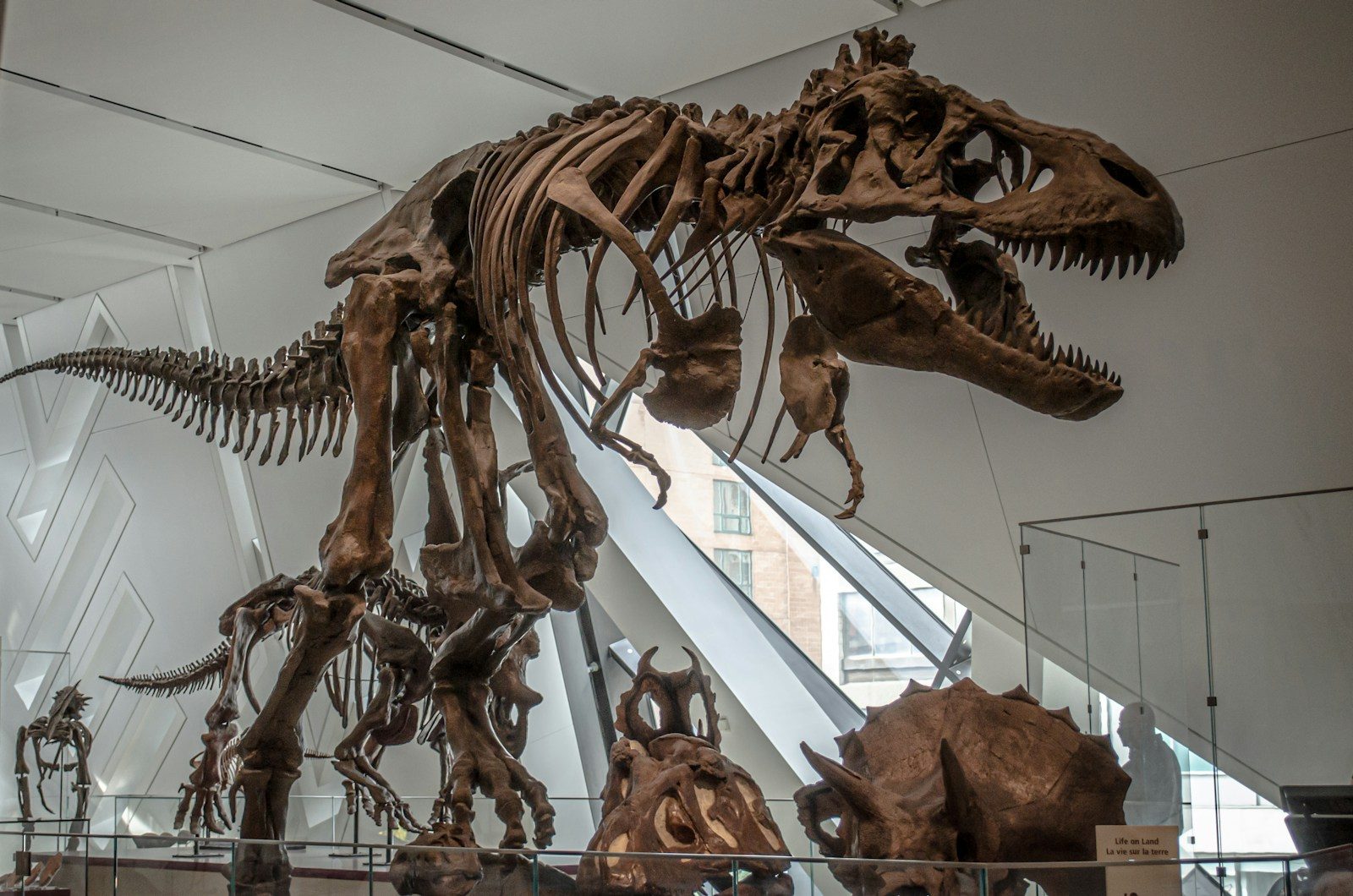
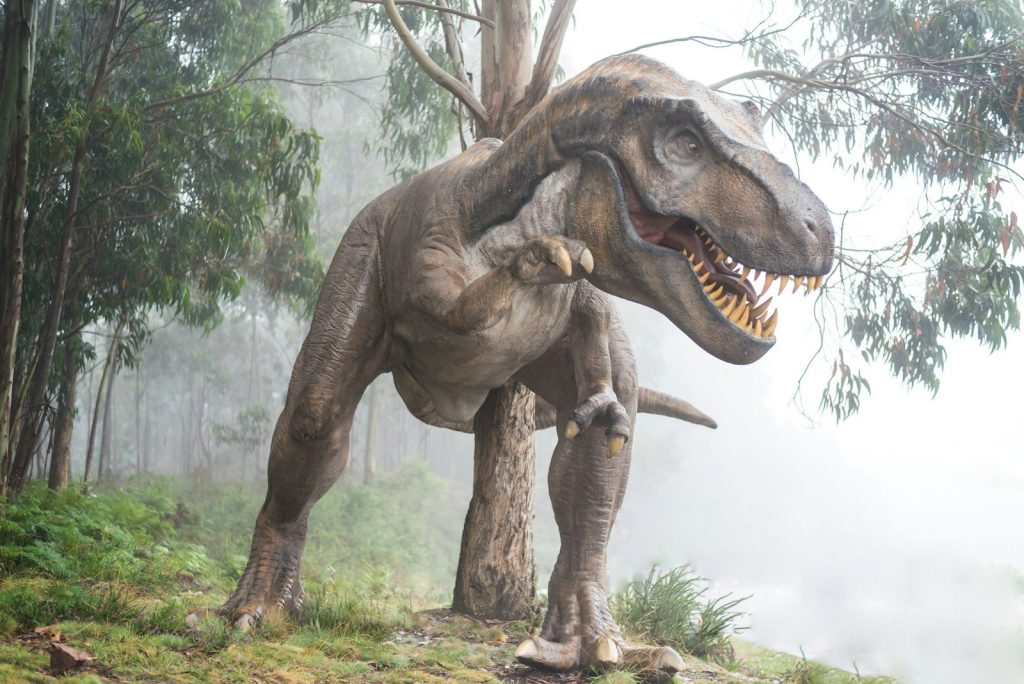
    Tyrannosaurs are usually pictured as fearless hunters chasing large prey across ancient landscapes. However, a remarkable fossil discovery has revealed another side of these famous dinosaurs. Scientists found bite marks showing that a smaller tyrannosaur fed on the remains of a much larger relative about 75 million years ago.

    Instead of wasting an available food source, the dinosaur appears to have scavenged a carcass that was already dead. The discovery helps researchers better understand how tyrannosaurs survived and shows that even the greatest predators sometimes relied on easy meals.

    A forgotten fossil revealed new evidence
    brown dinosaur illustration
    Photo by Fausto García-Menéndez on Unsplash

    The fossil is a metatarsal, a foot bone, discovered in Montana’s Judith River Formation. This region preserves one of the richest records of Late Cretaceous dinosaurs in North America.

    Josephine Nielsen of Aarhus University used detailed 3D scanning to examine the fossil. Her analysis identified 16 distinct bite marks that matched the teeth of a smaller tyrannosaur.

    The bite marks tell an important story
    grey and black dinosaur statue
    Photo by Frank Kroeger on Unsplash

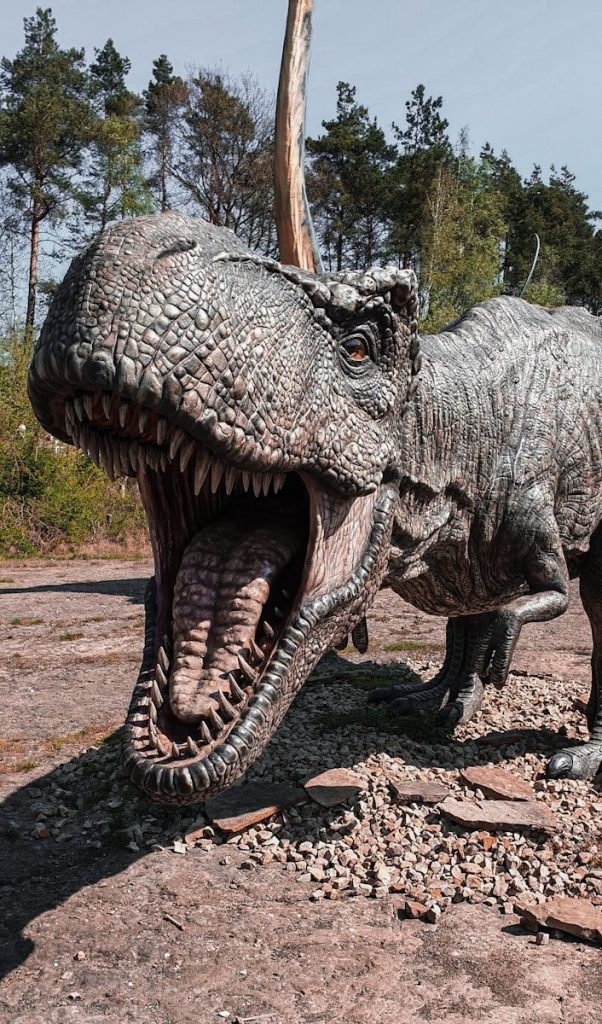
    Researchers carefully studied the depth, angle, and placement of every tooth mark. The pattern showed the bites were not random damage but the result of repeated feeding by another tyrannosaur.

    Because the marks were located on a foot bone with very little remaining meat, scientists concluded the scavenger was cleaning the last edible tissue from an old carcass. There were no signs that the injured dinosaur survived after the bites.

    Tyrannosaurs did not waste food
    brown and black dinosaur illustration
    Photo by Amy-Leigh Barnard on Unsplash

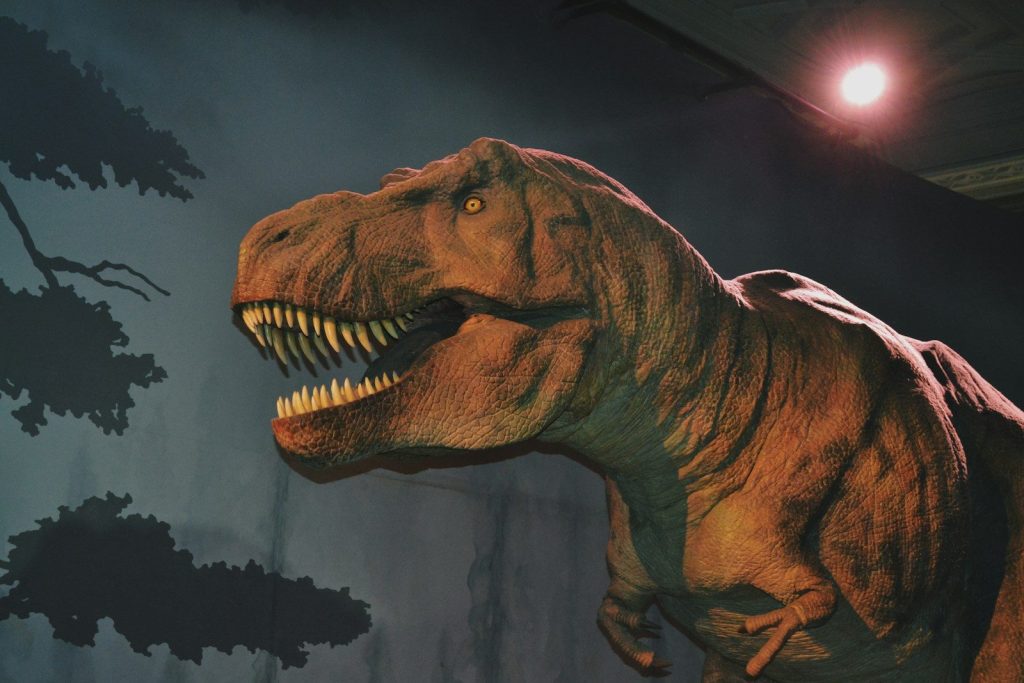
    Large predators often take advantage of easy food when it becomes available. Rather than risking injury by hunting, scavenging allows animals to gain energy with much less effort.

    The fossil suggests tyrannosaurs behaved in a similar way. Even though bones with very little flesh were worth eating when food was available, showing these dinosaurs were practical feeders rather than hunters alone.

    Modern technology solved an ancient mystery
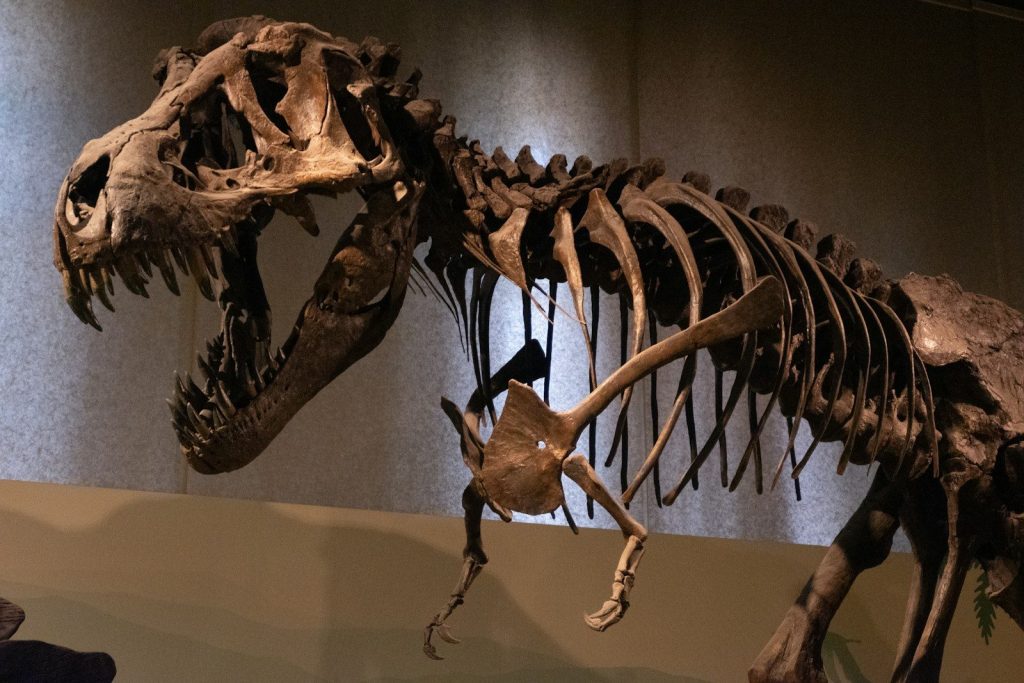
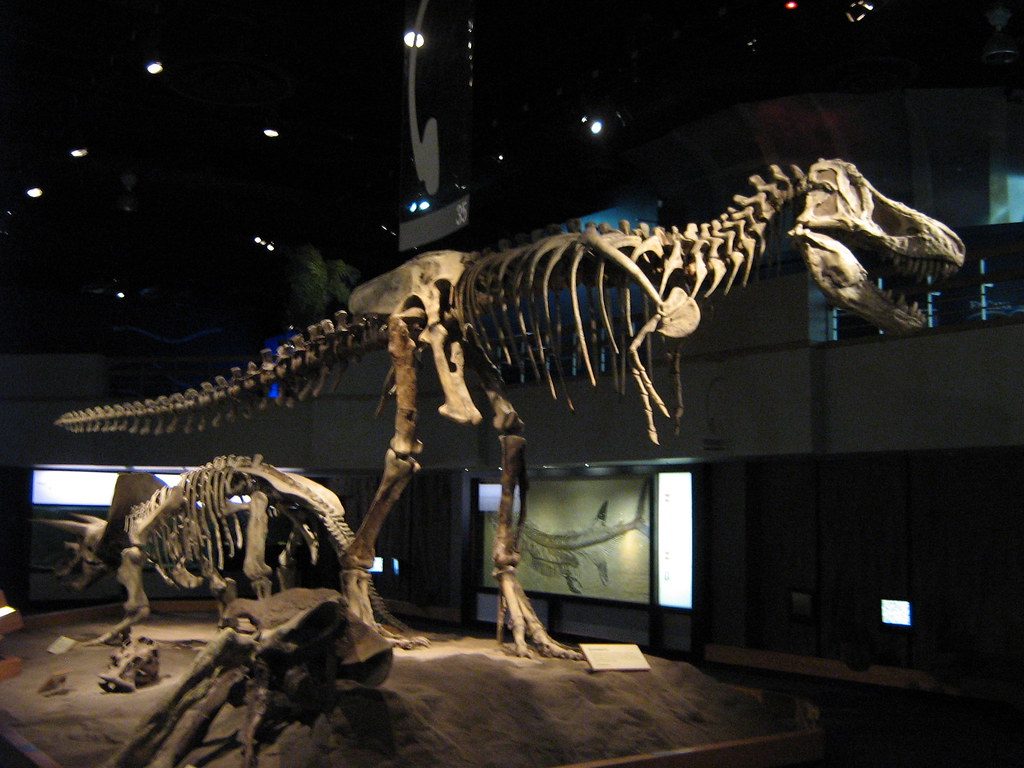
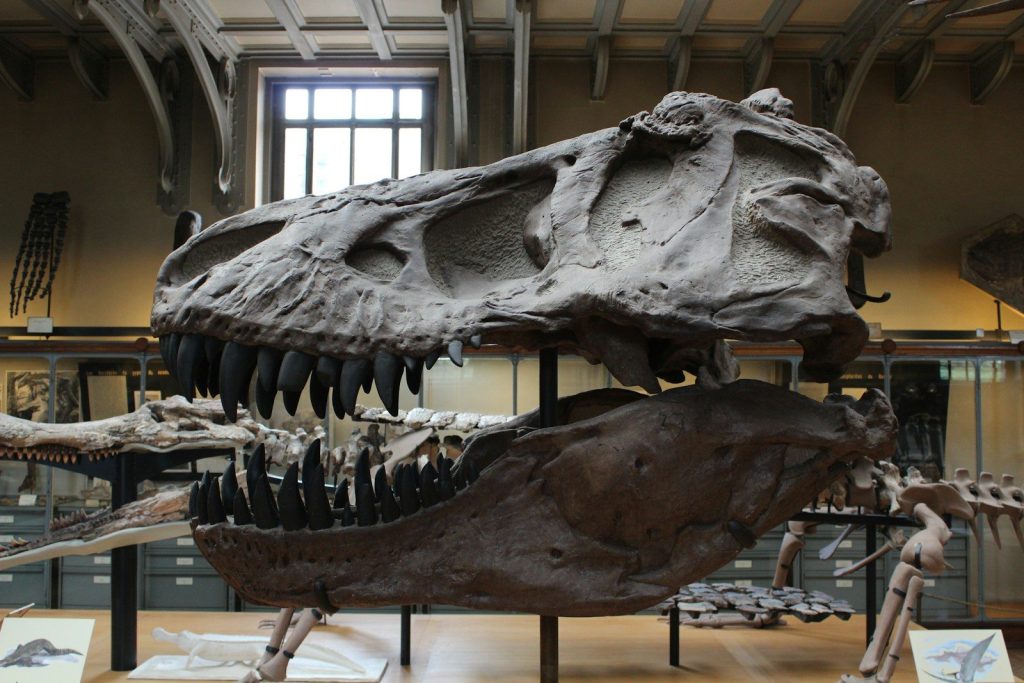
    A dinosaur skeleton in a museum with people looking at it
    Photo by Tofan Teodor on Unsplash

    Instead of studying only the fossil itself, researchers created a highly detailed digital model using advanced 3D scanning. This allowed them to examine tiny details without damaging the original specimen.

    The digital reconstruction helped scientists compare the bite marks from different angles and confirm they matched tyrannosaur teeth. Modern imaging techniques continue to reveal new information from fossils collected many years ago.

    Dinosaur behavior was more flexible than expected
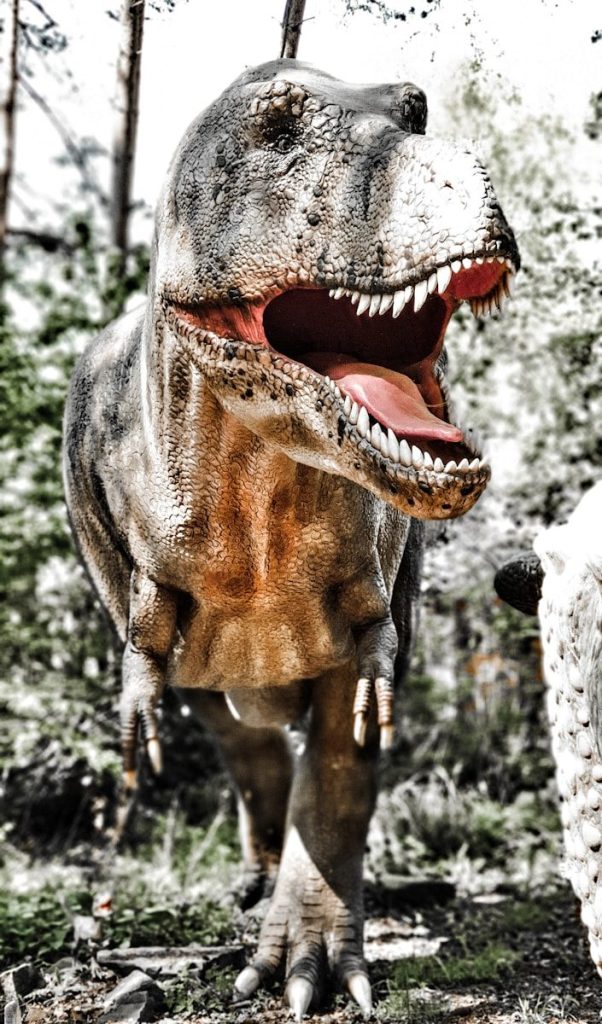
    brown and white dog on green grass during daytime
    Photo by Frank Kroeger on Unsplash

    The discovery reminds scientists that extinct predators probably behaved much like living carnivores. Lions, wolves, crocodiles, and many other predators hunt when necessary but also scavenge whenever the opportunity appears.

    Rather than seeing tyrannosaurs as only relentless hunters, researchers now recognize them as adaptable animals capable of using different feeding strategies depending on the situation.

    Small fossils can answer big questions
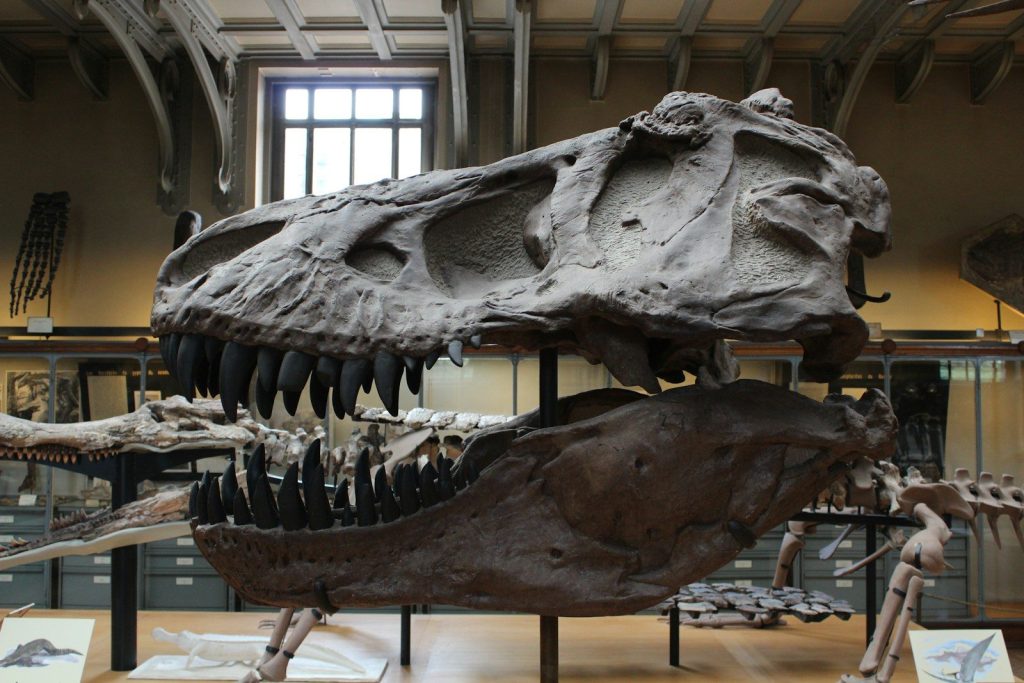
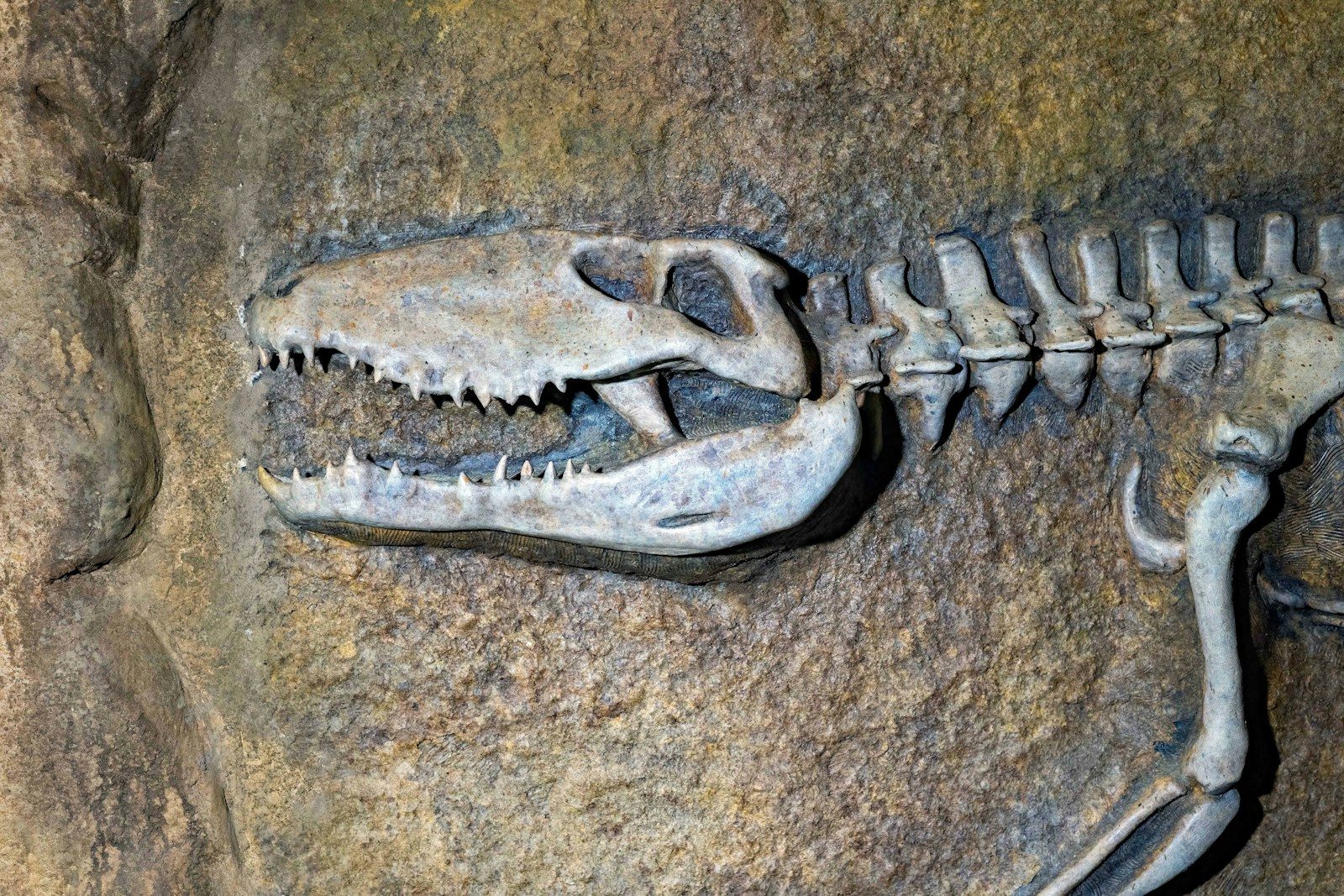
    dinosaur skelleton
    Photo by Adam Mathieu on Unsplash

    Although the fossil consists of only a single foot bone, it provides valuable evidence about dinosaur behavior that cannot be learned from skeletons alone. Bite marks preserve direct evidence of interactions between ancient animals.

    Scientists believe many museum fossils still contain overlooked clues waiting to be discovered. Careful study with modern technology continues to reveal new details about how dinosaurs lived, fed, and survived millions of years ago.
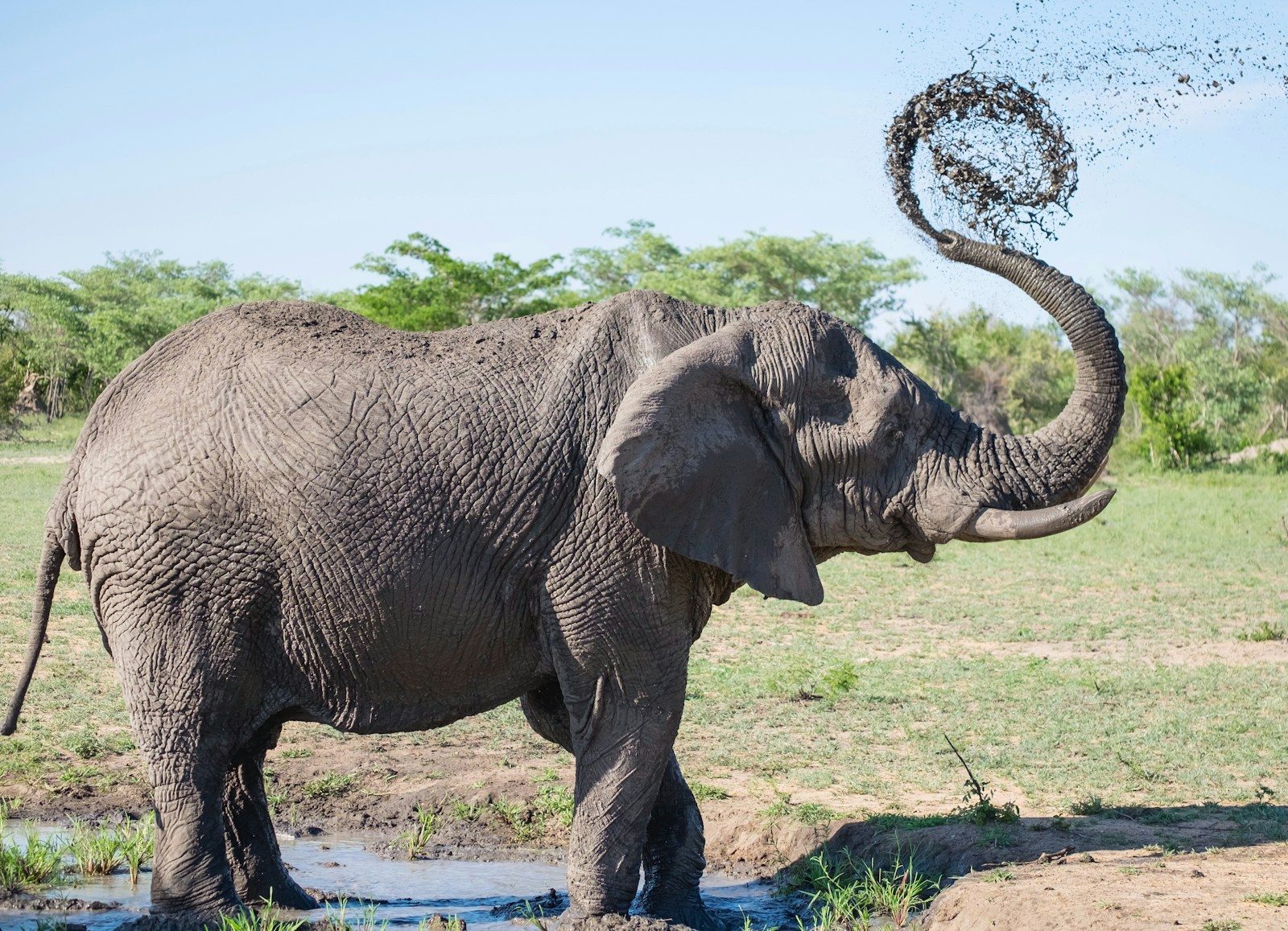
  • The elephant springs into action after seeing its owner in the water

    The elephant springs into action after seeing its owner in the water

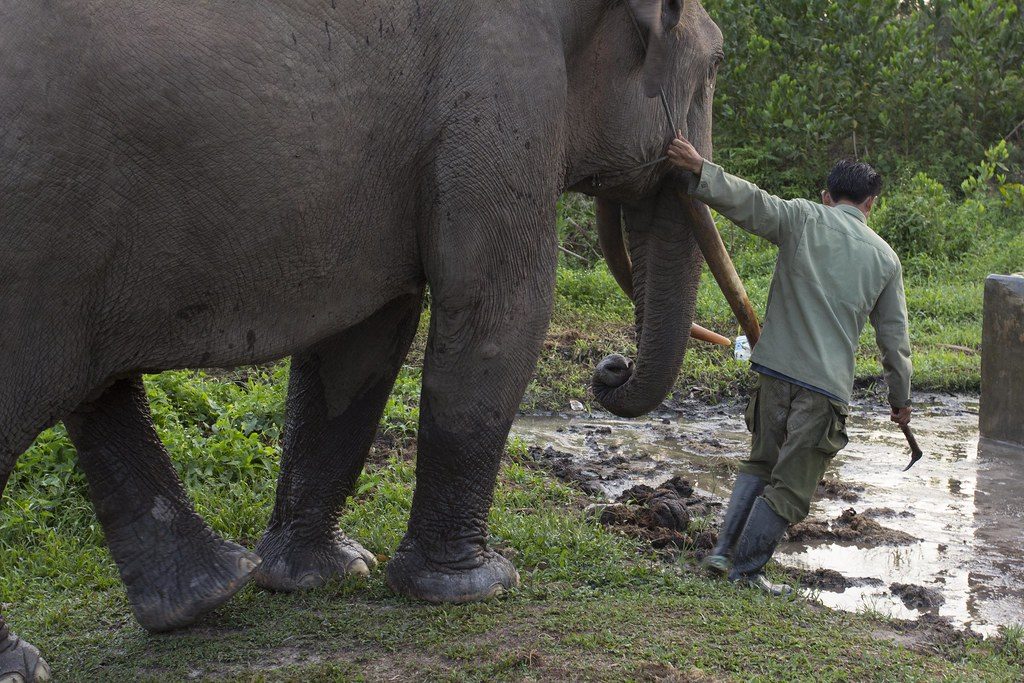
    Elephants are famous for their intelligence, strong family bonds, and remarkable memory. In one widely shared video, an elephant quickly rushed into the water after appearing to believe its handler was in danger. The touching moment captured the animal’s immediate response and reminded millions of viewers how closely elephants can bond with the people who care for them.

    While scientists are careful about assigning human emotions to animals, research shows that elephants regularly display complex social behaviors, cooperation, and protective instincts. This article explores what happened, why the behavior is so fascinating, and what science tells us about elephant intelligence.

    The elephant reacted immediately

    Elephant in the WWF Flying Squad” by World Bank Photo Collection is licensed under CC BY-NC-ND 2.0

    As the handler entered the water, the elephant quickly followed and moved toward the person without hesitation. The animal appeared determined to reach its caretaker as fast as possible, creating an unforgettable moment for everyone watching.

    Observers believed the elephant may have interpreted the situation as an emergency. Although researchers cannot know exactly what the elephant was thinking, the rapid response demonstrated a strong awareness of its surroundings.

    Elephants form strong social bonds

    elephant standing on green field
    Photo by Karly Nelson on Unsplash

    Wild elephants live in close family groups where cooperation is essential for survival. They communicate constantly and often work together to protect calves and assist injured herd members.

    Scientists have documented elephants helping one another during difficult situations, including supporting weak individuals, defending companions, and responding to signs of distress. These behaviors highlight their complex social lives.

    Intelligence plays an important role

    brown elephant on green grass field during daytime
    Photo by Wolfgang Hasselmann on Unsplash

    Elephants possess some of the largest brains of any land animal. They can recognize individuals, remember important locations, solve problems, and learn from experience.

    Researchers also believe elephants are capable of flexible decision-making. Rather than reacting only through instinct, they often adjust their behavior based on changing situations and past experiences.

    Human and elephant relationships

    woman in white shirt and blue pants standing beside brown elephant during daytime
    Photo by Craig McKay on Unsplash

    People who work closely with elephants often develop long-term relationships built on trust and familiarity. Daily interaction allows both humans and elephants to recognize each other’s behaviors and routines.

    Even so, elephants remain powerful wild animals that deserve respect. Their behavior can change depending on their environment, health, stress level, and previous experiences.

    Scientists study helping behavior carefully

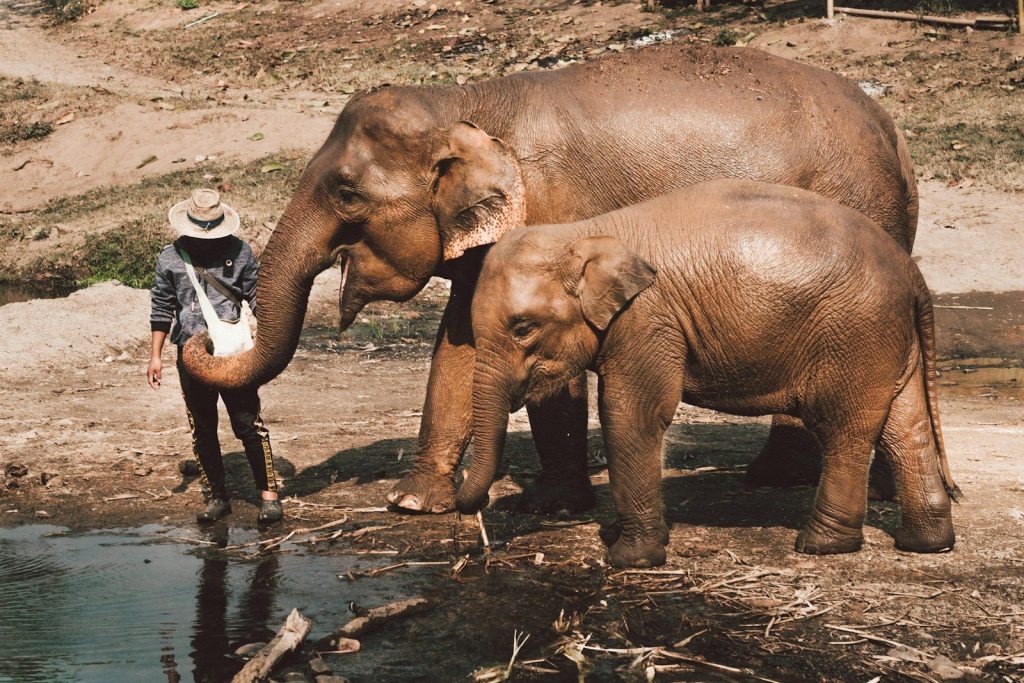
    person near two brown elephants near body of water
    Photo by Kym Ellis on Unsplash

    Researchers are interested in moments when elephants appear to assist others because these events may provide clues about animal cognition. However, scientists avoid assuming an animal experiences events exactly as humans do.

    Instead, they focus on careful observation and repeated evidence. Studying many similar behaviors over time helps researchers better understand how elephants respond to companions that appear to need help.

    A reminder of nature’s complexity

    an elephant standing in the dirt eating grass
    Photo by prabin basnet on Unsplash

    The video captured a remarkable interaction that inspired people around the world. Whether the elephant believed its handler was truly in danger or simply responded to an unusual situation, the behavior reflected the species’ extraordinary awareness and social nature.

    Every observation like this helps scientists ask new questions about intelligence, communication, and cooperation in one of Earth’s most remarkable animals. It also reminds us why elephant conservation remains so important.

  • Decades-old fossil finally recognized as Antarctica’s first dinosaur bone

    Decades-old fossil finally recognized as Antarctica’s first dinosaur bone

    Some of the world’s greatest scientific discoveries happen in the field. Others happen inside museum collections. A fossil collected in Antarctica more than 40 years ago recently changed history after scientists realized it had been identified incorrectly.

    What was once believed to be the bone of a marine reptile turned out to be the first dinosaur fossil ever found on the frozen continent. The discovery provides new clues about Antarctica’s ancient forests, giant dinosaurs, and the connections between the southern continents millions of years ago.
    The fossil remained hidden for decades

    Tyrannosaur Tyrannosaurus Rex Huxley Alberta Skeleton fossil dinosaur dinosaurs” by Craig T Dylke is licensed under CC BY-NC-ND 2.0

    The fossil was collected in 1985 during a British Antarctic Survey expedition on James Ross Island. At the time, researchers believed the bone belonged to a large marine reptile, so it was carefully stored with thousands of other specimens.

    Years later, paleontologist Mark Evans noticed that the fossil looked unusual while examining the British Antarctic Survey collections. After detailed comparisons with dinosaur fossils, researchers confirmed it was actually a dinosaur vertebra.

    The bone belonged to a titanosaur

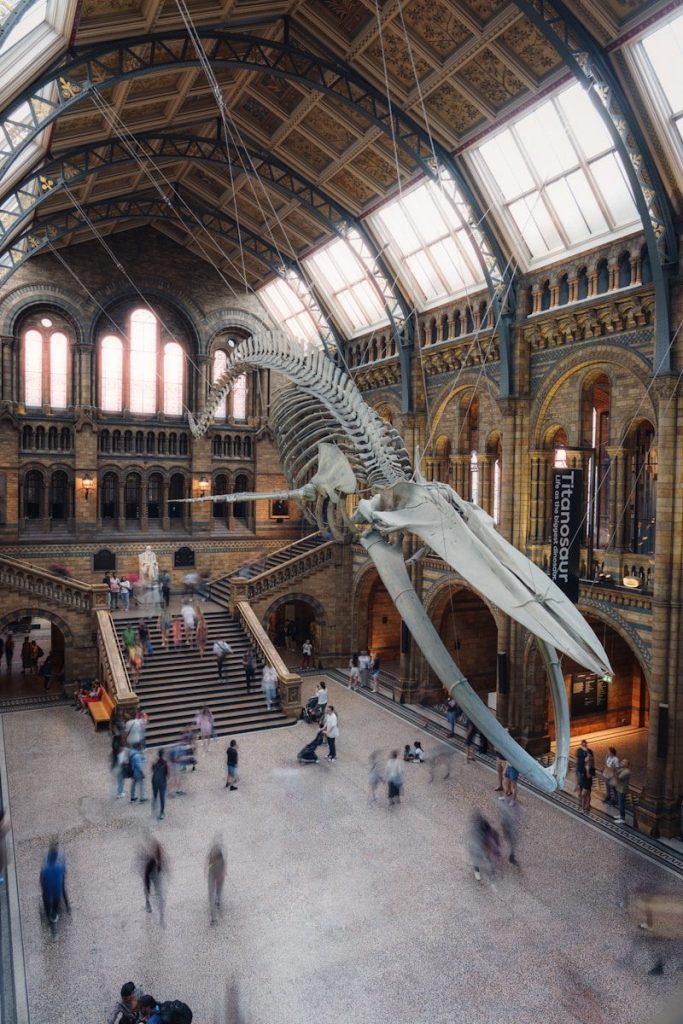
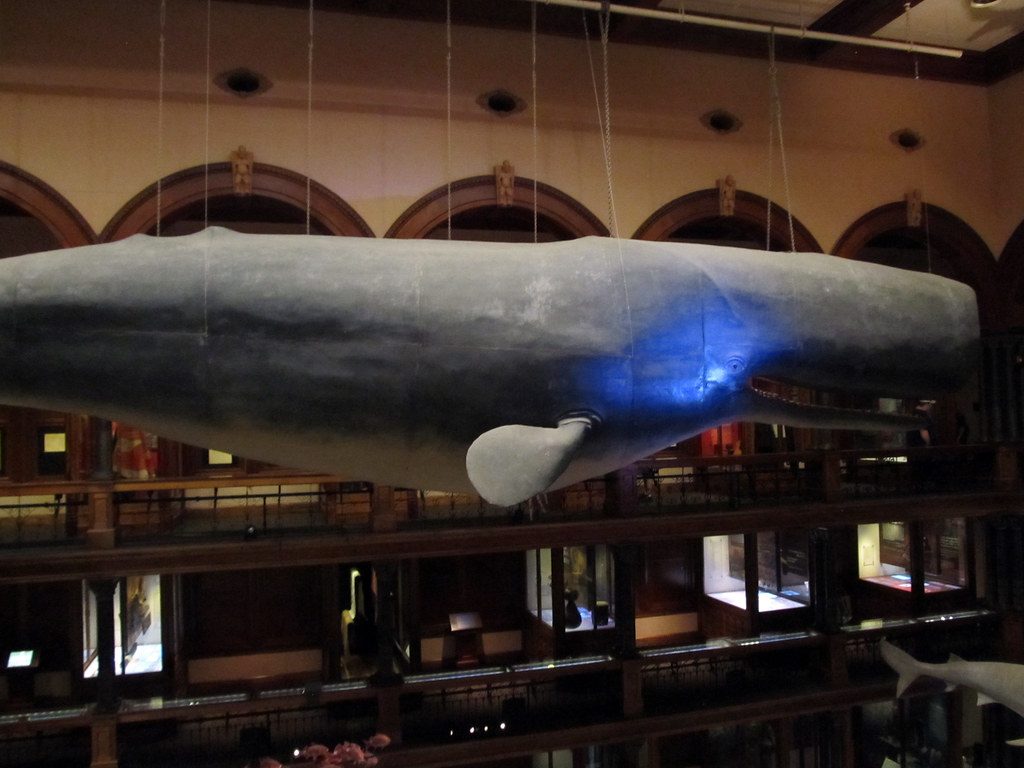
    Whale skeleton suspended in a grand museum hall.
    Photo by Petar Avramoski on Unsplash

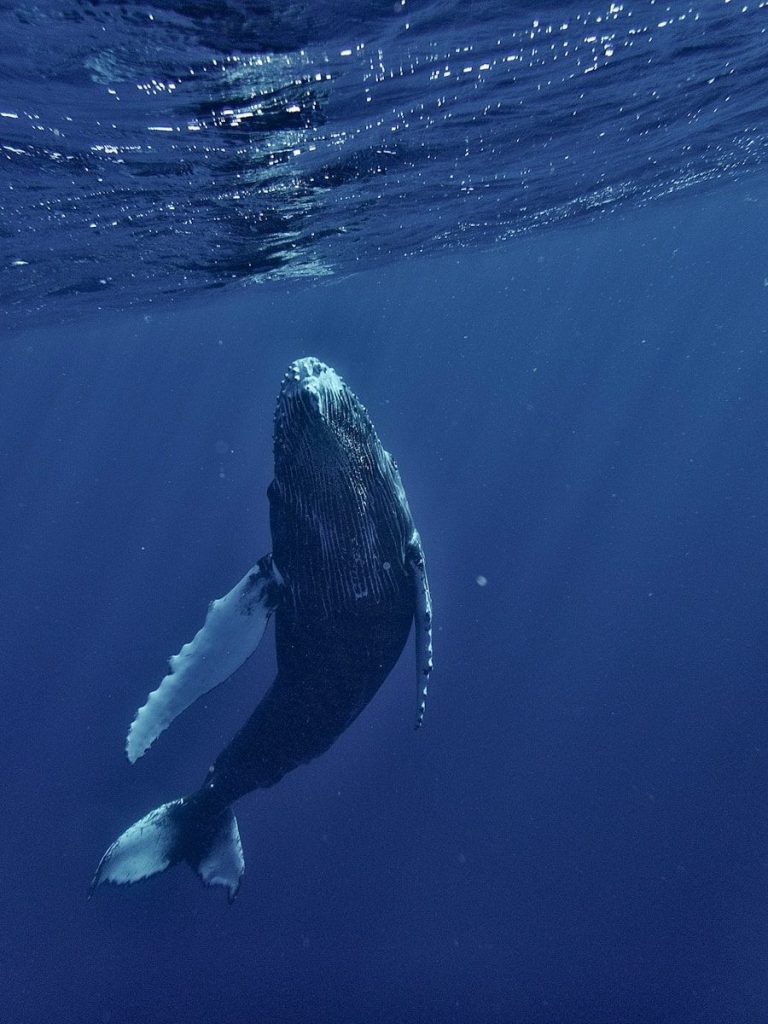
    Scientists identified the fossil as a tail vertebra from a titanosaur, a group of giant, long-necked, plant-eating dinosaurs that lived across the Southern Hemisphere during the Late Cretaceous.

    Although titanosaurs included some of the largest land animals ever to exist, this individual was much smaller. Researchers estimate it measured about 6 to 7 meters long and may have been a juvenile or a small adult.

    Antarctica once looked very different

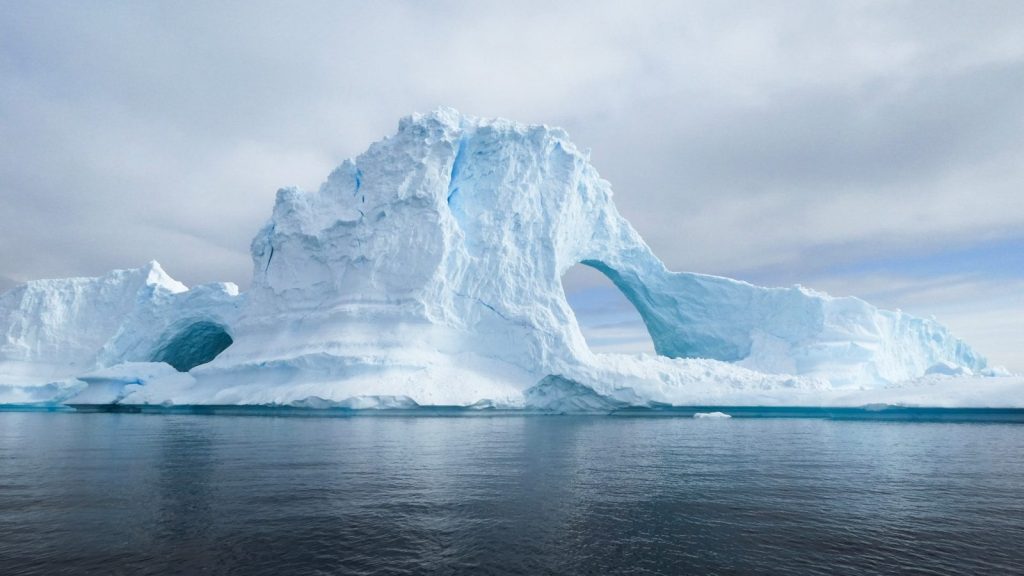
    glacier during daytime
    Photo by Derek Oyen on Unsplash

    Around 82 million years ago, Antarctica was not covered by thick ice sheets. Instead, it supported forests with a much warmer climate that could sustain large herbivorous dinosaurs.

    At that time, Antarctica formed part of the ancient southern supercontinent known as Gondwana. Land connections allowed animals to move between what are now South America, Antarctica, and Australia.

    One small fossil has enormous importance

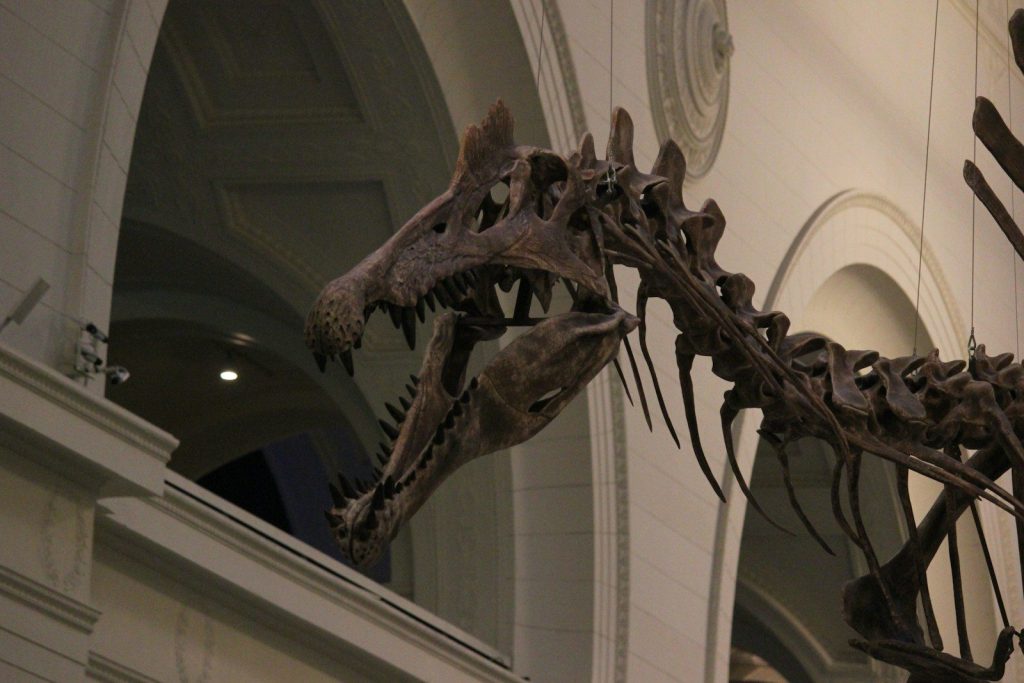
    A dinosaur skeleton is on display at the museum.
    Photo by Frolicsome Fairy on Unsplash

    Even though the fossil consists of only a single vertebra, scientists consider it historically significant because it represents the first dinosaur fossil ever recovered from Antarctica.

    Researchers say discoveries like this help explain how dinosaurs spread across southern continents and adapted to different ancient environments. Every fossil adds another piece to Earth’s prehistoric history.

    Museum collections still hold surprises

    dinosaur skelleton
    Photo by Adam Mathieu on Unsplash

    This discovery demonstrates why museum collections remain valuable long after fossils are collected. Advances in technology and new scientific knowledge allow researchers to recognize details that may have been overlooked decades earlier.

    Scientists believe many museum collections worldwide still contain specimens awaiting proper identification. Careful reexamination can lead to discoveries without collecting a single new fossil.

    Antarctica may reveal more dinosaurs

    mountain with snow near body of water
    Photo by henrique setim on Unsplash

    Because most of Antarctica remains buried beneath thick ice, dinosaur fossils are exceptionally rare. Scientists expect additional discoveries as more exposed rock formations are explored during future research expeditions.

    Each new fossil improves our understanding of Antarctica’s ancient ecosystems and the remarkable animals that once lived where glaciers now dominate the landscape. The forgotten vertebra serves as a reminder that important discoveries can sometimes wait decades before their true significance is recognized.

  • The incredible predator that hunts giant squid thousands of feet below the surface

    The incredible predator that hunts giant squid thousands of feet below the surface

    Far below the sunlight, where crushing pressure and darkness make survival nearly impossible, one predator rules the deep. The sperm whale is the largest toothed predator ever known and regularly dives into the abyss to hunt giant squid and other deep-sea animals.

    These dives push the limits of mammal biology and reveal adaptations unlike those of almost any other creature on Earth. This article explains how sperm whales survive such extreme conditions, why giant squid are one of their favorite prey, and what scientists have learned about these remarkable hunters.

    Sperm whales are masters of deep diving

    blue whale on sea
    Photo by Todd Cravens on Unsplash

    Sperm whales routinely dive more than 1,000 meters below the ocean’s surface while searching for food. Typical hunting dives last about 45 minutes, although some dives can last much longer under certain conditions.

    These whales spend much of their lives traveling between the surface and the deep ocean. After each long dive, they return to the surface to breathe and recover before beginning another descent.

    Their bodies are built for extreme pressure

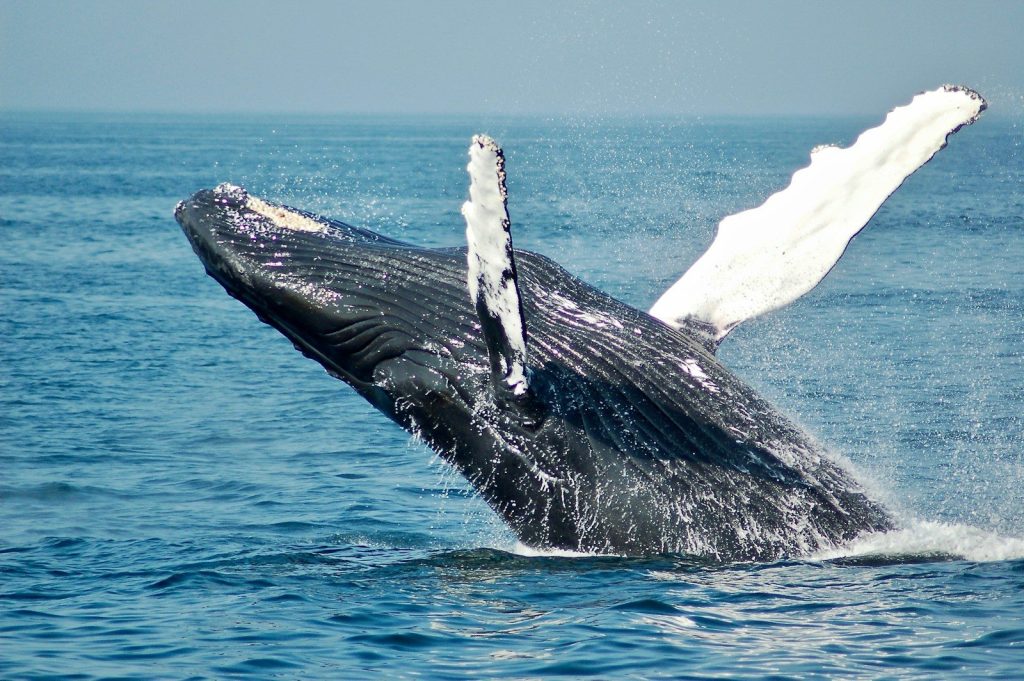
    a humpback whale swims under the surface of the water
    Photo by Chinh Le Duc on Unsplash

    As sperm whales descend, pressure increases dramatically. Their bodies have evolved specialized adaptations that allow their lungs to safely compress while oxygen is stored efficiently in their blood and muscles.

    Their heart rate also slows during deep dives, reducing oxygen use and helping them stay underwater longer. These biological changes allow sperm whales to function in an environment that would quickly overwhelm most mammals.

    Giant squid are among their favorite prey

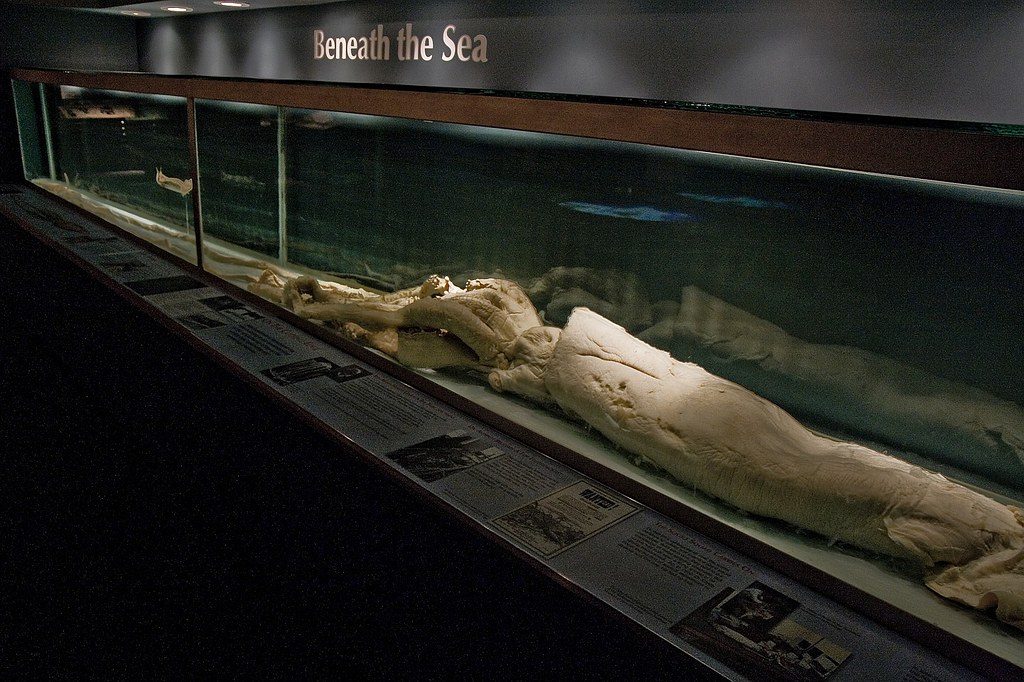
    Sperm Whale and Giant Squid” by Ryan Somma is licensed under CC BY-SA 2.0

    One of the sperm whale’s primary food sources is the giant squid. These elusive animals live deep below the surface, where they are rarely seen by humans but frequently hunted by sperm whales.

    Scientists know these encounters happen because giant squid beaks are regularly found inside sperm whale stomachs. Many whales also carry circular scars believed to have been left by the squid’s powerful suction cups during defensive struggles.

    Hunting in complete darkness

    The deep ocean receives little or no sunlight, making vision almost useless. Instead, sperm whales rely on powerful echolocation clicks that allow them to detect prey and navigate through the darkness.

    These clicks are among the loudest biological sounds produced by any animal. By listening for returning echoes, the whales can locate squid and other prey hidden far below the surface.

    Scientists are still uncovering their secrets

    grey dolphin on body of water during daytime
    Photo by Todd Cravens on Unsplash

    Although sperm whales have been studied for many years, much of their deep-sea hunting behavior remains hidden because it happens far beyond the reach of sunlight and most research equipment.

    Modern satellite tags, underwater microphones, and electronic tracking devices are helping researchers learn more about where sperm whales dive, how they hunt, and how they interact with deep-sea prey.

    The deep ocean remains a hidden frontier

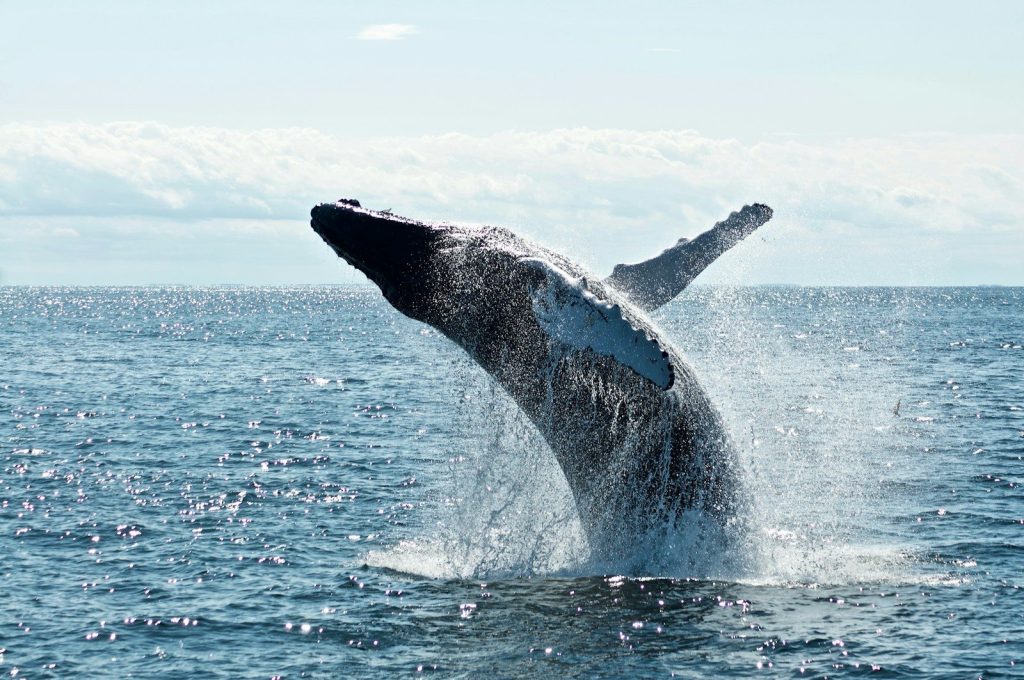
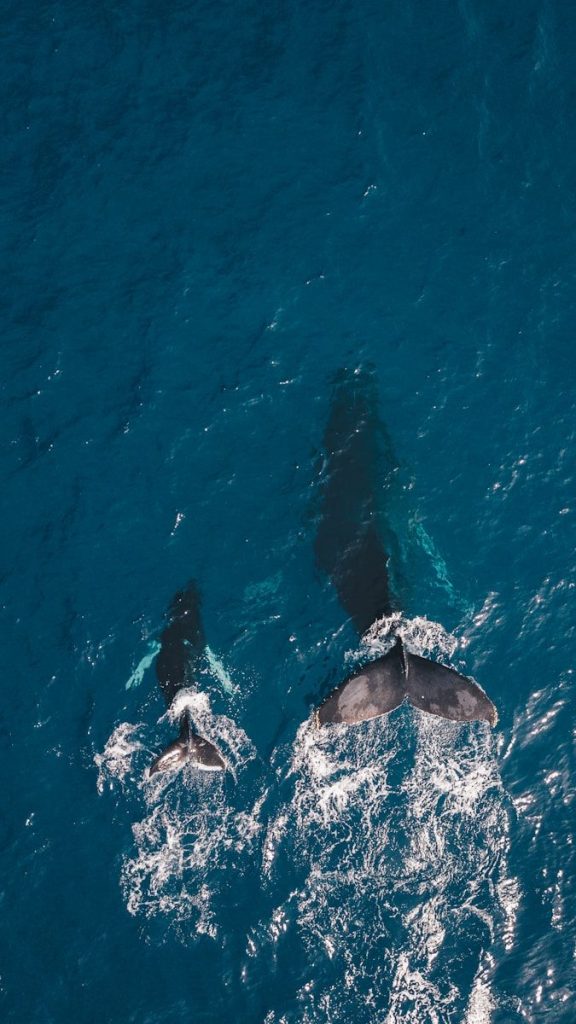
    two black whales swimming in body of water
    Photo by guille pozzi on Unsplash

    The relationship between sperm whales and giant squid is one of the ocean’s most remarkable predator-prey interactions. Even though scientists have gathered strong evidence of these encounters, they have rarely witnessed them directly because they occur so deep beneath the surface.

    Every new expedition reveals more about these extraordinary mammals and the mysterious world they inhabit. Their ability to survive crushing pressure, navigate total darkness, and hunt giant squid continues to make sperm whales one of nature’s greatest biological achievements.

  • How the giant squid inspired the terrifying legend of the Kraken

    How the giant squid inspired the terrifying legend of the Kraken

    For hundreds of years, sailors told frightening stories about a giant sea monster called the Kraken. They described enormous tentacles rising from the ocean to attack ships before disappearing back into the darkness. Many people believed these stories were only myths. Today, scientists think those legends may have been inspired by a real animal: the giant squid.

    Although this mysterious creature remained hidden for centuries, modern research has revealed that it truly exists deep beneath the ocean’s surface. This article explores how the giant squid inspired the Kraken legend, why it grows so large, and why it remains one of the least understood animals on Earth.

    The Kraken legend began centuries ago

    origami kraken attack” by jspad is licensed under CC BY-NC-SA 2.0

    Stories about the Kraken first appeared in Norse legends during the 13th century. Sailors described an enormous sea creature living off the coasts of Norway and Greenland that could threaten ships with its massive tentacles.

    In 1857, Danish naturalist Japetus Steenstrup formally described the giant squid, Architeuthis dux, giving scientists their first clear scientific explanation for the creature that may have inspired those old stories.

    Scientists finally photographed the giant squid

    Giant squid sand sculpture” by Graham Tait is licensed under CC BY-NC-SA 2.0

    For many years, giant squids were known only from dead specimens that washed ashore or were found inside sperm whales. No one had successfully photographed one alive in its natural habitat.

    That changed in 2004 when Japanese researchers Tsunemi Kubodera and Kyoichi Mori captured the first photographs of a live giant squid near Japan’s Ogasawara Islands. In 2012, they recorded the first video of a live giant squid swimming in the deep ocean, confirming what scientists had long suspected.

    Why giant squids grow so large

    Kjempeblekksprut – Giant Squid” by NTNU Vitenskapsmuseet is licensed under CC BY 2.0

    The deep ocean is cold, dark, and filled with limited food. Scientists believe these harsh conditions encourage some animals to evolve much larger bodies because larger animals can store energy more efficiently and survive longer between meals.

    Giant squids can reach lengths of around 13 meters, making them among the longest invertebrates on Earth. Their enormous eyes, the largest in the animal kingdom, help them detect faint light deep below the surface.

    Life in the deep remains mysterious

    Giant squid” by Derek Keats is licensed under CC BY 2.0

    Despite decades of research, scientists still know surprisingly little about giant squid behavior. Questions about how they reproduce, migrate, and spend most of their lives remain unanswered because they live in environments that are extremely difficult to study.

    Most observations come from stranded animals, accidental catches, or rare deep-sea expeditions. Every new sighting helps researchers better understand one of the ocean’s most elusive species.

    Giant squids face powerful predators

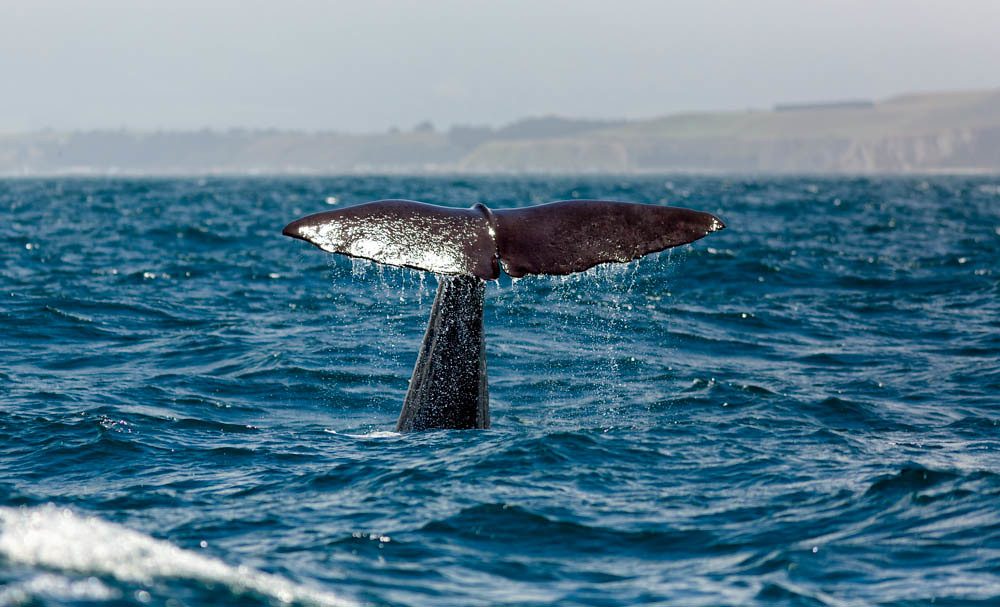
    Sperm Whale Diving” by stewartbaird is licensed under CC BY-NC-ND 2.0

    Although giant squids are enormous, they are not the top predators of the deep sea. Sperm whales regularly hunt them, and scientists have found squid beaks inside whale stomachs along with circular scars left by squid suckers on whale skin.

    These battles likely occur far below the surface, where humans rarely observe them. They remain among the most dramatic predator-prey relationships known in the deep ocean.

    Science continues replacing myth with discovery

    Kjempeblekksprut – Giant Squid” by NTNU Vitenskapsmuseet is licensed under CC BY 2.0

    The story of the Kraken shows how myths can sometimes contain elements of truth. Sailors who reported enormous tentacled creatures may have encountered giant squids long before science could explain what they had seen.

    As deep-sea technology improves, researchers continue discovering animals that were once considered impossible or legendary. The giant squid remains one of the strongest reminders that much of Earth’s ocean is still waiting to be explored.

  • How megalodon would fit into today’s marine food chain

    How megalodon would fit into today’s marine food chain

    How megalodon would fit into today’s marine food chain is a question that has fascinated scientists and ocean lovers for years. This giant shark disappeared about 3.6 million years ago, but new research has helped experts better understand how it hunted and where it stood in the ocean food web.

    By studying fossil teeth and chemical clues locked inside them, scientists can compare megalodon with modern marine predators. This article explains where megalodon would likely fit in today’s oceans, what it would eat, how it might affect whales and sharks, and why its return would change marine ecosystems in major ways.

    Megalodon was a true top predator

    megalodon” by ~scott is licensed under CC BY-NC-ND 2.0

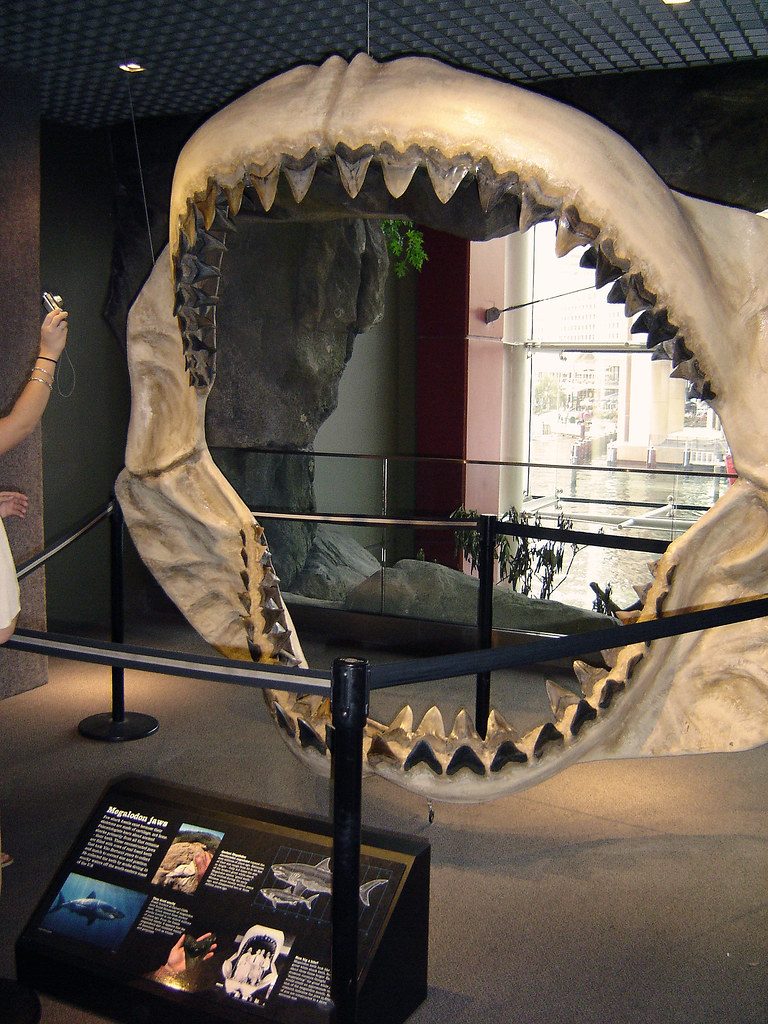
    Megalodon was the largest predatory shark known to have lived. Most scientists estimate it reached around 50 to 65 feet long, making it much larger than today’s great white shark. Fossil teeth show it had powerful jaws built to crush bone and tear through large prey.

    Recent studies suggest megalodon occupied an even higher place in the food chain than modern apex predators. Instead of feeding on only one type of animal, it likely hunted many large marine species whenever the opportunity appeared, making it one of the ocean’s most successful hunters.

    What megalodon would likely eat today

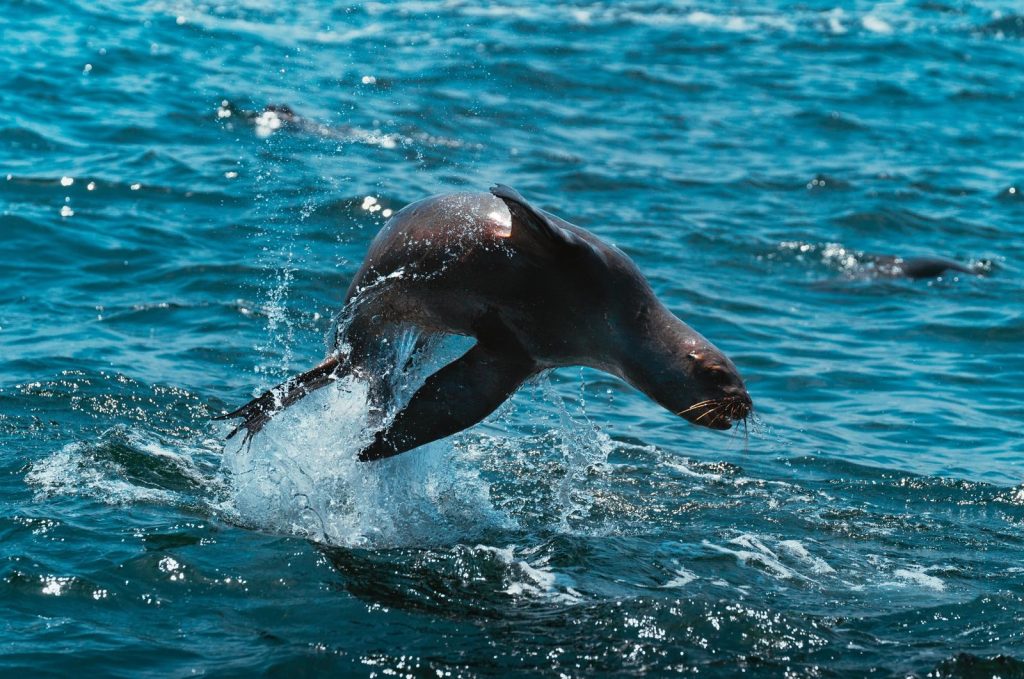
    A sea lion gracefully jumps out of the ocean on a sunny day, showcasing wildlife energy.
    Photo by Lyon Peru on Pexels

    If megalodon lived in today’s oceans, whales would probably remain one of its main food sources. Large baleen whales, smaller whales, dolphins, seals, sea lions, sea turtles, and even other sharks could all become prey depending on what was easiest to catch.

    Scientists now believe megalodon was an opportunistic feeder rather than a picky hunter. New fossil evidence suggests it ate animals from different parts of the food web instead of relying only on giant whales. This flexible diet would help it survive in many different ocean regions.

    How it would affect modern marine life

    White Shark Cage Diving, Gansbaai” by Sara&Joachim is licensed under CC BY-SA 2.0

    A predator as large as megalodon would likely reshape today’s marine ecosystems. Marine mammals might change where they migrate or gather, while other predators could avoid areas where the giant shark hunted.

    Large sharks such as great whites, tiger sharks, and mako sharks would probably face strong competition for food. Young sharks and smaller predators could also become prey, changing the balance of many ocean habitats from coastal waters to the open sea.

    Could anything hunt megalodon?

    Megalodon!!” by Carosaurus is licensed under CC BY-NC-SA 2.0

    An adult megalodon would almost certainly have no natural predators. Its enormous size, strength, and powerful bite would make it extremely difficult for any living marine animal to attack successfully.

    Young megalodons, however, may have faced danger. Like many modern sharks, they likely spent their early years in shallow nursery areas where they could avoid larger predators. As they grew, they would become increasingly difficult for other animals to challenge.

    Why scientists think it went extinct

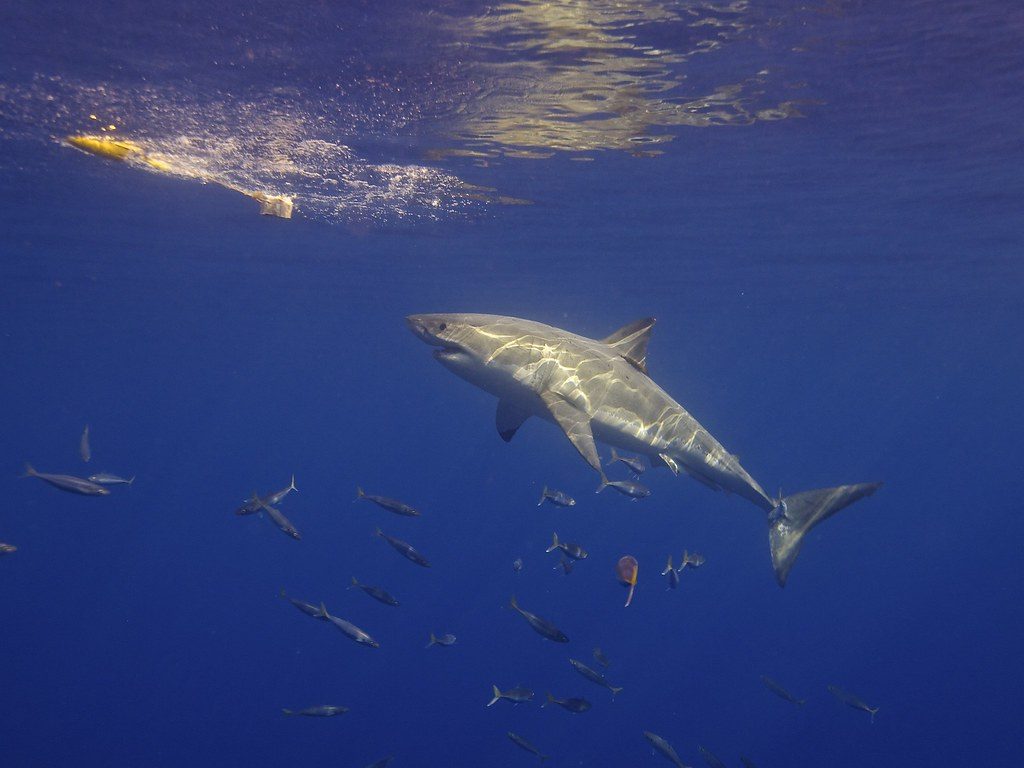
    Great White Shark” by Elias Levy is licensed under CC BY 2.0

    Scientists believe megalodon disappeared because several changes happened at the same time. Earth’s climate cooled, sea levels changed, and many of the smaller whales it depended on became less common or moved into colder waters.

    Competition from other predators, including the ancestors of today’s great white sharks, may also have increased pressure. Instead of one single cause, experts think a combination of climate change, changing prey, and competition slowly pushed megalodon toward extinction.

    What its return would mean today

    Megalodon Rebreather Courses” by DeepBlueDiving.gr is licensed under CC BY 2.0

    If megalodon suddenly returned today, it would become one of the most important predators in the ocean. It could influence whale behavior, shark populations, and the movement of many marine animals across the globe.

    Scientists also point out that today’s oceans are very different from the seas megalodon once lived in. Human fishing, ship traffic, pollution, and changing ocean temperatures would create new challenges. Even a giant predator would have to compete in a world that has changed dramatically over millions of years.

  • How great white sharks use their incredible senses to locate prey in the ocean

    How great white sharks use their incredible senses to locate prey in the ocean

    Great white sharks are among the ocean’s most successful predators, but their hunting ability depends on much more than sharp teeth. Scientists have discovered that these sharks combine several highly developed senses to locate prey, even in dark or murky water.

    From detecting faint scents to sensing tiny electrical signals produced by living animals, every part of their biology helps them survive. This article explains how great white sharks use their remarkable sensory systems, why the famous blood myth is misleading, and how their anatomy has evolved for life at the top of the food chain.

    Smell is only part of the story

    Great White Shark” by Elias Levy is licensed under CC BY 2.0

    Great white sharks have an excellent sense of smell, and a large portion of their brain is devoted to processing odors carried through seawater. This helps them detect potential food over long distances.

    However, sharks cannot simply smell a drop of blood from miles away, as popular myths often claim. Scientists explain that smell is only one part of a much more complex hunting system.

    They can feel movement in the water

    Great White Shark” by kqedquest is licensed under CC BY-NC 2.0

    Great white sharks also use a sensory system called the lateral line. This network of receptors detects vibrations and pressure changes created by swimming animals.

    Even when visibility is poor, the lateral line helps sharks determine the direction and movement of nearby prey. It allows them to track activity that might otherwise go unnoticed.

    A sixth sense detects electricity

    Great White Shark” by Elias Levy is licensed under CC BY 2.0

    One of the shark’s most remarkable adaptations is the ampullae of Lorenzini. These tiny jelly filled pores around the head detect weak electrical fields generated by muscle contractions and heartbeats.

    During the final moments of a hunt, this electroreception system allows a shark to locate prey with incredible precision, even if it is buried beneath sand or hidden from view.

    Vision and hearing complete the hunt

    Great White Shark” by Elias Levy is licensed under CC BY 2.0

    Great white sharks also depend on excellent eyesight, especially in clear water. Their eyes help identify the size, shape, and movement of potential prey before an attack.

    Hearing plays an important role as well. Sharks can detect low-frequency sounds that travel long distances through water, helping them locate struggling or injured animals before they come into view.

    Every sense works together

    Great White Shark” by Elias Levy is licensed under CC BY 2.0

    Scientists believe sharks use their senses in sequence rather than relying on only one. Smell and hearing help detect prey from farther away, vision becomes more important as the shark approaches, and electroreception guides the final strike.

    This combination of sensory systems makes great white sharks highly adaptable hunters in many different ocean environments, from shallow coastal waters to the open sea.

    Evolution created an efficient predator

    “Great White Shark in South Africa” by travelbagltd is licensed under CC BY 2.0

    The great white shark’s sensory abilities have developed over millions of years. Each adaptation improves its ability to locate food while reducing wasted energy during a hunt.

    Understanding how these senses work helps replace myths with science. Rather than relying on a single extraordinary ability, great white sharks succeed because multiple advanced senses work together with remarkable efficiency.

  • The remarkable sea creatures that prove great white sharks are not the largest

    The remarkable sea creatures that prove great white sharks are not the largest

    Great white sharks are famous for their size, power, and hunting skills. Movies and television have made them one of the most feared animals in the ocean. Yet the sea is home to creatures that are much larger than a great white shark.

    Some are living animals that peacefully filter tiny food from the water, while others were prehistoric predators that ruled ancient oceans millions of years ago. This article explores several remarkable sea giants that surpassed the great white shark in size and reveals why the ocean has always been home to truly enormous animals.
    Great white sharks are impressive predators

    white and black shark underwater
    Photo by Gerald Schömbs on Unsplash

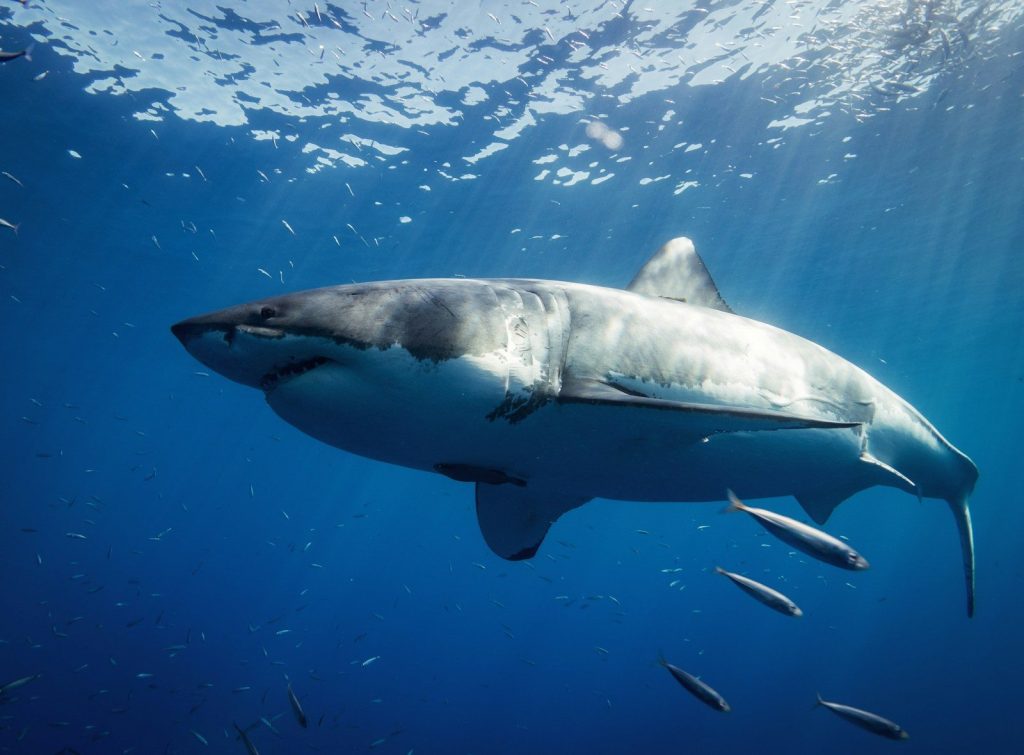
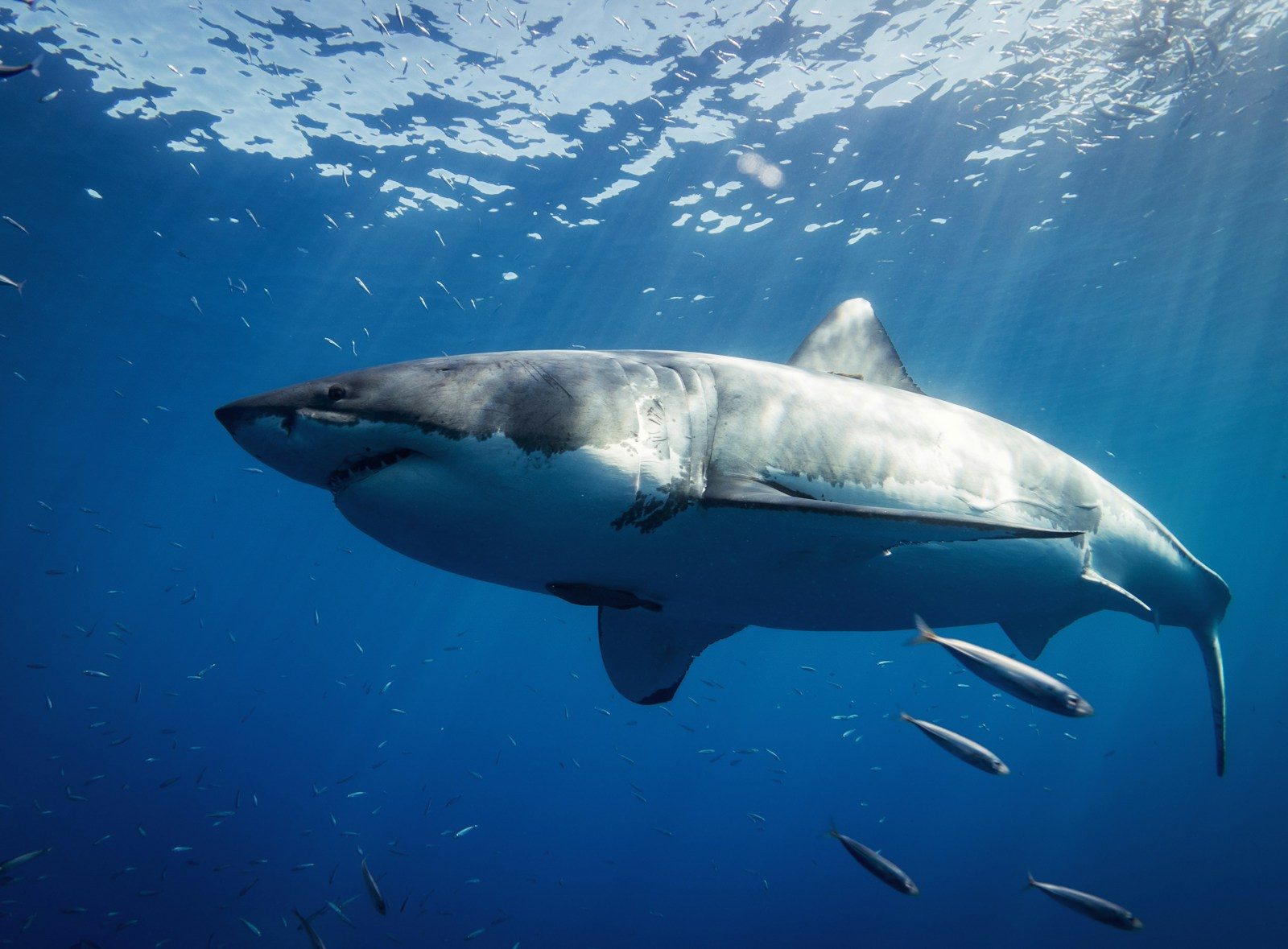
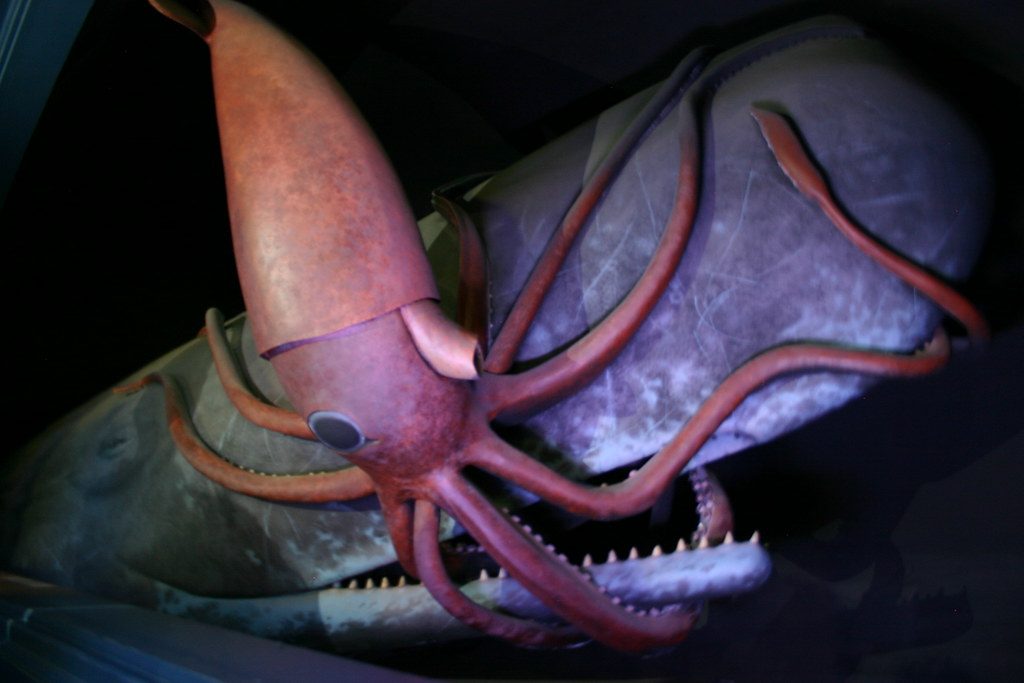
    Great white sharks are among the largest predatory fish alive today. They have powerful jaws filled with rows of serrated teeth that are continuously replaced throughout their lives.

    Although they are impressive hunters, great white sharks are not the largest sharks or even the largest animals living in today’s oceans. Several species greatly exceed them in length, weight, or both.

    Megalodon was the largest known predatory shark

    Carcharocles megalodon” by Gunnar Ries zwo is licensed under CC BY-NC-ND 2.0

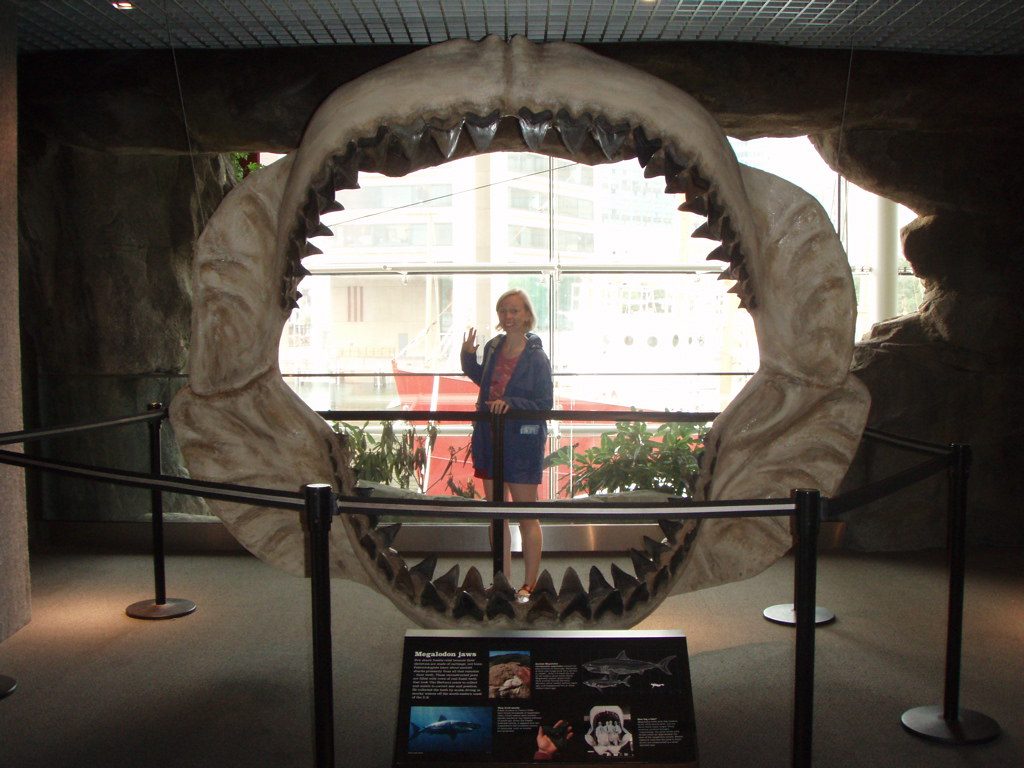
    Megalodon lived from about 23 million to 3.6 million years ago and was one of the most powerful marine predators ever discovered. Modern scientific studies estimate that the largest individuals probably reached lengths of 16 to 20 meters, making them far larger than any living shark.

    Its enormous teeth, some measuring more than 17 centimeters, were built to seize large marine mammals. Fossil evidence suggests that megalodon hunted whales, seals, and other large ocean animals before eventually becoming extinct.

    Mosasaurus ruled ancient seas

    Mosasaurus skull – CMRNWR Phillips County Montana – Museum of the Rockies – 2013-07-08” by Tim Evanson is licensed under CC BY-SA 2.0

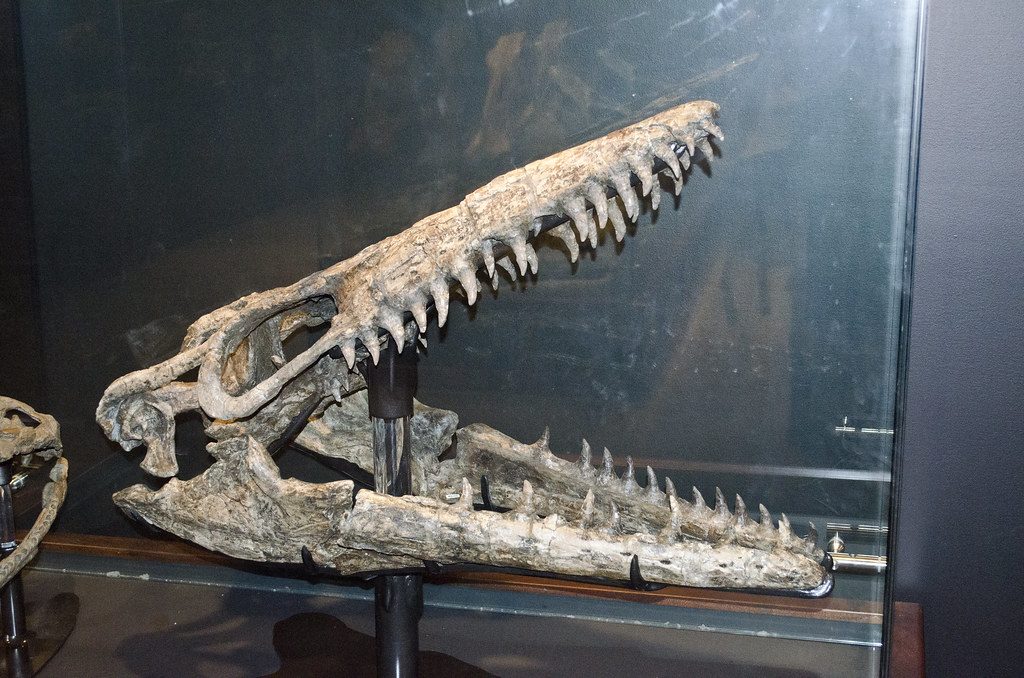
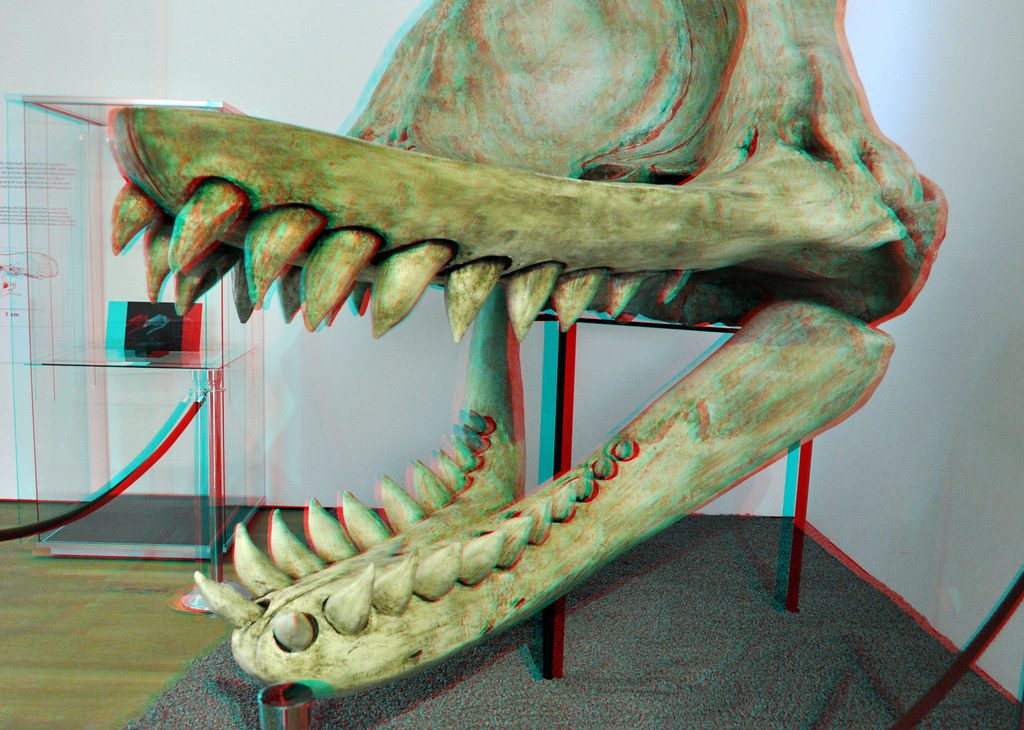
    Mosasaurus was not a dinosaur or a whale. It was a giant marine reptile that lived during the Late Cretaceous period, roughly 70 to 66 million years ago. Adults are estimated to have reached about 14 to 17 meters in length.
    Its streamlined body, paddle-shaped limbs, and powerful tail allowed it to move efficiently through the water. Double-hinged jaws helped it swallow large prey, making it one of the top predators of its time.

    Livyatan was a giant prehistoric whale

    Livyatan melvillei 3D” by wim hoppenbrouwers is licensed under CC BY-NC-ND 2.0

    Livyatan was an ancient relative of today’s sperm whale that lived during the Miocene Epoch. Although scientists have only discovered limited fossils, estimates suggest it grew between 13 and 17 meters long and weighed tens of thousands of kilograms.

    Unlike modern sperm whales that mainly eat squid, Livyatan possessed massive interlocking teeth nearly 30 centimeters long. These powerful jaws were adapted for hunting large marine mammals.

    The blue whale is the true ocean giant

    Blue Whale” by D-Stanley is licensed under CC BY 2.0

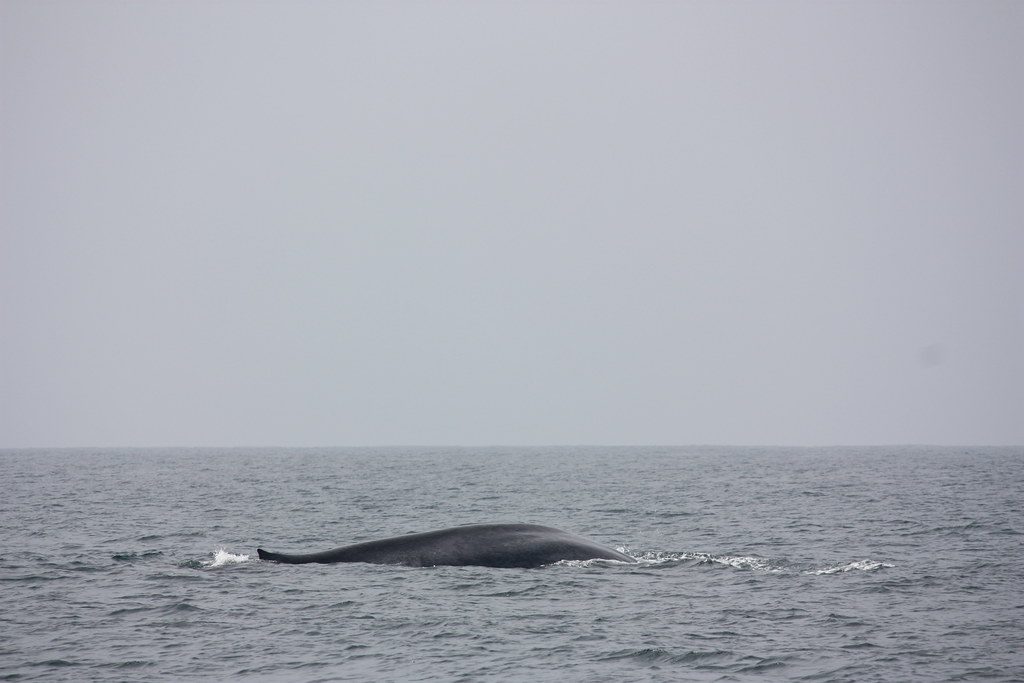
    The blue whale is the largest animal known to have ever lived. Adults commonly reach about 30 meters in length and can weigh up to 200 tons, making them much larger than any living or extinct shark.

    Despite their enormous size, blue whales feed mainly on tiny krill. Using hundreds of baleen plates instead of teeth, they filter vast amounts of seawater to capture millions of small crustaceans each day.

    The ocean still holds incredible giants

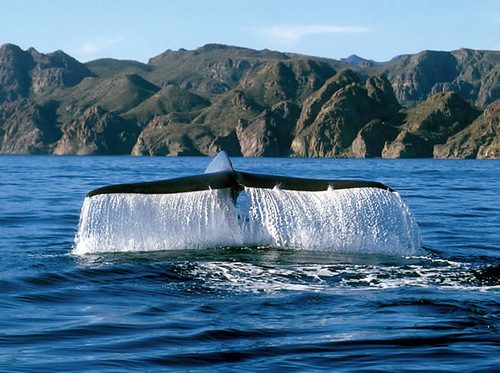
    Blue whale, Loreto, Baja California Sur” by Ken Bondy is licensed under CC BY-NC-SA 2.0

    The ocean contains an astonishing range of giant animals, from prehistoric predators to peaceful filter feeders. Comparing these species shows that size alone does not determine whether an animal is dangerous.

    Scientists continue studying both living and extinct marine giants to better understand how they evolved, hunted, and survived. Every new fossil and every modern observation helps reveal more about Earth’s extraordinary ocean history.

  • The warning signs sharks often show before a defensive bite

    The warning signs sharks often show before a defensive bite

    Sharks are often misunderstood as unpredictable predators, but scientists have found that some species display recognizable body language when they feel threatened. Lowered pectoral fins, stiff swimming, tight circling, and sudden bursts of speed can all be signs that a shark is becoming defensive.

    These behaviors do not guarantee that a bite will happen, but they provide valuable clues about the animal’s state of mind. This article explains the warning signals researchers have documented, why sharks display them, and what these behaviors reveal about one of the ocean’s most fascinating predators.

    Sharks communicate through body language

    a great white shark swimming in the ocean
    Photo by Gerald Schömbs on Unsplash

    Like many animals, sharks use body language to communicate with other sharks and with potential threats. Scientists refer to these behaviors as agonistic displays because they occur during conflict or when a shark feels challenged.

    These displays allow sharks to warn other animals before physical contact becomes necessary. In many situations, the goal is to avoid a fight rather than begin one.

    Lowered fins are an important signal

    selective focus photography of shark
    Photo by David Clode on Unsplash

    One of the best documented warning signs is the lowering of both pectoral fins. Researchers have observed this behavior in several shark species when they perceive a threat or become increasingly agitated.

    Scientists distinguish this posture from normal swimming because both fins remain held downward in a stiff, exaggerated position instead of moving naturally for steering.

    Swimming behavior often changes

    a great white shark swimming in the ocean
    Photo by Chase Baker on Unsplash

    A shark displaying defensive behavior may begin swimming with stiff, jerky movements instead of smooth, relaxed motion. Some species also make exaggerated turns, tight circles, or repeated passes near the perceived threat.

    Researchers have also documented arched backs, raised snouts, jaw gaping, and rapid acceleration in some species. Not every shark shows every behavior, and different species display different combinations of signals.

    Not every bite has a warning

    white shark under the sea
    Photo by Owen Harding on Unsplash

    Although warning displays are well documented, they do not occur before every shark bite. Some encounters happen so quickly that people observe little or no obvious behavioral change beforehand.

    Scientists emphasize that shark behavior depends on the species, the environment, and the reason for the encounter. Defensive, territorial, investigative, and feeding-related interactions may all look different.

    Researchers continue studying shark behavior

    a shark swimming in the water
    Photo by Gerald Schömbs on Unsplash

    Modern underwater cameras, drones, and long-term field observations have greatly improved scientists’ understanding of shark behavior. Careful video analysis allows researchers to compare body posture with what happens next.

    This research helps scientists separate normal swimming from genuine warning displays. Better knowledge also improves public education and supports safer wildlife observation.

    Understanding sharks reduces misconceptions

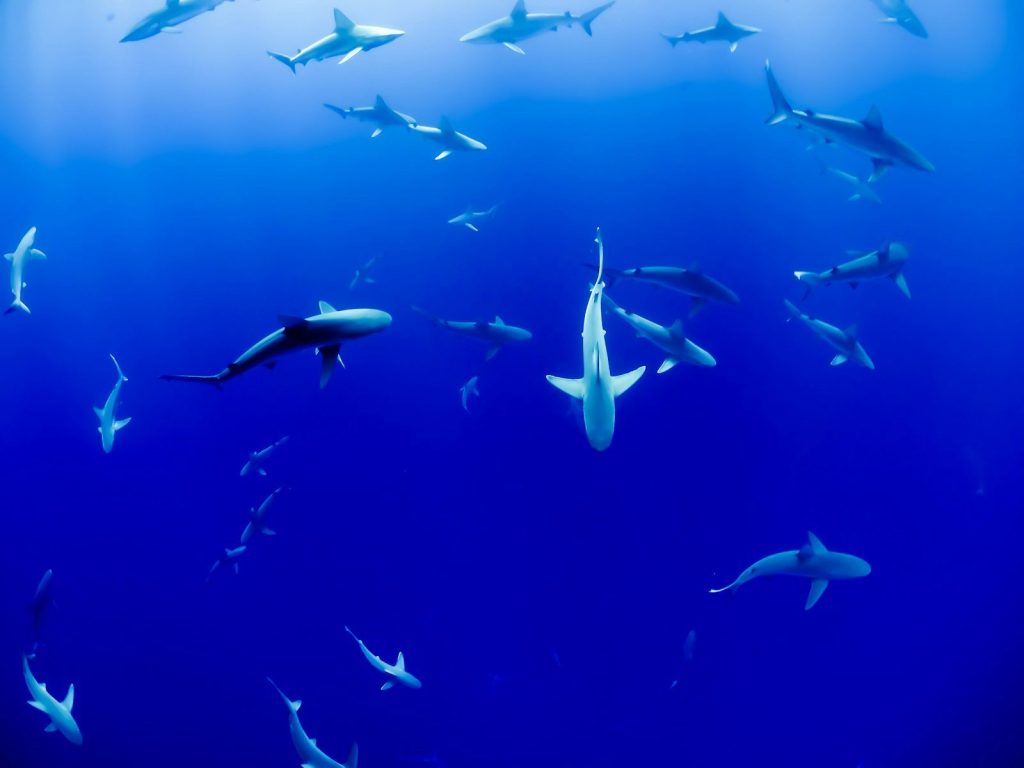
    group of sharks under body of water
    Photo by Jakob Owens on Unsplash

    Learning how sharks communicate reminds us that they are not mindless predators. Many warning displays appear designed to avoid unnecessary conflict rather than immediately attack another animal.

    The more researchers study shark behavior, the clearer it becomes that these ancient fish rely on predictable biological signals. Understanding those signals helps people appreciate sharks as complex wildlife instead of simply fearing them.

  • The enormous shark that looks prehistoric but survives by eating tiny plankton

    The enormous shark that looks prehistoric but survives by eating tiny plankton

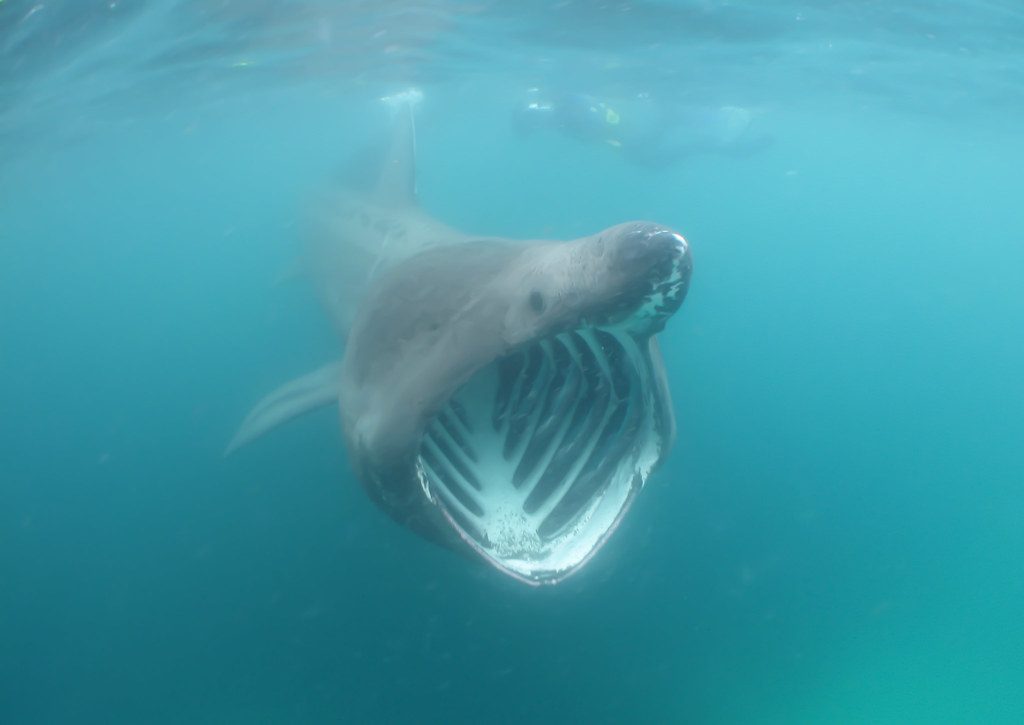
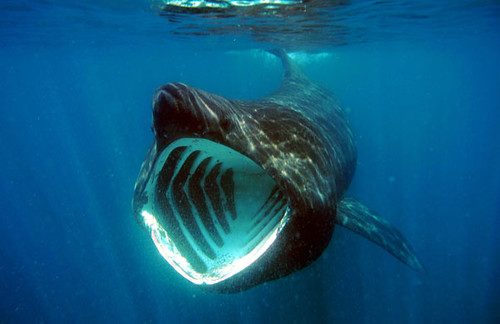
    Few ocean animals are as surprising as the basking shark. With its enormous mouth and massive body, it can look like a prehistoric predator from another age. Yet this gentle giant spends its days filtering tiny plankton from the water instead of hunting large animals.

    A recent rare sighting off the coast of San Diego amazed researchers and whale watchers, offering an unforgettable glimpse of one of the world’s largest and least understood sharks. This article explains why basking sharks are so special, how they feed, and why seeing one in the wild is an extraordinary event.

    A rare sighting thrilled researchers

    basking-shark-Cetorhinus–003” by jidanchaomian is licensed under CC BY-SA 2.0

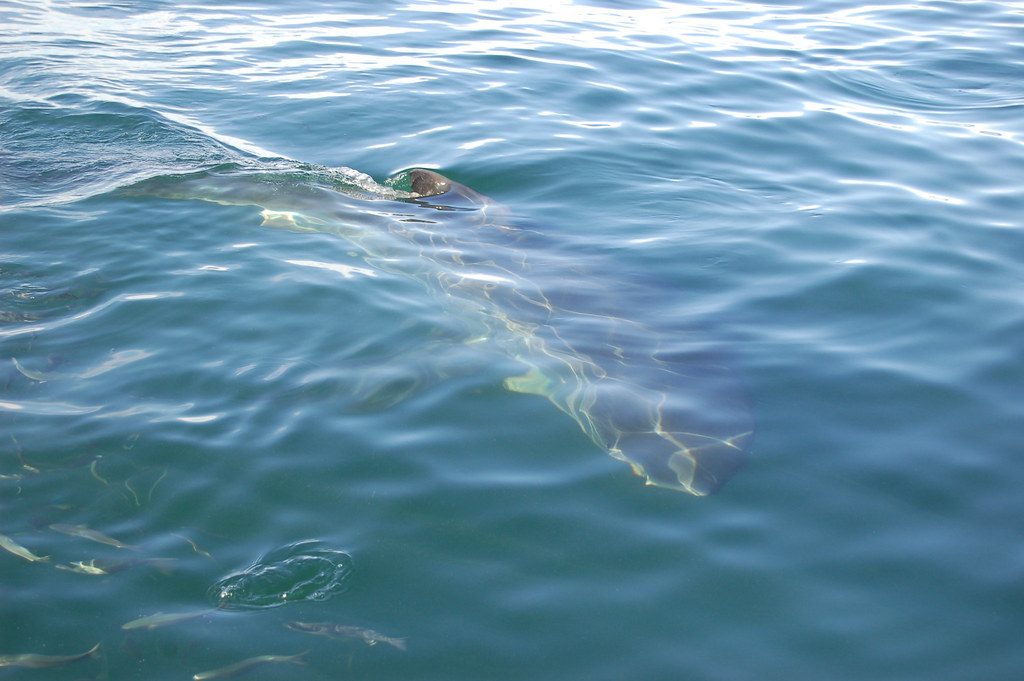
    Scientists and whale watchers aboard a Scripps Oceanography expedition unexpectedly spotted a basking shark off the coast of San Diego. The encounter happened during a whale watching trip, making it an exciting surprise for everyone on board.
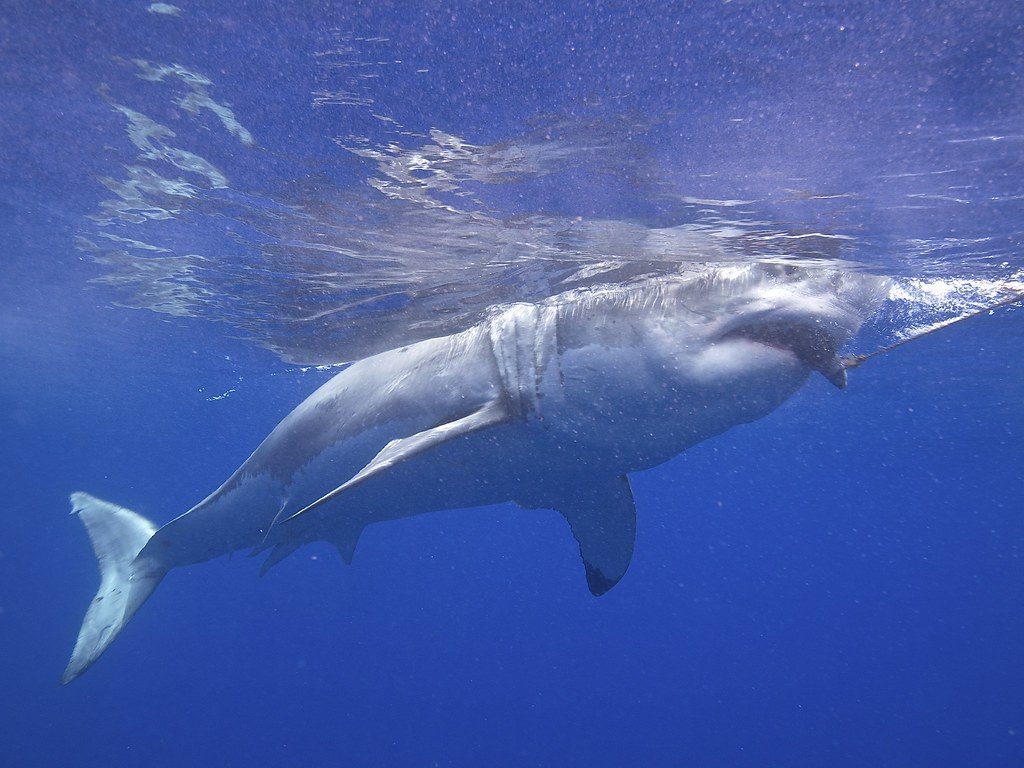
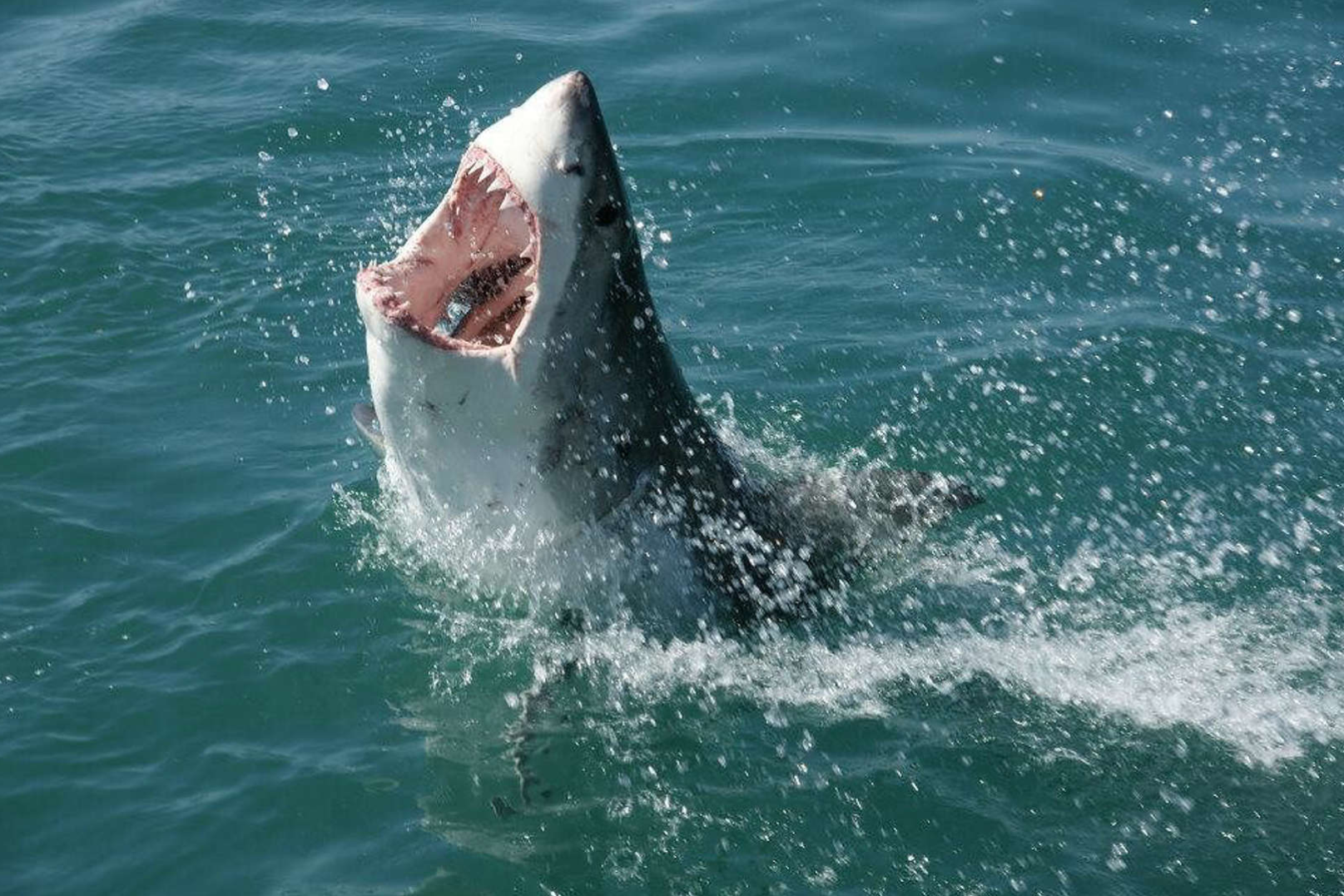
    Researchers described the experience as a once-in-a-lifetime opportunity because the shark remained close enough for detailed observation. Seeing a basking shark calmly feeding near the surface is uncommon along the California coast.

    One of the largest fish on Earth

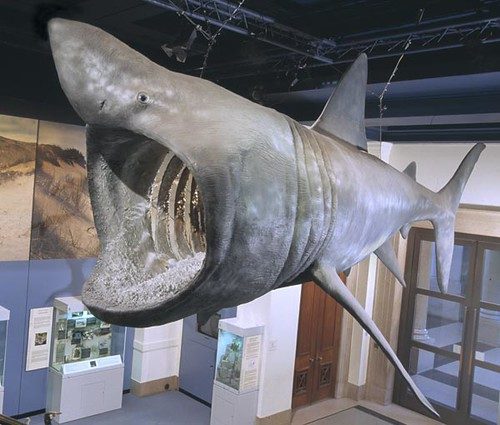
    Basking Shark Model” by MuseumWales is licensed under CC BY-NC 2.0

    The basking shark is the second-largest living fish, surpassed only by the whale shark. Adults commonly reach about 8 meters in length, while exceptionally large individuals can grow beyond 10 meters.

    Despite their impressive size, basking sharks are gentle animals that pose little danger to people. Their enormous mouths are designed for filtering tiny food rather than capturing large prey.

    Tiny food powers a giant shark

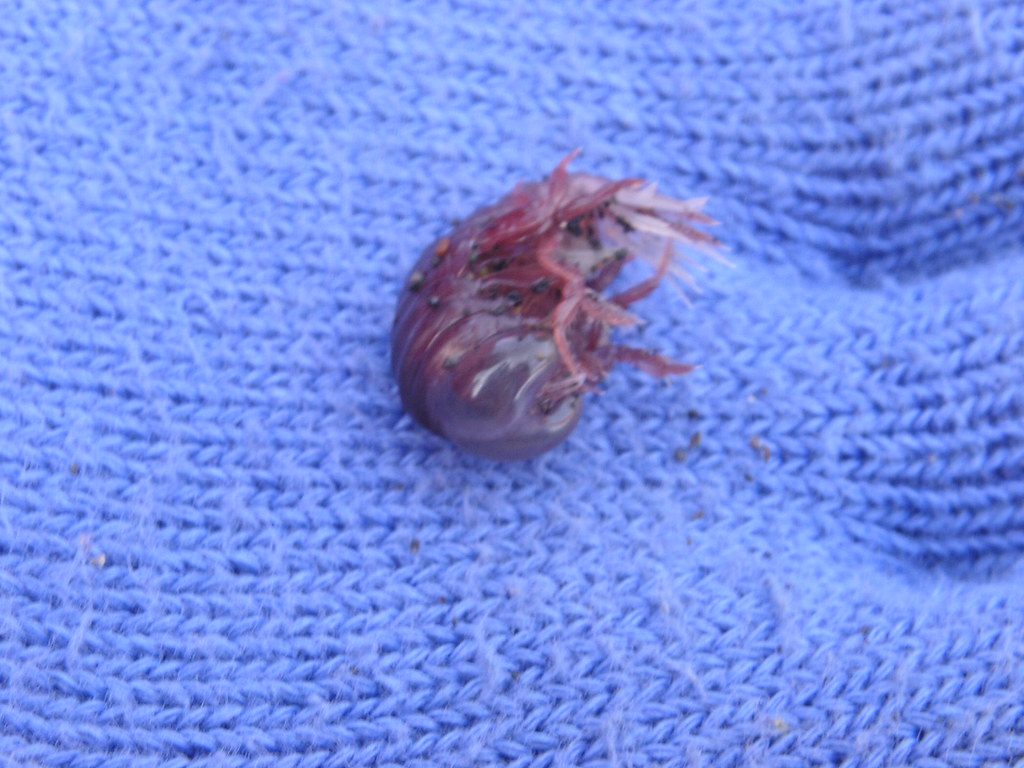
    Krill” by tim ellis is licensed under CC BY-NC 2.0

    Instead of hunting seals or fish, basking sharks feed mainly on zooplankton, krill, and other tiny drifting animals. As they swim slowly with their mouths open, specialized gill rakers trap food while seawater flows back out.

    Researchers estimate that a feeding basking shark can filter around 2,000 tons of seawater every hour. This remarkable feeding strategy allows the shark to consume enormous amounts of microscopic prey every day.

    Why are they called basking sharks

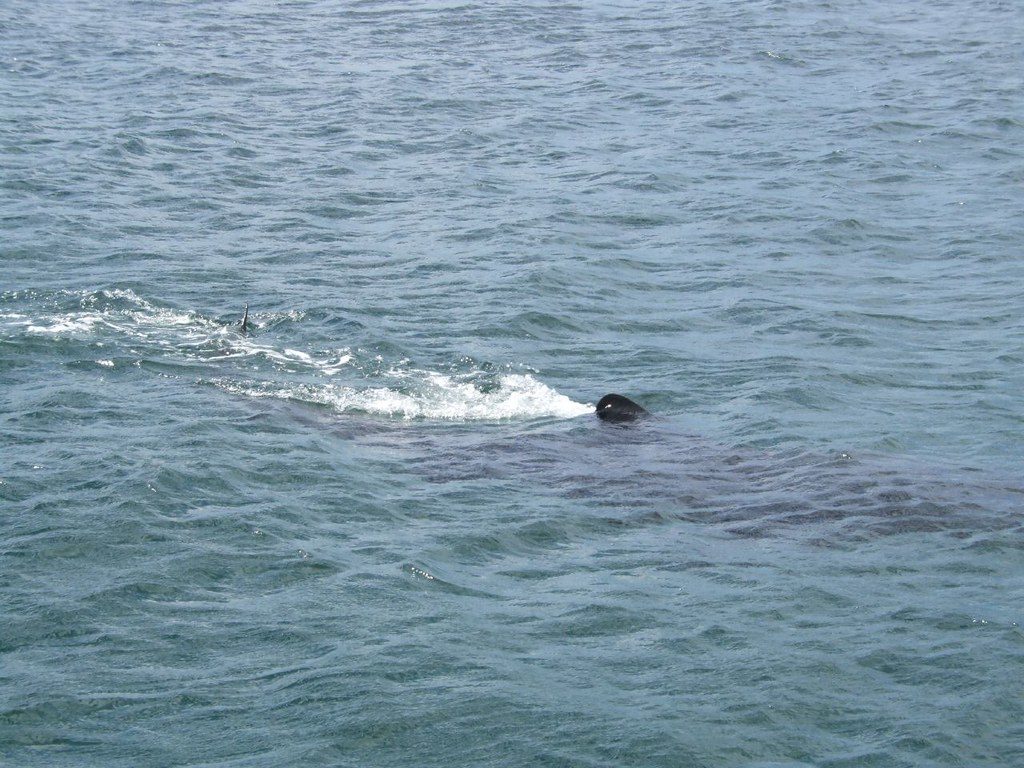
    Basking Shark in front of Iona” by wjmarnoch is licensed under CC BY 2.0

    The species gets its name because it often feeds near the ocean’s surface, appearing to bask in the sunlight. In reality, it is following dense patches of plankton rather than relaxing.

    These sharks are migratory and travel long distances to locate productive feeding areas. Their movements often follow seasonal changes in plankton abundance across temperate oceans.

    Gentle giants face real threats

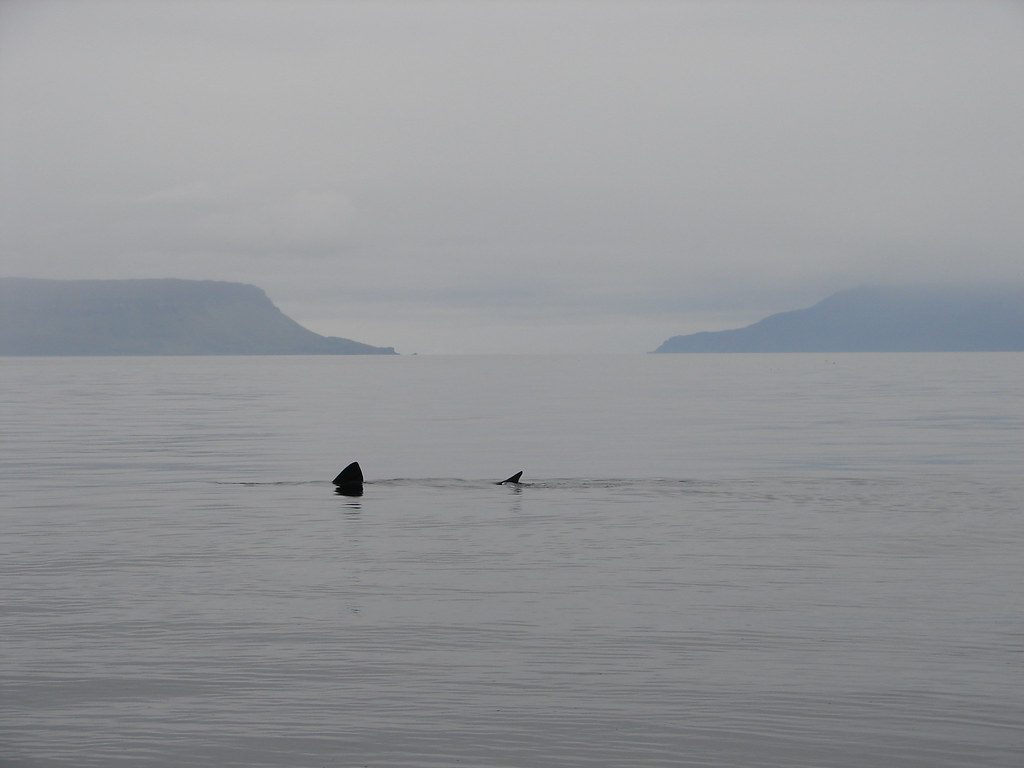
    Basking Shark, with Eigg and Rum in the background” by gripso_banana_prune is licensed under CC BY-SA 2.0

    Although basking sharks are harmless, they have faced serious population declines because of historical fishing for their meat, fins, and liver oil. Today, they remain protected in many parts of the world.

    Scientists continue tracking basking sharks to better understand their migration routes, breeding habits, and habitat needs. This information is important for protecting the species in the future.

    Every rare encounter matters

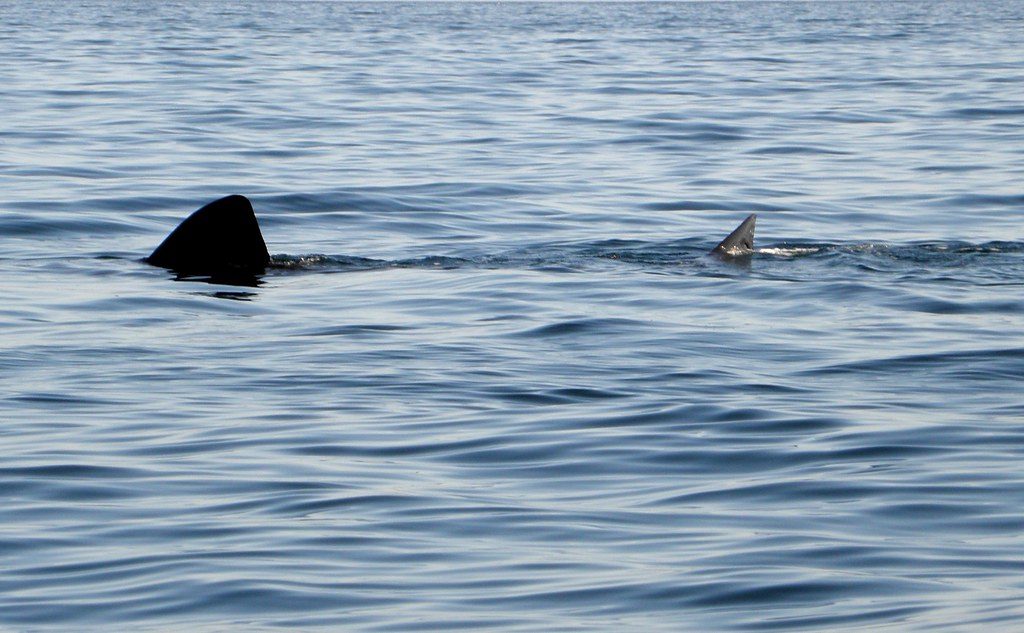
    Basking shark” by IrenicRhonda is licensed under CC BY-NC-ND 2.0

    Because basking sharks spend much of their lives moving across vast oceans, sightings provide valuable scientific information. Each observation helps researchers learn more about where the sharks travel and how they behave.

    The San Diego encounter reminded everyone that some of the ocean’s most spectacular animals are also among its most peaceful. Even one brief sighting can improve scientific understanding while inspiring greater appreciation for these remarkable, gentle giants.