Author: Ethan

  • The dramatic moment sharks turned a prized sailfish catch into complete chaos

    The dramatic moment sharks turned a prized sailfish catch into complete chaos

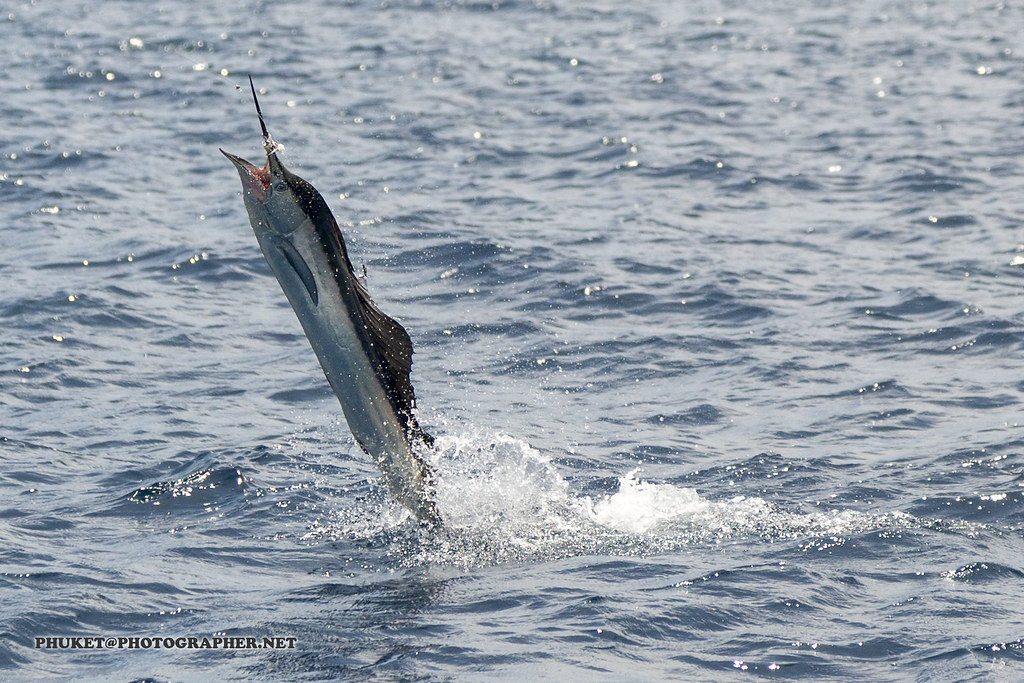
    Landing a giant sailfish is often the highlight of a fishing trip. But sometimes, just as the fish reaches the boat, another predator appears. In this dramatic encounter, sharks suddenly attacked a hooked sailfish, turning a successful catch into a struggle for survival.

    While the scene looked shocking, it also revealed a natural behavior that scientists and experienced anglers have observed for years. This article explains why sharks target hooked fish, how sailfish defend themselves, and what these encounters reveal about life in the open ocean.

    A successful catch changed instantly
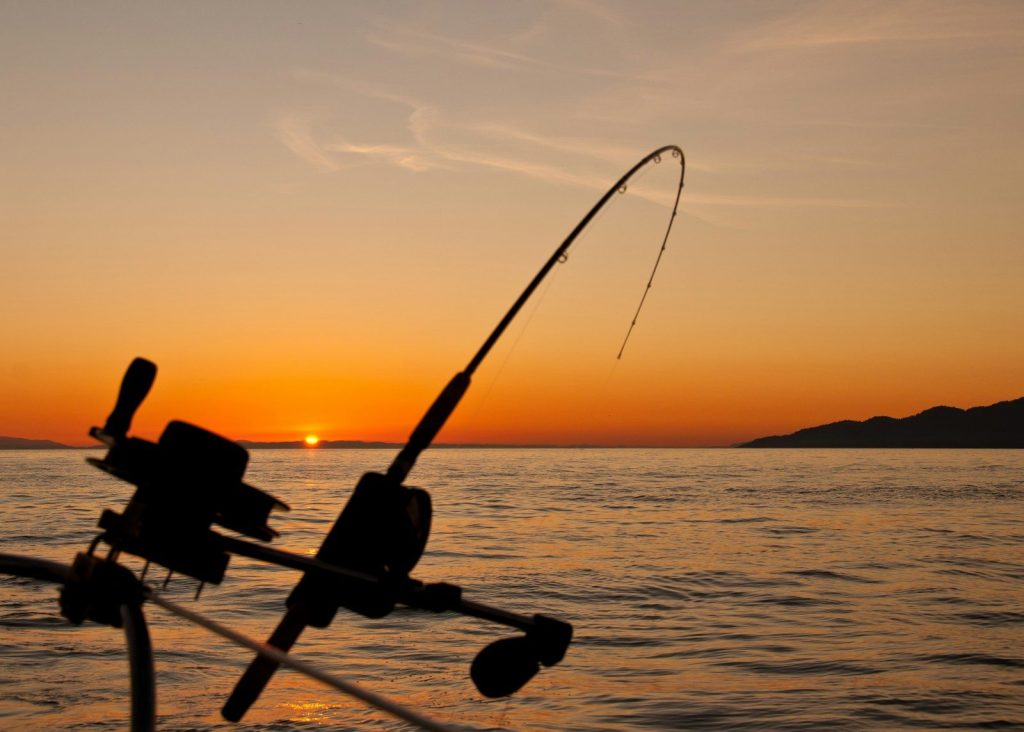
    black fishing rod and body of water during golden hour
    Photo by James Wheeler on Unsplash

    The sailfish had nearly reached the boat after a long fight. Moments later, sharks appeared and began attacking the exhausted fish, creating a chaotic scene beside the vessel.

    Events like this happen more often than many people realize. Anglers call the loss of a hooked fish to a shark being “sharked,” especially when large predators take the catch before it can be released or brought aboard.

    Why sharks target hooked fish
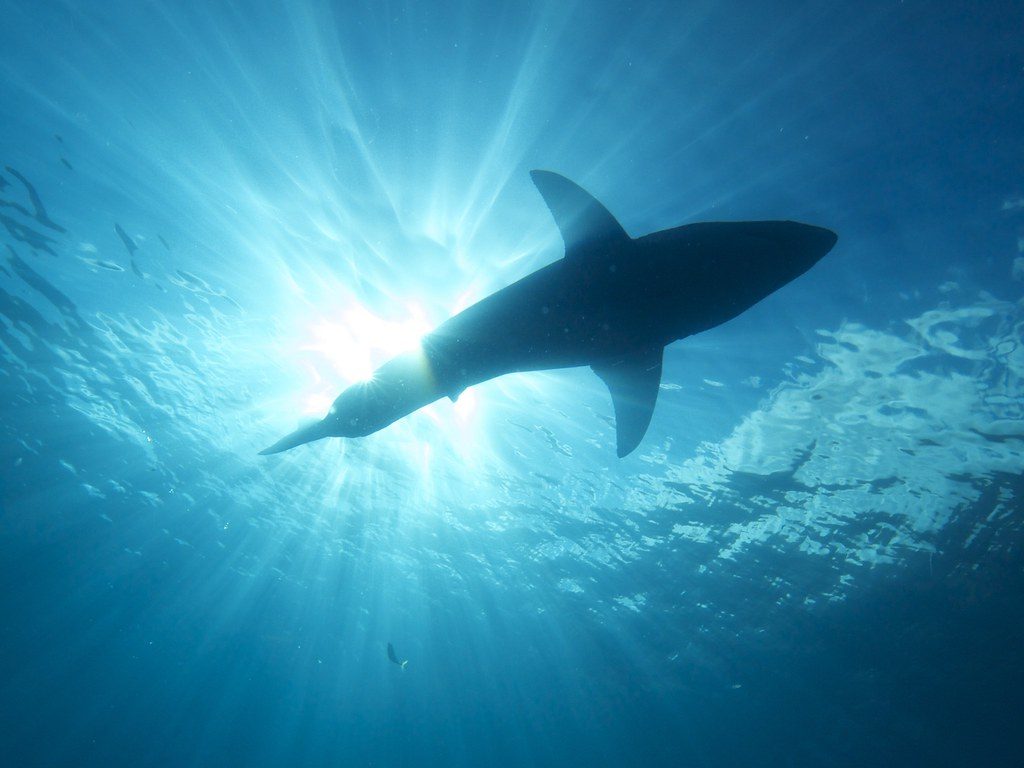
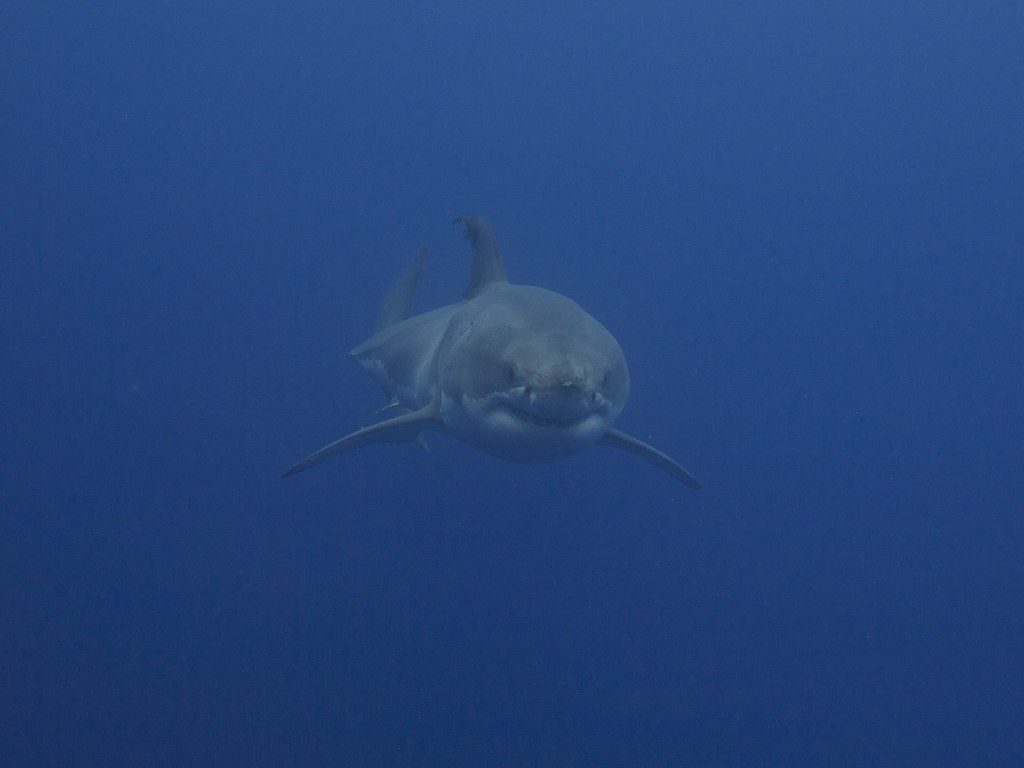
    Great White Shark” by Elias Levy is licensed under CC BY 2.0

    A hooked fish struggles, creates vibrations, and may release blood or body fluids into the water. Sharks have highly developed senses that allow them to detect these signals from considerable distances.

    Once a shark locates an easy meal, it often takes advantage of the opportunity. Catching an already exhausted fish requires far less energy than chasing healthy prey across the open ocean.

    Sailfish are built for speed
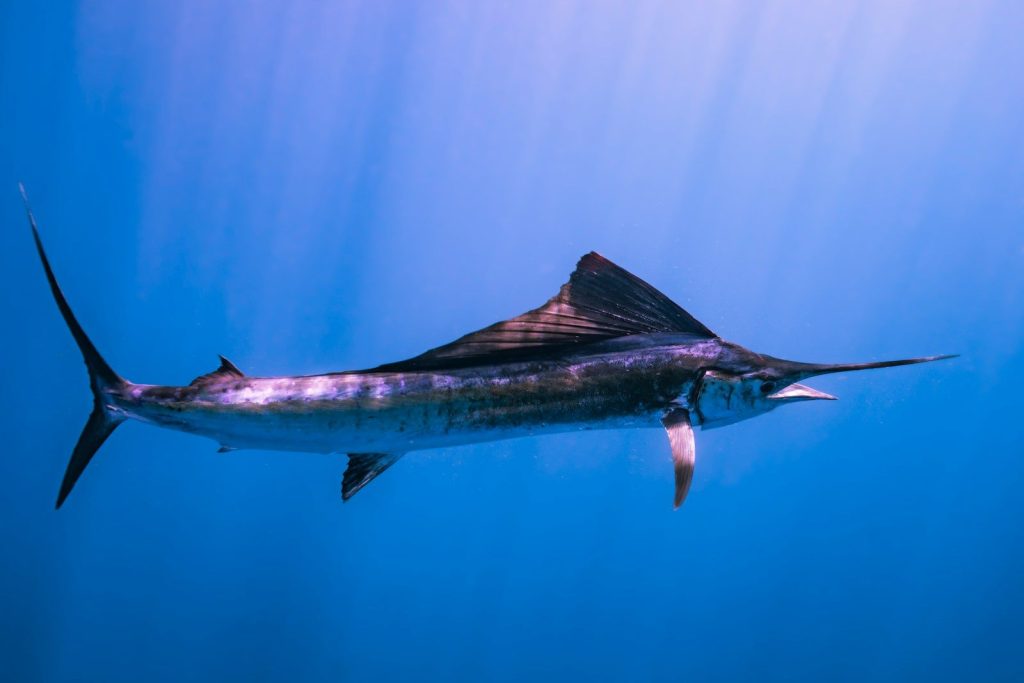
    a large fish is swimming in the water
    Photo by Michael Worden on Unsplash

    Sailfish are among the fastest fish in the ocean. Their streamlined bodies, long bills, and powerful tails help them chase schools of fish with remarkable agility.

    During hunting, sailfish often slash through schools of small fish with their bills, injuring several prey before capturing one. This efficient hunting strategy makes them successful predators in open water.

    Sharks remain opportunistic predators
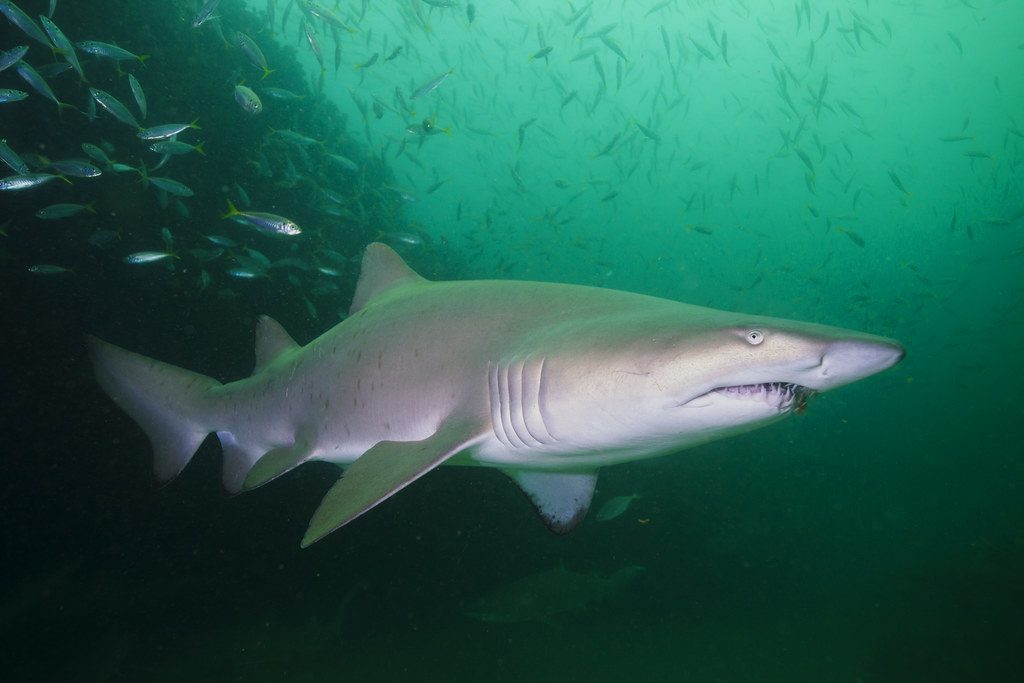
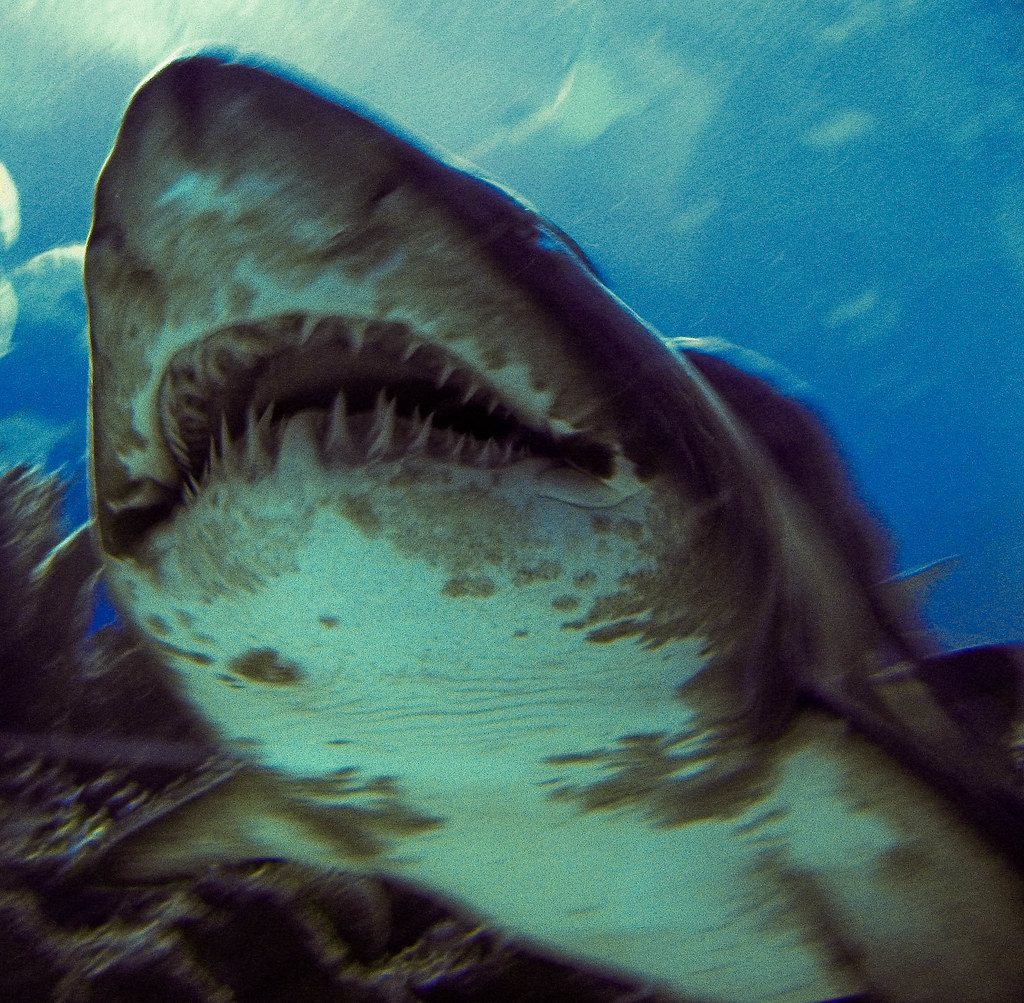
    Gray Nurse Shark” by PacificKlaus is licensed under CC BY-NC 2.0

    Many shark species are opportunistic feeders, meaning they take advantage of available food whenever possible. A struggling sailfish beside a fishing boat can become an attractive target because it is easier to catch than healthy prey.

    This behavior is not unusual or aggressive toward people. The sharks are responding to a feeding opportunity created by an injured fish rather than deliberately approaching humans.

    These encounters are becoming more familiar
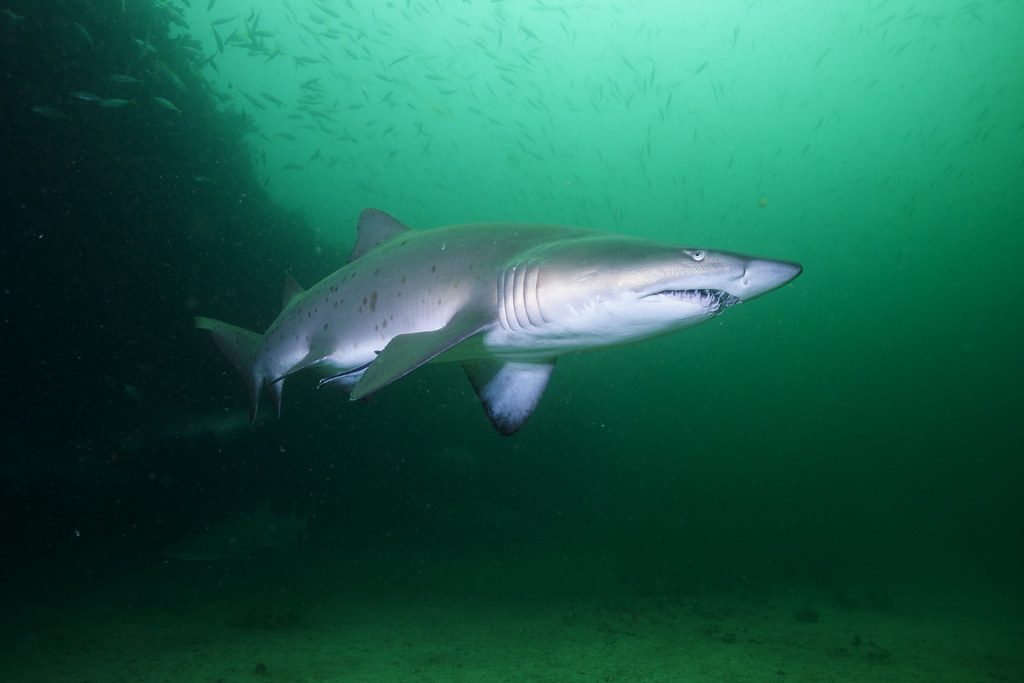
    Gray Nurse Shark
    Gray Nurse Shark” by PacificKlaus is licensed under CC BY-NC 2.0

    Charter captains and recreational anglers have increasingly reported sharks taking hooked game fish before they can be landed. This behavior has been documented with sailfish, marlin, tuna, and many other species.

    Scientists continue studying these interactions to better understand how fishing activity, shark behavior, and changing marine ecosystems influence encounters between predators and hooked fish.

    Nature always has the final word
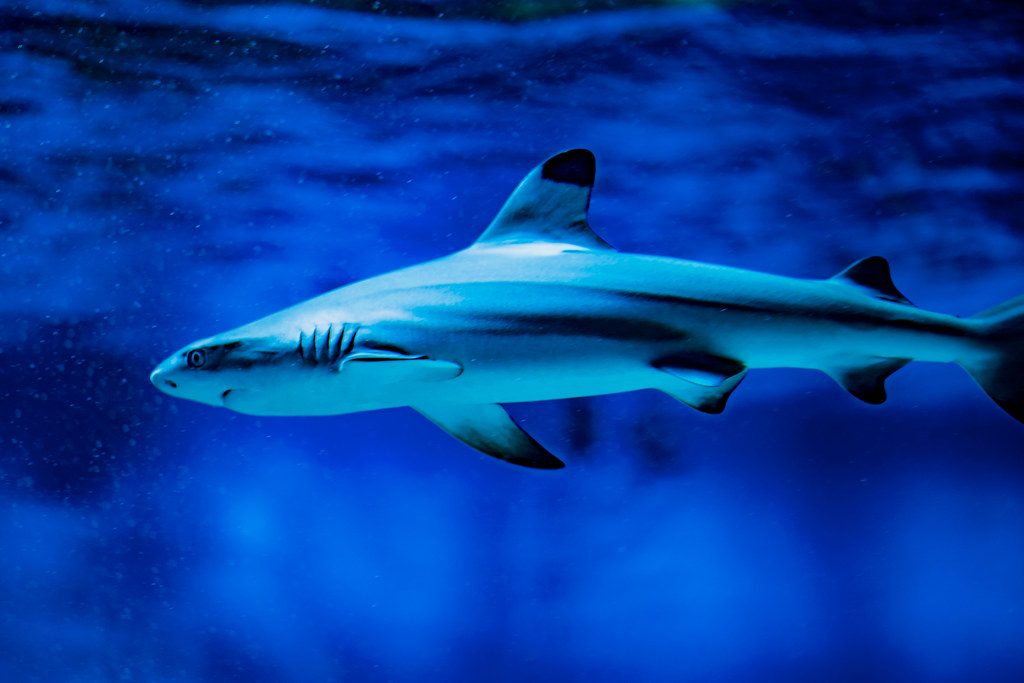
    Blacktip reef shark (Carcharhinus melanopterus) of Enoshima Aquarium, Fujisawa : ツマグロ(藤沢市・新江ノ島水族館)” by Dakiny is licensed under CC BY-NC-ND 2.0

    The battle beside the boat serves as a reminder that the ocean remains unpredictable. Even after a fish is hooked, it is still part of a complex food web where larger predators may suddenly appear.

    Watching sharks attack a giant sailfish highlights the incredible power of marine ecosystems. It also demonstrates that every fishing trip unfolds within a natural world where wild animals continue following the instincts that have helped them survive for millions of years.
  • The remarkable story of the diver who survived a tiger shark attack and returned to the ocean

    The remarkable story of the diver who survived a tiger shark attack and returned to the ocean

    Losing a leg to a tiger shark would leave most people afraid of the ocean forever. Instead, one survivor chose a very different path. After recovering from a life-changing shark attack, he returned to the water to photograph, study, and protect the same animals that had injured him.

    His experience challenged many common beliefs about sharks and showed that fear does not always reflect reality. This article explores his remarkable journey, what scientists know about tiger sharks, and why conservation has become just as important as public safety.

    A life changed in seconds

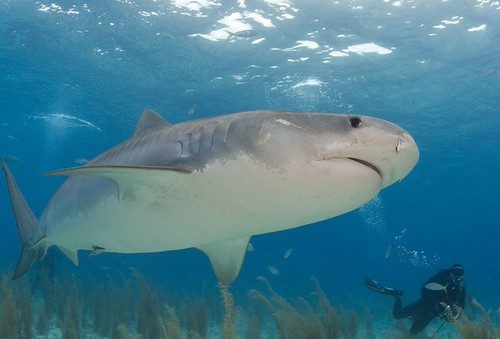
    Tiger shark with diver” by WIlly Volk is licensed under CC BY-NC-SA 2.0

    As a teenager surfing in Hawaii, Mike Coots was attacked by a tiger shark and lost his right leg below the knee. The injuries were severe, but he survived and eventually began rebuilding his life.

    Only a short time after the attack, he returned to the ocean instead of avoiding it. Rather than allowing fear to define his future, he chose to continue surfing and later became a photographer and shark conservation advocate.

    Returning to the water

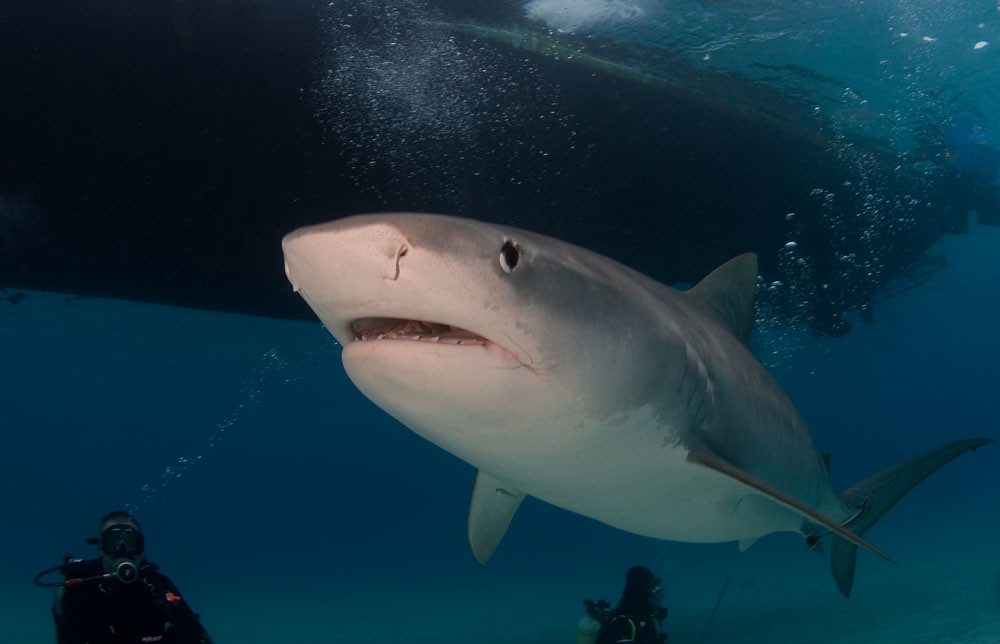
    Tiger shark and diver” by WIlly Volk is licensed under CC BY-NC-SA 2.0

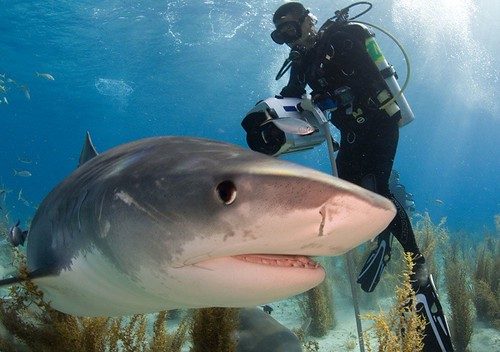
    Many people expected Coots to stay away from sharks forever. Instead, he began diving and photographing them to better understand their behavior and help change public attitudes toward these often misunderstood animals.

    His experience taught him that sharks are wild predators, not mindless killers. He has repeatedly explained that the attack was a rare event rather than evidence that sharks deliberately hunt humans.

    Tiger sharks deserve respect

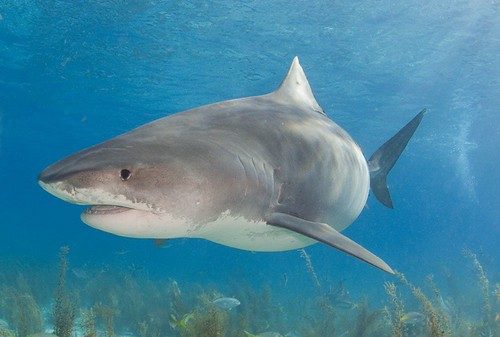
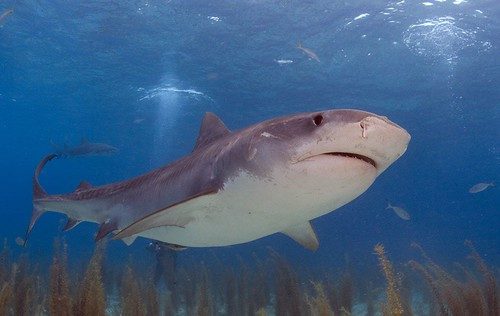
    Tiger Shark” by WIlly Volk is licensed under CC BY-NC-SA 2.0

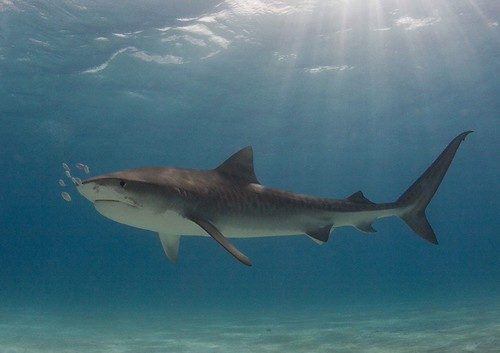
    Tiger sharks are among the largest predatory sharks and are found in warm oceans around the world. They eat a wide variety of prey and are naturally curious animals that investigate unfamiliar objects in their environment.

    Although tiger sharks are involved in more confirmed attacks on humans than many other shark species, serious incidents remain uncommon compared with the millions of people who enter the ocean each year. Scientists emphasize that humans are not their preferred prey.

    Fear and reality are often different

    Emma, the Tiger Shark” by WIlly Volk is licensed under CC BY-NC-SA 2.0

    Shark attacks receive worldwide attention because they are dramatic and unusual. As a result, many people believe sharks are a much greater danger than they actually are.

    Conservationists point out that sharks face far greater threats from people than people face from sharks. Commercial fishing, bycatch, and the shark fin trade have caused major declines in many shark populations around the world.

    Conservation became his mission

    Tiger Shark!” by CK | PHOTOGRAPHER is licensed under CC BY 2.0

    Following his recovery, Coots began speaking publicly about shark conservation and educating people about their importance in marine ecosystems. His personal story gives him a unique perspective that few conservation advocates possess.

    By sharing photographs and educational programs, he encourages people to replace fear with knowledge. He believes healthy shark populations are essential for balanced ocean ecosystems.

    Understanding leads to respect

    Tiger shark” by WIlly Volk is licensed under CC BY-NC-SA 2.0

    The story of Mike Coots shows that one frightening experience does not always define an entire species. His decision to return to the ocean demonstrates how understanding wildlife can change even deeply personal perspectives.

    Tiger sharks remain powerful wild animals that deserve caution and respect. At the same time, scientific research and conservation remind us that protecting these apex predators is an important part of protecting the oceans themselves.

  • How a 75-million-year-old fossil uncovered the feeding habits of tyrannosaurs

    How a 75-million-year-old fossil uncovered the feeding habits of tyrannosaurs

    Tyrannosaurs are famous as some of the most powerful predators ever to walk the Earth. For years, they have been pictured as fearless hunters chasing down large prey. However, a new fossil study reveals another side of these giant dinosaurs. Researchers found evidence that smaller tyrannosaurs also scavenged the remains of much larger relatives when the opportunity arose.

    By studying tiny bite marks preserved for 75 million years, scientists uncovered new clues about how these prehistoric predators survived. This article explains what researchers found, how they reached their conclusions, and why the discovery changes our understanding of tyrannosaur behavior.

    A fossil preserved an ancient meal

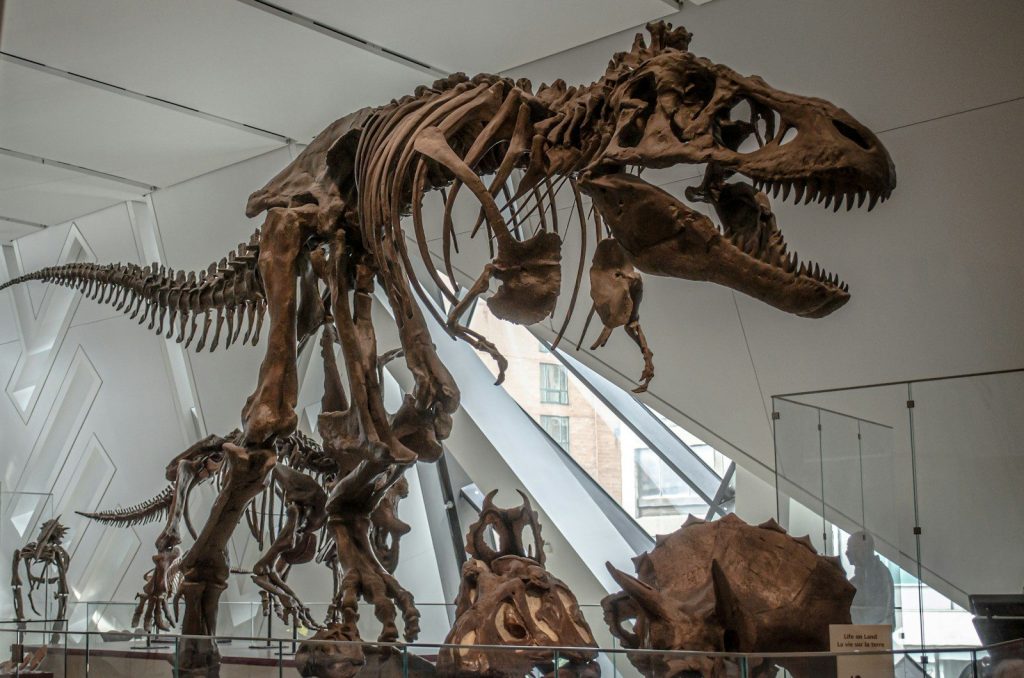
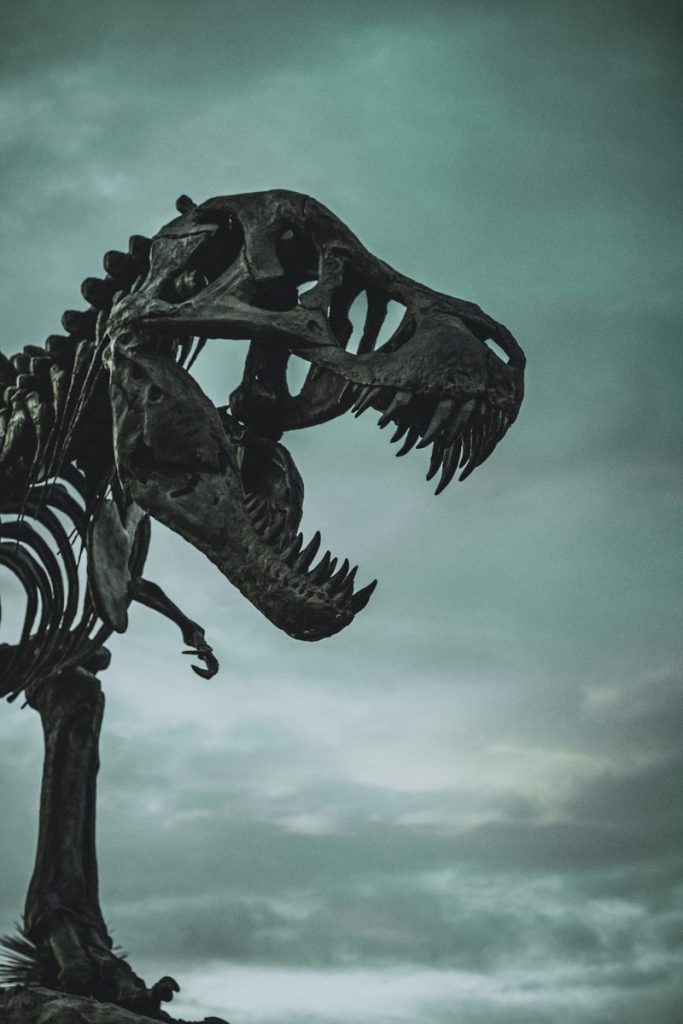
    brown animal skeleton on glass roof
    Photo by Narciso Arellano on Unsplash

    The discovery began with a fossilized foot bone found in Montana’s Judith River Formation. The bone came from a giant tyrannosaurid that lived about 75 million years ago, long before Tyrannosaurus rex appeared.

    Researchers identified 16 distinct bite marks across the bone. Their location and pattern suggested that another smaller tyrannosaurid had fed on the carcass after the animal had already died.

    Tiny marks revealed a big story

    A dinosaur skeleton in a museum with people looking at it
    Photo by Tofan Teodor on Unsplash

    Master’s student Josephine Nielsen used advanced 3D scanning to examine the fossil in great detail. Digital models allowed her to measure the depth, angle, and placement of every bite mark with remarkable precision.

    The analysis showed the marks were not random damage. Instead, they matched tooth impressions left by a smaller tyrannosaurid feeding on the larger dinosaur’s remains.

    The scavenger cleaned up the last remains

    a dinosaur skeleton standing on top of a rock
    Photo by Mac Cervantes on Unsplash

    The bite marks appeared on the foot, an area that contains very little meat. Researchers found no evidence that the larger dinosaur survived after the bites, indicating they happened after death rather than during a fight.

    This suggests the smaller tyrannosaurid was feeding late in the decomposition process. Instead of choosing only the richest parts of the carcass, it continued eating even after most of the flesh had disappeared.

    Hunting and scavenging both mattered

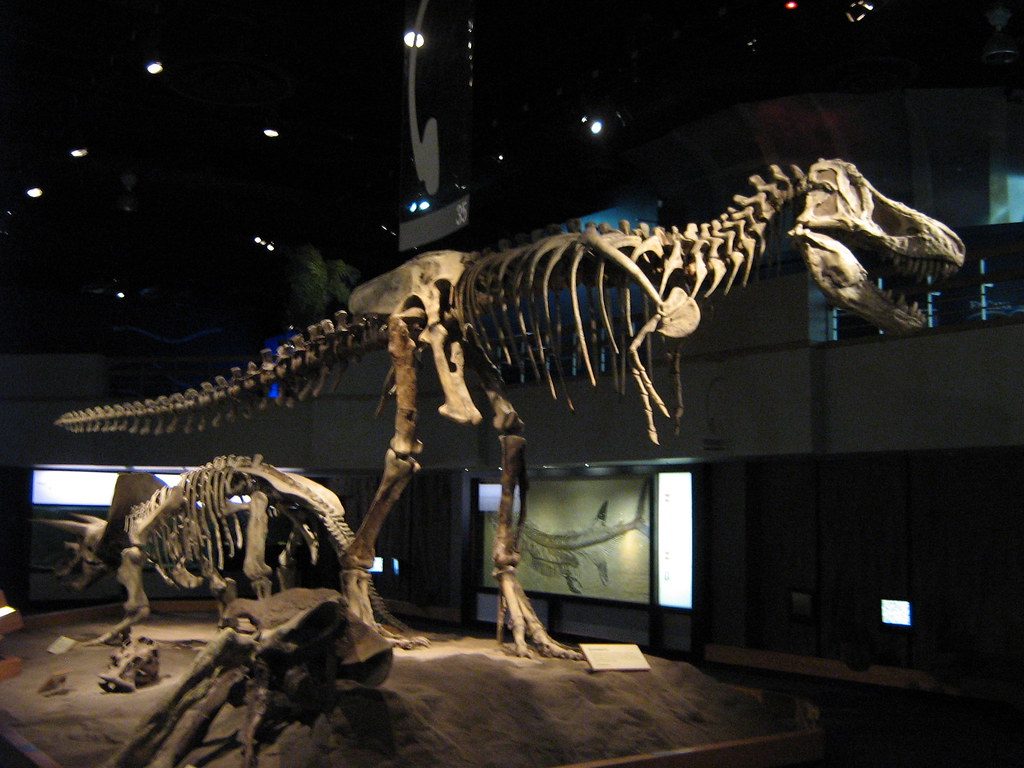
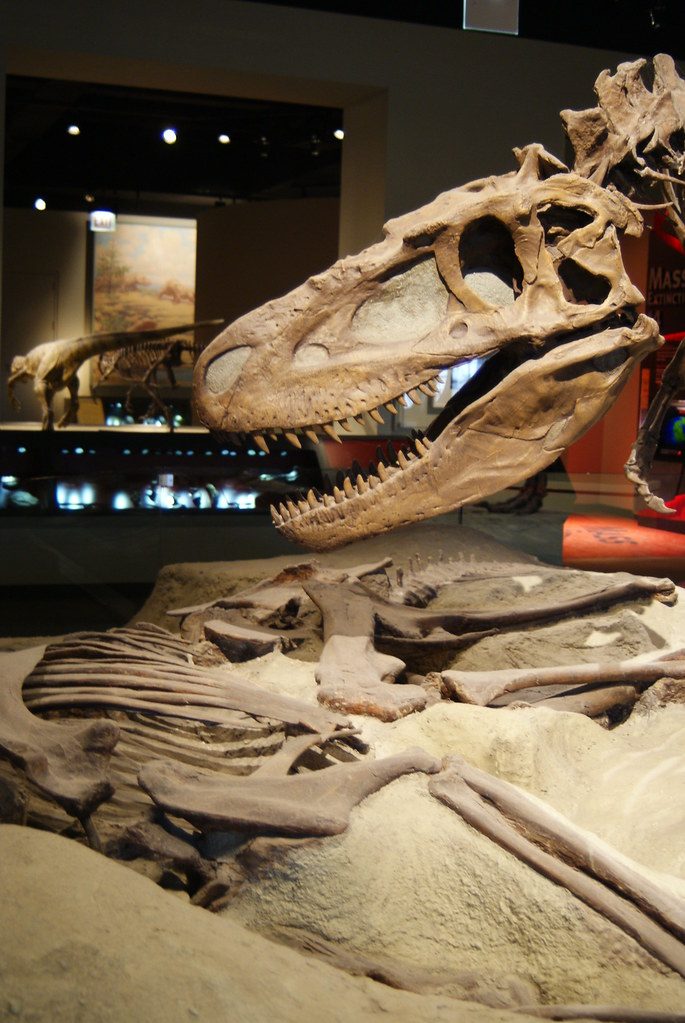
    Daspletosaurus torosus, a tyrannosaur from the late Cretaceous of North America at the Evolving Planet Exhibit at the Field Museum, Chicago, IL” by Dallas Krentzel is licensed under CC BY 2.0

    The new evidence does not mean tyrannosaurs were poor hunters. Their powerful skulls, massive teeth, and strong bite forces clearly show they were capable predators.

    Instead, the study suggests they behaved like many modern carnivores. When an easy meal became available, they took advantage of it rather than wasting energy searching for fresh prey.

    Modern technology unlocked ancient clues

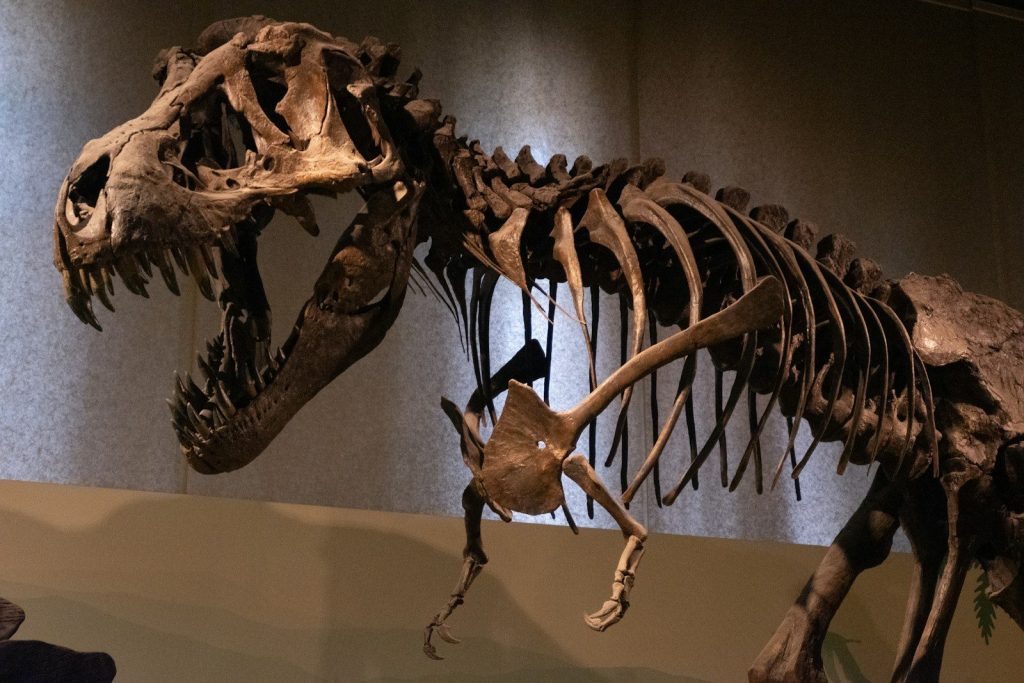
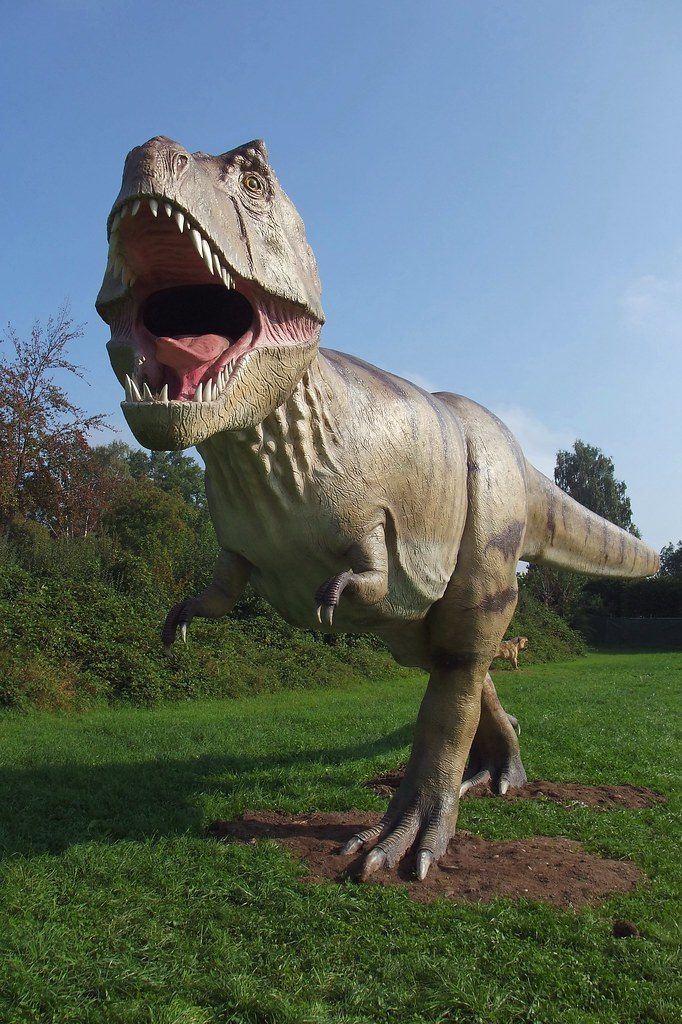
    Goldach – Tyrannosaur” by Kecko is licensed under CC BY 2.0

    Rather than working directly with the original fossil, Nielsen studied a digital model and a 3D printed copy. This protected the valuable specimen while allowing researchers to inspect details that would have been difficult to see otherwise.

    Scientists also used a standardized method for classifying bite marks. This approach helps researchers compare fossils more accurately and understand dinosaur behavior with greater confidence.

    Dinosaur behavior is becoming clearer

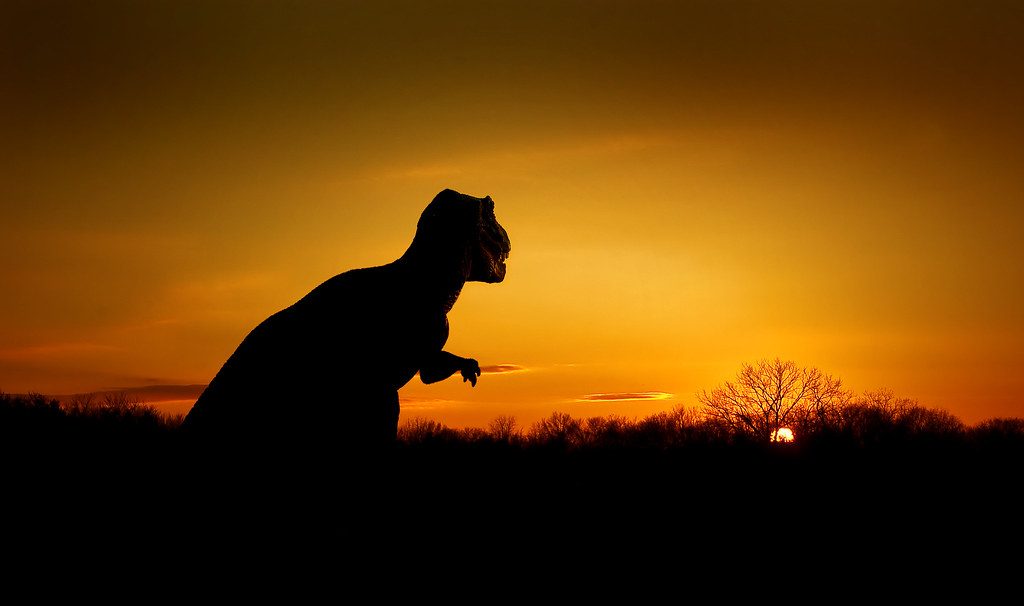
    Prairie Tyrannosaur” by Tau Zero is licensed under CC BY-NC-SA 2.0

    Each new fossil provides another piece of the puzzle about how dinosaurs lived millions of years ago. Even small traces, such as tooth marks, can reveal surprising details about feeding habits and survival strategies.

    The discovery shows that tyrannosaurids were practical animals that used every available food source. Instead of fitting neatly into the role of hunter or scavenger, they likely did both whenever the opportunity arose.

  • The shocking crocodile investigation that uncovered a tragic missing person case

    The shocking crocodile investigation that uncovered a tragic missing person case

    A search for a missing businessman along South Africa’s Komati River turned into an extraordinary wildlife investigation. After days of searching flood-damaged riverbanks, rescuers noticed a giant crocodile resting unusually close to where the man had disappeared.

    What followed was a complex recovery operation involving helicopters, forensic experts, and DNA testing. The investigation confirmed a tragic outcome while raising new questions about the crocodile’s past. This article explains how the search unfolded, why investigators focused on the reptile, and what experts know so far.

    A flood turned into a tragedy

    brown and white concrete house beside river during daytime
    Photo by Chris Gallagher on Unsplash

    Gabriel Batista, a 59-year-old hotel owner, disappeared after his vehicle became trapped in rising floodwaters near the Komati River. Rescue teams searched the dangerous river for about a week but found no sign of him.

    The Komati River is known for strong seasonal flooding and a healthy population of Nile crocodiles. These conditions made the search especially difficult for emergency crews working in the area.

    A crocodile attracted the investigators’ attention

    Nile Crocodile (Crocodylus niloticus)” by Arno Meintjes Wildlife is licensed under CC BY-NC-SA 2.0

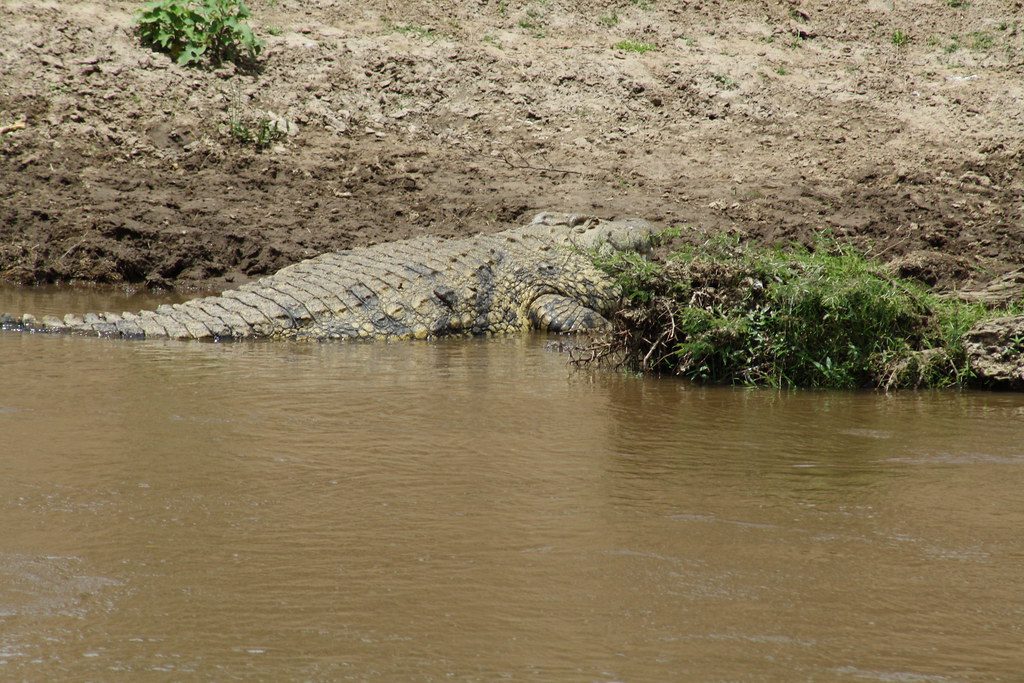
    Search teams eventually noticed a very large crocodile resting on a riverbank about 150 meters from where Batista was last seen. The animal remained unusually still and showed signs that it had recently eaten, leading investigators to examine it more closely.

    Because crocodiles often bask in the sun after feeding to help digestion, investigators considered the possibility that the reptile could be connected to the missing person case. This observation guided the next stage of the investigation.

    A complex recovery operation followed

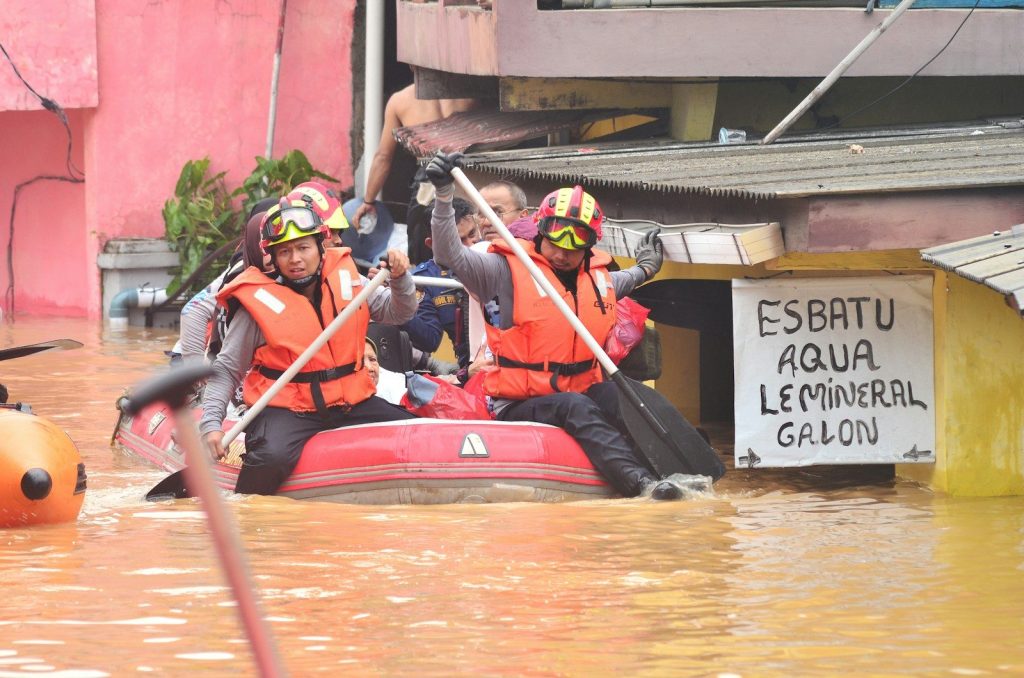
    Rescue workers navigate floodwaters in a boat.
    Photo by Iqro Rinaldi on Unsplash

    Authorities first euthanized the crocodile before carrying out a difficult recovery operation. A police officer was lowered by helicopter into the crocodile-inhabited river to secure the animal so it could be safely airlifted for forensic examination.

    The operation required careful coordination because other large crocodiles remained nearby. Once transported to a secure location, forensic specialists began examining the animal.

    DNA confirmed the victim’s identity

    gloved hands drawing vaccine from vial with syringe
    Photo by National Cancer Institute on Unsplash

    During the examination, investigators recovered human remains, including body parts and a ring believed to belong to Batista. DNA testing later confirmed that the remains belonged to the missing businessman.

    Investigators also discovered several pairs of shoes inside the crocodile. However, police have not confirmed whether those shoes are connected to any other missing person cases, and that part of the investigation remains unresolved.

    Floods increase risks near crocodile habitats

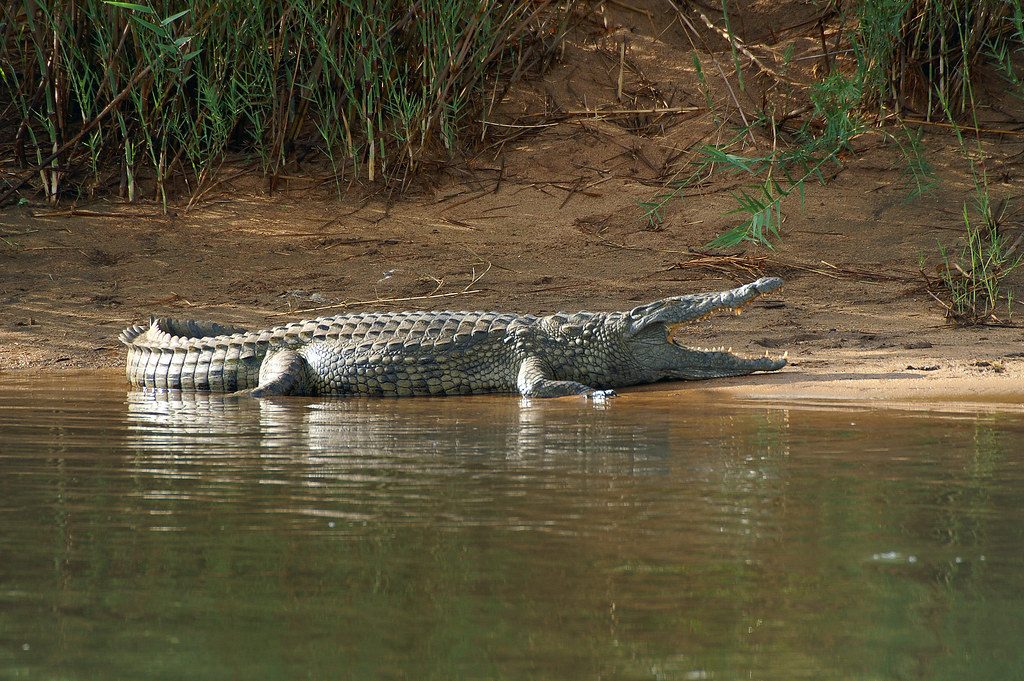
    Nile crocodile” by pk2004 is licensed under CC BY 2.0

    Nile crocodiles naturally live in many rivers across southern Africa. Heavy rainfall and flooding can expand waterways, increasing the chances that people and crocodiles may come into contact.

    Wildlife experts recommend avoiding flooded rivers and remaining alert in known crocodile habitats, particularly after storms when water levels and animal movements become less predictable. Crocodiles are powerful ambush predators that should always be treated with caution.

    A reminder about living alongside wildlife

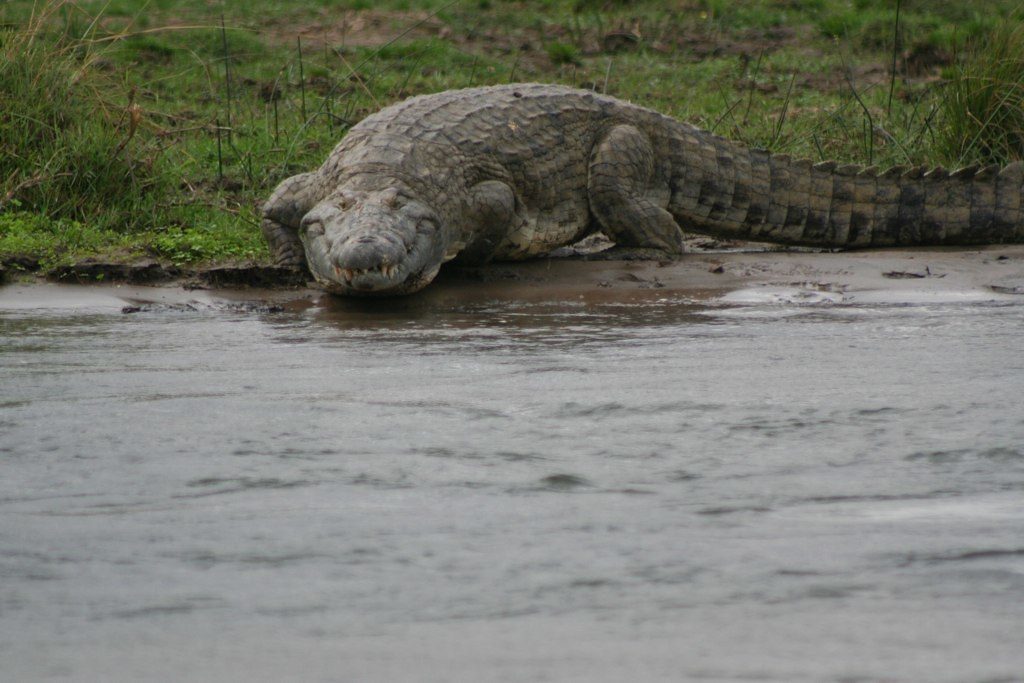
    Saltwater Crocodile” by iansand is licensed under CC BY-NC 2.0

    The investigation demonstrated how natural hazards and wildlife can combine during extreme weather events. Although tragic, the case also highlighted the professionalism of rescue teams and forensic specialists working under difficult conditions.

    As authorities continue investigating the unexplained shoes, the incident serves as a reminder that respecting wildlife habitats and avoiding dangerous waterways can reduce the risk of similar tragedies in the future.

  • What happened during the deadly crocodile attack at a busy Puerto Vallarta beach

    What happened during the deadly crocodile attack at a busy Puerto Vallarta beach

    A relaxing evening at a popular beach in Puerto Vallarta turned into a tragedy when a crocodile attacked a 28-year-old man near Marina Vallarta Beach. Tourists nearby rushed to help after hearing screams, but the rescue came too late.

    The incident has renewed attention on crocodile safety in coastal areas where people and wildlife increasingly share the same environment. This article explains what happened, why crocodiles are being seen more often near tourist destinations, and how experts recommend staying safe in areas where these powerful reptiles live.

    A peaceful evening turned tragic

    Nile crocodile” by pk2004 is licensed under CC BY 2.0

    The attack happened around 6:30 p.m. near Marina Vallarta Beach in Puerto Vallarta, Mexico. Witnesses initially believed the man had become caught in a strong current after hearing calls for help.

    A California couple staying nearby tried to rescue him by throwing a life preserver and later paddling toward him in a kayak. Before they could reach him, the crocodile dragged the man underwater. His body was recovered about 12 hours later.

    Why crocodiles are appearing near beaches

    black crocodile on brown soil
    Photo by Random Institute on Unsplash

    Puerto Vallarta is home to American crocodiles that naturally inhabit rivers, estuaries, mangroves, and coastal lagoons. During the rainy season, rising water levels can expand their range and bring them closer to beaches and resort areas.

    Experts also say urban growth has reduced some natural habitats, increasing the chances that crocodiles and people will encounter each other. As development expands, wildlife is often forced to move through areas used by residents and tourists.

    Warning signs may not always be enough

    crocodile on body of water during daytime
    Photo by Thomas Couillard on Unsplash

    Witnesses said warning signs near the beach mentioned crocodiles along with other natural hazards such as jellyfish and stingrays. However, some visitors said they did not fully recognize the danger before the attack.

    Following the incident, some visitors called for clearer warnings and additional safety measures. Authorities have increased surveillance in areas where crocodiles are known to appear, while investigations into the incident continue.

    Crocodile attacks remain uncommon

    black crocodile on water during daytime
    Photo by Lisa Yount on Unsplash

    Although crocodile attacks receive widespread attention, fatal encounters remain rare compared with the large number of people who visit coastal regions each year. Most crocodiles avoid people whenever possible.

    Risk increases when people enter waters connected to estuaries, rivers, or mangroves where crocodiles naturally hunt and travel. Wildlife experts recommend treating these habitats with caution, especially during breeding and rainy seasons.

    Living alongside wildlife

    alligator on lake
    Photo by Matthew Essman on Unsplash

    As cities expand into natural habitats, encounters between people and wildlife are becoming more common in many parts of the world. Crocodiles play an important ecological role, but they also require space to live safely away from heavy human activity.

    Protecting both people and wildlife depends on education, habitat management, and public awareness. Respecting warning signs and avoiding known crocodile habitats helps reduce unnecessary risks for everyone.

    A reminder to respect natural habitats

    gray alligator near grass field
    Photo by Bas van Brandwijk on Unsplash

    The tragedy in Puerto Vallarta serves as a reminder that wild animals remain unpredictable, even near developed tourist areas. Understanding where crocodiles live and recognizing local warnings can help people make safer decisions.

    Conservation and public safety can work together. Protecting natural habitats while improving public awareness helps reduce dangerous encounters without harming wildlife that has lived in these ecosystems for generations.

  • Why sailors once feared the oceanic whitetip shark more than almost any other predator

    Why sailors once feared the oceanic whitetip shark more than almost any other predator

    Far from shore, where rescue may take days to arrive, one shark earned a reputation that few others could match. The oceanic whitetip shark spent centuries roaming the open ocean, often following ships and investigating anything floating on the surface. Its behavior around shipwrecks led many sailors to fear it more than coastal sharks. Yet today, this famous predator faces a very different challenge.

    Once among the most common large sharks in the open sea, it has declined dramatically across much of its range. This article explores why the oceanic whitetip became so feared, how it behaves, and why protecting it has become an important conservation goal.

    A shark built for the open ocean

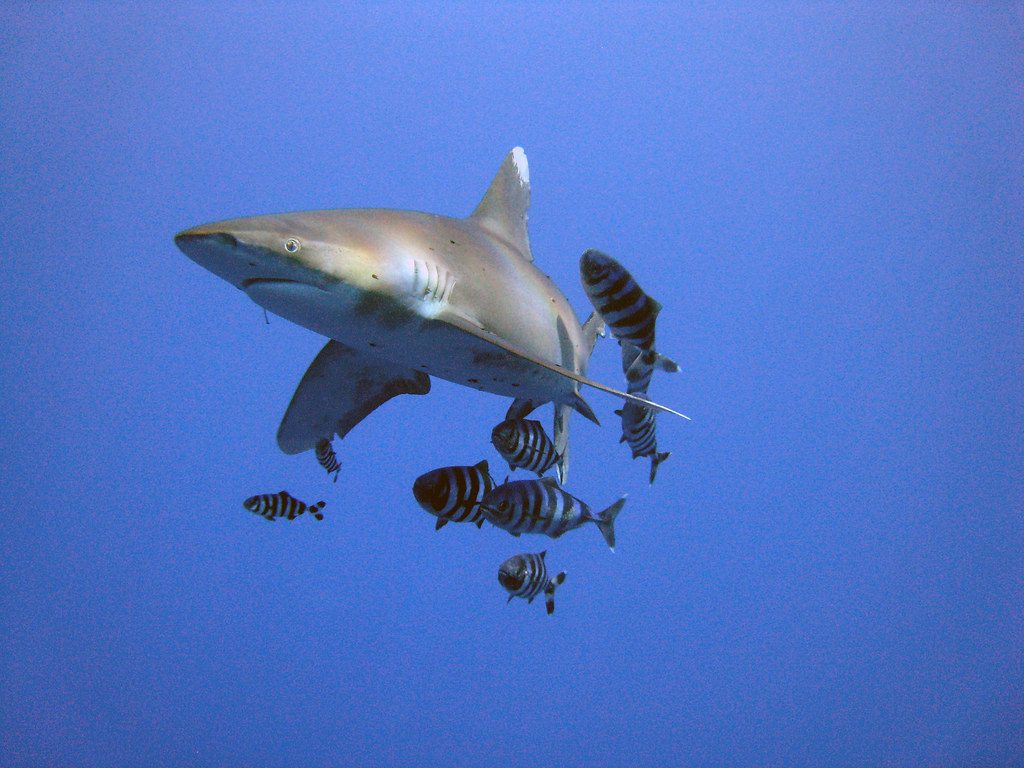
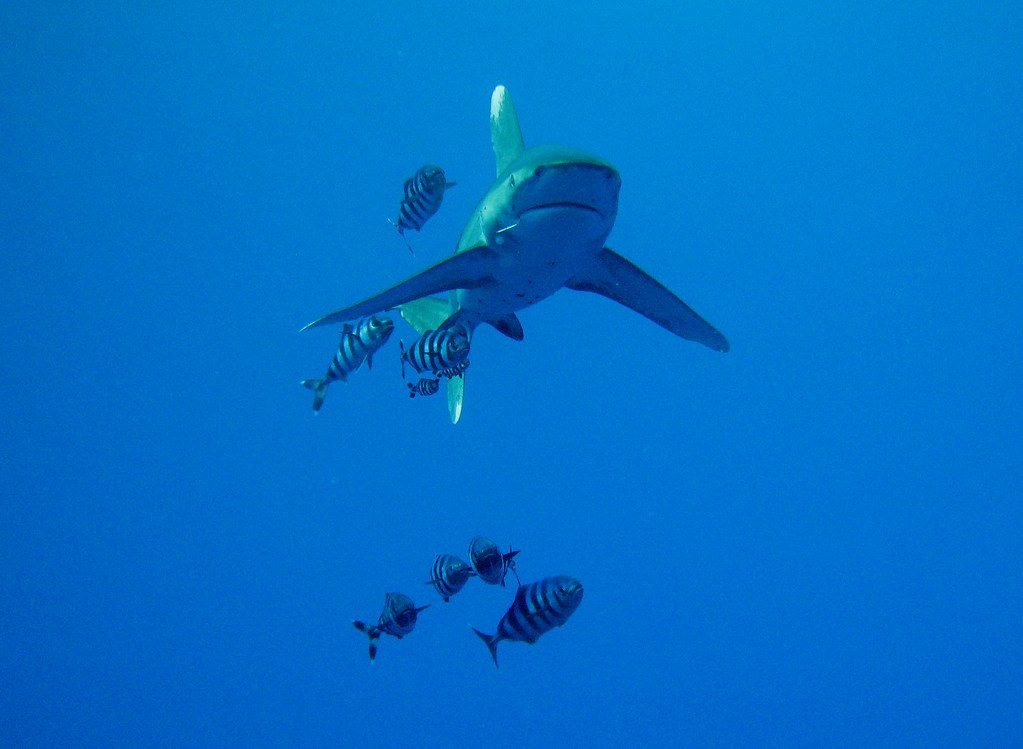
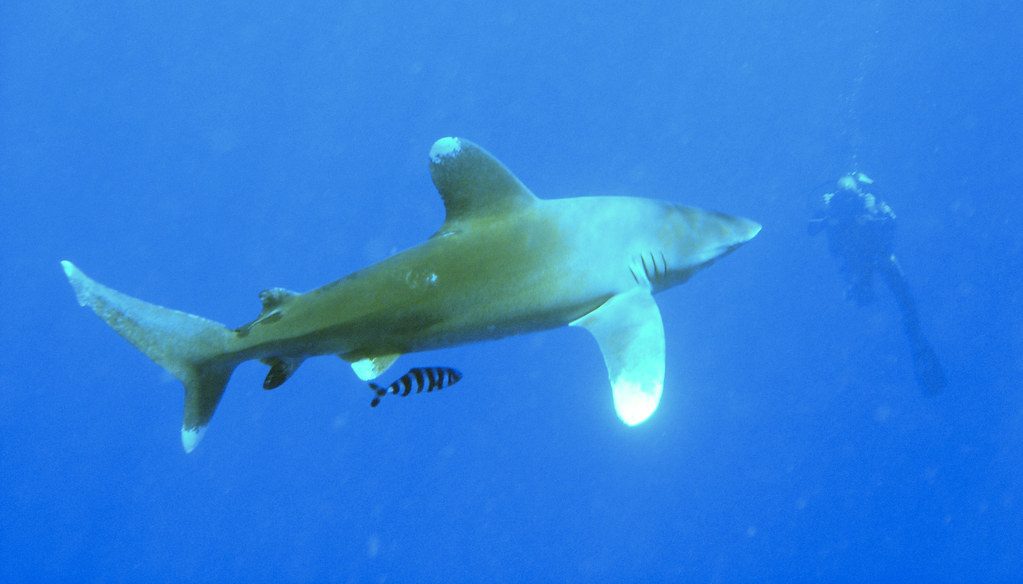
    Oceanic Whitetip Shark (Carcharhinus longimanus, Red Sea)” by alfonsator is licensed under CC BY-NC-ND 2.0

    Unlike many sharks that stay near coastlines, the oceanic whitetip spends most of its life far offshore in warm tropical and subtropical waters. It is easy to recognize by its long, rounded pectoral fins marked with bright white tips.

    This shark usually patrols the upper layers of the open ocean, where it searches for fish, squid, and other marine animals. Because it lives so far from land, people rarely encounter it during normal beach activities.

    Why sailors feared this species

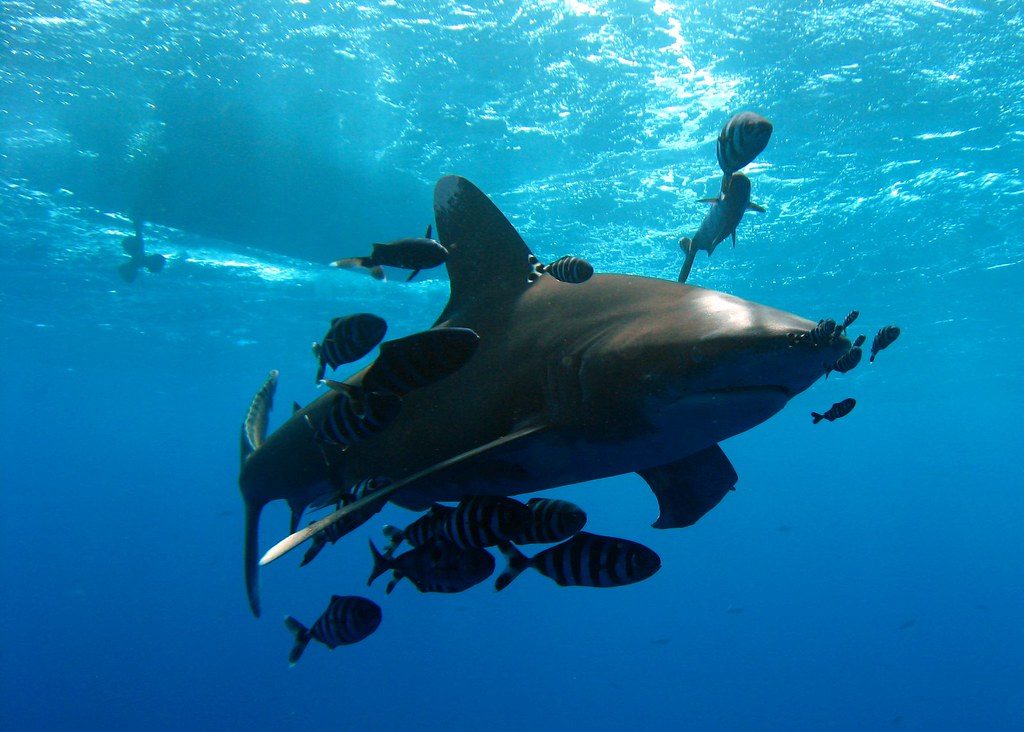
    Oceanic Whitetip 2” by Michael Aston is licensed under CC BY-NC 2.0

    For centuries, sailors called oceanic whitetips “sea dogs” because they often followed ships crossing the open ocean. They were known to investigate floating objects and animals struggling near the surface.

    This behavior became especially significant during shipwrecks and aircraft crashes. Survivors waiting in the water sometimes encountered oceanic whitetips, contributing to the shark’s reputation as one of the most feared predators far from shore. Although some historical fatalities are linked to this species, exact numbers remain uncertain.

    Curiosity makes them effective hunters

    Oceanic whitetip in the sun” by cold_water_diver is licensed under CC BY-NC-SA 2.0

    Oceanic whitetips are opportunistic predators that investigate potential food sources carefully. They often approach slowly before deciding whether to continue or leave the area.

    Their varied diet includes fish, squid, and other marine animals. This flexible feeding strategy helped them become one of the most successful predators in the open ocean for thousands of years.
    A species now facing serious decline

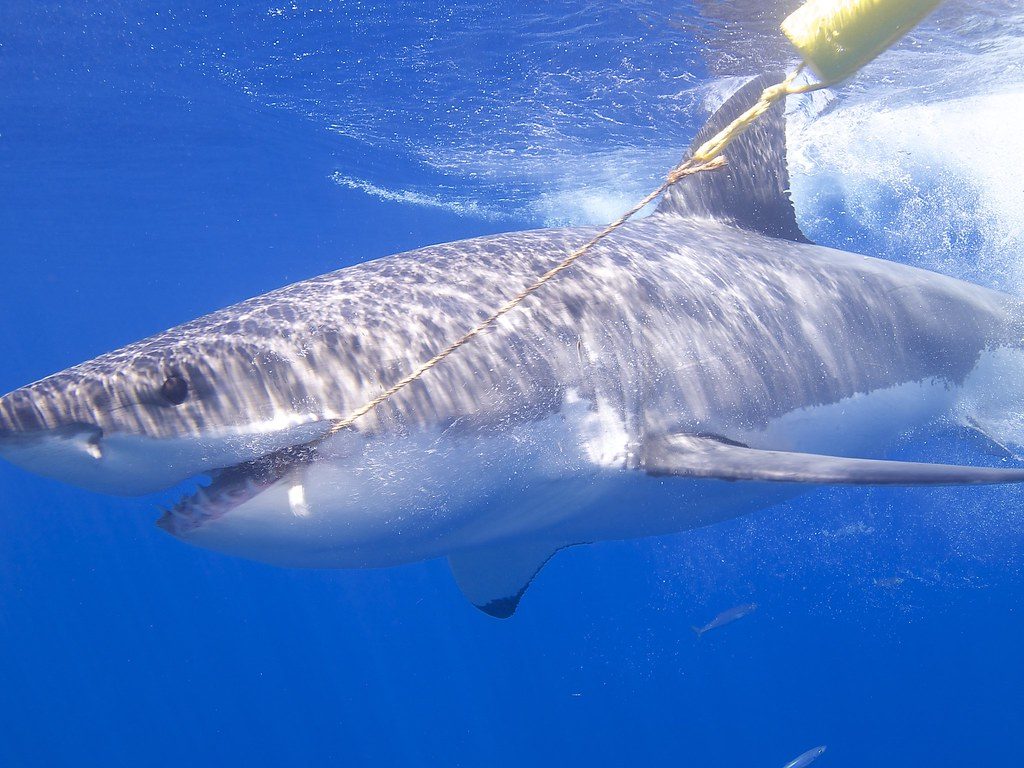
    Whitetip shark” by Chika is licensed under CC BY 2.0

    Despite their fearsome reputation, oceanic whitetip sharks are now far more threatened by humans than humans are by them. Commercial fishing, accidental bycatch, and the international shark fin trade have caused populations to fall sharply across much of their range.

    Because of these declines, the species is listed as Critically Endangered by the International Union for Conservation of Nature. In many areas where they were once common, sightings have become increasingly rare.

    Conservation is becoming the priority

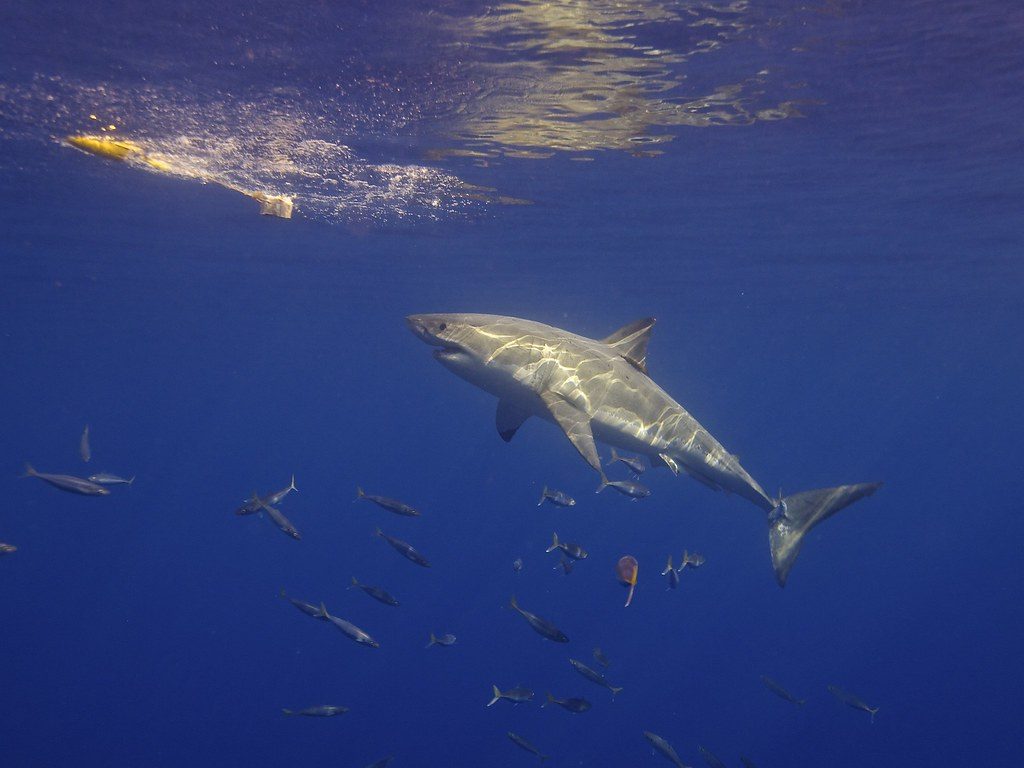
    Whitetip Shark” by USFWS Pacific is licensed under CC BY-NC 2.0

    Governments and conservation organizations have introduced protections aimed at reducing fishing pressure on oceanic whitetips. International agreements now limit or prohibit parts of the commercial trade involving this species.

    Scientists continue tracking shark populations to better understand migration routes, breeding areas, and the effectiveness of conservation efforts. These studies help guide future protection measures.

    A predator worth protecting

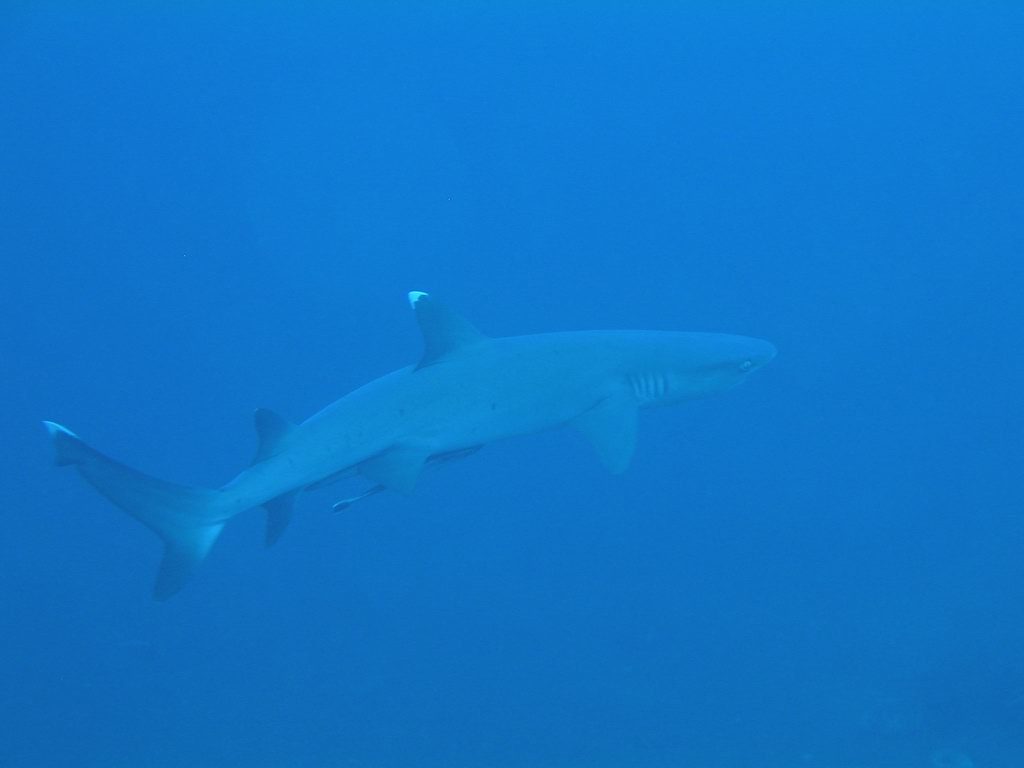
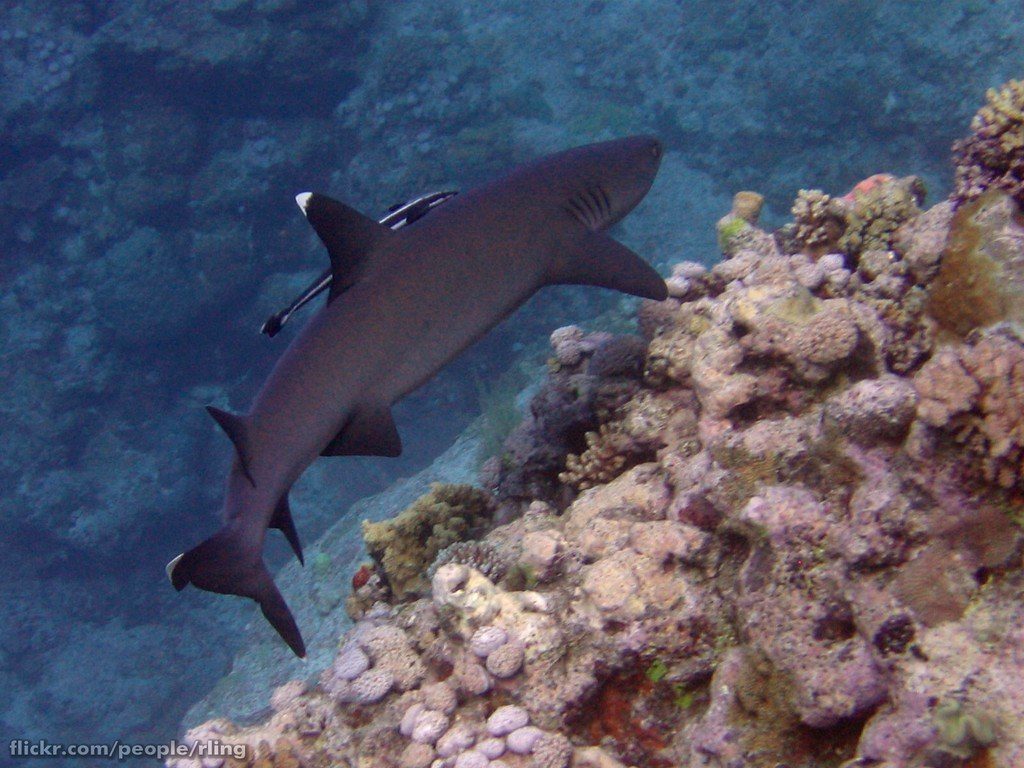
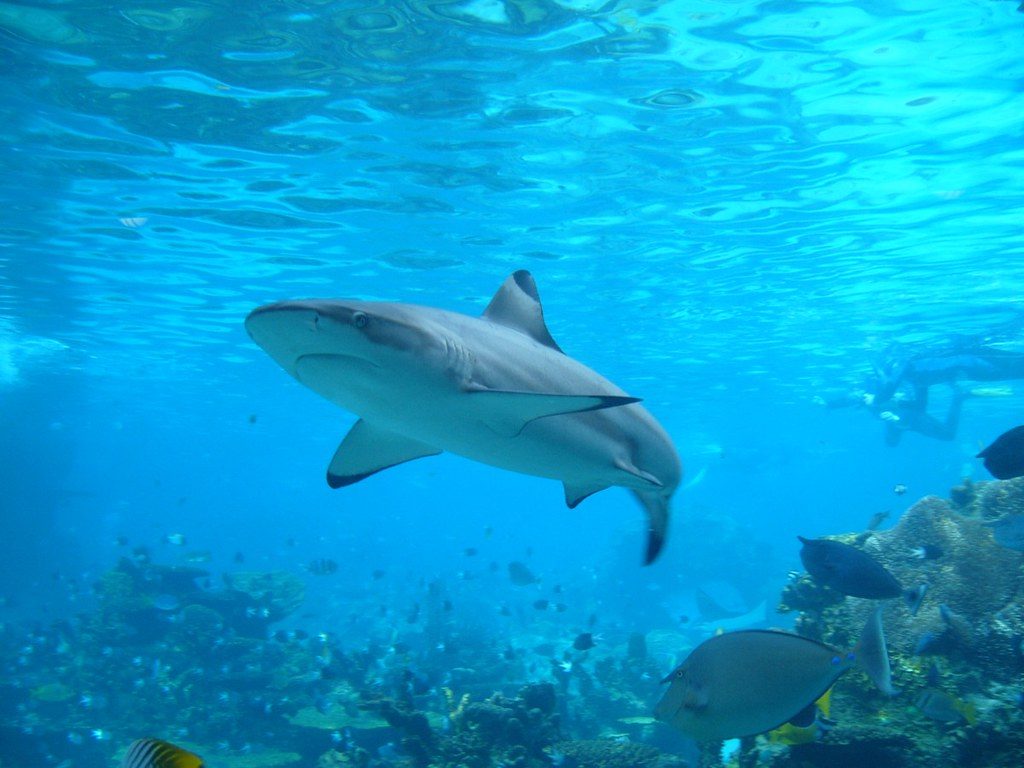
    Whitetip Reef Shark” by richard ling is licensed under CC BY-NC-ND 2.0

    The oceanic whitetip remains one of the open ocean’s most remarkable predators. Its history explains why generations of sailors respected and feared it, but its future depends on successful conservation rather than old legends.
    Understanding the true story of this shark replaces myth with science. It reminds us that even powerful apex predators can become vulnerable when human activity changes the balance of the ocean.
  • The shocking shark encounters that reveal how quickly calm moments can turn dangerous

    The shocking shark encounters that reveal how quickly calm moments can turn dangerous

    Coming face-to-face with a large shark is one of the most intense experiences a person can have in the ocean. While such encounters are uncommon, they can change quickly if people and sharks get too close.

    Marine researchers have studied these interactions for years to better understand why sharks approach, investigate, or sometimes become more assertive. This article examines several types of shark encounters, explains factors that influence shark behavior, and highlights practical lessons to help people stay safer while sharing the ocean with these remarkable predators.

    Every shark behaves differently

    three shark underwater
    Photo by Talia Cohen on Unsplash

    Not all sharks react the same way. Tiger sharks, bull sharks, and oceanic whitetip sharks each have distinct habitats, behaviors, and hunting styles that shape how they interact with their environments.

    Understanding which species is present can help explain its behavior. While some sharks are naturally more curious, others may simply pass by without showing much interest in nearby people.

    Curiosity is not always aggression

    Great White Shark” by Elias Levy is licensed under CC BY 2.0

    Many sharks investigate unfamiliar objects by swimming close or gently bumping them. Scientists describe this as exploratory behavior rather than an immediate attempt to attack.

    A shark approaching a diver, surfer, or boat does not automatically mean it intends to bite. Remaining calm and avoiding sudden movements may help reduce unnecessary escalation during some encounters.

    Human behavior can influence encounters

    Blacktip reef shark (Carcharhinus melanopterus) of Enoshima Aquarium, Fujisawa : ツマグロ(藤沢市・新江ノ島水族館)” by Dakiny is licensed under CC BY-NC-ND 2.0

    Several shark incidents begin when people unknowingly enter areas where sharks are feeding or hunting. Activities such as spearfishing or remaining near struggling fish can attract predators because of vibrations and scents in the water.

    Maintaining awareness of the environment, avoiding unnecessary risks, and respecting a shark’s personal space can reduce the likelihood of a dangerous interaction.

    Different situations require different responses

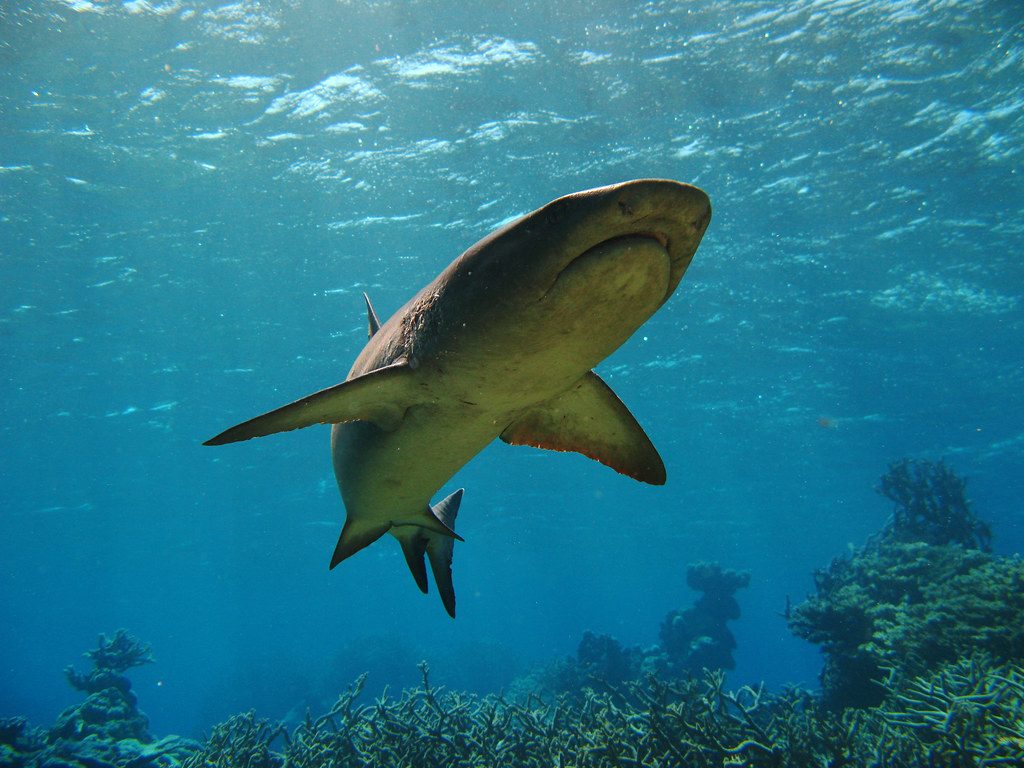
    Gray Nurse Shark” by PacificKlaus is licensed under CC BY-NC 2.0

    Open-ocean species such as the oceanic whitetip often behave differently from coastal sharks like bull or tiger sharks. Their responses depend on food availability, habitat, and the circumstances of each encounter.

    Marine experts emphasize that there is no single rule for every encounter. Careful observation and calm behavior are generally considered more effective than panic.

    Shark attacks remain uncommon

    Great White Shark” by Elias Levy is licensed under CC BY 2.0

    Although dramatic videos often receive widespread attention, shark bites remain rare compared with the millions of people who enter the ocean every year. Most encounters end without physical contact.

    Researchers continue studying shark behavior to better understand why some encounters become more serious while many others end peacefully. Ongoing research also helps improve public safety without harming shark conservation efforts.

    Respect creates safer encounters

    Shark” by StormyDog is licensed under CC BY 2.0

    Sharks are important apex predators that help maintain healthy marine ecosystems. Giving them space and understanding their natural behavior benefits both wildlife and people.

    The most valuable lesson from close encounters is not fear but awareness. Respecting wild animals, recognizing changing conditions, and making thoughtful decisions in the water can greatly improve safety while allowing people to appreciate these remarkable ocean predators.

  • The incredible hunting strategy that makes leopard seals Antarctica’s top predators

    The incredible hunting strategy that makes leopard seals Antarctica’s top predators

    Antarctica’s icy waters are home to one of the ocean’s most remarkable predators. The leopard seal may look playful while resting on sea ice, but beneath the surface, it is a fast, intelligent hunter capable of catching penguins, fish, squid, and even other seals.

    Every encounter between a leopard seal and a flock of penguins becomes a test of speed, timing, and survival. This article explores how leopard seals hunt, what makes them such effective predators, and why they play an important role in one of Earth’s harshest ecosystems.

    Antarctica’s top seal predator

    seal on rocky shore during daytime
    Photo by karlheinz_eckhardt Eckhardt on Unsplash

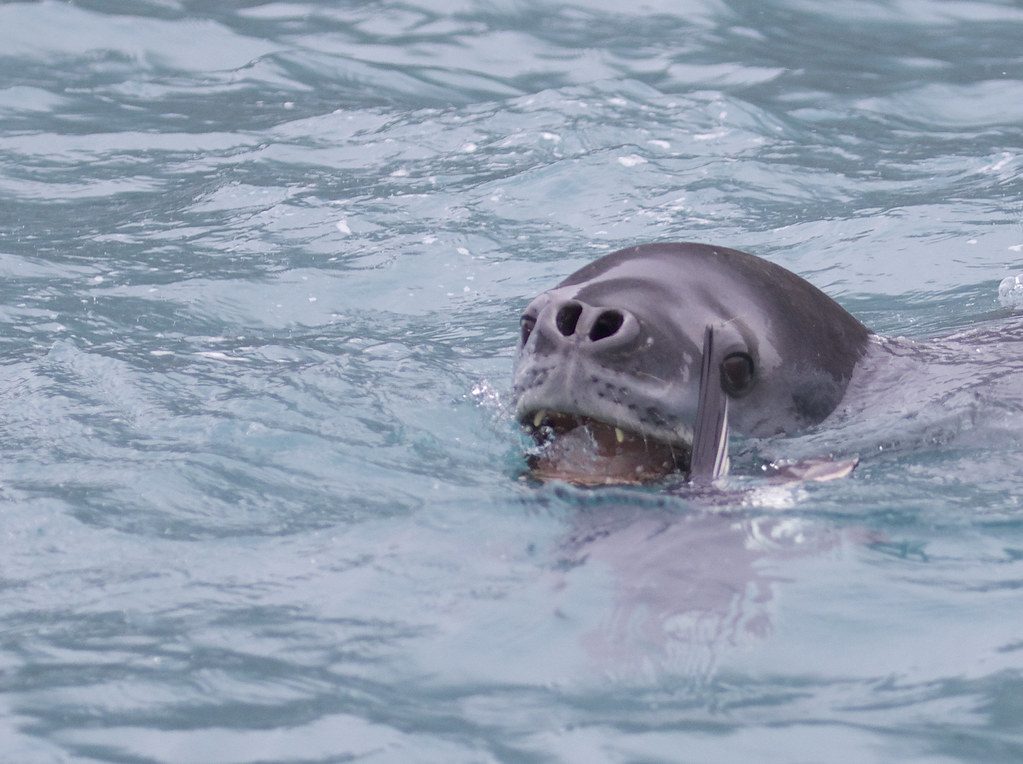
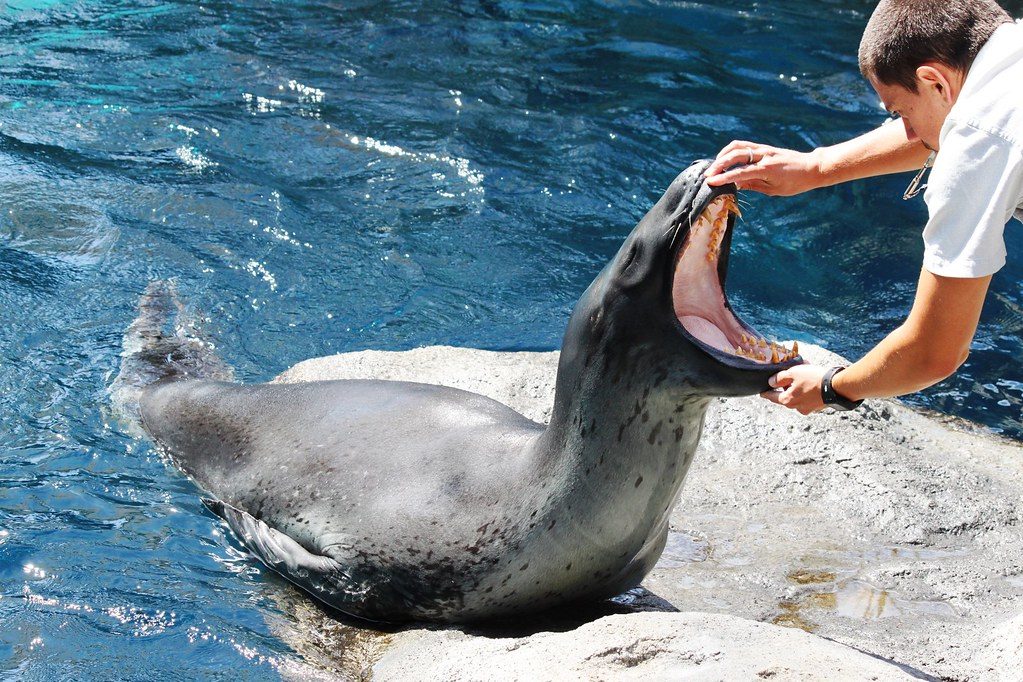
    The leopard seal is the second-largest seal species in Antarctica and one of the region’s apex predators. Adults can grow several meters long and possess powerful jaws filled with sharp teeth designed for capturing a wide variety of prey.

    Unlike many other Antarctic seals, leopard seals usually live alone. Their solitary lifestyle allows them to patrol large hunting areas around pack ice where many prey species gather.

    Penguins are always alert

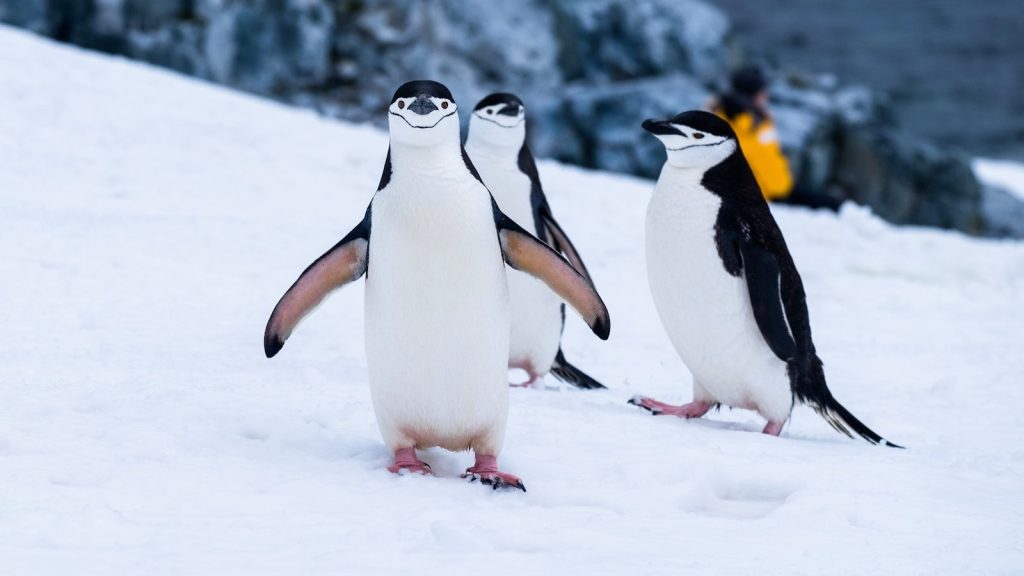
    penguins on snow covered fields during daytime
    Photo by Derek Oyen on Unsplash

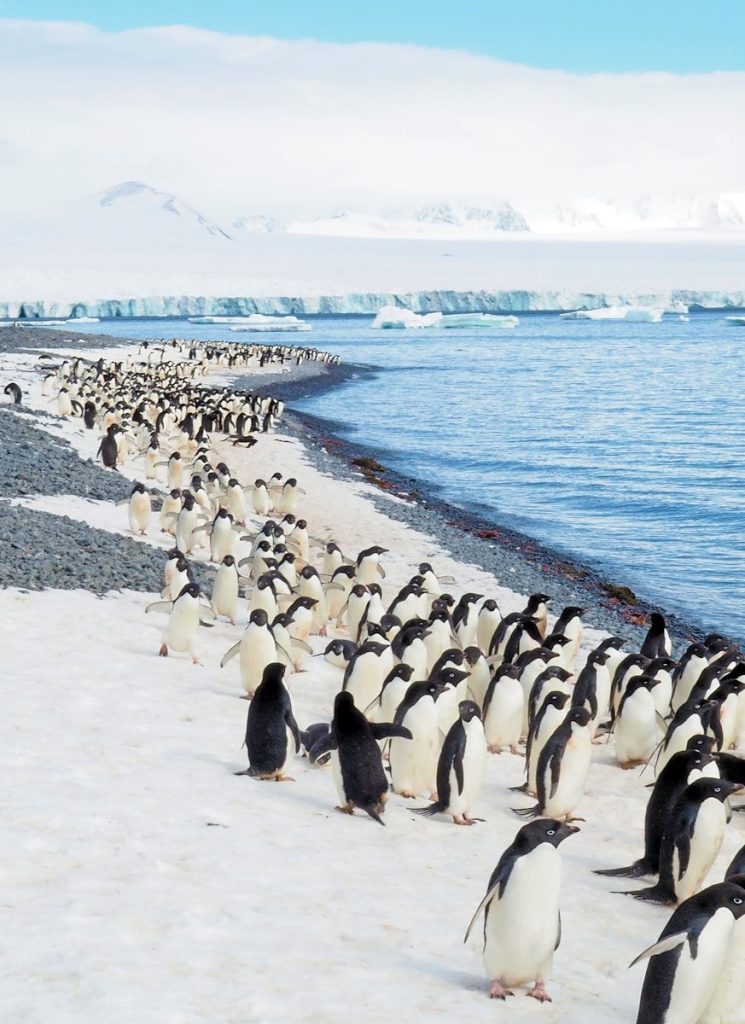
    Many penguin species must enter the ocean to feed, even though predators may be waiting nearby. Leopard seals often patrol the edges of sea ice where penguins first enter the water, creating ideal ambush sites.

    Not every attack succeeds. Penguins use quick turns, rapid swimming, and nearby ice as protection, and many manage to escape despite the seal’s speed.

    Built for powerful hunting

    Leopard Seal” by AegirPhotography is licensed under CC BY-NC 2.0

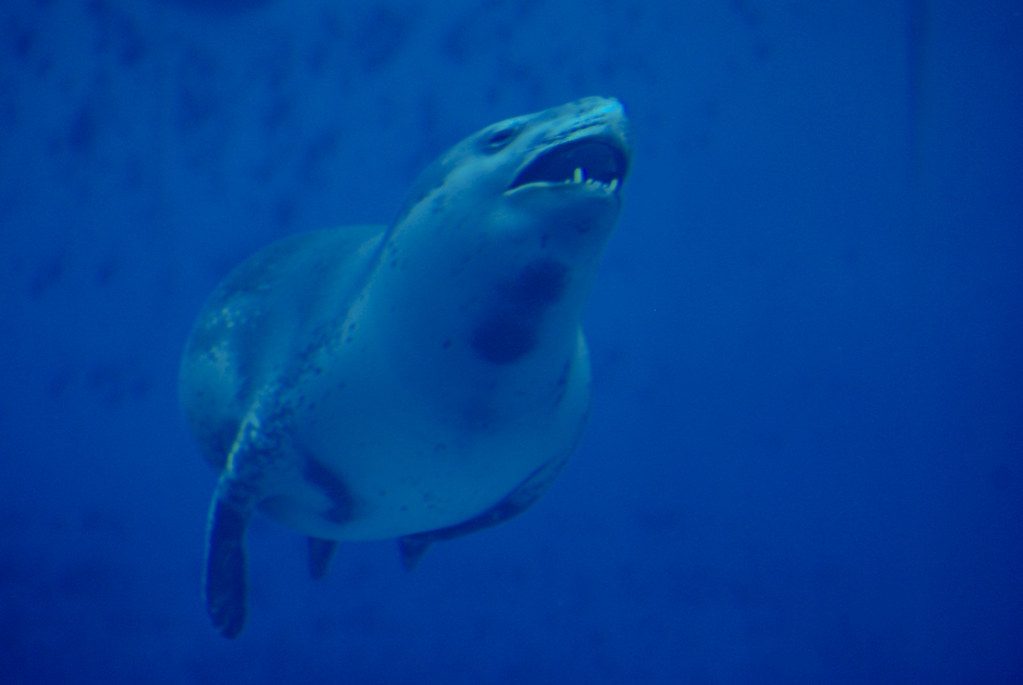
    Leopard seals combine speed, strong jaws, and excellent underwater vision to capture prey. They can accelerate rapidly and strike with little warning, making them highly effective hunters beneath the ice.

    Their diet is surprisingly varied. While adults commonly hunt penguins and young seals, they also eat fish, squid, and even krill, filtering small prey through specialized teeth when needed.

    Life in a frozen world

    Leopard Seal (Hydrurga leptonyx)” by Gregory ‘Slobirdr’ Smith is licensed under CC BY-SA 2.0

    Antarctica presents extreme challenges for every animal. Thick blubber helps leopard seals stay warm, while streamlined bodies allow them to move efficiently through freezing water.

    Living in such a demanding environment has shaped every part of the leopard seal’s biology. Their hunting skills are the result of millions of years of evolution in one of Earth’s coldest ecosystems.

    Rare encounters with humans

    Leopard seal IMG_9509” by OZinOH is licensed under CC BY-NC 2.0

    Although leopard seals can injure people, encounters with humans are uncommon because they live in remote Antarctic waters. Most seals avoid direct interaction with researchers and visitors.

    Scientists have documented only a small number of aggressive encounters, including the tragic death of marine biologist Kirsty Brown in Antarctica in 2003. Such incidents remain exceptionally rare.

    A vital part of Antarctica’s ecosystem

    penguins on white sand beach during daytime
    Photo by Tam Minton on Unsplash

    Leopard seals help maintain healthy marine ecosystems by regulating populations of penguins, fish, and other prey species. As apex predators, they play an important role in preserving ecological balance.

    Watching a leopard seal hunt offers a remarkable glimpse into life in the Southern Ocean. Their strength, intelligence, and specialized adaptations continue to fascinate scientists studying one of the world’s most challenging environments.

  • The heartbreaking journey every baby seal must take to survive its first days

    The heartbreaking journey every baby seal must take to survive its first days

    For a baby seal, the first journey to the ocean is both exciting and dangerous. Moments after leaving the safety of the beach or ice, young pups begin learning skills that will determine whether they survive. They cannot see the predators beneath the waves or understand the many challenges ahead.

    Even so, they keep moving forward because entering the water is a necessary part of life. This article explores why baby seals make this remarkable journey, the dangers they face, and how nature prepares them for one of the toughest starts in the animal kingdom.

    Every journey begins with instinct

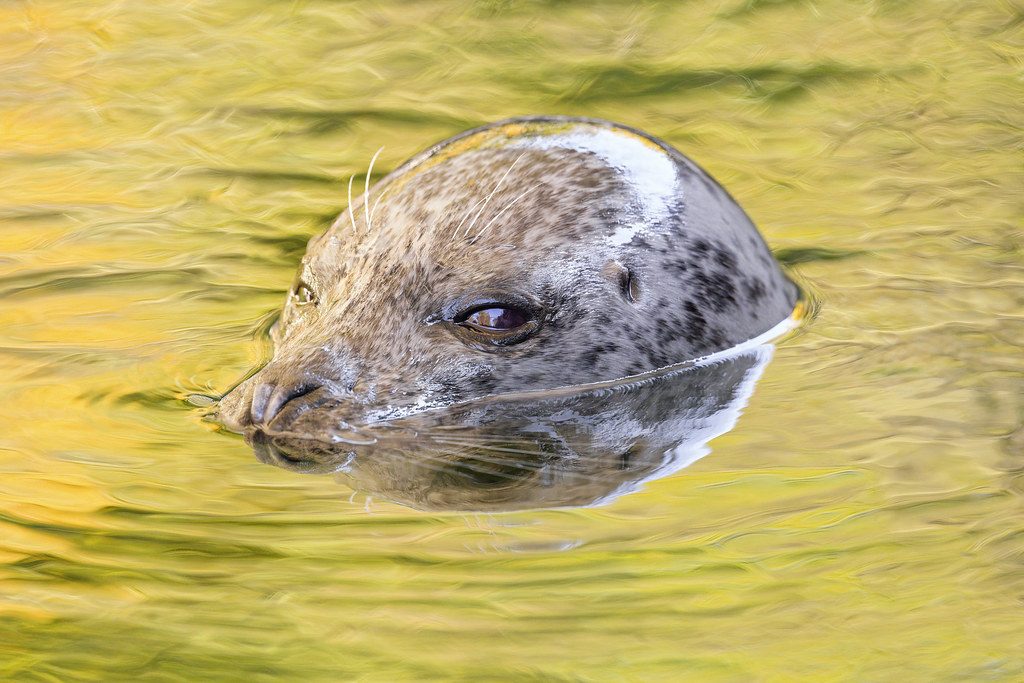
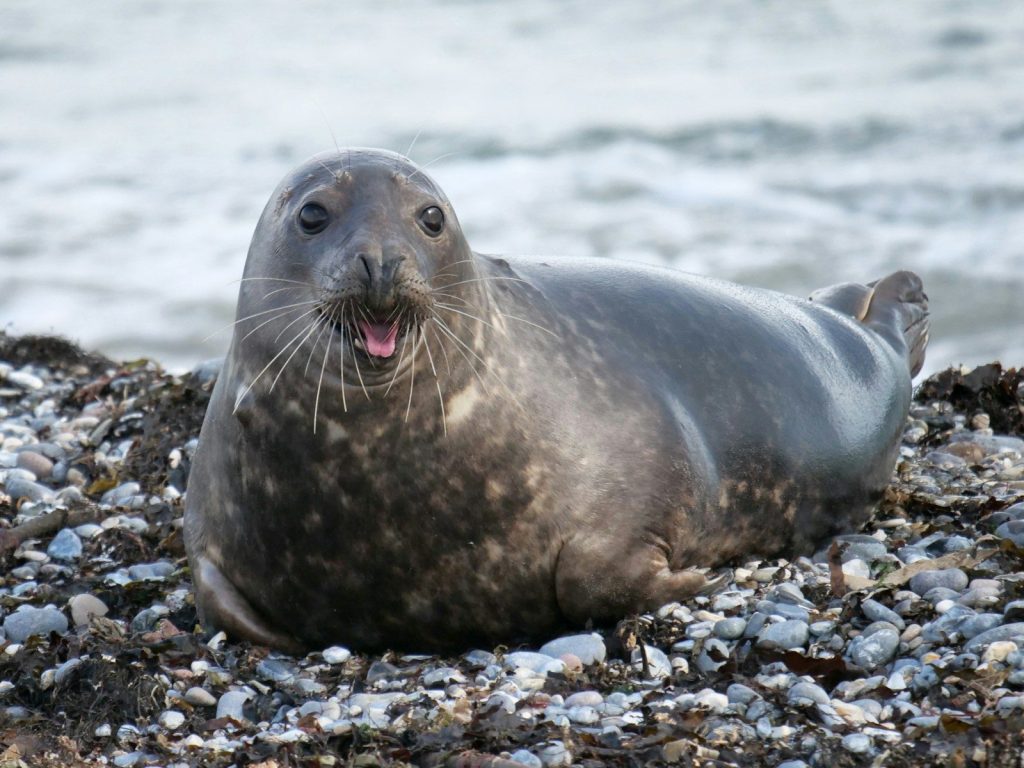
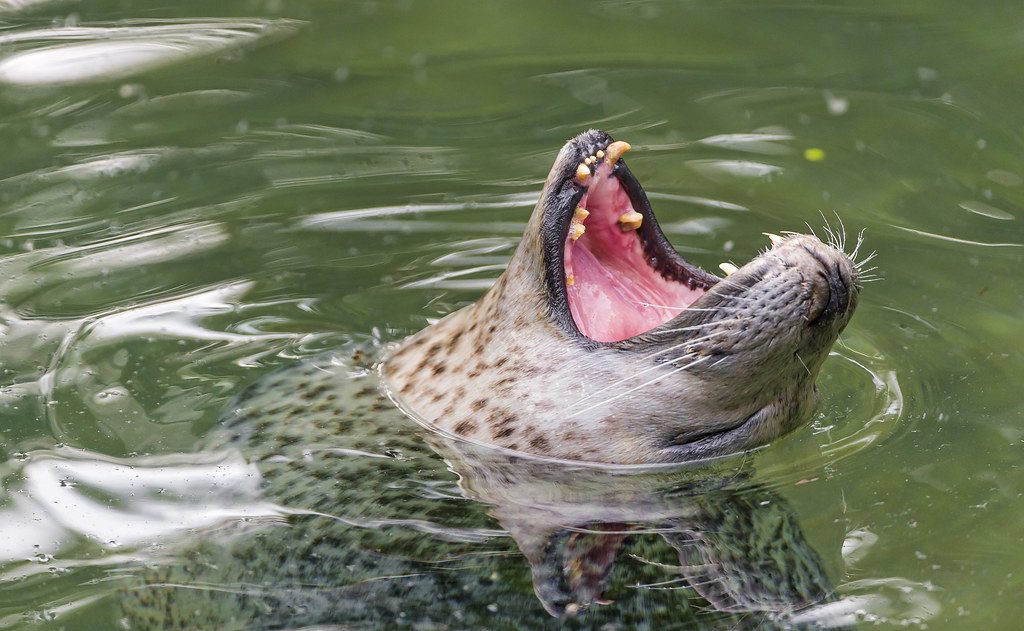
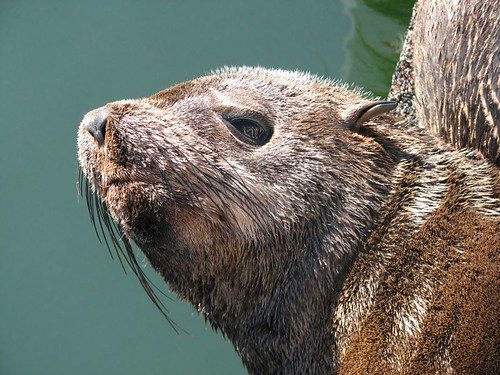
    Baby seal with open mouth” by Tambako the Jaguar is licensed under CC BY-ND 2.0

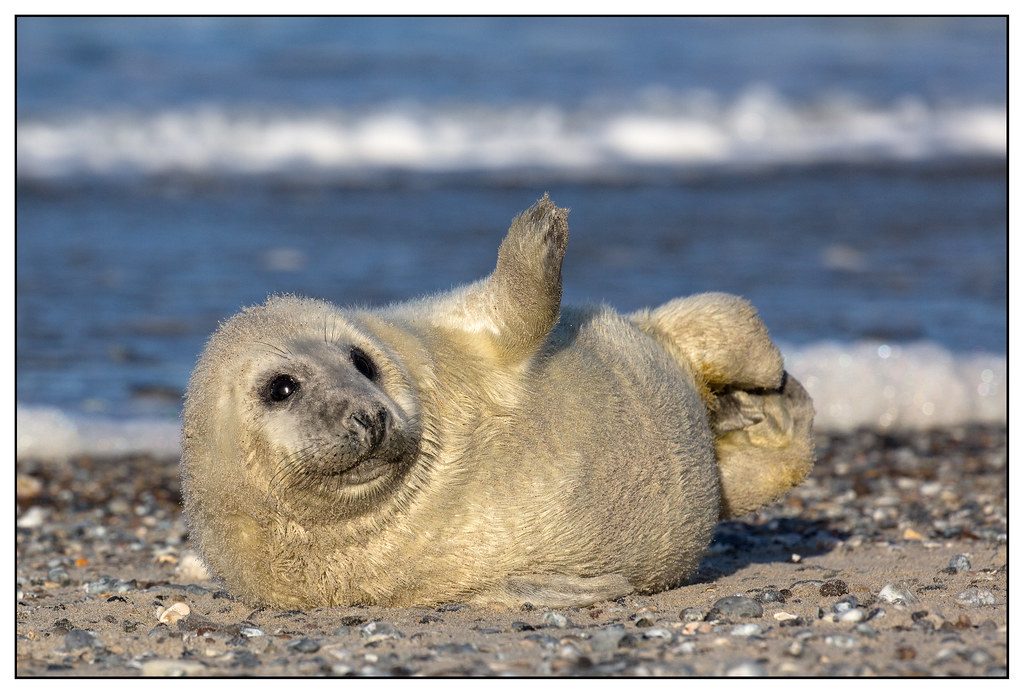
    Seal pups do not hesitate for long after it is time to leave their birthplace. Guided by instinct, they begin making their way toward the ocean where they must eventually learn to swim, dive, and find food.

    Although the beach may appear safe, it cannot provide everything a growing seal needs. The ocean becomes their new home, even though it also contains many hidden dangers waiting beneath the surface.

    The ocean is full of unseen risks

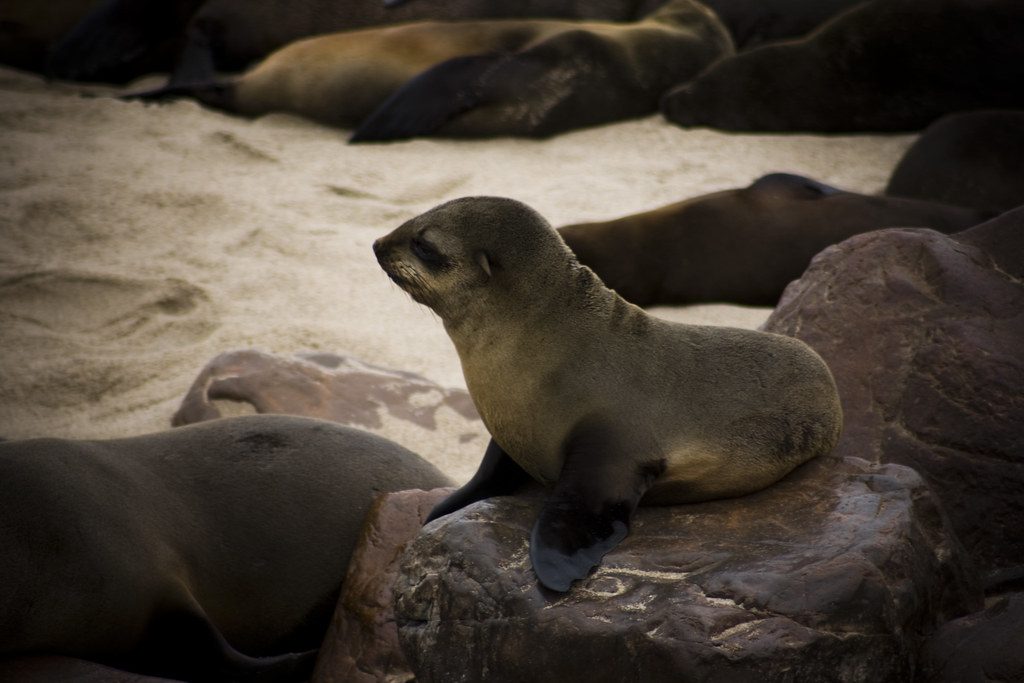
    Baby Seal” by MyAngelG is licensed under CC BY 2.0

    Young seal pups face threats from predators such as sharks and killer whales, depending on where they live. Many pups are especially vulnerable during their first weeks as they learn how to survive in the water.

    Natural dangers are only part of the challenge. Storms, strong waves, and changing weather can separate pups from safe resting areas, making their first months especially difficult.

    Survival depends on learning quickly

    Baby seal” by indii.org / Lawrence Murray is licensed under CC BY 2.0

    Newborn seals must rapidly develop important skills such as swimming, diving, and recognizing danger. These abilities improve with experience and greatly increase their chances of surviving in the wild.

    Some species can swim almost immediately after birth, while others spend time nursing before making longer journeys. Each species follows a slightly different path, but every pup eventually becomes independent.

    Not every danger comes from nature

    Tangled fishing line” by Aristocrats-hat is licensed under CC BY 2.0

    Human activities also create serious threats to young seals. Discarded fishing gear, plastic pollution, boat traffic, and accidental entanglement can injure or kill pups before they reach adulthood.

    Conservation organizations regularly rescue entangled seals, but many affected animals are never found. Reducing marine pollution remains one of the best ways to improve survival for young marine mammals.

    Nature balances beauty and hardship

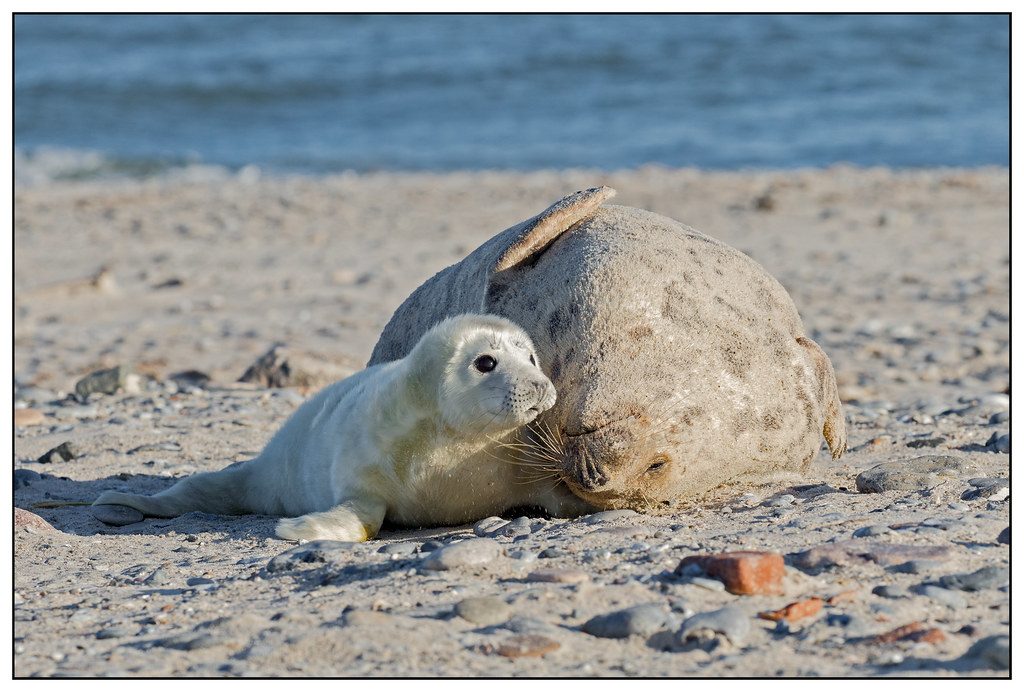
    Grey Seal with baby seal – Grijze zeehond met baby (Halichoerus grypus) …” by Martha de Jong-Lantink is licensed under CC BY-NC-ND 2.0

    Watching baby seals race toward the sea is both inspiring and emotional. Their determination reflects millions of years of evolution that have prepared them for life in challenging marine environments.

    Although many pups survive and grow into healthy adults, others do not. Life in the wild depends on resilience, learning, and a measure of luck during those critical first weeks.

    Every surviving seal is a success

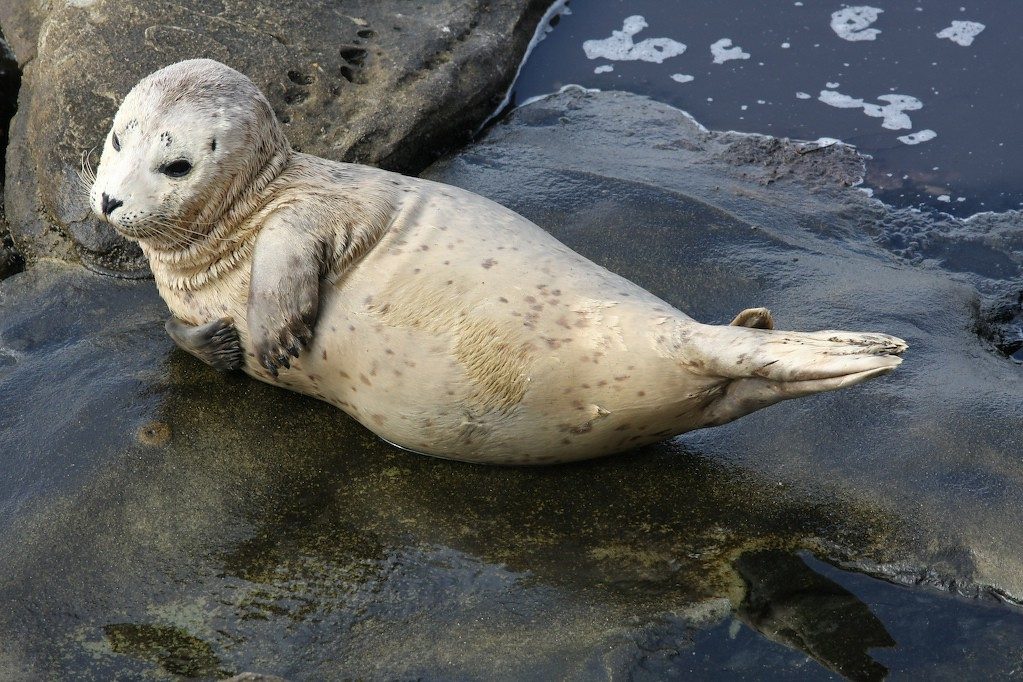
    baby seal” by Tutu Kazooie is licensed under CC BY-NC 2.0

    Each seal that reaches adulthood has overcome enormous challenges from the moment it was born. Every successful journey helps maintain healthy marine populations and balanced ocean ecosystems.

    The story of baby seals reminds us that survival in nature is rarely easy. Their first race toward the ocean is not simply a beautiful moment but the beginning of a lifetime of remarkable endurance.

  • The incredible search that found the legendary Ship of Gold after 131 years

    The incredible search that found the legendary Ship of Gold after 131 years

    For more than 130 years, one of America’s greatest lost treasures rested unseen beneath the Atlantic Ocean. The SS Central America, later called the “Ship of Gold,” disappeared during a powerful hurricane in 1857 while carrying passengers and an enormous shipment of California Gold Rush treasure. Many believed the ship would never be found.

    Then a team led by engineer Tommy Thompson approached the mystery in an unusual way by treating it like a mathematical problem. This article explores how science, history, and technology combined to solve one of the world’s greatest shipwreck mysteries and why the treasure continues to fascinate people today.

    A disaster changed American history

    sunken ship
    Photo by Olga ga on Unsplash

    The SS Central America was a 278-foot sidewheel steamship traveling from the California Gold Rush toward New York in September 1857. Along with nearly 500 passengers and crew, it carried thousands of pounds of gold in the form of coins, bars, nuggets, and gold dust.

    A powerful hurricane struck the ship off the southeastern United States, causing it to sink. About 150 people survived, while hundreds lost their lives. The loss of so much California gold also contributed to the financial crisis known as the Panic of 1857.

    Solving a shipwreck like a math problem

    a large ship sitting on top of a body of water
    Photo by Karl Callwood on Unsplash

    By the 1980s, historians knew roughly where the ship had disappeared, but the Atlantic Ocean search area was enormous. Tommy Thompson and his team gathered every piece of historical evidence they could find, including survivor accounts, newspaper reports, weather records, ocean currents, and the ship’s final known position.

    Working with mathematician Lawrence D. Stone, the team used search theory to divide nearly 1,400 square miles of ocean into probability zones. Instead of searching randomly, they focused first on the locations most likely to contain the wreck.

    Technology finally revealed the wreck

    a large boat floating on top of a green body of water
    Photo by Bernd 📷 Dittrich on Unsplash

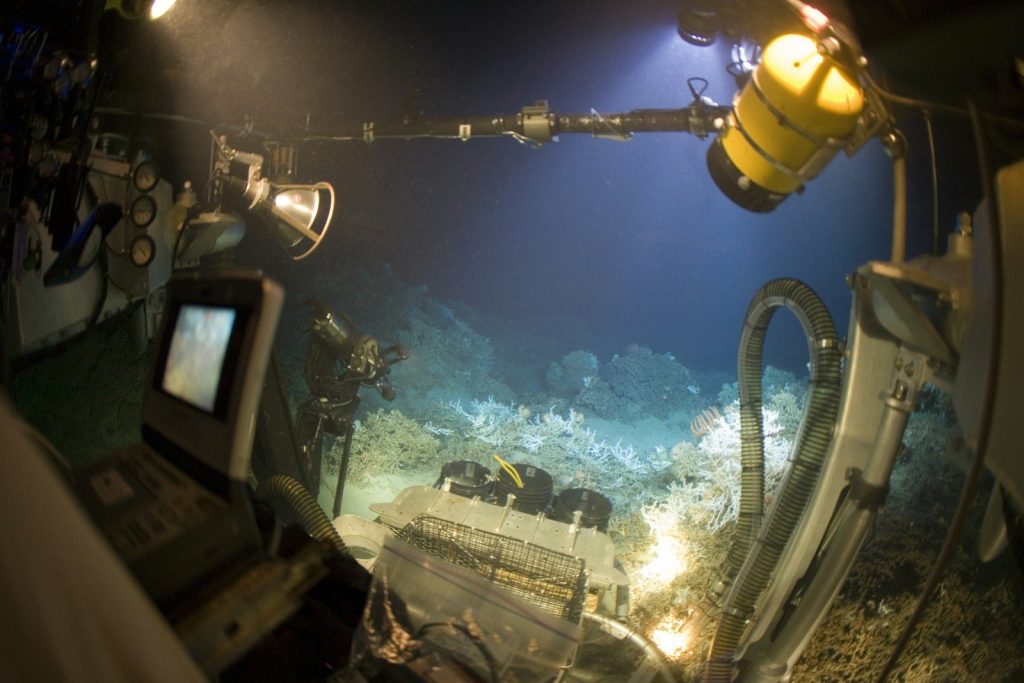
    After narrowing the search area, the expedition returned to the Atlantic in 1988 with the remotely operated vehicle Nemo. Nearly 8,000 feet below the surface, cameras spotted one of the ship’s distinctive paddle wheels resting on the seafloor.

    The discovery confirmed that the team had located the long-lost SS Central America. Over the following years, additional dives recovered thousands of gold coins, gold bars, nuggets, gold dust, and many historical artifacts from the wreck site.

    Finding the treasure created new problems

    yellow and black gas lamp
    Photo by NOAA on Unsplash

    Recovering the gold made international headlines, but it also led to years of legal disputes. Investors, insurance companies, and expedition members all claimed ownership of different parts of the recovered treasure.

    Tommy Thompson later became the center of an even larger controversy after disputes involving 500 commemorative gold coins. His legal battles eventually resulted in years of imprisonment, while the location of the missing coins remained unresolved.

    Much of the ship still remains unexplored

    a man in a swimming pool
    Photo by Karl Callwood on Unsplash

    Although enormous amounts of treasure were recovered, only a small portion of the wreck has been explored. Modern technology has allowed researchers to study parts of the site, but large areas remain untouched beneath the deep Atlantic.

    Marine archaeologists continue to view the SS Central America as an important historical site rather than simply a source of treasure. Every recovered artifact provides new information about life, commerce, and travel during the California Gold Rush era.

    The Ship of Gold still captures imaginations

    underwater view of a swimming pool
    Photo by Karl Callwood on Unsplash

    The story of the SS Central America combines history, engineering, mathematics, and deep-sea exploration. It shows how careful research and new technology can solve mysteries that once seemed impossible.

    Even today, the Ship of Gold remains one of the most famous treasure discoveries ever made. Its remarkable history continues to inspire explorers, historians, and scientists searching for answers hidden beneath the ocean.